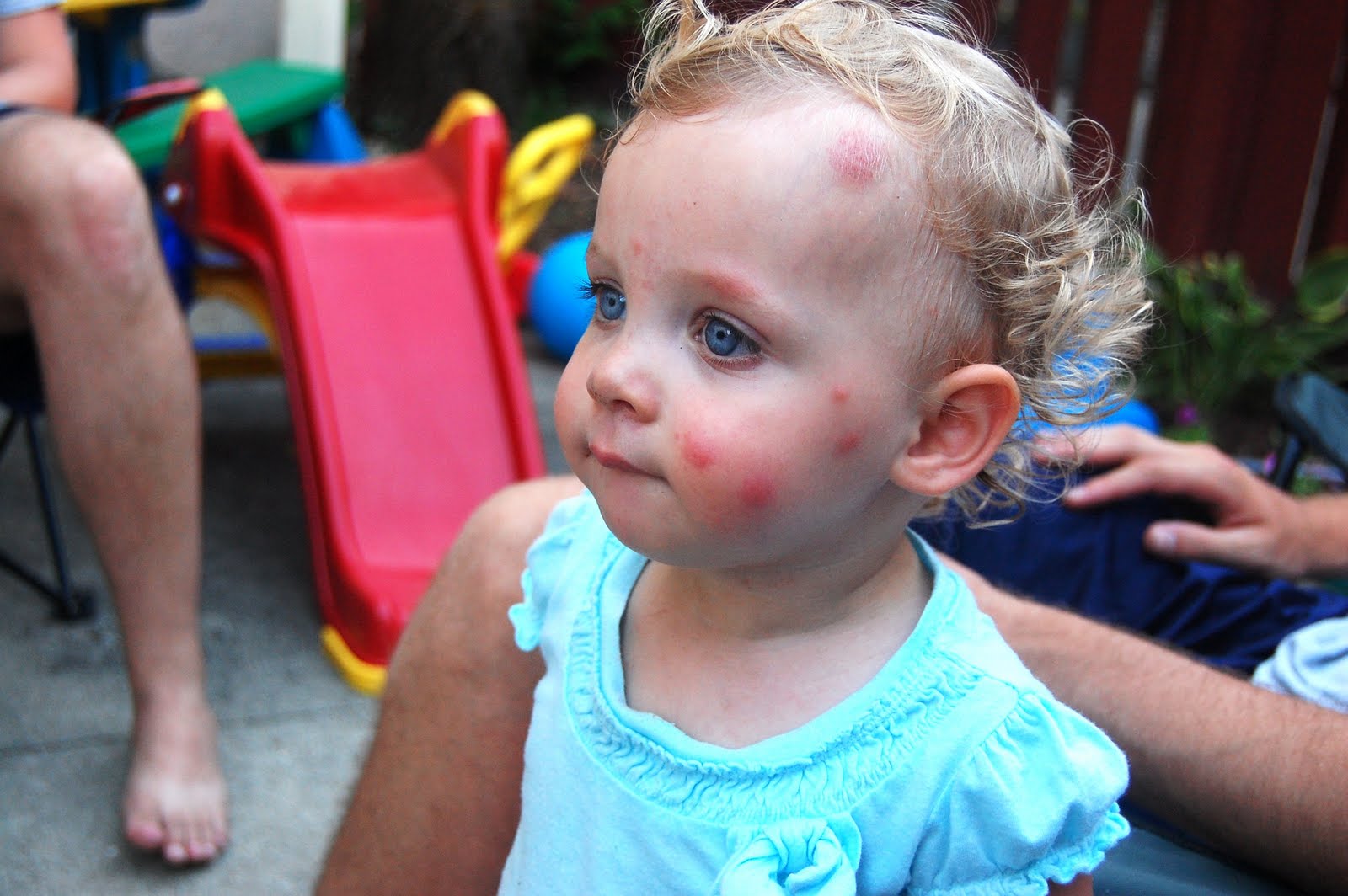
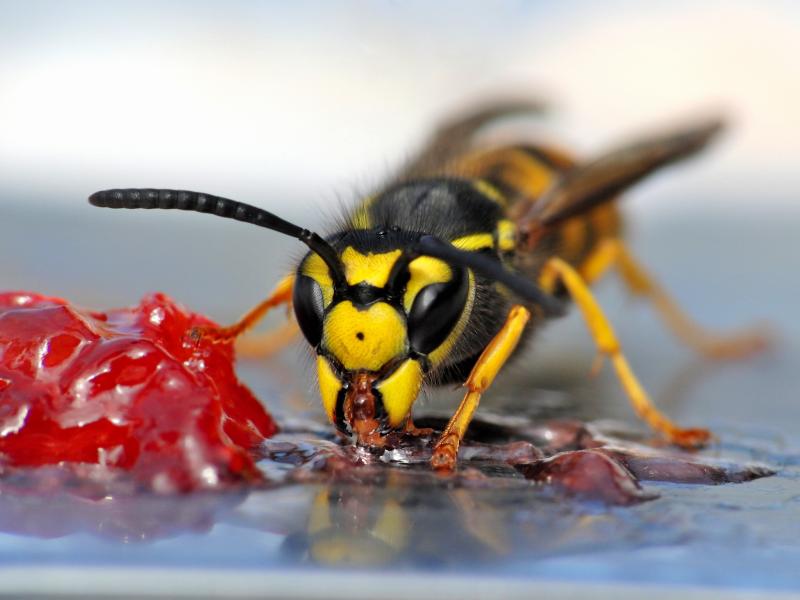
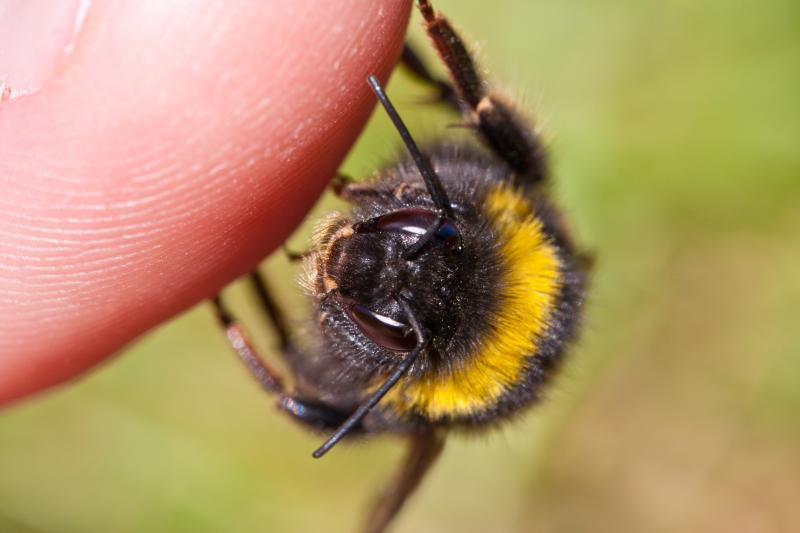
During the summer outdoors, the risk of being stung is always present. Wasp stings are quite painful and, if left untreated, can lead to a number of unpleasant complications. It's important to recognize a wasp sting and choose the right treatment to minimize damage to your health.
Content
Symptoms of a wasp sting
Unlike bees, hornets, and bumblebees, wasps can sting and bite their attackers with their mandibles. After an attack, the wasp's stinger does not remain in the skin, and the wasp itself is capable of attacking again. Furthermore, if one wasp senses the venom, others may also attack.
The main difference with a wasp sting is that the stinger does not remain in the skin. The sting is more painful than a bee sting, but less so than a hornet sting.
A wasp sting looks like a raised blister with a red spot in the center. The following symptoms also appear:
- local edema;
- redness;
- itching;
- rashes.
Less common symptoms:
- headache;
- increase in temperature;
- nausea;
- convulsions.
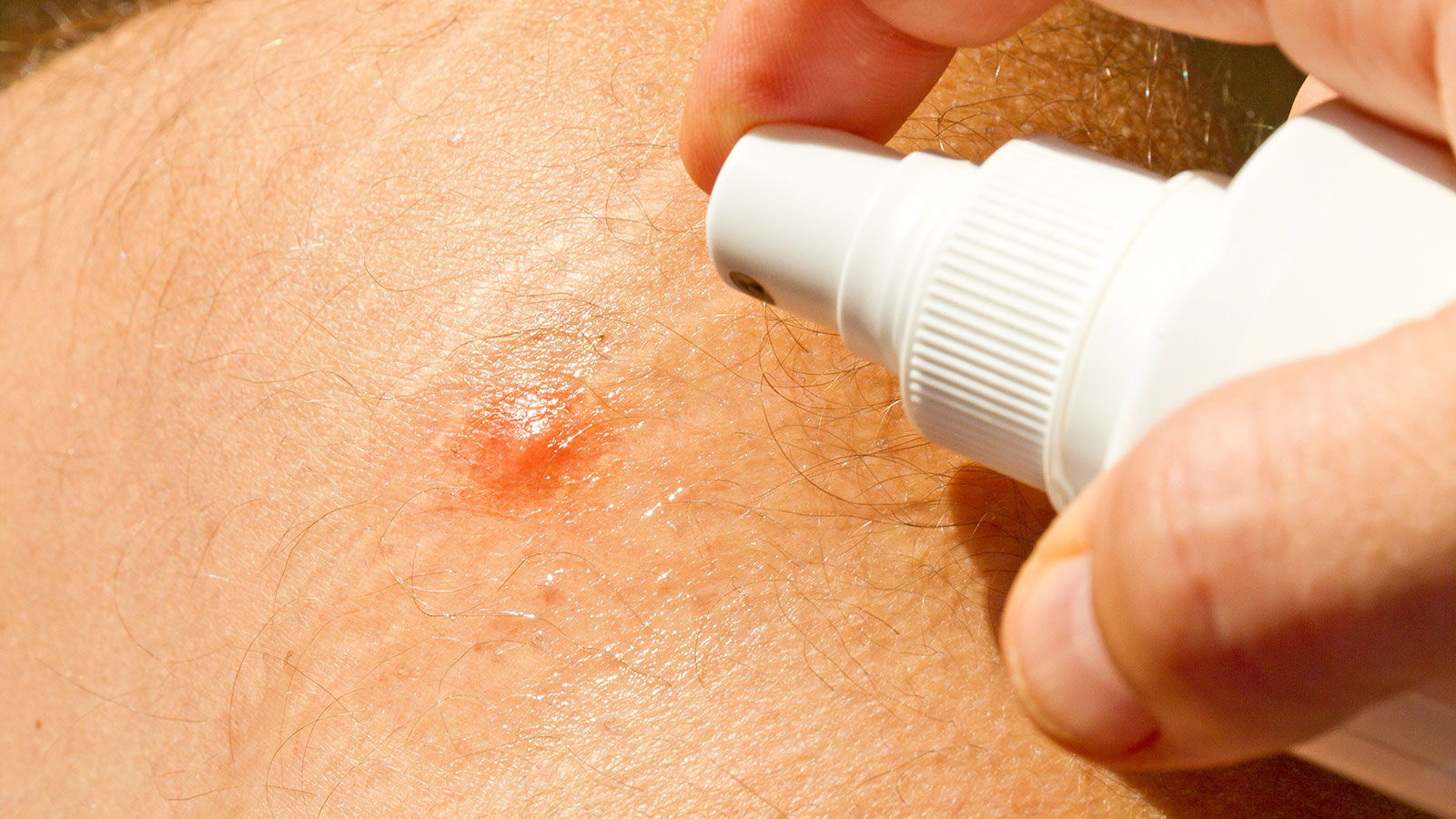
A normal reaction to a wasp sting is accompanied by mild swelling and redness.
Swelling around the wound appears immediately and is considered a normal reaction. Local irritation and rash also do not indicate the development of an allergy.
Possible consequences of a bite
People with weakened immune systems, children, and pregnant and breastfeeding women are prone to allergic reactions to the venom of wasps and other insects. This can cause intense, painful reactions to stings, leading to unpleasant complications.
Complications after a wasp sting:
- allergies, including Quincke's edema and anaphylactic shock;
- If the bite occurs on the eyelid or eyeball, there is a risk of partial, temporary or complete loss of vision;
- scratching the wound and its subsequent infection;
- A bite on the tongue and its swelling can cause suffocation.
Children tend to scratch wounds because they can't tolerate intense itching. They need to be closely monitored.
The most dangerous complication is anaphylactic shock. It can result in coma or death. Signs of this complication include:
- rashes all over the body;
- general itching;
- increasing tissue swelling;
- weakness;
- low blood pressure;
- the voice becomes hoarse;
- sensation of a foreign body in the throat;
- difficulty breathing;
- loss of consciousness.
If such symptoms occur, call an ambulance immediately. Immediate hospitalization and inpatient treatment will likely be required.
The patient should not be left alone until the ambulance arrives, as there is a risk that he will begin to choke and may require first aid.
Quincke's edema is a localized swelling of the subcutaneous tissue and mucous membranes. It develops over a period of time (from a few minutes to several days) and can be fatal. It occurs as a reaction to contact with an allergen. Its symptoms include:
- swelling of the respiratory organs;
- local tissue edema;
- difficulty breathing;
- cough;
- loss of consciousness;
- pallor.
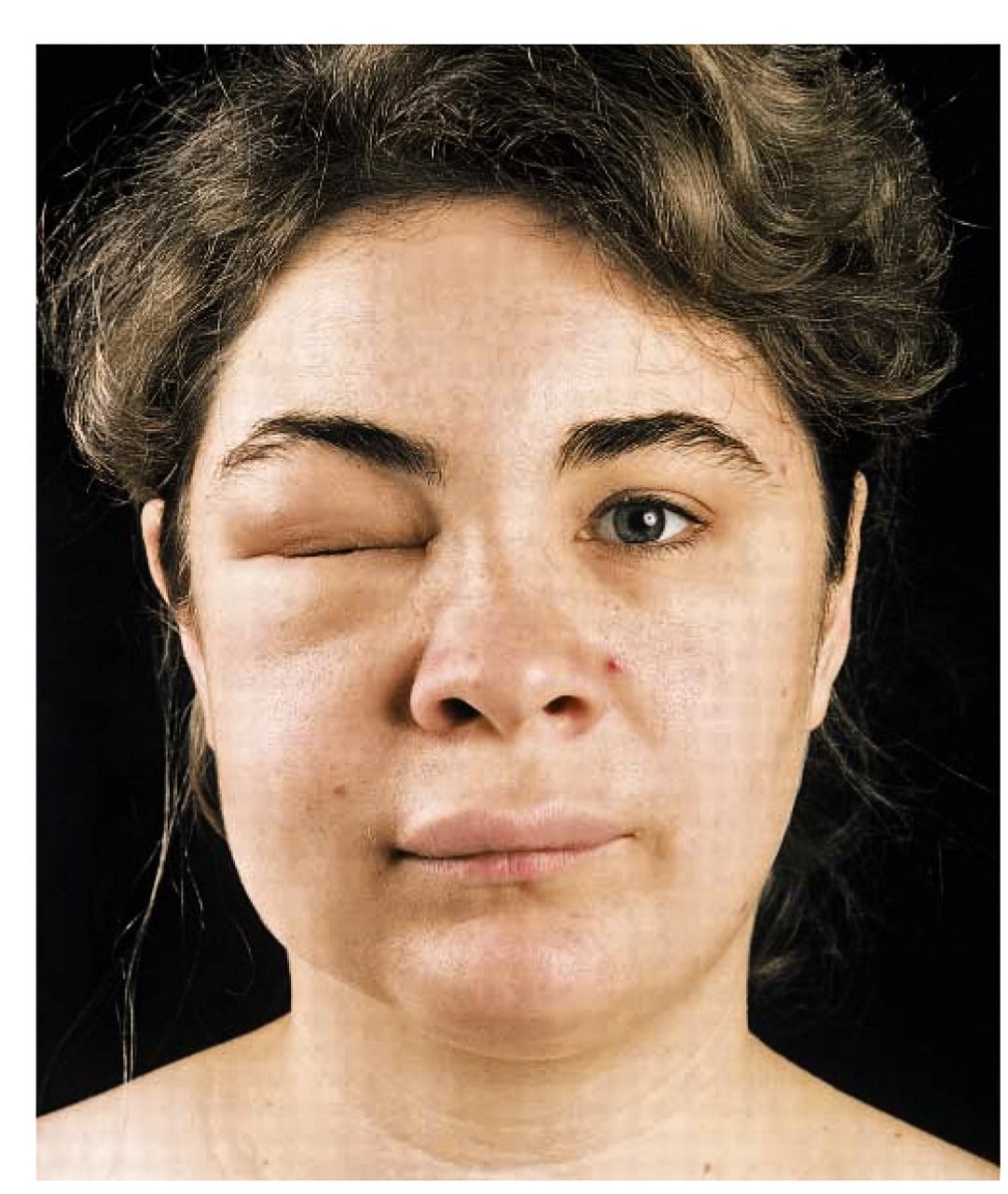
In some cases, Quincke's edema develops in just a few minutes.
If such symptoms occur, you should immediately consult a doctor.
What to do if you get stung by a wasp
If the reaction is within normal limits and includes only local symptoms, then a number of simple steps need to be taken:
- Treat the bite with an antiseptic (hydrogen peroxide, potassium permanganate).
- Apply a compress.
- Drinking plenty of fluids will help flush the poison out of your body.
- Assess the condition of the victim.
- Use symptomatic remedies.
- If itching and swelling increase, take antihistamines (Diazolin, Claritin, Diphenhydramine, Suprastin, Tavegil, Claridol).
Wasps don't leave a stinger, so you won't have to remove it. If it remains, it was most likely a bee. In this case, treat the sting site and tweezers with antiseptic and carefully remove the stinger.
Important! Don't try to squeeze the poison out of the wound; it won't work, and the risk of infection will increase.
If, after these measures, the existing effects of the bite worsen within 24 hours, this indicates an allergic reaction. You should consult an allergist who will prescribe treatment.
If the victim begins to choke and lose consciousness, indirect heart massage and artificial respiration are necessary.
The process of providing first aid for choking:
- Place your palms on the lower sternum.
- Keep your arms straight.
- Press on the sternum so that it drops by 3 cm.
- To inhale, raise the victim's head.
- Pinch your nose.
- Close your mouth tightly and take a powerful breath.
- Alternate between inhalations and presses 2/15, this pattern is considered the most effective.
Video: Chest compressions
Pharmaceutical drugs
Commercial insect bite remedies come in three forms:
- ointments (slowly absorbed due to the oil base, but remain on the skin longer);
- creams (in terms of composition and duration of action, they are almost no different from ointments);
- gels (they are water-based, so they are immediately absorbed and have an effect).
Ointments and creams leave greasy stains on clothing and should be handled with care.
Pharmaceutical products also differ in their effects:
- reduce itching;
- relieve swelling;
- heal wounds;
- relieve pain;
- have an anti-allergic effect.
Make your choice based on the symptoms that appear.
Table: Insect bite remedies
| Action | Active ingredient | Contraindications | Grade | Price | |
| Hydrocortisone ointment |
| Hydrocortisone acetate - 10 mg. |
| 4.1 | 30 rubles |
| Fenistil |
| Dimetindene—1 mg. |
| 3.9 | 360 RUR |
| Akriderm | Decongestant. | Betamethasone dipropionate - 0.64 mg. |
| 4.2 | 150 RUR |
| Advantan |
| Methylprednisolone aceponate - 1 mg. |
| 4.4 | 550 RUR |
| Rescuer | Healing. |
| Hypersensitivity to components. | 4.8 | 154 RUR |
Consumer reviews
Hydrocortisone ointment
The smell is distinctive and unpleasant. The consistency is greasy and stains clothes. The hormonal component is a drawback. But the effect is amazing! All the downsides pale in comparison to how Hydrocortisone combats dermatitis and rashes.
I liked Akriderm Cream. It will now be a permanent fixture in my medicine cabinet. It will come in handy in the summer for treating insect bites.
Advantan. It all went away after four applications. I can wear makeup again! I used to have to wait two weeks for the aftereffects of an allergic reaction to heal, and they happen often—either to a new pencil or to eyeshadow. This ointment will always be in my medicine cabinet.
I always carry Fenistil in my first aid kit. And I can tell you, wasp stings are easier to bear now. Yes, the sting site swells, but not as much, and the swelling goes down within a couple of hours, which is much better than a day or two.
The rescuer heals purulent wounds so quickly it's simply amazing. It's all thanks to a bunch of herbs mixed into the balm. The rescuer disinfects and relieves pain; sometimes the abscess throbs if the wound is serious and aching... The entire process stops. Within just two hours, the pain noticeably subsides, even with burns.
Traditional methods
Compresses using natural ingredients will help relieve itching and inflammation.
Compress of parsley, dandelion or plantain:
- Wash 50–70 grams of leaves of the plant from which the compress will be made.
- Grind until juice is released.
- Apply the resulting gruel to the bite site.
- Wrap with a bandage.
- Change every 2 hours.
Aloe compress:
- Wash the leaves.
- Remove the skin.
- Apply the pulp to the bite site.
- Wrap with a bandage.
Aloe juice has anti-inflammatory properties.
Tansy compress:
- Pour two tablespoons of water over the dried inflorescences.
- Boil for 15 minutes.
- Cool.
- Strain.
- Moisten a cotton pad.
- Apply to the bite site.
Potato compress:
- Cut the raw vegetable into slices or grate.
- Apply to the bite.
- Rewind.
- Replace with fresh ones when the potatoes are warm.
Applying an ice pack to the bite site can also be helpful. To soothe the skin, use a menthol-containing paste.
How to avoid insect attacks
When outdoors, follow these simple rules to avoid getting stung:
- Do not use care products with a strong scent, as this will attract insects;
- dress in dull clothes so that the wasp doesn’t mistake you for a flower;
- clothing should fit tightly to prevent insects from flying under it;
- if a wasp is close, stay calm, do not irritate it, and it will not attack;
- Make sure there are no insects on your food;
- Don't walk barefoot.
There are also insecticidal aerosols, such as Raid, Raptor, Moskitol, and Gardex. These sprays are effective against wasps, hornets, mosquitoes, ticks, and other insects.
The products are applied to clothing or exposed skin. Taking this product with you outdoors minimizes the risk of being bitten.
There are also ultrasonic wasp repellents. Their advantages:
- safe for people and animals;
- silently;
- also helps against mosquitoes, hornets, mice, etc.;
- ease of use;
- mobility (devices are battery-powered);
- low price.
Popular brands: Air comfort, Riddex, X-BIRD
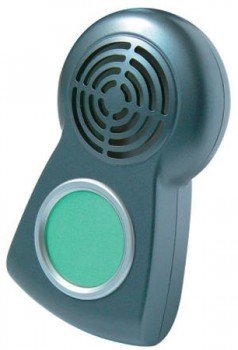
The Air comfort repeller covers an area of up to 40 sq. m.
Although a wasp sting is usually painful, it poses no significant health risks. If stings are treated promptly and correctly, taking into account the symptoms, no serious health consequences will occur.