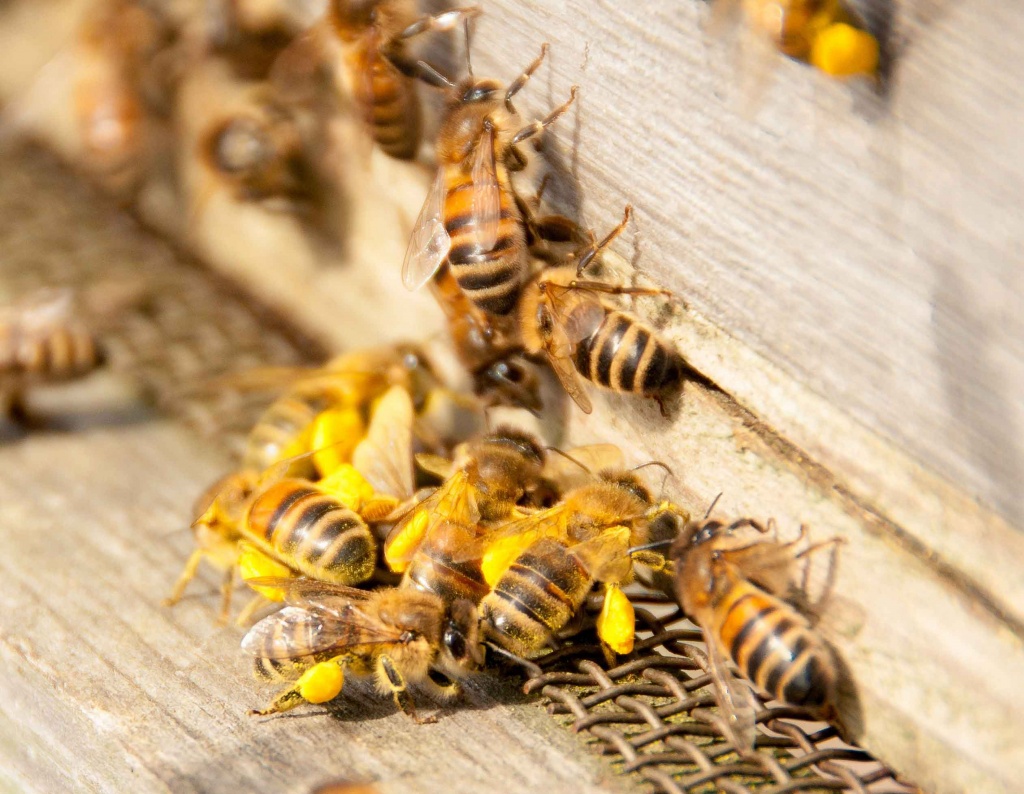
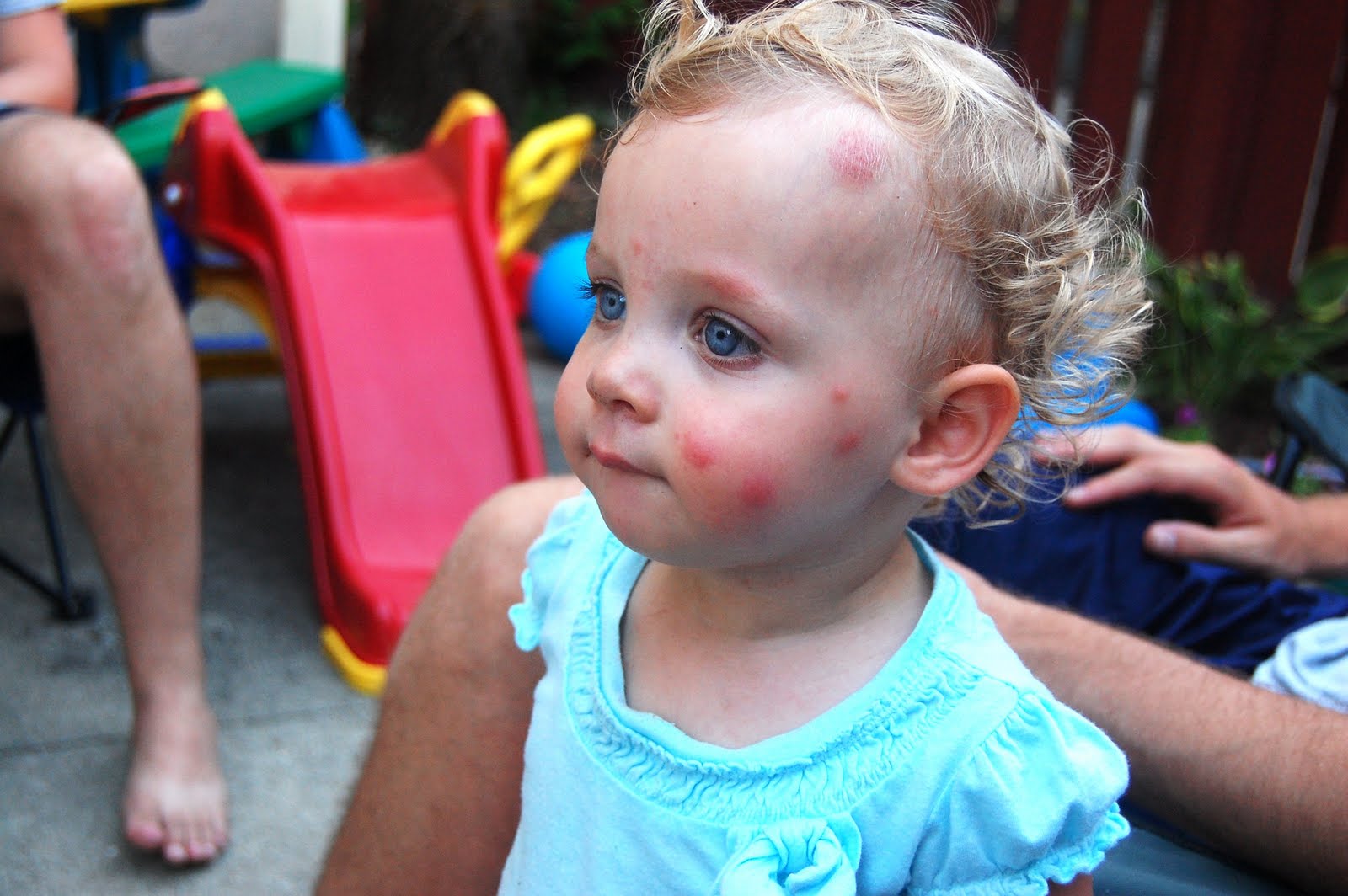
Bees don't attack without a reason. Their attacks are always defensive, but these little creatures can view any human action as a threat to their own life or their offspring. Therefore, both adults and children are at risk of being stung. Knowing what to do after an insect attack can help reduce the dangers.
Content
Is it possible to avoid a bee sting?
Bees need a reason to attack. Eliminating the sources of irritation can prevent stings. Bee aggression is triggered by:
- loud noise, sudden movements, running, screaming;
- strong odors - sweat, alcohol, tobacco, onions, garlic, strong perfumes;
- being near human hives.
Therefore, avoid making sudden movements or running near them. Also, avoid the houses and try not to accidentally stumble upon a nest of wild insects.
A sting from one bee provokes attacks from others. If you are stung by one, leave the area quickly.
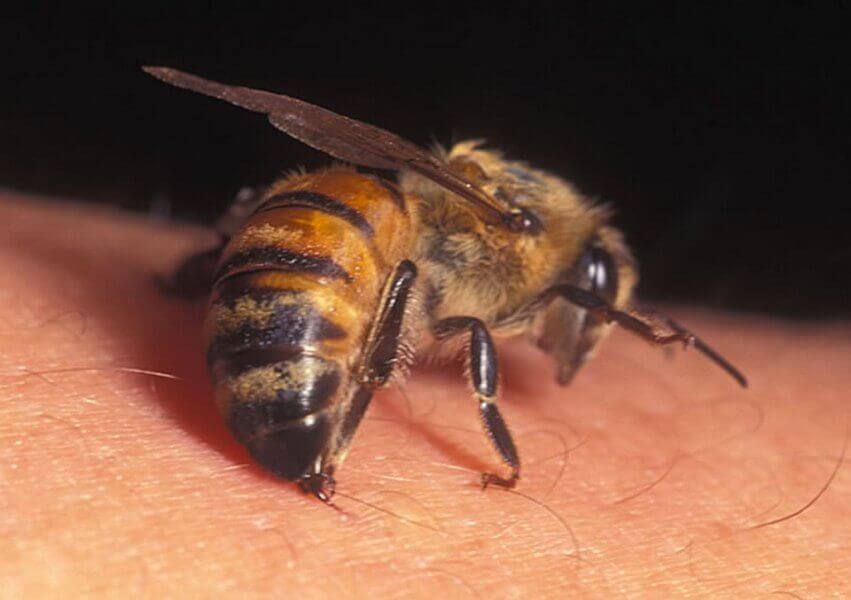
Bees perceive sudden movements, strong odors, and loud sounds as a signal to attack and may sting a person who is the source of such irritants.
Symptoms of a bite
A bee has no teeth, so it doesn't bite, but stings. It pierces the skin with its stinger, leaving it there before flying away and dying shortly thereafter. The stinger's detachment causes severe internal damage incompatible with life. The person experiences a sharp, burning pain caused by the bee venom. The sting site immediately turns red and swells. Depending on the individual's individual characteristics, other symptoms may also occur:
- itching;
- chills;
- headache;
- increase in temperature;
- nausea and vomiting;
- pressure reduction;
- convulsions, cough.
The most dangerous places for a bite are the eyeball, face and neck. They contain many nerve endings, lymph nodes, and blood vessels, so the body's reaction is more severe than with damage to other parts of the body. Consequences can include cataracts, glaucoma, and vision loss. Bites to the neck and face can cause swelling of the airways. This situation requires immediate medical attention.
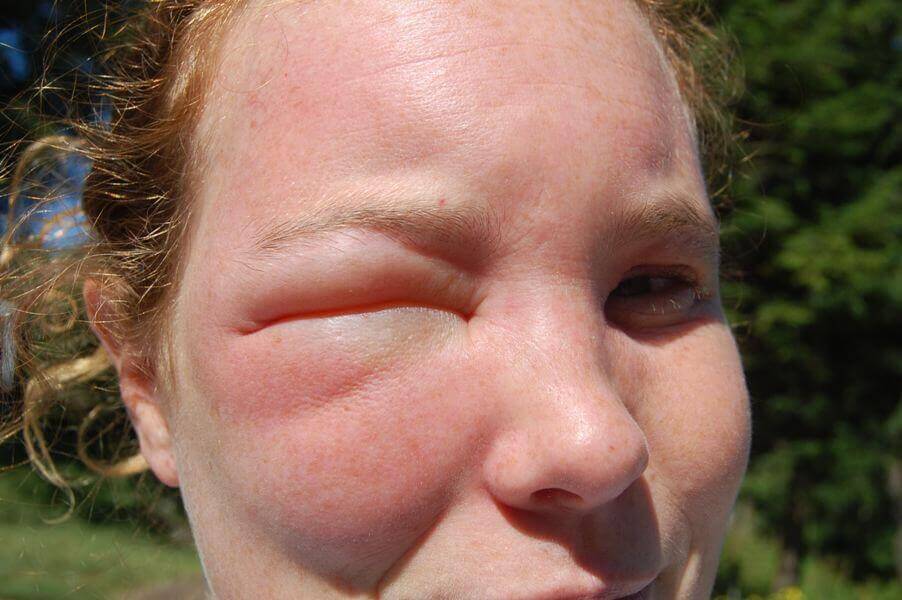
Bee stings to the face, neck, and eyeball are the most dangerous.
Bee venom isn't always dangerous. It contains components that have beneficial effects on the human body. Therefore, many people deliberately expose themselves to bee stings as a treatment for heart, vascular, genitourinary, and other ailments.
Allergic reaction
People prone to allergies experience more severe effects from a sting. Swelling in the affected area is greater, a rash often develops, and the following symptoms are observed:
- pressure changes, pulse rate jumps;
- headache, fever, dizziness and weakness;
- discharge of fluid from the nose;
- sneezing and coughing;
- difficulty breathing, suffocation (Quincke's edema);
- nausea, vomiting, stomach pain, diarrhea;
- convulsions, delirium, fainting;
- partial urination and fecal incontinence (in rare cases).
Don't wait for signs of an allergic reaction to appear; instead, administer an antihistamine as soon as possible. It's important to do this within the first few minutes after the bite, as anaphylactic shock can occur within 5-7 minutes if left untreated.
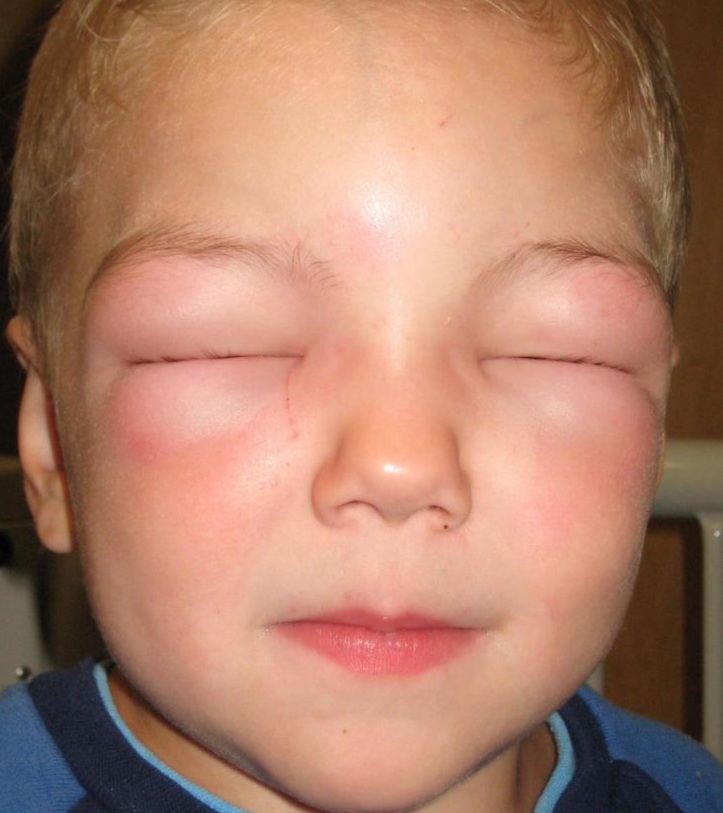
With Quincke's edema, swelling of different parts of the face, neck, and limbs is observed.
Signs of anaphylactic shock
A life-threatening reaction to a bite can be identified by the following symptoms:
- a feeling of tightness in the chest area;
- swelling of the mucous membrane of the throat;
- difficulty breathing;
- increased heart rate;
- loss of consciousness.
Quincke's edema and anaphylactic shock can be fatal. This is extremely rare, and with timely treatment, there is no life-threatening risk. If the victim is prone to allergies or the reaction to the bite is unknown, he should take an anti-allergy medication immediately after the incident. It's best to get an antihistamine injection. This is the only measure that can prevent anaphylactic shock. Therefore, allergy sufferers should always have the necessary tablets and drops on hand. The sooner they are taken, the less unpleasant consequences will be.
If any signs of allergy occur or the person's condition worsens, consult a doctor immediately.
Help with anaphylactic shock
If signs of suffocation, cardiac arrest, or respiratory arrest occur, immediately perform resuscitation measures, simultaneously calling an ambulance or asking people nearby to do the same:
- Give the victim allergy medication. If the person is unconscious, drops may help (raise the head and administer the drops into the mouth).
- Place the patient on a flat, horizontal surface. Raise the legs above the level of the torso using a pillow, bolster, or other available device.
- Ensure maximum air access and free movement for breathing: unbutton your trousers, shirt, dress, and clear your throat.
- Make sure there is nothing in the victim's mouth (including removable dentures).
- Raise your head or turn it to the side to prevent your tongue from falling back. If cramps occur, place a tourniquet, stick, or other device between your teeth.
- Apply a tourniquet above the bite level and cold to slow the absorption of the venom.
If you have a nebulizer and adrenaline on hand, inhaling it will relieve swelling in the throat and help maintain breathing until emergency services arrive. Of course, the patient must be conscious during this procedure.
First aid for a bite victim
The person assisting the victim must remain focused and collected. Don't panic. It's difficult for the patient to maintain composure at this time, especially for children. Reassure them, show concern, and do the following:
- Leave the area. Move away from the bee nest, go indoors, or seek shelter in a suitable place to avoid further stings.
- Give the victim allergy medication.
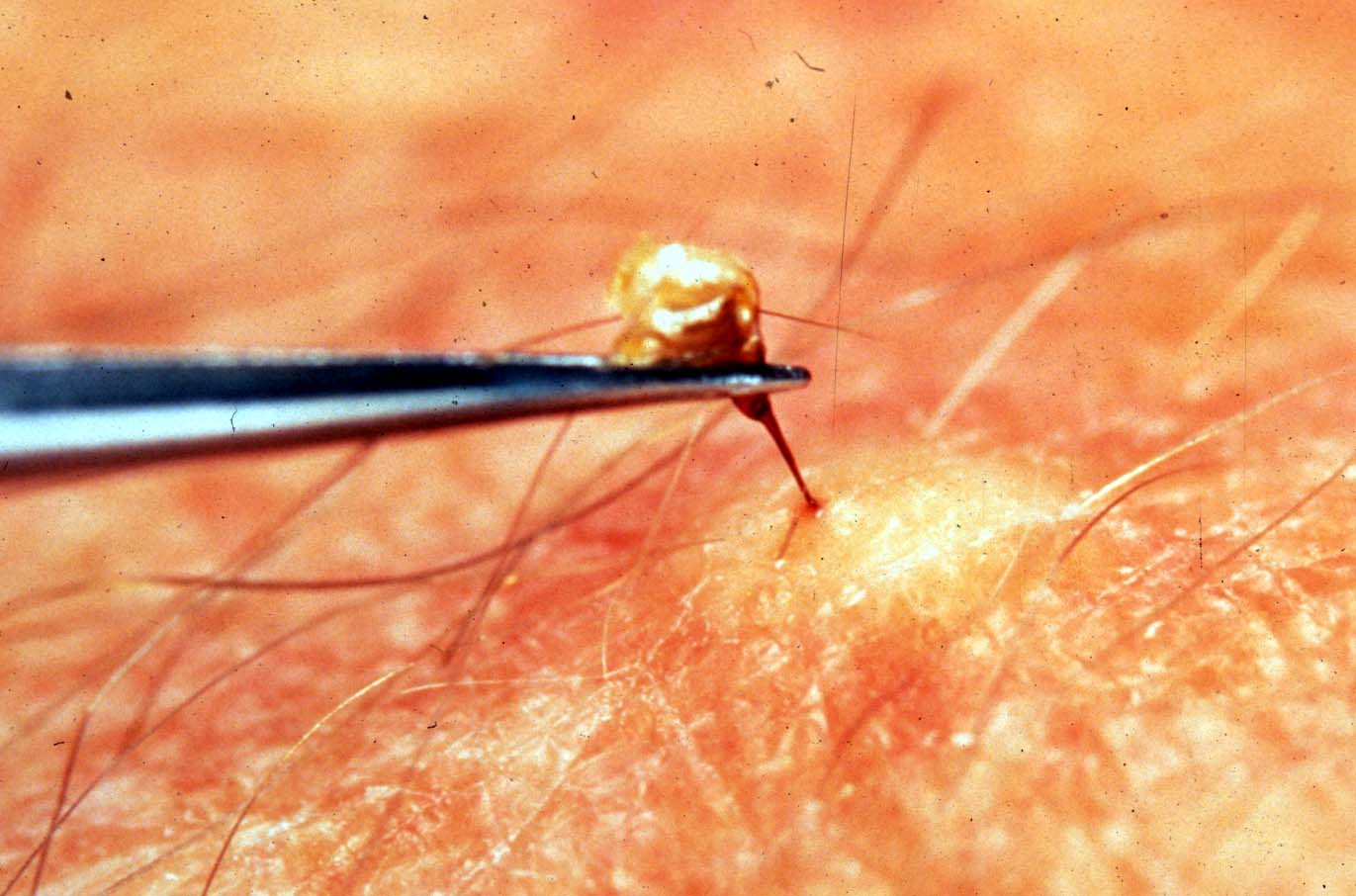
- Remove the sting. The poison contains many substances that cause allergies. Once the stinger is removed, the pain subsides. Use tweezers: disinfect them with alcohol, vodka, or another disinfectant, gently grasp the stinger, and pull it out completely. Take your time and avoid applying pressure to the skin, as this will spread the venom.

The sting must be removed from the skin slowly and carefully.
- Treat the bite site with hydrogen peroxide, ammonia, rubbing alcohol, or a weak solution of potassium permanganate. Soak a cotton pad in one of these solutions and apply it to the wound.
- Cool the bite area: this will reduce the pain.
- Provide the victim with plenty of cool fluids. After a bite, a person experiences severe pain, which causes sweating. The body needs to replenish lost fluids. In addition, water accelerates the elimination of poison from the body.
Do not give the victim alcohol. High blood alcohol levels accelerate the absorption of the poison. The effects of concomitant administration with painkillers and antihistamines are unknown.
If there are no severe allergy symptoms or significant swelling, then after 20–30 minutes the pain will begin to subside and gradually disappear completely.
Video: Doctor's advice on what to do after a bee sting
Treating the consequences of a bite with folk remedies
If you don't have any medications to relieve pain and swelling, use folk remedies.
Aloe
The plant's leaves have long been known for their healing properties. In the case of a bee sting, they reduce swelling, itching, and redness, and accelerate wound healing. There are three ways to use them:
- Place an aloe leaf, washed in cold water and with the skin removed, on the affected area of skin.
- Squeeze out the juice, soak a cotton pad generously in it and apply to the bite site.
- Make a paste from the plant, place it in a gauze bag and apply to the wound.
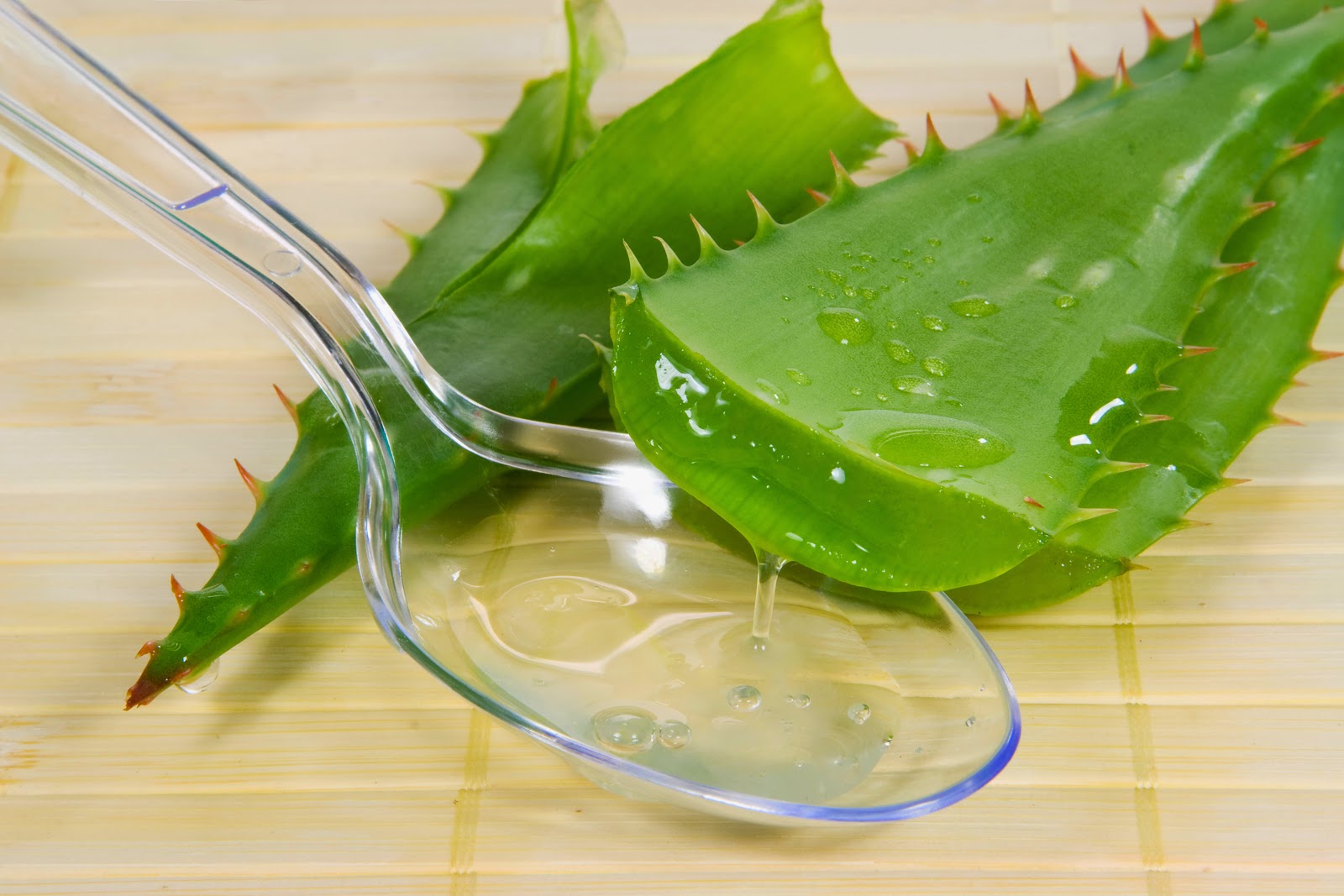
Aloe juice reduces swelling and heals the wound.
The healing properties of a three-year-old plant are most effective. Young aloe juice won't help.
Parsley
If an accident occurs at your dacha, after administering first aid, grab some parsley. It has anti-inflammatory properties, reduces redness, and eases pain. Follow these steps:
- Wash the greens thoroughly to remove dust and other contaminants.
- Pour boiling water over and leave for 1–2 minutes. Hot water will kill bacteria, and plant cells will break down and begin to release beneficial substances.
- Remove the plant and rinse in cold water to cool.
- Chop finely, mince or blend.
- Apply the resulting gruel (it should release juice) in a gauze bag to the bite site for several hours.
- Replace the compress if necessary.
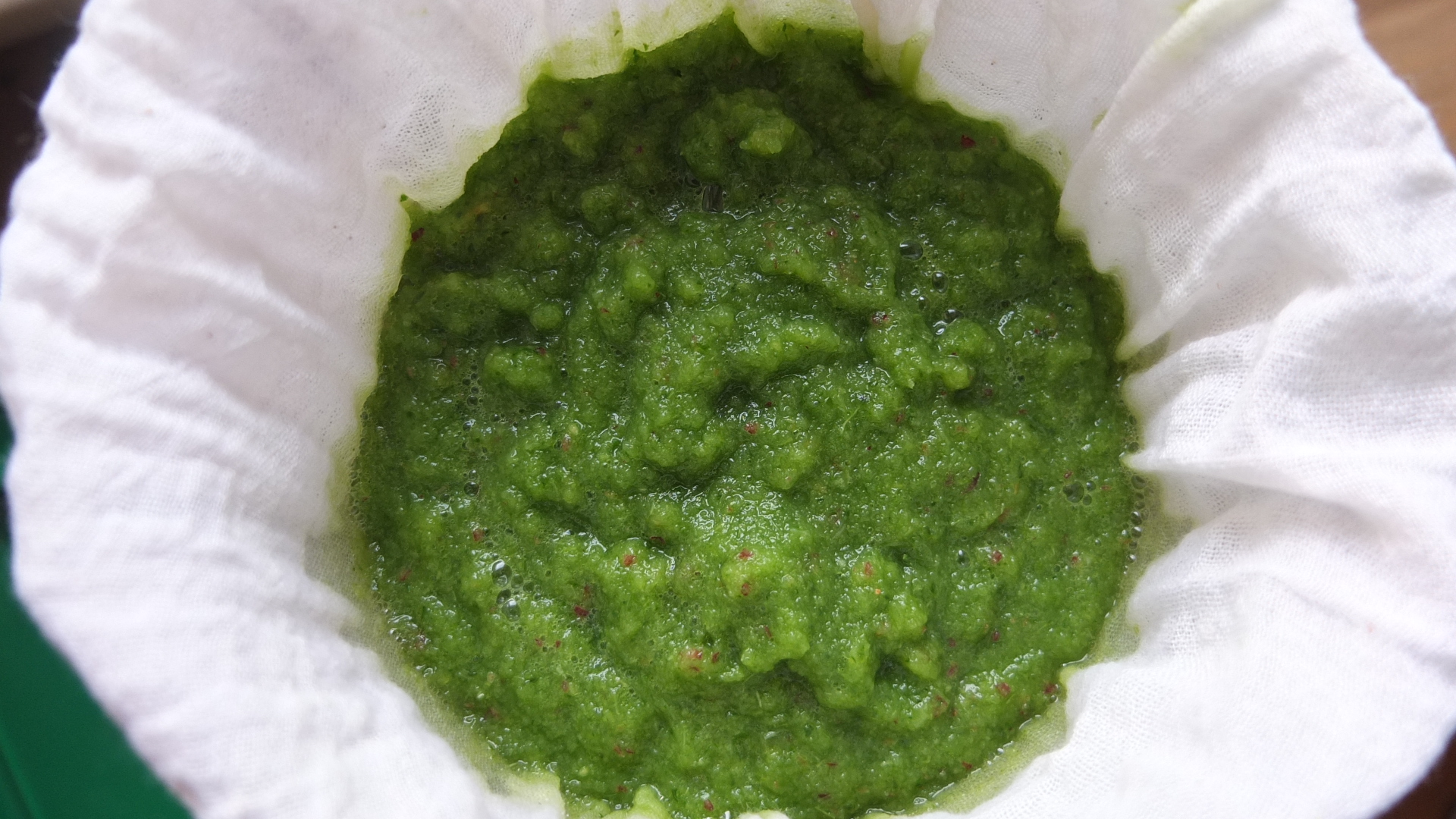
Parsley paste can help relieve the effects of a bee sting.
Sometimes dandelion leaves are used instead of parsley. For enhanced effects, they are applied through a plantain leaf soaked in boiling water.
Onion
It helps with many ailments, including bee stings. Onions are used in the following ways:
- A slice is cut from a washed and cleaned young head and applied to the wound.
- A gruel is made from old onions and a compress with it is applied to the bite site.
- Soak a cotton pad in the juice and treat the affected area.
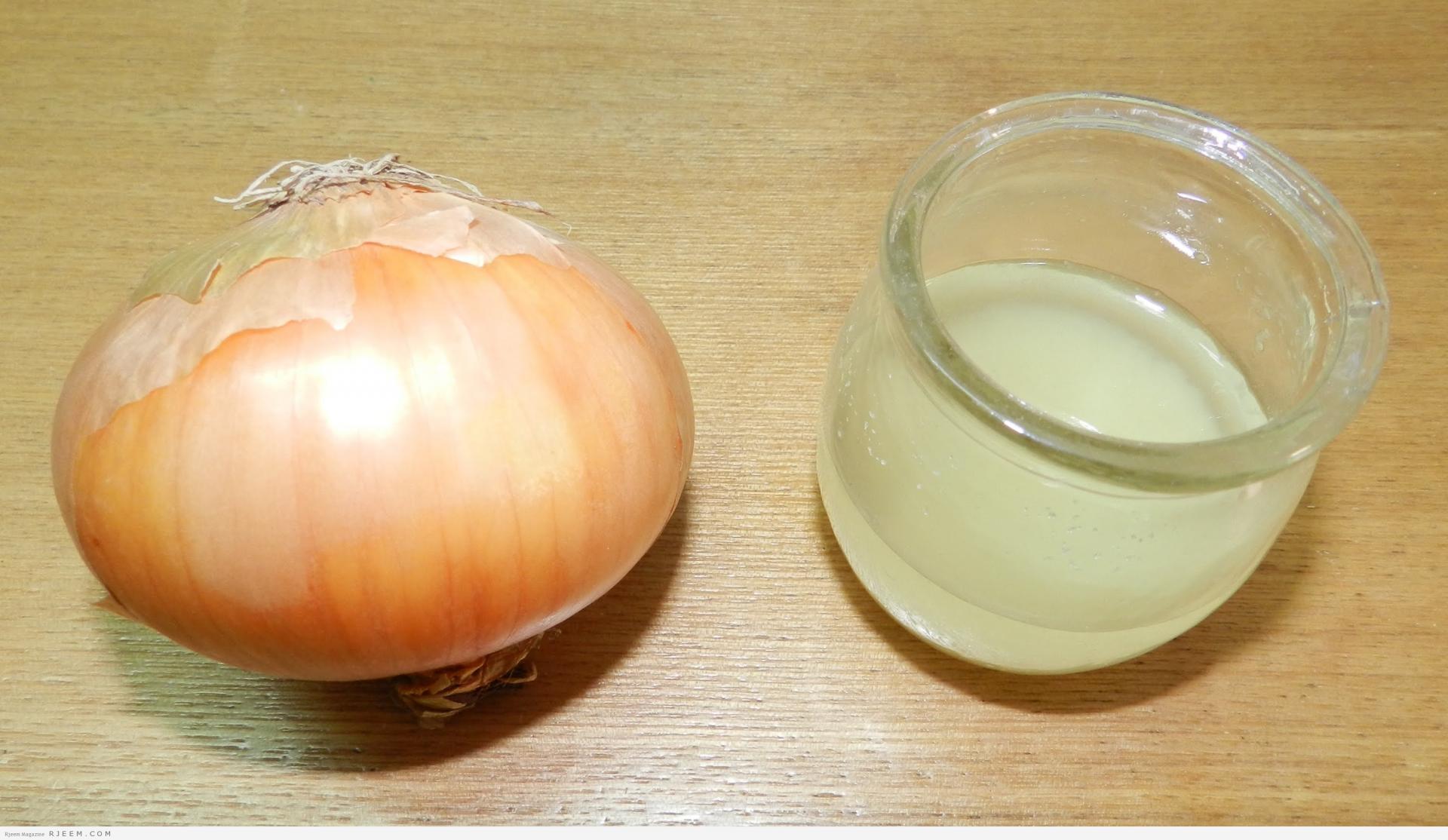
Onion juice draws out bee venom
Onion juice reduces the risk of infection: its beneficial substances prevent poison from spreading throughout the body. Swelling and redness gradually subside, and itching is reduced.
Aspirin and activated charcoal
Activated charcoal has no contraindications, is harmless to the body, and is found in every medicine cabinet. Aspirin is also found in every home. These medications are used to make a remedy to reduce the effects of a bee sting:
- Crush one tablet of each drug.
- Mix the resulting powder.
- Add a little water to make a paste.
- Apply the mixture to the wound.
- You can also completely dissolve the powder in water, soak a cotton pad in it and apply it to the bite site.
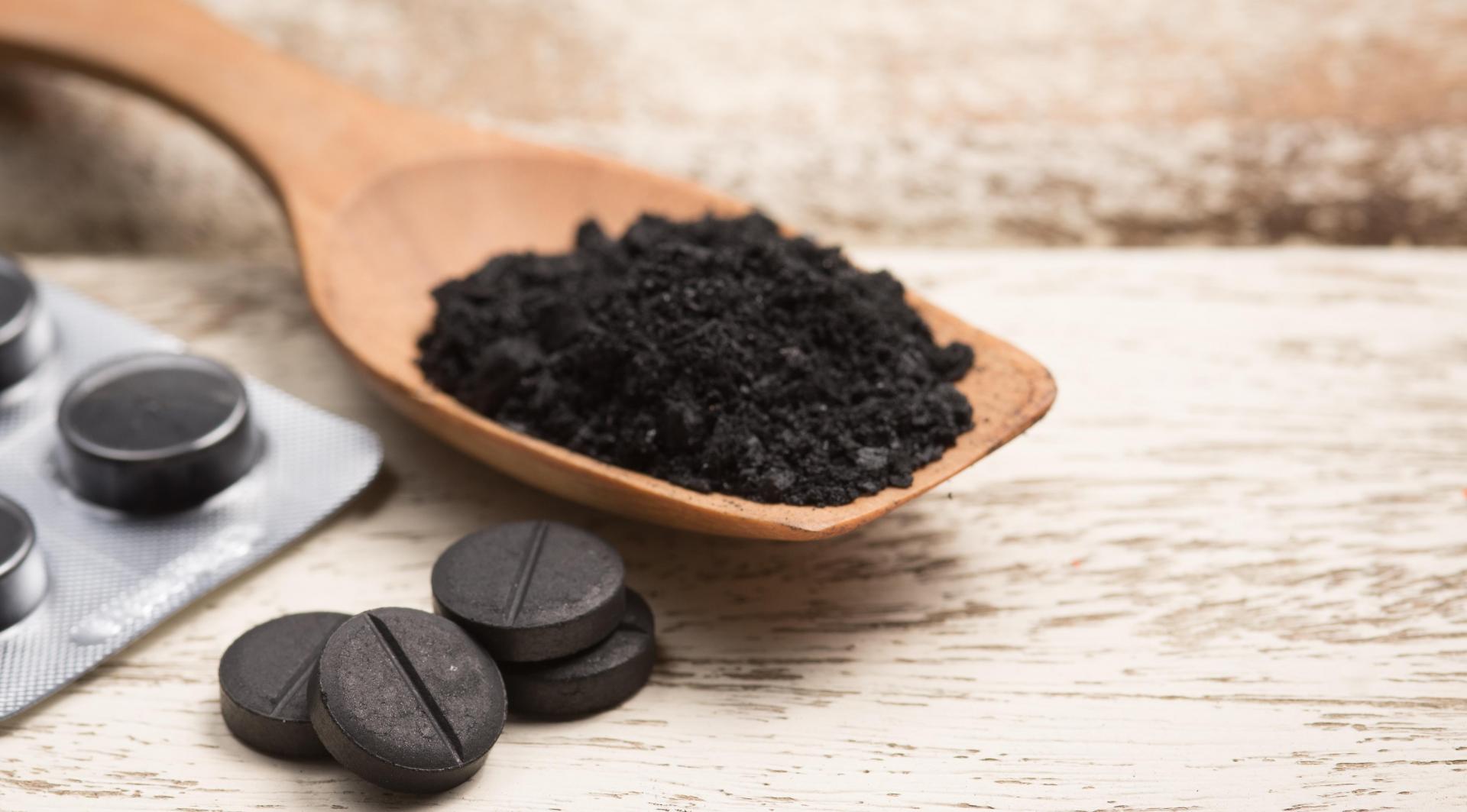
Activated carbon neutralizes bee venom
Activated charcoal neutralizes and draws bee venom from the wound, while aspirin acts as an adjuvant to reduce pain. A mixture of equal parts baking soda and salt has a similar effect.
Honey and cabbage
A bee product can help with a sting if you're not allergic. Simply apply a thin layer of the sweet treat to the wound to relieve itching. If swelling, redness, or a burning sensation occurs, follow these steps:
- Pour boiling water over the cabbage leaf for 1 minute to soften it and improve juice extraction.
- Apply a thin layer of honey to the wound.
- Place a cooled cabbage leaf on top.
- Bandage the bite area to ensure the sheet adheres tightly to the skin.
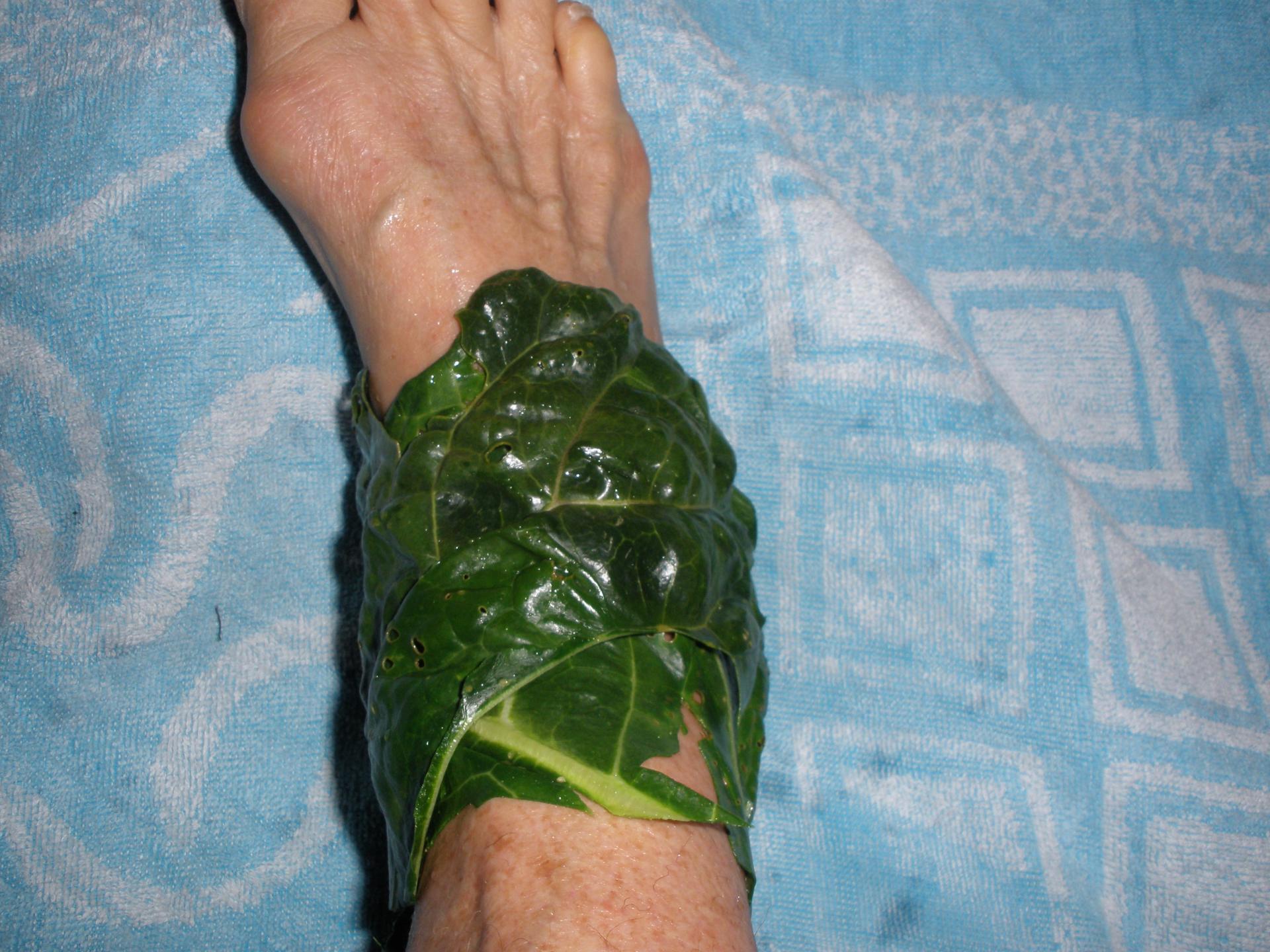
Cabbage combined with honey can help combat the effects of a bee sting.
You can replace cabbage with burdock leaves. Chilled olive oil will provide the same beneficial effects. Apply a thin layer to the bite.
Tansy
This isn't the most common method, as not everyone has dried tansy leaves on hand. You can buy them at a pharmacy and prepare a decoction:
- Take two tablespoons of dry leaves of the plant.
- Place them in an enamel bowl.
- Pour hot water and bring to a boil.
- Boil for 10–15 minutes.
- Cool and strain.
- Soak a cotton pad in the decoction and apply to the bite site.

Tansy decoction is used to treat insect bites.
A tansy decoction helps with many insect bites. The plant has antimicrobial and anti-inflammatory properties. Its scent repels bloodsuckers.
Pharmaceutical products
There are two main types of medications used for bee stings:
- Fighting allergies.
- Elimination of the consequences of a bite.
Remedies for allergic reactions
Modern antihistamines are available over-the-counter and with a doctor's prescription. The most common of the latter are:
- Suprastin is available as tablets and injection solution. It has antipruritic and sedative effects but can cause drowsiness. Similar medications include Diazolin, Subrestin, and Chloropyramine.
- Zodak is available as tablets, drops, and syrup. It relieves itching and angioedema and has few side effects. Similar medications include Cetirizine Hexal, Cetirizine DS, Cetrin, Cetirizine, Letizen, Allertek, Zyrtec, Zincet, Zetrinal, Parlazin, and Alerza.
- Tavegil, available in tablet and injection form, is recommended for insect bites, relieves allergy symptoms, and eliminates itching. Similar medications include Clemastine and Benadryl.
- Loratadine is available in three forms: effervescent tablets, regular tablets, and syrup. It is recommended for angioedema and various insect bites. Similar medications include Claritin, Claridol, Clarisens, Loratadine-Stada, Loratadine-Teva, and Loraghexal.
Photo Gallery: Antiallergic Medications Used for Bee Stings
-
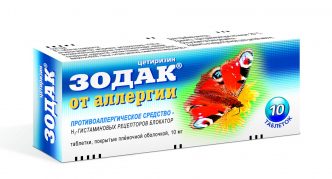
- To reduce itching and prevent Quincke's edema, take Zodak tablets
-
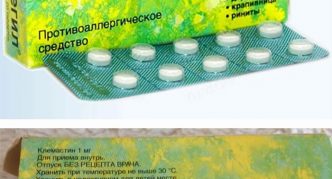
- Tavegil tablets and their analogues reduce allergic reactions such as itching, inflammation, and redness of the skin.
-

- Loratadine in syrup form is prescribed to children from the age of two
-
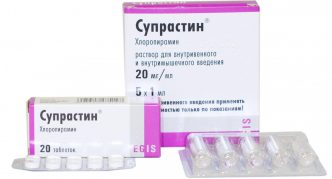
- To relieve allergic reactions after a bee sting, the antihistamine drug Suprastin is used.
-
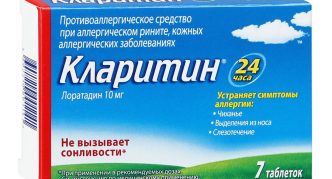
- Claritin reduces allergic reactions after a bee sting and does not cause drowsiness.
-
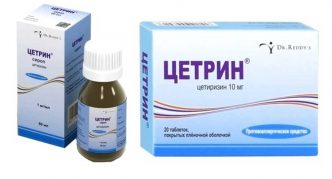
- The antihistamine drug Cetrin is available in the form of tablets or syrup.
Medicines to combat the consequences of a bite
These remedies won't help with allergies, but they will relieve other symptoms—itching, pain, fever, and redness of the skin:
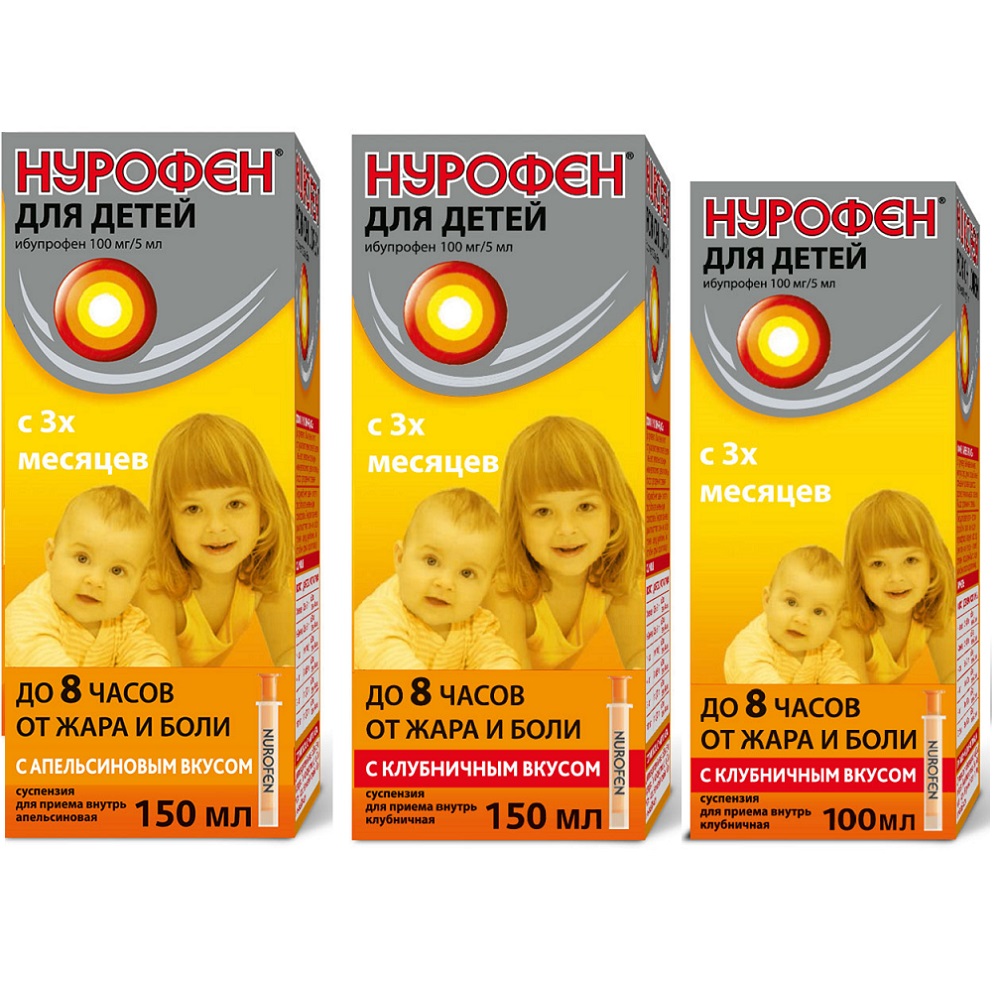
- Nurofen is available as tablets, gel, suppositories, and syrup. It has analgesic and antipyretic properties. Similar medications include Ibuprofen, Ibuprom, MIG 200, MIG 400, Dolgit, ArthroCam, and others.
Nurofen is available in tablet, syrup, suppository and gel forms.
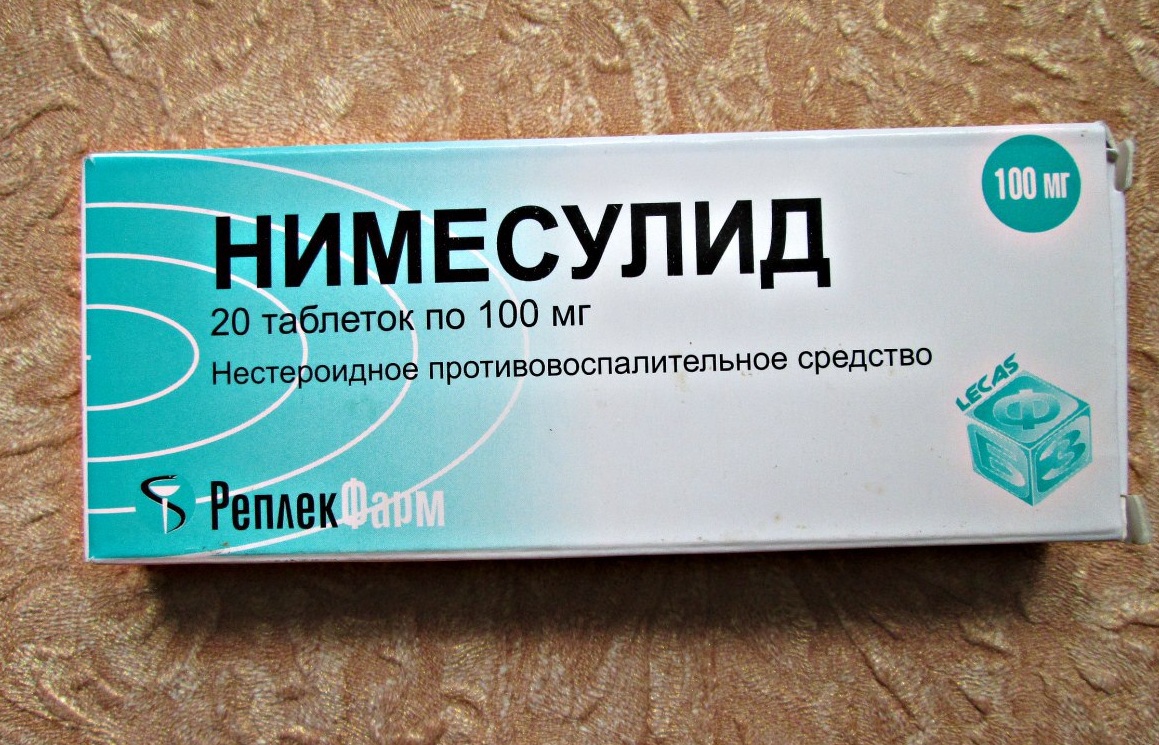
- Nise – tablets, suspensions, and gels. Relieves pain from bee stings. Similar medications include Amelin, Aponil, Naysik, Nimesulide, Sulidine, and Mesulide.
Nimesulide, Nise and similar drugs relieve pain and inflammation
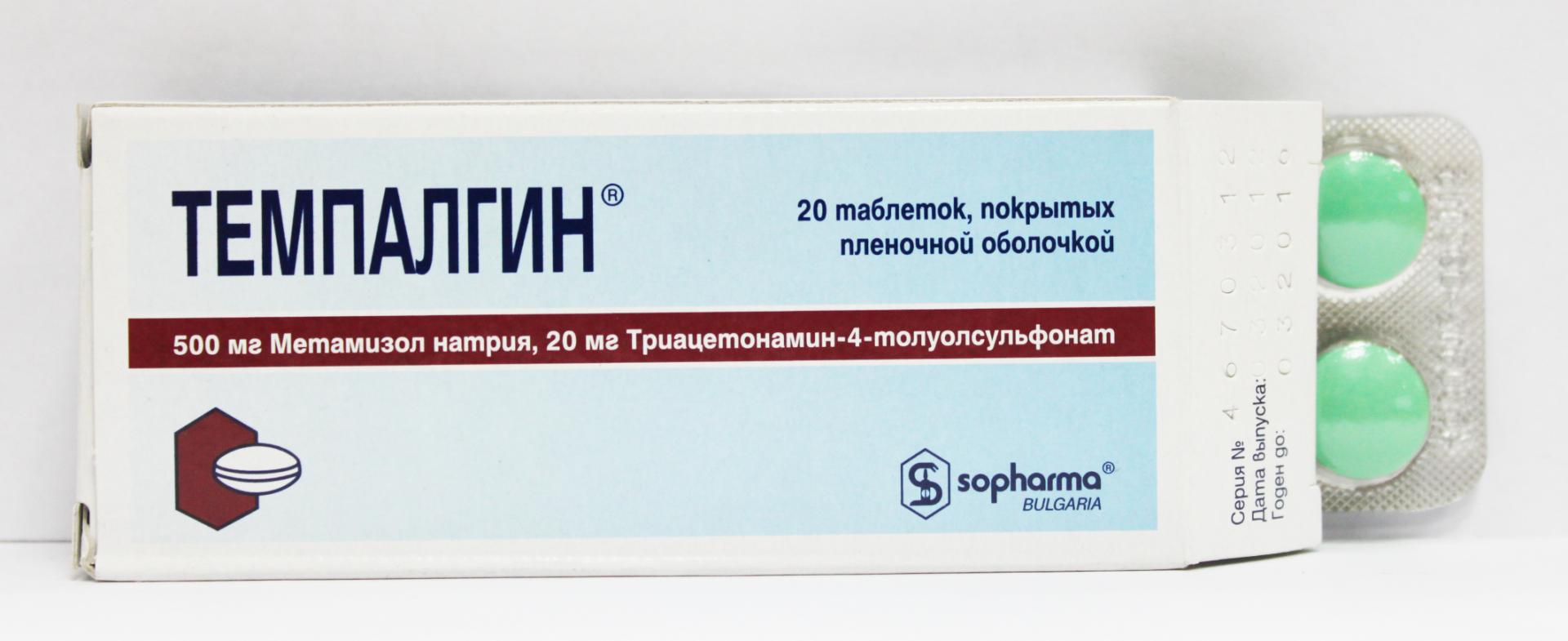
- Tempalgin tablets. Designed to relieve many types of pain, including insect bites. Similar medications include Pentalgin, Sidalgin, and Analgin.
Tempalgin and its analogues are pain-relieving tablets that help alleviate the effects of a bee sting.
To relieve swelling, itching, redness and burning, use topical medications:
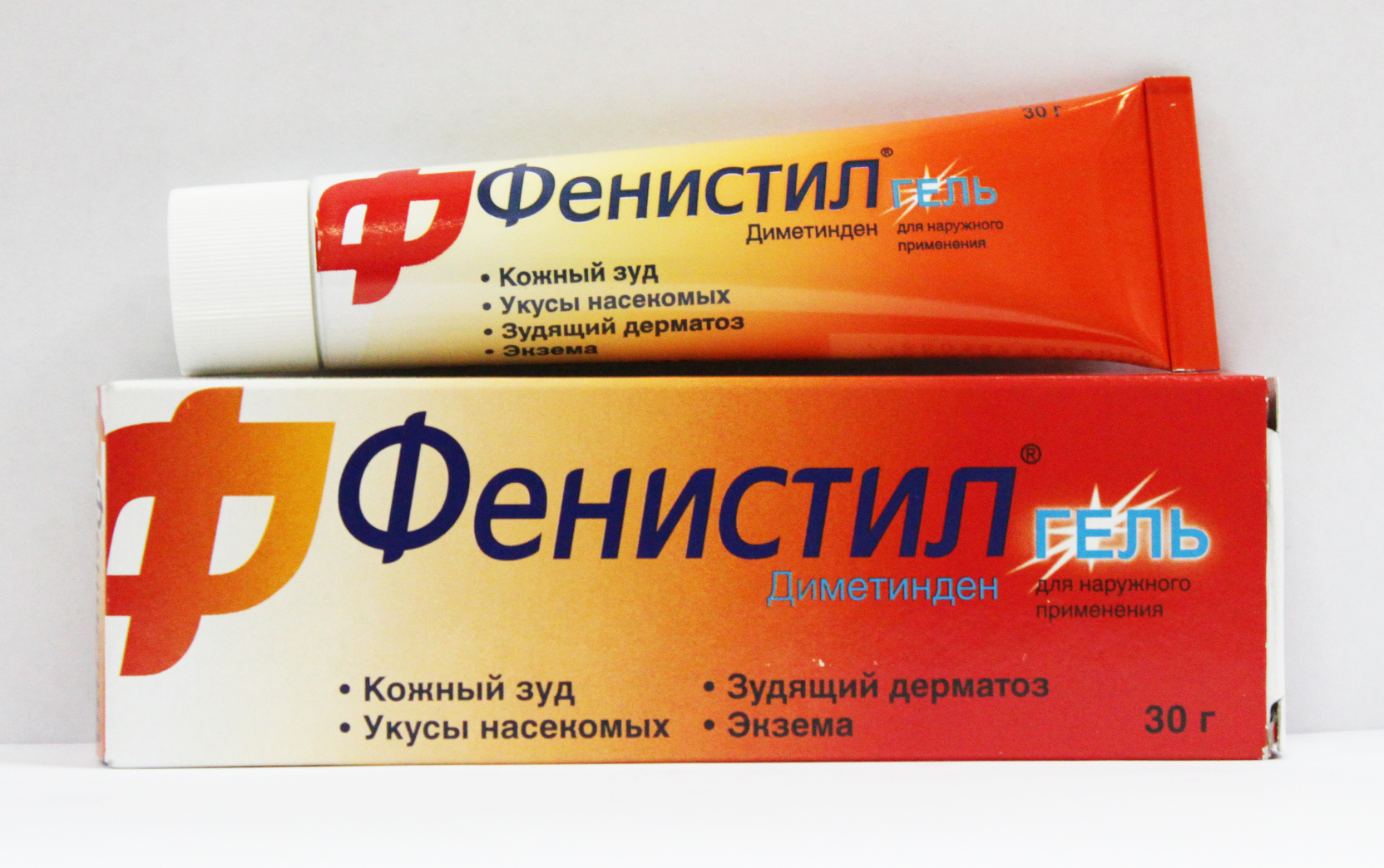
- Fenistil is a gel that will cool the skin well, relieve burning and itching, and help get rid of swelling;
To relieve itching and reduce swelling after a bee sting, Fenistil gel is applied externally.
- Locoid gel (hydrocortisone) - will reduce inflammation and pain, soothe itching and eliminate swelling.
All pharmaceutical medications have contraindications and side effects. They should be used only as prescribed by a doctor or after consultation with a specialist. Carefully read the instructions for each medication: thoughtless, irresponsible, and uncontrolled use of medications can lead to serious consequences.
Bee sting allergies usually occur in children and the elderly, as their immune system is weakened by age. Severe consequences are rare, but it's best to be prepared. People prone to allergies should always have the necessary medications on hand for immediate relief. Bee stings often don't cause serious harm to the body; they are even used as a treatment for many ailments.