Midges are found not only in forests but also in cities. Their prevalence peaks in May and subsides by June. Despite their tiny size (2 to 5 mm), these insects are not as harmless as they seem. Their bites can have unpleasant consequences. It's important to recognize them so you can take the right steps to recover. Let's look at the dangers of these skin lesions and how to treat them properly.
Content
What does a midge bite look like?
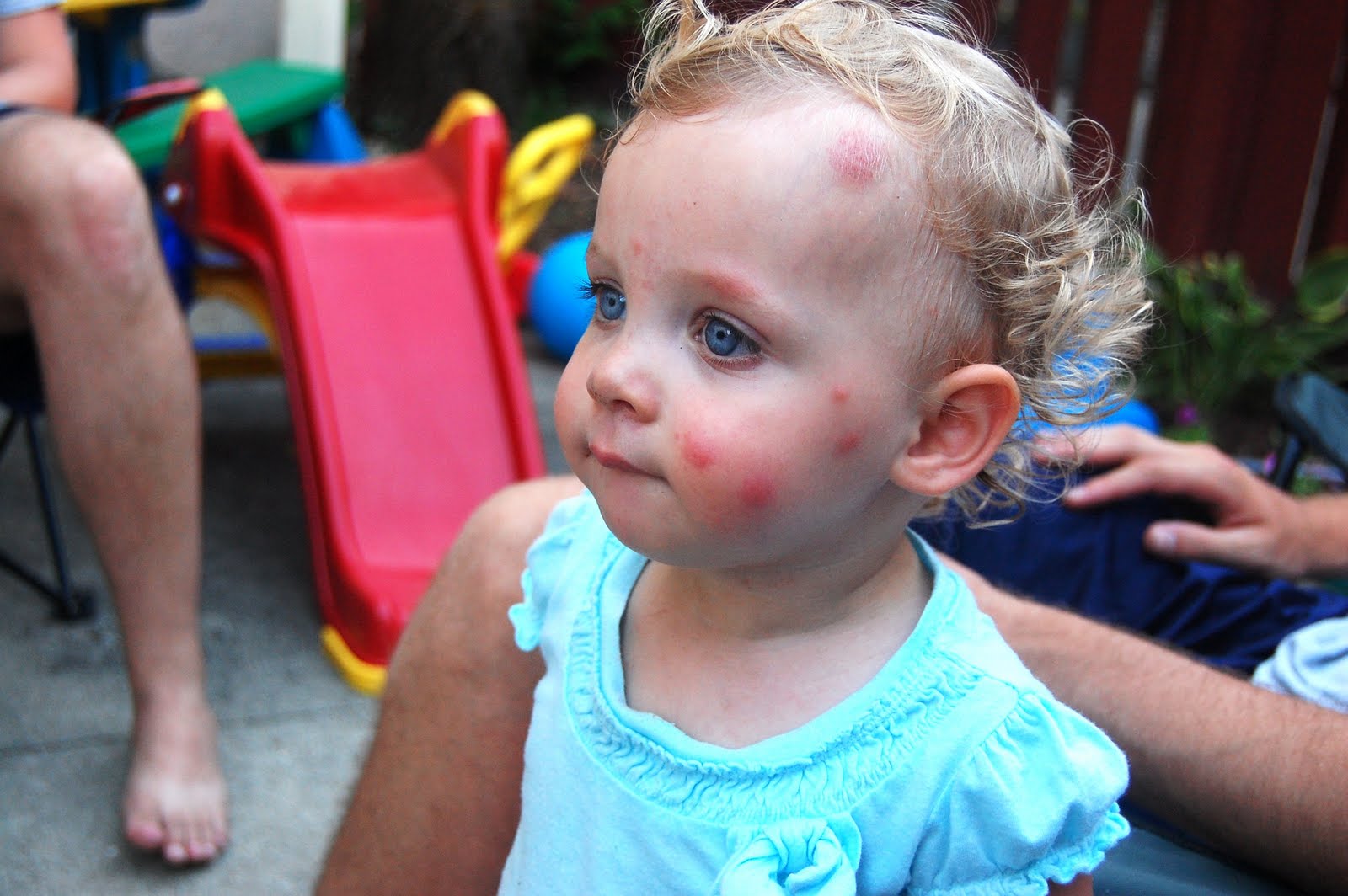
Unlike mosquitoes, which pierce the skin, midges bite directly into it. Females need blood to reproduce, which is why they bite. The insect's saliva contains an anesthetic, so a person feels nothing when bitten. The bloodsucker also injects an enzyme that prevents blood clotting. The toxins in the insect's saliva cause redness, burning, and itching at the bite site.
In addition to these general symptoms, there are others:
- tissue swelling (the entire face may swell if the bite is in the eyelid area);
- wounds and blisters on the skin;
- enlarged lymph nodes;
- temperature around 39 OWITH;
- increase/decrease in blood pressure.
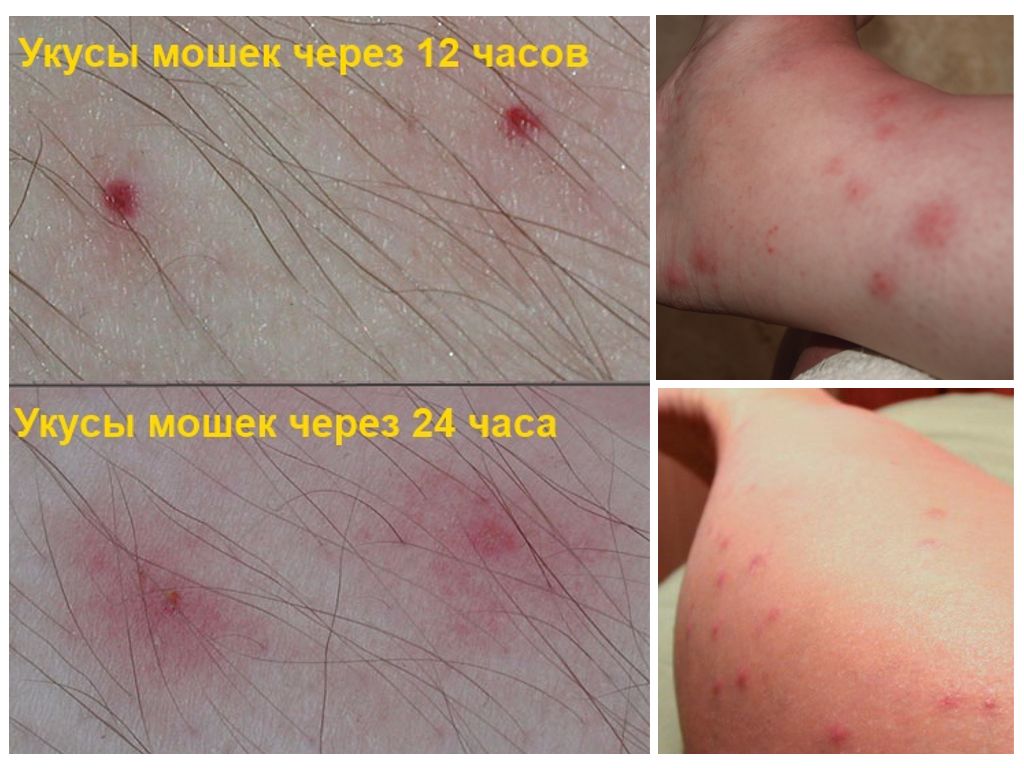
Over time, the situation with the manifestation of symptoms, as well as redness on the skin, may worsen, so it is important to start treatment in a timely manner.
What are the dangers of skin lesions and how to treat them?
If a bite is not treated correctly or in a timely manner, the following complications may arise:
- allergy (the appearance of a rash, nausea, weakness, and fever are signs of such a reaction);
- inflammation of the wounds (severe itching provokes scratching, and if infected, the damaged area becomes infected);
- loss of vision (if bites in the eye area are not treated correctly, there is a risk of vision loss).
To prevent complications, immediate action is necessary. Immediately after detecting a bite, you should:
- Rinse the wound with water and laundry soap. Avoid using other soap-based products (gels, shampoos), as these may contribute to the development of an allergic reaction.
- Blot off excess water with a napkin.
- Treat the wound with an antiseptic (Furacilin, Chlorhexidine).
- If the pain is intense, take a painkiller and antihistamine (Paracetamol, Claritin, Suprastin, Tavegil).
- Cool the bite area with ice.
Note: Online users who have encountered a similar problem recommend applying Zvezdochka balm to the affected area.
If the bite is in the eye area, then it is necessary:
- Rinse the damaged area with cold water.
- Reduce swelling using a special ointment, for example, Fenistil Gel.
- Cool it with a compress.
- You should consult a doctor, as bites in the eye area are especially dangerous.
Compresses
A compress applied to the injured area promptly will significantly facilitate subsequent treatment and speed recovery. This method will help reduce inflammation and soothe itching. There are many wet dressing recipes, but we'll illustrate the most well-known ones.
Dandelion compress:
- Grind fresh leaves of the plant until juice is released.
- Apply the resulting gruel to the bite site.
- Secure the compress with a bandage or plaster.
- Change every three hours.
A compress from parsley, plantain, and basil leaves is made in the same way.
Potato:
- Take one raw potato.
- Cut into slices or grate.
- Apply to the skin and secure with a bandage.
- When the potatoes are warm, replace them with a fresh portion.
This recipe, like the previous one, is also suitable for eliminating the consequences of bites in the eye area.
Soda:
- Dissolve a teaspoon of the substance in half a glass of water.
- Soak a bandage in the solution.
- Apply to the damaged area of skin.
- Keep until dry.
- Repeat the procedure if necessary.
Ice and menthol-based products, including toothpaste, which cools the skin well, can also be used as a compress.
Photo Gallery: Ingredients for Effective Compresses
-

- A grated potato compress is a popular folk medicine method for relieving skin inflammation.
-

- A soda compress relieves severe itching in areas where midges have bitten.
-

- A chamomile compress will help soothe and tone damaged skin.
Pharmaceutical drugs
Commercially available remedies for bites are divided into three groups:
- Ointments.
- Gels.
- Creams.
They differ in consistency and the rate at which the active ingredient is absorbed. Ointments and creams are made with a fatty base, which allows them to be absorbed slowly but remain on the skin longer. Gels have a rapid effect because they are water-based and easily absorbed.
It's important to remember that ointments and creams can stain clothing due to their fatty base, so use them with caution.
Table: characteristics of popular products with ratings based on customer reviews
| Preparation | Price | Grade | Active ingredient | Action | Contraindications |
| Fenistil | 360 RUR | 3.9 | Dimetindene - 1 mg |
|
|
| Bepanthen | 200 RUR | 4.7 | Dexpanthenol – 1 g | Tissue regeneration |
|
| Rescuer | 154 RUR | 4.8 |
| Healing | Hypersensitivity to components |
| Menovazin | 70 RUR | 4.9 |
|
|
|
| Levomekol | 130 RUR | 4.7 |
|
|
|
Photo Gallery: Effective Treatments for Damaged Skin
-
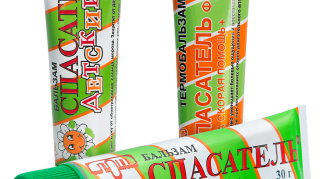
- The Rescuer balm contains only natural ingredients.
-
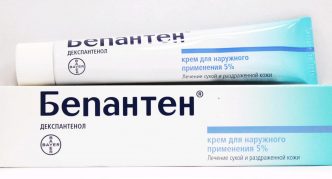
- The substance dexpanthenol in Bepanten ointment heals and restores the skin
-
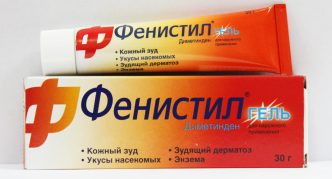
- Fenistil gel has anti-inflammatory and anti-allergic effects.
Treatment of the consequences of bites in children
Children experience more intense symptoms than adults. They also have difficulty avoiding scratching itchy skin, increasing the risk of wound infection.
If a child is bitten by a midge, follow these rules:
- Wash the wound thoroughly.
- Apply a baking soda compress with a cotton pad and hold it in place for a while. This will prevent scratching the bite.
- Bathe your child with sea salt. This will help relieve itching from multiple bites.
- After this, treat the patient using special means.
Important to remember: When choosing an ointment for a child, read the information on the packaging. It's important to use medications appropriate for the child's age group.
Since not all ointments are suitable for treating small children, use tea tree oil—it relieves itching and reduces irritation. Keep a close eye on your child while outdoors. If they start scratching, check for bites to prevent them from scratching the affected area.
If swelling and redness are severe, consult a therapist or allergist. Self-medication in this situation is dangerous, because children's immune systems are weak, which increases the risk of complications.
Video: Helping a child with mosquito bites
What to do if you experience signs of an allergy
Children, pregnant and breastfeeding women, and people predisposed to this type of reaction are prone to developing allergies.
Signs:
polymorphic rash characterized by the appearance of heterogeneous spots;
acute erythema - a sensation of dense nodules under the skin, up to 5 cm in diameter;
increasing swelling of the tissue at the site of the bite.
What to do:
- Reduce swelling with ointments or compresses.
- Take an antihistamine.
- If signs of swelling do not disappear within a day, you should consult a doctor.
Rarely, anaphylactic shock or angioedema (extensive skin swelling) may occur after a bite. In such cases, immediate medical attention is necessary, as there is a risk of death or coma.
Signs of anaphylactic shock are as follows:
pressure drop;
convulsions;
uncontrolled urination;
loss of consciousness;
heat;
headache;
intense local reaction.
Quincke's syndrome is characterized by the following symptoms:
enlargement and swelling of soft tissues;
the swollen area feels firm to the touch;
after pressing on the bite, a pit remains;
paleness of the skin;
pressure reduction;
tachycardia (rapid heartbeat);
intense sweating;
confusion;
lack of coordination;
anxiety, fear.
It's important to remember: Treatment must be prescribed by a doctor. Self-help is dangerous and can be fatal, as is failure to seek help promptly.
Photo Gallery: Allergic Reactions to Blackfly Bites
-
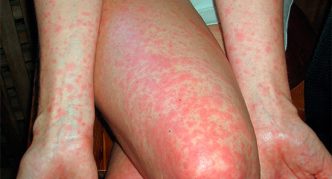
- The development of anaphylactic shock can occur within a few seconds to 5 hours.
-
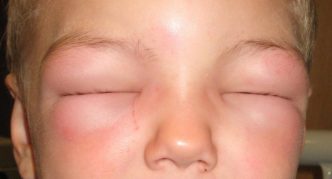
- Quincke's edema due to insect bites occurs in only 2% of cases
-
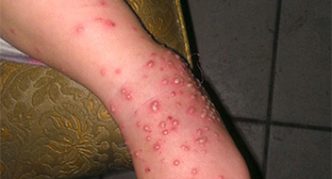
- In 20% of cases, anaphylactic shock is fatal.
Reviews of drugs
Bepanthen. I recommend this product to all modern and savvy mothers who want to protect their babies from possible wound infections, but don't want to ruin their clothes or their baby's nerves with green paint.
I recommend Fenistil as a quick fix for itching relief. However, apply it to your face with caution; restoring your skin afterwards proved challenging.
A lifesaver for children. Relieves itching. I apply it to mosquito bites, and the itching disappears almost immediately. It heals bites beautifully; they're practically invisible by the second day. It also helps with allergic reactions. We have a citrus allergy, and when we give it to our daughter at daycare, she doesn't refuse it. When she gets home, she asks me to put it on hers because she ate half an orange or something. And not just to fruits, but to allergies in general, which manifest as rashes. It also works great on bruises and contusions. It also helps with burns.
Levomekol helps wounds heal quickly, even if they're festering. I applied it to a minor burn and it helped. I think many people know and appreciate this inexpensive and effective remedy. For those who don't, I recommend keeping it in your first aid kit.
Menovasan ointment contains the anesthetic substance novocaine. Pain disappears within just 15 minutes. Upon application, a cooling sensation is felt at first, but this sensation then subsides and a warming effect sets in. The ointment not only relieves pain but also heals joints and muscles.
The answer to the question of what remedies to use against midge bites is up to each individual. The key is to be vigilant, closely monitor children, recognize symptoms promptly, and not leave small, seemingly harmless wounds untreated.