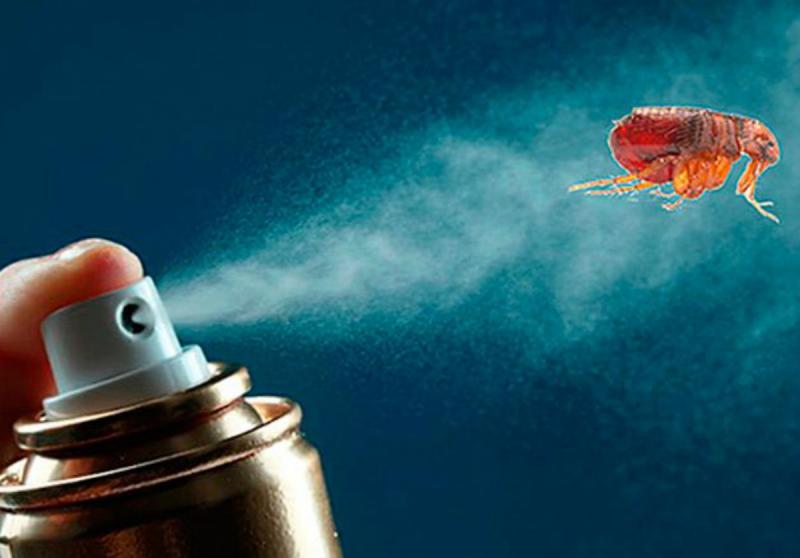
Dogs lead active lifestyles compared to other pets. They love to play, romp, swim, and meet other dogs, all of which puts them at risk of contracting parasites, such as fleas.
Content
Fleas as a biological species
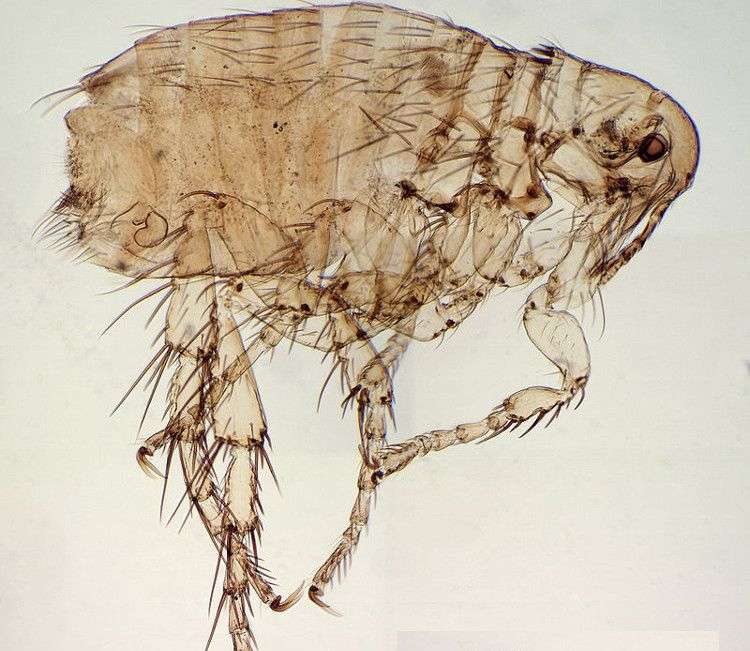
Fleas are a class of wingless blood-sucking insects; all species are parasites of mammals. Their body length ranges from 1–6 mm (males are smaller than females), and they are strongly compressed laterally. Their legs are well developed, especially the hind legs, which are used for jumping. Fleas are among the most common carriers of diseases. Tuberculosis, pulicosis, sarcoptosis, encephalitis, typhus, and hepatitis are dangerous diseases for humans. Dogs can contract salmonellosis, distemper, brucellosis, dermatitis, and anemia from fleas. Animals and humans are susceptible to various types of helminths from these insects.
There are over 2,000 species of fleas. They infest warm-blooded animals and humans. Based on this characteristic, fleas are classified into the following types:
- dog flea (Ctenocephalides canis),

The dog flea is one of the most common species
- cat flea,
- rat flea,
- human flea,
- bird flea.
In addition to those mentioned, there are approximately 15 other species that can be transmitted at home. Fleas are resilient and can go for months without feeding, waiting for a prey. By treating your cat for parasites, you put yourself and your dog at risk. Cat fleas move on to available food—other animals or even humans—until they can move on to cats again. Conversely, dog fleas seek food on other warm-blooded animals until they find a suitable host. A single flea can lay up to 50 eggs per day.
Stray dogs are often carriers of fleas, but they aren't the only cause of infestations in domestic pets. People bring fleas into their homes on their clothes and shoes. A dog on a walk can also pick up a parasite, which, when it jumps on the dog, provides a temporary host.
Interesting! Dog fleas are the fastest jumping fleas of all flea species. Their jumps are approximately 100 times longer than their body length.
If an animal goes outside, there is always a risk of infection with parasites.
Signs of infection
Treatment should be started if the animal:
- itches constantly,
- shows concern,
- loses appetite,
- whines.
Also observed:
- scratches on the body,
- fleas and their waste products on the animal's body,
- dull and thinning fur.
Even if there is just one sign, it is time to take action.
Fleas are especially dangerous for puppies. Their immune systems are too weak. Anemia and dermatitis—dangerous conditions—can lead to serious consequences. A puppy's skin is more delicate than that of an adult dog. A flea bite isn't just uncomfortable for a puppy; it's extremely painful. Don't delay treatment; the consequences can be serious.

A puppy is much less protected from fleas than an adult dog.
Flea treatment for nursing and pregnant dogs
Removing fleas from nursing and pregnant dogs can be a serious problem. A specialist consultation is necessary. The best treatments are folk remedies: wormwood, pine shavings, and herbal shampoos. However, fleas can simply jump off the animal and prepare for another attack. Therefore, it's important to use a comprehensive treatment plan.

A nursing dog needs special flea treatments.
Tried and true folk remedies for flea control:
- Wormwood. Pour 20 g of dried or 40 g of fresh wormwood into 400 g of water and boil for 7–10 minutes. Let it steep, cool, and strain.
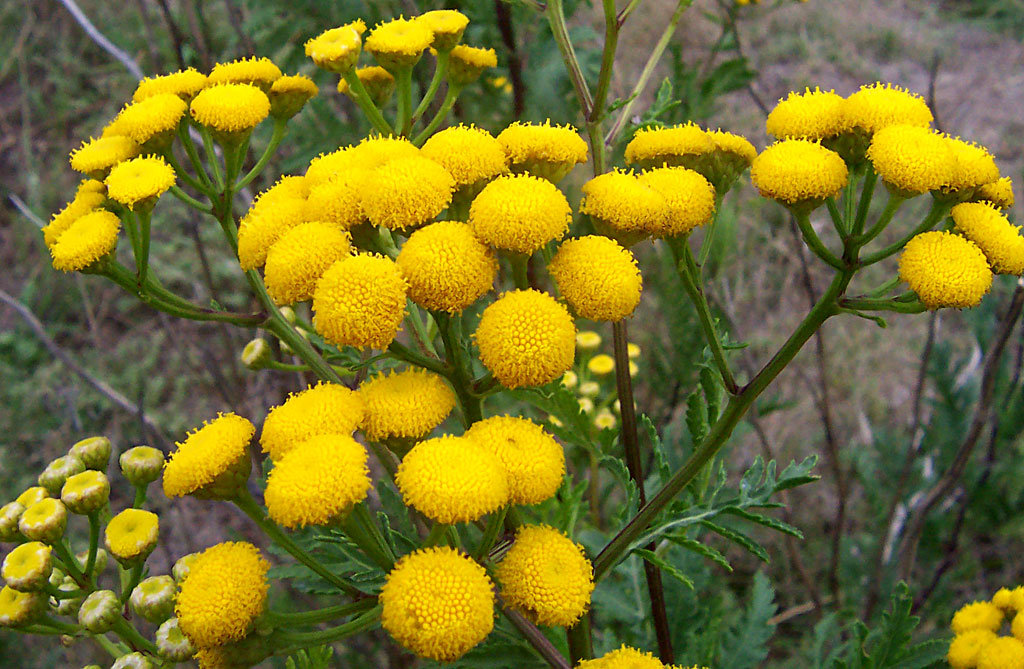
- Tansy. Pour 25 grams of dried tansy into a glass of boiling water, let it steep, cool, and strain. Apply the wormwood or tansy decoction to the dog's fur and comb thoroughly. Fleas will simply jump off the animal. It's best to do this outdoors. These decoctions are safe for all animals, even puppies.
To combat fleas, a decoction of tansy is applied to the dog's fur.
- Garlic. Add a head of garlic to 0.5 liters of water, pour boiling water over it, let it steep for 12 hours, and apply to the withers.
- Pyrethrum. Used to treat premises against parasites. Sold as a crushed powder. It grows right in your flowerbed under the guise of Dalmatian chamomile. It has a wormwood scent. Sprigs of wormwood, tansy, and Persian chamomile can be simply scattered around the house. Their scent is unpleasant to fleas; they don't die, but they do leave.
Pyrethrum is sold in powder form.
- Tar soap. Wash your dog with the soap. The soap's strong scent repels fleas, causing them to jump off the animal. It also relieves itching and discomfort from insect bites. It's a relatively safe product. By safe, we mean a low risk of side effects, which is especially important for dogs during pregnancy and lactation. Repeat treatment should be carried out after 2-3 weeks.
Tar soap relieves itching and other discomfort from flea bites.
- Essential oils of conifers (cedar, eucalyptus, pine); citrus oils (lemon, orange); and others with a strong, pungent scent, such as mint, rosemary, wormwood, and tea tree, are used both for treating the dog and for sanitizing its area, clothing, and toys. Be very careful here, as essential oils have a strong odor. Five drops per 500 ml of water is sufficient for treating the animal. Wipe the dog's coat thoroughly outdoors. Spray the bedding and toys with a spray bottle at a rate of 10 drops per 400–500 ml of water.
Cedarwood essential oil has a strong odor, use 5 drops per 500 ml of water to treat the animal.



Before using any folk remedy, conduct a sensitivity test on your animal.To do this, apply the product to a small patch of your dog's fur and observe your pet's behavior and condition for a couple of hours. This will help eliminate the risk of allergic reactions, as there are contraindications. If the infestation is advanced and the animal has a lot of scratches, herbs, garlic, and other folk remedies will only add to the discomfort. If you're unsure about the proper dosage of folk remedies, consult a veterinarian for qualified help. The vet will prescribe medications based on your dog's age, health, and weight.
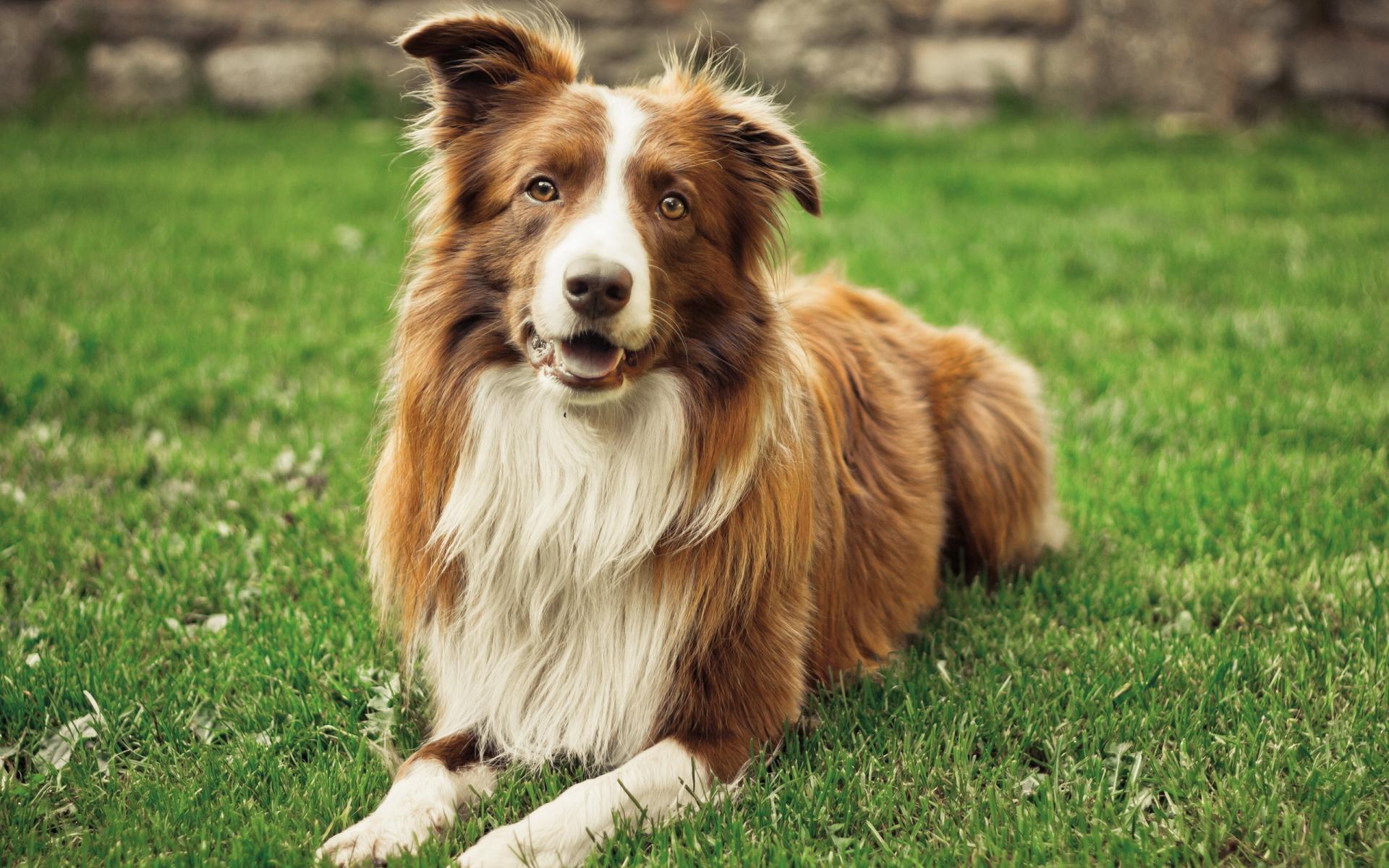
Treat the animal with decoctions outdoors
Flea control for dogs
Flea control products:
- shampoos,
- powders,
- drops on the withers,
- pills,
- sprays,
- aerosols.
There are many flea control products available on the market. At the initial stage of infection, the use of shampoos is recommendedBrands such as Bars, Rolf, and Doctor Zoo are suitable not only for adult dogs but also for puppies from 2 months old.
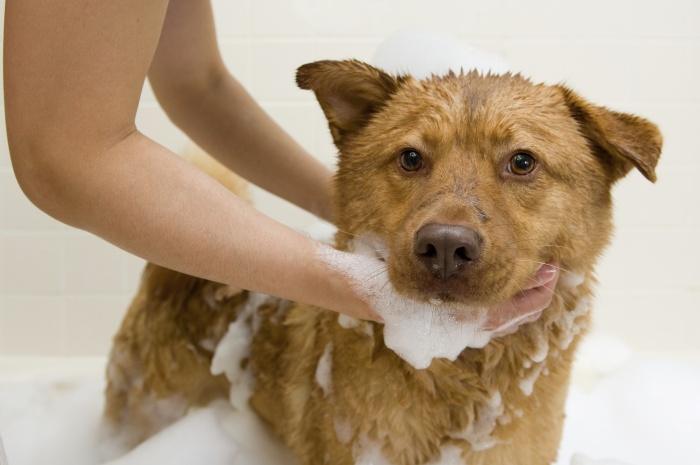
Treat your dog with flea shampoo in the bathroom.
The powder is used one time and is applied carefully, just like the drops.Read the instructions carefully before use. If the case is severe and there are so many fleas that they jump off the animal and try to bite other nearby warm-blooded animals, shampoo is unlikely to help. Apply drops to the withers or tablets. Manufacturers formulate these products based on body weight.
The drops are applied to the dog's withers, from the back of the head behind the ears to the middle of the back, preventing the animal from reaching up and licking the medication. Within 3-4 days, the medication will spread throughout the body without causing harm to the animal. The insects will either die if the drops contain insecticides or leave the animal if they contain herbal repellents. Brands such as Celandine, Bars, Insektal, Beaphar, Hartz, and Frontline are well-known and popular with dog owners.
The cost of drops ranges from 70 rubles to 2,000 rubles. And price isn't always an indicator of effectiveness. For 250-500 rubles, a high-quality product can completely eliminate fleas. Don't forget to repeat the treatment after 3-4 weeks as a preventative measure.

Drops on the withers for dogs are the most popular flea remedy
Giving a pill is even easier:
- You open the dog's mouth.
- Place the tablet on the root of your tongue, trying to push it in as deep as possible.
- Quickly close your mouth.
- Lift the dog's muzzle upwards with one hand, keeping its mouth closed.
- With the palm of your other hand, run it along the animal’s throat from the mouth to the chest two or three times.
The swallowing reflex will trigger the pill, which will enter the esophagus. This is how they administer not only flea pills, but any other kind.
There are chewable tablets available for sale; dogs eat them with pleasure and without coercion. Tablet manufacturers such as Frontline and Bravecto are relatively new to the veterinary drug market. Their prices range from 400 rubles and up, sometimes reaching up to 2,000 rubles. The tablet begins to work within 24 hours of administration.
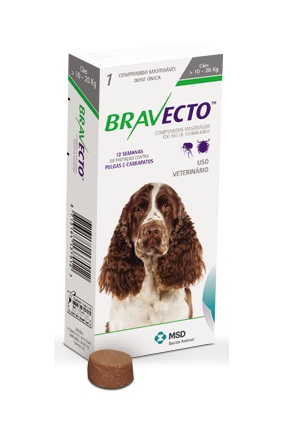
An effective flea remedy - tablets
Sprays and aerosols are used both for treating the animal itself and for sanitizing the bedding, the entire room, its hidden corners, and crevices that are difficult to reach. After treating your dog for fleas, be sure to clean the bedding and the area where the animal is kept. Pyrethrum is considered one of the most powerful home treatments for parasites.
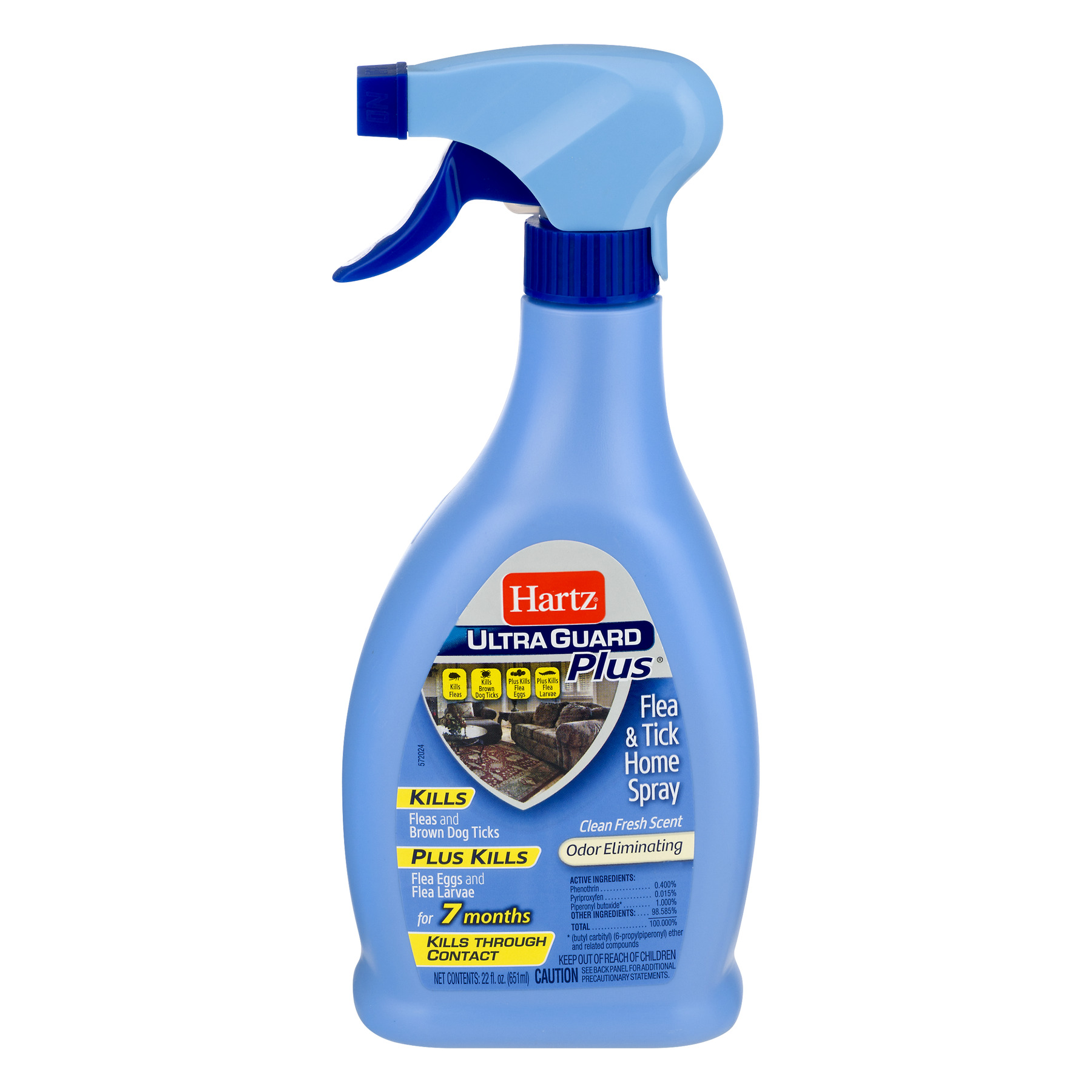
Treat the animal with the spray carefully.
Caution: Do not use cat or other animal products on dogs.
Video: An effective remedy for flea control in dogs
Prevention of infection
Use collars as a preventative measure after treatment with drops and sprays, but only after two to three weeks. The active ingredient lasts from two to seven months. Cost from 80 rubles to 1,500 rubles. To prevent infestation, place wormwood branches, lemon balm, and lavender around the house, and fill the bedding with sawdust from coniferous trees such as pine, juniper, and spruce. After removing fleas, be sure to give your dog a deworming medication to prevent further infection. Fleas are active carriers of tapeworms and other parasites. Remember that you have also been in contact with an infected animal. Take preventative measures for yourself and your loved ones.
Reviews of flea treatment for dogs
There are tons of medications out there, each with their own swear words, and each dog's tolerance to specific active ingredients varies. I use simple Bars drops for mine, but some don't respond well to it, and they swear by Frontline. Now there's an innovative method for flea and tick prevention—tablets (though I haven't tried them on my dogs yet; I'm planning to buy some—then I'll be able to judge their effectiveness). For now, I've given Bars drops to everyone.
I haven't seen anything better than Bars yet. The main thing is to follow the instructions. I usually treat the dog every two months, and as a preventative measure, every month in the summer when we go to the dacha.
Protect your pet from potential flea infestations. Remember to keep the area where your pet is kept clean. Choose preventative measures based on your dog's individual needs. This will help keep your pet healthy and you happy.