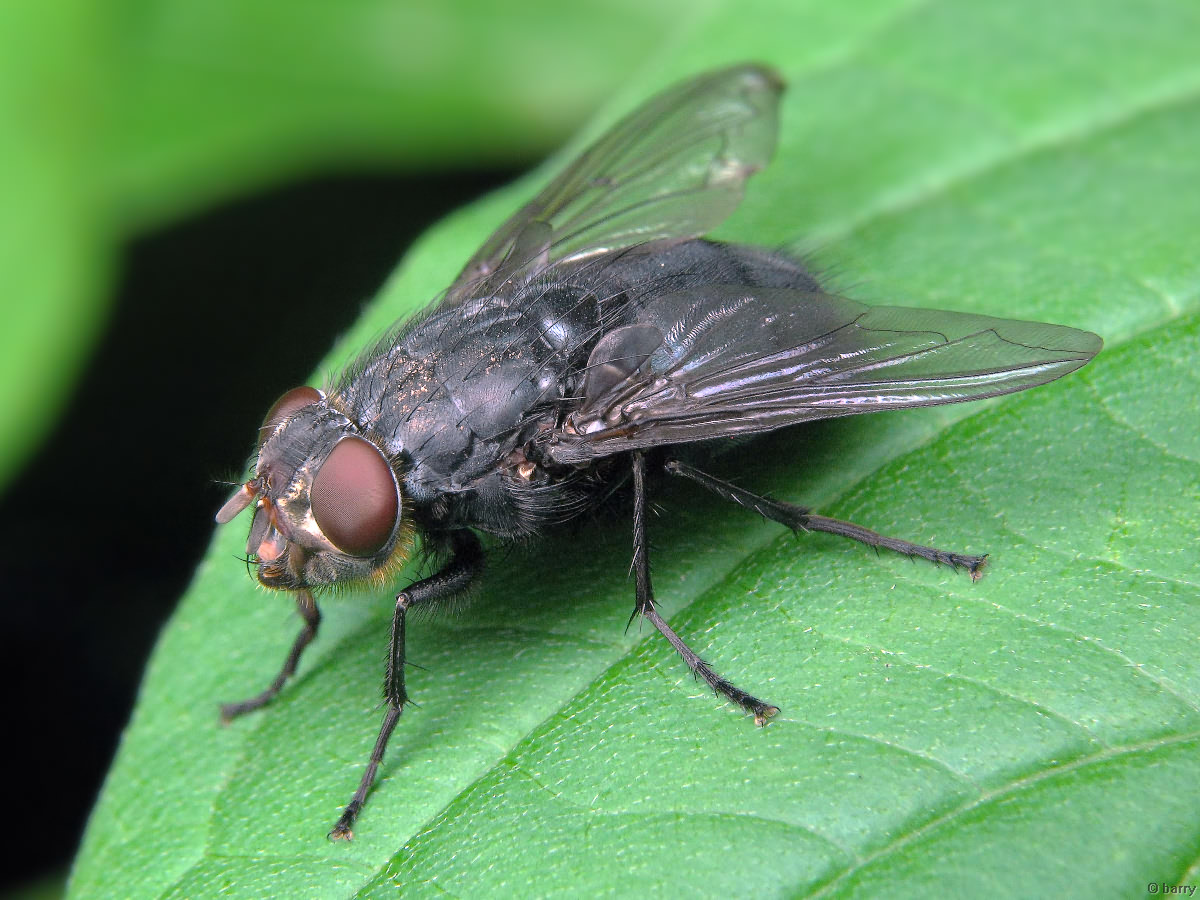
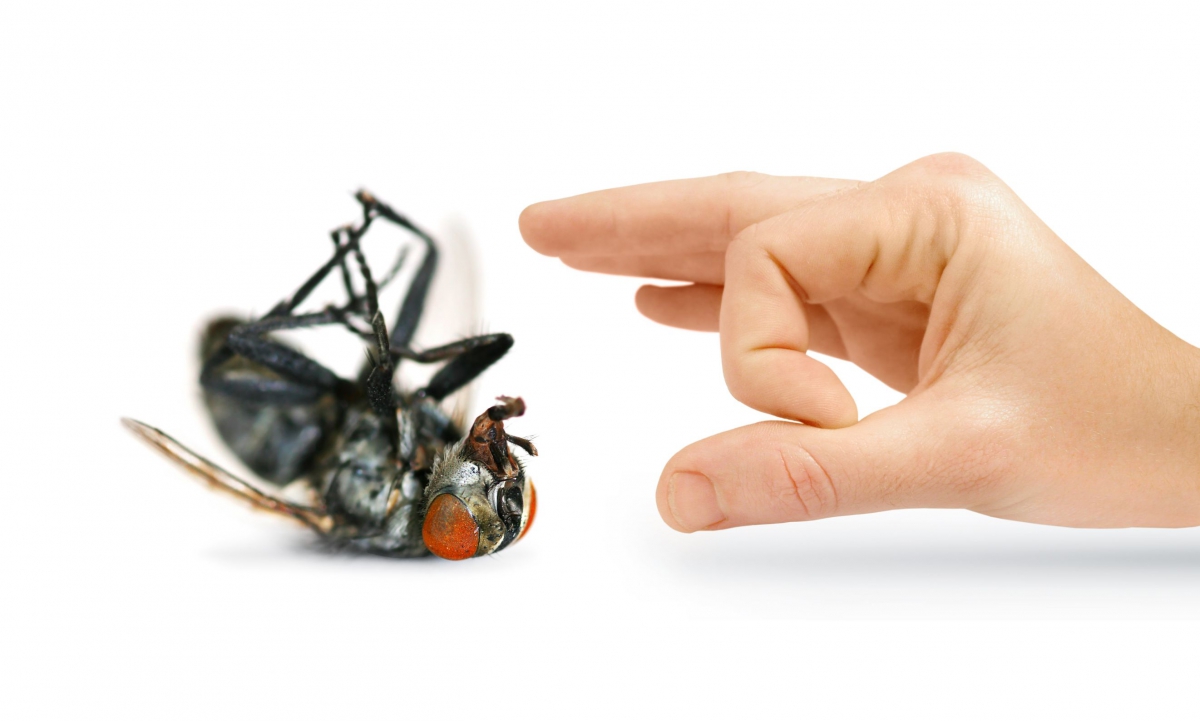
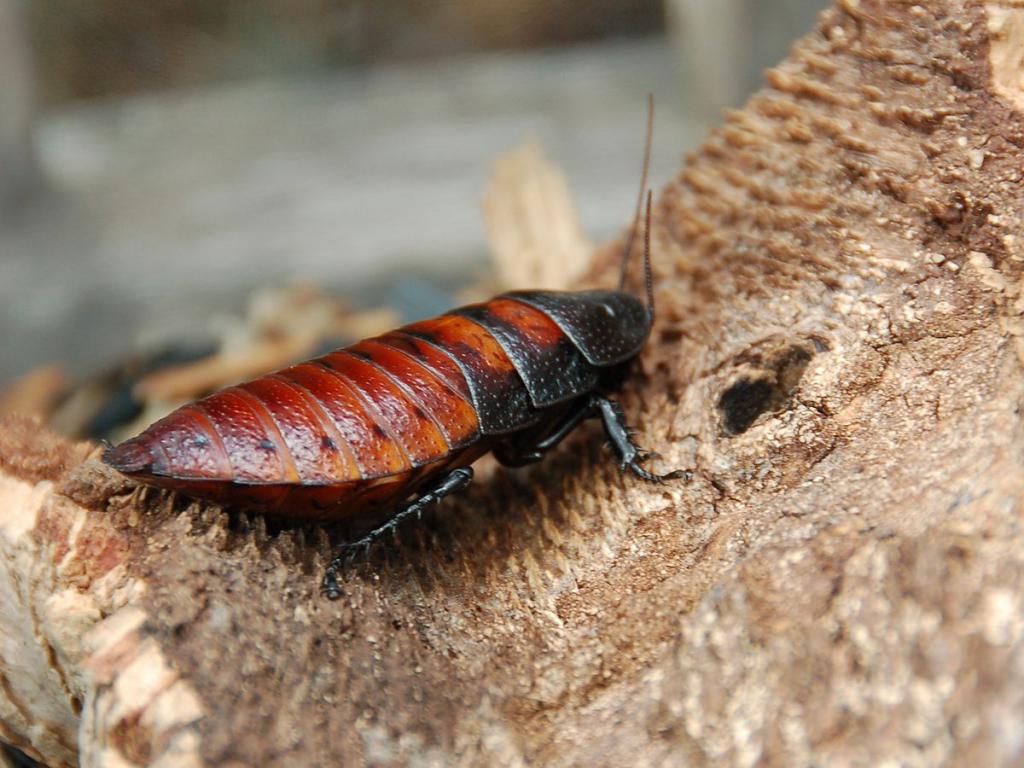
We are surrounded by a diverse world of insects: from tiny, invisible bugs and spiders to large, brightly colored butterflies that delight the eye. And among this vast diversity of creatures are flies—small, winged insects that are downright unsightly. They are disliked because they are annoying and irritating, but worst of all, they carry various microorganisms and bacteria that can cause a variety of diseases, from simple poisoning to tuberculosis and typhus. We are surrounded by a large number of fly species, which it is important to recognize so as not to confuse them with other insects that are harmless to humans.
Content
Classification of flies
There are 40,000 species of flies in the world, which can be roughly divided into three large groups:
- village flies: live in close proximity to humans and are unable to survive in the wild; house flies;
- semi-settlement (facultative-settlement): can live both near humans and in the wild; blowflies;
- pasture flies: live in cattle droppings in pastures, fly into populated areas; dung flies;
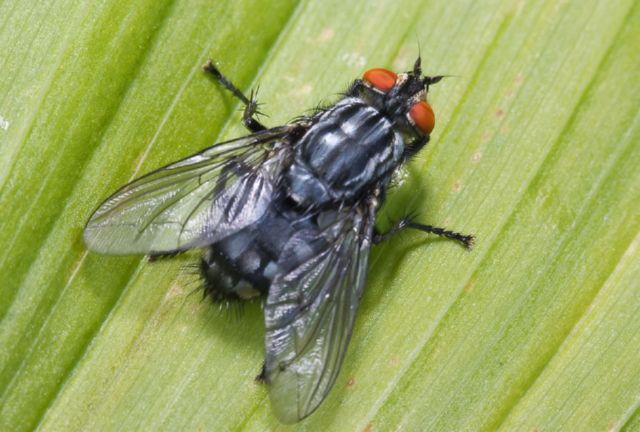
Gray blowflies are carrion eaters.
Flies are also divided into those that feed on:
- fruits and berries: melons and garden;
- vegetables: lilies, cabbage, garlic, cucumber, sprouts;
- flowers: peony;
- blood of animals and people: black (April), tsetse fly;
- rot and carrion: green, domestic, dung, gray meat;
- other insect pests: hoverflies, robber flies;
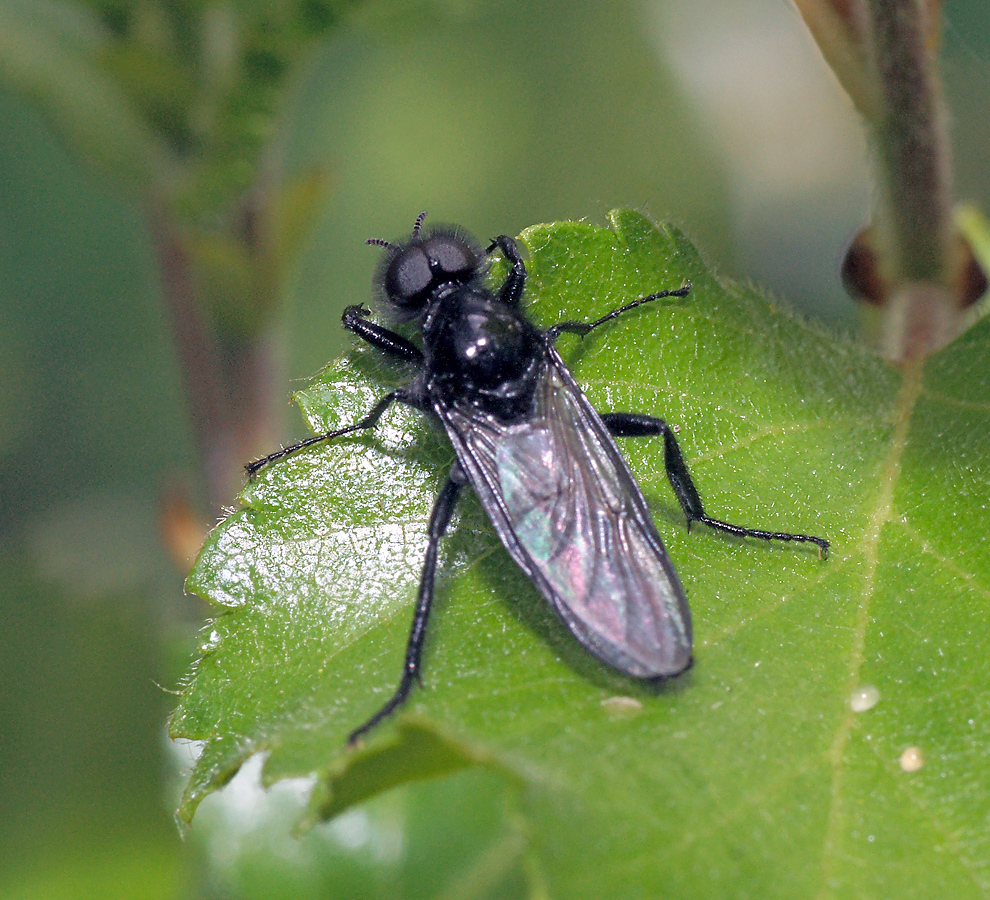
Garden flies damage fruit and berry crops.
What types of flies are most common?
The world of flies is diverse, and beyond their body structure and life cycle, they share one common characteristic: persistence. Whether the insect is dangerous or relatively harmless to humans, it will be very difficult to get rid of. What is it that attracts flies to us so much? These creatures have a highly developed sense of smell, drawn to a variety of sweet and not-so-sweet aromas (but the most pleasant scent for most of them is the scent of rot), which is what draws them to them. We prepare a wide variety of dishes with a variety of flavors and smells—it is precisely these aromas that attract these insects, forcing them to travel considerable distances relative to their size and enter our homes.
The alluring aroma overwhelms flies with everything, sometimes even their instinct for self-preservation, which is why many people, when asked "How many species of flies do you think there are?", answer: "One—the annoying ones."
Housefly
House flies (or house flies) live exclusively in close proximity to human dwellings, where food and quickly rotting household waste are abundant. Existence away from people is impossible for this species of insect, so during the warmer months they are constantly nearby: they live in our kitchens, where food and waste are stored, and fly in through open windows to stay for a few hours, making it quite difficult to get rid of them.
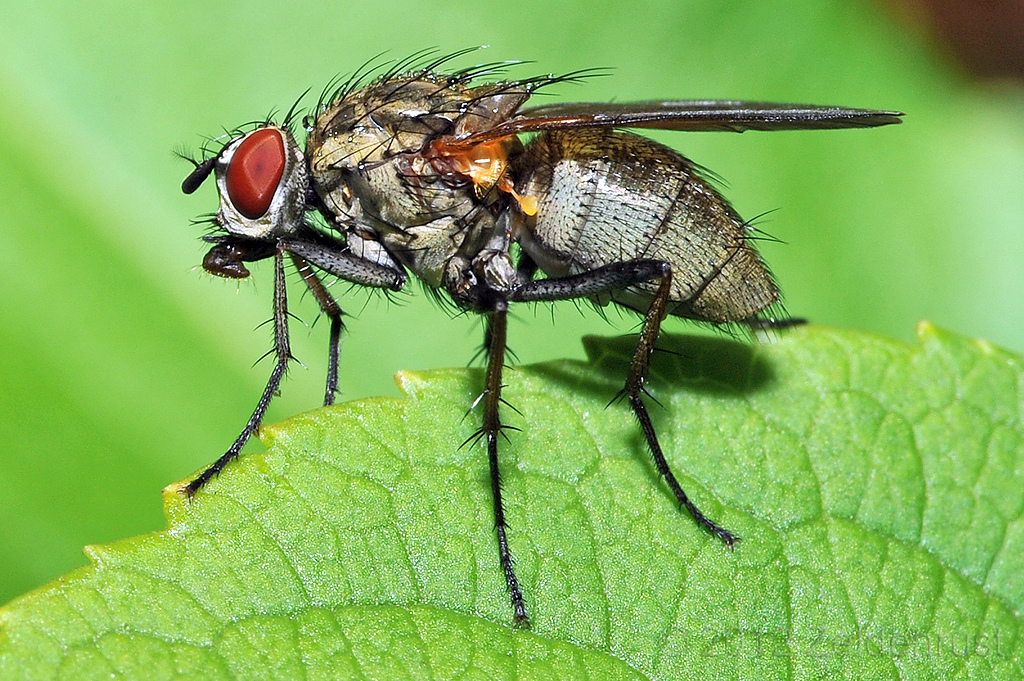
House flies are considered the most annoying
Houseflies lack piercing-sucking mouthparts, so they cannot bite humans, but this does not make them completely harmless. These insects have three pairs of legs, each with small tentacles that attach various bacteria and microorganisms, which are then transferred by the flies to food. These creatures are completely unremarkable: they have a gray-brown body with nondescript wings, but very bright red eyes. They occupy almost the entire head, the lower part of which is yellowish, and the upper part is sand-colored. The head contains antennae and a mouth cavity.
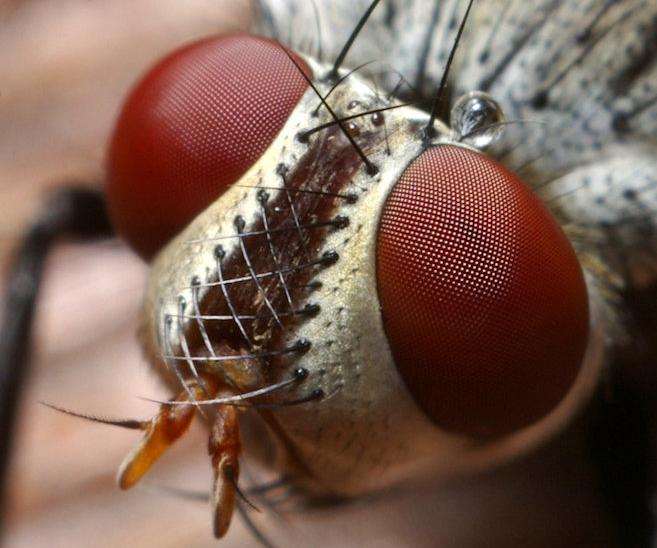
House flies have huge red eyes.
Flies have two pairs of wings: the first is used for flight, and the second (called halteres) is used for balance. It is the halteres that produce the sound we call buzzing.
Houseflies are diurnal insects that fall asleep at nightfall and awaken when the sun rises. They are active only during the warmer months; in the fall, with the onset of the first cold weather, they hibernate.
On average, houseflies live for 3-4 months. First, an adult female lays eggs (about a hundred in a single clutch), from which a larva emerges 8-50 hours later (depending on the climate). This is a small worm, up to 13 mm long, which lives in animal feces and household waste. About once a week, the larva molts; after three molts, the worm's outer shell hardens, falls off, and the creature transforms into a pupa. After 3 days, the adult emerges, becoming sexually mature after 36 hours. Over its relatively long lifespan, a single fly can lay up to 10,000 eggs.
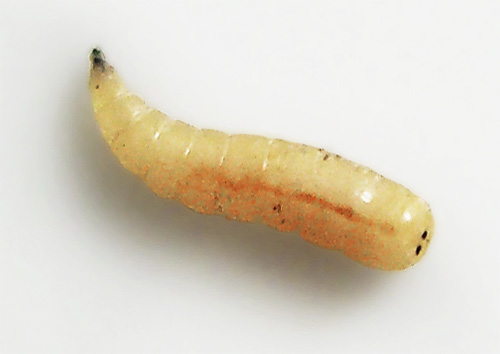
A fly larva looks like a small, chopped-off worm.
These insects feed on the same things humans do, but prefer liquid or semi-liquid foods because they are unable to bite. To consume solid foods, flies secrete saliva, which can dissolve substances of varying hardness.
Houseflies can be found throughout Russia, but the further south you go, the milder and warmer the climate, and the more numerous these insects are. Controlling them is very difficult, but not impossible. The most effective are regular insect nets, which can be placed in windows and doors, and sticky tapes, which have a specific scent that attracts flies. They land on the tape, stick, and are unable to escape. It is not recommended to use fumigators and various chemical baits, especially if there are pregnant women, children or pets in the house, as these products release harmful substances into the air.
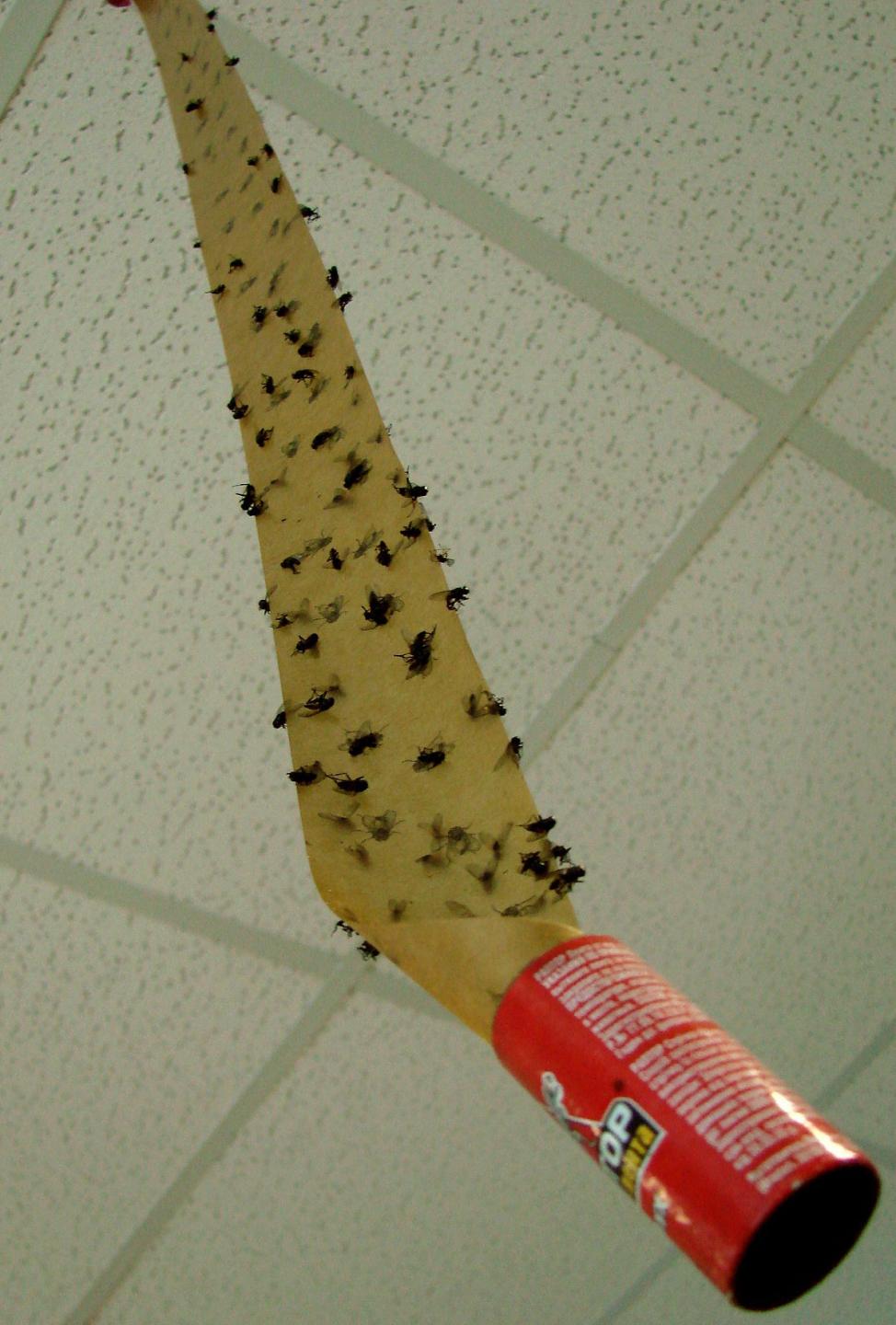
The sticky tape should be changed every 2-3 months or as it becomes full of flies.
Hoverfly
Hoverflies (or syrphids) are very similar in appearance to wasps. Even their behavior is identical: hoverflies can freeze in mid-flight while continuing to flap their wings, but they are completely harmless to humans—they don't sting like wasps.
Hoverflies get their name from the sound they make when their wings flap, which sounds very similar to the sound of water.
Hoverflies are found primarily in fields, gardens, and vegetable patches where umbelliferous and composite plants abound. Like all insects, they are most active during the day during warmer seasons, hibernating in winter.
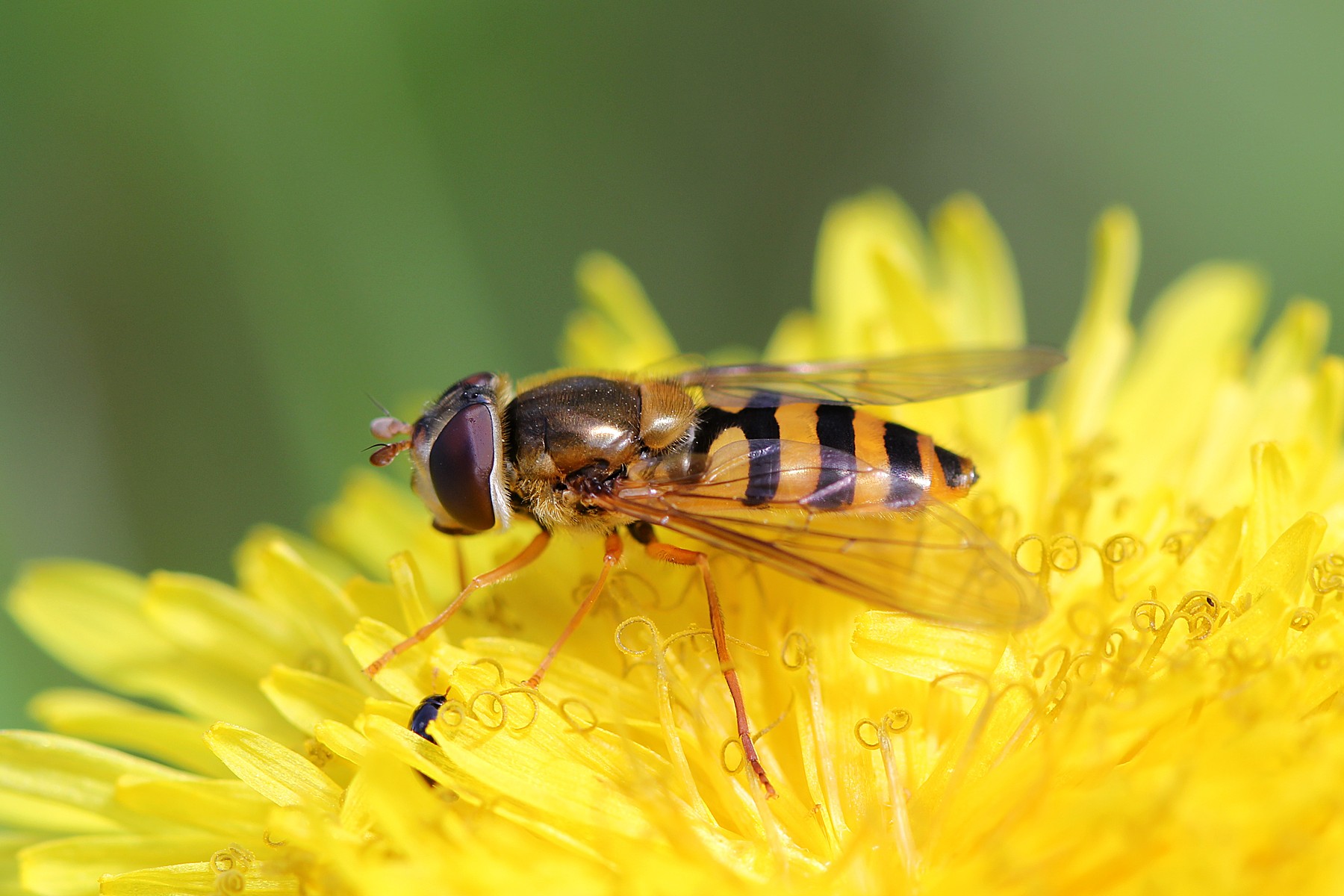
Hoverflies are harmless creatures
Hoverflies have small bodies covered in alternating black and yellow stripes. They have only one pair of transparent wings and large brown eyes. Hoverflies have a long proboscis, which they use to collect nectar; they do not bite people or animals.
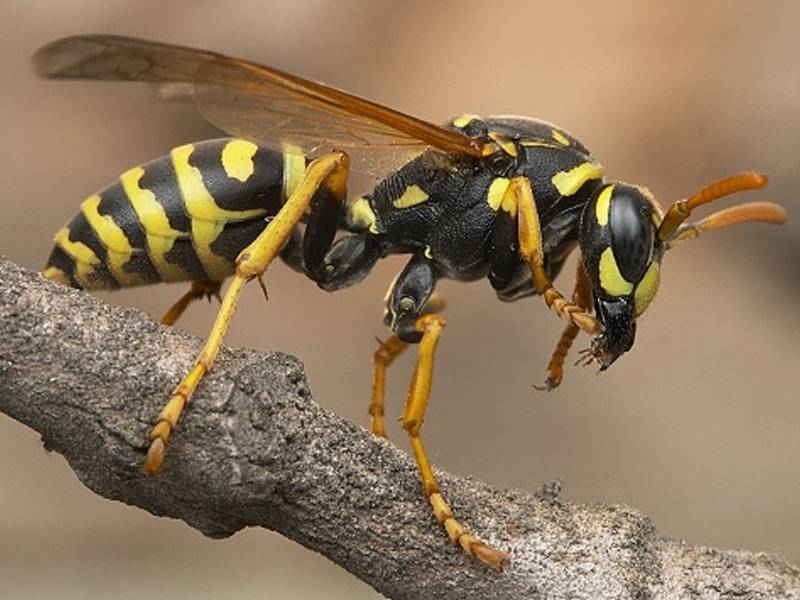
The wasp's body is more segmented.
Syrphids feed primarily on plant nectar, but will also eat aphids, various insect eggs, and spider mites. Human food has no appeal to them at all.
Wasp flies lay 150–200 eggs at a time; they lay their eggs primarily in aphid habitats, which are easy prey for the larvae. They emerge 2–4 days after laying and resemble small worms with their tails cut off. The larvae feed independently, becoming more voracious with each passing day; in just 2–3 weeks of their life, they can consume over 2,000 aphids. The larvae then metamorphose into pupae, which emerge into adults 7–10 days later.
Hoverfly larvae are very lazy, but their hunt for aphids is quite fascinating: as soon as a prey is spotted, the worm rises, begins to sway from side to side, and within moments, pounces on the prey, instantly devouring it. To get more food, it needs to move. To do this, the larva "rolls" its body from one end to the other, thus moving through space.
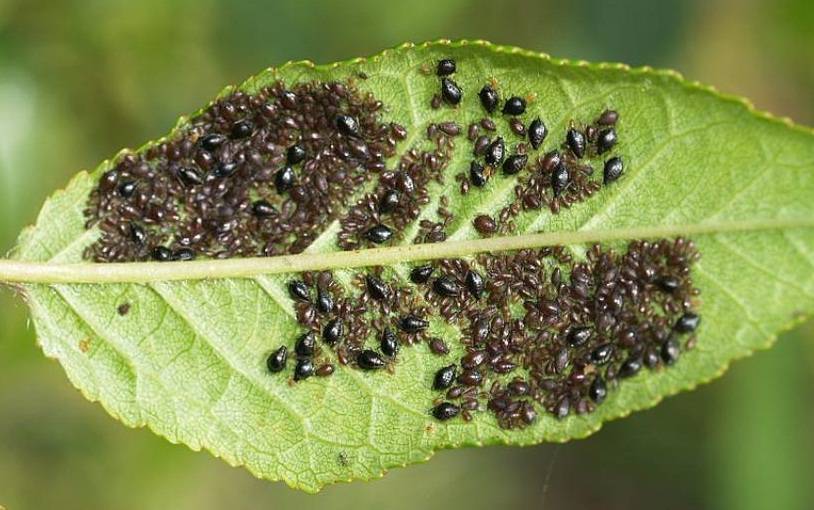
Aphids parasitize plants
Hoverflies don't live long: on average, 1–1.5 months, but even during such a short life they bring a lot of benefits to the garden and vegetable garden, eating a variety of insects.Many gardeners create favorable conditions for hoverflies to settle on their property and protect them from pests. There's no need to get rid of hoverflies.
Green fly
The green fly (or carrion fly) is rightfully considered one of the most beautiful insects: it has a neat, glossy emerald body and large brown eyes that complement its smoky wings. All its legs have tentacles, which attract bacteria and microorganisms, which the fly carries over long distances.
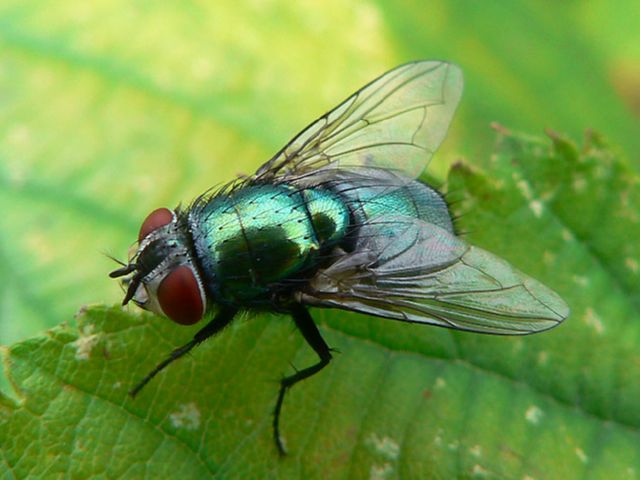
The green fly has an incredibly beautiful color.
It's a shame that such a beautiful creature feeds on carrion and decay, so it must be driven away and even destroyed, rather than admired as one would like. Blowflies live on animal carcasses, household waste, and feces, but are sometimes found on flowers with a very strong sweet scent.
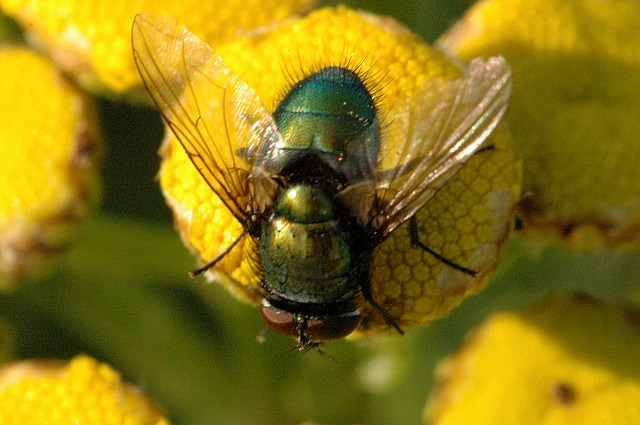
Green flies are also found on flowers with a strong sweet aroma.
Green flies lay up to 180 eggs in the same place where they feed—in rotting food and bodies. Females try to hide their eggs as deeply as possible so that when the larvae hatch (which occurs within 6 to 48 hours), they have plenty of food. The flies remain in the larval stage for 3 to 9 days, after which they crawl into the soil, where they pupate. After another 10 to 17 days, the adult fly emerges and emerges to the surface.
Green flies live for 2–2.5 months (counting from the time they lay eggs); in winter, they hibernate in the leaves and bark of trees.
Blowflies should not be allowed into your home, as they will carry a huge amount of bacteria from carcasses and excrement on their legs, which will cause poisoning and intestinal diseases at the very least. The most effective means against these flies are insect nets and regular sticky tape, which has a pleasant smell for flies. If you don't have pets, you can buy a fly trap plant.
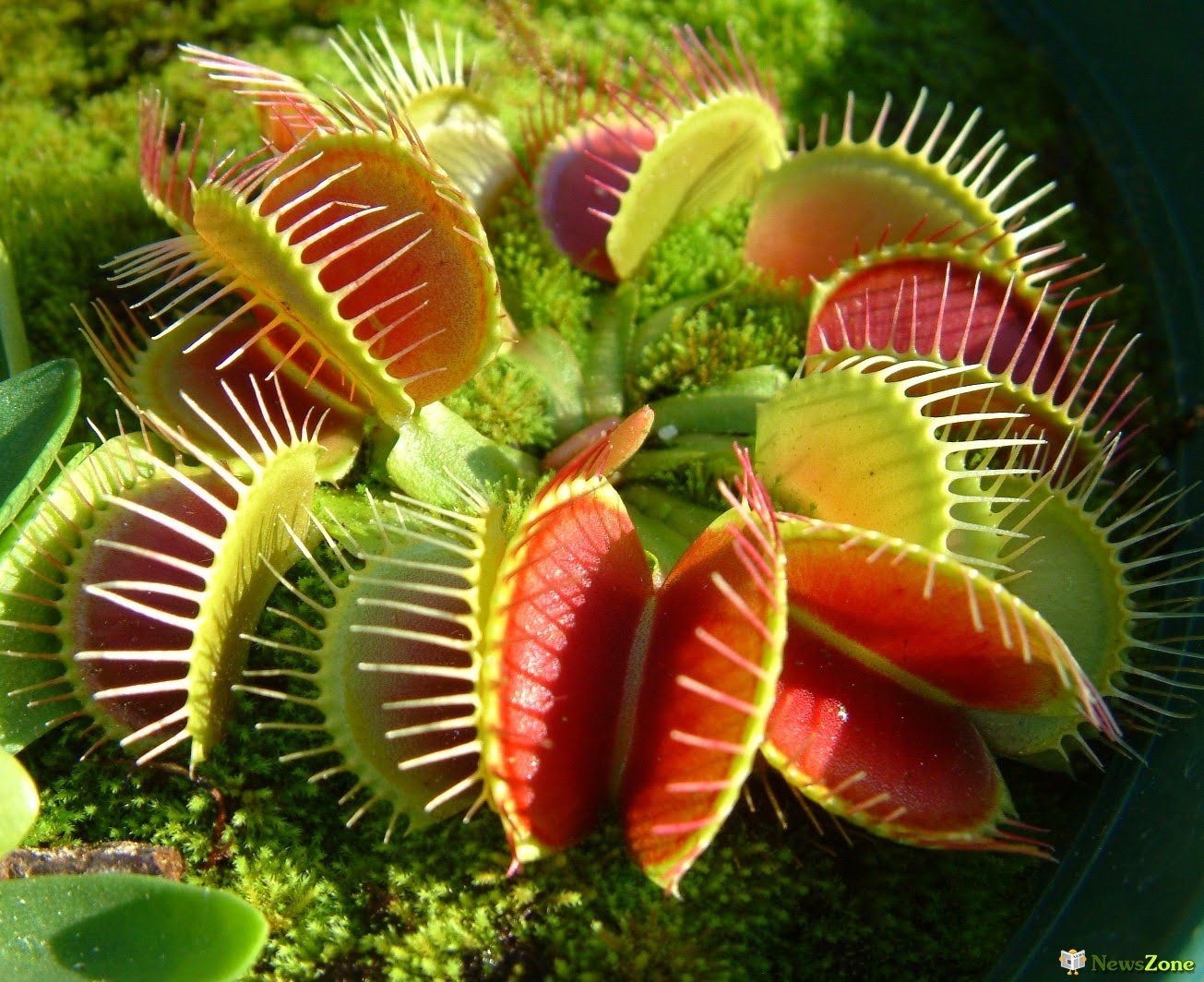
The flytrap is a very beautiful plant that feeds on the blood of insects.
Bee fly
Mud flies belong to the hoverfly family, but they resemble bees rather than wasps. They have a fairly large body—on average, 1.5 cm long—and a rather plump abdomen, giving them a bee-like appearance. Their bodies are brown with large reddish-yellow spots on the sides. Unlike other flies, mud flies are covered in very fine hairs—even their eyes and limbs are covered in hair.
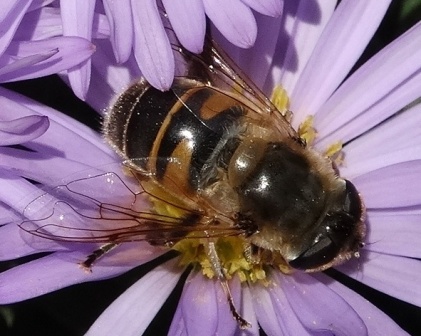
Another name for the bee-eater is the tenacious bee-eater.
Bee-eaters live near plants with strongly scented flowers, whose nectar they feed on. Adults are completely harmless to both humans and insects, so there's no point in breeding them, and there's no real reason to kill them.
Mud flies lay their eggs in various types of waste, so if eggs or larvae enter the human body (for example, from unwashed hands or food), this can lead to intestinal diseases (for example, enteritis).
The larva emerges 18–48 hours after the eggs are laid. Its body length reaches two centimeters, but the special breathing tube through which the worm breathes can stretch as much as 10 cm. This is due to the fact that the larvae live in sewage and must breathe only clean air.
The silt flies are most active from July to October; in cold weather, these flies hibernate.
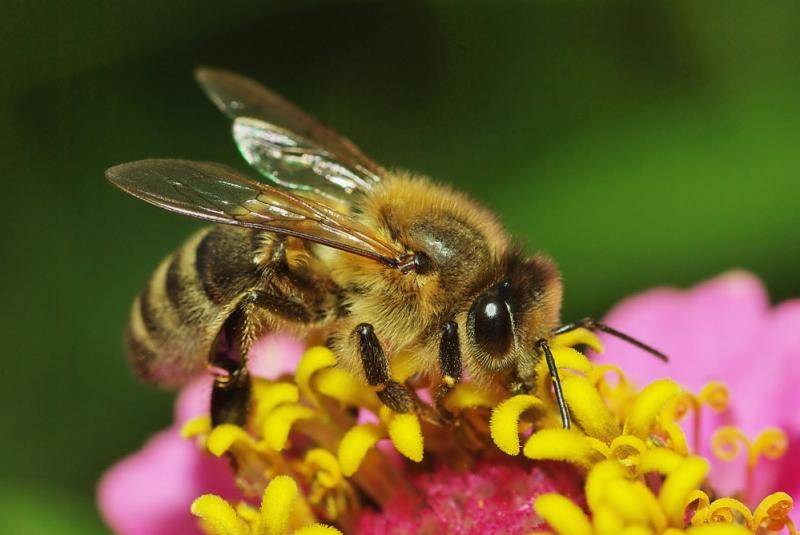
The bee has a hairier and more segmented body.
Since only the eggs and larvae of the bee fly can cause harm to humans, wash your hands thoroughly after coming in from outside, rinse food, and make sure that rotting household waste does not accumulate in your home, where the fly could lay its eggs.
Ktyr
Black flies are large predatory flies that prey on other insects, including mosquitoes, midges, beetles, and even bees. They feed exclusively on flying organisms and pose no harm to humans or crops, so black flies should not be repulsed or even destroyed. Although they may be unsightly, they are effective pest and blood-sucking insect control agents.
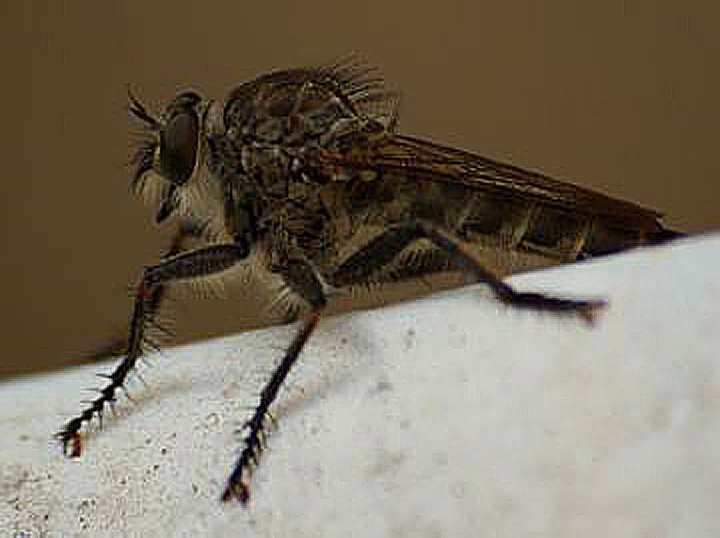
A hornet can even fight a hornet.
These flies are truly unappealing in appearance: a small, dark-brown body covered in hairs, huge brown eyes, and a stinger containing venom, which they inject into their prey. Their incredibly long limbs, compared to their bodies, are also covered in hairs. These are how the bats catch their prey in mid-air. Long, powerful, dark-brown wings with small light stripes help them maintain their position and their prey in flight.
Black-footed maggots lay their eggs in various rotting materials: wood, soil, and so on. As soon as the eggs hatch, the larvae immediately begin to destroy small insects nearby. Often, one larva becomes the victim of another (and the adult may even eat its own kind).
Like all flies, black flies live for 2–2.5 months and are active during the warmer months. They are found in cities, gardens, and even far from people.
Tsetse fly
The tsetse fly is the most dangerous fly on planet Earth, fortunately found in Africa. It carries sleeping sickness, which can be fatal if not treated promptly. This fly feeds exclusively on the blood of animals and humans.
Bernhard Grzimek (zoologist and conservationist) in his book "No Place for Wild Animals" said that it is thanks to the tsetse fly that areas of large wild animal habitats, virtually untouched by humans, have been preserved in equatorial Africa.
The female gives birth to larvae, which immediately become pupae, in a dark place close to the soil. There, the pupae will develop for several days until they emerge as adults.
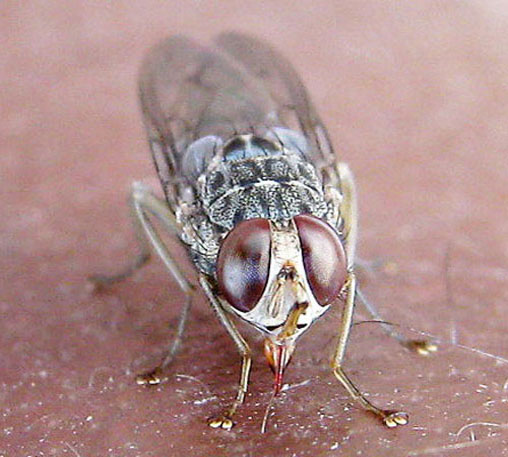
The tsetse fly is very beautiful, although the color of its back is unremarkable - gray
Tsetse flies are strikingly beautiful: a reddish-gray thorax covered with longitudinal dark brown stripes, a yellow-gray abdomen, a gray back with a milky-black pattern, a long, branched proboscis, and powerful, transparent wings that the insect folds one on top of the other, revealing a distinct coffee-colored pattern. But don't be fooled by this creature—they are dangerous to humans.
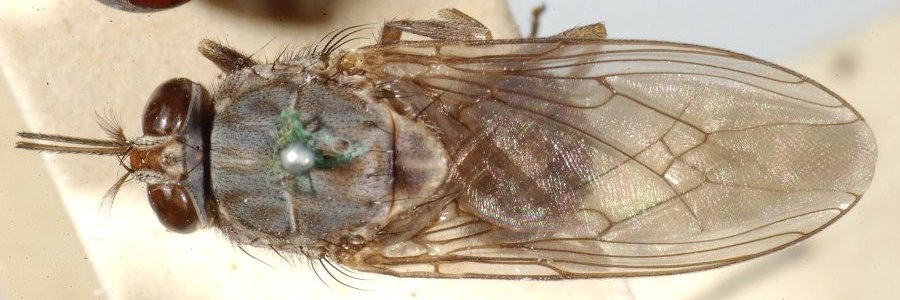
The tsetse fly's wings have an unusual "hatchet" pattern.
If you travel to Africa, be sure to get vaccinated against sleeping sickness.
We are surrounded by countless different insects: some are harmful to humans, while others, on the contrary, help with various pests and save crops. It's important to recognize your friends among all these insects and, instead of killing them, create favorable conditions for their survival. Chemicals are certainly better at killing various insects, including aphids, but they are not as safe for humans as, for example, hoverflies. Make use of the helpers that nature itself provides.