It's the way nature works that humans coexist side by side with various species of living organisms. Insects are no exception. Today, we'll talk about the booklice. What is it? Where does it live and what does it eat? Is it dangerous to humans? We'll explore these and many other questions in this article.
Content
What kind of insect is a hayseed eater?
In tropical forests and subtropical zones, one can often encounter a small insect with two pairs of colorless wings, sometimes covered with dark spots that fold onto the abdomen when not in use. These insects are no more than 1 cm in size, but more commonly range from 0.6 to 7 mm. Booklice, as representatives of this order are called, are, in biological terms, insects with incomplete metamorphosis. This means that their life cycle consists of only three stages: egg, larva, and adult. Moreover, the larvae are similar in appearance to the adults, acting as miniature versions of them, and lead a lifestyle similar to the adult.
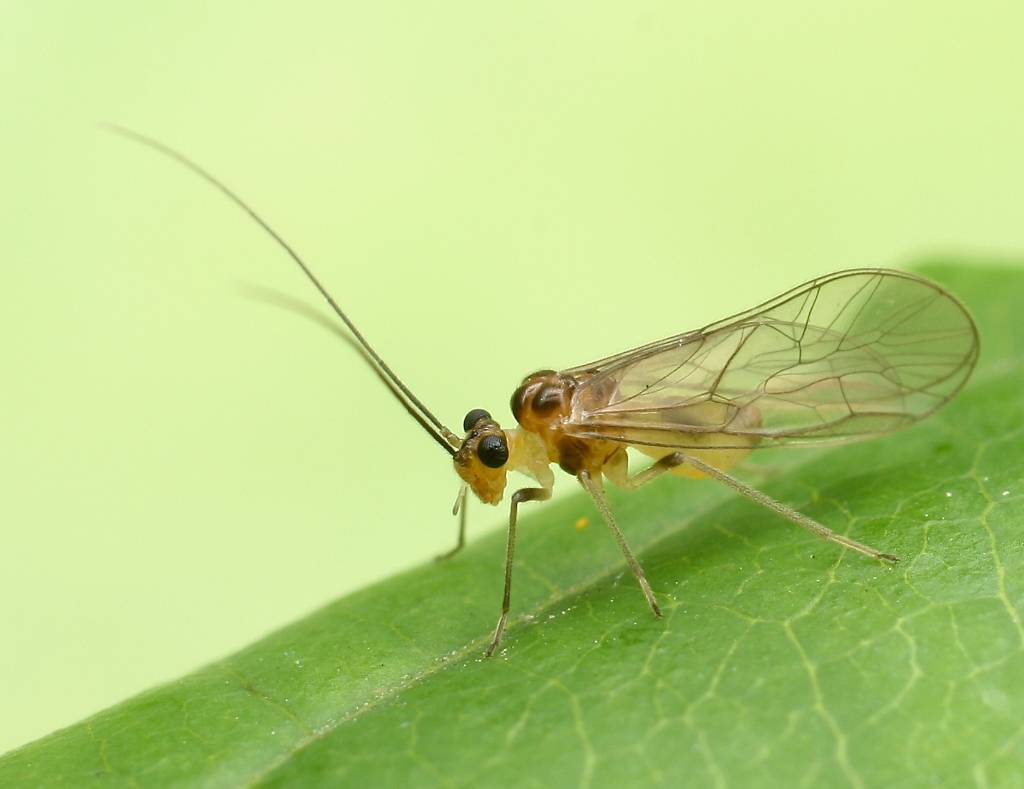
Some species of booklice have two pairs of colorless wings with fine veins.
The order of booklice is quite diverse. Currently, scientists have studied over 5,000 species. This number includes 120 fossil remains discovered during paleontological expeditions. Externally, many species are dissimilar to each other, and sometimes even bear greater resemblance to representatives of other orders. One striking example of this is the presence or absence of wings. Some species have shortened wings, while others lack them entirely. Booklice also exhibit sexual dimorphism, with females of winged species having either short wings or no wings at all. Males, on the other hand, have enlarged, spherical eyes and densely haired antennae.
At the beginning of the 20th century, entomologists hypothesized that ancient forms of booklice, which lived in animal burrows and bird nests, were the ancestors of parasitic insects—lice, bedbugs, and lice. This hypothesis fully explains the superficial resemblance of some booklice species to the latest insects.

Some species of booklice are more similar in appearance to representatives of other orders - Lice and Feedlice
In the wild, each species chooses the most suitable conditions. This may include tree bark or crowns, nests of birds or other insects, dead wood, or forest litter. There are even species that live under rocks. However, the best habitat is almost always the presence of nearby lichens, which provide not only shelter but also food for insects. Some species have adapted to human habitats. The most widespread are the book louse (Liposcelis divinatorius) and the house booklice (Trogium pulsatorium).
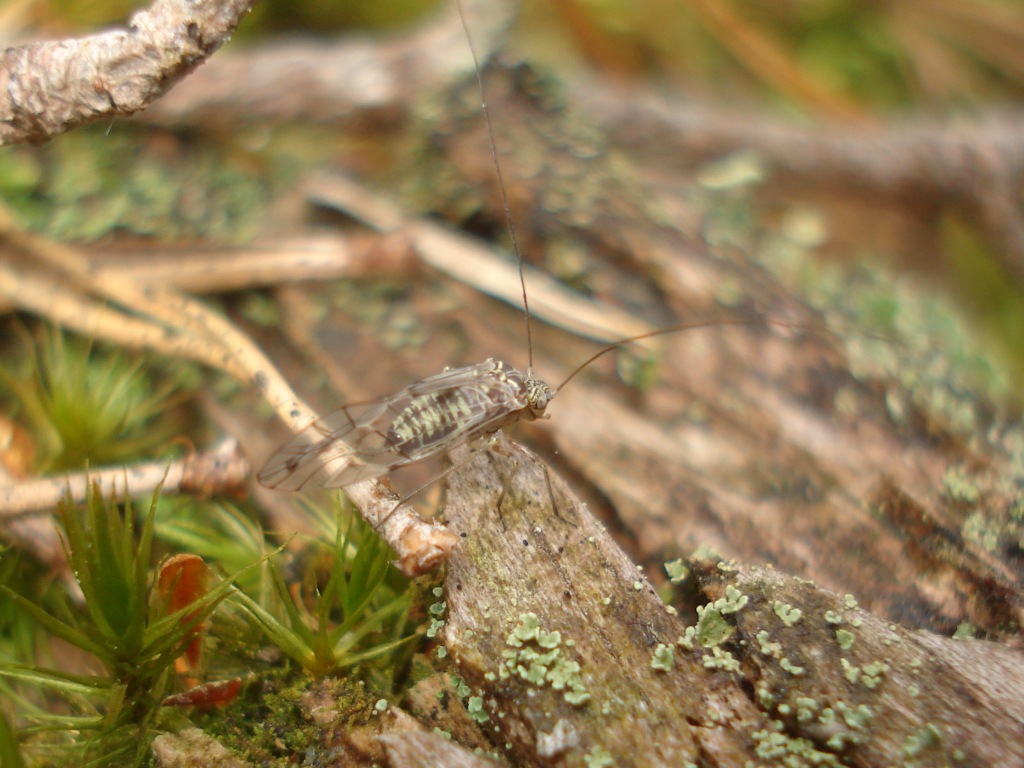
In the wild, booklice live mainly in places with an abundance of lichens and remains of plant and animal origin.
Video: Booklice in the wild
Book louse
This species is the smallest member of the order, measuring approximately 1 mm. The body is light, almost white, with a yellowish or slightly brown tint. It is flattened dorsally and ventrally, slightly widened and rounded at the back. The head is quite large. The antennae are longer than the head, gradually tapering toward the edges. Wings are completely absent.
In the wild, they most often inhabit rodent burrows and bird nests. Their diet consists primarily of various animal and plant remains, wood dust, rotting leaves, terrestrial algae, molds, and parasitic fungi. They rarely consume living tissue from higher plants.
Booklice eggs can develop without fertilization, which facilitates rapid reproduction. A female lays 60 to 100 eggs per day, one or several at a time. Each clutch is covered with intestinal secretions, which dry to form scales and serve a protective function. The hatched larvae sometimes form groups, creating communal web nests, or they lead a solitary life. At temperatures of 16–35°C (61–98°F), they hatch.OThe life cycle of booklice lasts 3–4 weeks. In the wild, up to six generations can reproduce per year, while in optimal indoor conditions, the insects develop continuously.
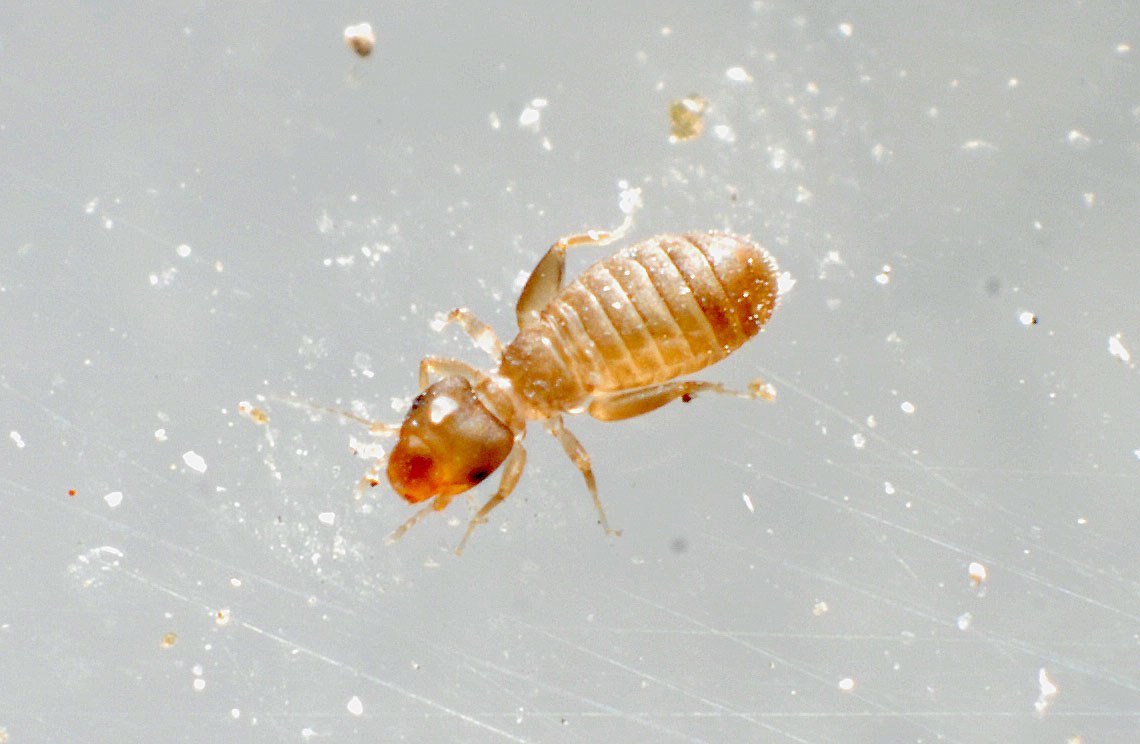
The book louse is a small insect of pale brown or white color.
Dust louse, or house louse
A species closely related to the book louse, it differs only in morphological features. In appearance, this insect is light yellow with reddish-brown stripes on the upper part of its abdomen.
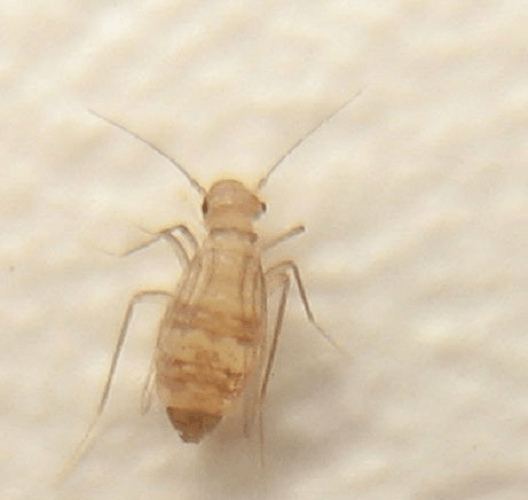
The dust louse is a light yellow insect with longitudinal stripes on the upper part of the abdomen.
Furthermore, the dust louse is slightly larger than the book louse, reaching 2 mm in size. It also has appendages on the back of its body—rudimentary wings.
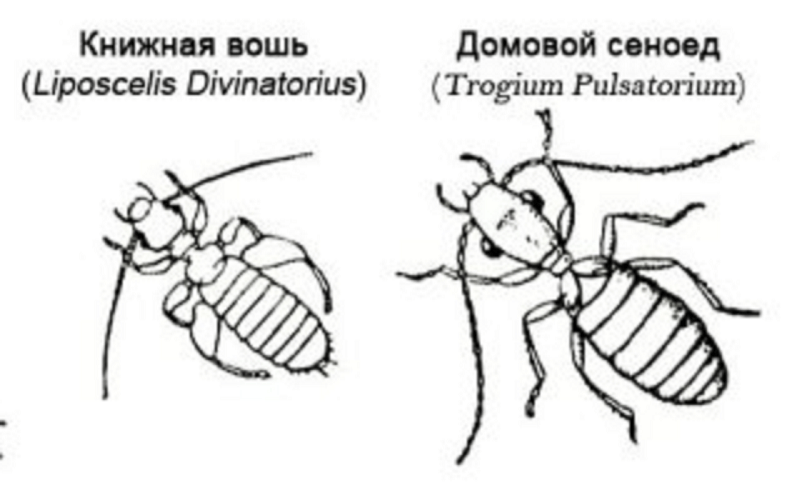
Externally, the dust louse differs from the book louse in its larger size.
How can booklice get into an apartment?
Book lice and dust lice are cosmopolitan. They live on every continent, but are especially common in southern regions. Due to their small size, they easily penetrate buildings. Window and door openings, ventilation openings, and all sorts of crevices are ideal places to do so. Sometimes booklice are brought into an apartment on items already infested with them, such as a book or a bag of cereal. However, they won't stay in every home. After all, like any other living organism, they require suitable living conditions.
Reasons for occurrence
Hay eaters feel most comfortable at a temperature of 25–35OC and air humidity of 75% or higher. However, insects are often reluctant to leave their homes when these temperatures drop. This is due to additional factors that deter them.
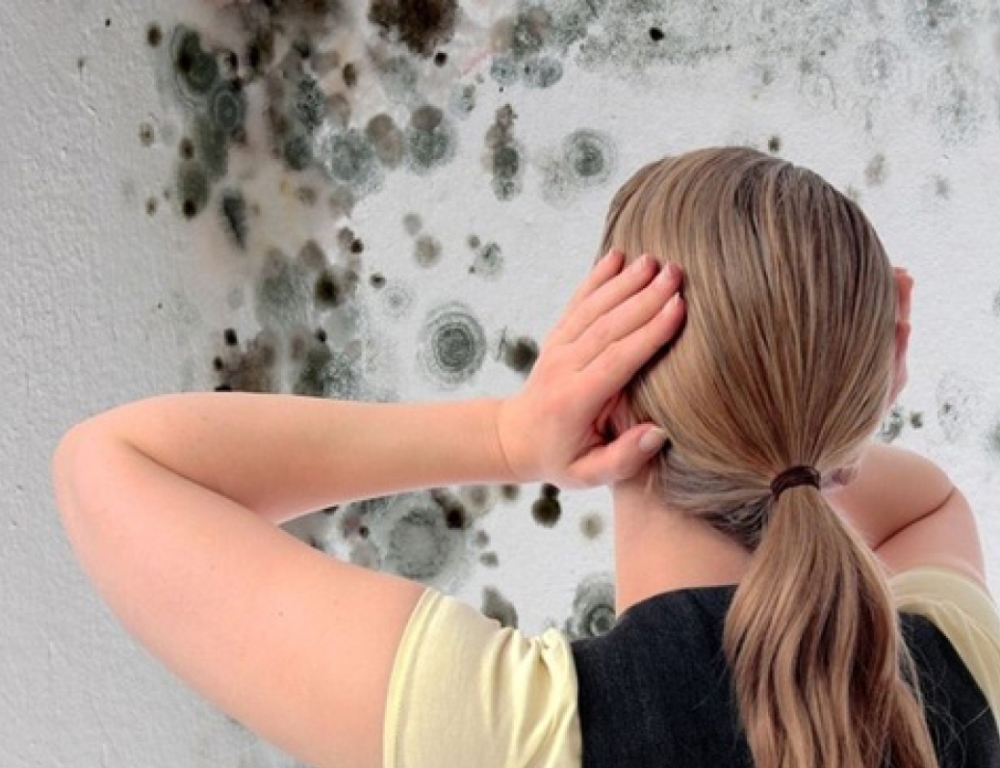
- Booklice are attracted not only by dampness, but also by mold, which they feed on. A flooded basement or a leaky roof can cause a bookworm infestation on the ground and top floors. Defective waterproofing, obvious or hidden leaks in pipes, ceilings, and enclosed structures are all possible causes. High humidity, and consequently mold, is also almost always present in corner apartments. Sometimes, the joints between the seams in panel buildings allow moisture, whether from rain or snow, to leak through. Mold growth may not be visible behind wallpaper, but it's enough for bookworms to appear.

Mold is food for booklice and the reason they appear in the house
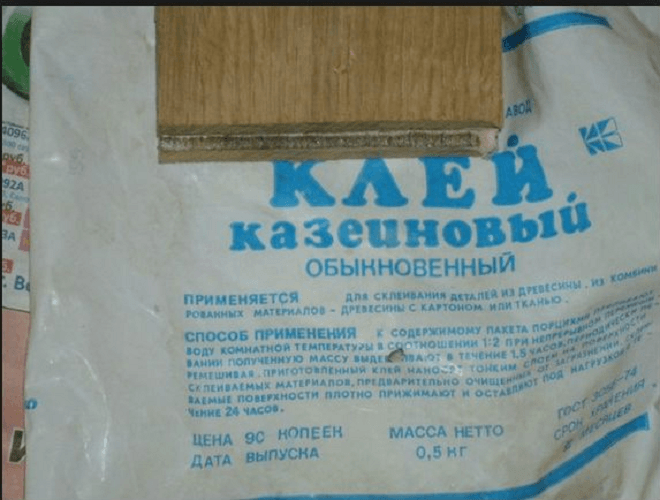
- Sometimes booklice infest new buildings that have not yet been commissioned. They are attracted to casein glue, tile grout, paste and other tasty materials. Moreover, new buildings have not yet dried out after construction work, and residents have not yet had time to pollute the atmosphere with various household chemicals.
Booklice love casein glue.
- In older homes, booklice can appear on natural wallpaper pasted with paste. The insects love starch and any of its compounds.
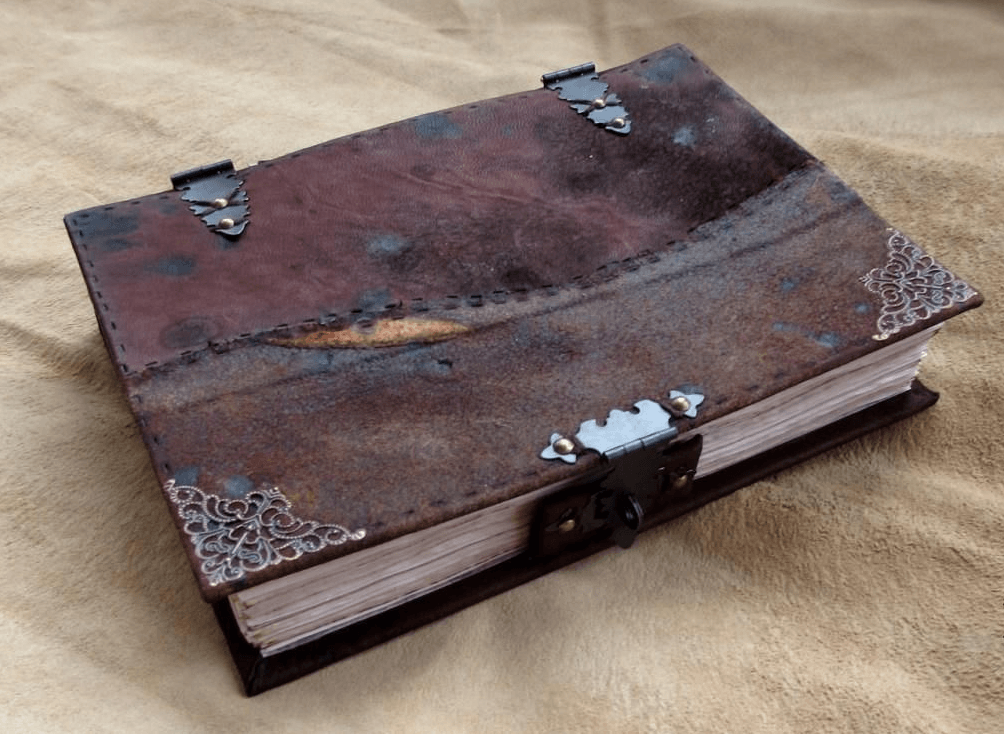
- Book lice got their name from their fondness for the paste used to glue book pages together. Therefore, if you have a library containing older books, this could be the cause of a book-eater infestation.
Very often book lice infest old books.
- Insects are also attracted to dust. They often infest and actively reproduce in various archives and document storage facilities, museums, and library branches with old, stale literature.
In the second half of the last century, casein glue was completely replaced in the book printing industry by synthetic glue, which is of no interest to booklice. Therefore, even books from later editions, kept clean, are of no interest to the insects.
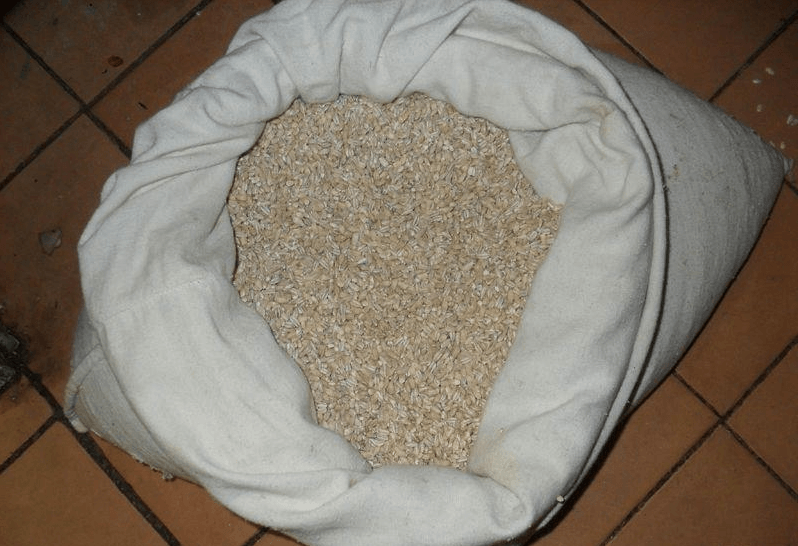
- The dust louse, unlike the book louse, is more drawn to the kitchen than to “knowledge.” The best shelter and food for her will be the cereal reserves in the pantries.
Grains and cereals are acceptable food for hay eaters
There are known cases of large grain storage facilities being contaminated by booklice and their byproducts. As a result, the agricultural procurement sector has developed a number of instructions and regulations for storing grain, raw materials, and products, as well as for pest prevention and control at elevators and grain receiving facilities.
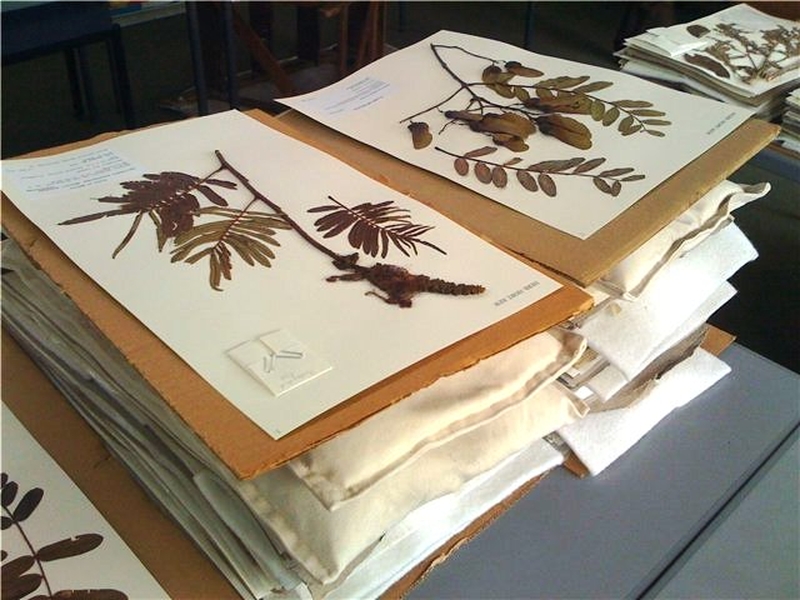
- Feeding on the remains of plants and animals, booklice can also appear in herbariums, entomological and zoological collections. Especially if these collections are not maintained properly.
Booklice feed on plant remains and herbariums are perfect for this purpose.
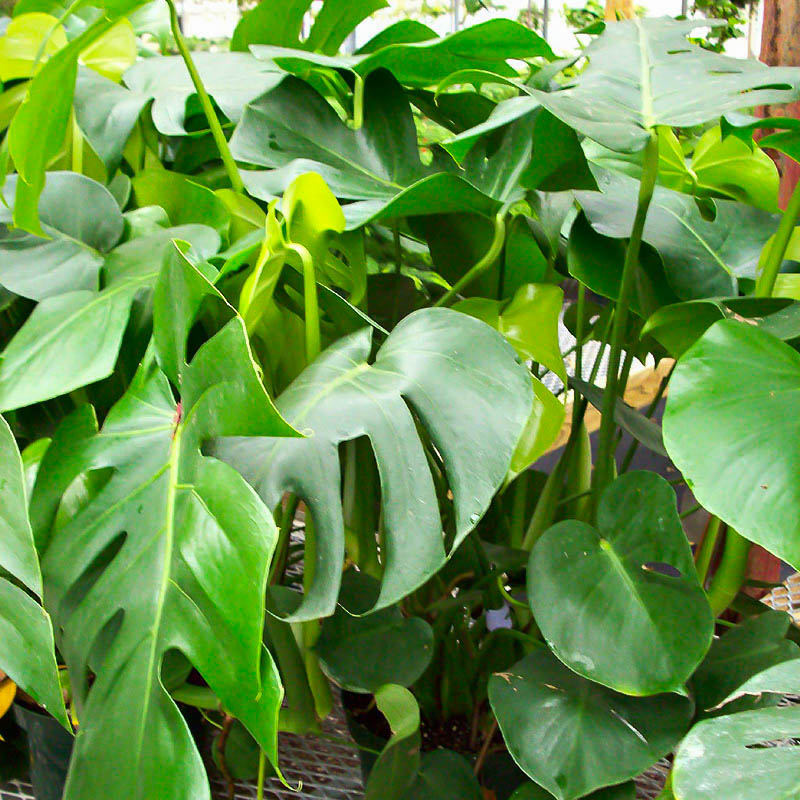
- Another reason for the appearance of booklice may be indoor plants, especially those that require frequent watering. High humidity and fungal spores for food are ideal conditions for the development and reproduction of insects.
Houseplants are a source of increased humidity and mold, which is very popular with hay eaters.
You can detect the presence of booklice in a room by the quiet ticking sound produced by large groups of insects. At night, when everything around is quiet, this sound is especially noticeable.
Video: Close-up of a book louse eating rice
Video: A cluster of booklice in a home
https://youtube.com/watch?v=zYYqiV9fAe4
What is the danger of insects to humans?
Booklice are pests, not parasites. These insects do not suck blood and do not carry any dangerous viruses. Therefore, they pose no threat to human or pet health. However, their presence can still cause some discomfort and significant damage to property by damaging:
- Bindings of old books.
- Herbariums.
- Zoological or entomological collections.
- Grain and other products.
When feeding on grain, booklice primarily eat the embryo. This negatively impacts seed germination and causes significant losses to agriculture.
However, it's important to remember that insects leave traces of their activity in their habitats: excrement, larval scales after molting, and so on. Therefore, food products from such habitats are absolutely unsuitable for human consumption. Otherwise, it poses a serious health hazard.
How to get rid of booklice in your apartment
Although book lice and dust lice inhabit the entire surface of the earth and are ecologically associated with human habitation, their presence in human dwellings is still relatively uncommon. Therefore, there are no commercially available products specifically designed to combat booklice. However, it is possible to completely eliminate them. However, a comprehensive treatment is essential.
- Eliminate the source of moisture, if present, and reduce humidity to 60%. This can be done with a special device called a moisture absorber. Alternatively, you can use folk remedies, such as salt, placed in small containers in areas with the highest moisture accumulation.
- Eliminate mold completely. Without following the first two steps, any insect control measures will be temporary.
- If the problem has just arisen and only isolated individuals have been noticed:
- Place the infested item in a plastic bag and take it outside into the cold or freeze it for 24 hours. This will ensure that all the insects are killed, and all that remains is to clean the item of their remains.
- Similarly, you can place the infested item in the scorching rays of the hot sun. A few hours of heat treatment will be enough to completely kill the pests.
- Additionally, turn on a fumigator in the area where the booklice were found. Some of the insects may have wandered away from the object you've already treated with heat or cold. A fumigator will be ideal for dealing with any remaining pests.
- If the problem is more widespread and extends beyond individual fleas, it's best to play it safe and use insecticidal aerosols or sprays. Flea control products such as Get, Palach, and Kukaracha are suitable. They are effective and easy to use.
Be sure to read the instructions before use. When working, observe safety precautions and wear personal protective equipment for your skin, eyes, and respiratory system.
- If the pest population has grown so large that you no longer have confidence in your own efforts, the best solution is to seek help from a pest control company or sanitary and epidemiological service. Professionals will be able to accurately assess the extent of the infestation and select the optimal insecticide. The result will be guaranteed pest control.
Once the problem is completely resolved, tidy up your home. Books, collections, other belongings, and the entire apartment in general require care and attention. By maintaining cleanliness, controlling humidity, and regularly ventilating the room, you will protect your home from recurrence.
Let's sum it up. Now you know what a booklice beetle is. And if you encounter one in your apartment, it's worth considering how to get rid of it. After all, a person's home shouldn't be a haven for insects and other fauna, even if they pose no threat.