Outbreaks of head lice—infestations with lice and nits—are reported annually in many countries worldwide. Scientists cite climate change as the primary cause. Those who have already encountered the disease are interested in proven and reliable methods of combating it.
Content
What are lice and nits?
In medicine, pediculosis (lice infestation) is characterized as a rather dangerous and widespread disease, fraught with unpleasant consequences. Lice are blood-sucking insects of the order Small Ectoparasites. Their development occurs in three stages: egg (nit), larva, and adult. There are approximately 500 species of these insects. They are classified according to the host they parasitize. They can be called highly specialized, as most of them are limited to a single host species: pig lice do not live on rodents, and humans are not infected by rat lice. In nature, there are two types of lice that are particularly unpleasant for people to live with: the human louse (Pediculus humanus) and the pubic louse (Phthirus pubis).
It's sometimes claimed that people are plagued by three types of lice. This is incorrect: head lice and body lice are the same species.
Since these parasites feed on blood, their mouthparts are designed to match: piercing and sucking. They resemble tubes with two sharp needles hidden inside, and hooks on the outside. These hooks allow the louse to attach itself to the victim's skin, creating a strong, firm connection.
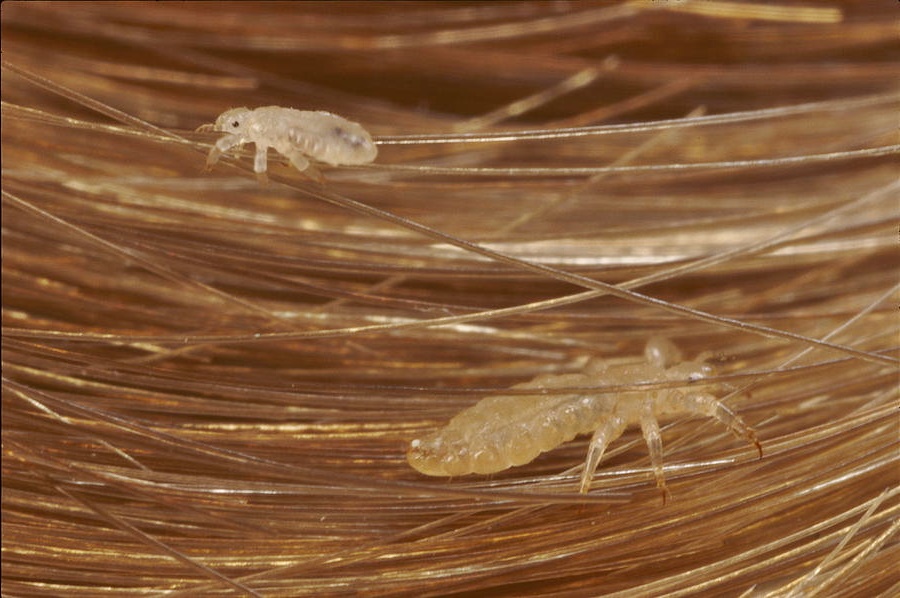
Head lice is a disease characterized by the appearance of lice on a person's hair.
Human head and body lice
The parasite lives for 40–45 days. The female lays an egg (nit), which attaches to the host's hair close to the skin with a special adhesive substance. After 10 days, the larva hatches. Within two weeks, it is capable of reproducing. Nits resemble particles of dandruff. Unlike beetles or butterflies, the larva differs little from the adult: it is smaller and has an underdeveloped reproductive system. The adult is an insect measuring 2.3 to 3 mm in size with a voluminous abdomen that visibly swells as it fills with blood. The thorax and head are smaller in proportion to the body and are clearly separated.
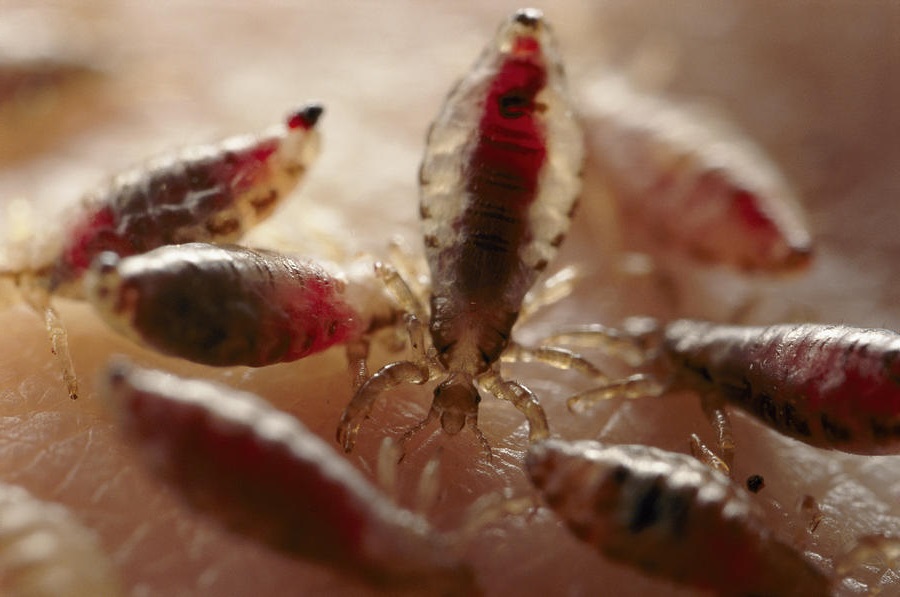
The most common type of louse that lives in the hair on a person's head
The differences between the two types of human lice—head lice and body lice—are in the structure of their legs, body shape, and the characteristics of their life cycle and fertility:
- A head louse can lay up to 140 nits (2-4 per day), while a body louse can lay up to 300 (about 10 per day).
- Unlike head lice, which spend their entire lives on their host's skin, body lice can survive in clothing and only move onto the body to feed. They also lay eggs in clothing, hence their name.
- Parasites prefer warm spots on their host's body. Head lice inhabit the back of the head and behind the ears, while body lice are attracted to the armpits and neck. They cannot exchange habitats because their legs are designed to move only along one type of hair, which is round in cross-section on the human scalp and triangular in the armpits.
Lice that live on the human body do not live in towels, bed linen, or other household items. The parasite leaves its host by accident, and if it does not find a new victim, it soon dies.
If head lice and body lice are forcibly placed in a confined space, they can interbreed. It only takes a few generations for the differences to blur and eventually disappear.
You can become infected with human lice anywhere. Sometimes it's as simple as wearing someone else's clothing or accidentally choosing a seat on public transport where a homeless person had previously sat. These harmful and dangerous insects are easily transmitted to others through casual contact or by sharing household items.
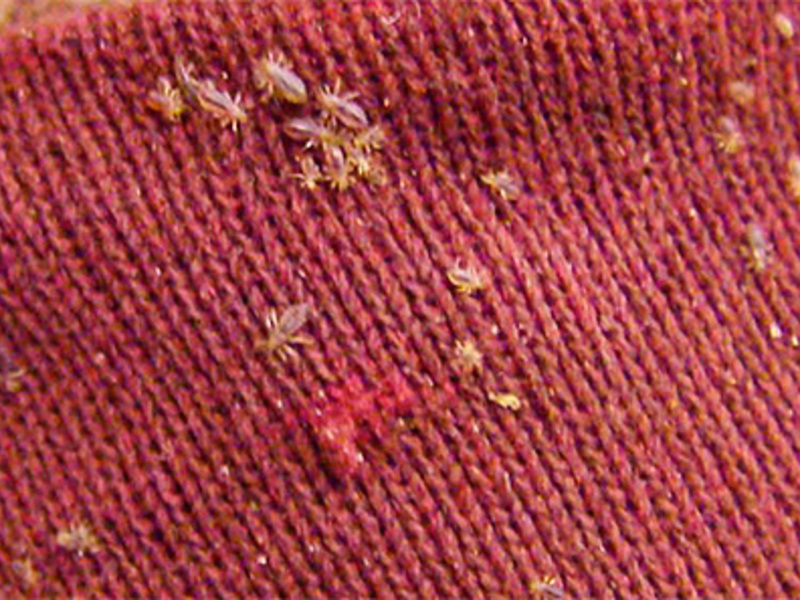
The body louse is a type of human louse that lives in the armpits and on the neck.
Pubic louse (craw louse)
It belongs to a separate species. It is a small, brownish insect, about 2 mm in size. It lays about 50 eggs during its lifetime, which hatch into larvae measuring 0.5 to 0.7 mm in length. It is difficult to notice a pubic louse with the naked eye: due to its color and small size, it looks like a small lump on the hair. Its strong legs, equipped with pincer-like tips, are equally well adapted for pressing tightly against the hair and for moving (rather nimbly) in search of the best place to bite.
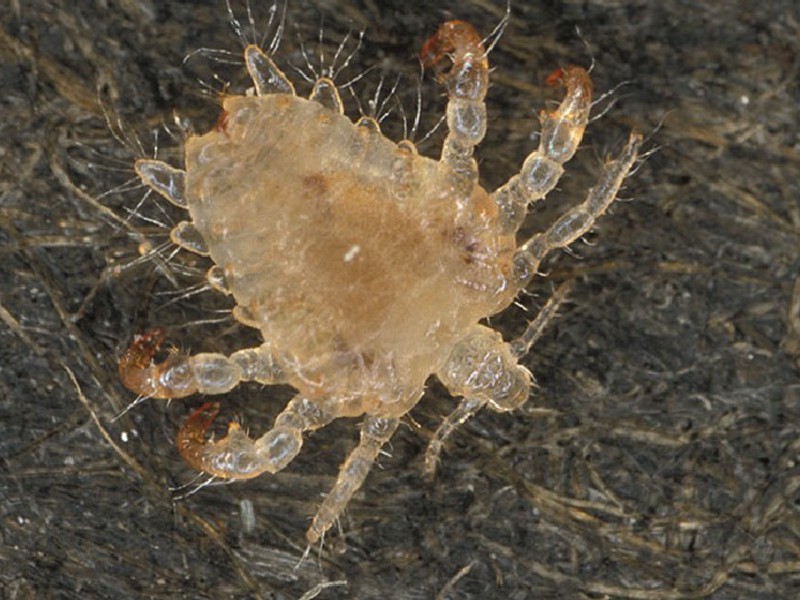
The pubic louse is a separate species of human lice.
It's almost impossible to confuse crab louse with other parasites. The only other parasite capable of biting a person in the groin area is the tick. However, it is larger and has four pairs of legs, not three like the pubic louse. The parasite is transmitted during sexual intercourse, when it crawls from an infected person to a healthy one. In rare cases, there is a risk of infection in a pool or open water, as pubic lice can survive in water for about two days.
Infection with these lice is medically called pubic pediculosis, and the consequences of the disease are collectively known as phthiriasis.
Crayfish infest hair not only in the groin area. Sometimes they also infest the armpits or even the eyebrows and eyelashes. Pubic lice are not capable of parasitizing on the head, chest and beard.
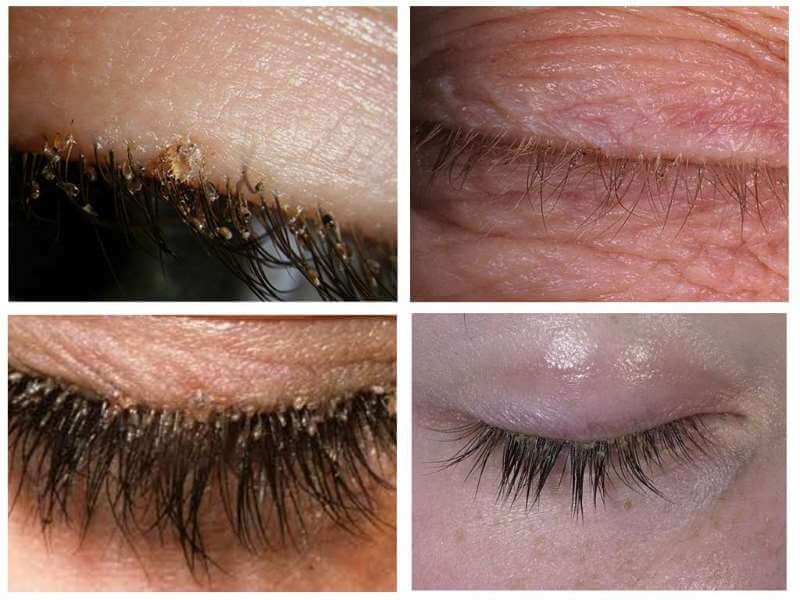
In rare cases, crab louse can affect eyebrows and eyelashes.
Symptoms of lice
The moment of infestation is almost impossible to determine, as obvious signs of lice appear after several weeks. General symptoms for all types of human lice include:
- Itching from insect bites and movement. They move using claws that irritate the skin, and the painful bites are accompanied by the release of a protein foreign to humans, causing an additional allergic reaction.
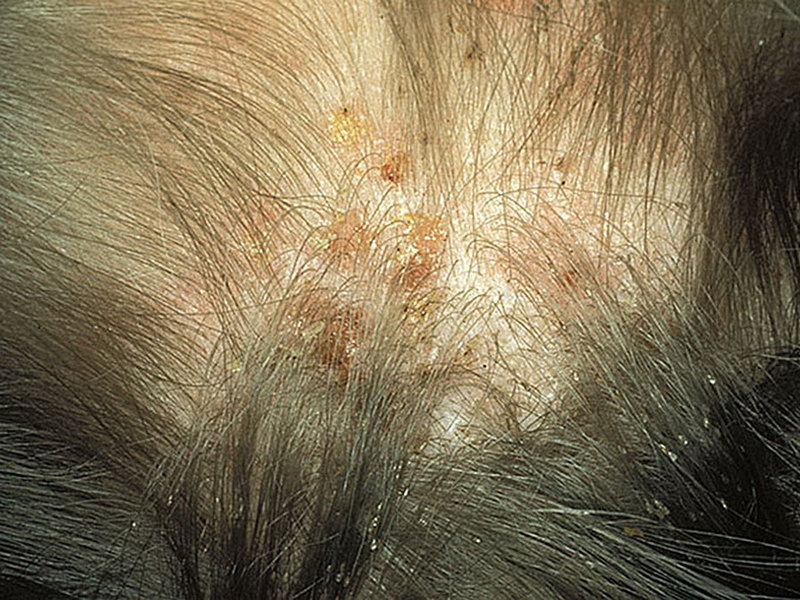
- The appearance of pigment spots. Due to the breakdown of hemoglobin in the affected areas, the skin turns brown.

Brownish spots appear on the skin where lice bite.
- Rash. Insect bites damage the skin, causing a pinpoint rash and swelling.
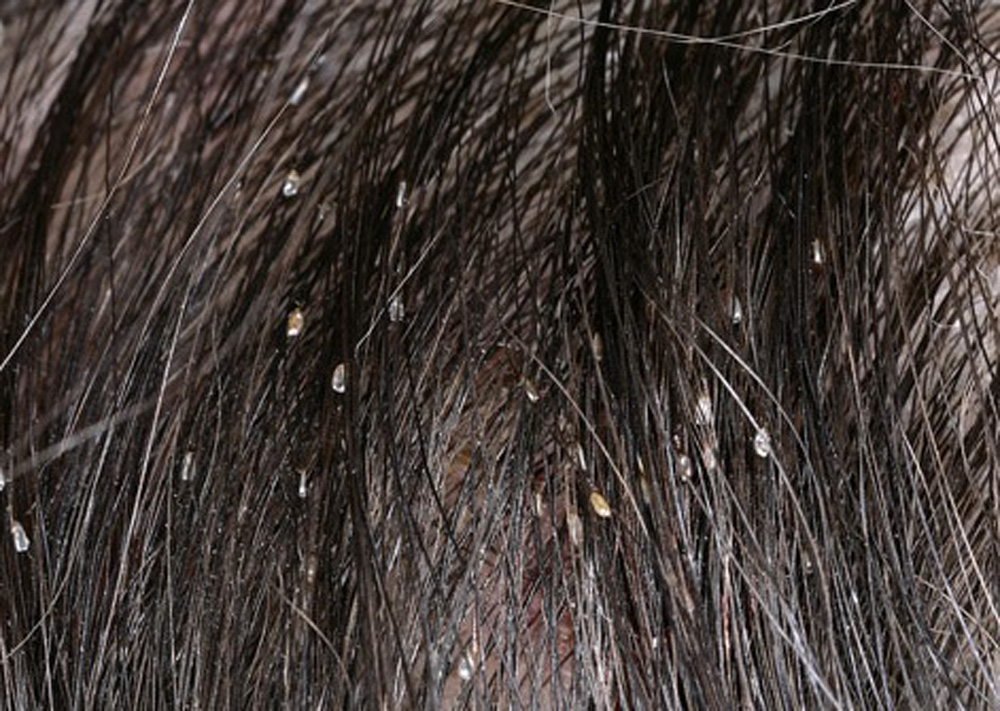
- Presence of nits. Unlike mobile adult lice, which cannot always be detected visually, lice eggs are visible to the naked eye.
Lice are not always easy to see on hair, unlike nits.
- Lice are easier to detect by combing with a fine-toothed comb over a light-colored surface such as fabric or paper.
- Psychological discomfort. Lice cause disgust and irritation. Constant itching leads to sleep disturbances, which contributes to fatigue and depression.
Peculiarities of symptoms of different types of the disease
For successful treatment, it's important to correctly identify the parasite. This can be done based on the characteristic features of different types of pediculosis:
- Head lice. Caused by head lice, the main symptoms are concentrated in the back of the head, temples, and behind the ears. In cases of infestation, this is where the greatest number of nits and lice bites are found.
- Clothing. Symptoms include itching and other consequences of insect bites on the upper shoulders and back, neck, and buttocks. Nits are found in folds and seams of clothing, as well as in areas where fabric fits tightly to the body.
- Pubic. General symptoms shift to the groin and anus and, in rare cases, extend to the eyelids, eyebrows, and armpits.
Common misconceptions about lice
There are some false claims and myths about lice infestation:
- Pediculosis is a disease of the lower classes. No one is immune from lice infestation. Risks can be reduced, but neither status nor money can completely protect you from the environment.
- Lice prefer a certain blood type. Human parasites feed on human blood; they have no other preferences.
- Insects don't crawl onto dyed hair. The dyeing process itself can kill the parasites, but they don't feed on hair, so they can live on any hair.
- Pediculosis can be contracted from dogs or cats. Lice of their own species infest animals, but only human lice are dangerous to humans.
- Lice are carriers of HIV. This virus is instantly destroyed by the enzymatic system of any insect.
- The parasites jump or fly from host to host. These insects only crawl, and move quite slowly (23 cm per minute), and are transmitted by direct contact with the host or household items.
- Lice thrive only on dirty hair. A clean head lacks the oily layer of skin, so lice prefer to feed on clean skin. However, dirt isn't a barrier to infestation either.
- Parasites live only on long hair. For life and laying nits, a hair length of 3–4 mm is sufficient for them.
- Alcohol in the blood prevents infection. Statistically, people with drug and alcohol addictions are more likely to get head lice.
Treatment methods
Lice differ from other organisms that can parasitize humans in that their entire life cycle is spent on humans or their clothing. Therefore, lice have developed numerous adaptations to cope with various situations. When combating pediculosis, everything must be taken into account: tenacity, resistance to low temperatures, and the ability to survive for long periods in water. And most importantly, because of their hard chitinous shell, nits demonstrate even greater survivability in unfavorable conditions.
Children aged 3 to 12 are most susceptible to pediculosis. This is explained by their placement in groups of children, where it's easy to pick up parasites. This age group is most vulnerable because, until age 3, parents closely monitor their child's hygiene, and later, adolescents are able to minimize the risk of infection themselves.
Treatment must be started immediately, as blood-sucking parasites multiply quickly. If they aren't eliminated promptly, within a month and a half to two months, the owner risks harboring an entire population of insects. A comprehensive approach is needed to address the problem. This includes:
- use of preparations to destroy insects and nits;
- personal hygiene of a person;
- treatment of premises, things and household items;
- mandatory prevention.
Be prepared for the process to take at least a month, as this is the average lifespan of the parasite. To prevent a relapse, all infestations must be thoroughly exterminated. There are several methods for combating lice.
Mechanical
They are the safest because they don't involve any medications. There are two types:
- Shaving the hair on infested areas. This is a radical method, but it's the only one that's instant and 100% guaranteed. Lice and nits are simply removed along with the hair, preventing them from lingering and resuming their life cycle.
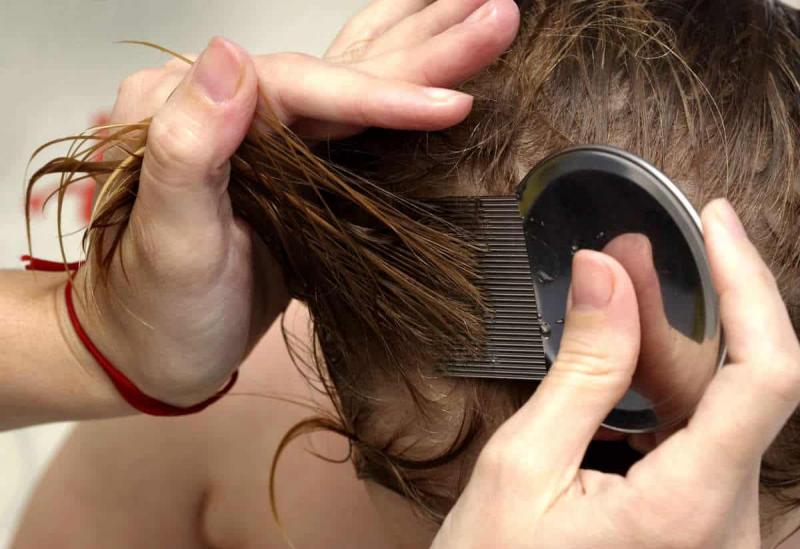
- Combing with a fine-tooth comb. Less quick and effective, but more suitable for those who don't want to use chemicals or have allergies to medications. To make combing easier, you can wash your hair with regular shampoo and apply conditioner or oil before the procedure.
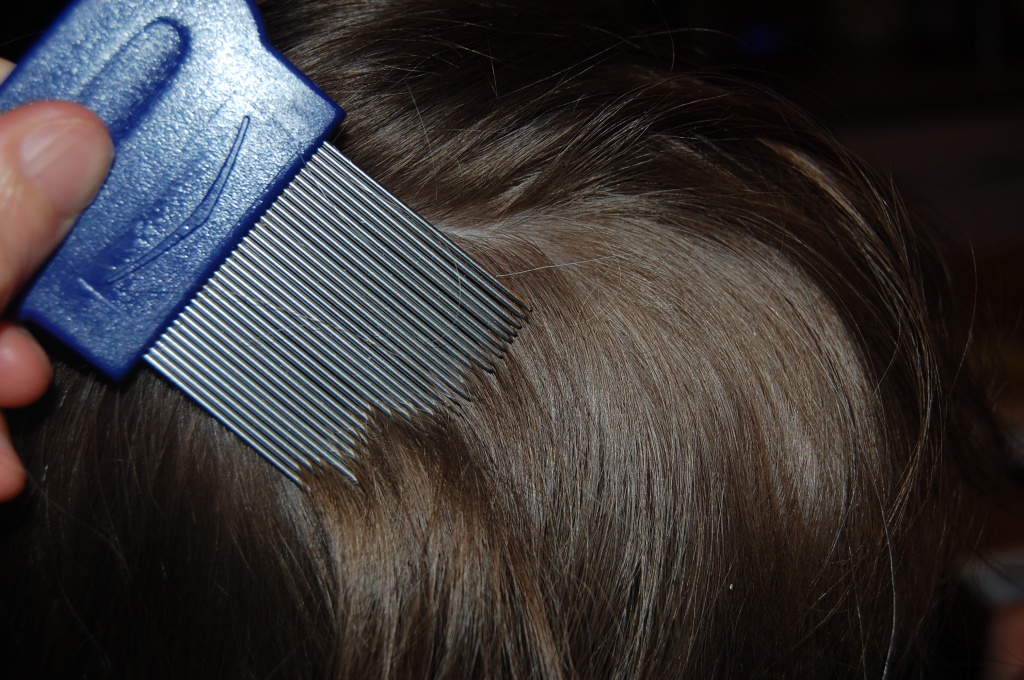
Combing your hair with a fine-tooth comb is a safe and effective way to get rid of nits and lice.
Chemical or medicinal
These methods involve the use of special treatments containing components that kill parasites. The following are considered the safest and most effective in the fight against pediculosis:
- benzyl benzoate;
- dimethicone (white mineral oil cdearol);
- permethrin;
- phenothrin;
- hellebore water;
- larkspur extract;
- essential oils (usually a mixture with the desired effect).
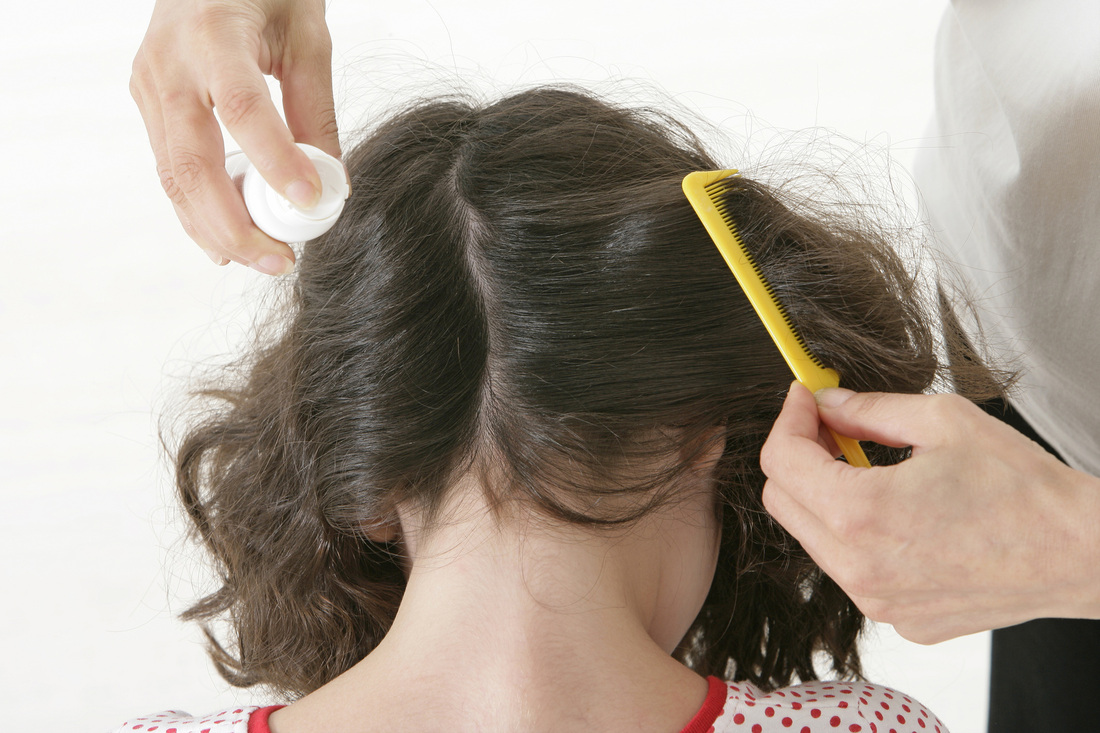
Any insecticide also affects humans. Before using the chosen product, consult your doctor about contraindications and make sure you are not allergic to the chosen drug. Modern pharmacology produces anti-lice products in the form of sprays, shampoos, lotions, and creams. Simply choose the most convenient form and carefully read the instructions for use.
Lice Treatments: Photo Gallery
-
- The active ingredient of the Para Plus spray is the insecticide permethrin.
-

- Hellebore water should not be used if there are any lesions on the skin.
-
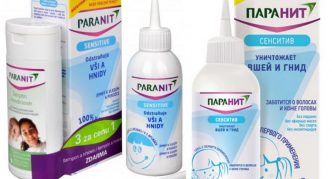
- The Paranit series includes shampoo, lotion, clearol-based spray, and a detangling comb.
-
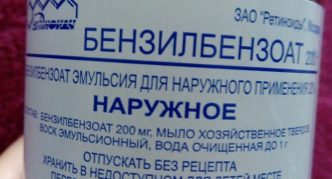
- Benzyl benzoate emulsion is used to treat the scalp in cases of pediculosis.
-
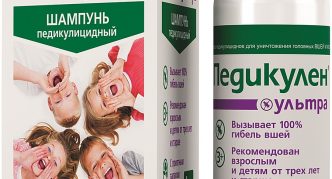
- Pedikulen Ultra is a shampoo based on anise oil.
-
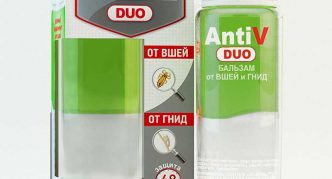
- AntiV DUO is a product based on citronella and tea tree oils.
Folk
These methods are hardly gentle, but they are time-tested and produce good results. The most popular are:
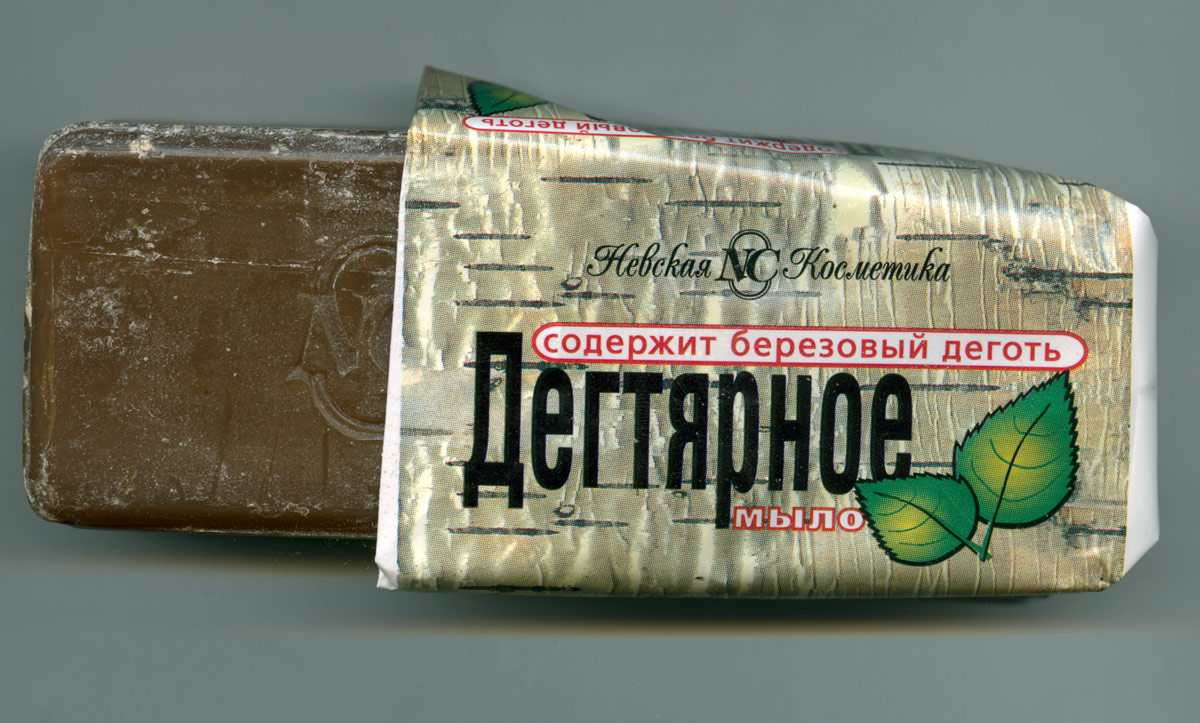
- Tar soap. One of the safest options, its only drawback is its unpleasant odor. Tar soap requires daily use for two to three weeks.
Tar soap is used to remove lice.
- Kerosene. This substance is unsafe due to the potential for skin burns and serious damage to hair. It is important to remember that kerosene is highly flammable: handling it requires caution and adherence to safety precautions. To minimize damage, dilute it with vegetable oil in a ratio of 1:4 or 1:6, apply to the affected areas, and leave for 30–40 minutes until a tingling sensation and warmth are felt. Then rinse with water.
When removing lice with kerosene, it is recommended to dilute it with vegetable oil.
- Vinegar. Causes burns and allergic reactions if used incorrectly. The solution (9%) is diluted with water at a ratio of 1:2 (for vinegar essence, 1:16), applied to the hair, and then rinsed.
To treat head lice, vinegar is diluted with water in a 1:2 ratio.
- Hydrogen peroxide. Hydrogen peroxide is a deadly environment for lice. If a drastic change in hair color doesn't scare you, you can use this method.


Most products suitable for killing lice and nits on humans are also used for sanitizing items, clothing, and premises.
Video: How to remove lice using folk remedies
Combined
Often, a single antiparasitic treatment is insufficient, as most are designed to remove adult lice or destroy nits. Lice also develop resistance to these treatments, causing some to die, while others remain paralyzed but still capable of reproducing and causing relapse. By using combinations (medicinal or folk remedies and combing), faster and better results are achieved.
What are the dangers of pediculosis and phthiriasis?
In addition to the unpleasant itching and disgust, the disease poses a number of more serious health risks:
- human lice carry relapsing fever, typhus, and Volyn fever;
- the bite causes microscopic hemorrhage and subsequent breakdown of hemoglobin, leaving a brown pigment spot in its place;
- Lice saliva contains substances that cause intense itching and an irresistible urge to scratch, and over time, these scratches merge and form large areas of damage;
- Scarring - due to the damage caused by parasites, the skin is in a constant process of regeneration; if the source of damage is not eliminated in time, the affected areas will become thickened and rough;
- severe skin diseases - with severe scratching, boils and abscesses form on damaged skin, which can only be eliminated with the help of antibacterial agents;
- Bites and scratches are open gates for bacteria and other microorganisms, and in advanced cases, the pathogenic environment can cause infectious processes accompanied by severe inflammation.
Video: Pediculosis and Lice Infestation Treatment
Like any other disease, pediculosis is easier to treat in the early stages. Knowing the symptoms associated with each type of human pediculosis helps you choose the right method to get rid of lice and nits in a timely manner. Understanding how infestation occurs can also help prevent the disease.