Wildlife is strikingly diverse. For example, some animals show little or no concern for their young, while others, on the contrary, are exemplary parents. Some animals are perhaps even worth emulating for humans.
Polar bears
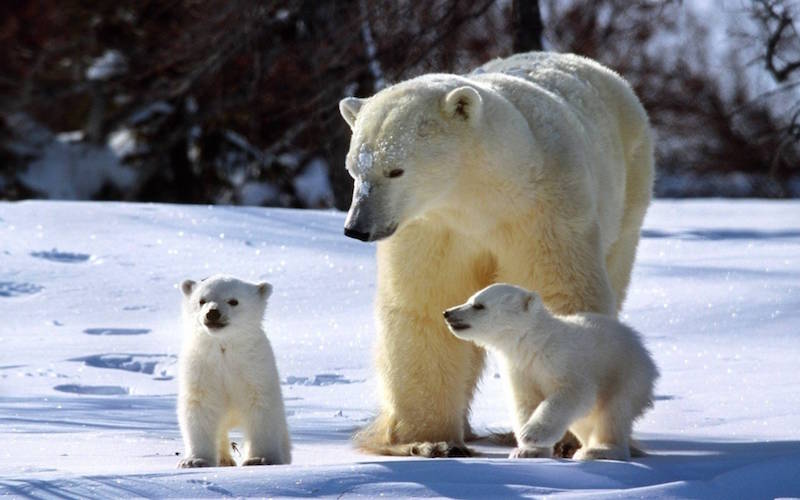
This large and formidable mammal can pose a serious threat to anyone who encroaches on its territory. The greatest threat is a ferocious mother bear protecting her cubs.
Few people know this, but these animals' maternal care can extend beyond their own infants. Researchers have repeatedly documented cases of polar bears adopting orphaned cubs.
According to statistics, about forty percent of the litter dies in the first year of this animal's life, and the remaining sixty remain safe only thanks to their mothers.
Domestic cats
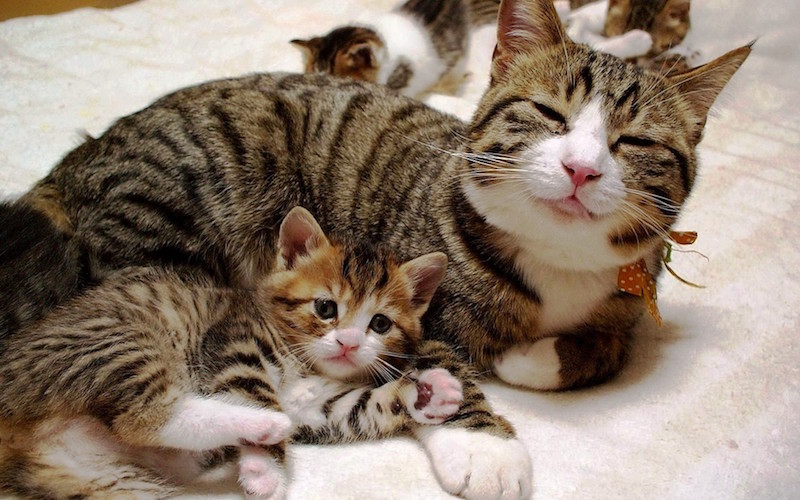
Many people cohabit with this feline. Many have noted that these animals are not only good hunters but also exemplary parents.
Females of this species take a highly responsible approach to raising their kittens. Their care continues even after the babies have learned to move and feed themselves. Domestic cats teach their offspring how to hunt, climb trees, and interact with people. Remarkably, these animals are also extremely protective of their young.
Wolves
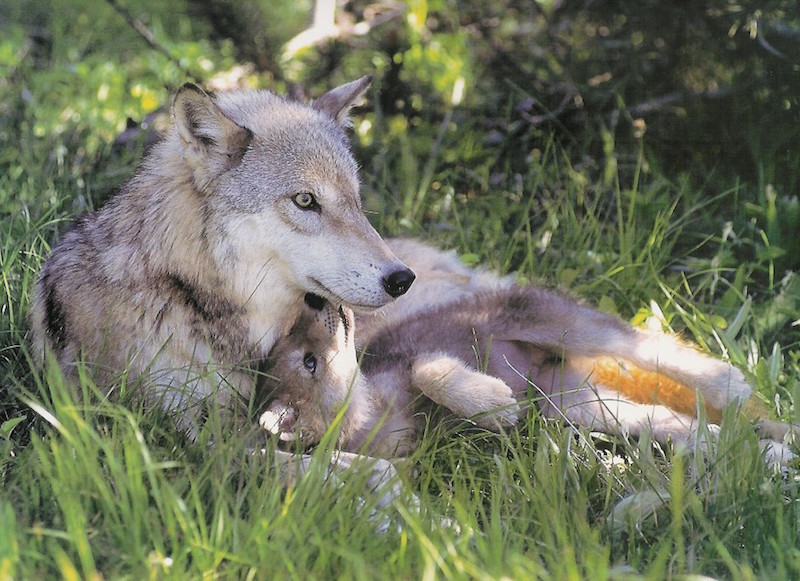
The ancestors of almost all dog breeds are known to be pack animals and strongly attached to their families. Although wolves begin to participate in hunting from the first year of life, they remain directly dependent on their parents.
It's worth noting that, in addition to the mother, the pack also plays an active role in protecting and feeding the cubs. Adult males bring prey and give it to the young until they learn to hunt independently.
Tigers
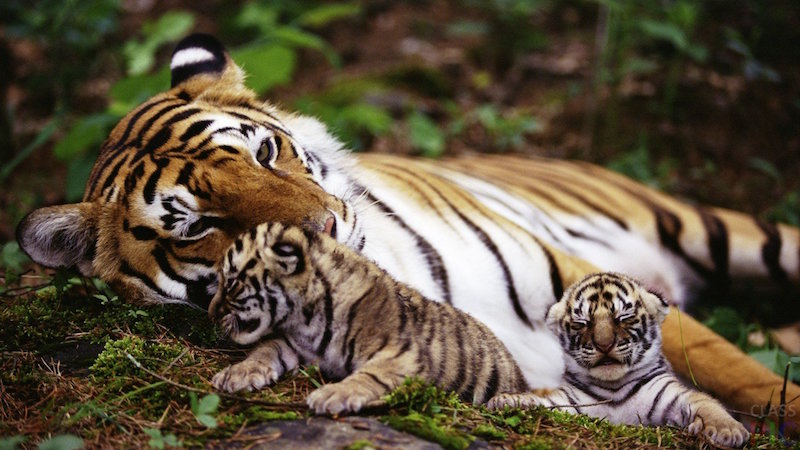
These felines are also known for their exemplary care for their offspring. Kittens are born blind and helpless, and their weight rarely exceeds 1 kg. The infants are constantly supervised. Kittens nurse on milk for up to six months, and for up to a year, the mother brings them meat to the den.
At two years of age, the cubs begin to accompany their mother on hunts. There, the tigress teaches them to hide, move stealthily, and even distinguish edible meat from inedible. Just a year later, the young begin to participate in foraging.
Alligators
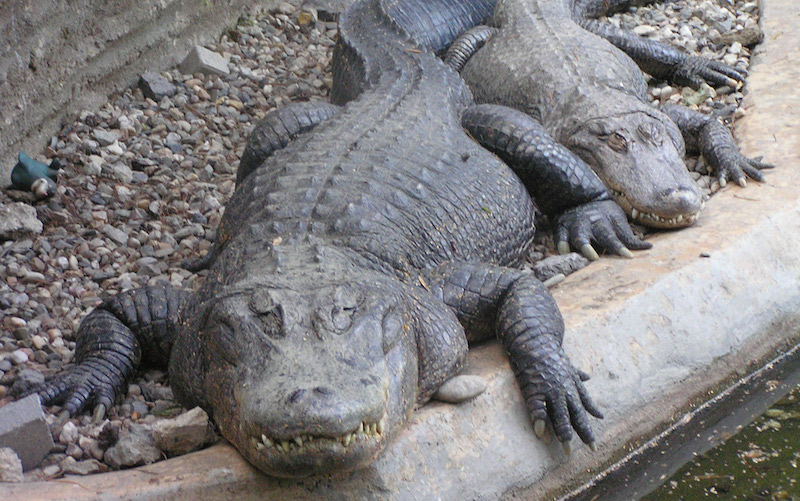
Alligators are among the most caring parents among reptiles. Many members of this species not only build large and complex nests for their offspring, but also practically never leave them after birth.
The latter helps the new parents protect their babies and help them hatch. The mother then gathers the young in her mouth and carries them to a small body of water, which for a time becomes a kind of kindergarten.
Remarkably, parents communicate with their young through special sounds. For example, if a newborn alligator swam too far, it makes a distinctive distress call, like a lost chick. Adults, in turn, warn their young of approaching intruders, telling them to dive underwater.
Elephants
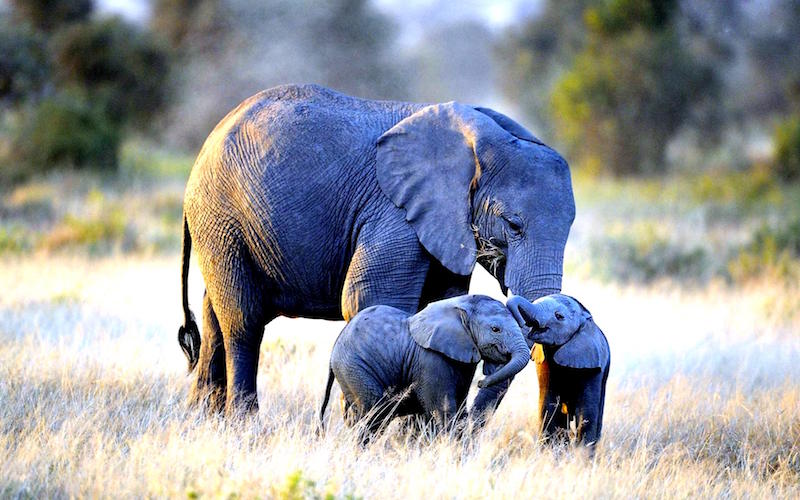
A herd of elephants resembles an ideal community. The largest animals on land are distinguished not only by their affection for their young but also by their care for other young and family members. In times of danger, adults will form a protective circle around their young.
If one member of the herd is injured and has difficulty moving, the other two come to the rescue, clinging to either side of the elephant to prevent it from falling.
Orangutan
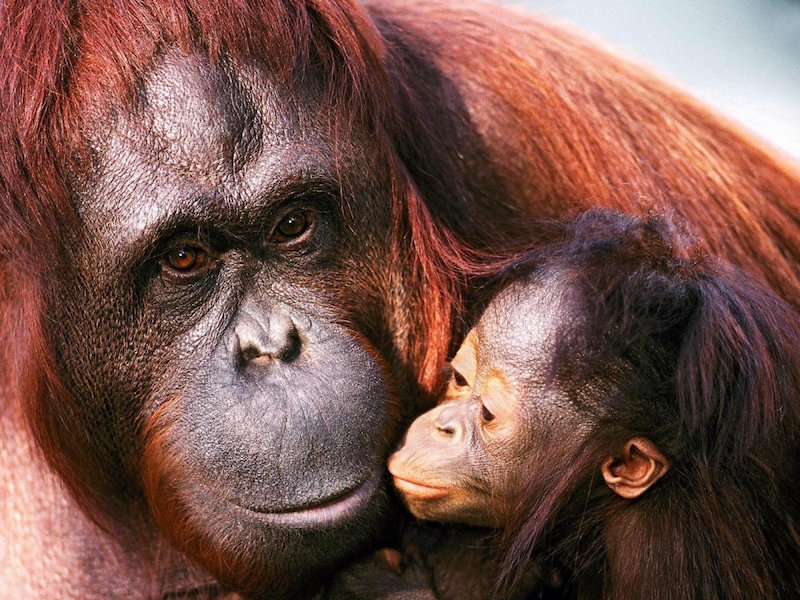
Orangutans are among the most caring parents among mammals. According to scientists, the average lifespan of an individual is approximately thirty years, and they spend approximately a third of their lives with their mother.
Surprisingly, members of this species even rock their infants to sleep. Once the babies reach one year of age, they begin to receive solid foods. Scientists believe that these primates continue to receive their mother's milk until they are eight or nine years old. Of course, this phenomenon is sporadic—when the fruit season ends, the mother replenishes the young's vitamins and minerals. During other periods, orangutans feed themselves.
Sulawesi kalao
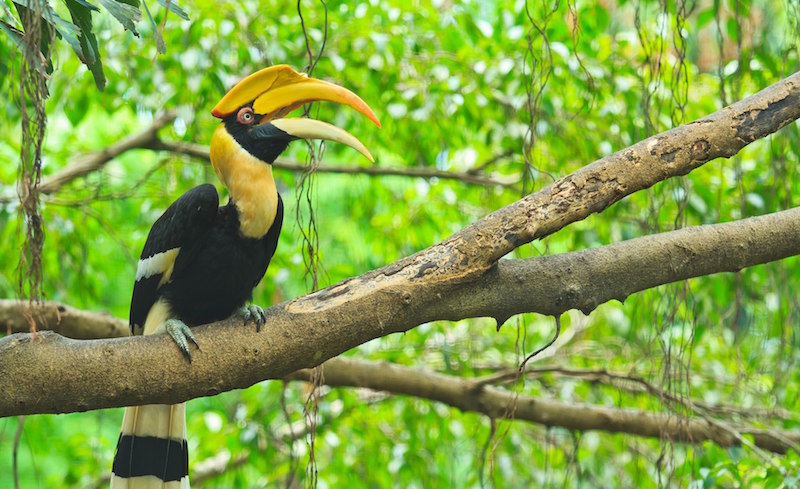
Mothers who are heroic creatures are also found among birds. While incubating their eggs, members of this species hide in a tree hollow to prevent predators from eating their young. Furthermore, the hornbill seals the hole from the inside and remains there for two months. While in this incubator, the bird neither eats nor drinks. Consequently, some hornbills do not survive until their young hatch.
Octopuses
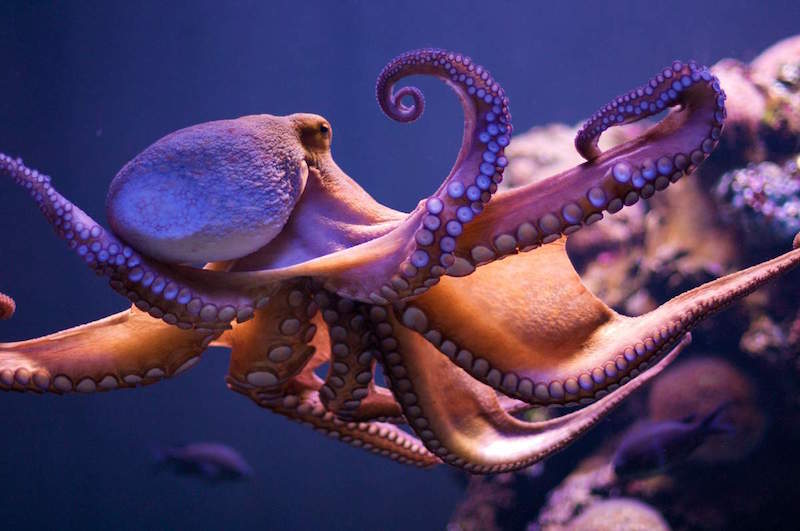
Cephalopods also risk their lives while raising their young. Unlike hornbills, they incubate up to 50,000 eggs. The maturation period lasts on average 40 days, during which the mother remains close to the clutch. Octopuses ward off predators and often refuse to eat.
Giant isopod
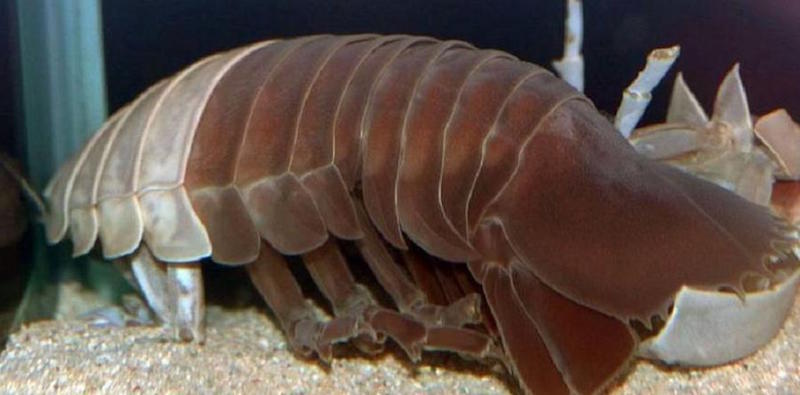
Despite their unassuming appearance, the birth of their offspring is an even more terrifying process. The fact is that these crustaceans are not designed to have reproductive organs.
When the isopod hatchling matures sufficiently within its mother, it literally chews its way out. Naturally, this "birth" always ends with the death of the adult. Therefore, for a female, pregnancy can only be her first and last.
The animal world is actually not as harsh and cruel as it might seem at first glance. In fact, animals treat their offspring even better than some members of humanity.

 Pyn
Pyn
1 comment