"My home is my castle," the English say. But what should you do if your home is infested with harmful, nasty, and dangerous dust mites, which can cause severe allergies? First and foremost, stay calm. And the next steps will be guided by the experience of those homeowners who not only detected these arachnid arthropods in time but also managed to protect themselves from their "neighborhood."
Content
What is dust made of?
To understand the causes of dust mites, we need to understand the nature of what makes them comfortable and facilitates their reproduction. Specifically, we need to understand where dust comes from. The tiny particles that spread everywhere are constantly shedding fragments of human epidermis and animal fur, which dry out, crumble, and flake into tiny grains. Furthermore, house dust contains:
- microparticle plaque on books;
- feather fragments from pillows;
- particles of human and animal dander;
- wool fibers;
- hair;
- mold spores;
- insect particles (eg cockroaches);
- furniture upholstery.
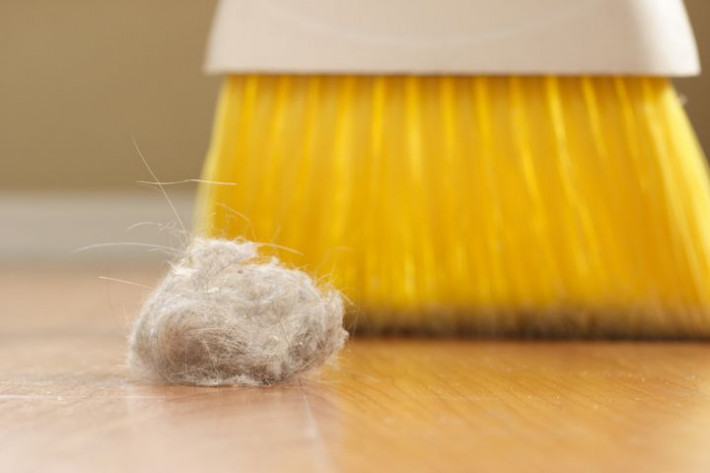
Dust is everywhere, no matter how many times you clean it thoroughly.
Waste also enters the home from outside, as its particles can travel many kilometers. All these various elements combine to form dust.
This is interesting. Houses in mid-latitudes may contain components of Antarctic penguin waste.
Dust Mites: Getting to Know Your Neighbors
As its name suggests, this arachnid (0.1 to 0.5 mm in size) lives in dust and lives for about 2–3 months. During this period, the female lays up to 100 eggs. Moreover, the most favorable environment for this arthropod is human dwellings. This is because human dwellings offer ideal conditions for this type of mite: air temperatures range from 18 to 25°C. OC, humidity around 55% and dust. Such unexpected neighbors can only be seen with 40x magnification.
This is interesting. Every year, a person loses up to 400 grams of dead cells, thereby providing a nutritious life for hundreds of dust mites.
There are approximately 150 species of ticks. They can be divided into three groups:
- arthropods feeding on dust in a particular house;
- the so-called predatory ticks, which feed on representatives of the first group;
- random individuals that enter the house from outside, but do not form or increase their population in this dwelling.
All these arachnids form colonies with an average of 100 individuals per gram of dust. The peak colony growth period is considered to be between August and October. Moreover, a concentration of 500 individuals per 1 gram can cause asthma attacks, and from 1000 to 2000 per 1 gram - chronic rhinitis (if a person is genetically predisposed to this type of rhinitis) or allergies.
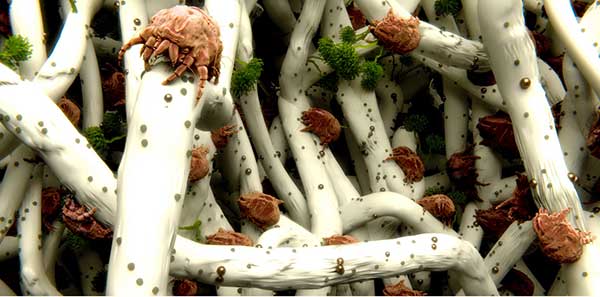
Dust mites cannot be seen with the naked eye.
The little villain - the dust mite
Dust bugs themselves are harmless to humans. If they do come into contact with skin, they feed only on dead particles and do not suck blood or bite. The waste products of ticks, faecal pellets, pose a serious danger. They contain enzyme proteins and antigens. These particles accumulate in dust and, after cleaning, may not settle for another 10–12 minutes. This results in a powerful allergic attack on the person.
This is interesting. In the mid-20th century, Japanese and Dutch scientists, after studying the composition of dust, discovered mites, which, as it later turned out, were the cause of severe allergic reactions in people, particularly skin inflammation. This symptom subsequently became the defining characteristic of a separate disease—house dust allergy.
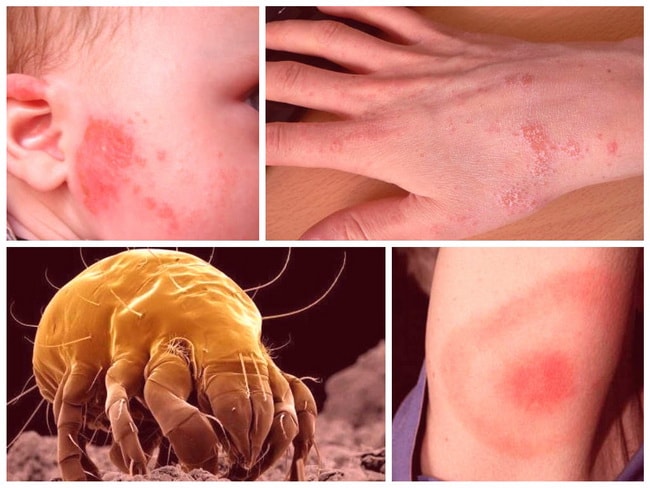
House dust allergy refers to skin reactions that occur when a person comes into contact with large accumulations of dust mite fecal pellets.
Dust mites, or more precisely their feces, can trigger an exacerbation of almost any type of allergy:
- bronchial asthma;
- respiratory allergies (respiratory diseases);
- atopic dermatitis;
- conjunctivitis;
- rhinoconjunctivitis;
- allergic rhinitis;
- Quincke's edema (rapidly developing swelling of the skin and mucous membranes);
- acarodermatitis (inflammatory skin diseases).
The appearance of parasites and potential danger
No matter how much you clean your home—whether twice a day or once a month—no one is immune to ticks. However, it's worth understanding how they come to visit us. Parasites can be brought in from various rooms (high-traffic areas) on clothing, skin, and household items.
The most dangerous receptacle for these arachnids in the house is the vacuum cleaner, a kind of “bacterial bomb”. Dust collected in the dust collector is placed in a particularly comfortable environment, as the heat from the machine's motor allows bacteria, fungi, and mites to accumulate. This is what causes a vacuum cleaner to smell. Turning on the device allows these "invaders" to be expelled into the room air.
This is interesting. Among the hypotheses regarding the infestation of ticks in people's homes, one suggests that they migrated to pillows and blankets from nearby nesting sites of sparrows and swallows.
If the atmosphere in a room is unhealthy, meaning the concentration of arachnids exceeds the norm by 1 gram, a person may be at risk of:
- permanent fatigue;
- depression;
- frequent headaches;
- obstruction of the nasal and frontal sinuses;

Rhinitis is one of the manifestations of dust mite allergy.
- dry cough;
- redness of the skin;
- inflammation of the mucous membranes of the eyes (including conjunctivitis and lacrimation), nose, and throat.
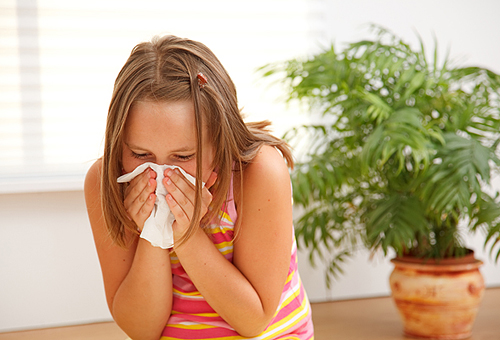
If a person experiences similar symptoms, then in the search for the underlying cause, one should not dismiss the possibility of an allergy to dust mites.
People prone to such reactions may experience additional negative reactions, such as an aversion to dust altogether. Of course, in these cases, treatment alone (usually tablets such as Cetirizine, Edem, etc.) prescribed by a specialist is not enough. Eliminating the allergen is essential.
How to drive away uninvited guests
It is impossible to get rid of dust mites once and for all.But despite the seeming futility of fighting these tiny, ubiquitous villains, it's essential to begin reducing their population as soon as possible. This is especially true if you have small children in the house, whose immune systems are too weak to withstand the dangers of dust mites. There are several steps to eliminating these arachnids from your home.
Cleaning
The most important condition for successful control of dust mites is regular cleaning.
- Several times a week, you need to wipe dust from all surfaces, especially those where it accumulates faster (for example, the table under the TV, niches in cabinets, bookshelves, etc.).
- In no case should you allow a dusty carpet to appear under beds and sofas.
- A great way to kill ticks is to use a steam generator. Its high temperatures effectively eliminate the parasites.
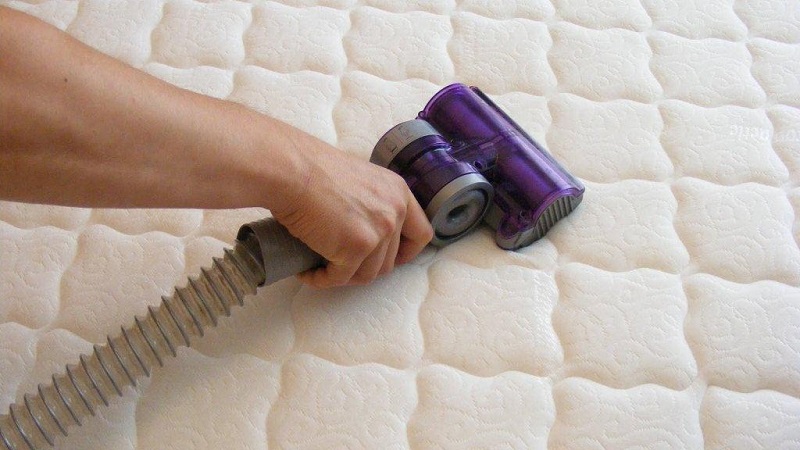
Vacuuming your mattress should become a habit and become one of your cleaning options.
- Dust mites hate cleanliness, so please them by washing your floors 2-3 times a week using special cleaning products, such as Mister Proper.
Washing
Darkness, warmth, and humidity in your bed are the perfect combination for dust mites to thrive. To deprive them of this comfort, wash your bed linen weekly at 60°C. OC. This indicator provides a 100% guarantee that neither mites nor their waste products will survive. To enhance the effect, add an acaricide (a substance that kills mites) when washing. This product can be purchased at a hardware store.

Washing clothes at a certain temperature will make life miserable for dust mites.
It is also recommended to iron children's clothes after washing.
Useful purchases
An anti-allergy mattress is an indispensable purchase, if not for completely eliminating the mites, then at least for reducing their numbers. Mattresses typically harbor between 10,000 and a million mites. This option will significantly reduce their population. A more cost-effective option is to create a barrier between your body and the mattress with a special mattress protector. This cover will also prevent moisture from your body from reaching the mattress.
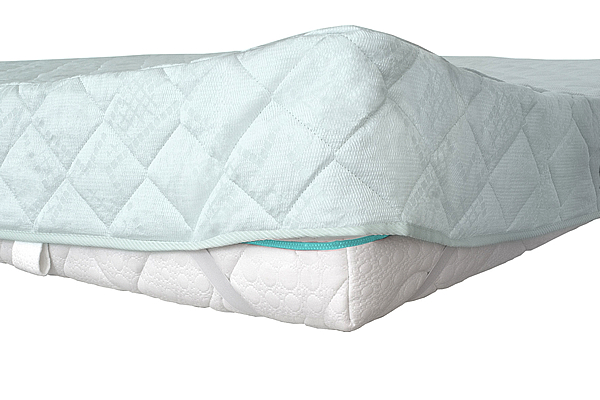
The mattress pad creates a protective barrier between the mattress contents and the human body.
Ventilation and temperature conditions
This method is a dream come true for anyone who hates making their bed in the morning. To avoid increasing the humidity in your bed, let the sheets air out thoroughly. This will prevent dust mites from absorbing the moisture they need from the air.
Rooms also need to be regularly ventilated. The most comfortable temperature for humans and unacceptable for dust mites is 21 OIndoors.

Ventilation will help create an optimal temperature in the room, which dust mites will not like at all.
Chemistry to the rescue
Chemical products are effective in combating dust mites. When using professional products to treat rooms and surfaces, be sure to read the instructions for the specific product. These drugs can be purchased at veterinary pharmacies.
Table: Special products against dust mites
| Name | Application | Price | Note |
| Milbiol | Treatment of textile surfaces of furniture and bedding. | About 150 rubles. | Does not pose a danger to humans and pets. |
| Allergoff | Spraying in places where ticks congregate. | About 1500 rubles. | The effect lasts up to 7 months. The product is also available as a laundry detergent. |
| Mite-Nix | Spraying tick habitats. | About 450 rubles. | The product is effective for 2 months from the date of application. |
| Easy Air | Treatment of upholstered furniture and bedding. | About 1700 rubles. | An alternative is Akarosan. |
| Allergen Wash | Laundry detergent. | About 2500 rubles. | Economical to use. |
| Oreck Allergen Control Carpet Cleaner | For cleaning carpets. | About 450 rubles. | The product does not wash off carpets and rugs. |
Photo Gallery: Tick Control Products
-
- Easy Air has a pleasant citrus scent.
-
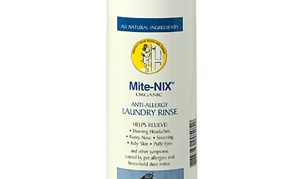
- Mite-Nix is effective for two months from the date of treatment.
-
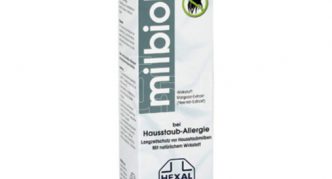
- Milbiol is suitable for treating various surfaces and is also available at an affordable price.
-
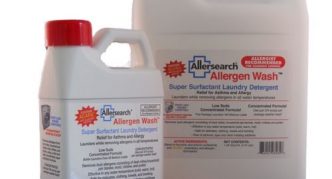
- Allergen Wash is very economical to use.
-
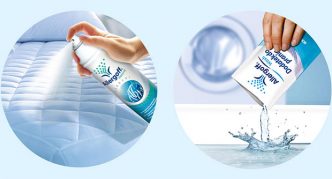
- Alergoff is available both as a spray and as a washing liquid.
-
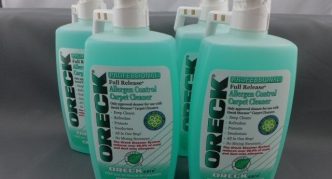
- Carpet treatment does not require rinsing.
Video: Doctor's Advice on Effective Dust Mite Control
Prevention
It's better to try to prevent a problem than to solve it. It's the same with dust mites: while it's impossible to completely get rid of these arachnids, preventative measures will help protect your home and its residents from an increase in the pest population.
- Every day, before making the bed, we give it a chance to dry and air out with the windows open.
- We're eliminating or reducing the number of fabric-upholstered furniture items. Instead, we're opting for leather or faux leather upholstery.
- We remove woolen rugs and carpets (especially those with high or natural pile).
- We are conducting an inspection of soft toys.
- We replace bedding with natural fillings (feathers, down) with synthetic ones.
- Periodically (at least twice a year), we wash pillows and blankets in hot water and then air dry them. Or we dry clean them.
- We do wet cleaning of the apartment 2-3 times a week with a salt solution: up to 10 tablespoons of salt per standard bucket of water.
- We wipe the dishes in the cupboard and the books on the shelves with wet wipes.
- If possible, wet clean the carpets with a vacuum cleaner.
- Maintain a dry microclimate. Humidity levels in the home should be no higher than 40%.
It's impossible to completely get rid of dust mites. Unless you move to Mars or some other planet, though, you're unlikely to survive. So, the only solution is to systematically combat the increasing mite population in your home, using a combination of pest control methods and not neglecting preventative measures.