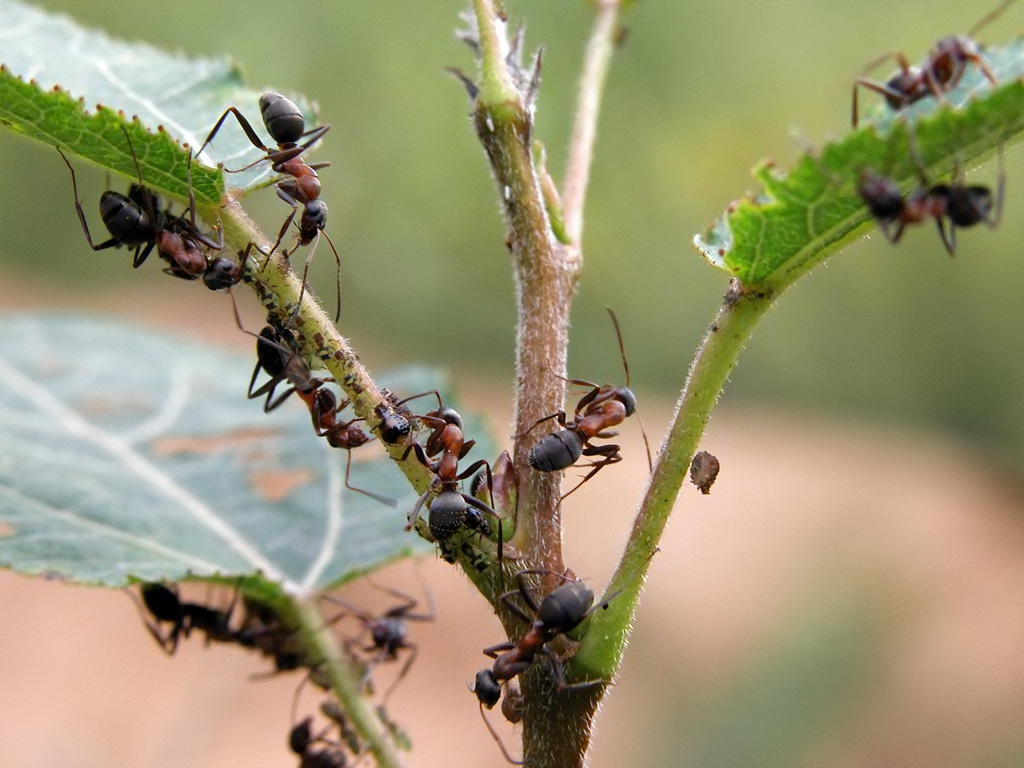
When ants appear in your garden, unpleasant phenomena begin: plants die, and aphids increase in number. Naturally, you'll want to get rid of these uninvited neighbors. It's not necessary to resort to chemicals right away; you can try folk remedies first, such as millet and semolina.
Millet and semolina in the fight against ants
Semolina and millet are a good option for gardeners who don't want to use chemicals. These grains are easy to use and significantly cheaper than specialized insecticides. Furthermore, they are completely safe for plants, people, and animals, and do not harm the soil.
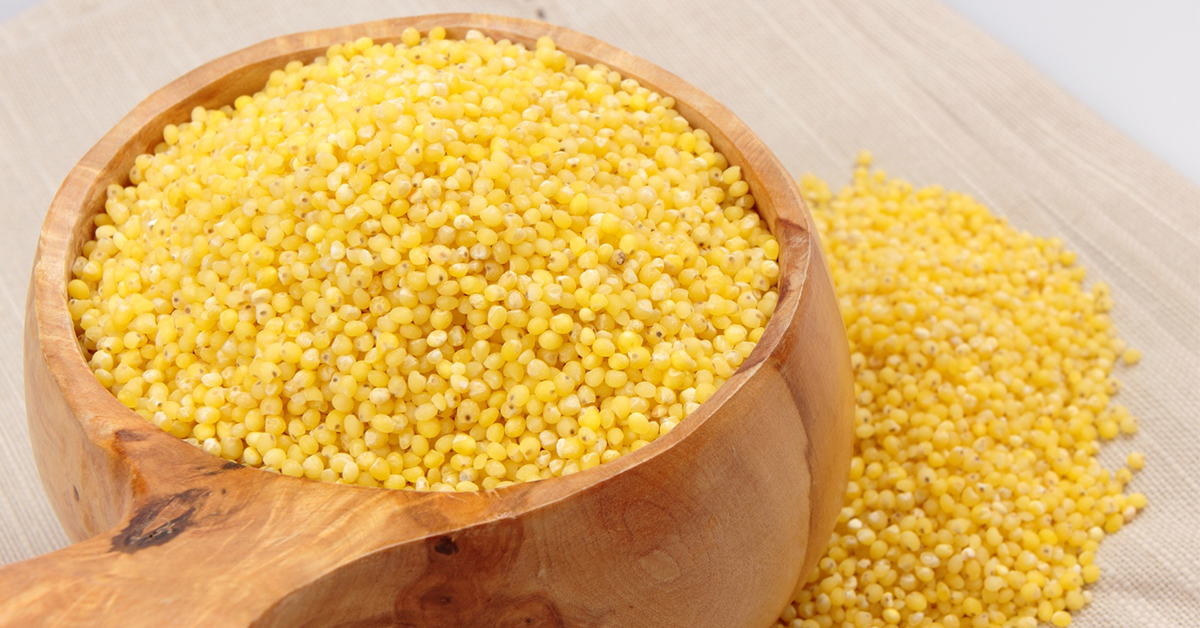
Millet groats are the peeled fruits of cultivated millet species.
To completely eliminate ants from your property, you must kill their queen. If you don't, she will lay more eggs, and soon new worker ants will emerge.
Operating principle
The mechanism by which millet acts on ants is not fully understood. There are three theories:
- The insects mistake the grain for ant eggs and carry them to the nest, where the grains expand under the influence of moisture and clog the passages. As a result, the queen dies of starvation;
- Once they reach the lower layers of the anthill, the millet grains, again under the influence of moisture, become colonized by soil fungi. These grains repel the ants, who leave the nest. Perhaps the fungi are dangerous to them, or perhaps they simply dislike the smell;
- The most common theory is that the ants eat the millet, which after a while swells in their stomachs and kills them. When the grains are brought to the queen, the same thing happens. This version is most applicable to semolina.
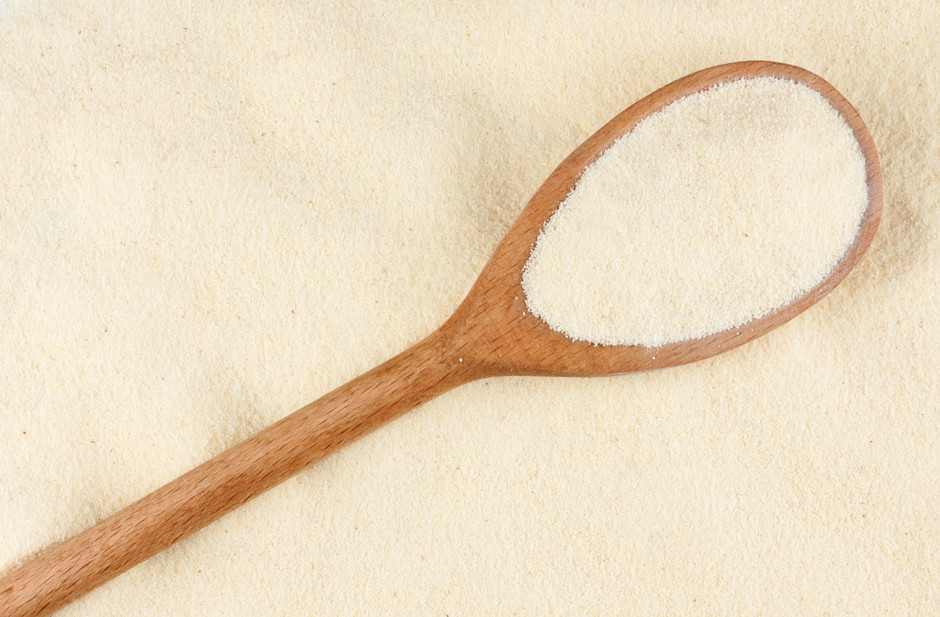
Semolina is obtained by grinding wheat grains
Application
Whatever the truth, millet and semolina are effective against ants. Using these grains is simple:
- You can sprinkle semolina or millet throughout the area, paying special attention to ant paths, areas near berry bushes, garden roses, and fruit trees. It would be great if you could find an ant's nest - you should put the most generous portion there.
- Sometimes ants may ignore grains. To make them more attractive, semolina or millet is mixed with sugar, as ants love sweets.:
- For every kilogram of cereal, take a glass of powdered sugar, mix everything well;
- Soak the millet in hot water for a couple of minutes (no more is needed; it only needs to fully swell in the ants' stomachs) and add jam, marmalade, honey, syrup, or molasses. Spread the resulting mixture near the nest. You can also mix sweet ingredients with dry semolina.
You can try using a combination of grains: for example, scatter dry semolina around the area and place sweet millet near the nest. It's best to combat pests in the spring and early summer, when they've just awakened and haven't had time to cause significant damage. To prevent birds from pecking at the grains, you can lightly sprinkle them with soil, leaves, dry pine needles, etc.
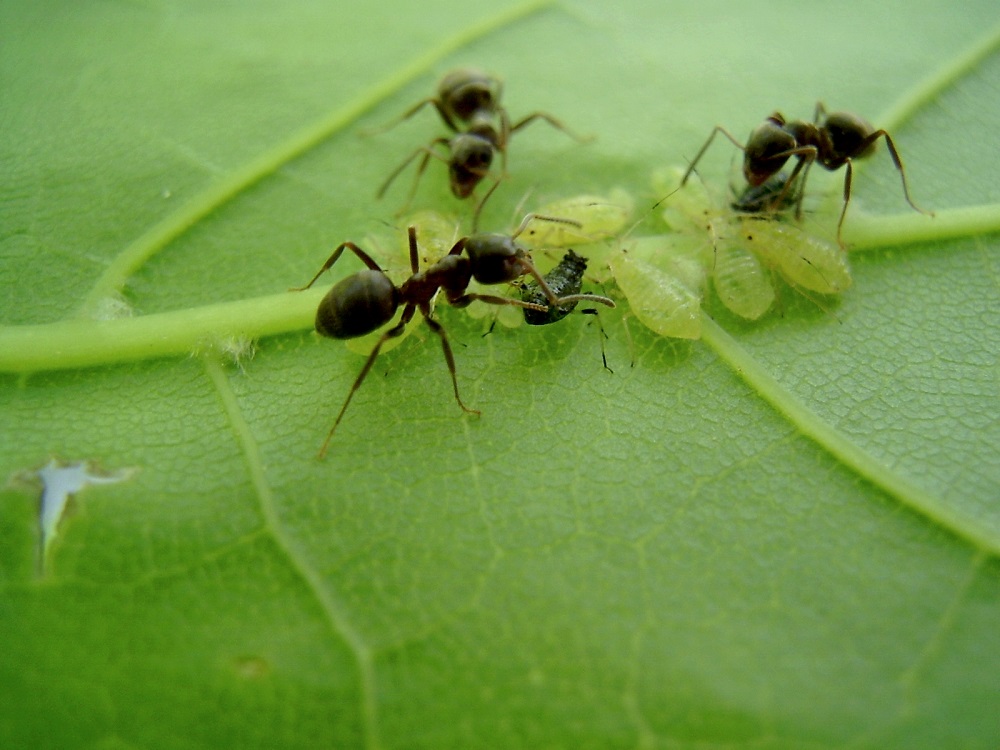
Ants raise aphids like cattle: they are attracted to the pests' sweet secretions.
Ants breed aphids, increasing their numbers, spread weed seeds, and destroy plants. But at the same time, they loosen the soil, fertilize it with potassium, humus, and nitrogen, and consume some pests.
Reviews
I sprinkled millet on a columnar apple tree and delphinium that were attacked by ants. All the ants left and haven't appeared for two weeks now.
I tried sprinkling millet, and the effect was this: they moved away from the place where it was sprinkled, but organized themselves nearby, where there was no millet... 1 kg of millet showed results at first, we bought another 5 kg... but we didn't sprinkle these 5 kg, as I mentioned above - they shifted to the side of it
I used semolina to fight ants in my greenhouse, and it worked. I just sprinkled it on and that was it.
On the ground, in the beds, semolina is still safer... This method, of course, does not help for long, basically, like any other,... therefore, it requires constant repetition, since the ants reproduce, the ant eggs are not destroyed and come from neighbors... but it is the safest and most harmless for plants, and you do not need to scatter semolina for a long time...
I tried to get rid of ants in my area with semolina and millet - the effect was zero (or completely unnoticeable).
Semolina and millet are eco-friendly, affordable, and safe ant repellents that can be used in any situation. Whether these grains will help control the pests in a specific case can only be determined after use, as reviews of this method vary.