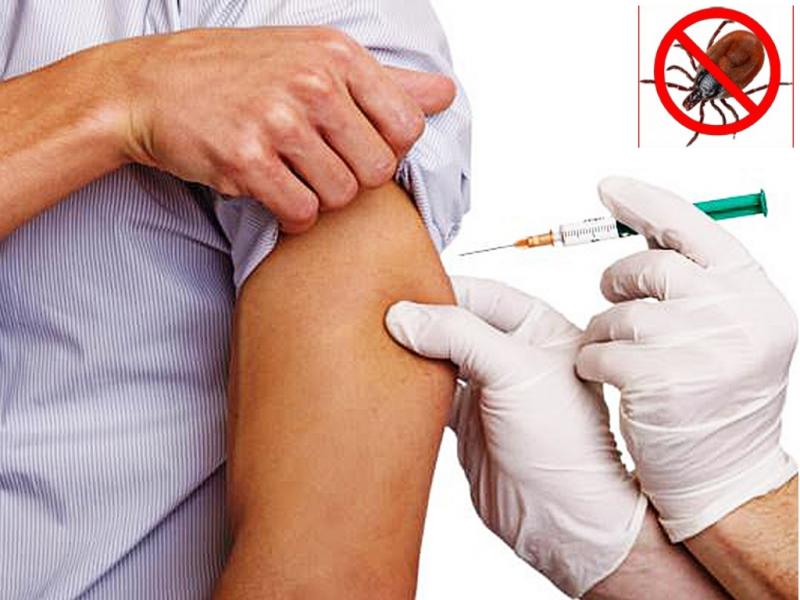
Every year with the arrival of spring, the risk of tick infestations in domestic dogs increases. Many of these parasites can carry dangerous diseases. Various repellents are available to prevent arthropod attacks: acaricidal collars against "bloodsuckers," skin sprays, spot-on drops, and protective clothing (coveralls). These "barrier" methods only provide a short-term, localized effect and will not provide any protection to your pet if a tick bites them. Vaccination against ticks is an excellent option for protecting your pet, as vaccination stimulates their immune system. This method is becoming increasingly popular, but many questions about its effectiveness and safety remain.
Content
What is a tick vaccination for pets?
There's no such thing as a tick vaccination. There's no vaccine that can protect an animal from the mere fact of being bitten by an arthropod. It's not the ticks themselves that are dangerous. Rather, these parasites infect their victims through their saliva with transmissible (transmitted by blood-sucking arthropods) infections, such as:
- piroplasmosis (babesiosis);
- hemobartonellosis;
- ehrlichiosis;
- Lyme borreliosis.
The animal becomes ill and in most cases is doomed to die if there is no treatment. Dogs suffer more than others. Cats are less susceptible to tick bites, but they still need protection.

Pets that spend their daily time outdoors need effective protection against tick attacks.
Tick vaccination means an injection with the drug Pirodog or Nobivac Piro. Their action is aimed at developing immunity to piroplasmosis. This means that this vaccination will not protect the dog from infection, but it will alleviate the symptoms, make the disease progress more easily and quickly, and prevent the animal from dying.
Veterinarians recommend vaccinating dogs and cats annually before summer, especially if they plan to travel outdoors or live in a country house during the warmer months. Annual rabies vaccination is mandatory. Dogs should be vaccinated against distemper, infectious hepatitis, paraviral enteritis, parainfluenza, and leptospirosis. Cats are vaccinated against panleukopenia and rhinotracheitis.
What is the danger of piroplasmosis for dogs?
Canine piroplasmosis (babesiosis) is a seasonal parasitic blood disease. The disease is caused by the bite of an infected tick. If you suspect your animal has been bitten, pay attention to the following symptoms:
- change in the dog’s activity (lethargy, weakness);
- elevated body temperature;
- change in urine color (darkening to dark brown);
- the appearance of jaundice.
It is important to remember that without proper treatment, animals are doomed to die. Dogs become infected with the disease from the bite of a forest tick. This parasite can change three hosts during its life cycle. "Hungry" ticks are recognized by their color (yellow, yellow-brown, or brown-brown). After finding a host and feeding on its blood, the tick turns yellow-pink or gray.
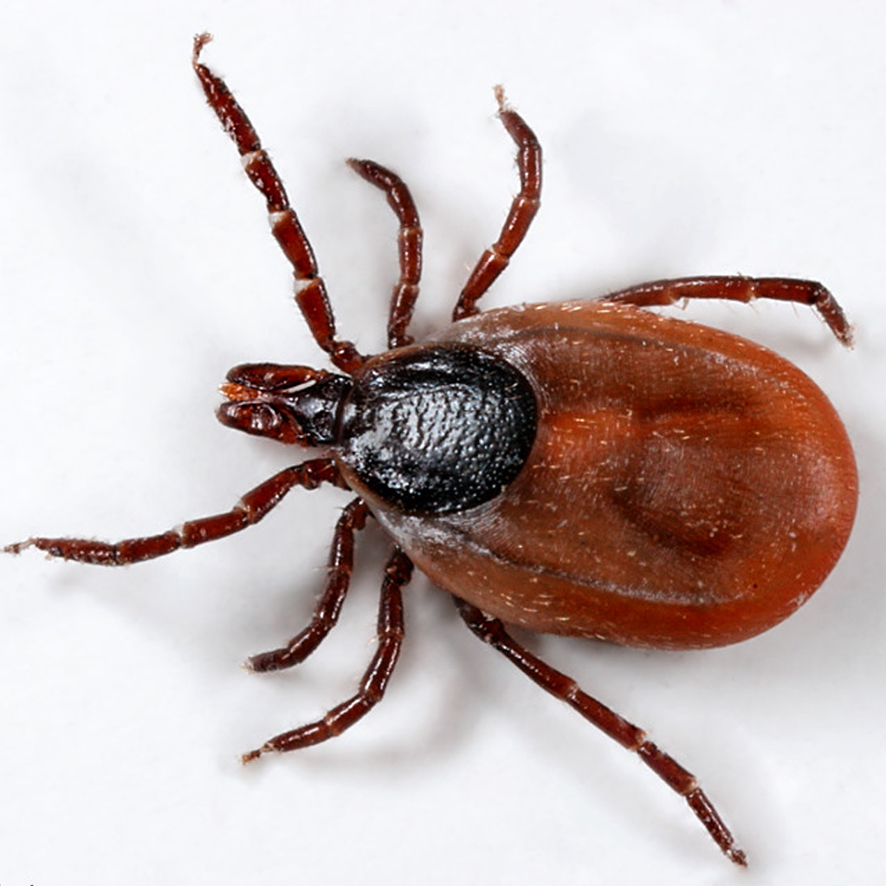
Forest ticks are carriers of dangerous diseases
Tick attacks begin with the first warm weather after winter (almost as soon as the snow melts). Their peak activity occurs between mid-May and late August, sometimes even early September. During a bite, a microorganism (the causative agent of piroplasmosis) enters the dog's bloodstream, multiplying in the host animal's red blood cells. The infection period can last from a couple of days to three weeks. The disease is associated with numerous severe complications involving various body systems:
- renal failure;
- liver inflammation;
- heart failure;
- anemia.
Only a veterinarian can diagnose piroplasmosis after carefully examining your pet. The key to quickly obtaining a proper medical opinion is the removal of a tick (one or more) from the dog's body after a recent walk. Urine test results are also important (attention is paid to such characteristics as color, presence and level of hemoglobin, urobilinogen, and bilirubin). Parasites can be detected with a specialized blood test.
Features of treatment of the disease
Piroplasmosis is very difficult to treat. Medications used during the illness often cause adverse effects. The weakened animal's body must withstand a double blow: from the parasite's waste products and from the chemical effects of the medications.
What is the treatment regimen for piroplasmosis? First, specific medications are prescribed to kill the infectious agents. Second, measures are taken to eliminate the parasite's harmful effects on the sick dog. The optimal adjuvant therapy is selected based on the overall clinical condition of the affected pet. Veterinarians often use alkaline diuresis (a procedure necessary to address complications of the disease). After this, specialists prescribe treatment for any associated conditions.
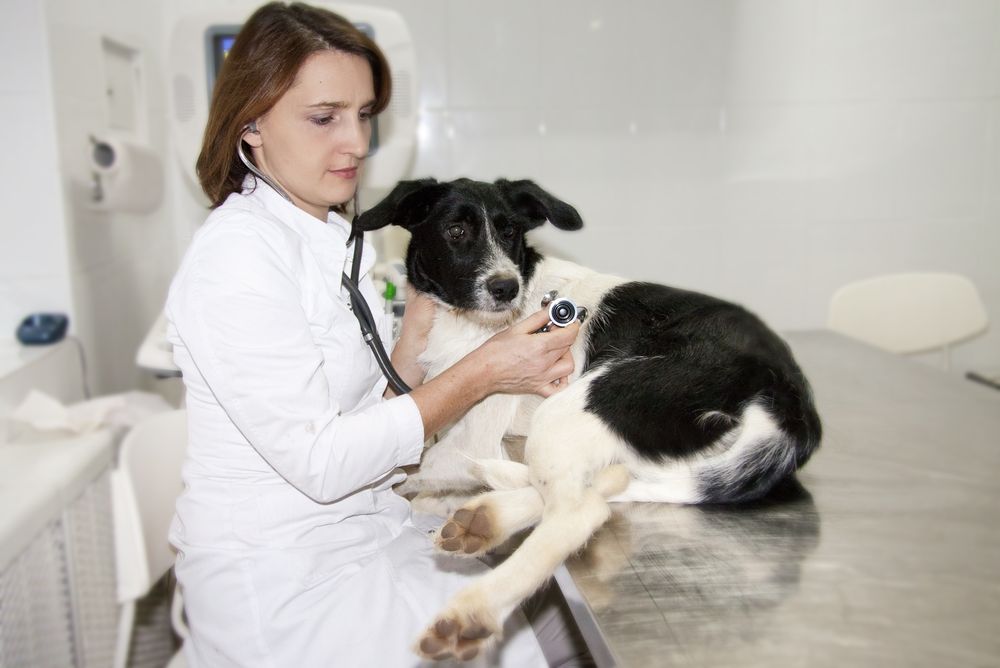
In advanced cases, eliminating complications of piroplasmosis is delayed and does not always lead to the pet's recovery.
A relatively new and effective treatment method is cleansing the dog's blood of toxins, damaged proteins and broken down red blood cells through filtration (plasmapheresis, hemosorption).
Piroplasmosis in cats and how to protect them
In Russian scientific veterinary literature, one often encounters information that domestic cats cannot contract piroplasmosis. However, recent research contradicts this widespread belief. This is because the pathogens that cause this disease in dogs and cats differ. In dogs, it is Babesia canis, while in cats, it is Babesia felis (a smaller parasite). In addition, this disease is more difficult to diagnose in cats, and they suffer from babesiosis much less frequently.
Cats are not vaccinated against ticks because approved vaccines are designed to produce antibodies to Babesia canis, whereas this parasite, which causes piroplasmosis, is specific to dogs. Therefore, other methods of tick prevention should be used to protect felines: sprays, collars, and protective clothing. If symptoms consistent with babesiosis appear, a microscopic blood smear should be performed.
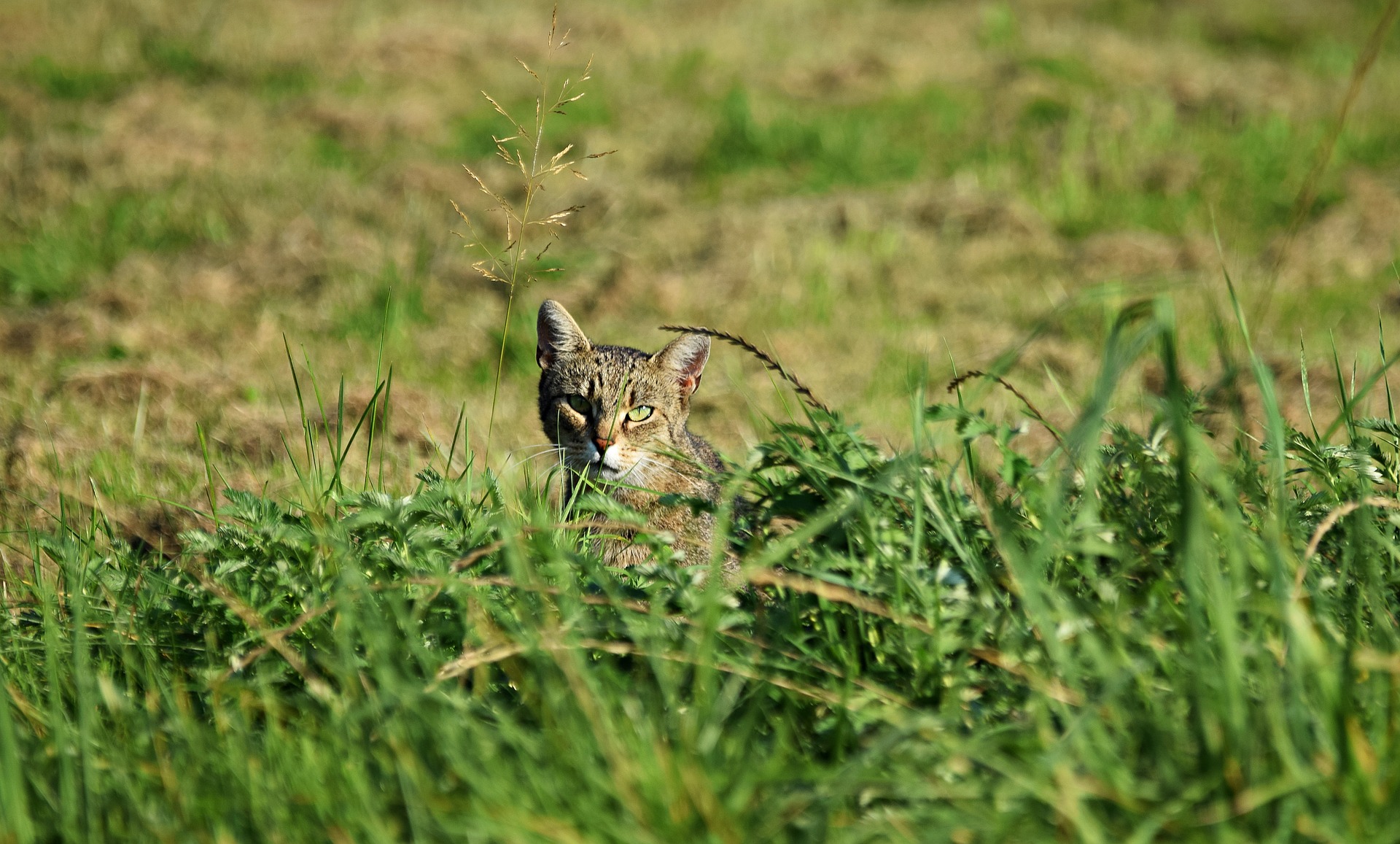
Domestic cats are also at risk of contracting piroplasmosis during outdoor walks.
Nobivac Piro and Pirodog: vaccination guidelines
The Nobivac Piro and Pirodog vaccines work by neutralizing the toxin produced by parasites, somewhat facilitating its penetration into red blood cells. Therefore, vaccination with these vaccines will not protect your pet from parasitic infestation, but the course of the disease will be much milder, and the risk of death will be significantly reduced.
The biological properties of the Pirodog and Nobivac Piro vaccines allow for the development of immunity lasting 6 months just 14 days after administration of the drug.
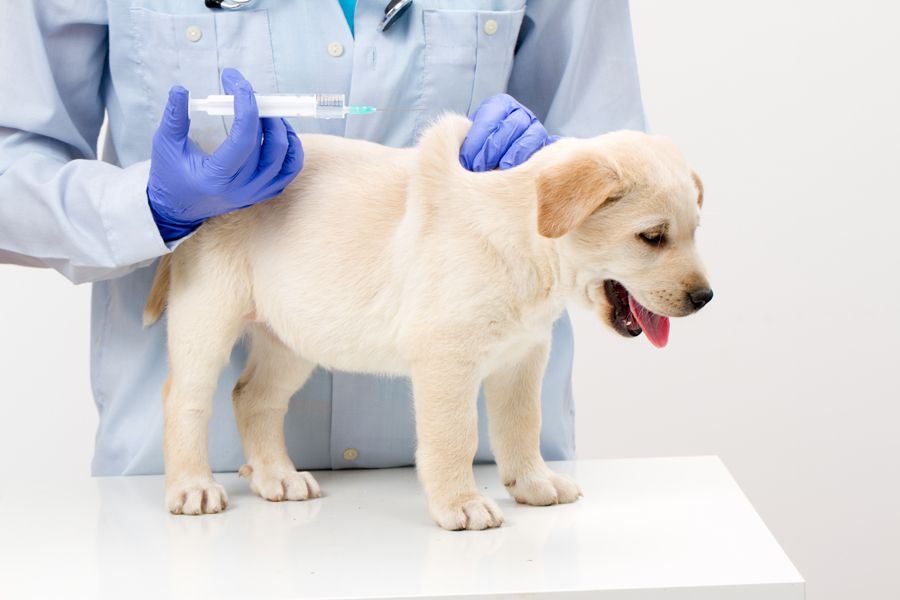
A vaccine against piroplasmosis will help your dog survive the disease more easily.
Table: Comparison of vaccine properties
| Pirodog | Nobivac Piro | |
| Biological basis of the vaccine | Babesia canis antigen | Antigen of Babesia canis in combination with Babesia rossi |
| How to use | The drug is administered subcutaneously in the withers area. One injection of one dose (1 ml) is prescribed per dose. To develop immunity, the vaccine must be administered twice with an interval of 3-4 weeks. | Subcutaneous injection into the withers area. Two injections are required. Revaccination is possible after 3-6 weeks |
| Indications by age of the animal being vaccinated | From 5 months | From 6 months |
| Possible side effects of vaccination | Common: swelling at the injection site. This resolves without external intervention (after a few days). Rare: lethargy and apathy (passes spontaneously), hypersensitivity to the drug (requires symptomatic treatment) | The side effects are the same, but the likelihood of their occurrence is higher due to greater toxicity (the composition contains an additional antigen of Babesia rossi) |
| Use with other vaccines | Concomitant use with an anti-rabies injection (mandatory Merial) is possible. It is important to administer the injection at a different site. For other vaccines, the interval before and after administration should be at least two weeks. | The interval between administration of other vaccines before and after should be at least two weeks. |
Regardless of which vaccination you choose, vaccination against piroplasmosis (babesiosis) should be carried out according to the following generally accepted rules:
- Before vaccination, your dog must undergo deworming (a series of treatments and preventative measures aimed at combating worms). It's best to do this no later than two weeks before the injection.
- Vaccination should be administered two months before the peak tick season (around March). This ensures adequate protective immunity develops on time, and booster vaccination can coincide with the summer decline in tick activity (which is safer).
- The dog must be healthy both before and at the time of vaccination. A veterinarian will determine the suitability of the procedure only after a comprehensive examination of the pet and the necessary tests.
- It is contraindicated to vaccinate during pregnancy and lactation (breastfeeding).
- Avoid bathing your dog for a week after vaccination. Avoid strenuous exercise for a while.
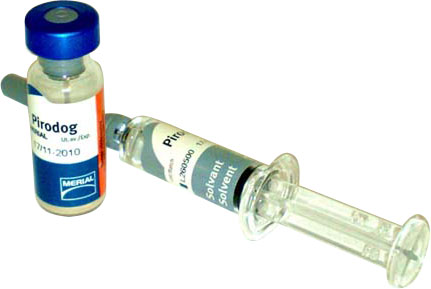
Swelling may occur at the injection site of Pirodog, which will quickly disappear over time.
Factors reducing the effectiveness of vaccination
The presence of chronic diseases in a dog may impact the effectiveness of the procedure, especially if these are diseases related to immunodeficiency.
The vaccine injection can only be administered two months after treatment with anti-babesiosis medications. In this case, an immunological test is required before vaccination to rule out babesiosis.
The controversial issue: is vaccination necessary?
Whether or not a piroplasmosis vaccine is necessary is a controversial issue. Of course, every owner wants to alleviate their pet's condition. However, vaccination can be counterproductive. The fact is that vaccination “suppresses” the symptoms of the disease. This means that if infected, there's a high risk of missing the initial stage of the disease's development. Therefore, owners must be extremely vigilant. Otherwise, assistance may be delayed. Treatment is absolutely necessary for piroplasmosis, regardless of whether the dog has been vaccinated.
So, while vaccinating your pet is certainly possible, it's not a panacea. During tick season, it's important to closely monitor your dog's condition and use all possible methods to protect yourself from tick bites.
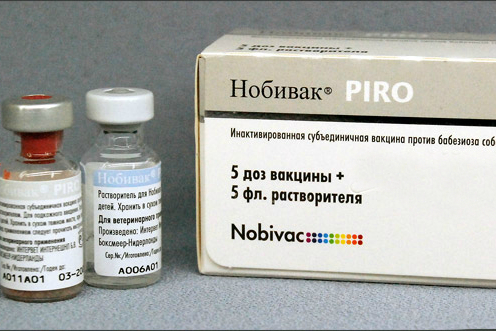
Nobivac Piro does not have therapeutic properties, but it reduces the clinical manifestations of piroplasmosis
Video: Veterinarian's Advice on Vaccinations
Reviews
Speaking from my own experience, last year, when we almost died from a tick bite, I raised everyone's alarm, including the vets, who almost pulled us back from the brink (the doctors themselves didn't believe we'd pull through, but they fought anyway). So, when I asked about vaccinations, they all told me there were vaccines, but they didn't recommend them because immunity doesn't develop, the vaccination is like the disease, and can have the same consequences as a bite. I trust them (after what they did for us). So, we're making do with collars and physical examinations (and our region was number one for bites on both humans and animals last year).
Yesterday, the whole camp went to the veterinary clinic for vaccinations. There was a sign advertising vaccinations against piroplasmosis with the foreign vaccine Pirodog. As they explained to us, the initial vaccination is given, followed by a booster three weeks later. After this, the dog is considered protected against piroplasmosis for six months. If bitten by a tick, the dog will not become infected and will not show any signs of the disease. The cost of one vaccination (excluding the booster) is 2,600 rubles. Also, it's not recommended to vaccinate puppies and small breed dogs—they say it "breaks through" the vaccine and the dog becomes infected. What are your thoughts on this? Does it make sense to get these vaccinations, or is it easier to continue with the usual drops/sprays?
After Pyrostop, my dog's legs gave out and we spent two weeks on an IV. I've been using Spanish Catan Dog medallions for three years now and am very happy. I also use Frontline drops. This year, I decided to try Bravecto tablets. They're expensive, but my dogs are more important to me. They last for three months and have good reviews. An overdose is only possible if the dose is six times higher than the recommended dose.
A tick vaccination is an injection of a vaccine against canine piroplasmosis. Vaccination does not protect against the parasite's bite or subsequent infection of the pet. The vaccine's action is aimed at alleviating the symptoms of the disease in dogs and minimizing the risk of death. It should be understood that vaccination does not guarantee 100% protection for pets. This vaccination is a good supplemental method for protecting pets during tick season.