Tick-borne encephalitis is a dangerous viral disease transmitted by ticks through bites. Vaccination against this disease can help prevent its dire consequences. Should you get vaccinated before traveling? Should pregnant women or children be vaccinated? Learn about this and much more in this article.
Content
Why is tick-borne encephalitis vaccination necessary? Indications for vaccination
A person infected with tick-borne encephalitis can either fully recover or become disabled.
Why is tick-borne encephalitis vaccination necessary?
In most cases, the disease leads to long-term neurological health problems, but can sometimes be fatal. In particular, the Far Eastern type of the virus causes death in one in five or even four cases. Let's highlight the most common complications after infection with the virus:
- impaired coordination of movements;
- headache, nausea, vomiting;
- development of blood pressure asymmetry, tachycardia;
- the emergence of mental disorders;
- the emergence of Kozhevnikovsky epilepsy;
- the occurrence of flaccid muscle paralysis, etc.
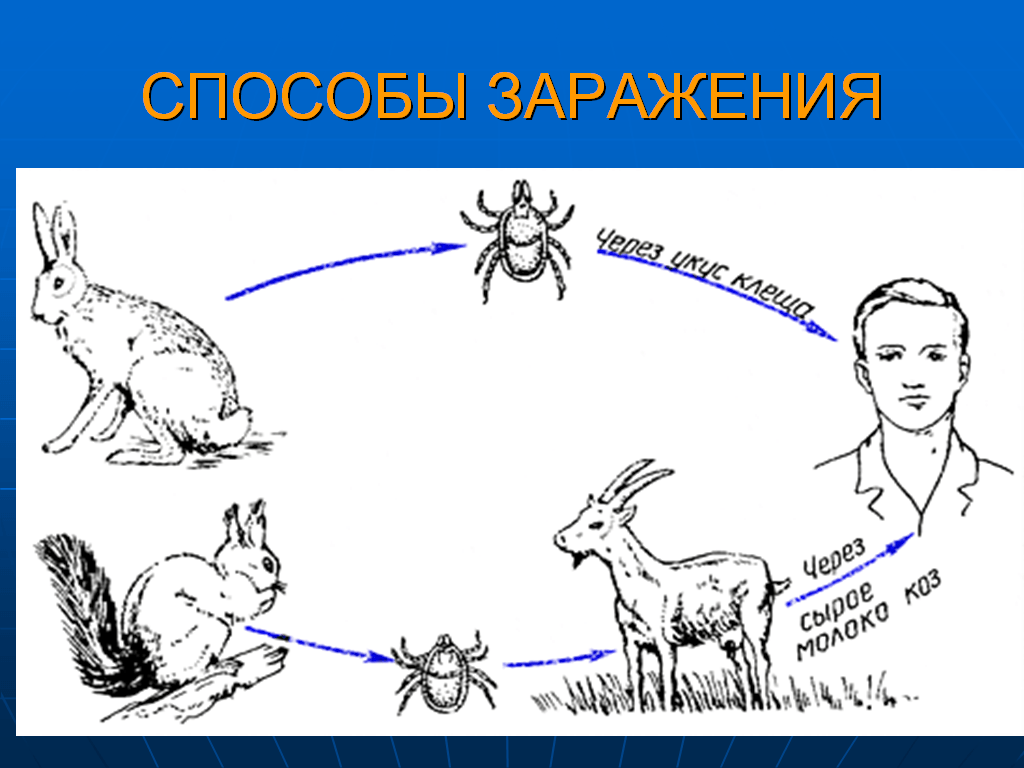
You can become infected with tick-borne encephalitis not only through a tick bite, but also indirectly - through the meat and milk of animals that it has previously bitten.
Timely vaccination makes it possible to cope with tick-borne encephalitis much more easily and without serious consequences. Naturally, a fatal outcome is excluded with this approach. The vaccine allows the immune system to recognize the virus and teaches it to fight it.
Who needs vaccination against tick-borne encephalitis?
Essentially, anyone can get vaccinated against this viral disease, but it's still best not to overload the immune system, even with killed viruses. Vaccination against tick-borne encephalitis is especially recommended for those who:
- lives in an area where the disease is endemic;
- is sent to work in a region where tick-borne encephalitis is a risk;
- is going on holiday to a place where encephalitis ticks are swarming;
- is an employee in a laboratory where they work with the tick-borne encephalitis virus.
Additionally, when planning a vacation abroad, it's important to research in advance the country's safety record regarding tick-borne encephalitis. You may also need to take preventative measures before your trip.
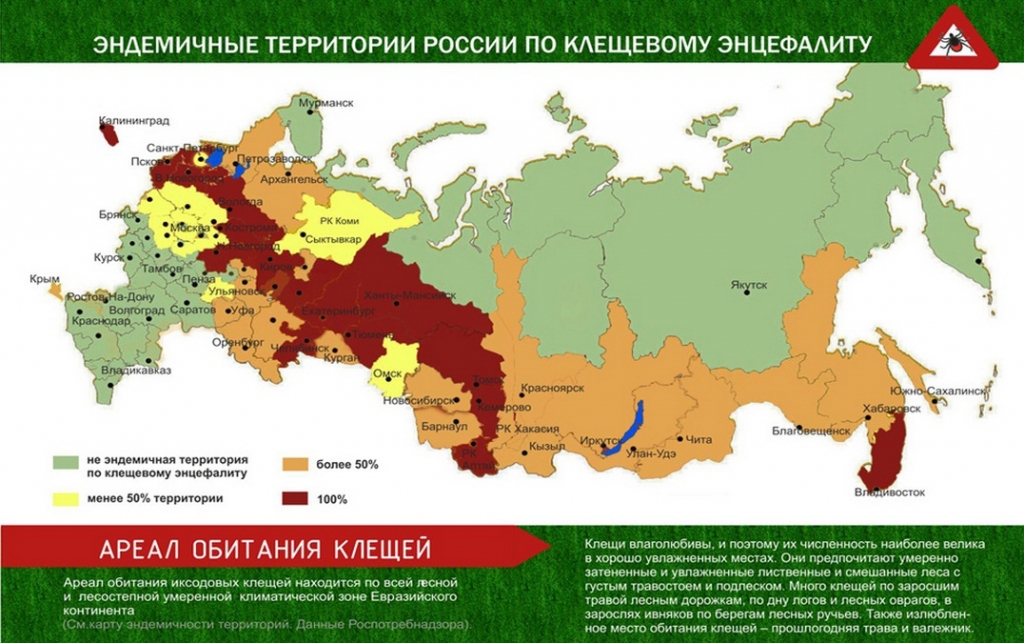
A special map allows you to find out exactly which regions of Russia are most likely to contract tick-borne encephalitis.
Types of vaccination schedules
The choice of vaccination schedule depends on how soon you'll be traveling to a high-risk area for tick-borne encephalitis. You may prefer either the standard or accelerated vaccination schedule.
The classic vaccination schedule involves the first dose being administered in the fall (to prepare for the spring-summer epidemic of this viral disease). A booster dose is administered one to three months later. This schedule provides protection against this disease for one season. A booster dose is recommended 9-12 months later. Revaccination means a single vaccination with a dose of the vaccine selected for your category.
Emergency, or accelerated, vaccination means that the second dose is administered sooner after the first. The booster dose is administered approximately one year later. Both schedules result in immunity developing within two weeks.
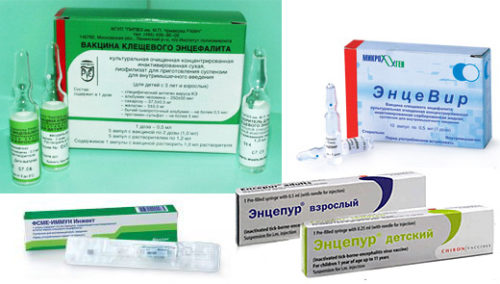
There are many vaccines against tick-borne encephalitis, but the safest ones are those from foreign manufacturers.
The interval between courses of vaccination against tick-borne encephalitis can range from 3 to 5 years, depending on the type of vaccine used.
If even one booster dose has been missed, a single booster dose is recommended. If two scheduled courses have been missed, a repeat vaccination is recommended. To ensure lasting immunity, two vaccinations, administered one month apart, are sufficient. However, this time period can be shortened to two weeks. Long-term immunity is guaranteed with a third vaccination, administered on average nine months later; however, the interval cannot be shortened.
Features of vaccination against tick-borne encephalitis and types of vaccines
If you're concerned about potential adverse effects from vaccination, you should know that this vaccine is "killed" (inactivated) and does not contain live virus. Therefore, this vaccine is even more easily tolerated than the mumps, measles, and rubella vaccines.
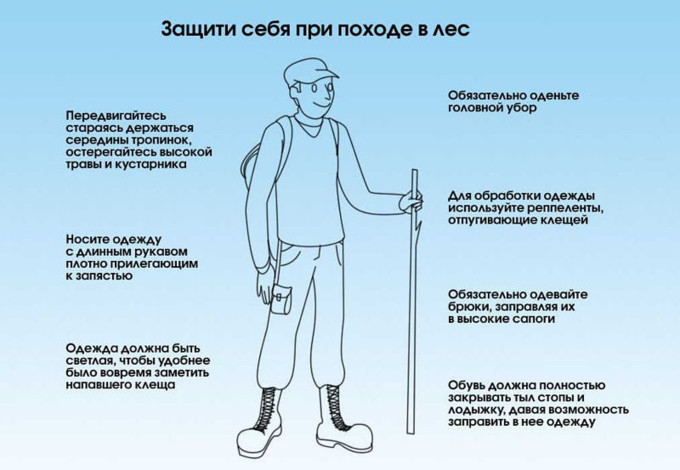
Not only vaccination but also the right equipment when walking outdoors can help protect against tick-borne encephalitis.
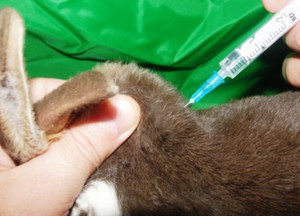
Vaccination does not require any specific preparation. If an acute respiratory viral infection is suspected, general tests are sufficient. The injection site depends on the type of vaccine administered. It can be administered in the deltoid muscle, under the shoulder blade, or intramuscularly.
Currently, the most widely used vaccines are those produced in Austria, Russia, and Germany. Each vaccine has its own optimal intervals between doses.
Traditional vaccination schedule for different vaccines - table
| Name of the vaccine | Who is it intended for? | First vaccination | Second vaccination | Third vaccination | First revaccination | Revaccination |
| Kleshch-E-Vak (culture purified concentrated inactivated dry FSUE "PIPVE named after M.P. Chumakov RAMS" | Children from 3 years old | The day indicated by the doctor | In 5-7 months | — | 1 year after the second vaccination | In 3 years |
| "EnceVir" is a culture-based, purified inactivated vaccine (FSUE "NPO Mikrogen" of the Ministry of Health of the Russian Federation) | For persons aged 18 years and over | The day indicated by the doctor | In 1-2 months | — | 1 year after the second vaccination | In 3 years |
| FSME-IMMUN ENCEPUR (Germany) | For persons aged 16 years and over | The day indicated by the doctor | In 1-3 months | — | 9–12 months after the second vaccination | In 3 years |
| FSME-IMMUN Junior (Austria) | For children from one to 16 years old | The day indicated by the doctor | In 1-3 months | — | 5–12 months after the second vaccination | In 3 years |
| "ENCEPUR" (children's) (Germany) | For children from 1 year old | The day indicated by the doctor | In 1-3 months | 9–12 months after the second vaccination | In 3 years | In 5 years |
Accelerated vaccination schedule for different vaccines - table
| Name of the vaccine | Who is it intended for? | First vaccination | Second vaccination | Third vaccination | First revaccination | Revaccination |
| Kleshch-E-Vak (culture purified concentrated inactivated dry FSUE "PIPVE named after M.P. Chumakov RAMS" | Children from 3 years old | The day indicated by the doctor | In 14 days | — | In 1 year | In 3 years |
| "EnceVir" is a culture-based, purified inactivated vaccine (FSUE "NPO Mikrogen" of the Ministry of Health of the Russian Federation) | For persons aged 18 years and over | The day indicated by the doctor | In 14 days | — | In 1 year | In 3 years |
| FSME-IMMUN ENCEPUR (Germany) | For persons aged 16 years and over | The day indicated by the doctor | In 7 days | In 21 days | In 12-18 months | In 3 years |
| FSME-IMMUN Junior (Austria) | For children from one to 16 years old | The day indicated by the doctor | In 14 days | — | In 5-12 months | In 3 years |
| "ENCEPUR" (children's) (Germany) | For children from 1 year old | The day indicated by the doctor | In 7 days | In 21 days | In 12-18 months | In 5 years |
Both foreign and domestic vaccines demonstrate equal efficacy against encephalitis. Foreign vaccines use Western European strains of the virus, while Russian vaccines use Eastern European strains. Their similar antigen structure allows for the development of equally strong immunity against the disease, but experts note that the foreign vaccine has no contraindications or side effects.
Features of vaccination of children, pregnant and nursing mothers
On the eve of the vaccination, preferably on the same day, the pediatrician examines the child:
- assesses the state of health and level of development;
- clarifies the presence of allergic reactions with the help of parents or records in the medical record;
- decides on the possibility of vaccination.
If a child has health problems or contraindications, vaccination may be postponed.
Pregnant women are advised not to receive the tick-borne encephalitis vaccination, as its effects on the fetus have not yet been fully studied. Even if you are trying to conceive, it's best to receive the last dose of the vaccination about a month before you plan to become pregnant.
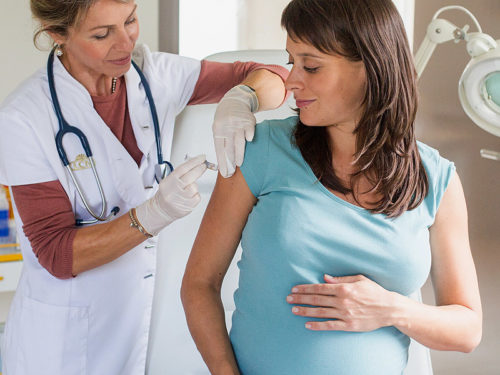
Vaccination of pregnant women with the tick-borne encephalitis vaccine is only permitted if its benefits outweigh the possible risks to the fetus.
Opinions differ regarding breastfeeding mothers. In theory, the tick-borne encephalitis vaccine has no harmful effects on a breastfed baby. However, it should be noted that a pediatrician should make the decision in each specific case.
Contraindications and possible side effects
Although the tick-borne encephalitis vaccine is generally very well tolerated, it does have contraindications and side effects.
Contraindications
Vaccination is not performed if:
- there was a negative reaction during the previous vaccination;
- diseases occur that greatly reduce immunity;
- planned during pregnancy or immediately after birth;
- there is an allergy to chicken protein (this should be indicated in the instructions for the drug);
- the age of the person being vaccinated is up to 1 or 3 years (depending on the type of vaccination);
- there are chronic and acute liver and kidney diseases in severe forms.
Possible side effects
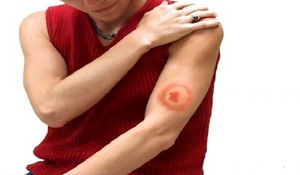
The tick-borne encephalitis vaccine does not cause acute allergic reactions, but the body may still experience adverse reactions. Specifically, local and general reactions may occur. The first type includes skin redness at the injection site or an infiltrate (a small lump on the skin), which usually resolves spontaneously within five days.
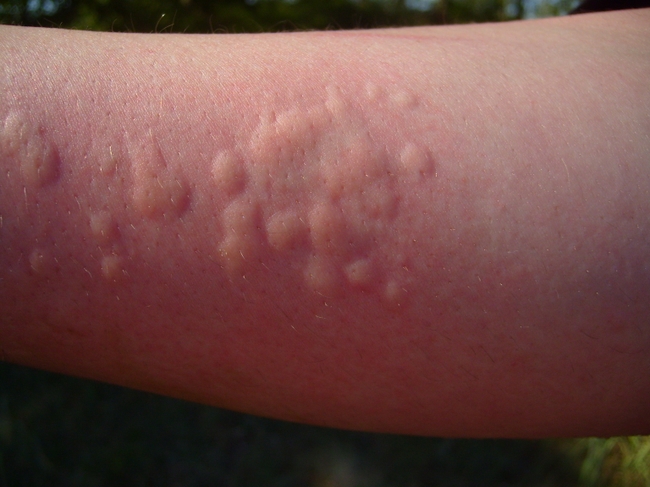
Hives are one of the common side effects following vaccination against tick-borne encephalitis.
General reactions may include a slight increase in temperature (1–1.5 degrees Celsius), muscle and joint aches, and headache. Since these symptoms may indicate the onset of the flu or another viral infection, a doctor's consultation is necessary.
In some cases, allergic reactions are possible in the form of:
- rash at the injection site;
- urticaria;
- anaphylactic shock.
If the vaccine is expired, was stored in inappropriate conditions, or was administered incorrectly, side effects such as:
- suppuration at the injection site;
- a high temperature that does not subside for a long time;
- convulsions, etc.
In the above cases, immediate medical attention is required.
Reviews
I don't know how it is in St. Petersburg, but here in Siberia, this vaccine (specifically, the Junior) was difficult to tolerate. After the first shot, my daughter (2 years and 10 months) was sick for four weeks (it started with a sort of acute respiratory viral infection, and then pneumonia). After the second shot, my son (5 years old) was bedridden with chills, a high fever, and nausea, nausea, nausea. So I can't say this vaccine was easily tolerated! Although we hadn't been sick before the shots!
Volga, are you kidding me? FSME is an inactivated immune vaccine. It can be administered to children from one year of age, including before leaving, i.e., traveling. The vaccination is not considered severe. Children tolerate it well. I gave it to my three children (we live in St. Petersburg, often wander through the woods, and spend six months in Crimea, i.e., endemic zones). Where did you even get this information about severe consequences and the like? The European Vaccination Center (St. Petersburg) has probably not recorded a single side effect from this vaccine in ten years.
I asked the doctors, but no one could give me any clear answers, saying there's no research on this topic: pregnancy after the encephalitis vaccination. Well, if you follow the standard protocol, then it's possible after three months. But here's what it really looks like: in any case (whether you got the vaccination or not), you'll STILL HAVE TO GET immunoglobulin immediately after a tick bite (to urgently produce immune cells against encephalitis)... unless, of course, you're really unwilling to risk your health. So, your vaccination won't make a big difference in the event of a bite. That's why I haven't had it for two years now, relying on the theory of probability and keeping a supply of immunoglobulin in the fridge all summer.
Let me tell you my story. Last year, my daughter was bitten by a tick, so I definitely decided to vaccinate her against encephalitis this year. The first vaccination was at the end of December, and four days later, her temperature suddenly rose to 39°C (102.5°F). The next day, it dropped to 37°C (100.5°F). After that, she remained fever-free, but it was scary to look at her – she was pale, with dark circles under her eyes, lethargic, and said she was extremely weak and constantly sleepy. When I asked, "Could this be a reaction to the vaccination?", the doctor replied, "That can't be." Valos was observed for about a month. I was very concerned about her health, so I had her tested for infections, and her results were normal. I delayed the second vaccination. Time passed, her condition stabilized, and I decided to continue the vaccination. At the end of March, she received a second vaccination – the reaction was the same, but her temperature rose to almost 40°C (104°F), and it lasted for three days. The symptoms are the same: lethargy, paleness, headache. Now the condition has stabilized. What was that? Doctors still deny it was a side effect of the vaccination.
I'm not going to argue or persuade anyone to get vaccinated or not, but I've seen people, including children, bitten by encephalitis, both vaccinated and unvaccinated. After vaccination, people have a huge chance not only of surviving but also, after treatment, of course, of leading a normal life. But those who weren't vaccinated... It's a terrifying sight. The likelihood of being bitten by an encephalitis tick isn't as minimal as we'd like, but people always think it'll happen to anyone but me.
When traveling to a region where tick-borne encephalitis is common, always remember that timely vaccination is your only protection against the consequences of this viral infection. Pre-existing and regular (as needed) prophylaxis will ensure your maximum safety.