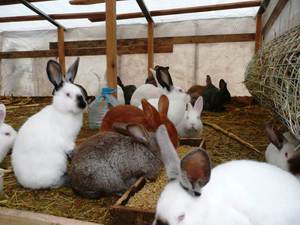
 Experienced rabbit breeders may be surprised by the question of whether rabbits need vaccinations. Of course, they are essential, as without them, your pets will quickly become ill. This happens because their immune systems are weak.
No matter what animal you keep indoors, you should definitely vaccinate it. This is especially important for rabbits, as it can prevent the development of many dangerous rabbit diseases, primarily myxomatosis and viral hemorrhagic disease. If this isn't done promptly, be prepared for significant losses in your flock.
Content
At what age can you vaccinate?
There are quite a few vaccinations, and the owner should know which ones to administer and when. The effectiveness of the vaccination depends on this. It is also necessary take into account the age of the animal.
Those who have been breeding rabbits for many years know that these animals are susceptible to stress. Young rabbits suffer especially severely from stress, and the damage comes from weakened immunity. Vaccines are effective because they contain weakened pathogens, and immunity is boosted by the body's ability to fight them. Therefore, vaccinating a weakened animal is not recommended, as it can cause harm. Vaccinations should only be administered when rabbits are 45 days old. If life-threatening illnesses arise, vaccinations can be given as early as three or four weeks of age, but earlier vaccinations are dangerous.
Many beginning rabbit breeders often wonder how often rabbits should be vaccinated. It is generally accepted that vaccinations should be carried out no more than once every six monthsBut even in this case, the nature of the disease must be taken into account. The frequency of myxomatosis vaccinations must be determined on an individual basis. Experts know that this disease is spread by mosquitoes, fleas, and flies. Mosquitoes and flies are virtually inactive during the fall and winter due to low temperatures. Therefore, in areas with a temperate continental climate, rabbits should be vaccinated against myxomatosis no more than once a year.
Vaccination against myxomatosis
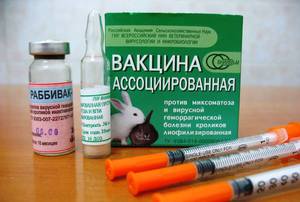 This disease is dangerous because its virus is highly resistant. It is commonly classified as a member of the myxomatosis family Poxviridae, genus Leporipoxvirus. Credit for discovering this virus goes to the French scientist Armand Delisle. he made the discovery more than 100 years ago, when he was trying to find a remedy that would help reduce the number of wild rabbits.
However, the scientist failed to consider all the consequences: the disease began to spread rapidly and the virus mutated. The difficulty of treating myxomatosis is due to its multiple modes of transmission: in addition to the traditional vectors—mosquitoes and fleas—the virus can also enter an animal's body through the air.
For this disease The following symptoms are characteristic:
- swelling of the eyelids and eyes;
- high temperature;
- apathy.
Without immediate action, the animal will die within 48 hours. Timely vaccination is the only way to prevent this disease.
Before vaccinating rabbits, it is important to keep in mind that all vaccinations must be done in accordance with certain rules, otherwise their effectiveness will be low.
Vaccinations can protect an animal from dangerous viruses if adhere to the following scheme:
- The first vaccination is carried out in the spring, and it can only be done to animals that are at least 4 weeks old;
- The second vaccination is given 28-30 days after the first one.
- The last vaccination is carried out six months later (in the fall).
Subsequently, rabbits should be vaccinated at least once a year or every six months. However, in some cases, when conditions are favorable for disease development, the vaccination frequency may be increased. Vaccinations will be most effective if administered to healthy animals.
Vaccination against VGBK
Viral hemorrhagic disease (VHD) of rabbits poses a serious health risk to rabbits. It can be spread through a variety of routes: infected animals, food, soil, or humans. The first signs appear within two to three days of infection. These include loss of appetite, lethargy, and nervous system dysfunction. This disease affects all organs. Because the disease progresses so rapidly, vaccinations are essential.
It also has its own the schedule to follow when vaccinating:
 The first vaccination is given to rabbits that are 45 days old;
- If animals have already been vaccinated against myxomatosis, then vaccination against VGBK can be administered after 2 weeks. The same procedure applies if the first injection was against VGBK;
- The next two stages of vaccination are carried out at an interval of 14 days;
- Vaccinations must be repeated every six months.
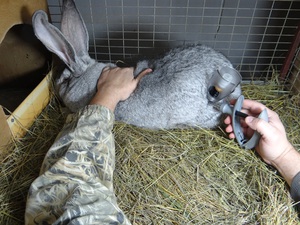 The first vaccination is given to rabbits that are 45 days old;
Other vaccinations
The vaccinations listed above are the most common, although there are others that can also be used for prevention. One of these is a vaccine containing antibodies against myxomatosis and VGBVThe cost of this combination vaccine is significantly higher, but it eliminates additional hassles for the owner. When using this vaccine, the following regimen should be followed:
- The first vaccination is given to rabbits at the age of 45 days;
- The second vaccination is carried out 2 months after the first;
- In the future, vaccinations are given for preventive purposes every six months.
There are also other dangerous diseases that require vaccination. One of these is the pasteurellosis vaccine. It is usually administered to animals at 1-1.5 months of age. During the first year of life, these vaccinations should be administered at least two to three times. To determine the number of vaccinations required in subsequent years, refer to the instructions for the vaccine.
In what cases will the vaccine not work?
When it happens that even after vaccination animals they still get sickThis can happen under the following conditions:
- The virus was already present in the body, so the vaccine did not help boost immunity, as it is not a cure.
- Use of expired medication;
- Violation of vaccination conditions;
- Failure to comply with the storage rules for the drug;
- Carrying out vaccination of animals that have not been treated for worms;
- Vaccinations were given to animals that were obviously sick.
 The virus was already present in the body, so the vaccine did not help boost immunity, as it is not a cure.
Sometimes, a deterioration in animal health occurs after vaccination. This can happen to a pregnant doe or to kits that have not yet reached the recommended age for vaccination. Vaccinations for pregnant does are dangerous because they can trigger premature birth or lead to the death of the offspring.
For this reason, it's crucial to properly prepare for animal vaccination and consider all the specifics of its administration. This requires not only following the recommended schedule but also ensuring the vaccine is up to date and that the ampoules are intact. This procedure is not particularly complicated, so even the owner can perform it themselves. Carefully read the vaccine instructions. Pay particular attention to the amount of medication that can be administered at one time and the potential reaction of a healthy animal to the vaccine.
Vaccination of rabbits at home
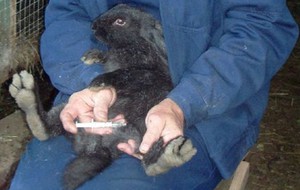 Rabbits can not only be bred at home, but also vaccinated. Of course, experience with this procedure will be helpful, otherwise it will be very there is a high risk of harming the animals.
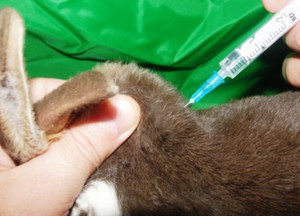
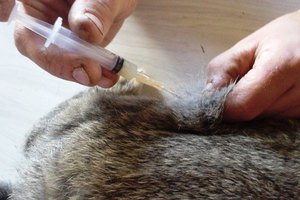
The first thing to do before vaccinating rabbits is to carefully read the instructions and determine the proper dosage. This information is typically provided in the vaccine's medical information sheet. Most vaccines require dilution with specially treated water or a formalin solution. The injection site is chosen at the withers or hip of the animal. Before administering the injection, grasp the rabbit firmly to prevent it from jumping out.
Those vaccinating rabbits for the first time will need an assistant to hold the animal. If you're administering a diluted vaccine, keep in mind that it must be used within 3 hours, after which it loses its potency.
When self-vaccinating rabbits, it is necessary 10 days before the scheduled day give animals anthelmintic drugsYou must be sure that your pets are completely healthy. Generally, following the recommendations above will help protect your pets from dangerous diseases.
Conclusion
Raising rabbits at home isn't easy, as they are very fragile animals, requiring owners to take appropriate measures to protect them from viruses. Vaccinations are given for this very purpose. If you decide to vaccinate your rabbits yourself, you should keep in mind that this is a risk. the procedure is quite riskyTherefore, it is advisable that you have experience vaccinating these animals at home.
In addition to knowing the right time and type of vaccine, it's important to choose the correct dosage. It's also important to pay attention to the rabbits' condition, as the vaccine may be harmful to some. To avoid these unpleasant consequences, it's recommended to consult an experienced veterinarian who can perform this procedure for you.