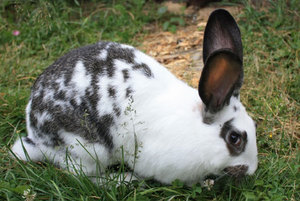
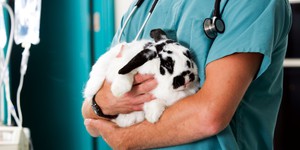
 Breeding rabbits is an interesting and, most importantly, profitable business. However, these fragile animals can present their owners with a fair amount of difficulties and hassle. Rabbits require careful care, so their well-being must be closely monitored, as they are often susceptible to various diseases. Some of these diseases can even be dangerous to humans.
Content
How do you know if a rabbit is sick?
Not every disease has obvious symptoms, but it's important to know the difference between a healthy and sick rabbit. To avoid missing the first signs of illness, Pets need to be examined regularlyIn the first days after birth, kittens are examined daily, then every two weeks. Animals must be examined before mating, and females must be examined before and after kindling.
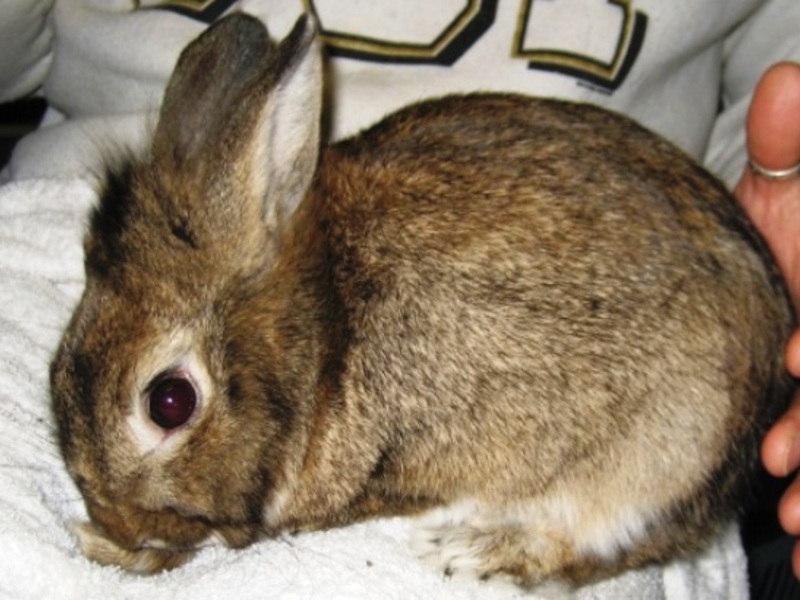
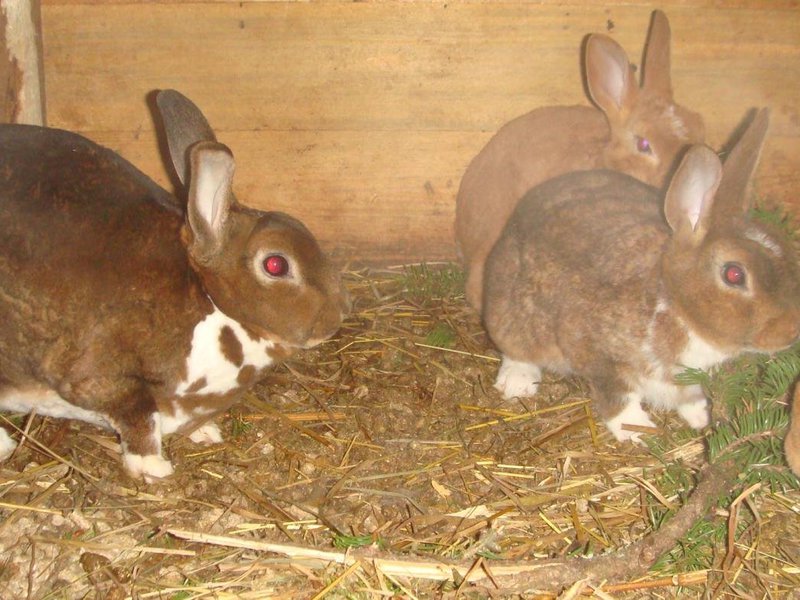
Healthy rabbits are active and eating well, their fur is shiny, and there is no discharge from their eyes. However, if you notice any of the symptoms described below, you should immediately contact your veterinarian.
The main symptoms of the disease:
 lethargy of an animal that constantly lies down;
- atypical behavior;
- discharge from the eyes or nose;
- dull coat or hair loss;
- difficult and frequent breathing;
- trembling;
- ulcers or growths on the skin;
- bowel movement disorder;
- convulsions or paralysis of the animal;
- the appearance of lice or fleas.
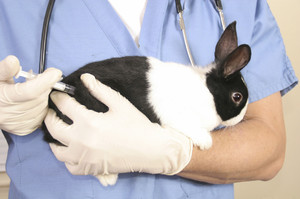 lethargy of an animal that constantly lies down;
Infectious diseases are the most dangerous because they pose a threat to human health. They develop when viruses or microbes enter the pet's body. Skin parasites in animals are also dangerous. Since infectious diseases in rabbits are very common, it is recommended to be aware of their symptoms and treatment methods.
Infectious diseases of rabbits
The most common diseases dangerous to humans, are:
- tularemia;
- myxomatosis;
- listeriosis;
- fascioliasis;
- scabies;
- pasteurellosis;
- coccidiosis;
- VGBK or hemorrhagic disease.
 tularemia;
Each of them has its own symptoms, the appearance of which requires alarm.
Tularemia
Natural focal infection most often affects young animals, and poses a danger to humans. Infection occurs through airborne droplets, drinking water, eating food, and mosquito bites.
Most often, the symptoms of tularemia are subtle, and in the latent form, there may be no signs of the disease at all. In the acute form, rabbits begin to have difficulty breathing and coughing, develop a fever, and develop small pustules. If the infection is left untreated, pets develop enlarged lymph nodes and paralysis. Pregnant females may miscarry. Animals that have recovered from the disease develop permanent immunity to tularemia.
There is no treatment for tularemia in rabbits, so prevention is crucial. To this end, it is recommended to maintain sanitation, disinfect premises, maintain personal hygiene, control blood-sucking insects, and exterminate mice and rats.
Myxomatosis
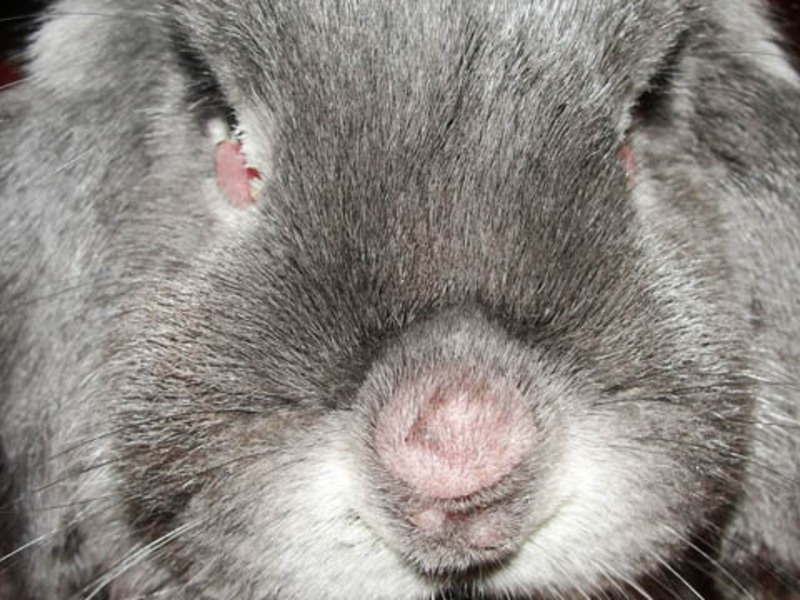
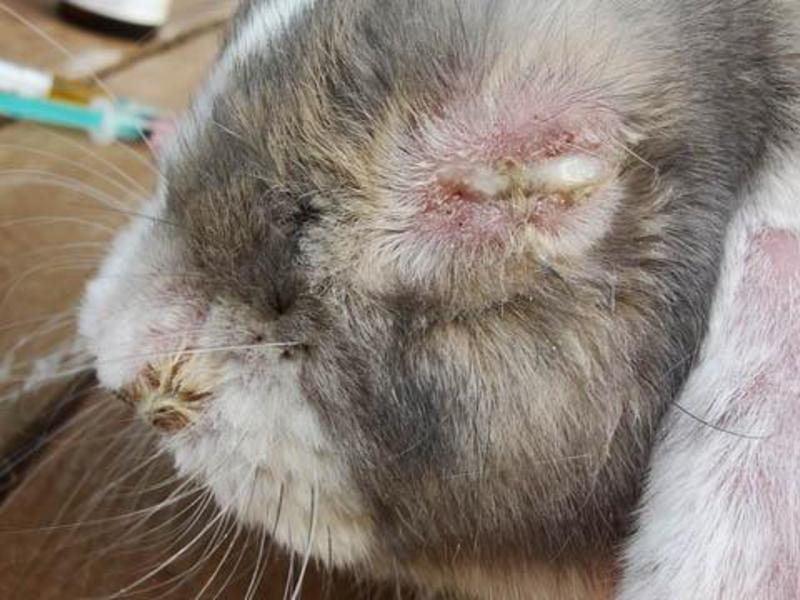
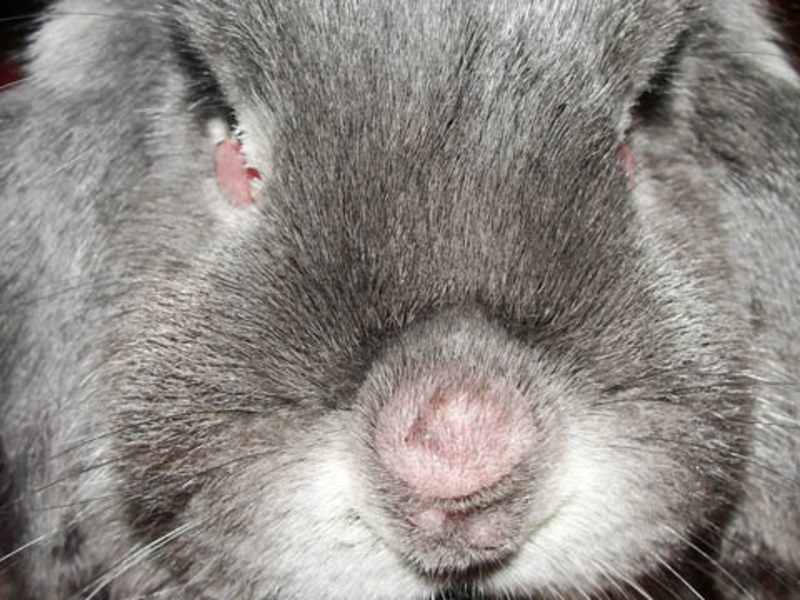
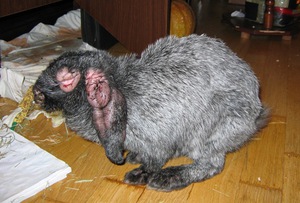
This is a very dangerous disease, the pathogen of which is carried by blood-sucking insects and rodents. Symptoms of infection include:
- The appearance of voluminous swelling.
- Formation of small tumors in the area of the anus, genitals, and head.
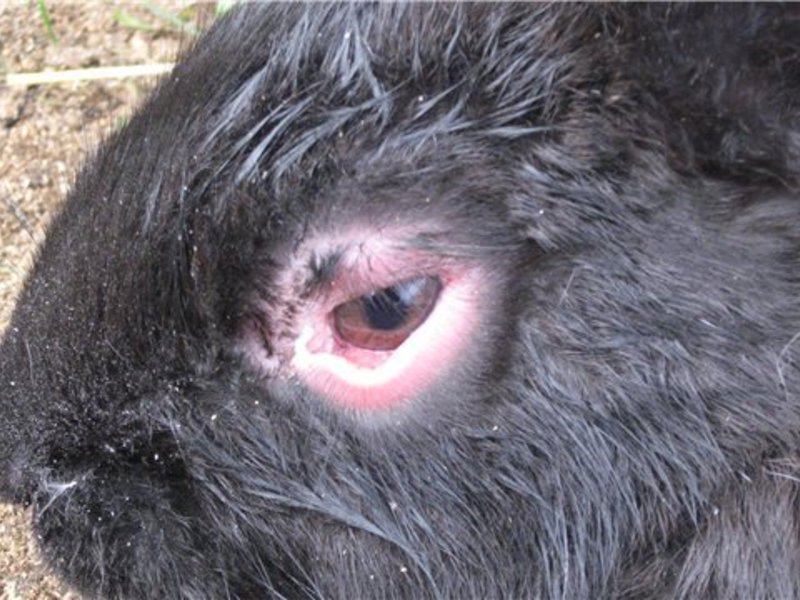
- Edematous inflammation of the mucous membranes of the eyes.
- Drooping ears.
- Rabbits with myxomatosis have an ugly appearance.
- One to two weeks after the onset of the disease, the animal dies.
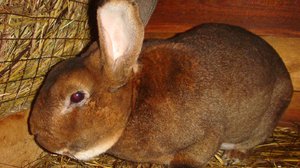 The appearance of voluminous swelling.
There is no treatment for this disease, so a sick pet needs to be isolate immediately and call the veterinary service. Cages are disinfected with lysolin, bleach, caustic soda, and formalin. Sick rabbits are recommended to be slaughtered and burned along with their skins, and their droppings buried 1 meter deep. The animal owner's work clothes are boiled for an hour. The farm is quarantined, which is lifted only two weeks after the sanitization.
Myxomatosis can be prevented through vaccination.
Listeriosis
An infectious disease that affects the liver is dangerous for both animals and humans. In most cases, it pregnant females are susceptibleThe disease can occur in several forms:
- The acute form is characterized by miscarriages, after which the female's hind legs become paralyzed and she dies within a few days.
- The hyperacute form is characterized by the sudden death of the animal.
- The chronic form results in the death of the embryo in the doe's uterus. Since abortion does not occur, the dead embryo begins to rot, which can lead to the doe's death within two months. If the doe survives, she will be unable to produce further offspring.
There is no treatment for listeriosis, so sick individuals are destroyed, and carry out disinfection and cleaning of the cages.
Fascioliasis
The source of infection is the small pond snail, so to avoid infection, rabbits should not be fed grass where it is found or given water from natural bodies of water.
Symptoms of the disease include:
- swelling of the eyelids;
- high temperature;
- increased heart rate;
- sometimes the space under the jaw and the abdomen swells;
- In the chronic form, the mucous membrane of the eyes and mouth turns yellow and in some places the condition of the coat worsens.
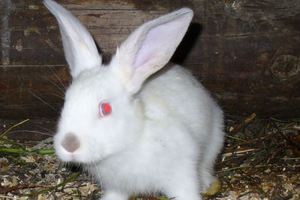 swelling of the eyelids;
Treatment is carried out using carbon tetrachloride. 1-2 ml of the drug is administered via a probe.
Scabies
The causative agent of the disease is scabies mite, which lives inside the ear or in the skin layers of a rabbit's head. It feeds on the animal's blood and causes inflammation and itching. The earworm can cause serious consequences. If left untreated, the pet will refuse food, rapidly lose weight, and soon die.
Regular inspection of rabbits for scabies is recommended. Red spots, small sores, and sometimes scabs are symptoms of the disease. If these are detected, treatment should be started immediately. Turpentine is applied to the scabs until they soften, then removed with tweezers and burned. This procedure should be repeated every five days.
To prevent other individuals, the cage and everything that the sick pet touched from becoming infected, treated with a 5% solution of creolin.
Pasteurellosis or hemorrhagic septicemia
This is a very common disease, carried by birds, animals, and even humans. A weakened animal's immune system and a weakened immune system are ideal conditions for the infection to develop.
The disease can be of typical and atypical forms, which have the following symptoms:
- The typical form is characterized by a generalized infection of the body, as the pathogen penetrates the animals' bloodstream and lymphatic systems. It is characterized by high fever, loss of appetite, rapid breathing, serous nasal discharge, and conjunctivitis. Rabbits with this form of the disease die within 1-3 days.
- The atypical form of the disease lasts longer, its symptoms are milder, and most animals recover. In rabbits with this form of the disease, abscesses form under the skin, which rupture spontaneously within three months. Pus flows from the abscesses, and the resulting wounds heal.
Treatment for pasteurellosis is carried out with the help of antibiotics and produces good results. Two injections of 2% biomycin are prescribed, followed by a single injection of terramycin. The drugs are administered intramuscularly at 20-hour intervals. Only the atypical form of the disease is usually treatable. With typical pasteurellosis, animals are slaughtered, as treatment is ineffective.
Invasive coccidiosis
Single-celled coccidia parasites cause the destruction of liver and intestinal cells in animals, resulting in the death of rabbits. In most cases, young rabbits under four months of age are infected. The parasites enter the digestive tract of healthy rabbits through feces, where they remain active for six days.
Symptoms of the disease:
- poor appetite of pets;
- bloating;
- diarrhea;
- weakening of the body;
- disheveled and dull fur;
- increased thirst;
- sometimes constipation.
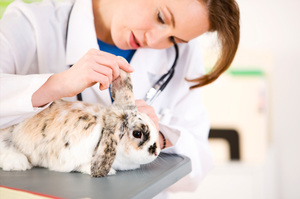 poor appetite of pets;
In its acute form, the disease is accompanied by convulsions and death of the animal within two weeks.
Treatment is carried out with sulfonamides, which include norsulfazole and sulfadimethoxine. The medication is added to food. The course of treatment is 5 days.Norsulfazole is administered at a dose of 0.4 g per kilogram of live weight. Sulfadimethoxine is administered as follows: 0.2 g on the first day and 0.1 g thereafter.
To prevent the disease, iodine is administered to females instead of water according to a specific regimen. The following measures are also recommended to prevent coccidiosis:
- Do not make solid floors in the cages, but rather lattice, plank or slatted floors.
- For lactating females, wash the nipples with warm water once a week.
- Feed only in feeding bowls.
- Do not feed animals sour herbs, bran, or legumes.
- Every ten days, disinfect the cages by treating them with a blowtorch or scalding them with boiling water.
It is not recommended to leave sick individuals in the herd.
Hemorrhagic disease or VHD
Because the disease airborne It spreads very quickly between animals themselves and through their by-products. VGBV can be transmitted through feed, untreated equipment, transport, and feces. Wastewater is a common source of infection.
Hemorrhagic disease is asymptomatic. A seemingly healthy pet with no signs of illness suddenly dies, sometimes with screams. Pregnant and lactating females are at risk. The disease often affects individuals between two months and six years of age. Good immunity to hemorrhagic disease is observed in individuals under one month of age.
Because There is no treatment for VGBKThe mortality rate for animals is approximately 90%. Recovered rabbits are also subject to culling, as they are a source of infection. Areas housing sick animals, their feed and storage areas, equipment, and transport vehicles are disinfected.
Timely vaccination will help protect animals from hemorrhagic disease.
Disease prevention
 Comfortable living conditions are one of the main conditions for the prevention of various diseases. So that the cages always have good air circulationTo ensure proper hygiene and prevent waste accumulation, the floor should be made of slatted materials. Straw, which harbors parasites, should be regularly removed from around the rabbits' enclosure. To prevent bacteria from growing, remove food scraps and change the water daily. Periodic disinfection of the cages is recommended.
Regular checkups of your pets will help detect symptoms early. Particular attention should be paid to mucous membranes, as this is where the first signs of various diseases often appear.
Vaccination
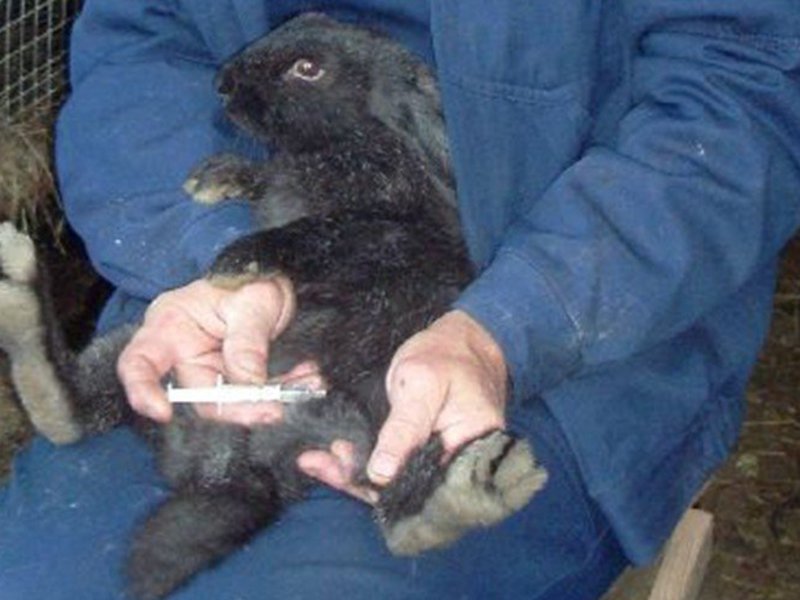
For the purpose of prevention against the most dangerous diseases of rabbits, special vaccines have been developedThe most common of these protect animals against myxomatosis and VGBK. The latter vaccine is administered to rabbits starting at 1.5 months of age. A booster dose will be necessary after 6-9 months. Combination vaccines are now available that can protect rabbits against several diseases simultaneously.
It's essential to purchase the vaccine from a reputable source, checking its expiration date. For the medication to be effective, it's recommended to adhere to the vaccination schedule. The vaccine is administered only to healthy animals, as it will be ineffective in sick animals.
Clean conditions for keeping rabbits, proper nutrition, regular disease preventionCaring and attentive care for your pets will yield excellent results. They will thrive, gain weight, and produce excellent quality fur and healthy offspring.