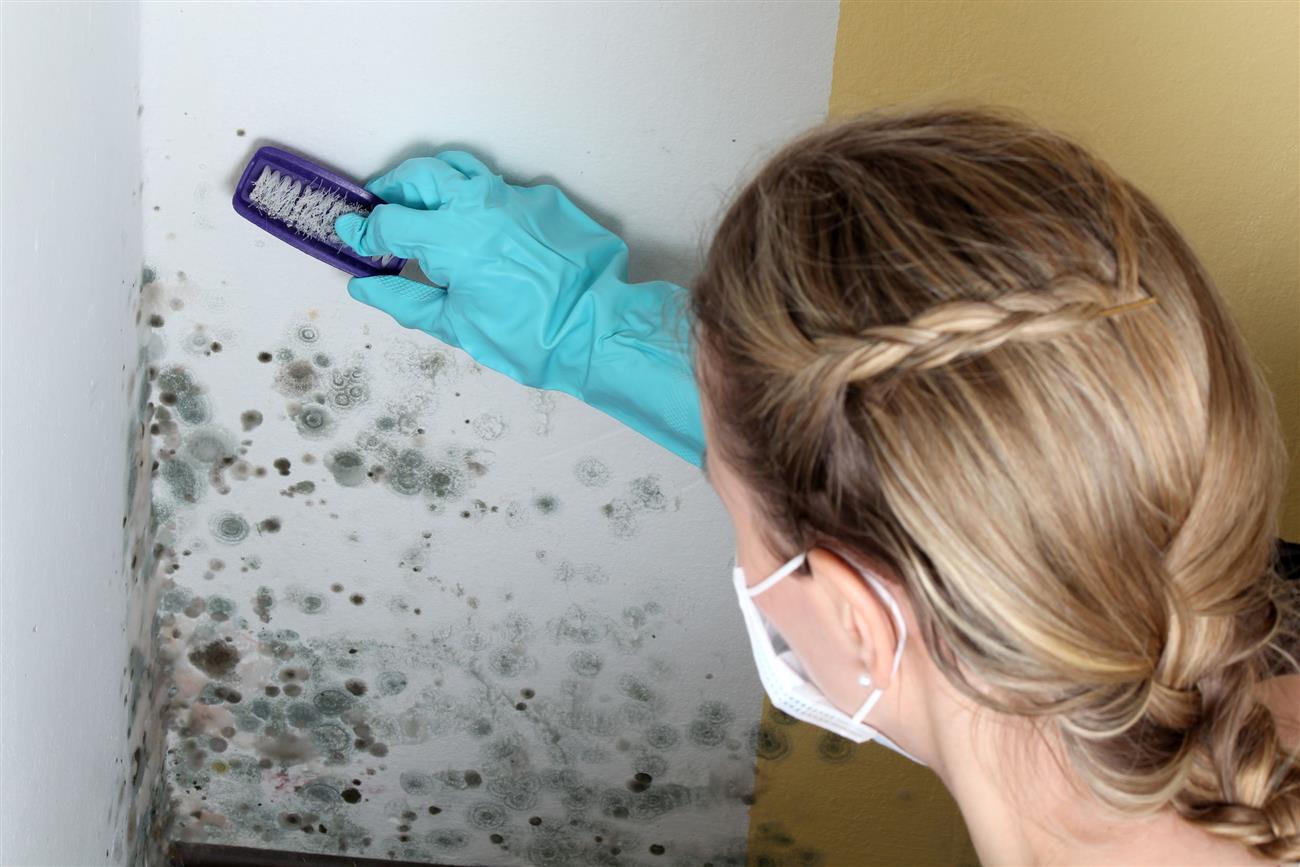
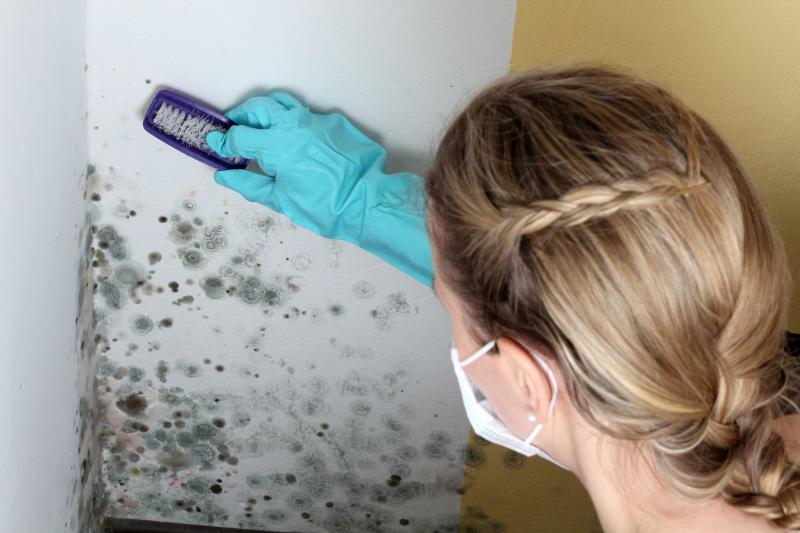
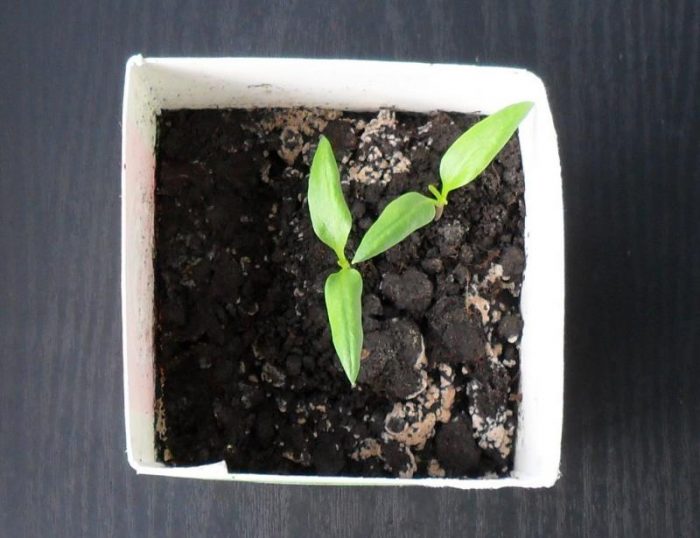
We think of a washing machine as a bastion of cleanliness, leaving laundry feeling fresh and renewed. However, sometimes you might notice an unusual and unpleasant odor coming from freshly washed clothes. Most often, this is caused by mold in the washing machine. Is it possible to restore the cleanliness of the machine itself and your clothes?
Content
Mold: causes of its appearance
First, let's understand what mold is and why it occurs. First and foremost, it's a type of fungus and grows in the same way as the familiar forest fungi (in colonies in warm, humid areas). It's no surprise, then, that mold growths appear inside the washing machine—it's water-related and typically found in the bathroom. In reality, there can be several underlying causes for mold growth:
- Insufficient ventilation. Combined with high humidity—especially in the bathroom—this creates the perfect conditions for fungi.
- Mold infestation. If mold has already taken hold in your home, it will inevitably spread to your washing machine.
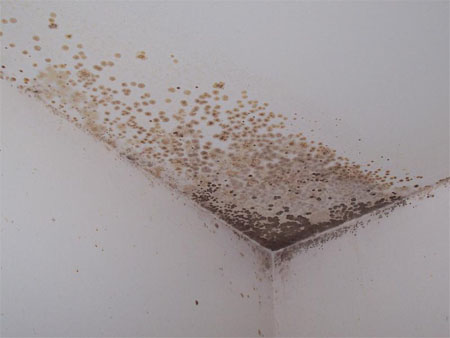
The main sign of black mold is the appearance of dark and gray spots.
- A confined space. Many people immediately close the washing machine after washing, which only helps mold gain a foothold. Incidentally, leaving damp laundry and clothing inside for long periods of time will have the same effect.
- Low washing temperatures. Hot water is not favoured by mould, but washing at 30–40°C °It is very comfortable for her.
- Using fabric softeners. These products themselves don't promote mold, but their residue on the walls of the machine can become a breeding ground for fungus.
How to detect the problem
Mold is easy to detect: its odor is almost always noticeable. This is a high probability, however, of course, indicating that the mold has already spread quite extensively. However, it's possible to detect the beginnings of an infestation even before the characteristic odor appears.
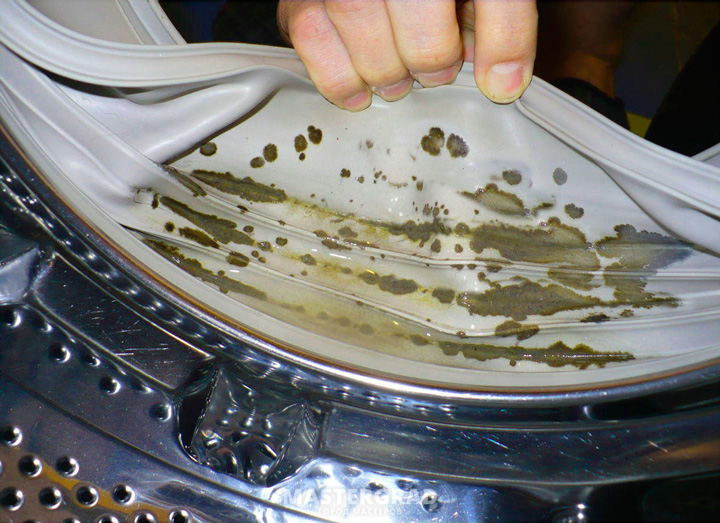
Mold on the rubber seal of the washing machine door is very common.
You may find signs of mold in the following areas of your washing machine:
- on the hatch and its parts, most often on the hinges and rubber seal;
- inside the drain and inlet hoses;
- on the surface of filters;
- in the tray intended for powder and rinse aid.
What are the dangers of black mold?
If you think that the unpleasant smell and untidy appearance of your washing machine are all problems caused by mold, then you are very much mistaken. After all, one of its most dangerous varieties for humans, the black one, starts up in the bathroom and in the washing machine.
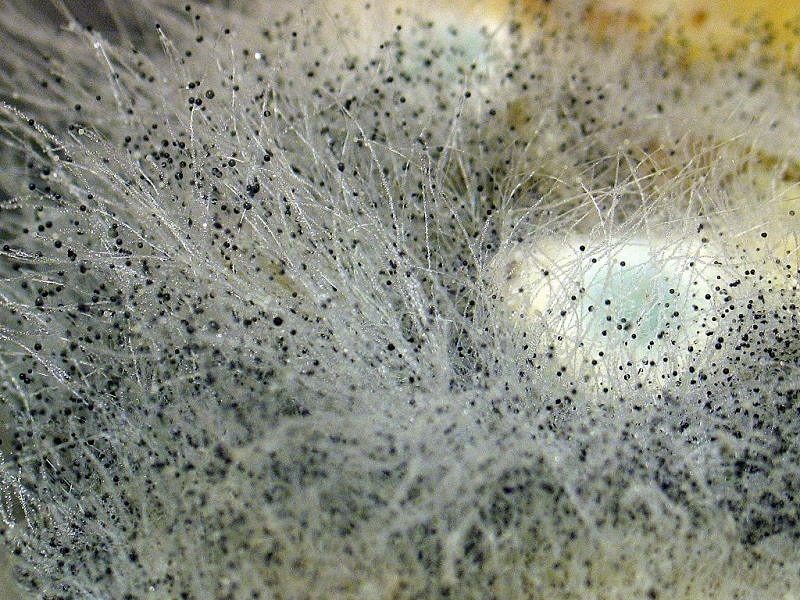
When looking at black mold under a microscope, you can see spores and intertwined threads
This mold also has many subspecies, and many of them are far from harmless. Fungus can cause allergies in you, your children and animals. It can also cause a runny nose, dizziness, and nausea. Your washing machine is also at risk. Affected surfaces are usually made of plastic and rubber, and microscopic fungi gradually destroy these materials.
Methods for combating mold
Now the picture is crystal clear: mold is not only unsightly, but also truly harmful to people and their homes. Getting rid of it is indeed essential. It's not easy, but there are several effective methods. The preparatory phase for each method is the same and consists of the following steps:
- You must wear gloves and a respirator;
- the washing machine itself needs to be ventilated;
- The hoses and filters need to be removed, then cleaned and dried separately (in particularly severe cases, it is better to replace these parts entirely).
Note: If you're unsure about handling the problem yourself, consider calling a professional.
Mold Repellent Chemicals
Let's start with professional cleaning products, which are now available at any hardware store. Mold in bathrooms and washing machines is a fairly common problem, so there's a wide range of products available to treat it. The main thing to remember is that for this purpose, fungicidal agents are needed, not ordinary cleaning agents: the fungus must not only be removed, but destroyed completely (along with the spores). The same products that remove mold from other surfaces (Fongifluid, DALI, Olimp Stop-Mold, etc.) are suitable for washing machines. They should be used strictly according to the instructions, after protecting your hands from possible contact with the product. Aerosols are also suitable for removing mold from hard-to-reach areas; you only need to cover your face while using them. Many homeowners are satisfied with the results using this method.
Photo gallery: special fungicidal products
-
- ALPA Fongifluid eliminates mold on any surface (external and internal) without damaging them
-
- Titan Fungicide easily solves the problem of mold spreading in various areas and can be used as a preventative measure.
-
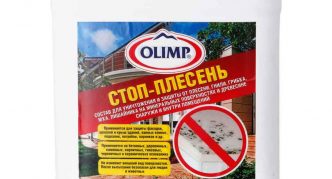
- Olympus Stop-Mold is a composition designed to combat mold fungi on the most damp surfaces.
Reviews of effective drugs
Internet users usually prefer universal means for combating mold.
Unfortunately, I've had a mold problem in my washing machine for a while now, so I can't take before and after photos. ((I'd really like to <…> I saw CILIT stain and mold remover in the store, and it worked! I applied it to the rubber, scrubbed it with a small brush, applied more, and left it for about 20 minutes. Then I wiped it off with a cloth, and the mold came off very easily and hasn't returned. I'm thrilled!
Unicum bathroom mold remover. I never thought I'd encounter a problem like mold. But it didn't pass me by. <…> It started in my new washing machine. <…> I bought this product for only 170 rubles. It has a convenient spray bottle that helps you reach even the most difficult spots. <…> The mold on the rubber seal also "died," but the seal itself turned black.
However, there are also special cleaning products for washing machines. They are also effective in eliminating the problem.
Dr. Beckmann Washing Machine Cleaner <…> The product comes in interesting packaging and is intended for use twice a year. In fact, the bottle is only enough for two uses. 250 ml – half is used up in one use, i.e., ~125 ml. If you try pouring 2/3 of the bottle or more into the machine, the foaming will be very strong, so I recommend cleaning with half the bottle’s contents. This way you’ll save product and be sure the machine won’t leak. <…> When I first tried it, I didn’t trust it, but I followed the instructions: I soaked the powder container and drain filter in the solution for a while, wiped the rubber seals with a cloth soaked in the solution, and ran the machine on the Cotton program at 95°C with a quantity of ~50–75 ml. There was a moderate amount of foam, but the smell intensified as the water heated up, and after the cycle, the machine smelled like Toilet Duck for a while. I don't remember how I got rid of it; maybe I ran another Super Rinse or another empty cycle with baking soda, but the unpleasant musty/mildew smell disappeared from the machine! The rubber seals were pristinely clean.
Folk remedies for getting rid of mold
Traditional home remedies for mold also have many followers. This is not surprising: almost everyone has everything they need on hand. Another advantage of using them is their relative safety compared to specialized chemical treatments. The following are the most popular home remedies for mold:
- Whiteness. This bleach helps combat this problem thanks to its powerful chlorine concentration. It's recommended to pour the product into the detergent dispenser (1 liter is enough) and run a long wash at 90°C. °C. Once the water has reached this temperature (approximately 2 hours), pause the cycle (1-2 hours) to allow the insides of the machine to thoroughly clean. Once complete, pour 9% vinegar into the detergent dispenser and run the rinse cycle. Afterward, thoroughly ventilate the washing machine: leave the door open for a few days and do not put anything in the drum. Furthermore, this procedure should not be repeated more than once every six months. It is important to remember that chlorine can damage rubber, so this method cannot be called gentle.
- Citric or acetic acid. Using the former, you'll only need 400 grams, while using the latter, you'll need a liter. When using either acid, run the wash at 90 degrees Celsius (194 degrees Fahrenheit) and then air out the machine. This cleaning can be performed more frequently (once per season).
- Baking soda. This method works if the mold is small and easily accessible. To do this, mix the solution with water to form a thin paste and coat the affected areas and machine parts with the mixture. After half an hour to an hour, run a wash cycle without any items, but add a spoonful of laundry detergent.
- Copper sulfate. The method for using this substance is almost the same as baking soda. However, extreme caution is required, as copper sulfate is toxic to humans. To use the substance, dilute a pinch with a glass of water and let it sit for a couple of hours until the sediment completely dissolves. Then, moisten the mold growth with it and leave it for 24 hours for the solution to fully penetrate. Afterwards, gently remove the dirt with a soapy sponge and rinse.
- Hydrogen peroxide. It's best to use this solution in tablet form—you'll need about ten. Place the peroxide in the detergent dispenser along with 200 g of baking soda, then run a high-temperature wash cycle. The process can be repeated. This method is quite gentle, so it's only suitable if your washing machine isn't already covered in thick black deposits.
Photo Gallery: Popular Traditional Remedies
-
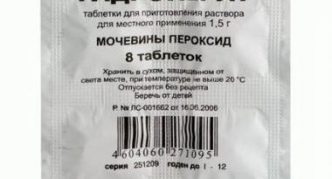
- Using hydrogen peroxide is one of the safest ways to remove mold.
-
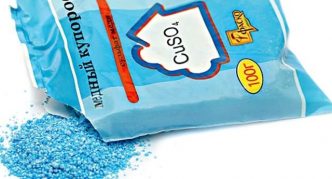
- Washing machine surfaces and parts treated with copper sulfate solution are not susceptible to mold contamination for a long time.
-
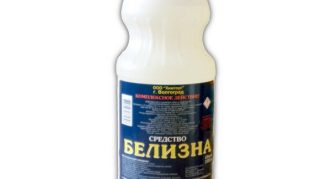
- Bleach has mixed reviews as a mold remover, but it can eliminate the problem for a while.
Reviews of home remedies
You can treat the machine with a vinegar solution. Alternatively, you can use a chlorine-based product and run the machine through an empty cycle. Some people also use copper sulfate, adding it to the dispenser, but I haven't tried that.
Copper sulfate will react with the iron in the stainless steel, coating the surface with a thin, pink copper layer. Remember that school experiment where you dipped a nail in a copper sulfate solution and copper would settle on its surface? Indeed, copper-based antifungal agents are produced. But that's far from the case here. Such copper-plated stainless steel will subsequently become vulnerable to corrosion.
Preventing mold growth
After spending a lot of time and effort fighting mold, you're probably hoping for only one thing: for the problem to never return. But even if you're one of those lucky few whose washing machine has escaped such a sad fate, it's worth being vigilant in advance. To do so, take the following steps:
- Ventilate. It sounds obvious, but it bears repeating: ventilate the room where your washing machine is located, and if possible, move it to a drier, brighter place, such as the kitchen.
- Don't forget your laundry. Remove all items from the machine immediately after washing. This will not only prevent mold growth but also prevent clothes and linens from becoming moldy. It's best to place dirty items you plan to wash in a special basket.
- Wipe dry. Once your washed laundry and clothing have left the washing machine, wipe it thoroughly and dry. You can do this with a towel or just a rag—just make sure they are dry and clean.
- Fight mold. If mold has already covered the ceiling, walls, or furniture, be sure to remove it before it spreads to the washing machine, as it has many hard-to-reach areas and parts.
- Wash with hot water. Give your machine a bubble bath once a month: run it on a 90-degree cycle with an empty drum and bleach.
- Organize a "cleaning day." Once every six months, run your empty washing machine through a hot wash cycle with citric acid or vinegar.
- Check the hoses and filters. Mold often appears on these parts, and it's quite difficult to detect and remove. Don't forget to remove these components and clean them periodically. If you're confident in your technical skills, you can do this yourself using the instructions, but if not, call a professional.
As terrifying and disgusting an enemy as mold may seem, it's certainly possible to combat it. However, it will take a considerable amount of time and effort, and in some cases, money. Therefore, don't forget about preventative measures to prevent these harmful fungi from appearing in the first place. Be more attentive to your washing machine, remember to regularly inspect and clean it—and in return, it will leave your laundry and clothes clean and fresh.