Ticks found in nature can carry dangerous diseases, including encephalitis, Lyme disease, and others. How can you protect yourself from them?
Content
How to protect yourself from ticks using folk remedies
Chemical tick repellents provide the most effective protection. But if you're heading outdoors and don't have any on hand, you can try folk remedies to keep the dangerous bloodsuckers at bay. There are quite a few such remedies available around the home.
Tar
The smell of tar repels ticks, so it is often recommended to tie a wool thread soaked in it to exposed parts of the body. You can also use tar soap and shampoo; they have a strong smell, but it disappears fairly quickly in the fresh air.
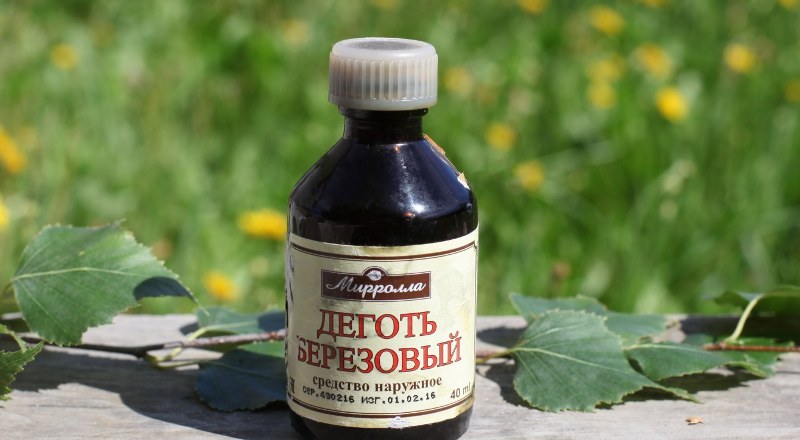
Tar repels not only ticks, but also mosquitoes.
A more reliable remedy is a tar solution:
- Take 700 grams of tar and mix it with two liters of warm water.
- Stir until the mixture is smooth.
- Let the resulting solution steep for at least 9 hours.
- Store in a glass, tightly sealed container in a cool place.
- Apply to hands, face and other exposed areas of the body.
Vanillin with vodka
Ticks also dislike the scent of vanilla. Vanillin is even added to some aerosols for blood-sucking insects. Folk remedies containing it are effective for one and a half to two hours, after which a second treatment is necessary. You need to use vanillin. Vanilla sugar that is used for baking is not suitable, it has a slightly different smell.
Vanillin tincture on vodka:
- You need to take vanillin and vodka in a ratio of 1:50, for example, 2 grams of vanillin and 100 ml of vodka.
- Mix the ingredients.
- Infuse the mixture in a cool place for a week.
- Spray on clothing and exposed body parts.
Vanilla alcohol:
- Stir a packet of vanillin into a tablespoon of alcohol.
- The mixture can be stored for any amount of time in a closed container.
- Before use, dilute vanilla alcohol with water in a proportion of 100 ml of water per 1 teaspoon of the mixture.
- Spray with a spray bottle.
Essential oils
Essential oils can also help fight ticks. However, allergy sufferers should be careful – the oils have a strong odor, so before using them, you need to make sure that they do not cause any adverse reactions.
Tea tree
You can use tea tree essential oil to make a tick-repellent mixture that you can rub on before going into the woods.
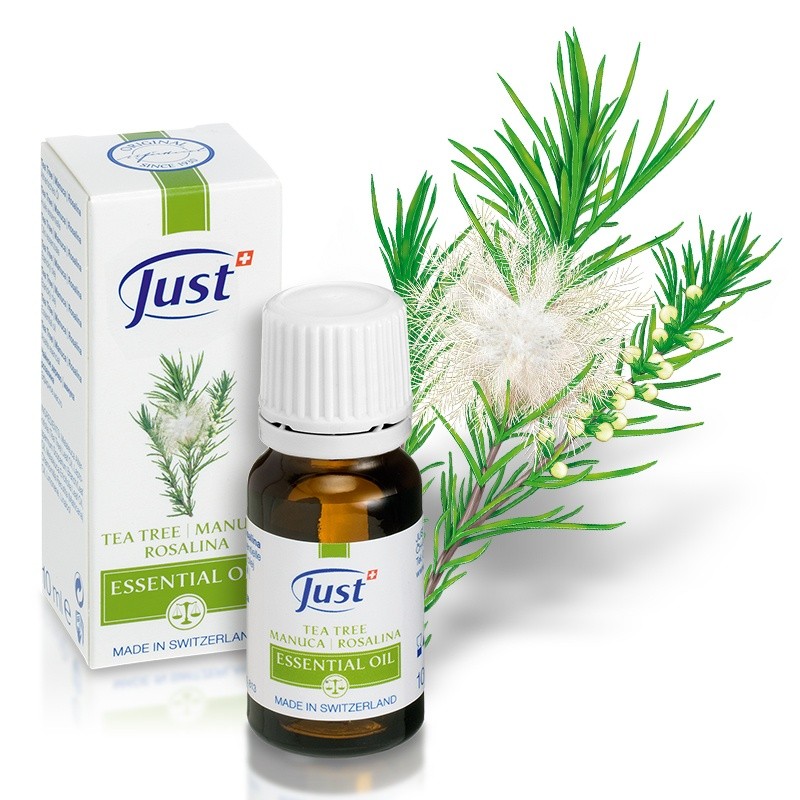
Tea tree essential oil has an antiseptic effect.
Method of preparation:
- Take 50 ml of water and 10 drops of oil.
- Mix water and oil in a container, preferably with a spray bottle.
- Shake well and apply a small amount of the mixture to your hair, neck, limbs, and other body parts. You can also spray it on your clothes.
Carnation
A tick repellent spray is prepared with clove essential oil.
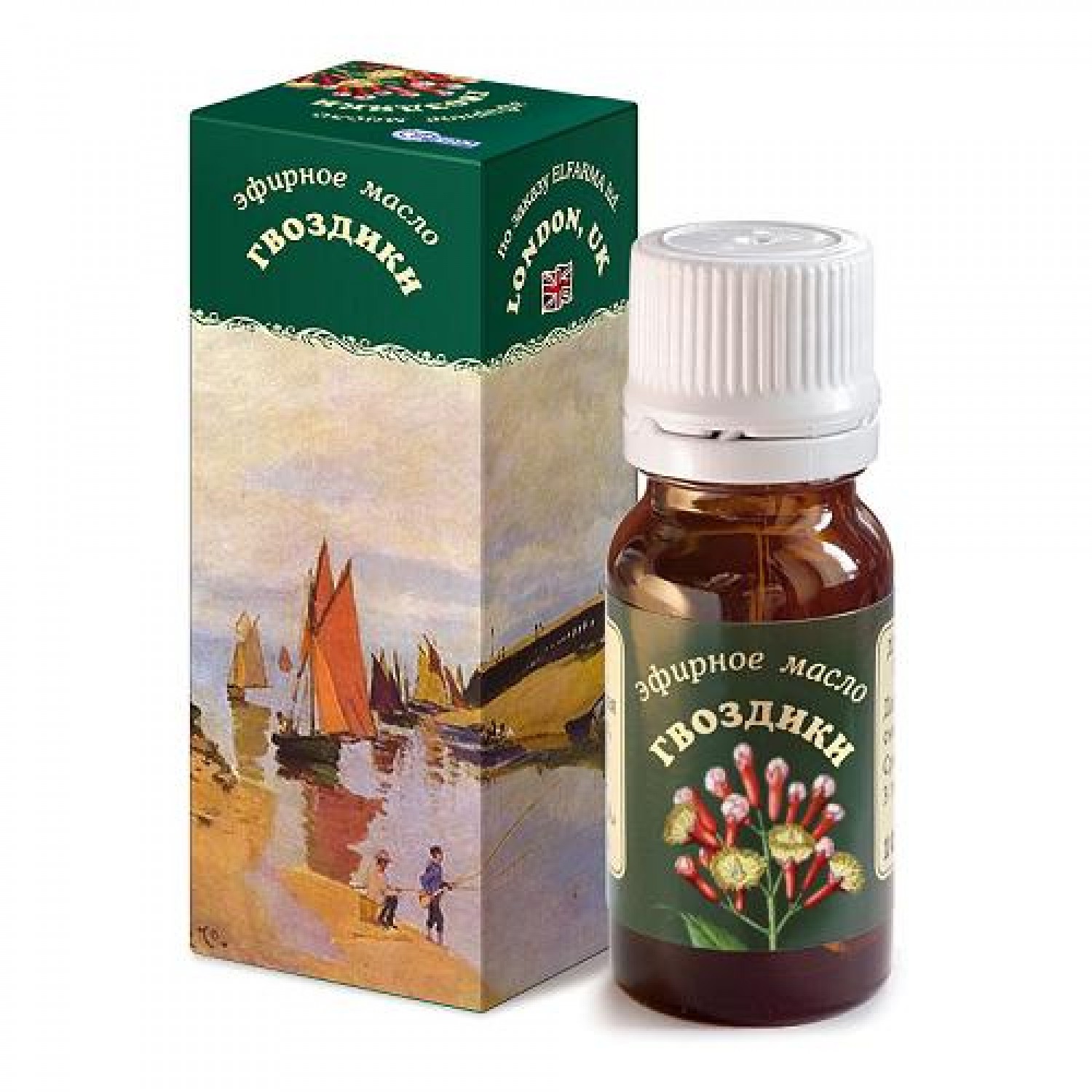
If sensitive skin does not allow the use of clove oil in its pure form, it is best to make a cream or spray based on it.
The principle of preparing the spray:
- Take 200 ml of water, mix with a tablespoon of clove oil.
- Add a little alcohol, maybe half a teaspoon.
- Mix the ingredients and pour into a spray bottle.
- Apply to clothing and exposed areas of the body.
This remedy also helps against bed mites; it is sprayed on blankets, pillows, and sleeping areas.
Geranium and lavender
A product based on sunflower oil with essential oils of geranium and lavender can be rubbed into the skin:
- Take three teaspoons of regular sunflower oil, add a teaspoon each of aloe juice, lavender and rose geranium essential oil.
- Shake the resulting mixture for several minutes.
Vinegar
You can repel ticks using mixtures containing vinegar.

To avoid burns, you should use table vinegar, not its essence. You can also prepare table vinegar from its essence yourself before making the anti-tick product.
There are two options for preparing a tick repellent:
- Apple cider vinegar. To prepare the mixture, mix 100 ml of apple cider vinegar, 20 ml of liquid soap, 2 drops of lavender essential oil, and 400 ml of warm water. You can substitute Zvezdochka balm for the lavender. For sensitive skin, add an additional 30 ml of aloe vera juice. Periodically massage the skin with the mixture while outdoors.
- Using table vinegar. Take a bottle of vinegar, add a glass of water, and 15 drops of eucalyptus or citrus essential oil. Mix well and place the mixture in a spray bottle. Spray your clothes and exposed skin before going outdoors.
Garlic
Ticks can't stand the smell of garlic. You can ingest it in large quantities, which will also strengthen your immune system. However, applying mixtures containing it to your body is more reliable. You should not rub yourself with undiluted garlic juice, as this can cause burns.

Garlic can be taken internally or made into a spray for external use.
Garlic tincture:
- Take 100 grams of alcohol or vodka.
- Pour a finely chopped or grated head of garlic over it.
- Spray the body and clothes with a spray bottle.
Child protection products
Children's skin is sensitive and delicate, so you need to choose products that do not irritate it. Vanillin can be considered the most gentle, it is harmless. Alcohol-based products should be applied every half hour while outdoors. It's best to use water-based solutions or a mixture with baby cream, as alcohol is not recommended for children, even externally.

Vanilla used in confectionery helps protect against ticks and blood-sucking insects.
Aqueous solution of vanillin:
- Dilute 1–2 packets of vanillin in 250 ml of warm water.
- Stir until the vanillin crystals are completely dissolved.
- Spray the body and clothes using a spray bottle.
Cream with vanilla:
- Mix vanillin and baby cream in a ratio of 1:10 respectively.
- Lubricate exposed areas of the child's skin.
All commercially available chemical tick repellents are toxic, so even acaricides labeled “for children” can only be used by children aged 3–5 years.
Traditional methods of animal protection
Forest ticks are not as dangerous for pets as they are for people. However, there is a slight risk of pets contracting life-threatening diseases such as canine piroplasmosis and feline haemobartonellosis. Furthermore, parasites can be transferred from animals to humans.
Folk remedies used to protect people are also suitable for pets. An exception is products containing vinegar, since animals lick themselves, and the vinegar can get inside, which is harmful to health.
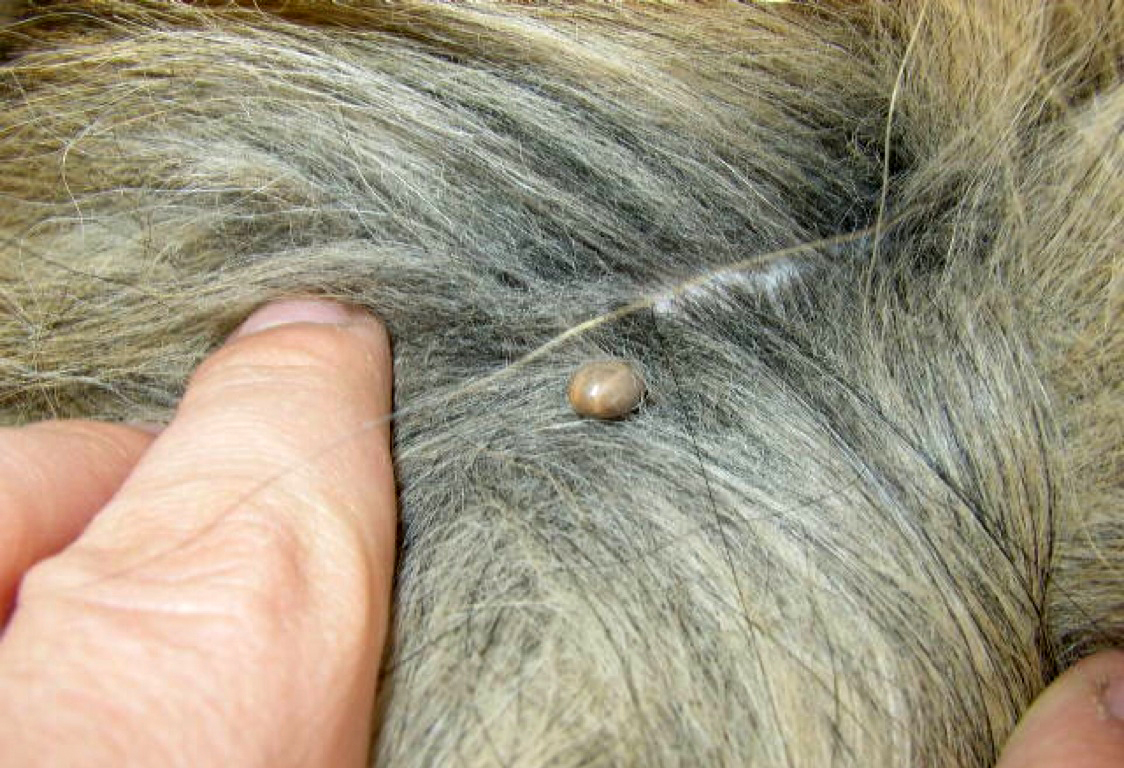
In thick animal fur, it can be difficult to detect a tick before it has fed on blood.
You can simply sprinkle vanilla extract on your dog or cat, working from head to tail. Rub the vanilla extract thoroughly into the body, especially in areas with thick fur. This will help repel ticks until your pet's next bath.
What plants will repel ticks in your garden?
To protect your garden from tick infestations, you can plant tick-repellent plants. This way, your flowerbed will not only be pleasing to the eye but also beneficial.
Many plants with a strong odor are unpleasant for ticks:
- lavender;
- rosemary;
- sage;
- catnip and marsh mint;
- marigold;
- calendula;
- pink geranium.
Photo Gallery: Plants That Repel Ticks
-

- Lavender is valued for its beauty and pleasant scent, but ticks cannot stand it.
-

- Marsh mint and catnip are very effective at repelling ticks.
-
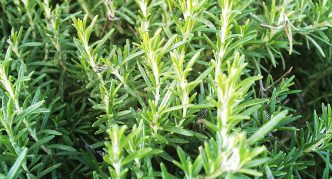
- If you plant rosemary shoots throughout your garden, ticks will not appear in your garden.
-

- The scent of rose geranium, released when the leaves are rubbed or broken, repels ticks.
-

- The strong scent of marigolds is repulsive to ticks.
-

- Besides ticks, calendula repels tomato worms.
-

- Sage is a well-known herb, but it can also repel ticks.
Contraindications to the use of folk remedies
The only contraindication is an individual intolerance to the ingredients in folk remedies. You can test for this with a specific remedy as follows:
- Wash and dry the skin on your elbow or wrist. These areas are where the reaction to the substance is most visible.
- Take the prepared tick repellent and rub it into the skin in a small amount or spray it on, depending on how it should be used according to the instructions.
- Wait a while and check for any skin reactions. To be on the safe side, it's best to wait 24 hours before considering the product safe.
- If you experience any unpleasant sensations, such as itching, burning, tingling, redness, pimples, peeling, or other adverse reactions, do not use the product. Test the mixture with other ingredients.
If a person is prone to allergies, then in any case, after applying a chemical or folk remedy against ticks, it is necessary to have anti-allergy medications on hand.
It's important to remember that no remedy provides 100% protection against tick bites. They only make attacks less likely. To avoid unpleasant consequences, despite using folk remedies, you should regularly inspect yourself and your children for bites or the presence of ticks.
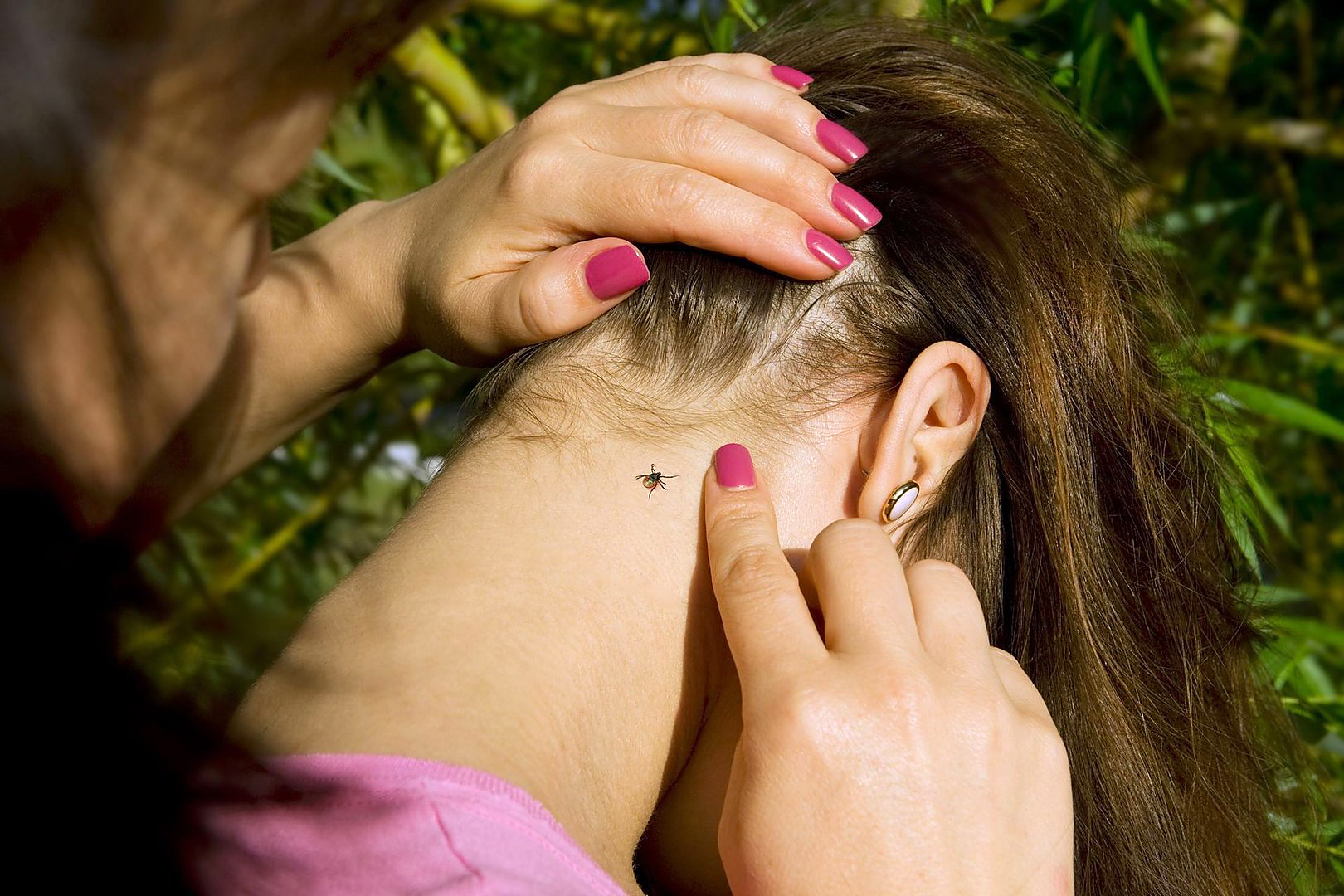
Most often, ticks bite in areas with delicate skin - the groin, armpits, scalp, folds of the arms and legs
The best way to protect yourself from a tick bite is to spot it early. Ticks don't attach to the skin immediately; it takes about two hours for them to attach, so when outdoors, you should check yourself and your children every hour.
Pregnant and nursing mothers are advised to use only those products that are suitable for children.
Reviews
I also heard somewhere that certain scents repel ticks. For example, the scent of sage, rosemary, marigold, and garlic. I think you can easily find balms or oils with these scents at the pharmacy. They're essentially harmless, so you can safely apply them to your child. A friend also suggested this recipe: add a few drops of geranium juice to almond oil. It should also help repel ticks.
If you don't want to use chemical repellents, try making a natural one. Use vinegar. Mix vinegar and water in a 2:1 ratio, then add eucalyptus oil, citrus oil, and peppermint extract. Mix everything well and pour it into a spray bottle for easy and even application. This product provides tick protection without causing any harm. However, it only lasts for about an hour, so if you're planning a long walk, it's best to take it with you.
To all breeders of CAO and other breeds!!! Our biggest problem is ticks... I've tried everything: Bars, Figars))), Brovecto, and other remedies! I treated my dogs three times a year after infestations. Until I found the simplest remedy. A scientist suggested it!!!) 2 grams of vanillin (not vanilla sugar, vanillin!) per 100 grams of vodka. Let it sit for 7-10 days and spray the dog's limbs, belly, and withers. THE TICK SIMPLY WON'T LAND!!! (It doesn't cling). Health to your pets!
Tick Repellent: 2 tablespoons of vegetable carrier oil (if you're making a tick repellent, for example, for dogs, use sweet almond oil; it contains a small amount of sulfur, which also works on ticks). 10-25 drops of geranium or palmarosa essential oil. Mix the essential oil and carrier oil; the mixture will keep for 6 months. To protect against ticks, apply a few drops of the mixture to clothing and skin, avoiding the eye area. In addition to geranium essential oil, you can also use palmarosa essential oil for tick protection; it's less expensive but has the same properties.
Therefore, using folk remedies, the ingredients for which can be found in any home, will reliably protect against ticks, and careful inspection after returning from outside will help take timely action if a bite does occur.