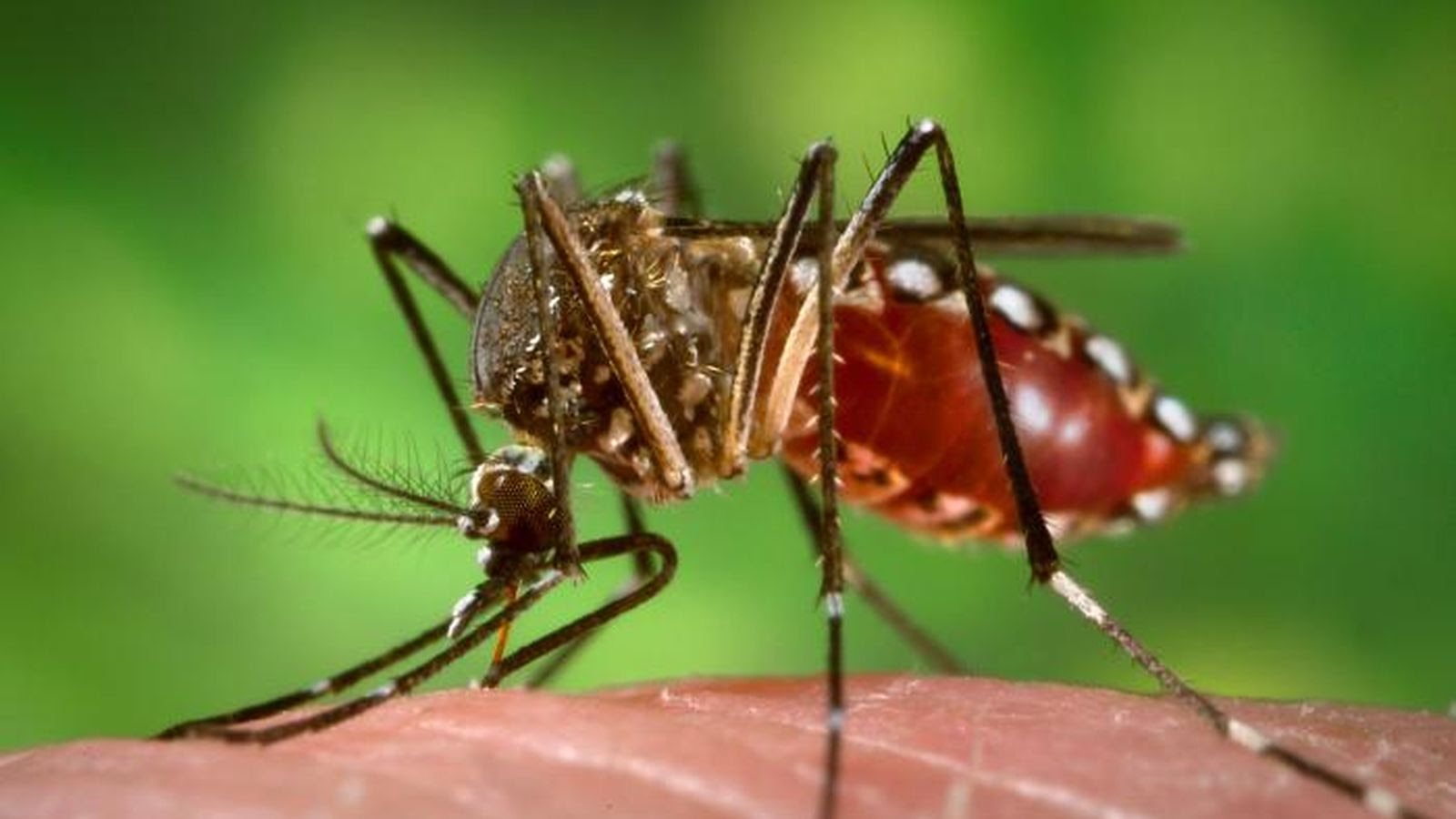
Mosquitoes are extremely unpleasant blood-sucking insects. Their bites are particularly painful due to a substance injected into the victim's bloodstream. This substance causes an allergic reaction, manifesting as reddening of the skin and itching that lasts for several days (especially if the affected area is rubbed). Other symptoms may also occur, but all are unpleasant and cause significant discomfort. The solution is to use mosquito repellents. These can include substances created in chemical laboratories, but the question arises: are they safe? And what about small children? There are also natural insect repellents—the essential oils of various plants. Many people prefer these in the fight against mosquitoes.
Content
Which essential oils repel mosquitoes?
Essential oils are a natural product often used in cosmetology and medicine. They can be found in any pharmacy, as well as in specialty stores.

Some essential oils (for example, lemon balm) not only repel mosquitoes, but also have a very pleasant aroma.
Essential oils can be extracted from virtually any plant. However, they all have their own distinct properties and affect humans, animals, and insects differently, so not every essential oil will be effective against mosquitoes.
Essential oils have a beneficial effect on human skin and hair, relieve itching, inflammation, and have many other beneficial properties, but not all of them are effective against insects.
So what oils should you use to finally get rid of the bloodsuckers?
Clove essential oil
Clove oil is obtained from the buds of this plant. It is a highly concentrated extract. It cannot be applied to the skin without a base oil (any vegetable oil) - you can get a serious burn.

Clove essential oil can cause burns and irritation of the mucous membrane, so you need to be extremely careful with the product.
Clove oil has the following beneficial properties:
- contains a huge amount of volatile substances that irritate and repel mosquitoes;
- It can have an antiseptic effect: it can be used when bumps appear at the site of bites, and they will go away very quickly;
- is a healing and soothing agent: it very quickly relieves irritation after a bite.
Clove essential oil can be dangerous if used in its pure form or if the recommended proportions are not followed:
- to get rid of mosquitoes: mix 2 tablespoons of any vegetable oil (sunflower, olive, etc.) with 15 drops of clove essential oil;
- repel mosquitoes from a fire: pour a third of a jar of essential oil into the fire, and the vapors will spread in all directions with the warm air;
- Treat the bitten area: mix the product with water in a ratio of 1:10.

Half a lemon with a few dried cloves inserted into it is a good mosquito repellent.
The essential oil evaporates fairly quickly (lasts on average 2–2.5 hours), so the “repellent” needs to be renewed every 2 hours.
Tea tree oil
Tea tree essential oil is often used to combat various parasites, including mosquitoes. It irritates the insects' nervous system, causing them to avoid sources of the unpleasant odor.
In addition, the product is an excellent disinfectant, but it must be 100% essential oil. The product can be sold undiluted, or it can be made up of 50% essential oil and 50% of any other base oil. A "half-diluted" product does not disinfect, but is suitable for repelling mosquitoes.

When using tea tree oil, its vapors should not come into contact with the eyes.
Essential oil in its pure form can be applied to the skin, but not more than twice in the same place, otherwise you may get a burn. You can also add 2-3 drops of the product to any cream.
Tea tree extract, like any essential oil, evaporates within 2-3 hours, so it needs to be renewed periodically.
Lavender essential oil
There are many varieties of lavender, but only the narrow-leaved variety is suitable for producing essential oil. It has a very pleasant, fresh aroma that is repulsive to insects. It doesn't matter what form the plant takes—growing in the field, in a pot, dried, etc.—mosquitoes dislike it.

Lavender oil has a very delicate, pleasant aroma that is extremely irritating to insects.
Lavender contains substances such as geraniol, linalool and camphor, which, when concentrated, can not only repel but also kill mosquitoes.
Lavender oil is completely safe for skin, even when used in its pure form, so it's safe for use on small children. There are two factors to keep in mind to avoid problems:
- Individual intolerance to the product is possible: before the first use, apply one drop to the back of the hand and wait 15 minutes. If no reaction occurs, the ether can be used;
- Essential oil vapors should not come into contact with eyes or mouth as they may cause swelling or poisoning.
Eucalyptus oil
Eucalyptus essential oil is an indispensable first aid kit item because it reduces fever, promotes tissue healing, is antiseptic, reduces pain and swelling, and is also an excellent mosquito repellent. The plant from which it is derived has a strong, distinctive camphor scent that is deadly to blood-sucking insects. A high concentration of essential oil can kill mosquitoes if they get too close.
Eucalyptus oil is very beneficial for humans, but it has a number of contraindications:
- pregnancy and lactation period;
- children under 2 years of age;
- epilepsy;
- high blood pressure;
- individual intolerance.
Eucalyptus essential oil can be applied to the skin in its pure form, but its vapors should not come into contact with the eyes or mucous membranes.

Eucalyptus essential oil has antipyretic, analgesic, antiseptic, antibacterial and a number of other beneficial properties.
Camphor oil
Camphor is a volatile white substance that accumulates in tree wood. It has a pungent, unpleasant odor (especially when concentrated, such as in essential oils) that repels and is lethal to mosquitoes.
The high concentration of the substance in camphor oil does not make it dangerous to humans; it can be applied to the skin in its pure form, but avoiding contact of the vapors with the eyes and mucous membranes.

If you mix camphor oil with any other oil, the nasty smell will disappear, but mosquitoes will still fly away.
The medicinal drug Cordiamine, which stimulates the central nervous system, acts on mosquitoes in the same way as camphor.
Citronella essential oil
The tops of the plant have a pleasant citrus aroma, and citronella oil can easily be confused with lemon oil—it is the same color and has a similar aroma.
Like all citrus-scented plants, citronella has a calming effect on the nervous system and is used in folk medicine for various ailments. However, the plant is also an enemy of mosquitoes. The aroma, which captivates many people upon first encounter, is a threat to blood-sucking insects, who try to avoid it.
Pure citronella essential oil can be applied to the skin even by small children, but one must be aware of the possibility of individual intolerance to the product.

Citronella essential oil can easily be confused with lemon oil in terms of smell.
Ways to Use Essential Oils for Mosquito Repellent
There are many different ways to use essential oils to repel bloodsucking insects. Each is highly effective, but some have contraindications. Some are suitable only for home use, while others are effective outdoors as well. There are many options, and everyone can find a suitable one.
Application to skin and clothing
The simplest and most effective method is to apply essential oils directly to the skin. Essential oils can be applied topically to exposed areas of the body or even to clothing—a few drops are enough to repel mosquitoes. The oil evaporates within 2–2.5 hours, after which it must be reapplied.
Not all essential oils in their pure form are suitable for contact with the skin. Some (clove, for example) are best used as follows: mix a carrier oil (any vegetable oil, 2 tablespoons) with the essential oil (10-15 drops) and then apply to the body. The essential oil will retain its properties, but will not cause any reaction, let alone burn.
Pregnant and breastfeeding women should consult a doctor before using any oil. Essential oils should not be applied to children under 2 years of age without first consulting a specialist. After this age, they can be applied to the skin, but with any base oil, as it is difficult to predict what the reaction to an undiluted product will be.
Aroma lamps
An aroma lamp is a truly romantic item that can not only decorate your home but also keep mosquitoes away. Using this device is pure pleasure: all you need is any aroma lamp (it doesn't matter what it looks like or what it's made of, the effect is the same), a few tealight candles, and any essential oil used against mosquitoes.
Pour some warm water into the top bowl of the lamp. There's a small window at the bottom. Place a lit candle in there, and after 3-4 minutes, when the water on top has warmed up, add a few drops of essential oil (5-15 is sufficient). The evaporating liquid will spread a pleasant, subtle aroma throughout the room, which will repel insects until the aroma lamp is empty. Afterwards, refill the top bowl.
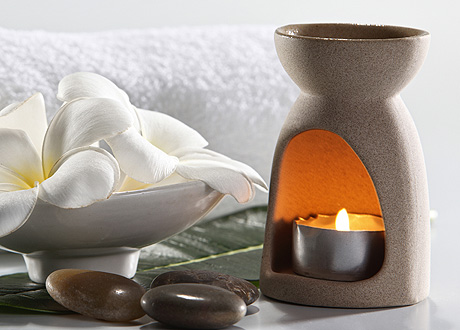
Aroma lamps will not only make any home more comfortable, but will also keep mosquitoes away.
Aroma lamps can be used in any home: they will not harm pregnant women, small children, or women during lactation. However, it is important to remember that some odors have a negative effect on the nervous system and are contraindicated for easily excitable people, while some people may be allergic to a particular aroma.
Boiling water with essential oil
An aroma lamp can be replaced with the following budget-friendly option: take a small container (150-200 ml) and pour boiling water into it. Add 10-15 drops of essential oil. This device will work similarly to an aroma lamp, but it will last longer because the water will cool down fairly quickly and there's no heat underneath (unless, of course, you place the container on low heat).
Scented candles
You can buy scented candles in any scent you like at gift and souvenir shops, but insect-repellent ones are rare. If you're looking for a scented candle, buy a regular one without any fragrance and light it. Once the paraffin (or wax) has melted slightly, add 5-10 drops of essential oil and enjoy the pleasant aroma and mosquito-free glow.
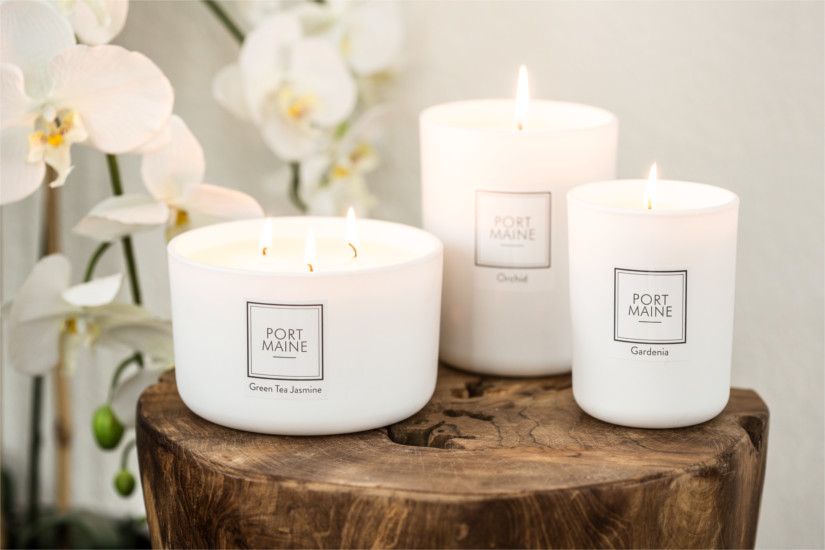
Any candle can be made aromatic by adding essential oil to melted paraffin.
Scented candles are completely safe for children and pregnant women, but you need to ensure that essential oils do not cause allergies or overload the nervous system.This is especially true for children under 5, as they become easily agitated and take a long time to calm down—putting them to sleep can be a major challenge.
Aroma bracelet and pendant
Stores sell special scented bracelets and pendants, the main element of which is a container into which you can pour a small amount of essential oil. The advantage of this jewelry is that it provides protection from mosquitoes and only needs to be refilled once a week or less frequently, depending on the container's capacity.
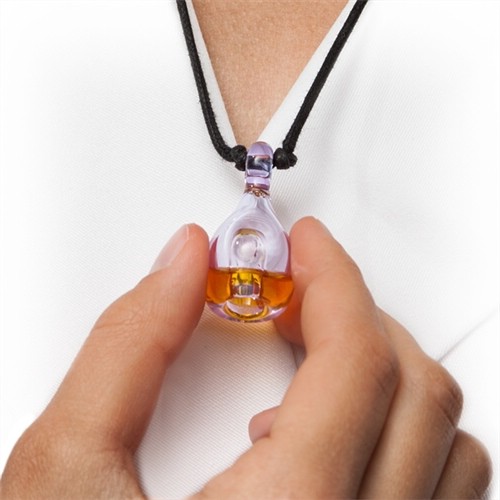
An aromatic pendant is a beautiful way to repel mosquitoes.
If you don't want to buy pendants and fill them with essential oil, you can drop a small amount of the product onto any jewelry. Before doing this, it is necessary to study how a particular ether affects metals and stones, and also take into account that in this case the aroma will evaporate quite quickly, and will need to be renewed several times during the day.
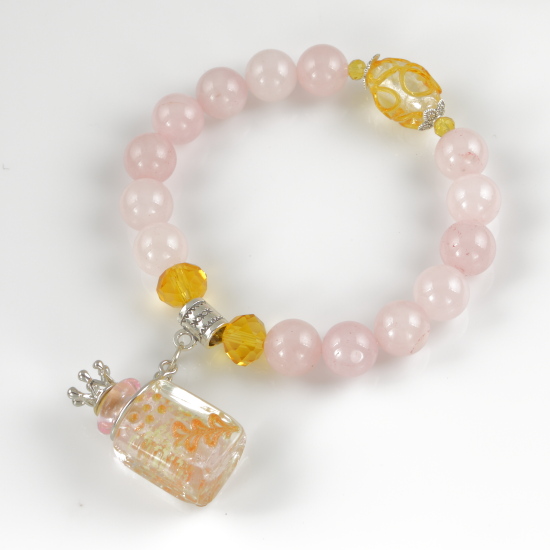
Among the elements of the aroma bracelet there are containers that are filled with essential oil
Sprays and creams
Using sprays and creams with essential oils can improve your well-being and also help repel mosquitoes, as essential oils do not lose their repellent properties when combined with other substances.
To make the spray you will need:
- clean cold water - 100 ml;
- any essential oil against mosquitoes - 10 drops.
If you want to use several essential oils in one spray, their total amount should not exceed ten drops.
Pour water into a spray bottle and add the essential oil. The ingredients won't mix due to their different densities, so shaking is unnecessary. The water will absorb the aroma on its own. The spray can be applied to skin, hair, and clothing, but avoid contact with mucous membranes and eyes.
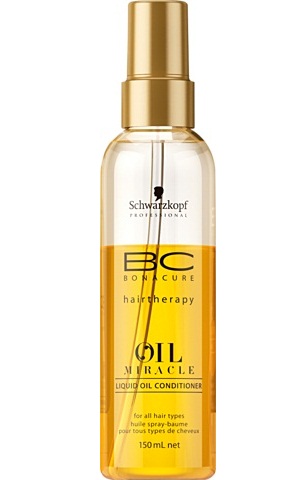
Bottles from any cosmetic products can be used as containers for sprays.
In addition to the spray, you can use a cream with any essential oil. This method is best suited for small children, who have very delicate skin.
You need to take:
- 2 tablespoons of cream: you can use baby cream, face cream, or hand cream—it all depends on who it’s for and what part of the body you’re applying it to;
- 10-15 drops of essential oil (total amount if using different oils).
You should thoroughly mix the cream and essential oil and apply it to the skin, either all over the body or in specific spots. It is not recommended to store the mixture - it is a perishable product, so it is prepared for one-time use only.

Baby cream contains a minimal amount of additives that can cause chemical reactions with foreign substances, so it is recommended to mix it with essential oils.
Oil blends
You can mix different oils together in a variety of proportions and then use them in one of the ways described above. However, when mixing, it's crucial not to overdo it and ruin the scent, otherwise all your work will be ruined.
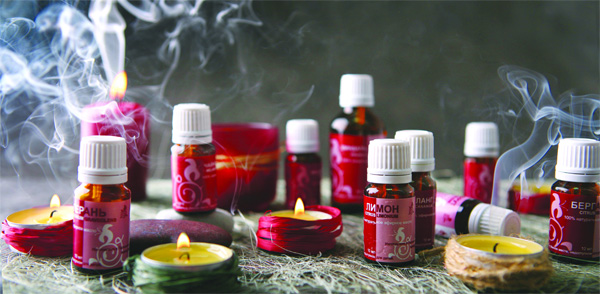
By mixing essential oils, you can not only get rid of mosquitoes, but also get a very pleasant aroma.
Video: How to Make Your Own Mosquito-Repelling Perfume
Advantages and disadvantages of essential oils
Essential oils are often used not only in folk medicine and cosmetology, but also as mosquito repellents. And they are a worthy competitor to store-bought products with similar effects.
Let's try to understand their advantages compared to repellents that can be purchased in stores and pharmacies:
- low cost of the product;
- low consumption of essential oil;
- completely natural product;
- Most oils have healing properties, so in addition to repelling mosquitoes, this remedy will also relieve itching and irritation from bites;
- The scent of some essential oils relieves fatigue, restores the nervous system and has other beneficial properties.
But there are also disadvantages that make essential oils less effective than chemical repellents:
- the oil evaporates quickly: on average, the essential oil lasts for 2–2.5 hours, after which it needs to be renewed;
- Not all extracts are effective against mosquitoes;
- Some oils cause burns when applied to the skin in their pure form;
- Individual intolerance to the product is possible.
Reviews
Elpharma's clove essential oil is truly heavy artillery. Believe it or not, it's truly the best mosquito repellent, and not just that. We all remember what it was like at the beginning of summer, when those flying monsters made life difficult day and night. That's when we brought out the heavy artillery of clove essential oil. We use clove oil for protection both indoors and outdoors. For outdoor use as a repellent, as instructed, we add a few drops of oil to lotion. For the lotion, we use Bubchen baby milk, which we bought before our son was born, but we never used it.
Tea tree essential oil is excellent for relieving the itch from mosquito and midge bites, and it also helps repel insects—tested! I always take it with me to the dacha and on outings.
You can buy lavender essential oil at a pharmacy or beauty supply store (it costs about 70 rubles). Put a few drops on a cotton pad (for a strong scent) and place it near your bed. Mosquitoes will fly away like crazy! I discovered this property of lavender essential oil by accident: someone prescribed it for insomnia. We were at our dacha, and the house was teeming with mosquitoes... But as soon as I applied the oil, they scattered as fast as if I'd sprayed dichlorvos!
Armed with all sorts of small bottles, the whole family went to the dacha. I added a drop of eucalyptus essential oil to a mosquito repellent pad, which hadn't worked at all before, and stuck it in an electric fogger! The aroma, of course, permeated the entire dacha! But, surprisingly, it worked! Not a single mosquito buzzed that night! And then I got used to adding a drop to an already used pad (it's so pale in color), and the effect was the same!
It turns out that mosquitoes are afraid of the smell of camphor oil. Of course, you shouldn't use it on a whim; it's best to discuss it with a doctor. After all, the herb has strong properties and can cause side effects.
Citronella is famous, first and foremost, for its incredible insect repellent properties. They don't particularly like lemon scents, and they avoid citronella altogether. It saved me from mosquitoes outside in the summer, and you can also spray it indoors, which will reduce the number of insects flying through your windows. We even had ants in our apartment once. I applied citronella essential oil to the spots where the ants were coming from, and after a while, they were gone completely!
There's no need to be afraid of folk remedies, as our grandparents used them to maintain their health and beauty, and they also helped them solve a wide range of problems, including those with bloodsucking insects. Even if essential oils don't repel mosquitoes, they won't cause any harm, as they are natural substances without any chemicals. However, it's important to be aware of the potential for allergic reactions in some people.