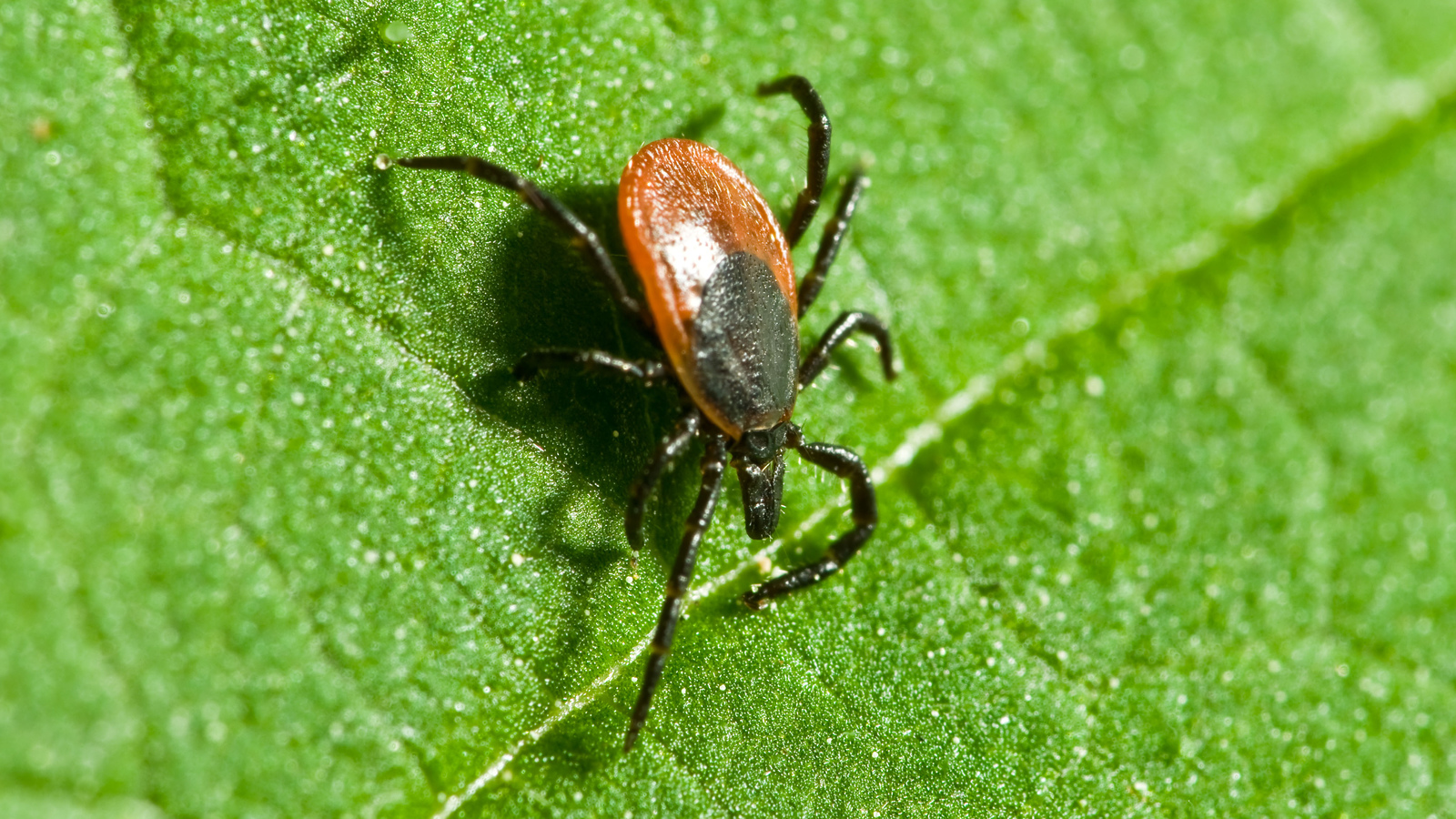
Blood-sucking ticks awaken with the first warm temperatures and remain active until the end of summer. During this time, the risk of being bitten by these parasites is always high. However, you can protect yourself, for example, by using the scent of essential oils.
What scents repel ticks?
There are repellent substances that repel these blood-sucking arthropods. Sanitary specialists in the Altai Krai, where tick attacks on humans and pets are common, have identified which essential oils repel ticks:
- tea tree;
- eucalyptus;
- mint;
- lemon.
These aromas are characterized by a sour, spicy, or bitter odor. Therefore, several other oils are also used for parasite protection due to their similar characteristics:
- anise;
- basil;
- carnation;
- geranium (palmarosa);
- lavender;
- lemongrass;
- cedar wood oil;
- Melissa;
- myrtle;
- juniper;
- fir oil;
- rosemary;
- thyme;
- citronella.
All of these evoke a sense of danger in ticks, so they tend to move further away from the source of the smell.

Using essential oils of mint, lavender, tea tree and other plants is a good protection against ticks.
Ways to use essential oils
The first thing you need to do is check your sensitivity by dropping a few drops of the aroma mixture (1 drop of oil per teaspoon of base) on your wrist or the inside of your forearm. If you do not notice any redness or itching on your skin within 12 hours, feel free to use this essential oil. Perform a breath test for allergies: apply 1–2 drops of essential oil to a cotton swab, hold it to your nose, and inhale and exhale 7–10 times. If there is no dizziness, shortness of breath, coughing, or increased heart rate within 5 minutes, use the oil.
Various forms of protective equipment are used:
- An aroma blend is an essential oil or a mixture of two or three types in equal proportions with a base vegetable oil—sunflower, corn, or other:
- base - 2 tbsp. (if you plan to apply the composition to the dog's coat, use sweet almond oil);
- essential oil - 10-25 drops.
- Spray:
- oil - 10 drops;
- cologne - 50 ml (or 200 ml of water with 1 teaspoon of alcohol).
- Shower oil:
- essential oil - 15 drops;
- soy - 5 ml;
- shower detergent - 30 ml.
Essential oils are almost never used in their pure form because they have an irritating effect on the skin.
Repellent mixtures are stored in a glass or ceramic container for up to six months in a cool, dark place. Do not make a large amount of the product if you do not plan to visit tick habitats every day.
Use natural, not synthetic, essential oils. They're easy to identify: they're clear, evaporate slowly (except citrus), and don't leave stains. To test this, take a piece of blotting paper, drop a drop of oil on it, and wait for it to evaporate. If there is a greasy stain left on the sheet, you have a fake in front of you. Natural may leave small stains, colored with pigments.
Video: Protecting Against Ticks with Essential Oils
Aromatic products for dogs and cats
To repel ticks from pets, use:
- Aroma mixture:
- base - 50 ml;
- Essential oils: thyme and tea tree - 2 drops each, citronella and lavender - 3 drops each.
- Spray:
- lavender and thyme oil - 1 drop each, eucalyptus - 2 drops;
- cologne - 1 tsp.
Instructions for using essential oils
To avoid being attacked by the little bloodsuckers while out and about, soak a piece of gauze in a few drops of the prepared solution and put it in your pocket. Before leaving the house, thoroughly treat your clothes with the aromatic mixture:
- Apply a few drops of the prepared mixture to exposed areas of skin, avoiding contact with mucous membranes. Remember not to use pure oil.
- Pre-treat clothing by spraying, wetting with a repellent essential oil mixture, or applying the repellent with a roller.
- It is better to apply the protective composition the day before the walk: spray the mixture inside a plastic bag using a spray bottle, then put things inside and close the bag.

The smell of clove oil effectively repels ticks.
To protect pets:
- Apply a few drops of the prepared mixture to your palms, rub in and carefully distribute against the grain over the entire rump, head and limbs of the animal, then comb the coat thoroughly.
- Spray the spray onto your pet’s body using a spray bottle (similar to the previous step).
- Place a few drops of essential oil or mixture into your dog or cat's collar before going outside.
- Before going for a walk, bathe your pet with regular or tar shampoo, to which a mixture of oils has been added in the following ratio: 15 drops per 100 ml of detergent.
The repellent effect lasts for 3–5 hours. If you're planning a longer walk, take any product you find convenient to use on the go and re-treat yourself and your animals.
People and animals should not use the same essential oil daily for more than three weeks. A 7-14 day break is necessary. Therefore, vary the composition of the mixture, creating different blends.
Contraindications and safety measures
While essential oils offer undoubted benefits, they can also cause unwanted side effects. Use them with caution in the following situations:
- during pregnancy, including in dogs, exclude lavender, lemon balm, juniper, and mint oils from the list of repellents;
- If you suffer from hypertension, aromas of mint, juniper, and basil are prohibited;
- if you have low blood pressure, do not use lemon, lemon balm, or tea tree;
- in case of kidney disease and epilepsy, the smells of basil, thyme and rosemary are contraindicated;
- If you are taking iron or iodine supplements, avoid lavender oil.
Also, follow safety rules when using aromatic mixtures:
- To avoid irritation, Do not apply the spray to your skin in hot weather, but treat your clothes with it instead..
- Follow clear recommendations for the ratio of oils to base components.
- If skin irritation occurs, reduce the concentration of essential oil.
- Protect your eyes with goggles when using the spray.
- If you were careless, If essential oil gets into your eyes, rinse them gently with purified corn/olive oil and then with boiled water. You can also use eye drops.Albucid or Sofradex eye drops. Then apply hydrocortisone ointment according to the instructions.
- When treating animals with essential oils, monitor their reactions. If you notice irritability or other behavioral changes, discontinue use. As with yourself, test your pet's tolerance to specific oils.
Reviews
Today we were walking on Oktyabrsky Island, and I removed three ticks from my dog. They haven't bitten in yet, though. The dog was treated with Bars drops and spray. I only sprayed tea tree oil on his face. There weren't any on his face.
I tried applying an essential oil recommended for ticks—geranium oil—just a few drops (no more!) to the collar to see if it would help. From that day on, we started finding ticks on the dogs from 20 to zero. … I applied just one or two drops—no more—of pure essential oil to the collar once a week, and indeed, there were no ticks. Consult your veterinarian before using essential oils on cats.
Eterika Citronella Essential Oil – I bought this oil as a tick and mosquito repellent. I also use it as a perfume. Pros: I confidently use it as an effective mosquito and tick repellent for my small child. The oil's pleasant scent allows it to be used in cosmetics, aroma lamps, and many other applications.
Essential oils are effective natural remedies against small and dangerous bloodsuckers. When using them to protect against ticks, be aware of contraindications and follow safety precautions.