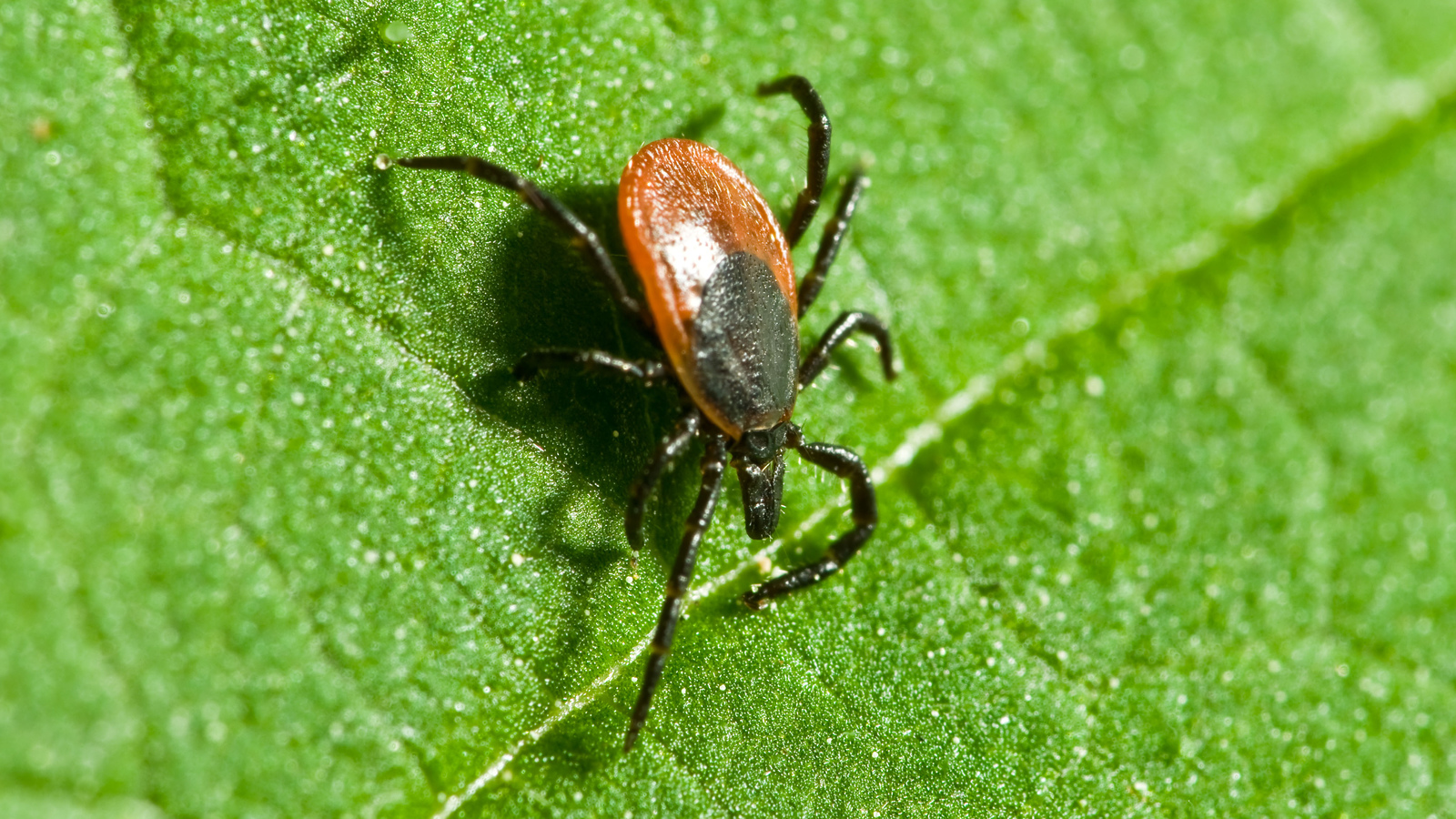
With the onset of warmer weather, dangerous parasites called ticks become active. They attack not only humans but also animals, including domestic animals. Ticks pose no less of a threat to dogs than to humans, so it's essential to protect your pet from parasites. Alternatives to chemical treatments include folk remedies.
Recipes
There are a number of home remedies that can be made. All of them repel ticks, but do not kill them. It should be remembered that folk methods cannot protect a dog from parasites 100%, so after walks you need to examine your pet for bites.Ticks typically lodge in the neck, ears, and other areas where the dog can't brush them off. During an examination, pay special attention to these areas. If the dog's fur is thick, it's also advisable to comb the pet.
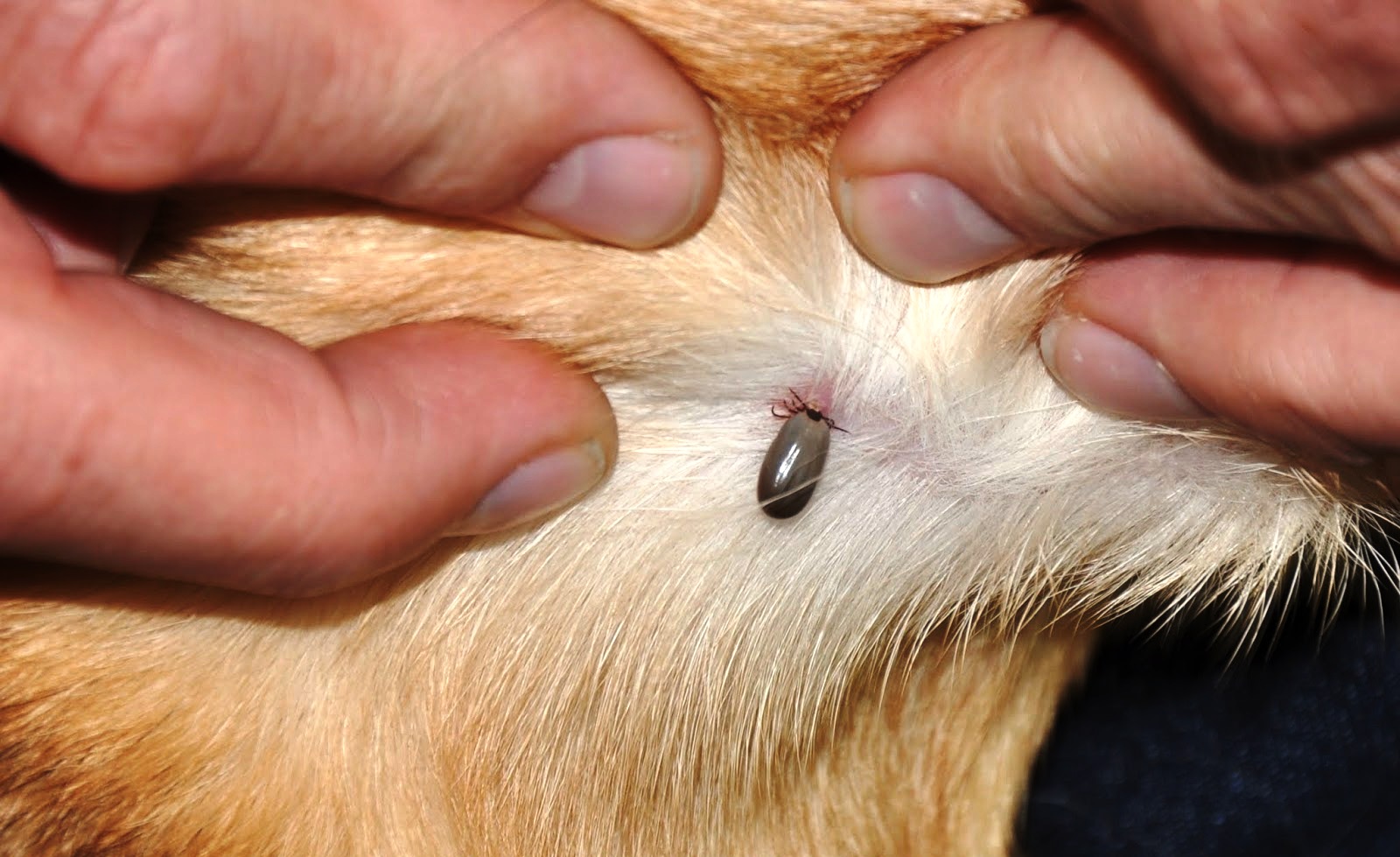
Owners of dogs with thick fur often notice the tick only after the bite, when it increases in size.
Ticks carry deadly diseases in dogs: piroplasmosis, bartonellosis, hepatozoonosis, ehrlichiosis, and borreliosis.
Treatment with any means must be carried out immediately before leaving the house.If the dog is outside all day (at the dacha, on a hike, or hunting), the product should be applied every 2–3 hours.
Essential oils
Because of the strong odor that creates the anti-tick effect, products based on essential oils can be unpleasant for dogs and impair their sense of smell. Carefully monitor your pet's reaction. If any negative symptoms or deterioration in health occur, discontinue use and try a different one. Tea tree oil is best for pregnant women and puppies.
Essential oils that repel ticks:
- tea tree;
- carnation;
- lavender;
- eucalyptus;
- geranium;
- palmarosa;
- bay leaf oil;
- cedar oil;
- mint;
- rosemary;
- thyme;
- basil.
It's not recommended to apply pure essential oils to the dog's coat, as they may lick them off. You can also apply a few drops of oil to the withers. Another application option:
- Mix essential oil, water and alcohol (in a ratio of 1:10:1).
- Spray the mixture onto the withers, sides, and belly of your pet.
Scented collars are commonly used to protect against ticks:
- To add aroma, apply 15-20 drops of essential oil to the collar.
- You can make a mixture of geranium and sweet almond oils, which also repel ticks due to its sulfur content (15–20 drops of geranium to 2 tablespoons of almonds). Store this mixture in an opaque container in the refrigerator for up to six months and apply to the collar as needed.

Sweet almond oil can be purchased at the pharmacy along with other essential oils.

Vanillin
This remedy is completely harmless. However, only pure vanillin is effective; vanilla sugar is not suitable because it has a very weak odor. Vanillin can be used on animals of any age. The exception is the alcohol tincture, which should not be used on young puppies.
Vanillin also repels mosquitoes.
Vanillin with vodka:
- Mix 100 ml of vodka (or 40% alcohol) and 2 grams of vanillin.
- Store in a cool place.
- Insist for a week.
- Apply to the dog's withers, belly and legs.
You can use an aqueous solution of vanillin:
- Dissolve 1-2 packets of vanillin in a glass of warm water.
- Stir until vanillin is completely dissolved.
- Spray the dog with the resulting mixture.
You can also simply sprinkle vanilla generously on your pet, starting from head to tail. Rub it in thoroughly, especially in thick fur.
Sagebrush
This plant repels ticks and fleas.
- Take 50 grams of fresh wormwood or 20 grams of dried wormwood.
- Pour half a liter of water over the grass.
- Bring the mixture to a boil.
- After cooling, pour the decoction into a spray bottle and spray the dog.
Tar
The tar smell is unbearable for ticks and fleas. Unfortunately, it's also unpleasant for most people, so the most effective way to use tar in the city—smearing it on a dog—is of little use. However, it can be helpful when hunting or hiking.
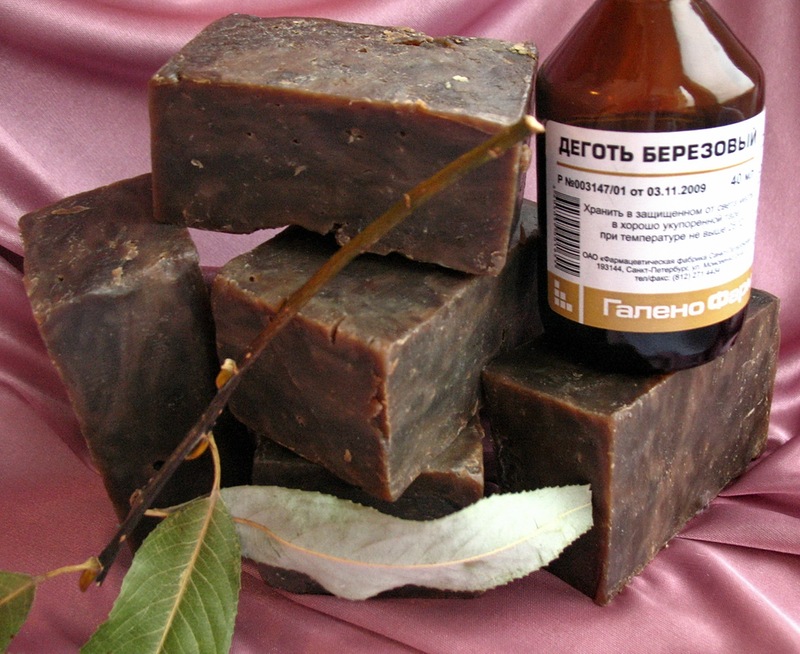
Tar not only helps protect against forest ticks, but also gets rid of ear parasites in dogs.
In the city, you can make an anti-tick "perfume" using tar soap and essential oils:
- Take a glass of water, tar soap and essential oils:
- grapefruit;
- thyme;
- oregano;
- juniper;
- myrrh.
- Grate the soap.
- Stir with water.
- Add 2 drops of each essential oil to the mixture.
- Spray the animal with the resulting composition.
You can also bathe your dog before a walk with tar soap, preferably followed by a rinse with wormwood infusion. This isn't a very convenient method, as bathing is a lengthy process. However, the tick-repellent scent will last a little longer.
Garlic
Ticks dislike the strong smell of garlic. It's important to remember that garlic is toxic to dogs and can cause poisoning, so garlic-based products should be kept in areas inaccessible to licking.
Garlic tincture:
- Take 2-3 cloves of garlic.
- Grate or crush in a mortar or garlic press.
- Pour in three glasses of water.
- Infuse for at least 8 hours.
- Apply the tincture to the dog’s head and withers.
Contraindications and precautions
The main contraindication is individual intolerance of the dog to any product. For pregnant animals and puppies, do not use products with a strong, pungent odor, such as essential oils or tar. If your pet has any wounds or abrasions, avoid bathing with tar soap. In this case, the dog's skin should be protected from harsh chemicals.

If a dog licks vanilla from its fur, nothing bad will happen.
Caution must be exercised when using folk remedies:
- Use essential oils with caution as they may affect the animal's sense of smell.
- Avoid ingesting oils or garlic; the dog should not be able to lick these products.
- Monitor your pet's condition after application. If there are signs of an allergy or a deterioration in health, the product should be changed.
Reviews
Hunters here coat their dogs with tar, saying ticks don't land on THESE dogs. Last year, I tried coating mine. Of course, the smell was terrible for about 2-3 days, then everything was fine. Of course, this is for dogs living in a kennel. I coated two dogs with medical tar (from a pharmacy). All summer (I coated it 3-4 times over the summer). The dogs walked in the forest every day and ran around the area. They didn't pick up anything. Although, maybe it was just a coincidence! This year, I'll be coating them with tar.
I infused vanilla, but it didn't work. I pour it on the dog before every walk, you could even say that, but we still end up removing seven ticks.
I don't know about vanillin, but cloves do repel ticks to some (not completely, of course) degree. Although they repel mosquitoes more, which is also good, since they carry microfilariae.
Vanillin really helped last year. I recommend it to everyone. The scent lasts a long time. I sprayed it every two or three days.
There are many affordable folk remedies for ticks. They can help repel parasites from your dog, but they are less effective than chemical treatments. In any case, folk remedies should be combined with regular inspection and combing of your pet after walks.