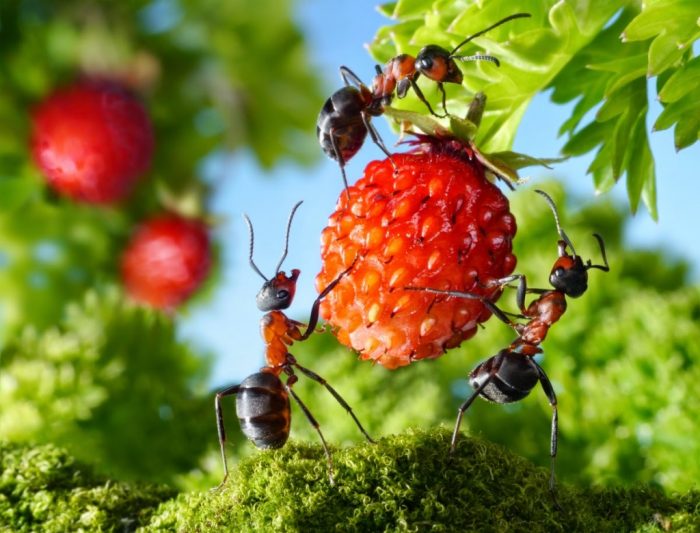
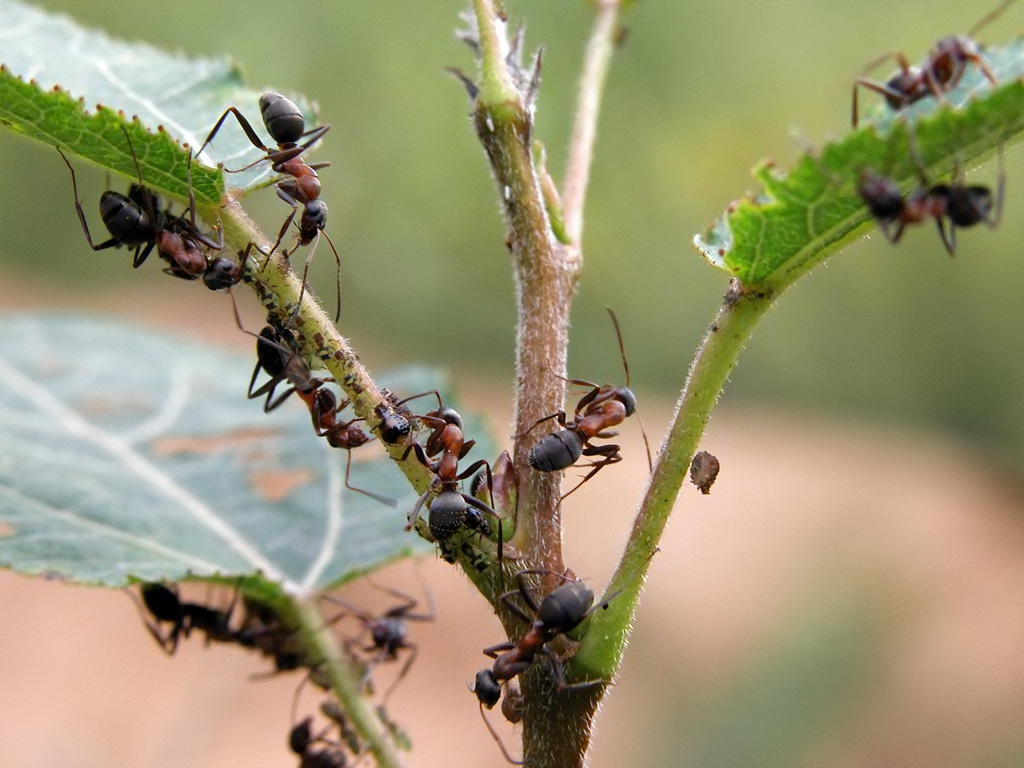
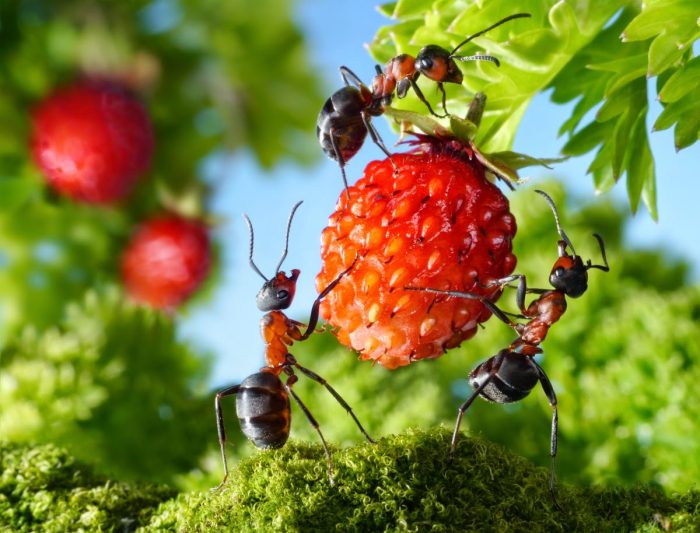
Peonies are beautiful and easy-to-care-for flowers. Their large buds secrete a sweet sap that attracts ants. Gardeners are concerned about whether these insects harm their plants and how to get rid of them.
Content
Why do ants appear on peonies?
These flowers have many pests, including bronze beetles, caterpillars, root-knot nematodes, and turf and black ants. Many gardening experts and hobbyists with years of experience growing them believe that ants don't cause serious damage to the plants. They simply eat the nutritious and tasty sap but don't hinder the flowers' growth.
Ants' diet consists largely of carbohydrates, which they obtain through honeydew and plant sap. This is why peonies are so attractive to them.
But in their quest to get their hands on this coveted delicacy, insects often damage plants. Therefore, it's best to prevent their presence on buds. If this has already happened, pest control is necessary. For effective control, it's important to determine the cause of the ants' presence. There are three possible causes:
- Searching for tasty food. A pleasant, sweet, and strong aroma attracts insects from afar, indicating the presence of a large amount of tasty food.
- Building an anthill under a bush. If the house is near a peony, they'll go there first for food, as it's the closest source.
- The presence of aphids on leaves, petals, and buds. Aphid milk is another attractive food source for ants.
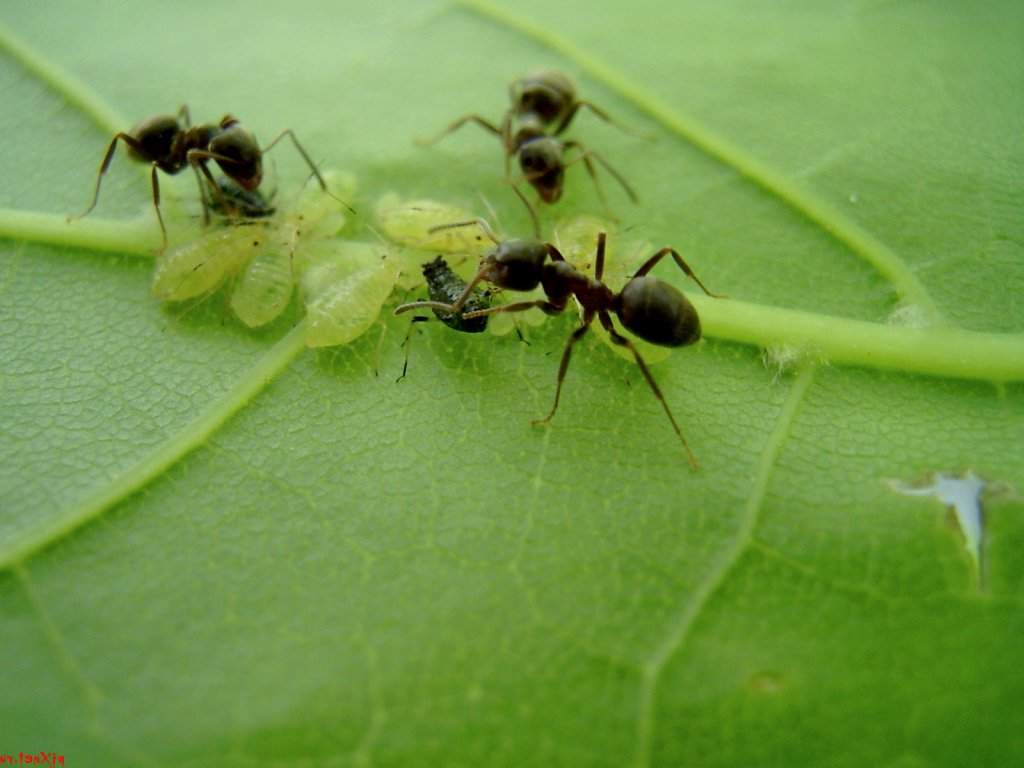
If there are aphids on the peonies, then soon those who protect them will appear - ants
Ants carry aphids in their jaws to areas with abundant young leaves. They feed on plant sap and secrete what attracts ants—honeydew. These sweet drops are a delicacy for them.
Insect damage
Based on the reasons for the appearance of ants on peonies, it is not difficult to determine the damage they cause.
- Sometimes, in their search for more sweet juice, insects damage the petals. In some cases, this results in the bud failing to open, or the opened flower having an unattractive appearance.
- If your plants are infested with insects, you're unlikely to want to keep them indoors. For gardeners who grow peonies for sale, this can be a serious problem.
- Ants reproduce more actively when near a source of carbohydrates—peony nectar. The expanded colony will then spread throughout the area, and the insects will migrate to other plants, which will negatively impact their development.
Ants don't always damage peonies. More often, they simply feed on the nectar and leave the plant's leaves, petals, or stems untouched.
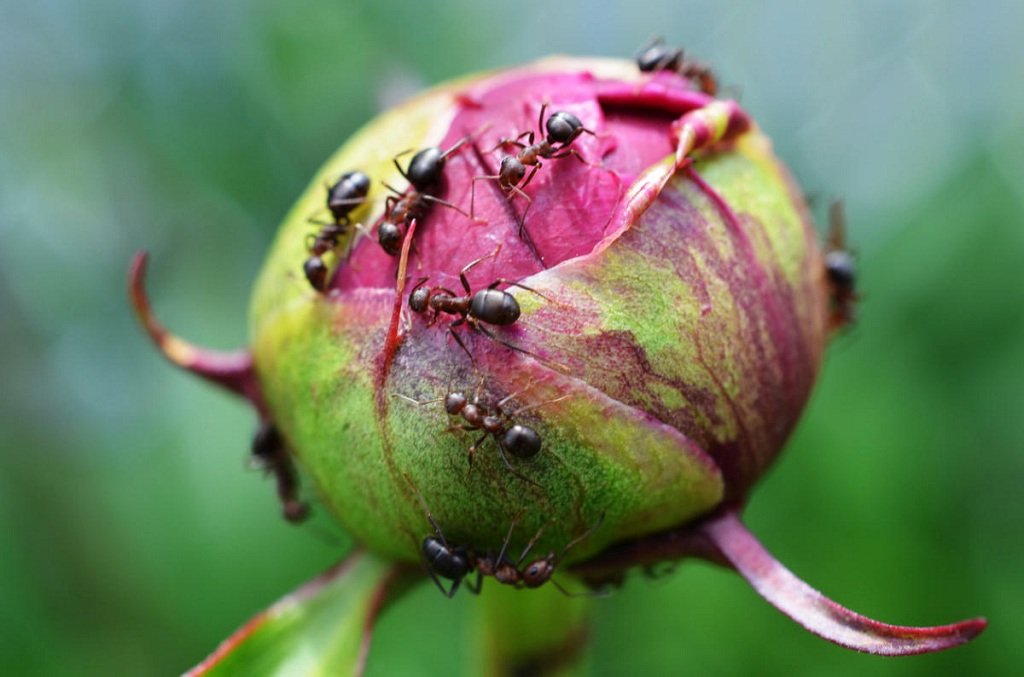
In search of nectar, ants gnaw through the petals of a bud and spoil the flower that has not yet blossomed.
How to control ants on peonies
There are three methods used to get rid of insects:
- Chemical.
- Mechanical.
- Folk recipes.
Also, anything that is effective for killing ants in a garden plot is suitable for protecting peonies. The most effective method is to destroy the anthill and directly attack the insects, for example, by treating the stems and other parts of the plant with insecticides.
Chemicals
Modern ant control products are effective and do not harm the soil or crops. However, many poisons are unsafe for humans. When treating plants with these products, wear a protective mask and gloves. There are other disadvantages to these products:
- short-term effect - with the first rain or when watering, the insecticide is simply washed off and its effect on insects ceases;
- point action - the individual on which the product comes into contact dies;
- Infectivity - insecticides act not only on ants, but also on other insects, such as bees.
Chemical preparations also have advantages:
- maximum efficiency, in comparison with folk or mechanical methods of control;
- A variety of products—stores sell products of this type that differ in their active ingredients, form (gels, aerosols, powders), and other parameters.
The most popular chemicals are:
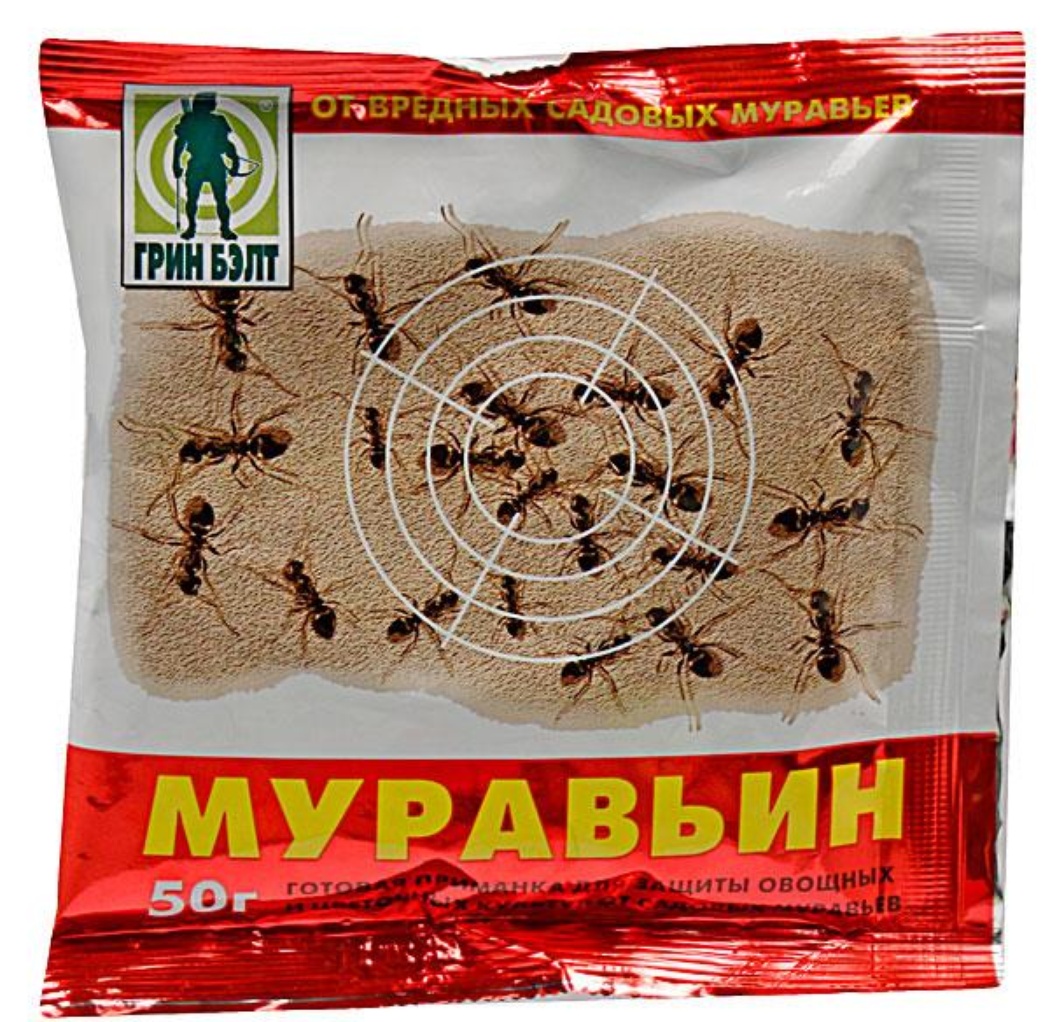
- Muravyed. The active ingredient is the contact and stomach poison diazinon. According to the instructions, the product is diluted with water and poured onto bushes and anthills. It is also available in granular form. Similar products include Muracid and Muravyin.

The anthill is treated with diazinon-based insecticides
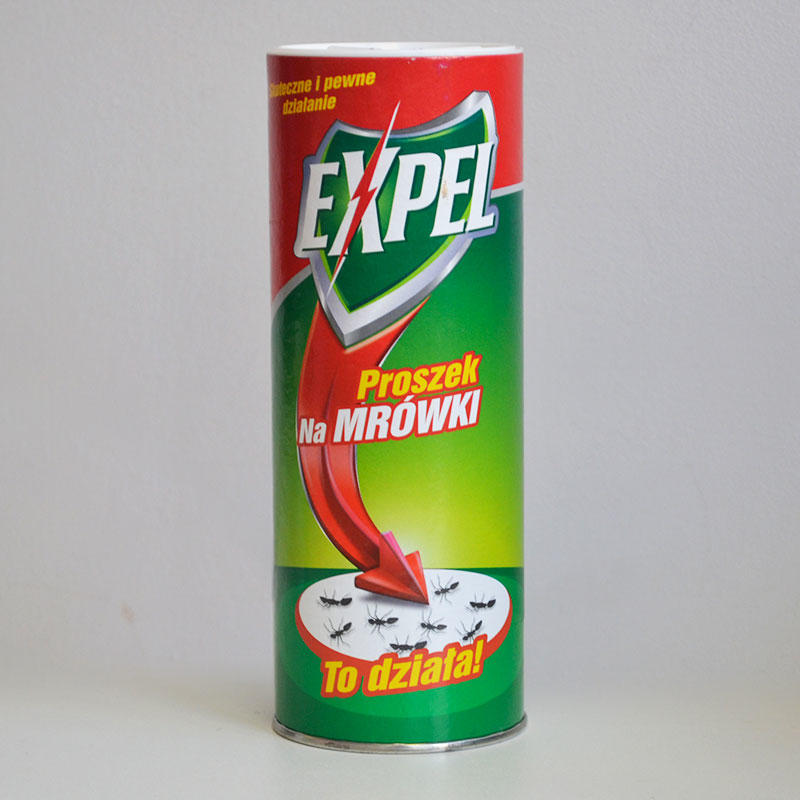
- Expel. This product contains the poison chlorpyrophos (2%) and is available as a ready-to-use solution or powder. It is dangerous to pets, birds, and humans.
Expel powder is used to protect the area from ants.
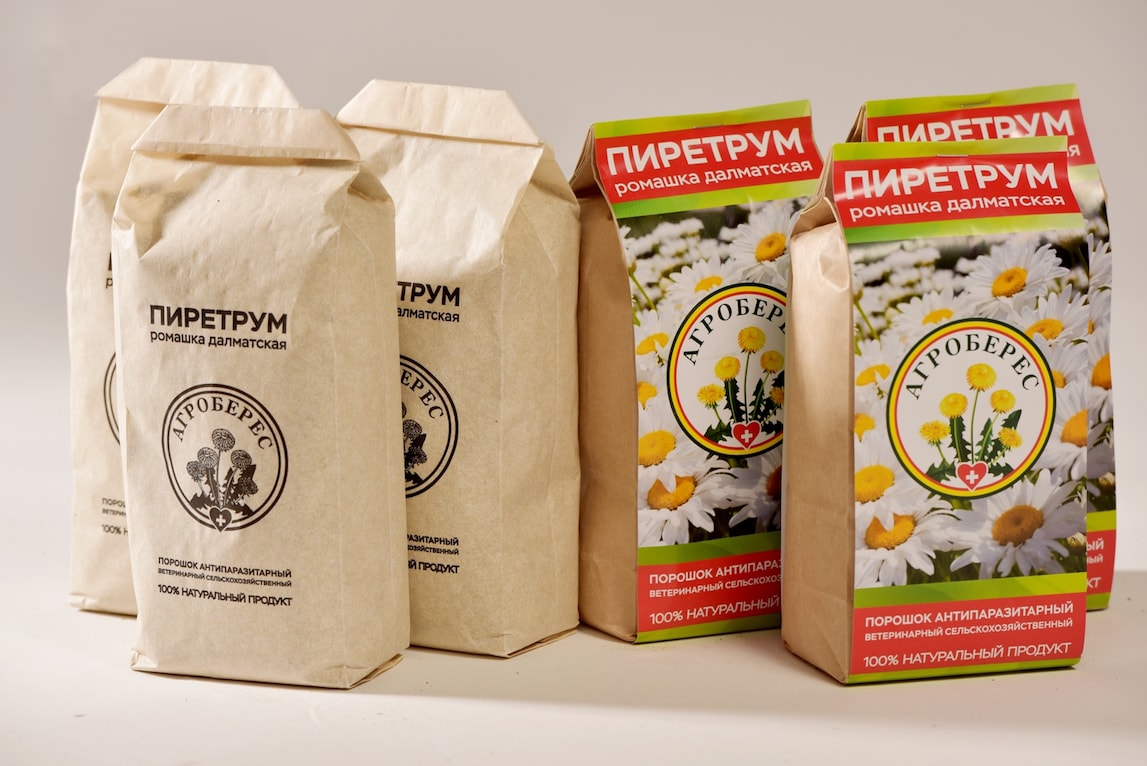
- Pyrethrum is a natural insecticide used in an aqueous solution for treating anthills. It is also used as a spray on plants.
Dalmatian chamomile powder is an effective insecticide.
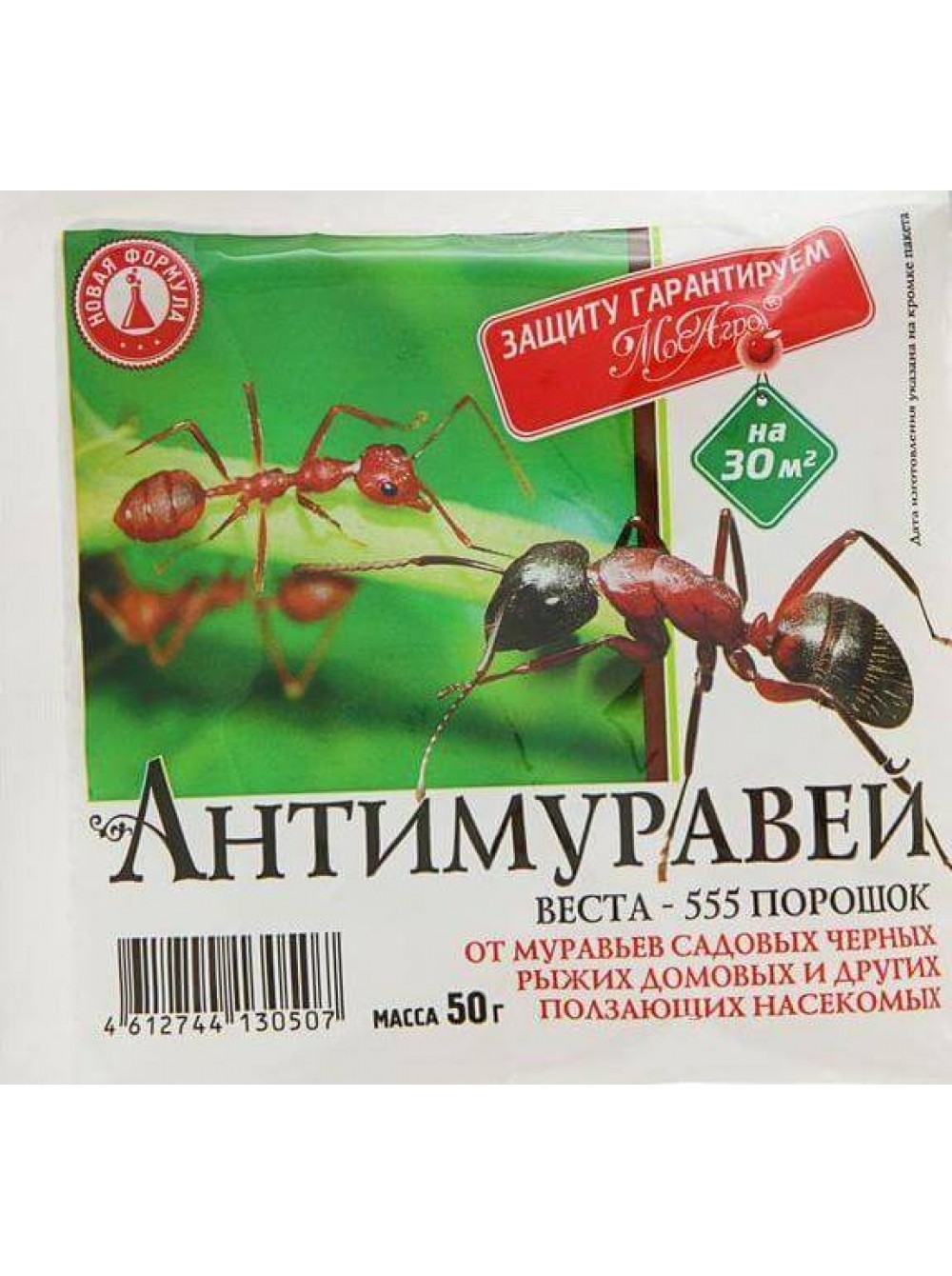
- Ant-Repellent. This product contains 10% borax and comes in granular form. Simply sprinkle them around anthills.
Borax-based granules will help rid peonies of ants.
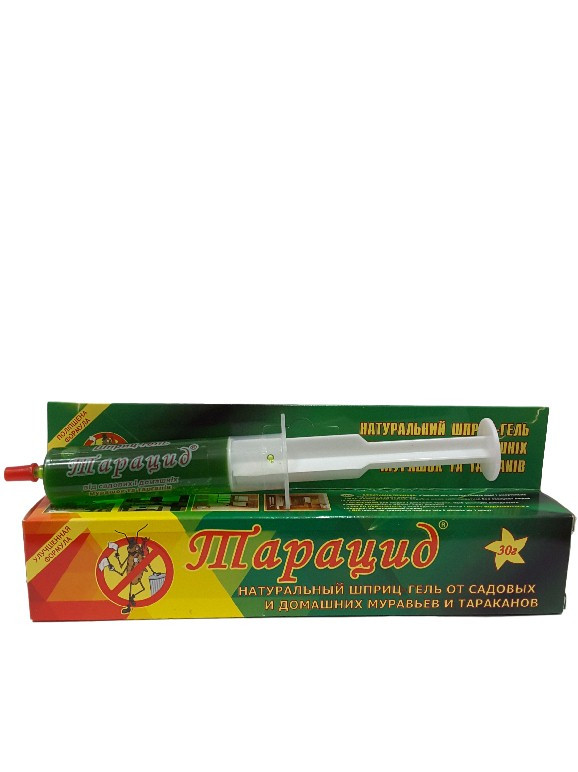
- Kapkan Raptor, Global, and Taracid gels are applied near insect trails, to homes, and to bushes that attract ants.
Insecticidal gel is used to treat the stems and leaves of peonies and other plants, as well as ant trails.
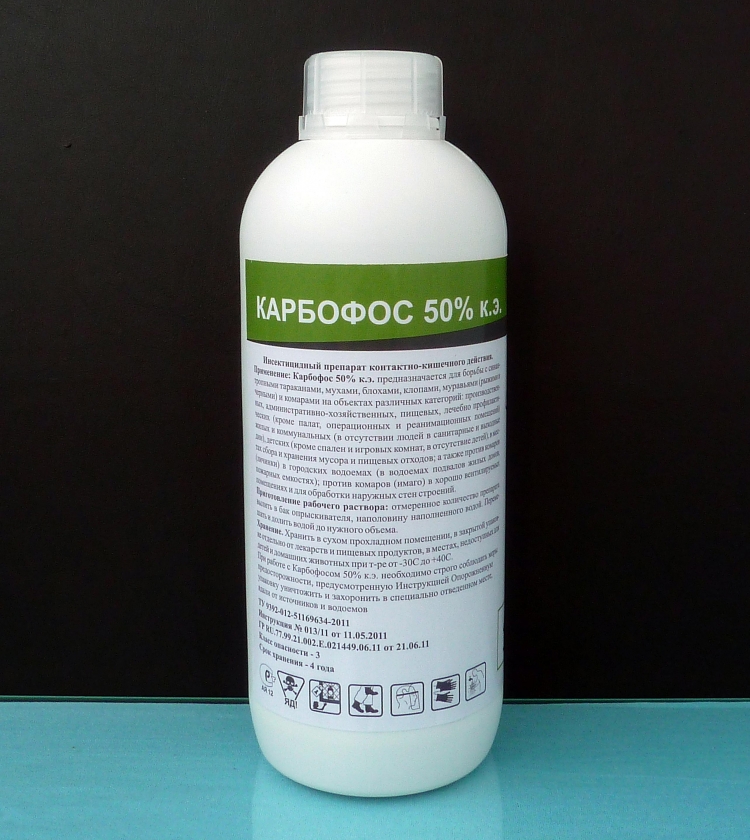
- Karbofos. The active ingredient is malathion. It is available as a powder, granules, concentrated emulsion, and ready-to-use solution. It kills the ant upon contact with the insect's chemical shell or if inhaled. Plants should not be treated with this product more than twice per season (during budding and flowering). Fufanon also has a similar effect.
Karbofos is available in the form of powder, concentrated liquid, ready-made solution or granules.
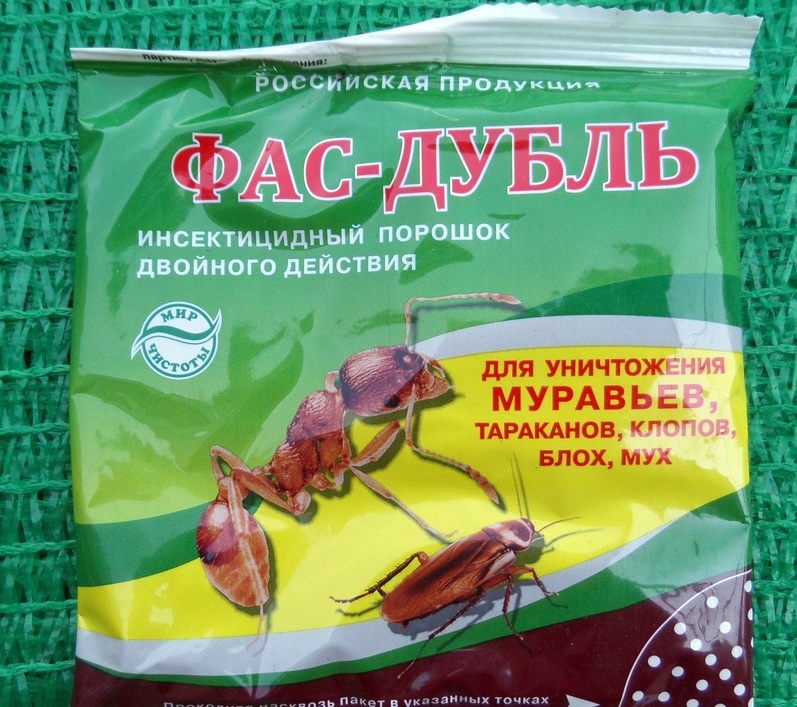
- Fas-Double Powder. Active ingredients: zeta-cypermethrin and es-fenvalerate. Application rate: 2 g per square meter. Directions for use: Spray along ant trails. When treating pest infestations, wear rubber gloves and a gauze mask or respirator.
Fas-Double creates long-term protection against ants
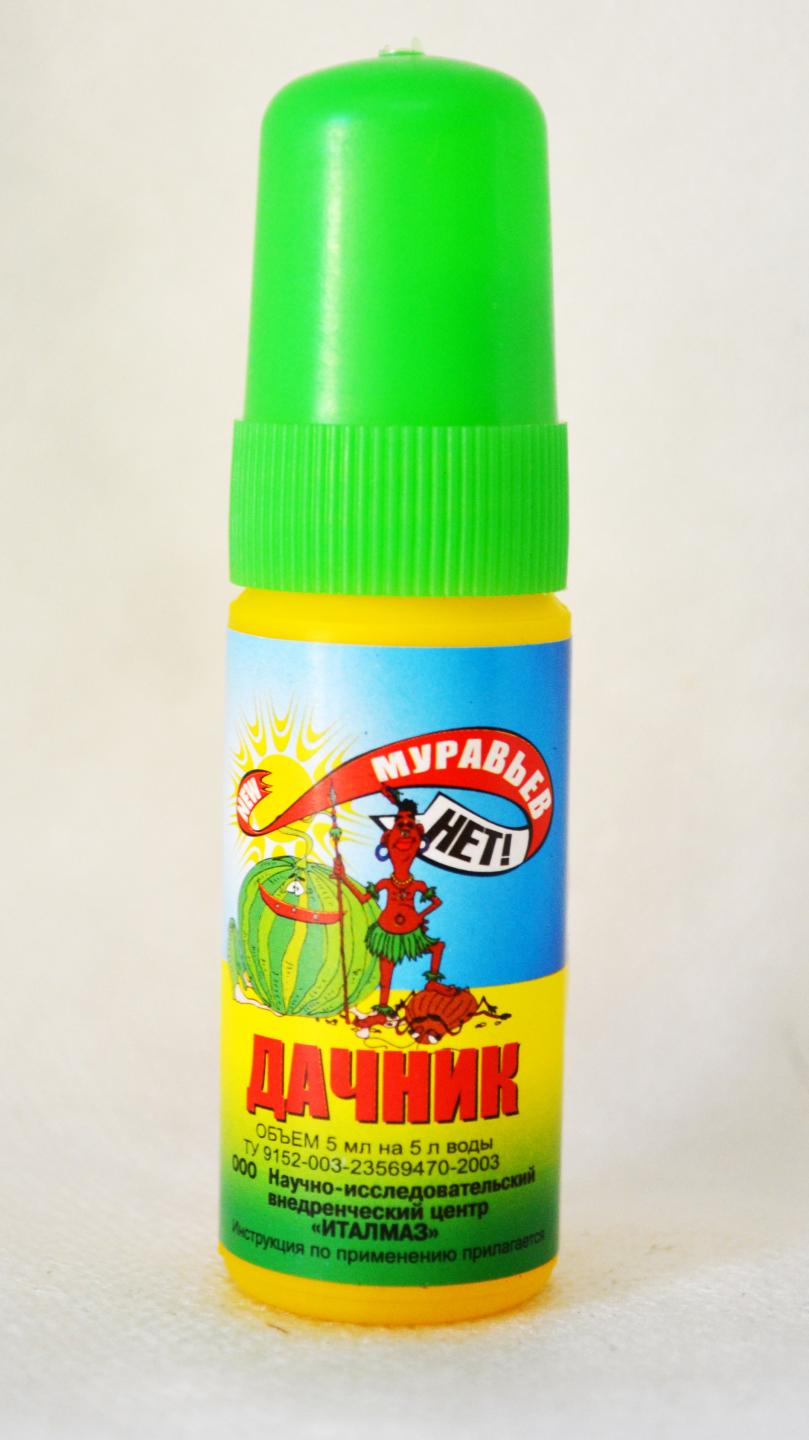
- Dachnik is a colloidal silver solution. It contains fir oil. Remove the top layer of soil from the anthill and add the solution, prepared according to the instructions.
The Dachnik concentrate contains fir essential oil, which repels ants.
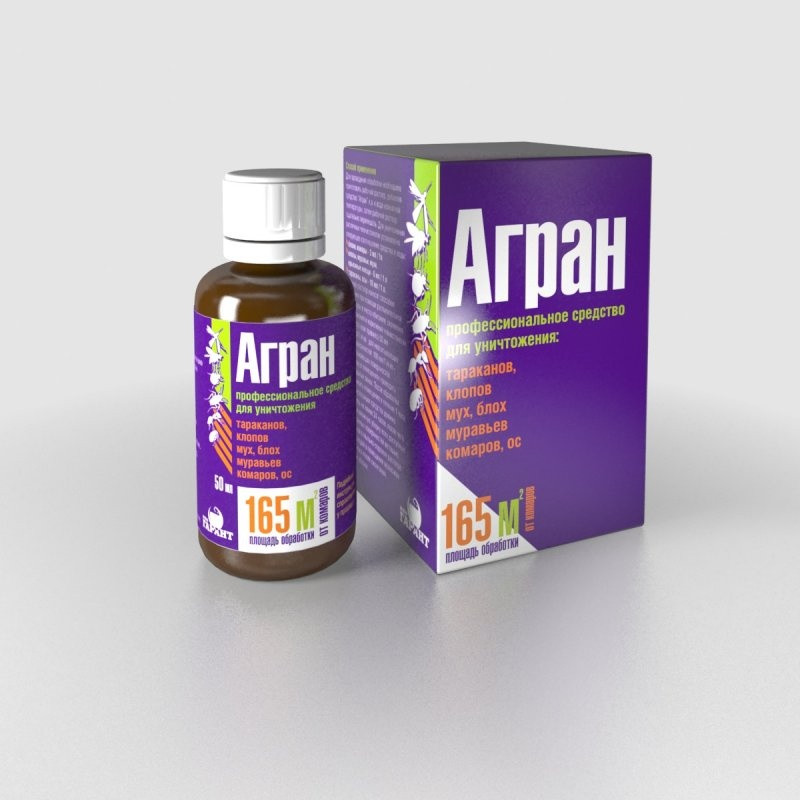
- Agran concentrated emulsion. Contains chlorpyrifos (50%) and cypermethrin (5%). Used for treating anthills, peony stems, and insect migration routes.
An effective insecticide used by many gardeners to protect plants from insects is Agran.
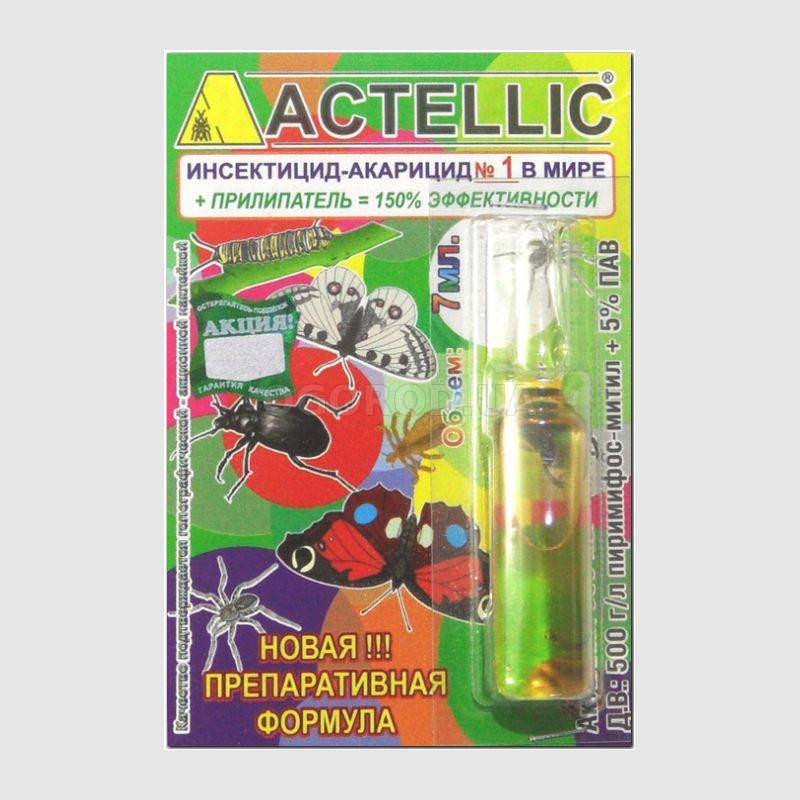
- Actellic. Pirimiphos-methyl concentrate (50%) in ampoules. Has contact and fumigating action. Harmful to bees. A single treatment is sufficient to kill the insects.
With the help of Actellik ampoules, you can get rid of ants on peonies in one go.
Video: Fighting ants with the insecticide Agran
Mechanical impact on the anthill and insects
These methods are radical, but among them there are also humane options that do not involve the death of insects.
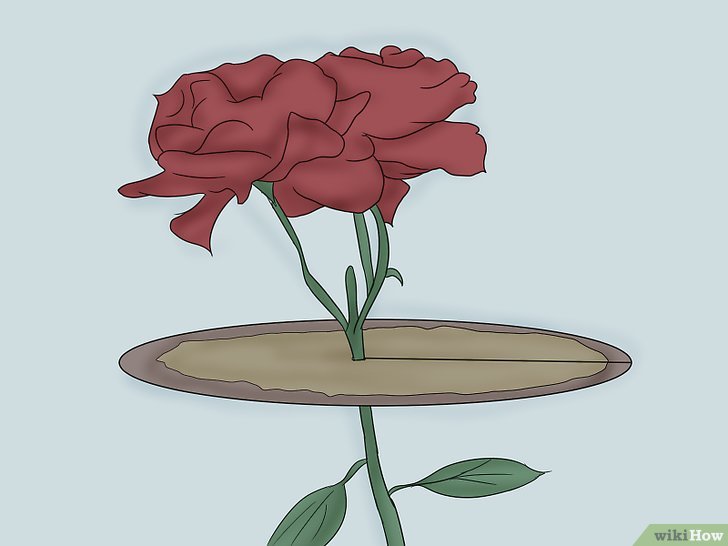
- Place a barrier trap on a peony bud. Cut a 15 cm diameter circle out of a sheet of paper and cut it in one spot along the radius. Use scissors to make a hole in the center. Its diameter should be slightly larger than the thickness of the peony stem. Place the resulting trap in front of the bud and coat the bottom with Vaseline. This simple design will prevent ants from reaching the flower.
A sheet of paper, scissors, and Vaseline are all you need to make a simple ant trap.
- Tire water barriers. Cut a tire in half lengthwise, place one half around a peony bush, and fill it with water. This artificial moat will prevent ants from reaching the fragrant buds.
- Relocating an anthill. If insects have made their nest near a plant, the most effective way to get rid of them is to remove the nest. This can be done without harming the insects if it's small. Use a shovel to remove it and place it in a wheelbarrow for transport outside the property. Fill the empty space with ash, salt, or baking soda to ensure that no ants remain near the peonies.
- Pouring water into an anthill. This method is not humane, but it is quite effective in the fight against ants. Simply pour boiling water over a small colony. If the nest has already grown, use a solution of baking soda (one packet per bucket), ammonia (100 ml per 10 liters of water), or another solution. This recipe is effective: add 250 ml of any shampoo or liquid soap, 1 liter of table vinegar, and 0.5 liters of vegetable oil to a bucket of water. Pour the water into a hole made at the top of the anthill. Then cover the nest with a plastic bag and leave it for a day. During this time, the colony will be destroyed.
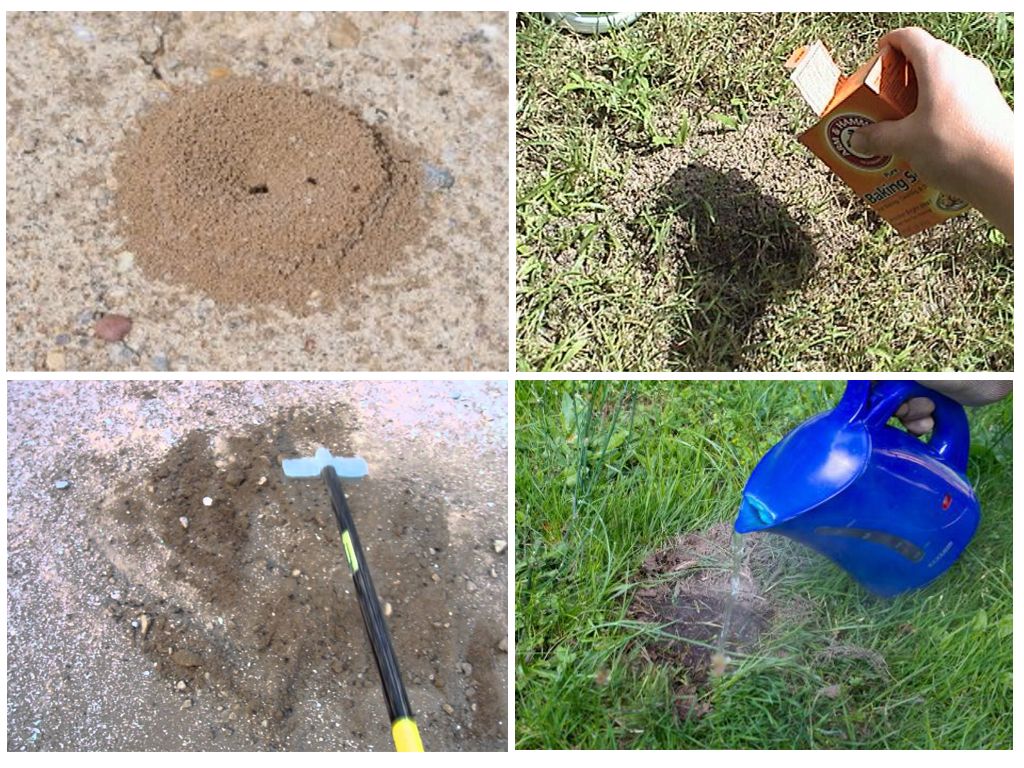
Destroying an anthill is an effective way to get rid of ants on your property.
Folk remedies
These methods of ant control are practical and, in most cases, harmless to humans. They are affordable and effective, although they require repeated use.
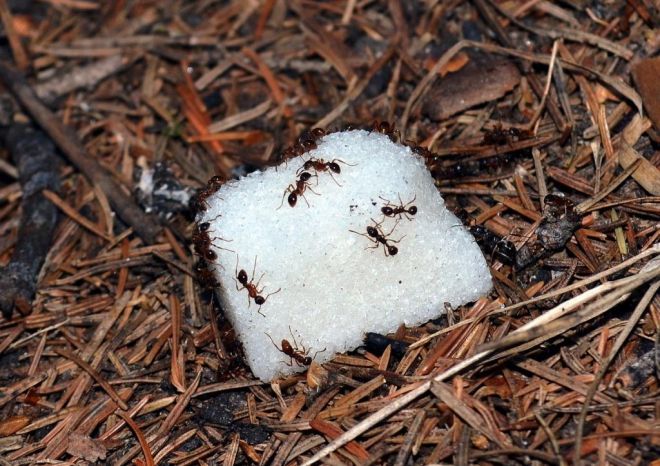
- Boric acid. Mix two tablespoons of the powder with the same amount of jam or honey and dilute with water to form a thin paste. Place this poisonous bait near the anthill. You can also sprinkle the powder on sugar cubes and place them near the bush.
A sweet product mixed with boric acid will help get rid of ants.
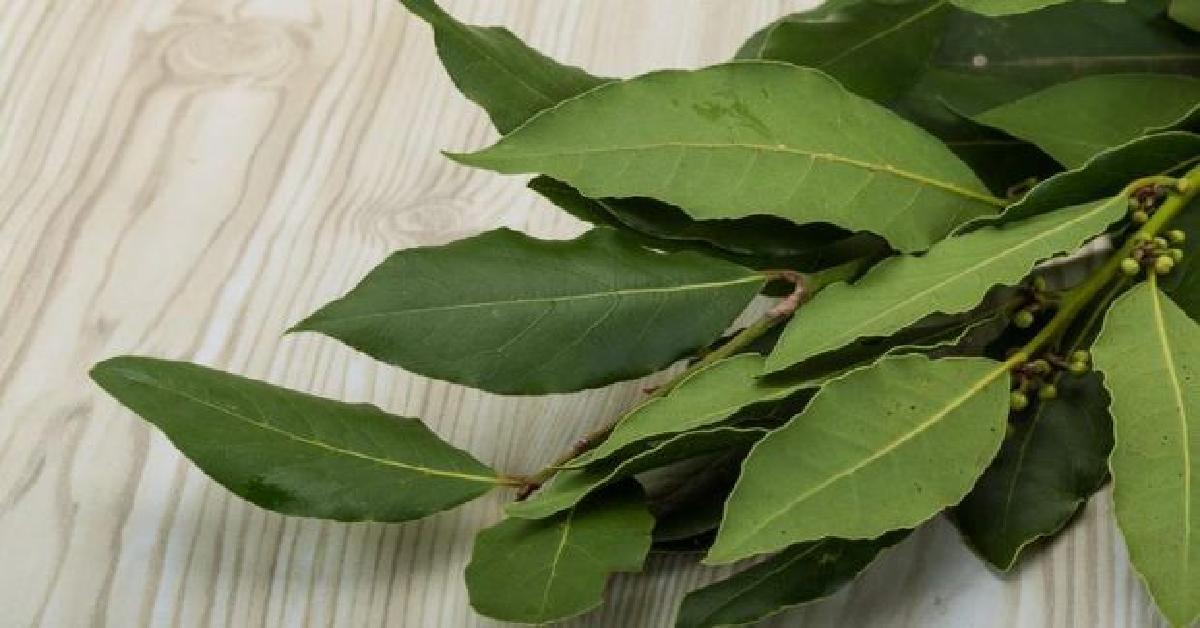
- Bay leaf. Prepare an infusion of 10 grams of dried bay leaf and 1 liter of water. Simply pour boiling water over the bay leaf and cover the container. Once the infusion has cooled, apply it to each bud using a cotton pad or spray bottle.
Bay leaf infusion repels ants
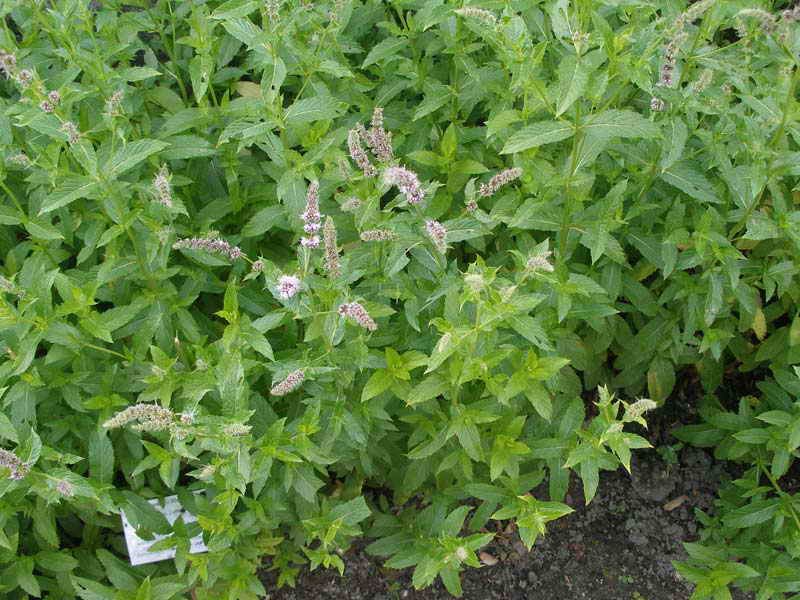
- Plant herbs and other aromatic plants in your garden; their scent repels ants. Another option is to make an infusion. Take 100 g of any of the plants and pour 1 liter of boiling water over them. After 2 hours, apply the infusion to the stems, leaves, and buds. Suitable herbs include:
- onion;
- garlic;
- peppermint;
- sagebrush;
- lavender;
- elder;
- coniferous trees;
- parsley.
Spicy and aromatic plants such as mint, parsley, pine, and lavender are not liked by ants.
- Sprinkle the soil under the bush with ash or tobacco. Insects dislike these substances, so they won't get on the plant.
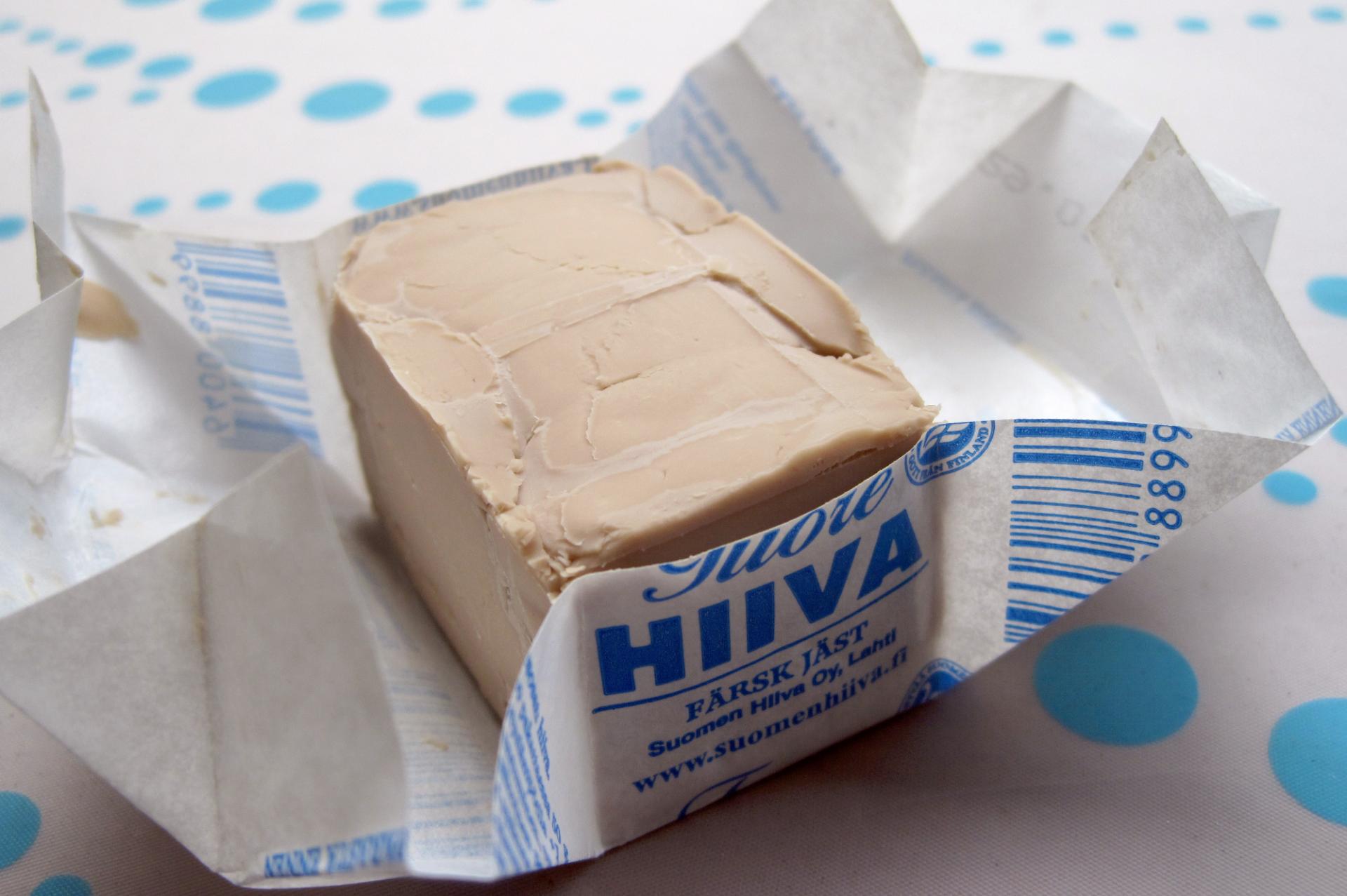
- Make bait from fresh yeast. Crumble the yeast block in a bowl, mix with an equal amount of sugar or jam, and pour warm water over it to form a paste. Remember that at 40 °C the yeast dies, so the temperature of the liquid should be lower. The insects will happily feast on the treat and take some of the sweet mixture back to their nest. As a result of yeast fermentation, the supplies will spoil, and the colony will die from lack of food.
Yeast bait is used to control ants in the garden.
- Ants dislike the smell of vegetable oil. Use unrefined, strongly scented products to combat them, such as by smearing them on plant stems.
- Dilute ammonia with water in a ratio of 1:100 and water the peonies or anthill with the resulting solution. This will help get rid of insects and fertilize the soil with nitrogen.
If ants are crawling on cut peonies, to prevent them from spreading into your home, dip them flower-side down in cold water before bringing them indoors. After two minutes, remove the plants and shake off any drips and ants.
Video: How to get rid of ants on peonies using tar soap and vegetable oil
How to get rid of aphids
Use proven aphid control methods to get rid of ants on your peonies faster. This will eliminate one of their food sources.
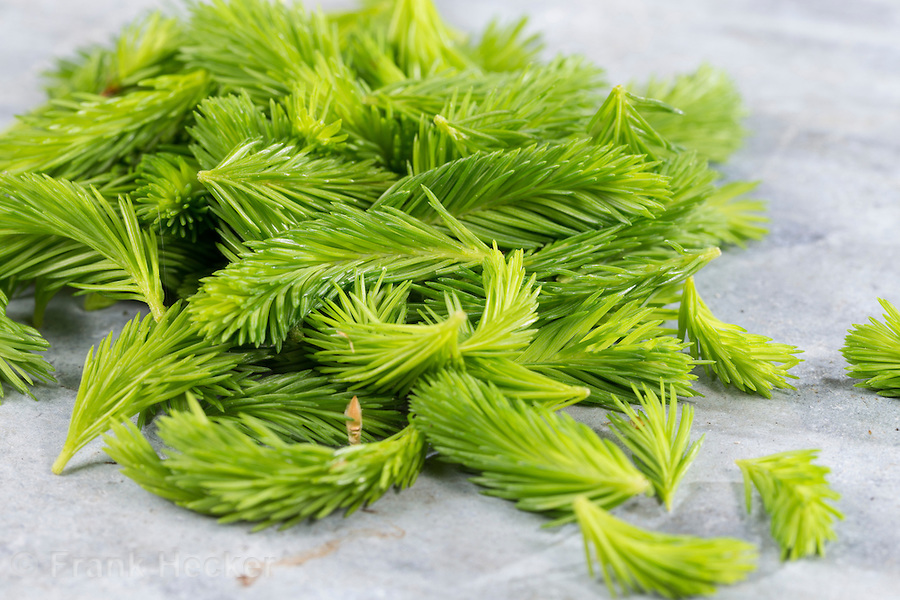
- Pour 8 liters of water over two kilograms of pine or spruce needles and let sit in a dark place for a week. Stir the mixture regularly. Take 1 liter of the infusion, dilute it in a bucket of water, and use it to spray plants and soil with a spray bottle. Do this for two or three days, morning and evening.
Treat peonies with an infusion of pine or spruce needles to repel ants.
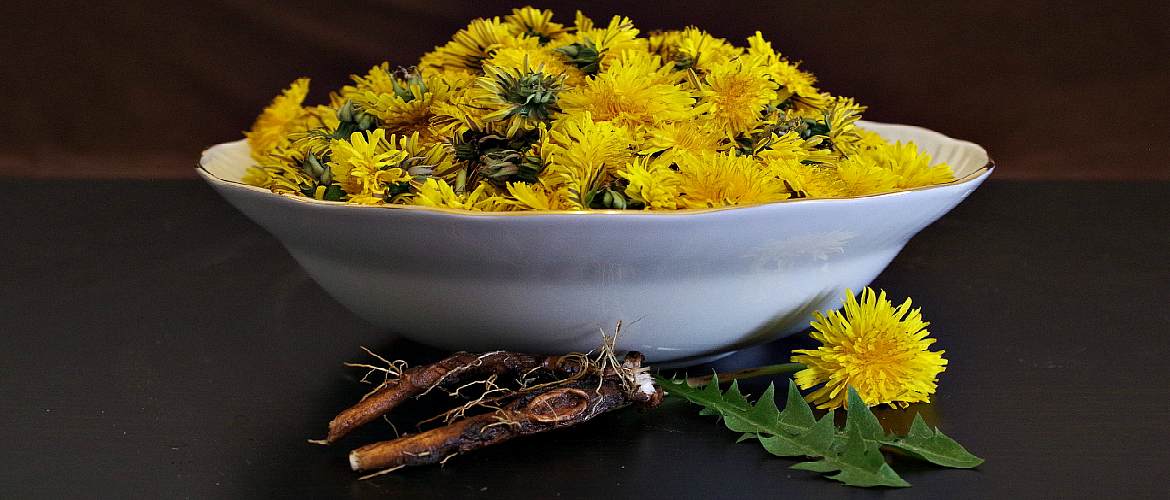
- Prepare an infusion of dandelion roots (300 g) and leaves (400 g). Grind the leaves, add 10 liters of warm water, strain after three hours, and apply to the peonies.
To protect peony buds from ants, use dandelion infusion.
- Dilute 1 cup of vinegar essence in a bucket of water and use the solution to spray plants. Be careful, as the essence can cause burns to skin and lungs. Work with protective gloves and a respirator or mask.
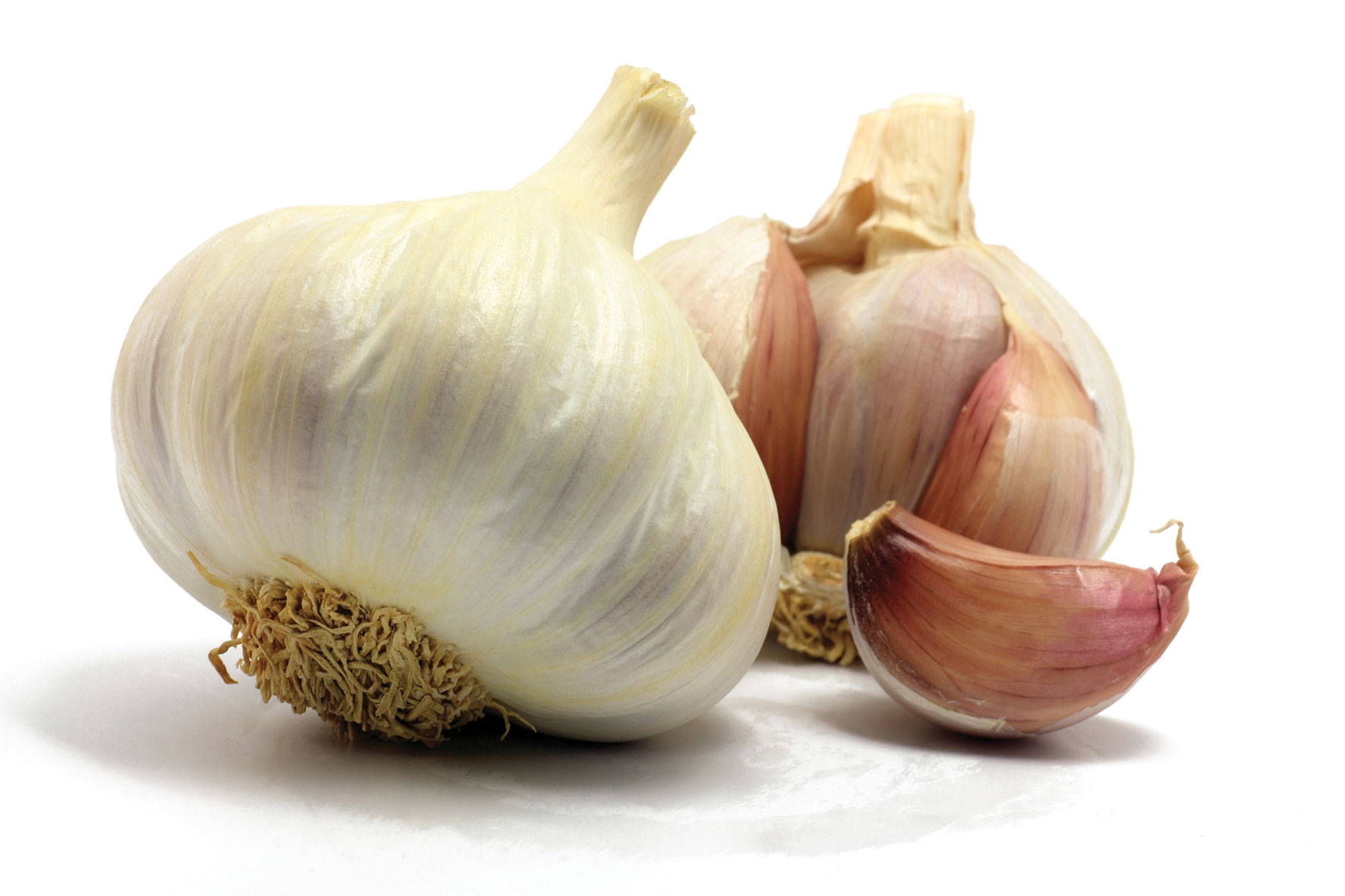
- Not only ants but also aphids dislike garlic. Mix 30 grams of crushed garlic cloves with a tablespoon of grated laundry soap and dilute it in 1 liter of warm water. Spray the peony bushes and water the soil for three days. Repeat the process after 10 days.
Garlic repels aphids and ants
Preventive measures
To avoid the problem of ants on peonies, simple preventative measures will help:
- Treat buds regularly with insecticides or insect repellents;
- do not allow an anthill to build near the roots of peonies or immediately move it to another location;
- If you are going to plant plants where there used to be an anthill, dig up the soil, mixing it with ash;
- along the borders of the site or in any other place, plant mint, lavender and other herbs whose smell ants do not like;
- In spring and summer, carry out measures to protect the entire garden from ants and aphids.
Reviews
The peony flower is designed in such a way that the outer green sepals, protecting the unopened bud, contain glands that produce nectar. This nectar flows out through ducts to be consumed. This is a normal process.
I spray my peonies with Fufanon or Actellic (there are plenty of alternatives). And my peonies' buds stay clean.
Buy regular, raw, baker's yeast and divide the packet into small balls. Scatter the balls on the soil under your peonies, and you can forget about ants. The yeast will fertilize the soil and repel all the ants.
I recommend treating your peonies with Muracid. It's completely safe for plants and very effective against ants and aphids, as aphids are the ants' main food source. You can also sprinkle wood ash on your peony beds; ants can't stand the smell and will soon abandon your flowers.
Try one folk remedy: crush 100 g of garlic cloves and pour 1 liter of boiling water over them. Let it steep for 24 hours and strain. Gently apply this infusion to the flower buds. Ants dislike the smell of garlic!
Ants aren't the most dangerous pests for peonies. But it's best to get rid of them. Use proven folk remedies, poison baits, and a variety of chemicals to protect your bushes from insects.