Among the vast number of vegetable pests, the carrot fly stands out. This small insect can completely destroy carrot and other celery crops. The results of this pest's larval activity are only visible during harvest, when the damaged vegetables can no longer be saved.
Content
What is a carrot fly?
The carrot fly (from the Latin psila) is fairly easy to recognize: it has a small dark body, a yellow-brown head with a black triangle, and orange antennae and legs. The wings are long and transparent with brown veins. The larvae are pale, no more than 6–7 mm long, and oval in shape, with a pointed end at the front and a rounded end at the back.
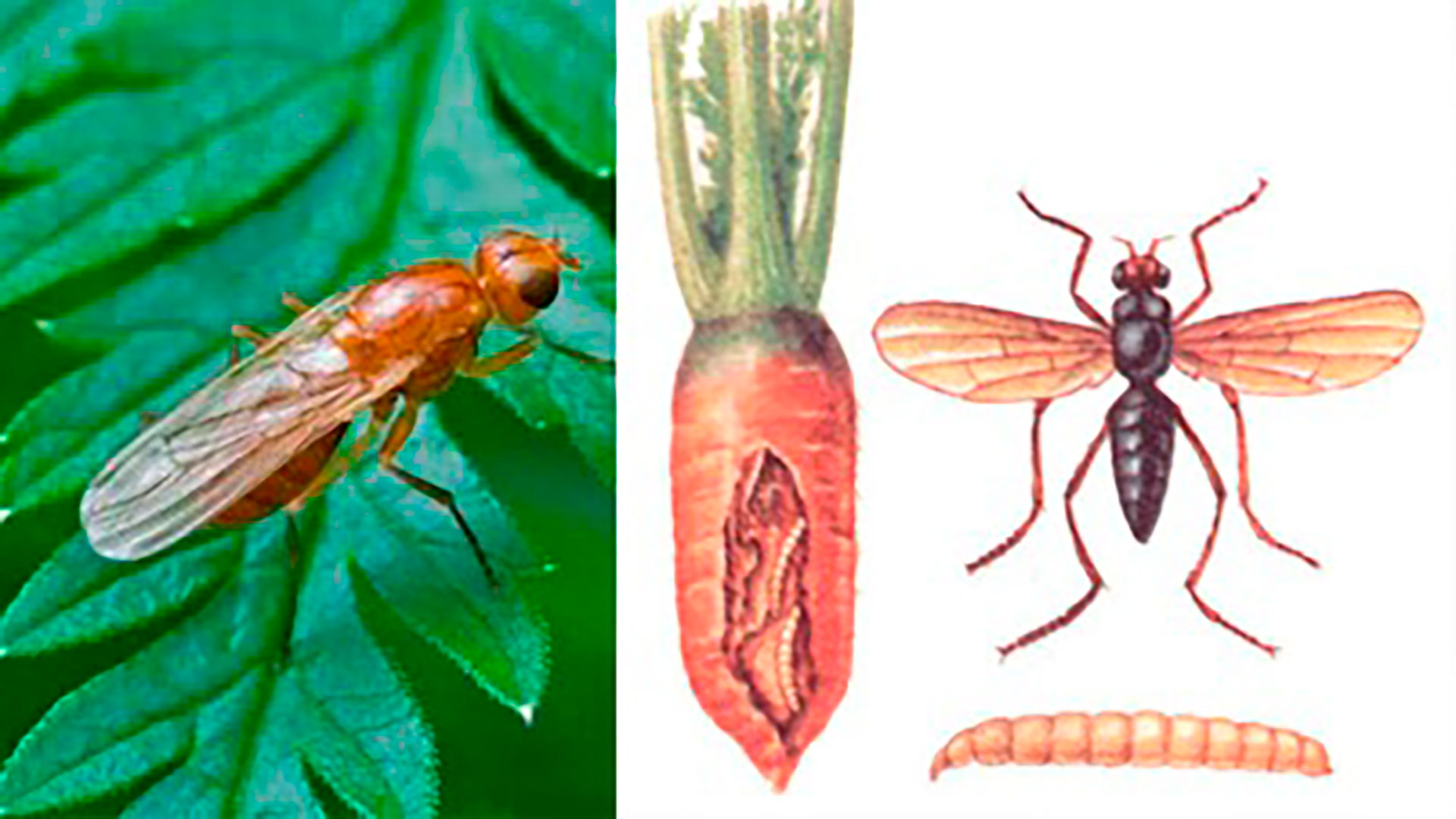
The carrot fly is very common in Russia.
Carrot flies wake up and emerge from their cocoons in May, when the soil warms up to a favorable temperature: from +15 to +17 °C. Almost immediately, the insects begin laying eggs. This most often occurs near crops. The number of eggs can reach 120.
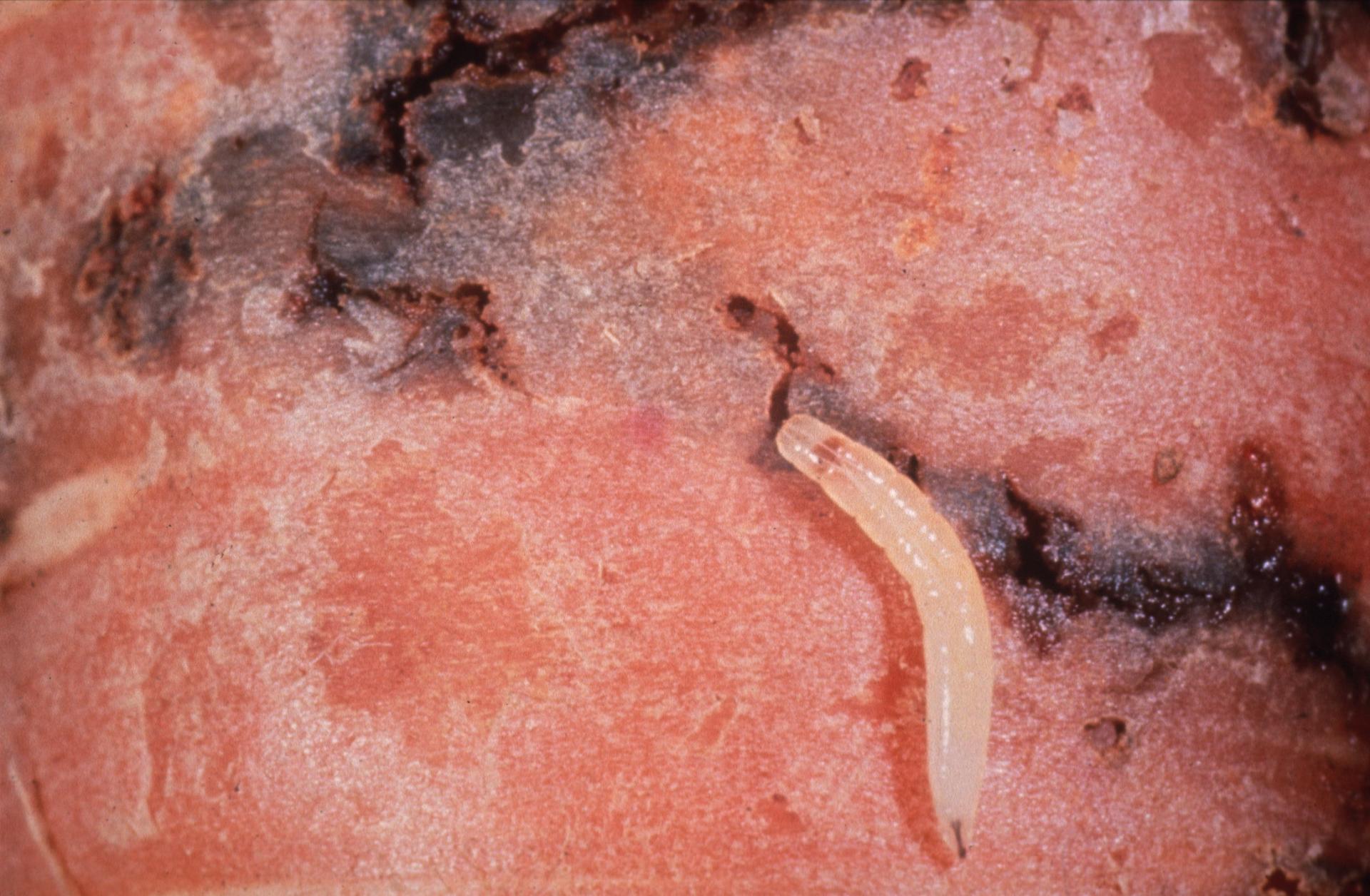
The larvae feed on the pulp of young carrots.
After 7-10 days, the larvae emerge and begin attacking young carrots, devouring the flesh and destroying the vegetable from the inside. After 40-50 days, in June, the larvae "pupate." This occurs outside the carrot, in the soil at a depth of 5-10 cm. After two weeks, a new generation of flies emerges and begins actively feeding on the carrot's greens.
Carrot fly larvae survive well in the soil until spring to produce a new generation. Some of them end up in storage along with the fruits and continue to destroy the vegetables.
The carrot fly thrives in damp, warm, and shaded areas. It also poses a threat to dill, parsley, and celery.
Signs of fruit infection
The carrot fly is a very harmful insect. It's dangerous because it threatens the entire carrot crop, as well as other small, sugar-rich vegetables.
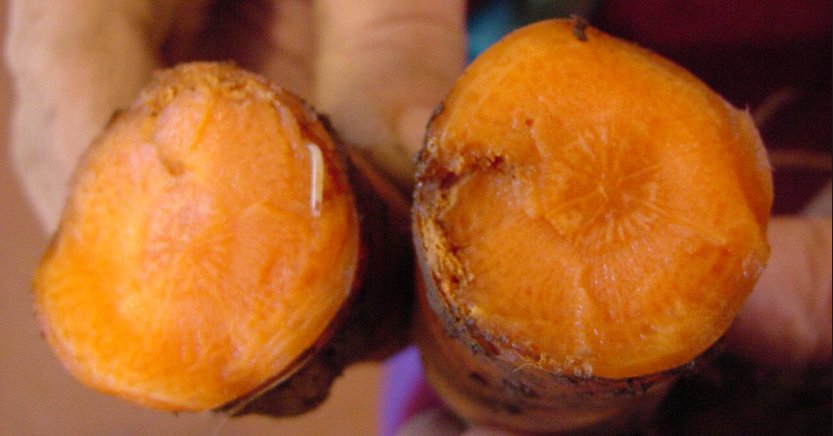
Infected carrots have black spots on the surface.
It is quite easy to determine the appearance of a pest; just take a close look at the crops:
- the leaves of the crops change their color, the greenery turns purple, dark, and begins to dry out;
- the carrot's shape changes in an unusual way;
- dark bumps and spots appear on the surface;
- inside the vegetable you can see black passages and dots - these are traces of larvae, most often damage to the fruit occurs at the base;
- carrots lose their flavor and acquire a putrid smell.
Other umbelliferous crops, such as parsley, dill, and celery, should be monitored closely. When attacked by carrot fly, they also develop a characteristic brown or reddish tint and wilt. If you see these signs, you should begin pest control immediately.
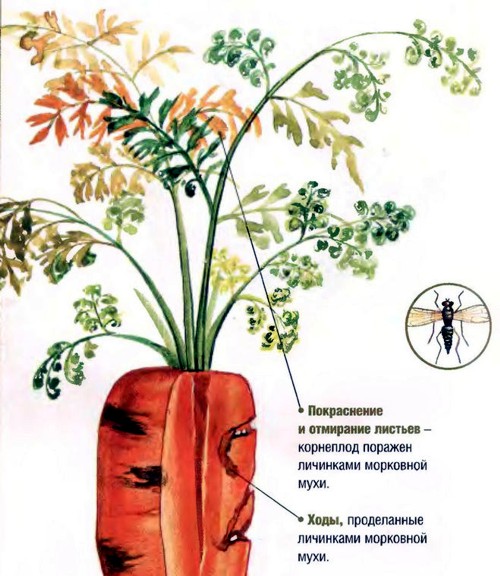
You can tell if your carrots are infected even when they're still in the ground.
Methods of combating carrot fly
Getting rid of carrot fly is difficult and requires a significant amount of time and effort. Unfortunately, many give up as soon as they see the first results. Gardeners face this problem every year. Three methods are particularly popular: agricultural, chemical, and folk remedies.
Agrotechnical
The most common and safest method is agrotechnical methods. It includes a number of preventative measures:
- Avoid using fresh manure as fertilizer;
- cover the bed (for example, with lutrasil, spunbond);
- treat the seeds with a solution containing a growth stimulant, mix with sand and sow in moist soil;
- sow at the end of May, when the carrot fly is not yet active;
- Choose the right planting site: it should be elevated and well-lit;
- plant carrots sparsely, thin them out in a timely manner and mulch the soil with peat;
- Plant onions next to carrots, as carrot flies don't like this smell and won't be able to get close to the beds. Marigolds can also repel the pest;
- Do not plant umbrella crops next to carrots, as they attract insects;
- Loosen the beds periodically and weed, removing damaged and non-viable shoots; it is better to remove the weeded greens;
- provide carrots with moderate watering;
- Observe crop rotation: plant carrots in the same beds where tomatoes, onions and garlic were previously planted; carrots can be returned to their old growing location no earlier than after two or three years;
- dig up the soil in the fall;
- Collect the carrots and tops after thinning and store them in one place: carrot flies will flock to them, after which you can destroy the waste;
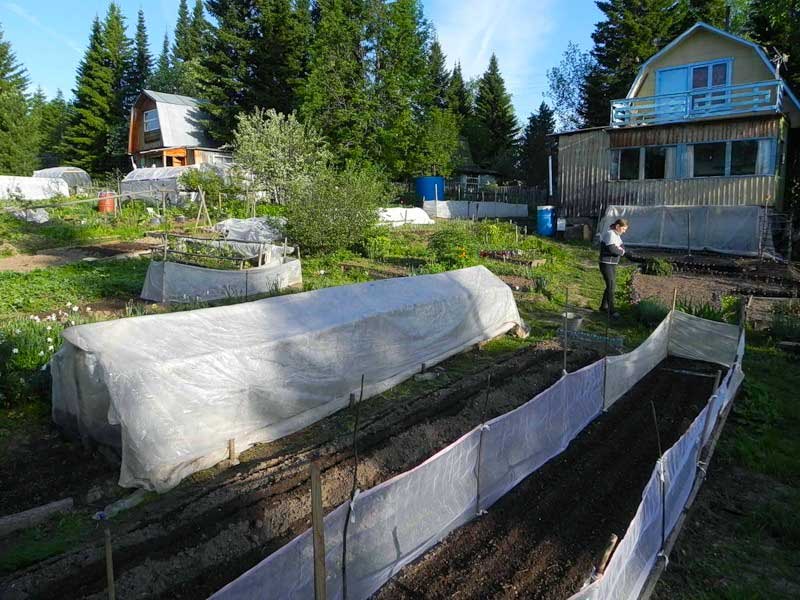
- Build a barrier of breathable fabric around the bed, since flies cannot fly high or travel long distances, they will not be able to reach the crop.

The fence needs to have an entrance for itself, but the carrot fly can't handle such a high barrier.
Folk
Gardeners have been using folk remedies to combat carrot fly for decades. They are safe for vegetables and humans and no less effective. Most often, various herbal infusions and spices are used. All of these are available at home, in the garden, or can be purchased at the store. It's best to use these methods at least once a month:
- Tomato tops infusion. Boil 4 kg of green tops in 10 liters of water for 4 hours. Strain, add 50 g of soap, and let cool. Dilute the resulting infusion with water and spray the greens.
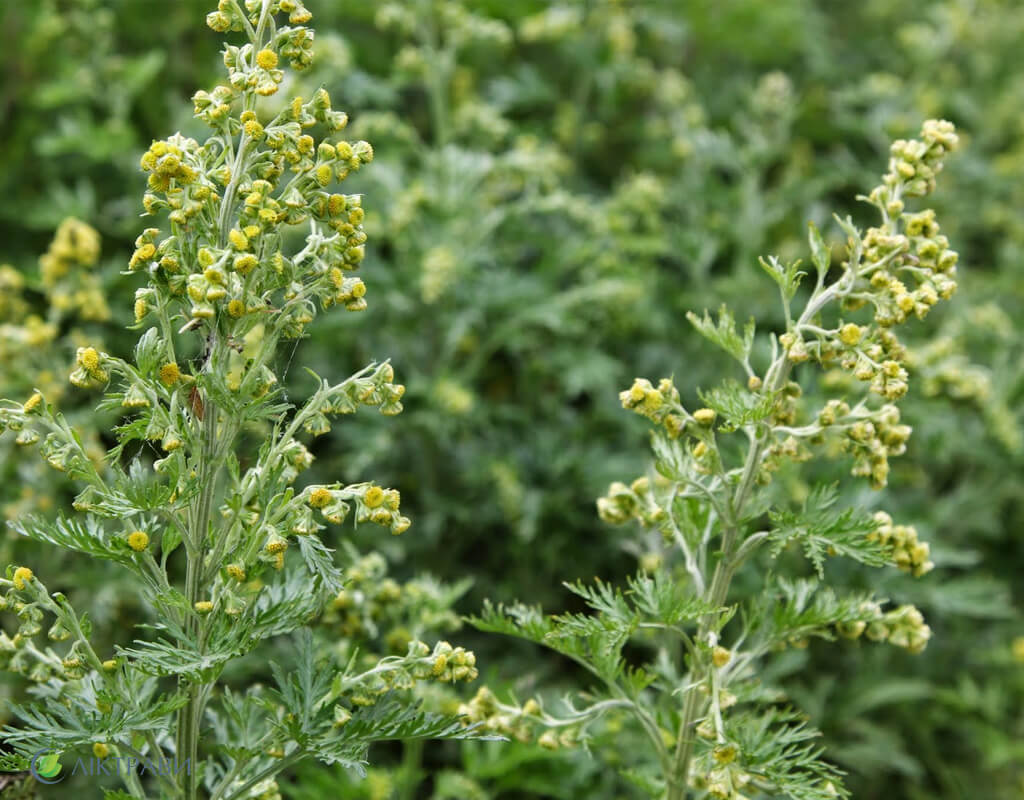
- Wormwood decoction. Fill a bucket of wormwood with hot water and boil for 10 minutes. Cool and strain. Divide the decoction into three parts and add 8 liters of water. Water the plants with this solution, and place the remaining wormwood between the rows.
A decoction of wormwood helps get rid of pests
- Onion infusion. Pour 300 grams of chopped onion or garlic into water and let it steep for about 24 hours. Add 10 liters of water and 30 ml of soap to the infusion and apply to the plants.
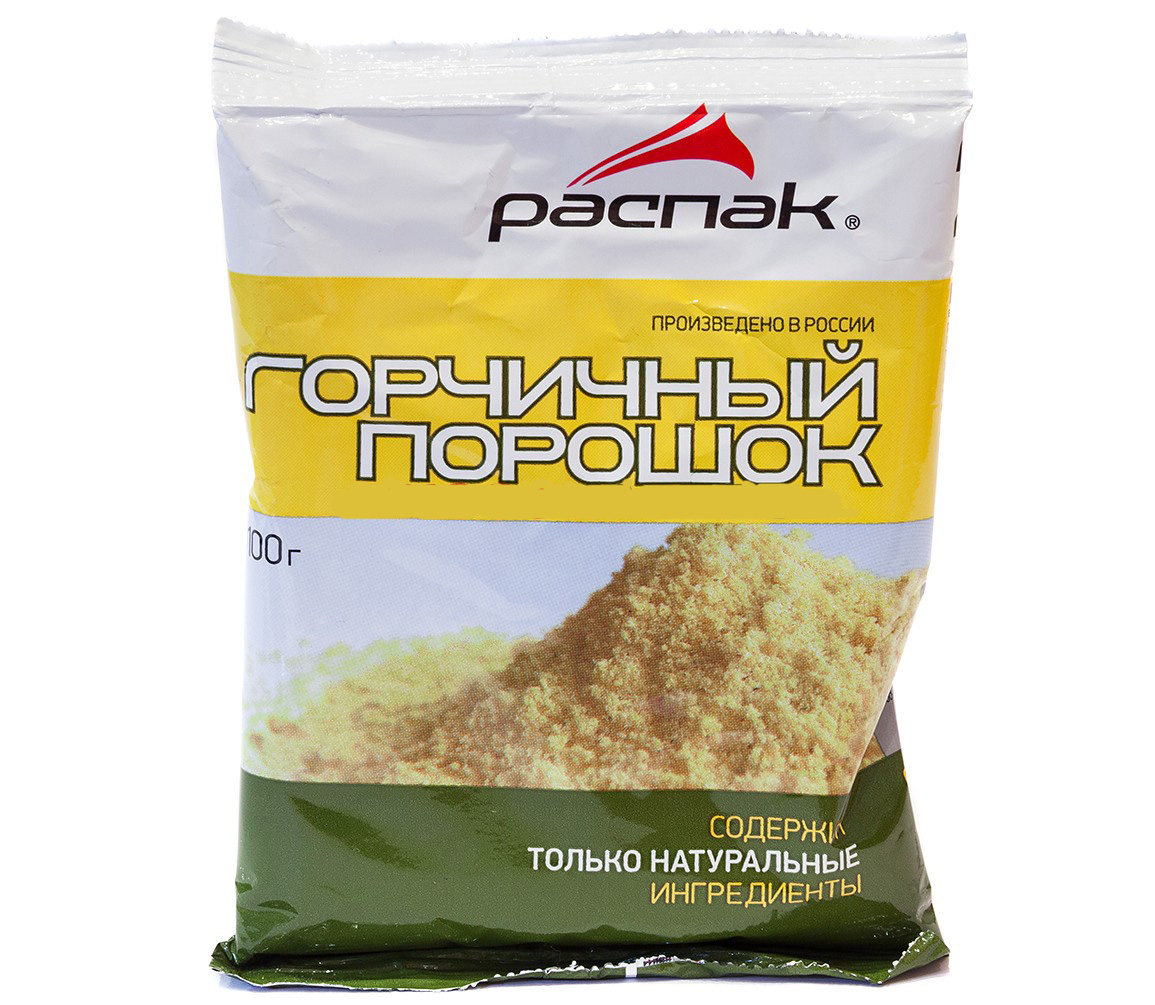
- Mustard powder. During the egg-laying period, treat the soil between the beds with mustard powder, tobacco dust, or red and black pepper.
Treating beds with mustard powder is popular among gardeners.
- Salt solution. Add about 25–30 g of salt to a bucket of water. Apply this solution to the beds during the first and third weeks of June.
- Ammonia. In May and July, water the beds with water with 1 tablespoon of ammonia added.
- Citrus infusion. In May and June, spray your plants with a citrus infusion. Add 500 grams of dried orange or lemon peel to a glass of water and let steep for three days in a dark place.
Chemicals
If all precautions and folk remedies fail to produce the desired result, it's best to turn to chemicals. They are reliable and proven. There are many products with varying effectiveness and effectiveness. Insecticides come in a variety of forms, as do their concentrations.
The most common remedies are:
- Arrivo;
- Decis - kills pests at different stages of their development;
- Aktara is very effective in controlling many pests of garden crops;
- Vantex;
- Fitoverm.
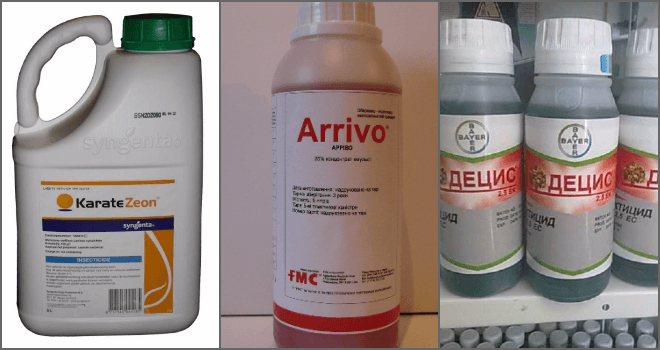
The use of insecticides is justified in the presence of large areas of cultivation, when the use of folk remedies for the control of carrot fly does not allow achieving a positive result.
Before using chemicals, read the instructions carefully. Incorrect use can have a negative effect and ruin the harvest. It's important to remember a few rules:
- morning and evening hours are suitable for processing the beds;
- the weather should be cool and windless;
- The beds must be treated using personal protective equipment and a limited number of times, strictly according to the instructions;
- It is necessary to observe the dosage.
Video: How to get rid of carrot flies
Prevention methods
To avoid carrot fly infestations, take preventative measures. They're simple, but don't forget them, as your harvest depends on them:
- Choose the right carrot varieties for planting, which have a high sugar content (for example, Vitaminnaya 5, Perfection, Calgeri F1);
- Make sure that the carrot beds are well ventilated and illuminated;
- Before planting, treat the seeds with pest control products (Azotofit, Fitocid-r);
- perform autumn soil cultivation by digging up the soil, which is necessary to destroy the larvae;
- Maintain moderate watering.
Reviews
Let's just say you can't do without thinning carrots, and I don't know anyone who doesn't. Alternatively, you can spray them before thinning to repel flies with this mixture: For ten liters of water, add a teaspoon of ground black pepper and liquid soap. Mix everything together and spray at a rate of about one liter per square meter.
The only thing that saves me from carrot pests is early planting—so early, in fact, that I start in the fall. I plant them interspersed with onion seeds, staggered. Depending on weather conditions, I usually plant around mid-October. Then we cover these beds with agrofibre and leave them there until spring, creating a mini-greenhouse. The seedlings emerge very early, and the onions also help protect themselves from onion flies, which the carrots themselves protect from onion flies. While the onions are ripening, I also sprinkle the soil with ash. This way, I get an early harvest that's healthy.
Since carrot flies are attracted to the smell of carrots, the main goal in controlling them is to mask the smell. The easiest way is to plant something with a strong scent near carrots; I usually plant onions or garlic. Another recommendation: when thinning carrots, the carrot smell intensifies and attracts carrot flies. Therefore, before thinning, spray the carrots with a solution: add 1 tablespoon of red or black pepper and 1 teaspoon of liquid soap to 10 liters of water. This solution will mask the carrot smell.
The carrot fly poses a serious threat: it can destroy not only young plants but the entire crop throughout the winter. Controlling it is quite difficult, but there are many proven methods. To avoid problems and associated hassles, preventative measures should be taken.