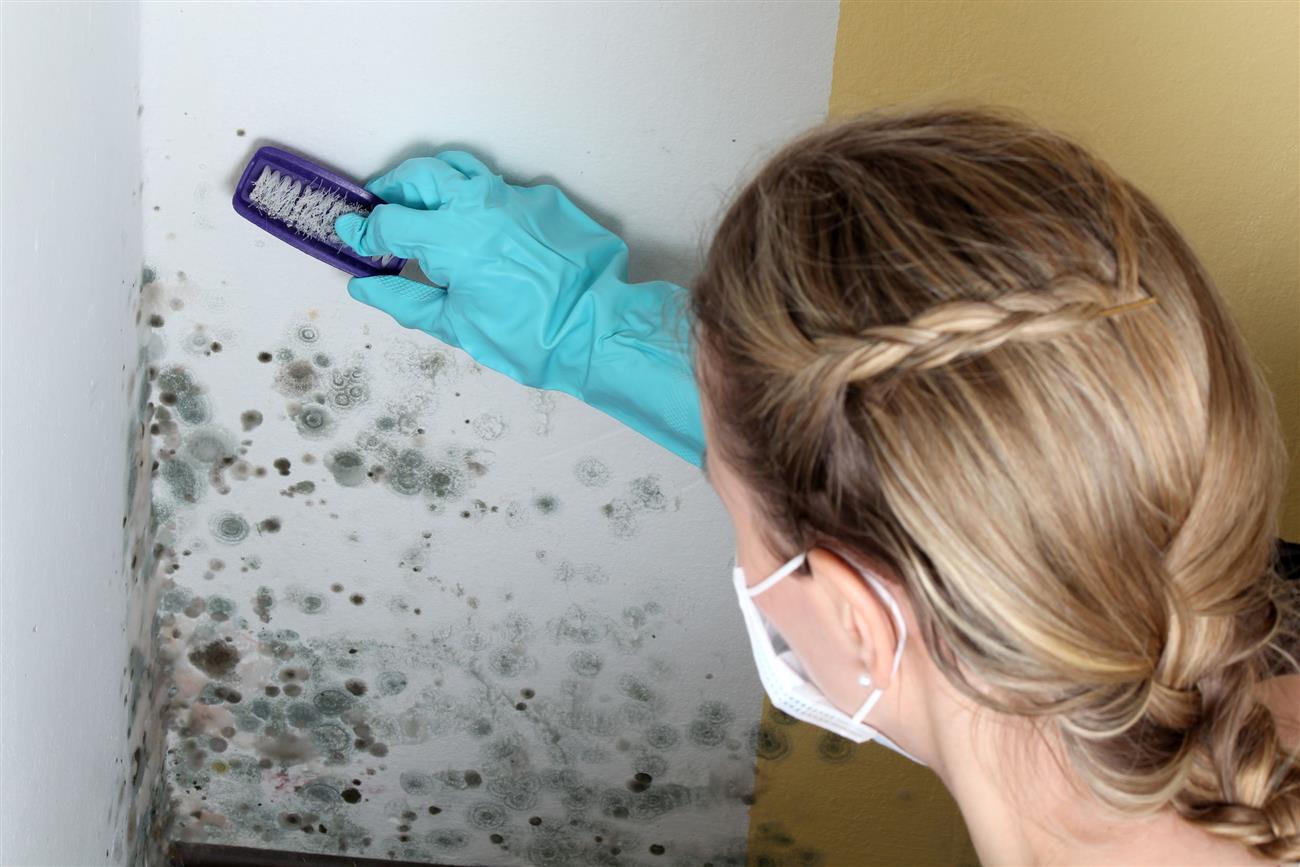
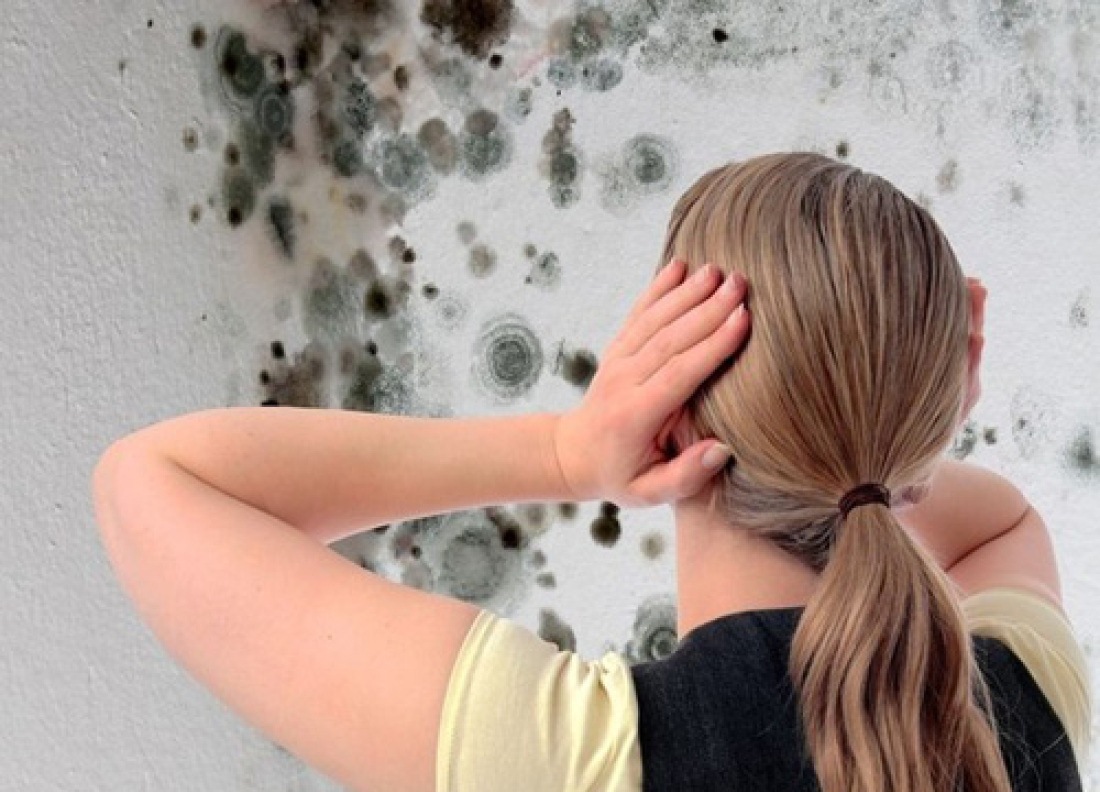
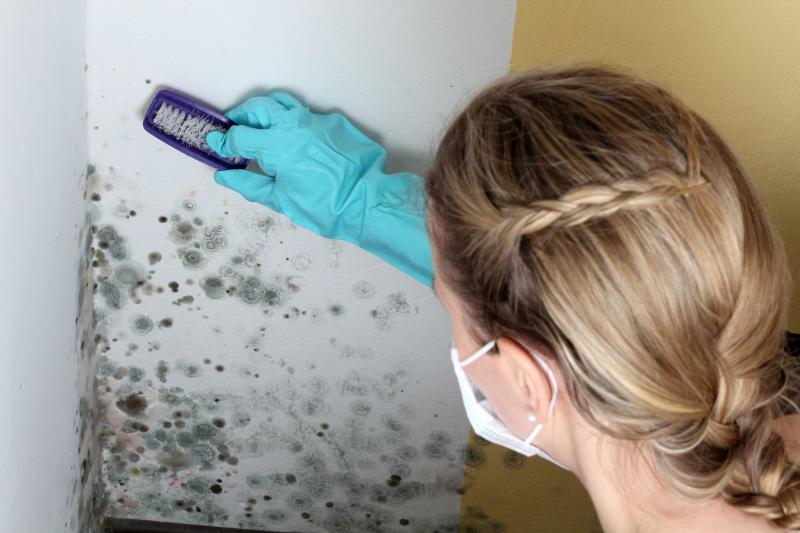
What should you do if mold appears on your walls? Black mold is dangerous to your health and affects all surfaces, from wood to concrete. A simple remedy for such problems, copper sulfate, has been popular for many years, and it's useful to learn more about its use.
Content
What properties does copper sulfate have?
Copper sulfate is also known as copper sulfate. It occurs naturally as a mineral and appears as a loose mass of bright blue crystals. It is a nonvolatile, tasteless, and odorless substance. It dissolves readily in water, alcohol, and concentrated hydrochloric acid.
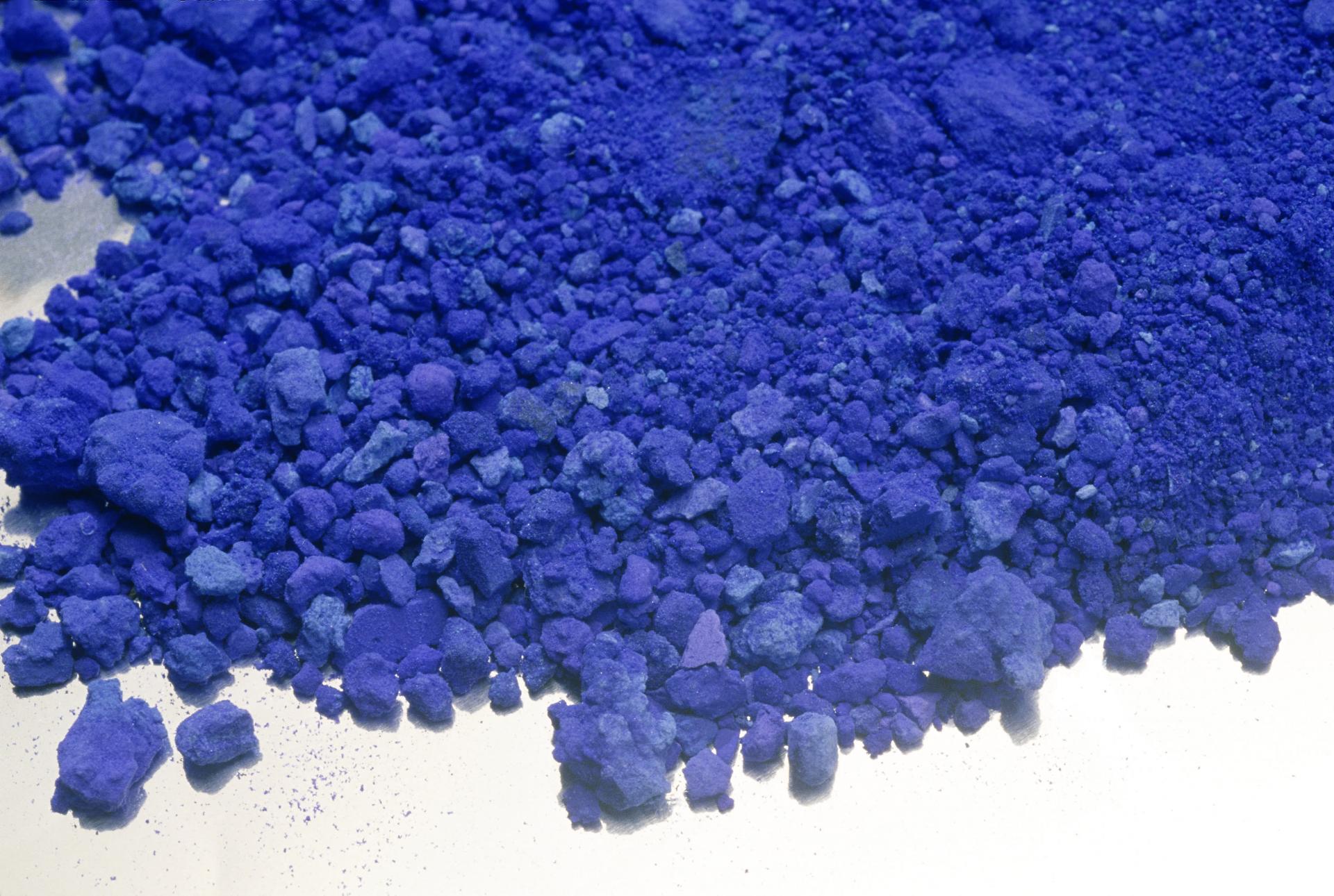
Copper sulfate is one of the cheapest and most effective means of combating mold.
The drug has antiseptic, disinfectant and astringent properties, due to which it is used:
- when impregnating wood;
- in pest control;
- when treating seeds;
- in leather processing;
- as a medical drug.
Copper sulfate, or copper salt, dissolves readily in water. This property allows for the preparation of solutions of varying concentrations.
How does the drug work on mold?
Copper sulfate has excellent antiseptic properties, making it suitable for disinfecting mold-damaged walls. Furthermore, its drying properties help reduce the moisture content of the treated surface, making it difficult for mold to grow again.
What kind of mold can copper sulfate help combat?
Any mold is a colony of single-celled fungi that develops from spores, which are constantly present in the air in large quantities in a dormant state. The spores "awaken" to intensive reproduction as soon as favorable conditions arise, such as high humidity and warmth.
White mold is the least resistant to aggressive chemicals. It poses no serious danger and is easy to kill: simply rinse the surface with water and citric acid or a copper sulfate solution.
The worst thing is when black mold takes up residence in your home. It comes in many different strains, making it difficult for a non-expert to identify. Characteristics of this type of mold include:
- high activity;
- the ability to immediately destroy affected materials;
- resistance to various drug effects.
Black mold poses a serious danger to the body: when inhaled, fungal spores cause irritation, allergies, and poisoning.
Therefore, if you discover black mold in your home, you need to get rid of it as quickly as possible. This requires studying the experiences of those who have successfully eliminated mold from their homes. You should also find effective antifungal agents, with copper sulfate considered one of the most proven.
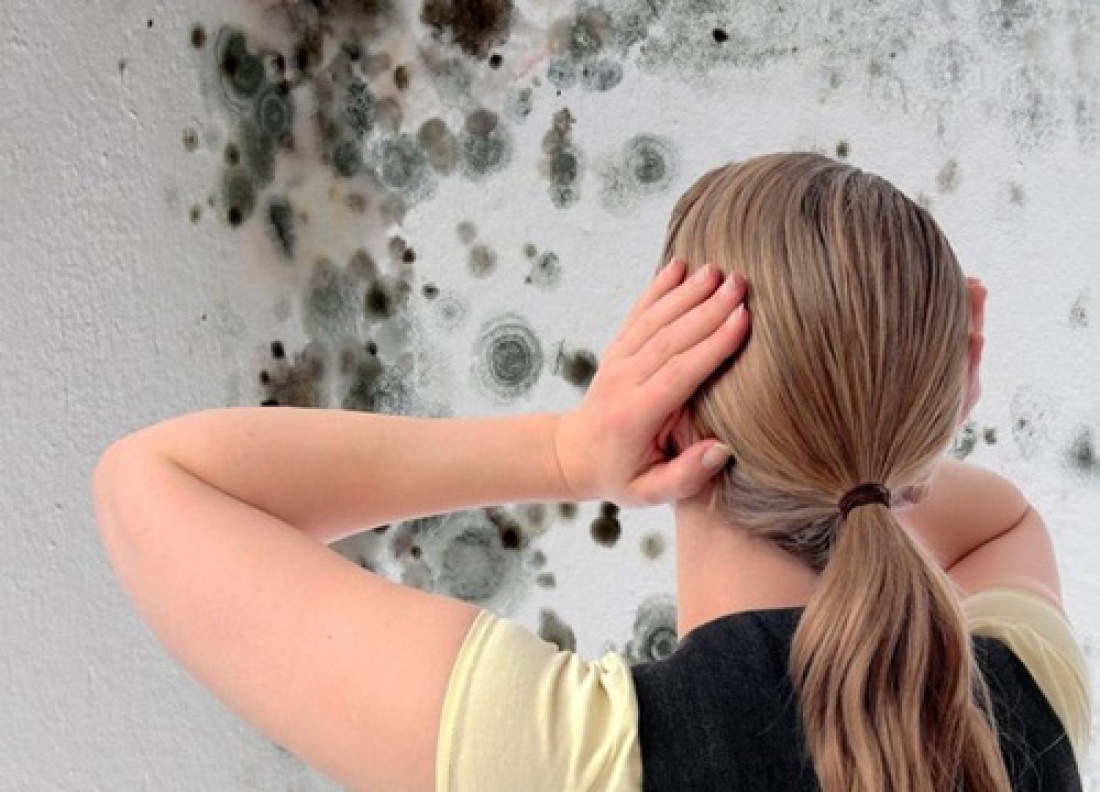
To get rid of black mold permanently, you will need to use an antifungal agent.
Killing wall fungus with copper sulfate
The drug can be purchased at construction and hardware stores, garden centers, and even veterinary shops.

Copper sulfate is sold in gardening stores and building supply stores.
It is inexpensive, approximate prices for packages:
- 25 grams: from 25 rubles;
- 100 grams: from 80 rubles;
- 300 grams: 120–150 rubles;
- 1 kg: 250–350 rubles;
- 25 kg: 4900–5500 rubles.
To treat surfaces, you will need to prepare a working solution. To do this, the drug should be diluted in warm water at a rate of 20–30 grams of the product per 1 liter. Then stir well. To enhance the effect, add a tablespoon of acetic acid to the solution.
How to properly treat walls
Preparation for wall treatment includes 4 stages:
- Cleaning the affected surfaces from any coating of paint, wallpaper or whitewash.
- Scraping off plaster with the deepest penetration of mold.
- Additional sanding of the wall with coarse sandpaper.
- Washing the walls with soapy water and then drying.
This deep cleaning is necessary to remove as many layers as possible that may harbor invisible mold spores.
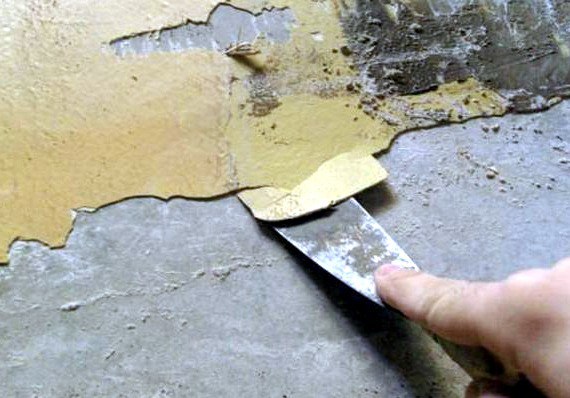
Deep cleaning is needed to treat deep layers in porous materials.
Next, you'll need to apply a copper sulfate solution. This is recommended using proven guidelines:
- For work use a foam sponge, brush or sprayer;
- Apply a layer of copper sulfate thoroughly, without rushing, in order to destroy fungi and spores as deeply as possible;
- After the applied layer of copper sulfate has dried, apply the solution again.
To speed up drying, you can blow air onto the wall with a fan heater or a special heat gun. Depending on the depth of the fungal infestation, apply copper sulfate three to five times.
To prevent uncoated areas of the surface, 0.05 grams of aniline dye is added to the solution, which will make the difference between treated and untreated surfaces visible.
What else can copper sulfate be mixed with?
There are other mold-fighting agents, including sulfur, fluoride-containing pastes, and lime. However, most of these products pose a risk to humans and animals. Some people use drying oil, bitumen, or tar to treat the walls of non-residential buildings. However, such protection doesn't last long. Of all the preparations, copper sulfate and lime pose the least danger.
A preparation containing both copper sulfate and lime can be prepared in the following proportions:
- slaked lime - 1 kg;
- copper sulfate - 100 g;
- water - 8-10 liters.
Sequence of actions:
- Dissolve copper sulfate in water.
- Dissolve lime in a separate container.
- Pour both solutions together and mix well.
Using a brush or sponge, apply the resulting mixture to the affected surface. Then allow the wall to dry. Wear protective gloves when working.
Video: Copper Sulfate for Mold Control – How to Use and Dose
Necessary precautions
Copper sulfate is classified as a hazard class 4 substance (low-hazard). It affects not only fungi but also all living organisms. To reduce the impact of the product on humans, several important rules should be followed during treatment:
- It is better to protect the respiratory tract with a gas mask or respirator;
- When working with the solution, you must use rubber gloves;
- clothing for work must cover the body completely;
- After treatment, the room must be thoroughly ventilated.
When treating the ceiling, it's important to consider protecting your face. Wear a mask and goggles.
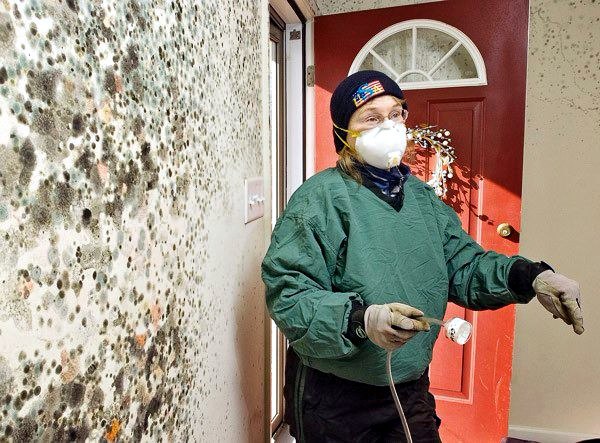
It is important to take into account all the rules for using copper sulfate in the fight against mold.
After antifungal treatment, it's best to limit time spent indoors to a minimum. Surfaces coated with copper sulfate dry completely within 2-3 days. Once dry, the product no longer poses a health risk.
Those with allergies and asthma are most sensitive to mold spores, but even healthy people in a moldy room may experience watery eyes, headaches, and coughing fits.
After treating the area, carefully inspect your skin. If the solution comes into contact with your skin, rinse it thoroughly with water. If the solution gets into your eyes, rinse them quickly with running water. If copper sulfate is accidentally swallowed, rinse your mouth with water and try to induce vomiting.
Sometimes, after exposure to the drug, nausea, vomiting (bluish or red), severe headache, abdominal cramps, and shortness of breath occur. This is what poisoning looks like. Symptoms include jaundice, cardiac arrest, and severe muscle weakness.
There is also a high probability of developing “copper fever”, which causes the following sensations:
- an unpleasant sweetish taste in the mouth;
- dry cough;
- chills;
- severe headache;
- cramps and shortness of breath;
- tearing, stinging eyes;
- profuse sweat.
If similar symptoms appear, you should definitely call a doctor.
Contrary to popular belief, castor oil is not recommended for use as a laxative or emetic.
Copper sulfate to prevent mold
Copper sulfate is used not only to kill mold on walls but also to prevent its potential reappearance. To achieve this, apply at least one coat of the solution to the dampest areas approximately once a year. It's best to prevent mold in the spring or fall, after the end of the heating season or before it begins.
This solution is also used for preventative purposes in construction, where copper sulfate is applied to walls before finishing work begins. This technique helps protect the deepest layers of the walls. It's important to remember that wallpapered surfaces should not be treated with copper sulfate solution.
For particularly extensive lesions and constantly wet corners, even multiple applications of copper sulfate solution will not be enough. A more radical approach will provide true preventative measures:
- Break up corner cracks.
- Process and properly insulate the seam.
- Seal it properly from the outside.
All work to destroy fungal mold must begin with eliminating the causes of its occurrence. The appearance of mold indicates defective construction materials, loose masonry, or leaky panel joints. If this is the top floor, the cause may be a persistent roof leak or insufficient insulation in the attic adjacent to the exterior wall.
Reviews of copper sulfate for mold control
Copper sulfate will kill all the mold. And if you increase the radiators, everything will be fine. But you might have to insulate the wall.
I'm sorry to disappoint you, ladies, but in my experience, this problem is only temporarily resolved. There really needs to be proper ventilation; that will help. They also treat it with copper sulfate and some kind of irradiation lamps (I think)—but again, it always comes back. In most cases, it's not just mold—it's mildew on the walls.
A relative of mine got rid of mold in one go – he scrubbed the walls with a brush and treated them with copper sulfate twice. It's been eight years now, and still no sign of it.
The product does eliminate mold in the apartment, but it's not permanent. The cause of the mold needs to be identified, and the appropriate authorities should be responsible. Your most important actions are to ventilate the room as often as possible, dry surfaces, and keep the exhaust hood free of debris and clogs.
You can combat dangerous fungal growth on wood, concrete, and brick walls with a tried-and-true solution: copper sulfate. However, keep in mind that areas with high humidity and inadequate ventilation will require annual preventative treatments.