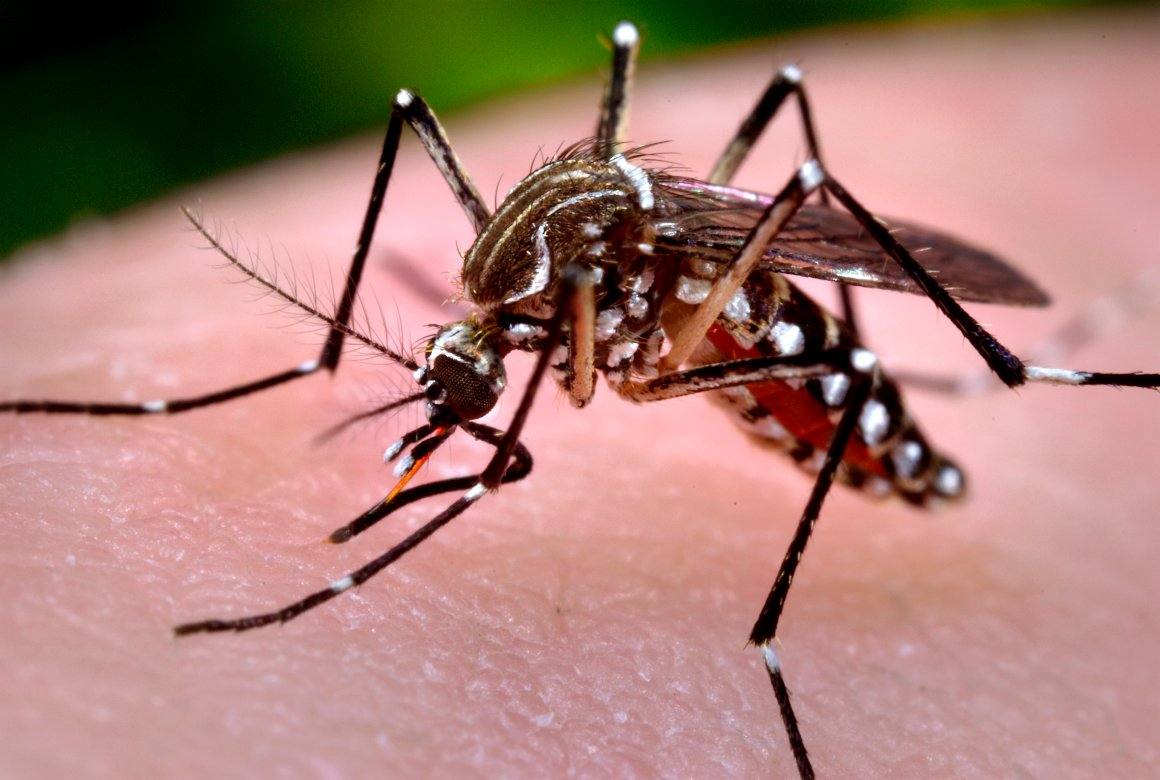
Many have heard of the malaria mosquito, but not everyone knows enough about this dangerous insect. Where does it live and what does it look like? Are there differences between the common, familiar squeakers and the anopheles mosquito? Where is this species most commonly found, and how can you protect yourself from its bite? What should you do if you do experience an unpleasant encounter? We'll answer these and other questions about the malaria mosquito right now.
Content
Characteristics and life cycle of an insect
You've probably experienced situations where, upon seeing a large, long-legged insect circling nearby, people ran away or tried to kill it, explaining their fear by the fear of contracting malaria. In fact, the crane fly is completely harmless.
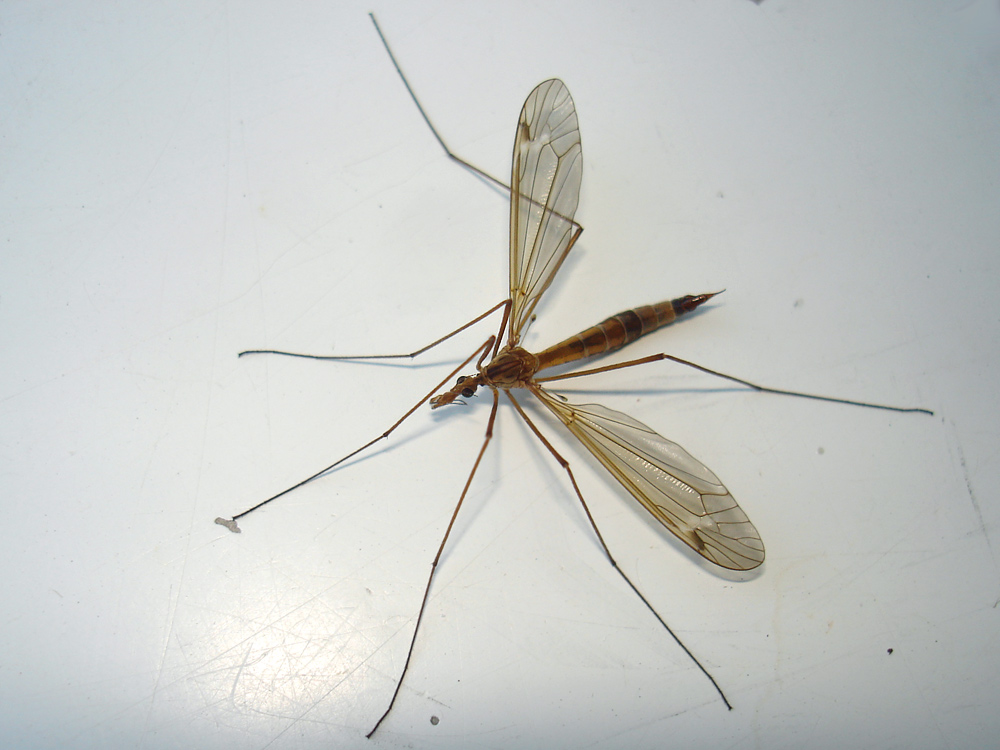
The crane fly is often called the malaria mosquito, but this is a gross mistake.
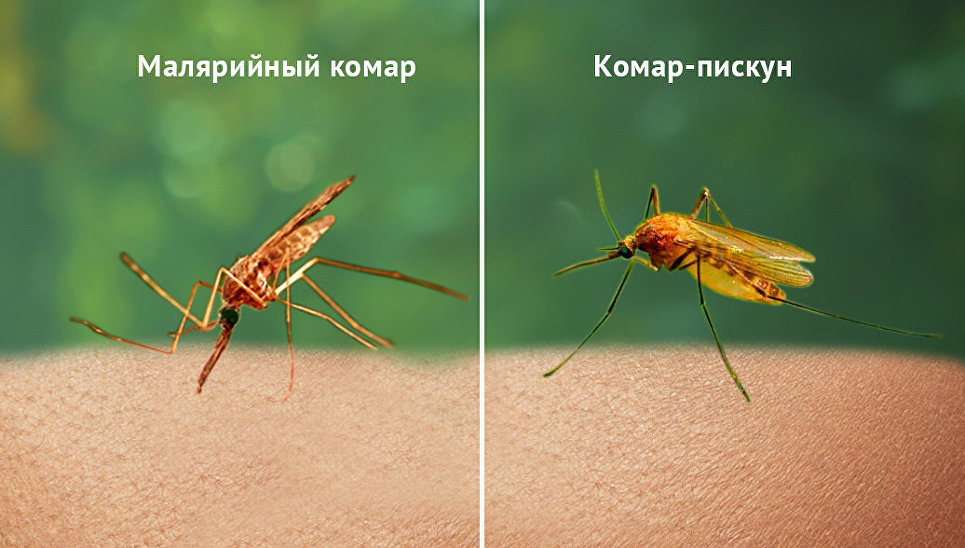
The malaria mosquito looks quite different. The Anopheles mosquito, as this insect is known in scientific circles, bears a strong resemblance to the common squeaker, but there are some differences:
- The legs of the malaria mosquito are longer than those of the common mosquito;
- The female anopheles has segmented tentacles on her head that are the same length as her proboscis. In the common peeper, these tentacles do not exceed 1/4 the length of the proboscis;
- the wings of malaria mosquitoes are covered with dark spots;
- When at rest, the anopheles positions its body at an angle to the surface, while the common squeaker positions its body almost parallel to the plane;
- Before biting its victim, the malaria mosquito performs intricate dance-like steps in the air.

Sometimes you can distinguish an anopheles mosquito from a common mosquito only by its position on the victim's skin.
Reproduction and nutrition
Young winged mosquitoes (imagoes) initially spend their early years in the coastal thickets of a body of water. During this period, the insects (regardless of gender) feed exclusively on plant juices. It's worth noting that anopheles are more selective in their choice of habitat and breeding grounds: these insects prefer bodies of water that are not overgrown with mud or reeds and have clean water with a slightly alkaline or neutral reaction. The female then mates with the male, searches for prey, and drinks blood, which is necessary for the normal development of the eggs. After sitting for several days in a dark place or thicket, the female lays eggs in a favorite body of water, the number of which can range from 60 to 350 in each clutch.
This is interesting! After laying eggs, the female anopheles again feeds on plant juices without showing any aggression. This lasts about 48 hours. Then the entire process begins again: mating, searching for blood, incubation, and producing offspring.
The number of clutches, and consequently the number of mosquito generations, can vary from 2 to 6, even up to 7. The length of the summer has a significant influence on the reproduction of individuals.
The eggs hatch into larvae that live near the water's surface and breathe air through special openings in the back of their bodies. The optimal temperature for anopheles larval development is 25°C. oC.
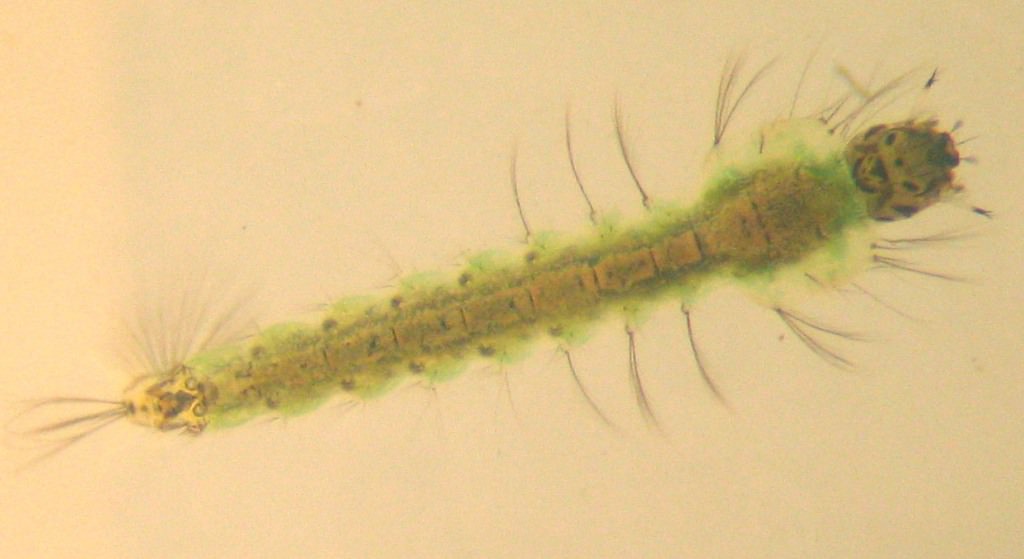
The development period of the malaria mosquito larva is several weeks.
Under these conditions, pupae and then adults can emerge within 15 days. If the water temperature is lower, the development process is delayed and can take up to 4 weeks.
Habitat
Malaria mosquitoes live on almost every continent. Because this insect species dies at very low temperatures, the Anopheles mosquito is absent only from Antarctica and the Far North. In Russia, the distribution area of these "bloodsuckers" covers the entire European part of the country and is also found in Western Siberia, where the climate allows them to reproduce. The common malaria mosquito is found in the Far East, but the temperatures there are too harsh, preventing the plasmodia (parasitic organisms) from successfully completing their life cycle and dying.
Why is the malaria mosquito dangerous?
Anopheles is a carrier of malarial plasmodia, which are harmful to the body. Every year, about one million people infected with this terrible disease die on our planet. Although this disease is most widespread in the tropics, cases of malaria infection also occur in Russia (in 2017, 9 cases of the disease were recorded).
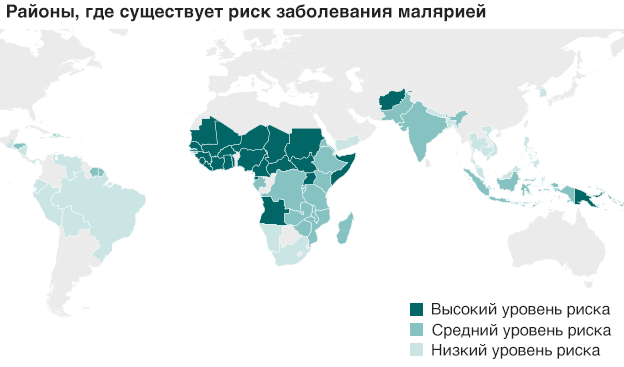
This map shows the regions with the highest risk of malaria.
Malaria is a group of infectious diseases transmitted from person to person through an infected insect. Only female anopheles mosquitoes transmit the disease, as males do not feed on blood. Females have a longer lifespan (approximately two months). They continue to transmit the disease for as long as they have fed on the blood of a person infected with malaria.
In addition to malaria, anopheles can carry about 50 types of other viruses, including encephalitis, yellow fever, lymphatic filariasis, and tularemia.
Symptoms of infection
The skin reaction to an Anopheles mosquito bite is no different from the reaction to a common mosquito bite. People typically experience the following symptoms:
- local swelling of the skin (reaction to an enzyme in insect saliva) no more than 2 cm in diameter;
- slight redness at the bite site;
- minor compaction;
- itching.
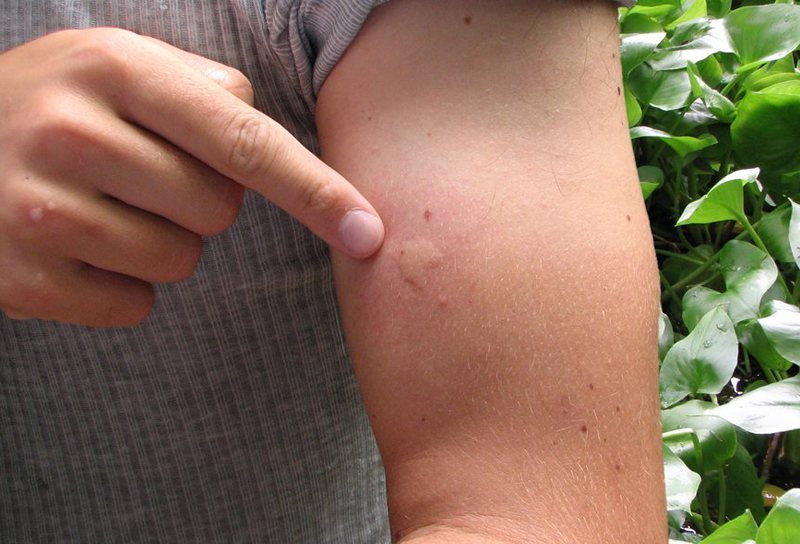
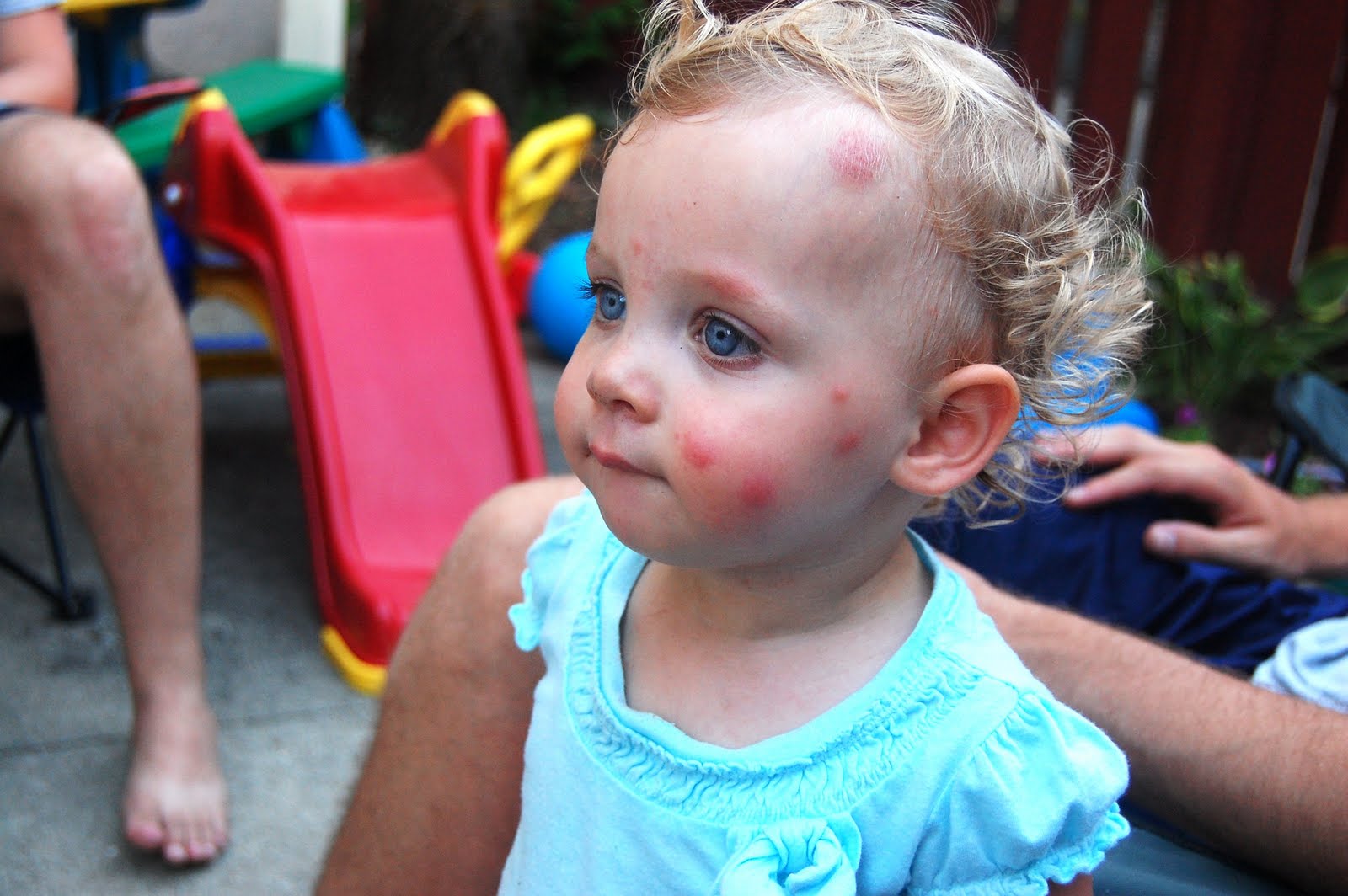
The bites of an anopheles mosquito and a common mosquito are not externally different.
If you don't scratch a common mosquito bite, the discomfort will subside on its own within a few hours. However, people prone to allergic reactions may suffer more, as swelling at the site is more extensive, itching is more intense, and in some cases, a rash and swollen lymph nodes may develop. Taking antihistamines can help relieve discomfort within 1–2 days.
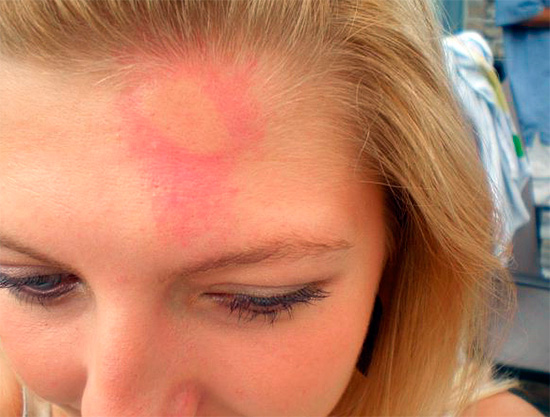
Allergy sufferers experience much greater discomfort from mosquito bites.
If the bite was caused by a malaria-carrying mosquito, symptoms of the disease appear on average a week after infection, that is, when the incubation period ends. Signs of malaria may include:
- a sharp increase in body temperature;
- chills, often followed by fever;
- increased sweating;
- weakness;
- joint pain;
- vomit;
- convulsions;
- yellowish skin color;
- severe headaches;
- dry cough;
- cerebral ischemia (a dangerous condition that develops in response to oxygen starvation).
These symptoms often alternate, replacing one another. Attacks of malarial fever can last from 4 to 8 hours. The disease then progresses and causes serious problems in the human body: anemia appears, and the liver and spleen become enlarged.
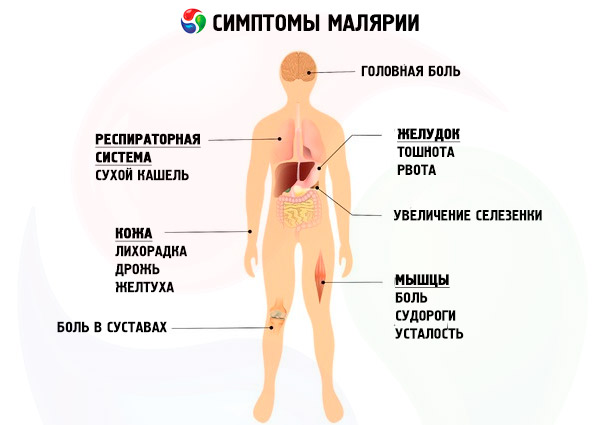
At the first symptoms of malaria, you should immediately go to the hospital.
As mentioned above, malaria-carrying mosquitoes can transmit other infections. Therefore, if you experience the symptoms described above, as well as a slight fever, headache, conjunctivitis, or general malaise following an insect bite, you should seek medical attention immediately. A correct and timely diagnosis saves lives!
First aid after a bite
It is quite difficult to notice what kind of mosquito has bitten you, a common one or a malarial one. Therefore, the first step after exposure to an insect should be taking antihistamines, such as Claritin or Tavegil. This will help prevent or alleviate any possible allergic reaction.
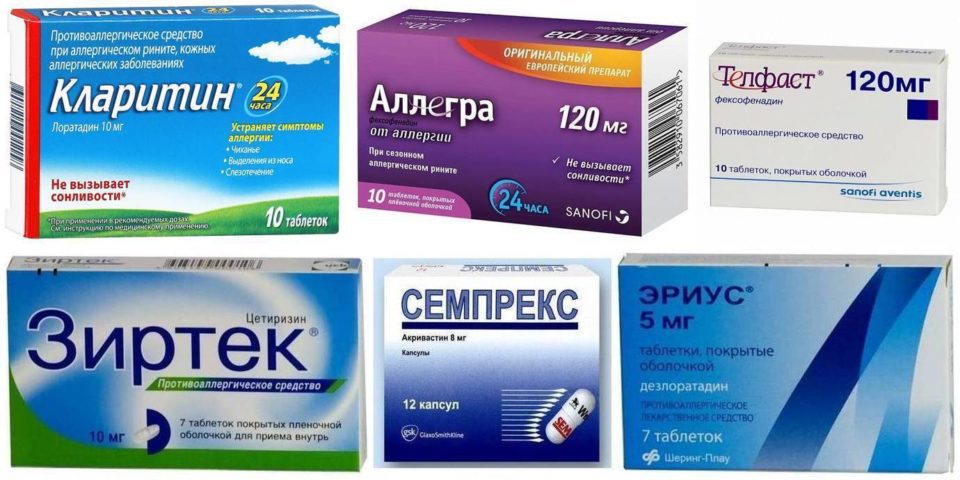
If you are bitten by a mosquito, the first thing to do is take an antihistamine.
The bite site should be treated with Fenistil gel. This will help relieve redness and itching. Alternatively, ice cubes, tea bags, brilliant green, potassium permanganate solution, aloe vera juice, and plantain leaves can be used for topical skin treatment.
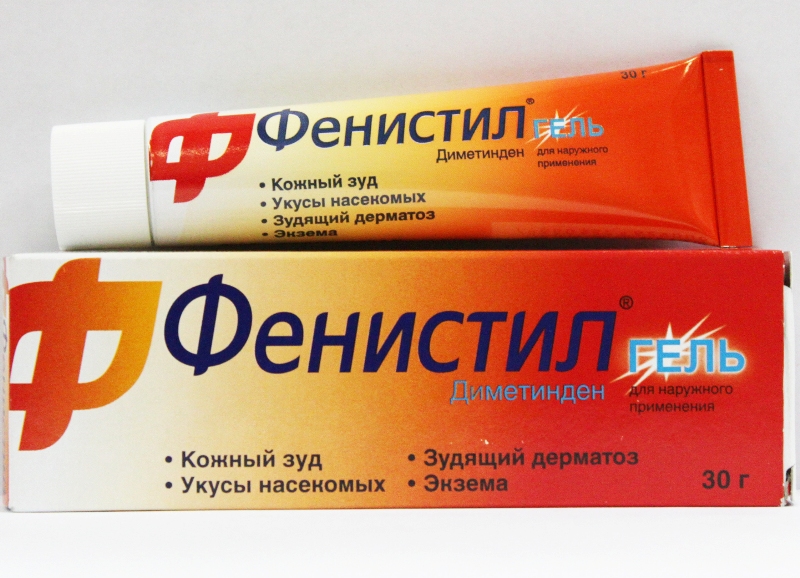
Fenistil gel is excellent for relieving allergic reactions.
Malaria is diagnosed using blood tests (smears) that allow one to determine the type of malaria plasmodium. It is important to know that it also takes time to get results, so the sooner you contact your doctor, the greater the likelihood of a successful outcome.
Important to remember! Malaria is a life-threatening disease. Young children and pregnant women are at the highest risk. If you suspect you've been bitten by a malaria-carrying mosquito or if you experience any signs of infection, seek immediate medical attention from an infectious disease specialist.

Malaria can only be cured with traditional medicine.
Currently, there are diagnostic tests using immunoassay kits based on molecular biology methods. This method allows for test results to be obtained in as little as 15 minutes. However, this option requires significant investment.
Treatment
After identifying the mosquito species, the doctor will prescribe treatment. Currently, the following are used to combat malaria:
- quinine;
- combination drugs with artemisinin;
- extract of annual wormwood (Artemisia annua).
In some cases, an extract of annual wormwood is used to treat malaria.
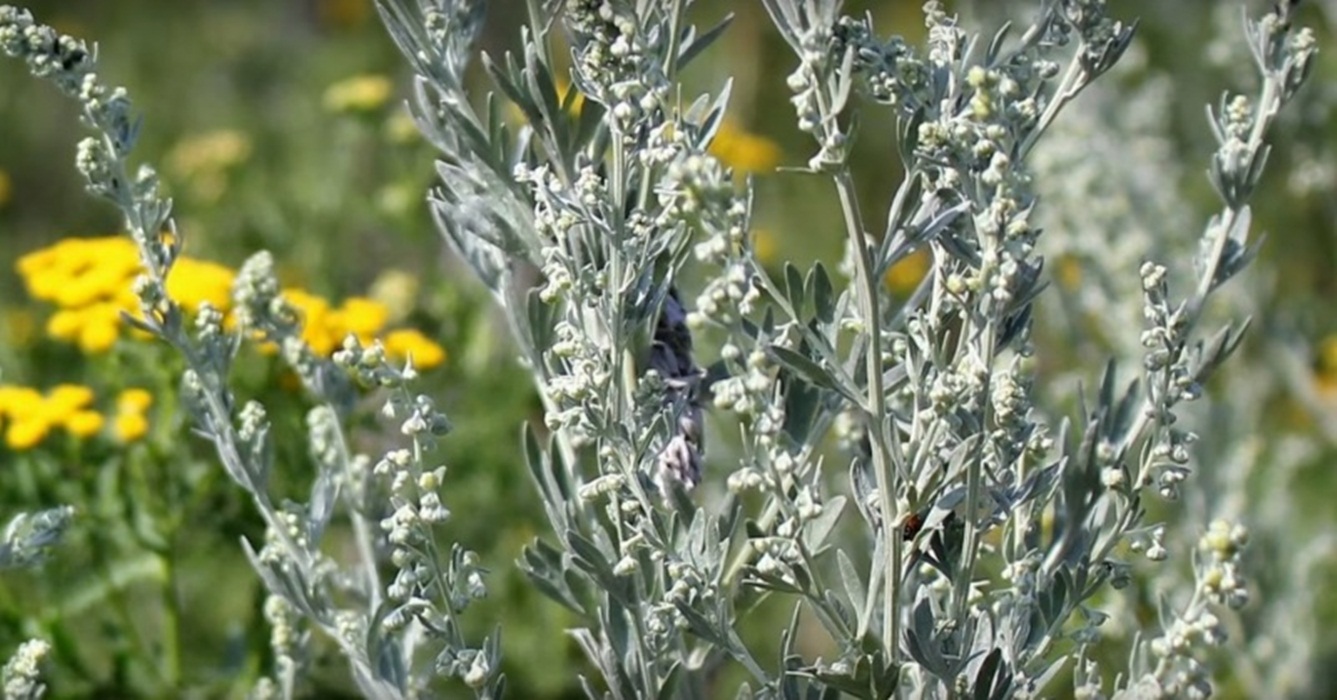
Interesting! The first single-dose antimalaria drug was developed at the University of Texas Medical Center. However, it is still in the clinical trials phase.
Prevention
There are a number of medications that are aimed at preventing possible malaria. These include:
- Delagil;
- Plaquenil;
- Lariam;
- Malarone;
- Fansidar;
- Doxycycline and others.
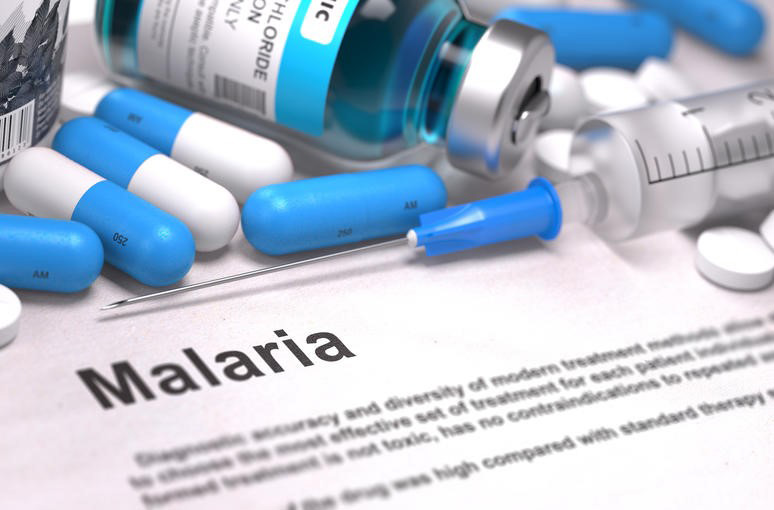
When traveling to countries at risk for malaria, be sure to find a place in your travel first aid kit for preventative medications.
These medications have a large number of side effects (nausea, dizziness, vomiting, fatigue, diarrhea, headaches) and can simply ruin your vacation. Before taking such medications, you must consult your doctor.
Important to note! Taking these medications does not provide 100% protection against malaria infection from an anopheles bite.
To protect yourself and your loved ones from malaria-carrying mosquito bites, follow a few simple rules:
- The windows of your home should be covered with mosquito nets. When heading out into the wild, remember that tents need the same protection.
- Use insect repellents, which will prevent insect bites for several hours. You can replace chemical repellents with aromatic lemon or eucalyptus oil, but this method is much less effective.
- To repel insects, use fumigators with liquids and tablets, anti-mosquito coils, special scented bracelets and stickers on clothing.
- When in a risk zone, dress in such a way that there are as few exposed areas of the body as possible.
- Use air conditioning indoors. Low temperatures not only repel pesky insects but also prevent the development of malaria parasites.
- In the courtyards of private homes and summer cottages, do not allow rainwater to accumulate, keep artificial reservoirs (if any) clean, and regularly carry out pest control treatments.
Photo Gallery: Basic Mosquito Repellent
-
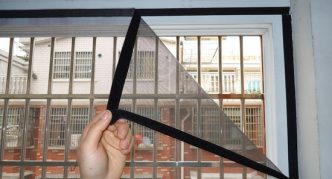
- Mosquito nets are a reliable means of protection against mosquitoes and most other insects.
-

- To repel mosquitoes, use chemical or natural repellents.
-

- Anti-mosquito coils will come to the rescue during outdoor recreation and in courtyards
-

- To reduce the risk of being bitten by a malaria mosquito, try to choose clothing that covers your body as much as possible.
-
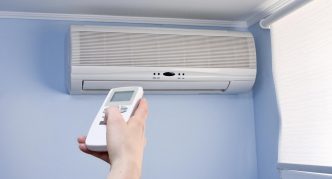
- Temperature changes repel mosquitoes
-

- An artificial pond is an ideal breeding ground for mosquitoes, so it is necessary to maintain a high level of cleanliness.
Reviews of protective and preventative measures
Users recommend not to use drugs without an apparent reason or to limit yourself to only one of them.
You don't need to take anything. If you want to calm yourself down, take doxycycline. Doxycycline is taken daily, one 100 mg tablet, starting a week before arriving in the risk zone and continuing for a month after leaving. It's inexpensive and available at any pharmacy. Taking such a small amount of doxycycline doesn't cause any side effects, even though it's an antibiotic.
Experienced travelers advise using repellents that contain certain substances.
Repellents should be used according to the situation. If you're protecting yourself from malaria-carrying mosquitoes, for example, you need repellents with a high DEET content—30%. These aren't always available locally. For example, in Yurimagus, Peru, a city practically located in the jungle, the strongest repellent was 7.5%. So, it's best to buy some at home in advance.
Reviews of various medications and preventative measures vary widely. However, many users agree on one thing: before using any product, it's essential to consult a specialist.
You should buy Malarone upon arrival. It's a fact. But taking a full course immediately after arrival isn't practical. Firstly, it's not guaranteed to work 100%. Secondly, you need to take it beforehand, otherwise you won't be protected for the first 10 days. Thirdly, Malarone is a real pain in the ass for your liver. That's why many people tend to carry Malarone with them and be more cautious. And if the first symptoms appear, then treat them. Malaria is easier to cure than to prevent.
The doctor from the Institute of Tropical Medicine first hinted, and then directly told us, that it's best not to take the pills. The risk of getting sick was small (we were traveling to the Amazon jungle), and the side effects could be very unpleasant. Gin was a preventative measure. Don't get drunk, of course, but 50 grams three times a day is perfectly fine. Naturally, the doctor didn't record these recommendations in our medical records!
As someone who recently recovered from this sweet illness, I can say: out of 20 people, 18 took Lariam according to all the instructions before the trip (we were in Uganda for a month). Fourteen of us got sick. Moreover, of the two who didn't take Lariam, one got sick, while the other (who used repellents) didn't.
Video: How to distinguish a malaria mosquito from a regular one
Malaria becomes a life-threatening disease only when prompt and qualified medical care is not provided. If precautions fail, you've become a victim of anopheles, or you notice any symptoms indicating possible infection, consult a doctor immediately. After undergoing the necessary tests and a tailored treatment plan, you can enjoy life again and rejoice in every day! Stay healthy!