When outdoors, we risk becoming targets for many insects—mosquitoes, horseflies, wasps, ticks, and ants. The moose tick is one of these insects. Despite its name and food preferences, this parasite can accidentally attack humans. Busy hunting, foraging for berries and mushrooms, some don't always notice the small fly, while others, on the contrary, confuse it with a tick and begin to panic. First, we need to figure out what we're dealing with.
Content
What you need to know about moose ticks
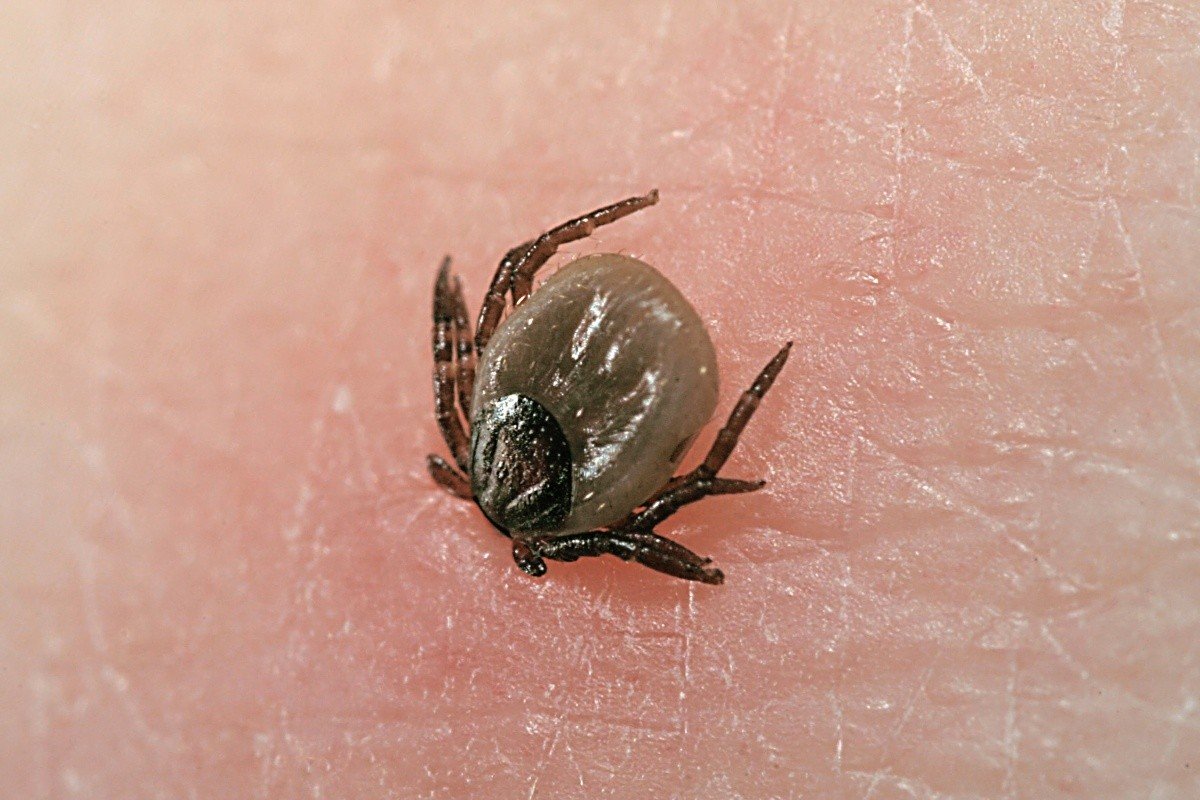
This insect has received many names—moose fly, moose tick, deer louse. This is due to its external resemblance to flies (having wings and a proboscis), ticks, and lice. This parasite belongs to the bloodsucking family.
The bloodsucker is light brown, small, no more than 5 mm, and consists mostly of its head. Its body is slightly flat, and its abdomen is soft. The insect has 6 legs with large claws, long wings up to 2 cm, and 5 eyes—2 large and 3 small.
Despite their “wingedness” and “bright eyes,” bloodsuckers fly poorly and have weak eyesight, capable of distinguishing only the general outlines of objects.
The insect's habitat and population size depend on the number of large animals and the amount of pasture available. The moose tick's primary prey are elk, deer, wild boar, and bears, which inhabit the forests of Scandinavia, America, Siberia, and northern China. Domestic livestock (cows, sheep, and goats) are also known to be parasitized.
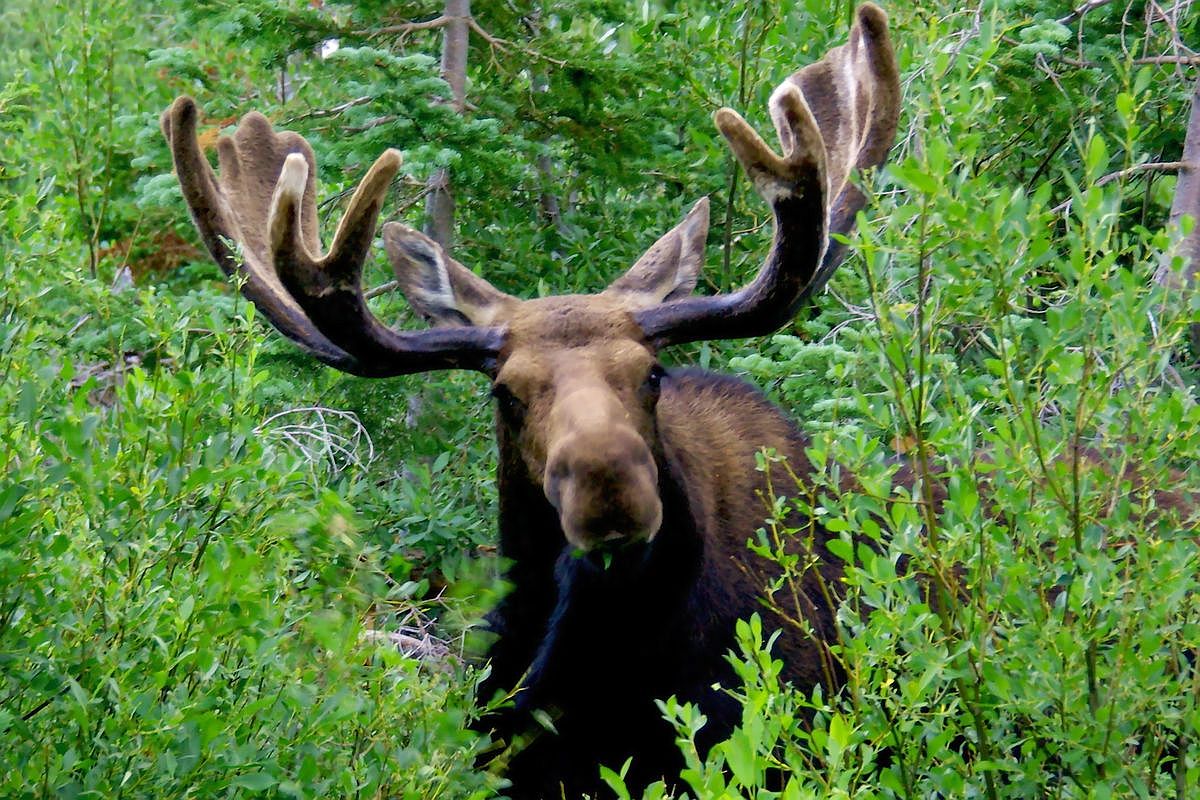
Moose, deer, bears, and wild boars become victims of bloodsuckers.
Moose ticks live less than a year. They are remarkable in that they form strong family pairs, attack animals together, and thrive.
The insect is a pupate. They do not lay eggs, but, like viviparous insects, carry the pupae in their abdomen until they mature. The pupae (puparia) are smooth and black, and after hatching, they fall from the fur into the grass. During the winter months, the puparia are found in the snow.
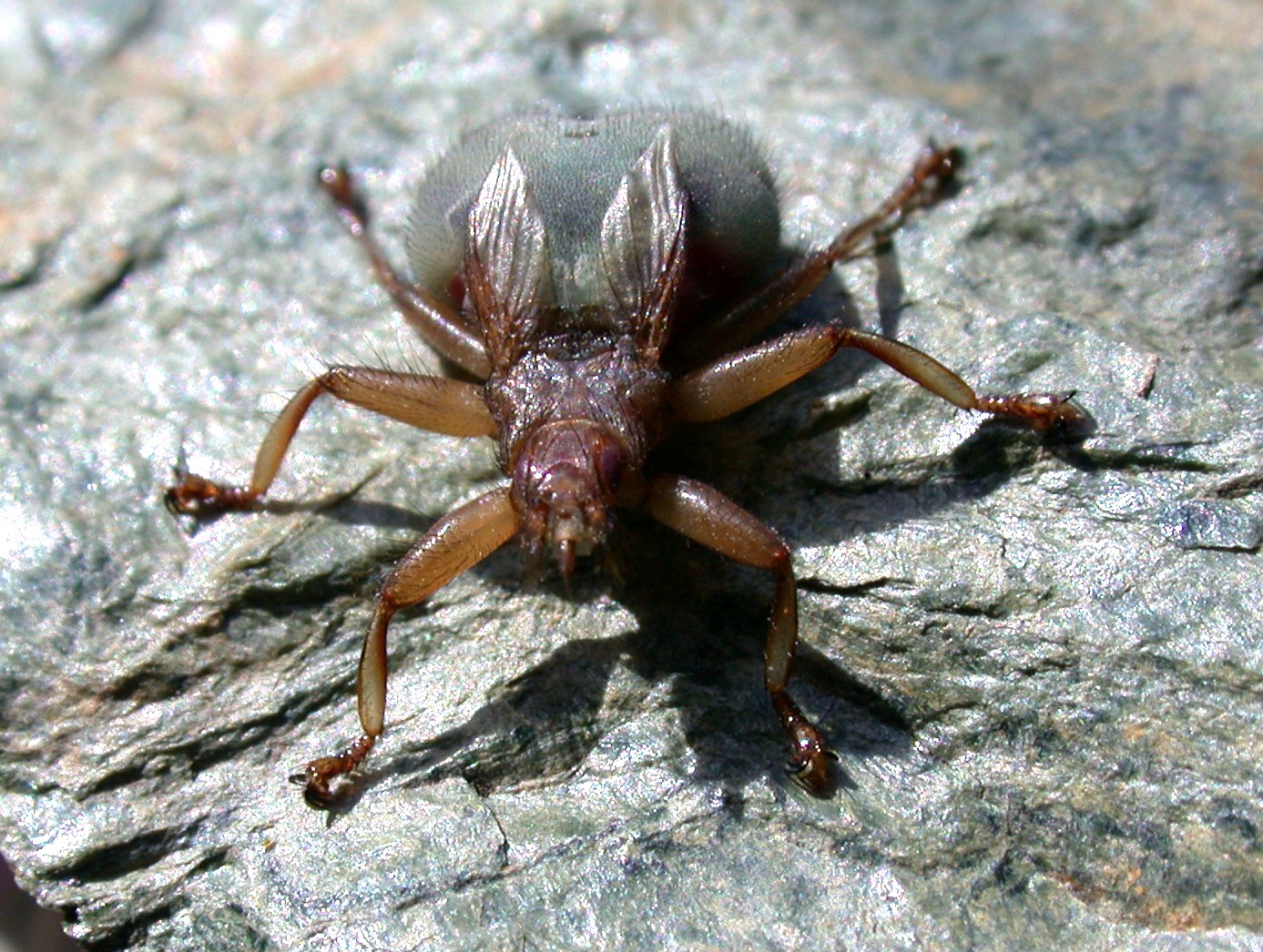
The pregnant bloodsucker's abdomen swells, in which the pupa matures.
At the end of summer, a larva emerges from the cocoon. It quickly finds a partner for the rest of its life.
Together, the bloodsuckers lie in wait for their prey in bushes and tall grass, then fly onto the animal's body, firmly clinging to its fur.
Once they reach the "nurse," they break off their wings and look for a place to bite. This occurs within 30 minutes.
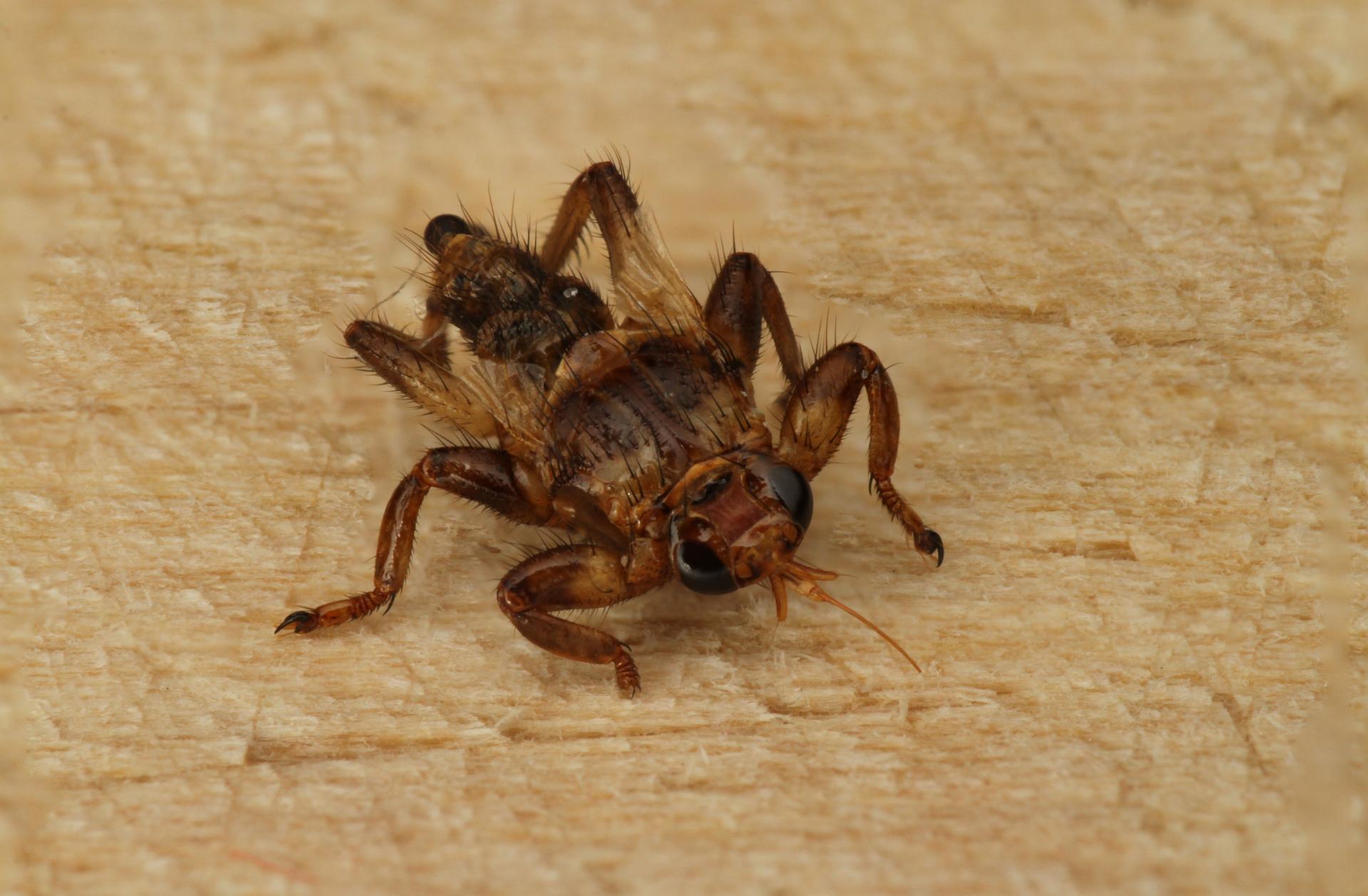
The bloodsucker breaks off its wings when it gets on the animal's fur.
After their first feeding, the young insects begin to mature—they darken, their abdomens enlarge, and their heads shrink. This development process takes three weeks. Once complete, the insect is ready to reproduce. The male stays close to the female, clinging to her.
Adults reproduce from October to March. A female lays an average of 30 pupae during her life cycle, one every 2-3 days. Therefore, she must be well-fed. Typically, the insect sucks blood up to 20 times a day.
Ticks typically nest in the back and neck area, where the animal can't remove them. In humans, the insects burrow into the hair on the back of the head. Sometimes, up to 1,000 ticks can infest a single animal.
The danger of bites to humans
As already mentioned, the moose tick's vision allows it to distinguish only large objects, so humans, especially small children, do not attract their attention.
However, there are cases when these insects attack humans, despite the fact that human blood does not provide them with the necessary nutrients to reproduce. This usually occurs in late summer and early fall, during their peak activity, during calm daytime. Numerous cases of mass attacks by bloodsuckers have been recorded. Moose ticks most often target foresters, hunters, and shepherds.
Bloodsuckers do not carry any infectious diseases. Therefore, their bites cannot cause serious harm to health.
The body's reaction can vary. Typically, the bite area will experience redness, itching, swelling, and a burning sensation. The discomfort subsides within 1–2 weeks.
The main danger of the insect is that bites can cause complications in the form of allergies and dermatitis.:
- A macular rash is the appearance of large, red, crusted papules. The papules quickly spread throughout the body. These rashes are not accompanied by inflammation or itching, and they leave no marks or scars on the skin.
- Papular rash - a rash accompanied by scaling and inflammation. Treatment and observation by a dermatologist are necessary;
- red and edematous dermographism - persistent skin irritation, the appearance of swelling at the site of the bite, occurs in people prone to urticaria;
- The appearance of inflammatory nodes and erythema. Long-term treatment of up to six months is required.
Initial bites from bloodsuckers are usually uncomplicated. However, subsequent bites can cause serious reactions.
Moose tick protection
Those who enjoy hunting and long hikes in the woods need to know how to protect themselves from an accidental encounter with a bloodsucker. Here's what to wear:
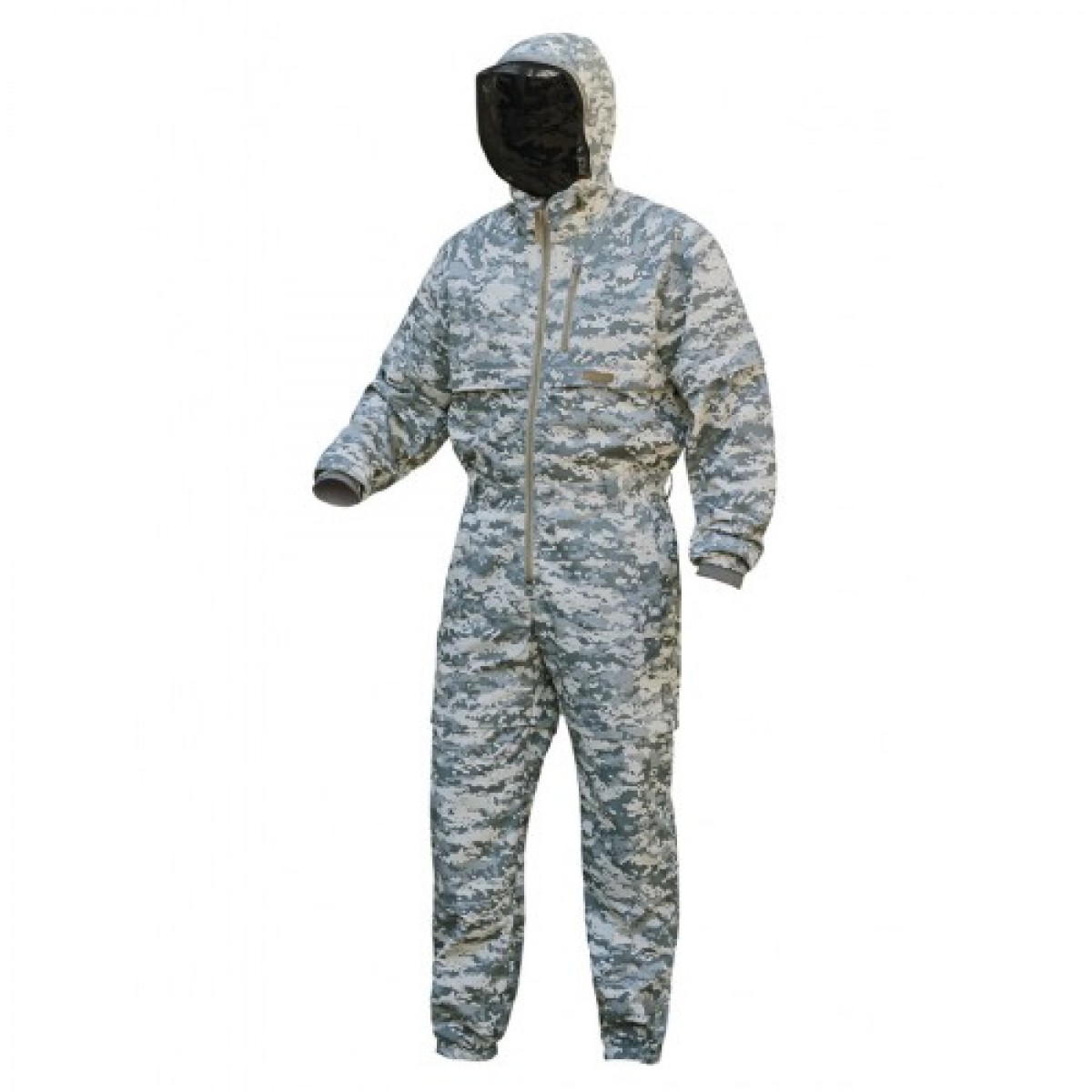
- Clothing should be loose and cover all areas of skin and hair. The best option is an anti-encephalitis suit.;

An anti-encephalitis suit is the best option for protection against a moose bite.
- buttons and zippers must be fastened, elastic bands and cuffs on sleeves and trousers must fit tightly to the skin;
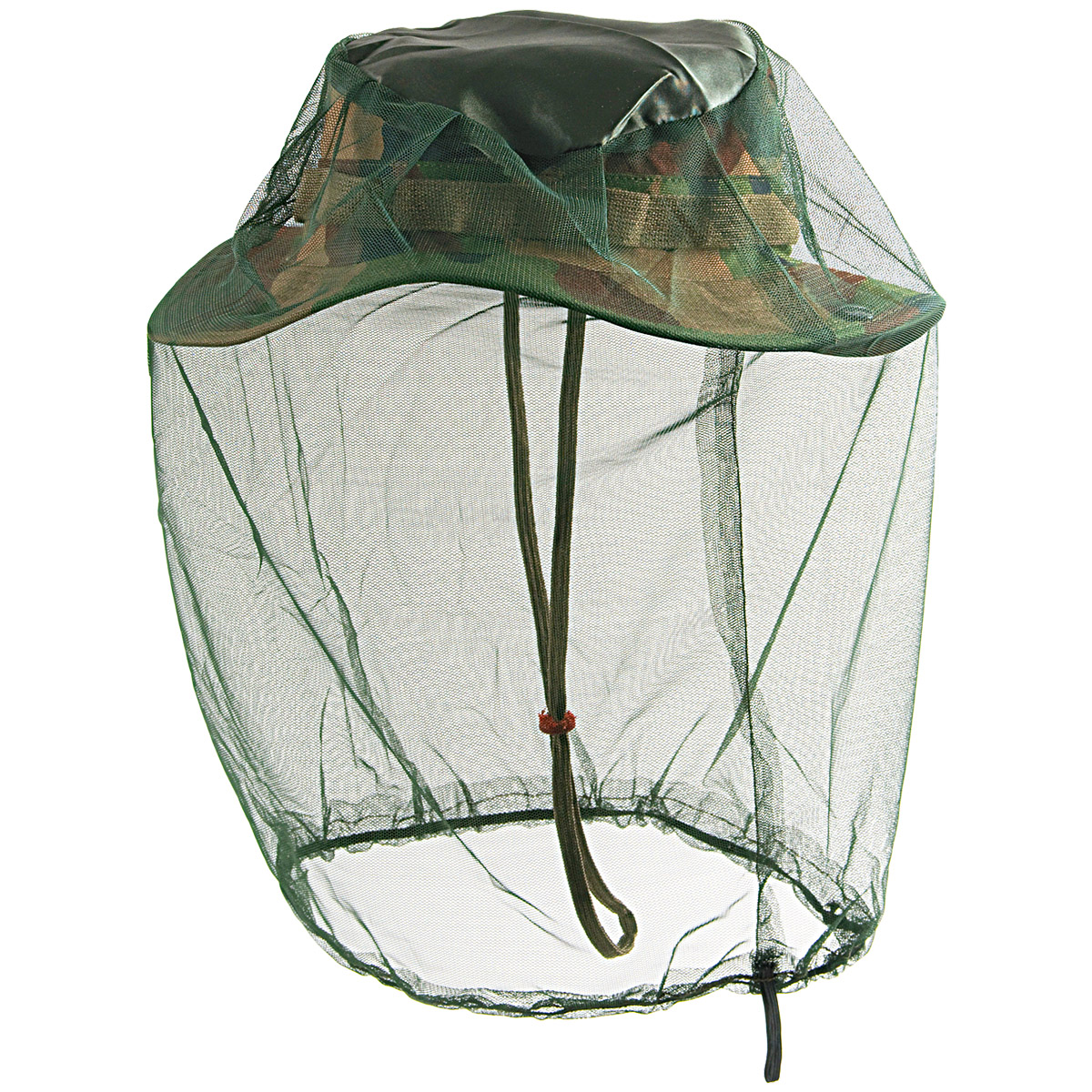
- Be sure to wear a hat, bandana, hood or mosquito net.
When going into the forest, take care of your head safety and use a mosquito net.
- Treat yourself with insect repellent spray (for example, Reftamide, Deta, Fumitox).
After a walk, carefully inspect yourself and your clothes for insects, and comb your hair, as this is where insects will try to hide. Lice carried on clothing can take up temporary residence in your home.
What to do if you are bitten by a moose tick
If an insect does attack you, you need to find it on your body and remove it.
This can be done as follows:
- The simplest and most effective method is to cut off the insect's oxygen supply. Lubricate the tick with oil or cream. After 10-15 minutes, the bloodsucker will begin to suffocate and detach itself;
- use a thin thread: tighten the knot between the abdomen and the head and gently pull the insect out, swinging the thread from side to side;
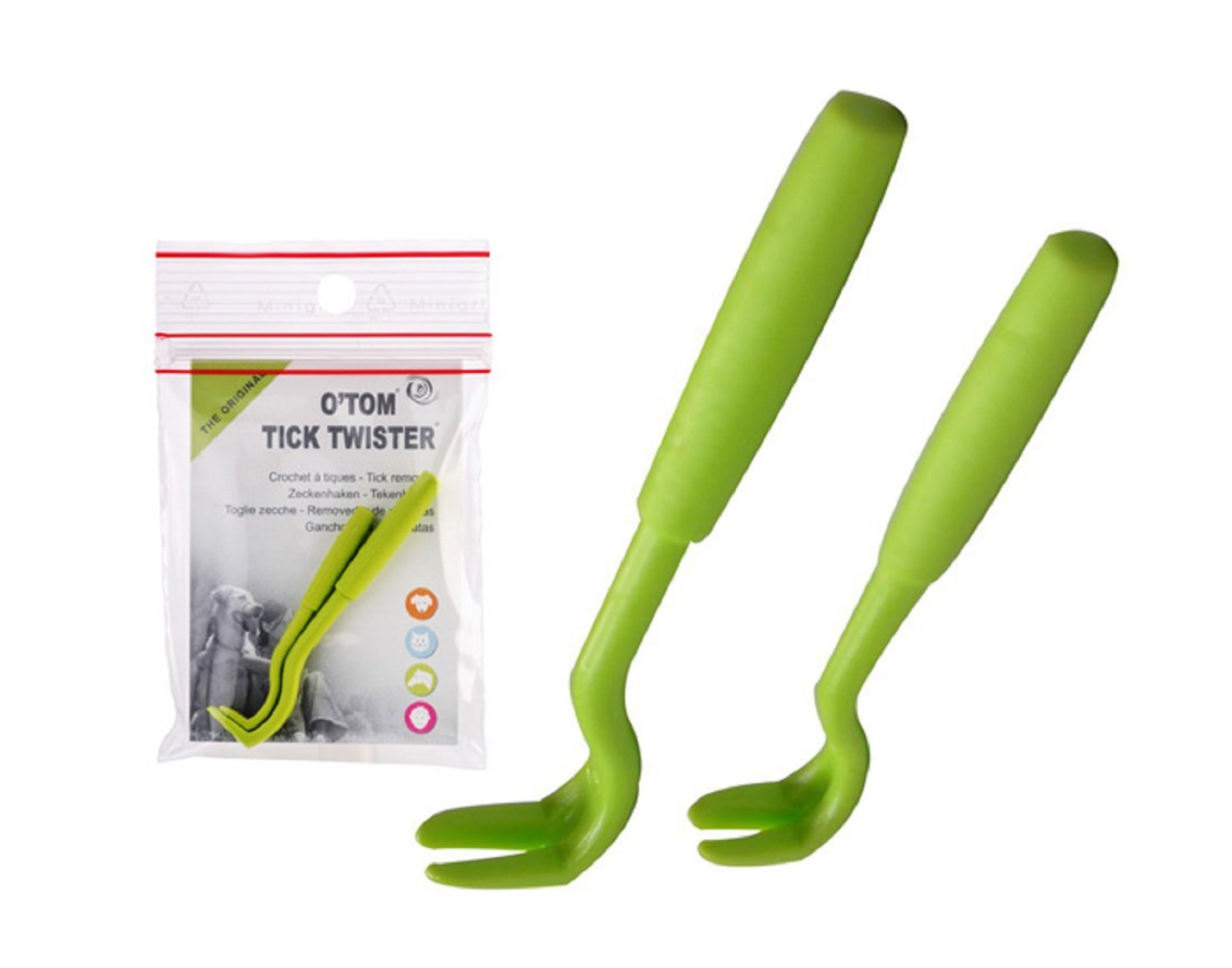
- You can remove the bloodsucker with tweezers and any tool for removing ticks (tick extractor, tongs, etc.). Hold the insect and pull out the parasite using rotational movements.
Special hook for removing ticks
Once the bloodsucker has been removed, treat the bite site:
- any antiseptic or alcohol is suitable for disinfection;
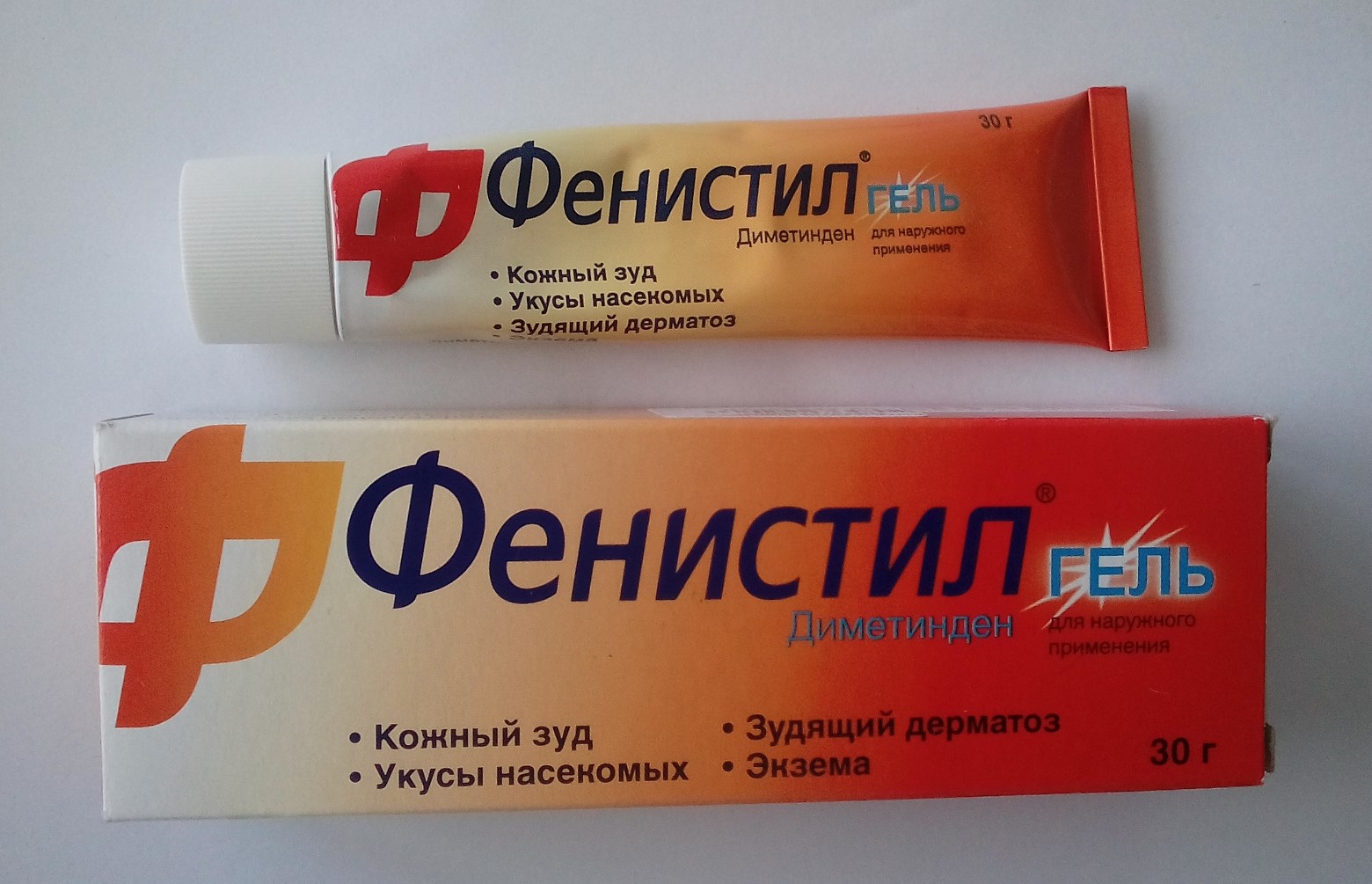
- To relieve itching, redness or pain, use anti-allergy creams or ointments (for example, Psilo-balm, Fenistil, Triderm, Soventol, Gistan)
Apply Fenistil gel to the wound to relieve the effects of the bite.
- If there are no medications, you can use aloe juice, Zvezdochka ointment, vinegar, or a baking soda paste.
If you find yourself in a populated area, be sure to consult a doctor.
How to get rid of moose ticks in your home or garden
Moose bloodsucker inhabits forests with abundant wildlife. These insects can also inhabit villages and summer cottages. Hunters sometimes bring their catch home, along with a moose fly hidden in the moose's thick fur. In this case, a person is at greater risk of being bitten.
There are several ways to combat moose ticks:
- Treat the area with chemicals. It's best to use a steam generator, as this will ensure the chemicals reach even hard-to-reach areas. However, regular spraying will also work. You can use products such as Agravertin, Vertimek, Iskra, or Inta-Vir.
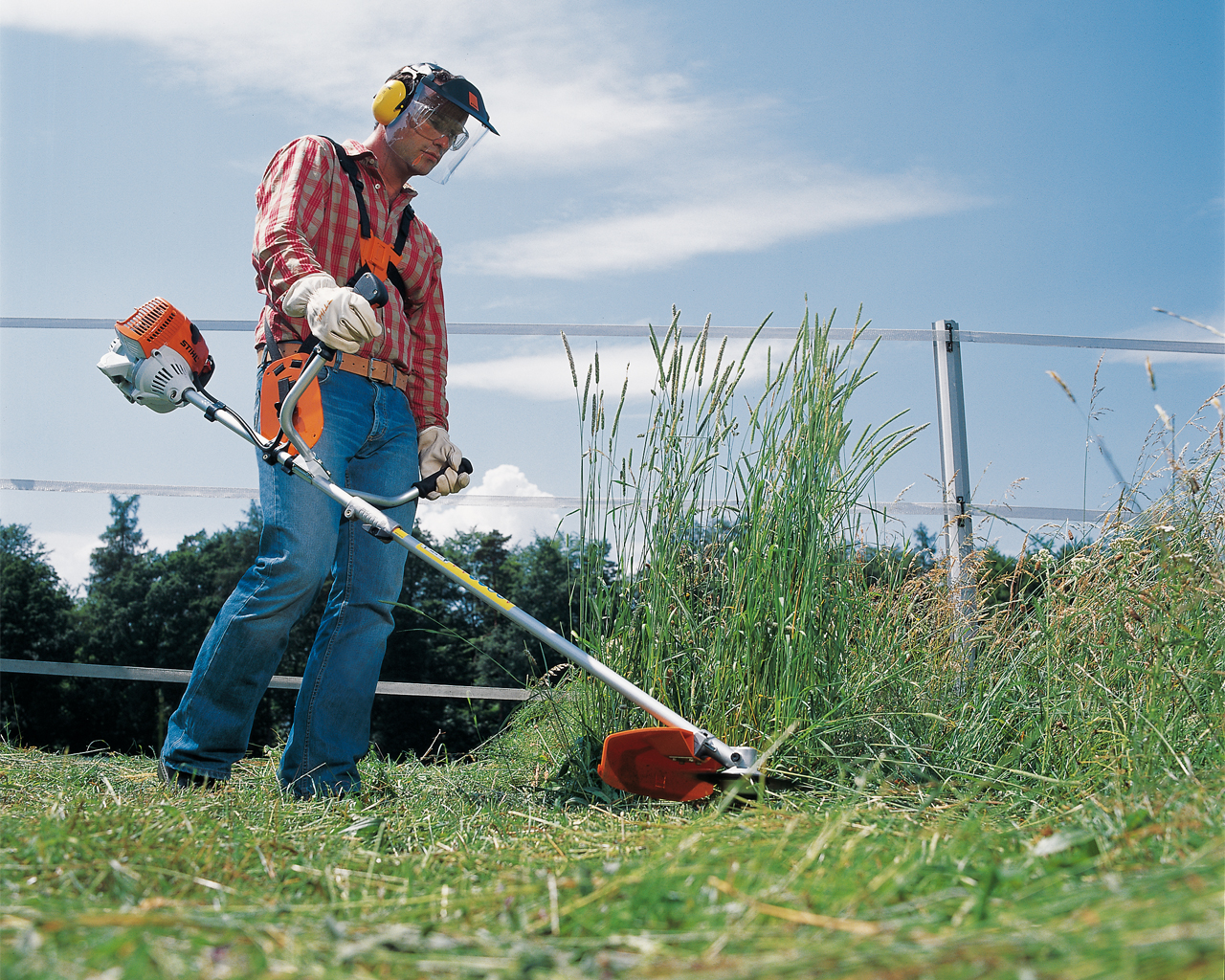
- Moose ticks usually wait in tall grass, so it is recommended to mow the area regularly;
- Regularly watering your lawn and trees also helps get rid of and protect against bloodsuckers. For best results, add garlic juice, alcohol, or wormwood infusion to the water.
- Plant wormwood and tansy in your area, as these plants repel ticks;
- the room is treated with a cooler temperature of -500 With carbon dioxide.
Regular mowing of the grass on the site is a preventative measure against the appearance of bloodsuckers
Video: Moose fly
Reviews
It's all individual...IMHO. Two friends went to look for fungi, came back a couple of hours later, one was fine, but the other had hundreds of these lice removed and was covered in bites. The wounds didn't heal for almost a year and he had terrible allergies.
We call them moose ticks. During peak population times, and generally starting in September, I prefer to enter the forest wearing a tightly tied bandana because of them—they don't have time to get under my hair and down my neck.
I'm sitting at home right now, watching TV, and suddenly this nasty thing crawls up my arm. Clearly, it came from the forest. I can't figure out where it was hiding... When I was younger, it didn't really bother me. But now I've developed some kind of allergy to bites. The places where I was bitten swell. Some mosquito repellents work on it. They don't repel it, but rather immobilize it. They make it hide. But it doesn't do much good. I treat the bites with vinegar. It soothes the itching. Mosquito netting doesn't help. They still get under my clothes. I have to endure them.
The deer bloodsucker inhabits forests with large populations of ungulates and prefers to feed on their blood. Instances of bloodsuckers attacking humans are not uncommon, especially during peak activity. Although these insects do not carry any infections, their bites can cause some health problems. When venturing into the forest, be prepared for a possible encounter with this parasite and follow simple safety rules: wear protective clothing and use repellents.