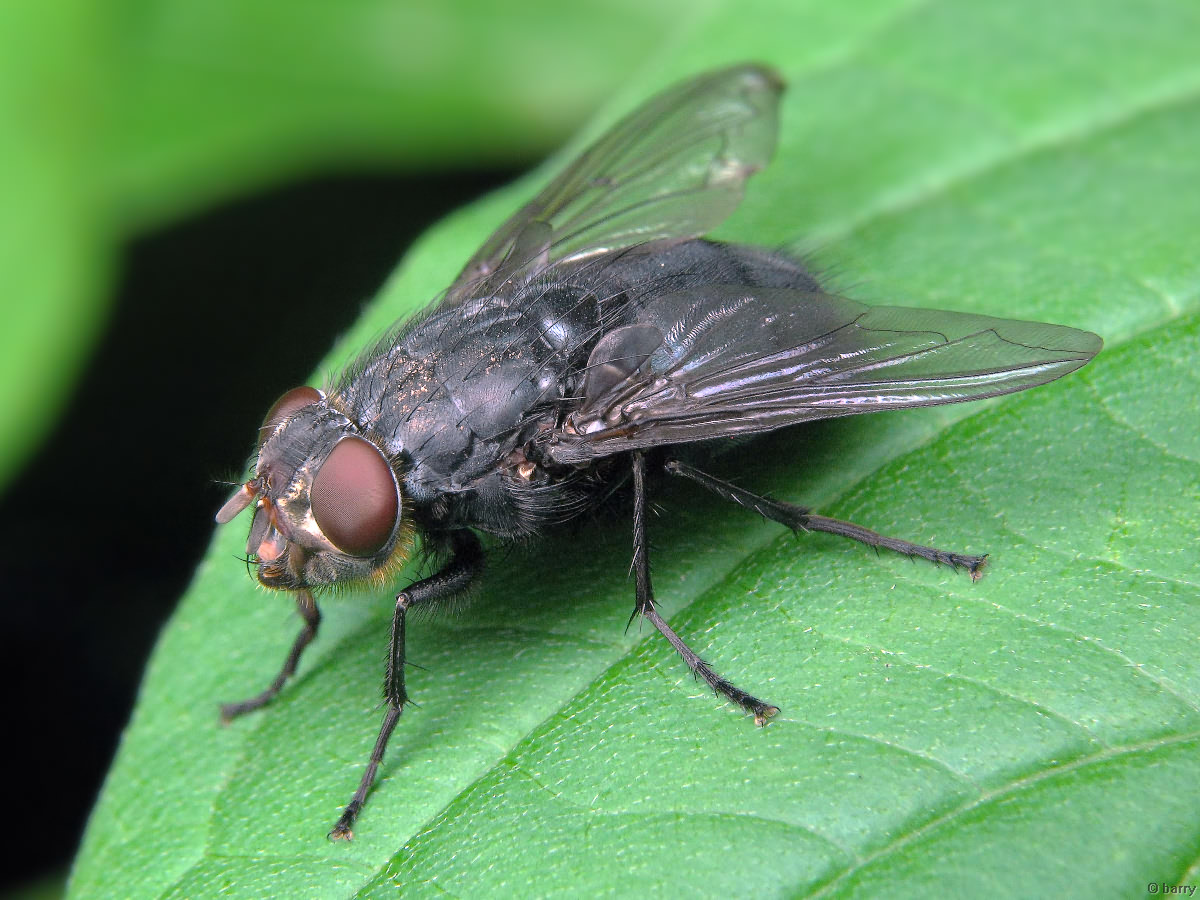
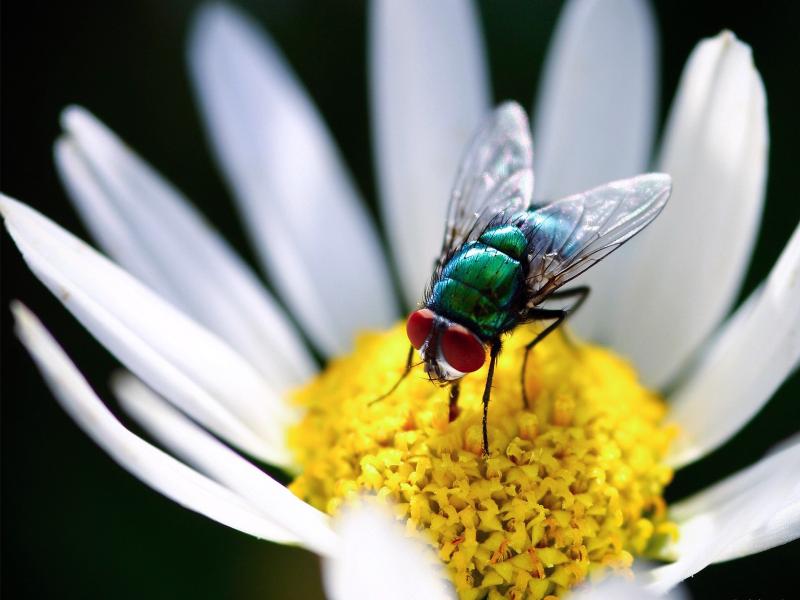
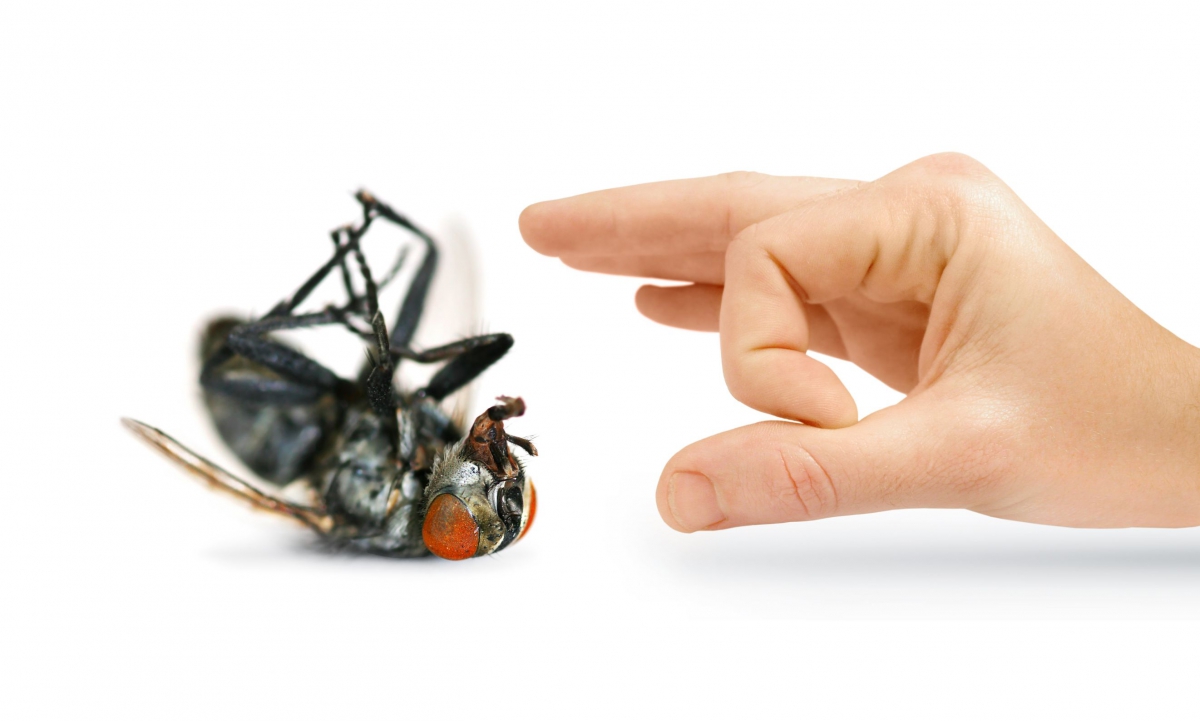
With the first spring sun and warmth, many insects awaken from hibernation, some of which infest our homes. Among the most vexing are flies. They are parasites of the order Diptera, a type of arthropod. There are several hundred species of these insects. We often encounter houseflies in our homes. They feed on liquids, garbage, and food scraps. Being able to settle on any kind of waste, animal carcasses, and other insects, common houseflies become carriers of viruses, bacteria, and various diseases dangerous to humans.
Content
Flies in the house: methods of control and prevention
Flies can enter our homes through cracks in floors or other structures, or they can be found in fruits or vegetables where their eggs have been laid. In winter, flies most often affect residents of ground-floor apartments located close to heating mains, basements, or garbage chutes. With the arrival of spring warmth, swarms of these insects can spread throughout the building. Are there ways to prevent this dangerous infestation, and what can you use to kill and repel flies if they have already become your closest neighbors?
Household preventive measures
Houseflies often lay their eggs in hard-to-reach places, attracted by the smell of food scraps, dirt, and moisture. Therefore, to effectively combat them, it is essential to follow basic household rules:
- keep the house clean;
- remove and isolate waste;
- clean the house with disinfectants;
- Place gauze or a special mosquito net over door and window openings to make it difficult for new individuals to enter the room;
- Cover cooked food to prevent flies from accessing it.

Regular cleaning with disinfectants is the best way to prevent the appearance and reproduction of flies in the house.
Modern methods of fly control
With so many fly repellents to choose from, finding the most effective and safest can be challenging. New, improved devices are constantly being developed, while established methods are continually being improved, becoming more practical and safer.
Let's try to understand this diversity together.
- Aerosols and sprays. Dichlorvos, Raptor, and GET are inexpensive products used indoors. When using, isolate food and personal hygiene items, and keep children and animals away for 2-3 hours. Wear a respirator and rubber gloves. After use, ventilate the room for the time specified in the instructions. The advantages of aerosols include their fast action and affordability, as well as their effectiveness in hard-to-reach areas such as cracks, corners, under furniture and bathtubs, and in lofts. Disadvantages include toxicity and rapid loss of active properties with daily ventilation.
Please note: the popular fly repellent, Dichlorvos, is produced by several manufacturers. Therefore, the ingredients may vary.
- Powders, granules, tablets, and chalks. These products can be diluted in water according to the instructions, or spread dry on horizontal surfaces, observing safety precautions. This is a simple and inexpensive method that doesn't require ventilation. However, it's best not to use this method if you have small children or pets in the house, as these products contain insecticides. Manufacturers of Flybait powders, Agita 10WG, GET granules, and Mashenka chalk guarantee rapid elimination of flying insects. These products are generally inexpensive.
- Fumigators are devices that contain a plate or container of liquid containing a special chemical compound that repels insects. The device is plugged into an outlet, and the heat from the plate or liquid releases the active ingredients, which are often nearly odorless. The flies either fly away or die. One plate lasts 12 to 24 hours, depending on the manufacturer. A single bottle lasts, on average, up to 30 days with daily use. Popular brands of fumigators include Taiga, Raid, Moskitol, Fumitox, and Raptor. Manufacturers are constantly improving their formulations, making them safer for humans and more effective against insects. Prices range from 60 to 350 rubles.
- The simplest and most proven method for killing pesky insects is sticky tape. It's not exactly aesthetically pleasing, but it's affordable, effective, and reliable. Hang the tape in areas where flies congregate the most. It's harmless to humans and animals, and its effectiveness lasts for up to two months.
- A trap is a lamp-shaped device powered by electricity. A weak electrical discharge attracts and kills flies in a room. Compact and completely safe traps are now available. The device is reusable. Prices start at 800 rubles.
- Ultrasonic lamps. Powered by an AC power source, they emit ultrasonic pulses, forcing insects to leave the room. The device's lifespan varies depending on the manufacturer and averages 5-10 years. The device is safe for children and animals. The only drawback is the high price: from 1,200 to 6,000 rubles.
There are universal ultrasonic repellents for both insects and rodents. These devices are simply indispensable for a summer house, cottage, or private home. They are effective over areas up to 500 square meters.
- Electric fly swatters are battery-powered devices that resemble badminton rackets. The operating principle is quite simple: point the device at a flying or sitting insect, and it instantly kills the fly with a weak electric pulse that's safe for humans.
Photo gallery: a variety of fly control products
-
- Dichlorvos for flies contains toxic substances, so it should be used with caution.
-
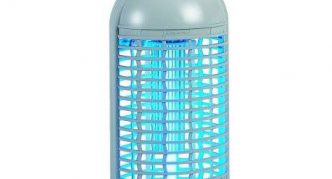
- The trap lamp affects flies with a weak electric discharge.
-
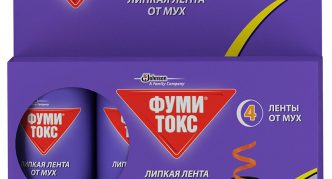
- Sticky tape is an inexpensive and effective way to control flies.
-
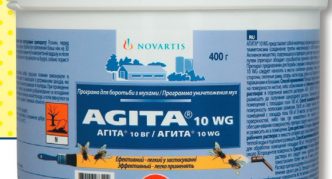
- AGITA powder is a proven fly repellent.
-
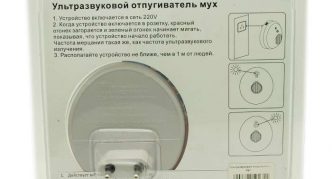
- The modern Weitech WK0206 repeller is safe for children and animals.
-
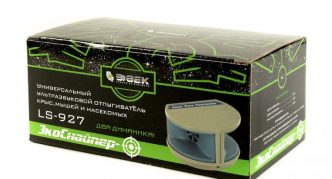
- The Ecosniper device repels rodents and insects
-
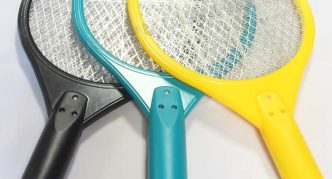
- The electric fly swatter is battery operated.
-
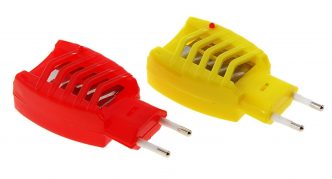
- A fumigator is one of the most common and popular insect repellents.
Folk remedies
There are also folk remedies for controlling flies that have proven effective, safe, and easy to use. They not only help get rid of insects in the home but also prevent their reappearance.
Green spaces
You can plant plants in pots or in the area whose smell flies don’t like:
- geranium,
- tomato,
- basil,
- marigold.
Place pots of these plants on your windowsill, and flying pests will avoid these areas. Some exotic plants, such as the Venus flytrap, sundew, and butterwort, are insectivorous and act as repellents against pesky flying disease-carrying insects. And if you live indoors, you can plant ferns or elderberries under your windows. Greenery won't completely eliminate insects, but it will significantly reduce their numbers.
DIY fly trap
You can make your own fly trap using household items, such as a plastic bottle:
- Cut off a quarter of the bottle's neck from the top.
- Turn it upside down and insert it into the remaining three-quarters of the bottle.
- Pour sweet syrup (honey or sugar diluted with water) into the bottom of the resulting structure.
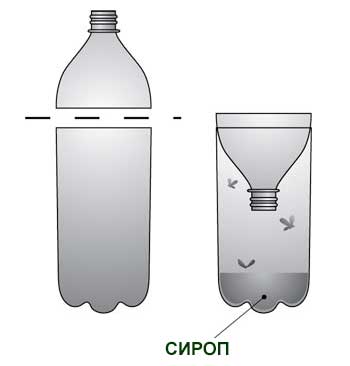
You can make a fly trap yourself.
The principle of this trap is simple: flies will enter through the neck, but they won't be able to fly back out and will become stuck in the syrup. The solution needs to be refreshed periodically. The plastic container can be replaced with any other type of container, such as a glass jar, and the narrow neck can be made from a sheet of paper, rolled into a cone.
Solutions for killing flies
Using ingredients found in almost any kitchen, you can prepare poisonous solutions that will help rid your home of flies without the use of chemicals:
- Take 10 grams of honey and 1 gram of saccharin (a sugar substitute that poisons flies) and dilute with water. Soak a cloth in the solution and place it in a saucer. Flies will be attracted to the sweet scent of honey. The saccharin will quickly kill the insects.
- Add ground black pepper to honey syrup and water. This spice is also a powerful fly poison. This harmless solution will help rid your home of these pesky insects.
- To prepare the following solution, take 3 tablespoons of milk, 5 teaspoons of baking soda, and 1/2 teaspoon of formalin. Place the mixture in an open container. This "treat" is also lethal to flies. However, you should not use this recipe too often, as formalin is a dangerous substance for humans and inhaling its vapors can lead to poisoning!
There are other, more humane ways to repel flies in folk recipes:
- Cut a lemon in half. Insert a clove into each half. The sharp, fresh, spicy scent will deter flies from entering the room. However, you'll need to refresh the ingredients from time to time.
- Wipe door and window frames, as well as other surfaces popular with flies, with castor or bay oil. However, this method isn't suitable for everyone, as the oil can stain and cause allergic reactions.
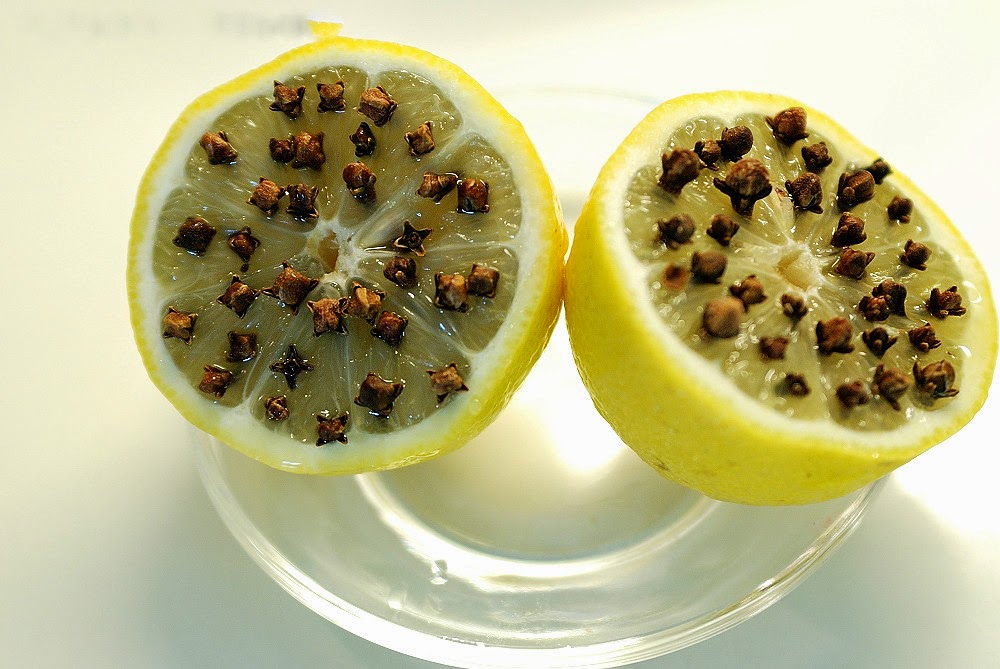
Lemon and cloves are a natural fly repellent.
Reviews
Hello, I think everyone has encountered the fly problem. I'm exhausted from fighting them; this year, it seems they're immortal. We've tried everything from pesticides to treatments, but they only last 3-5 days at most. A week ago, I bought some honey-infused fly tape called "Mukholov Kapkan" at a hardware store. I'd like to say that I really like it. Firstly, it's easy to unroll and doesn't cling to your hands. Secondly, the tape has a slight odor, which attracts flies. Thirdly, the tape has been hanging for a week now and remains sticky, holding up well. Overall, it's a great fly control product.
I was choosing one of the simplest and cheapest insect killers, the EcoSniper GC2-16Dx. I initially planned to use it exclusively against mosquitoes, but now I'm also getting flies, moths, and everything else that flies in the house. At first, I set it to use constantly, but then I realized it was pointless. Simply turning it on for three hours in the evening, turning off all the lights, would immediately capture all the insects. It's very effective against flies in the evening. In the morning, it was a nightmare—it kept me awake. I don't even know where they come from, even though we've installed mosquito nets everywhere. I turn it on for a couple of hours in the evening—everything is instantly destroyed. In the morning, nothing flies or bothers me. The product wasn't exactly a surprise, but it definitely proved its worth and was worth the money—I was satisfied.
When fighting flies, it's best to choose environmentally friendly products or a suitable folk remedy made from natural ingredients. In the battle against these nasty insects, don't rely on luck. Take the time and do your research carefully to choose an effective fly repellent the first time. After all, during the warmer months, the peace and comfort of your home depends on it.