It has long been known that interaction with pets has a positive effect on humans. This principle has been used to develop a method for treating certain illnesses using dogs, cats, horses, and even dolphins. This idea was first proposed by American psychotherapist Boris Levinson. Only specially trained animals are used in this work.
Felinotherapy
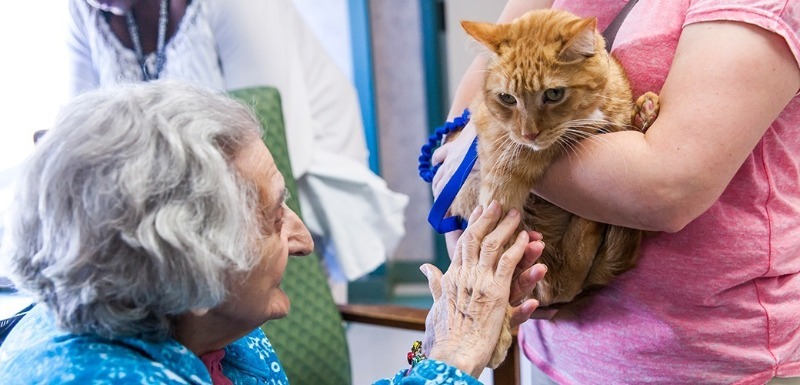
Many people have cats as pets, but not everyone knows about their healing properties. It's believed that the sound of their purring stimulates the release of serotonin in the human body. This "happiness hormone," as it's often called, lifts mood and protects against depression. It also alleviates tachycardia and heart pain. Cats aren't as sociable or manageable as dogs. They're freedom-loving and can sometimes behave unpredictably.
But these adorable creatures are wonderful stress relievers and insomniacs. When they climb onto a patient's lap and begin to purr affectionately, the patient relaxes, which helps reduce muscle and joint pain. Playing with an energetic cat or feeding it encourages the patient to do a little exercise.
Canistherapy
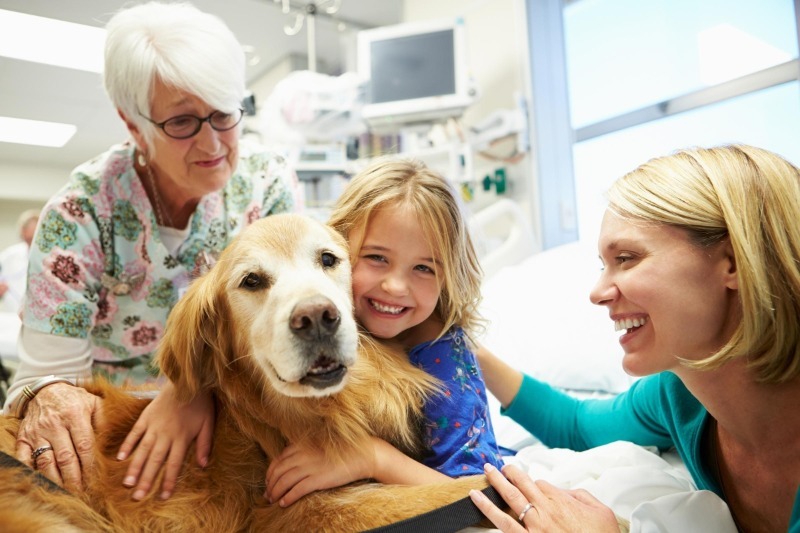
Dogs are considered leaders in the field of animal-assisted therapy. In many countries, these animals now work in clinics for children and adults, and are brought into hospices and nursing homes. Patients who are uncooperative with doctors easily connect with dogs. This furry "therapist" helps establish a trusting relationship with the patient. However, only non-aggressive animals that are resilient to external stimuli can become doctors.
Canistherapy has a wide range of indications. It facilitates recovery after a protracted illness, restores interest in life in those experiencing apathy, and promotes self-control. Studies have shown that petting a dog lowers a person's blood pressure. This is important for those with hypertension and heart problems. Psychiatrists and psychologists often use dogs as assistants in their work. This is not surprising, as most associate these animals with protection, kindness, and care.
Hippotherapy
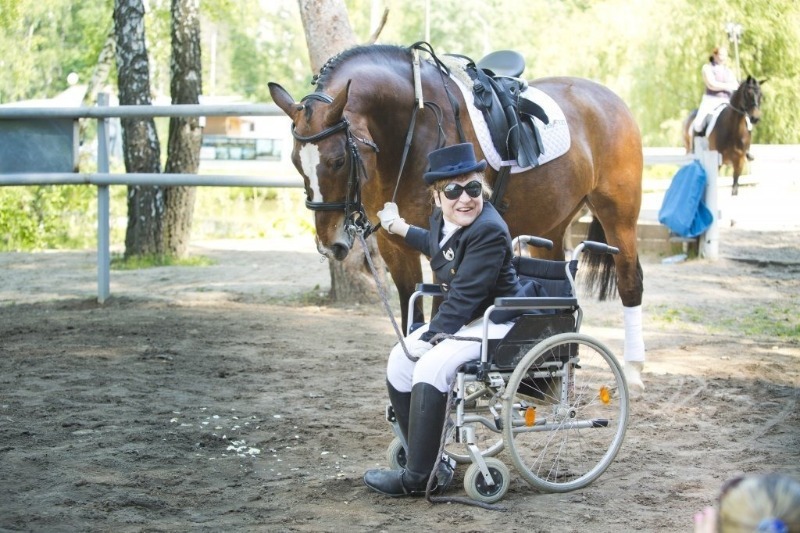
Interaction with horses produces positive results in rehabilitation after strokes and injuries. People with mental health issues feel better after such activities. These graceful and powerful animals help increase psychological resilience and minimize anxiety.
Regular horseback riding improves vestibular function and relieves muscle tension. Hippotherapy is recommended for those with musculoskeletal problems. Riding a horse helps a child with cerebral palsy learn to better control their body, experience emotional stimulation, and overcome fears.
Dolphin therapy
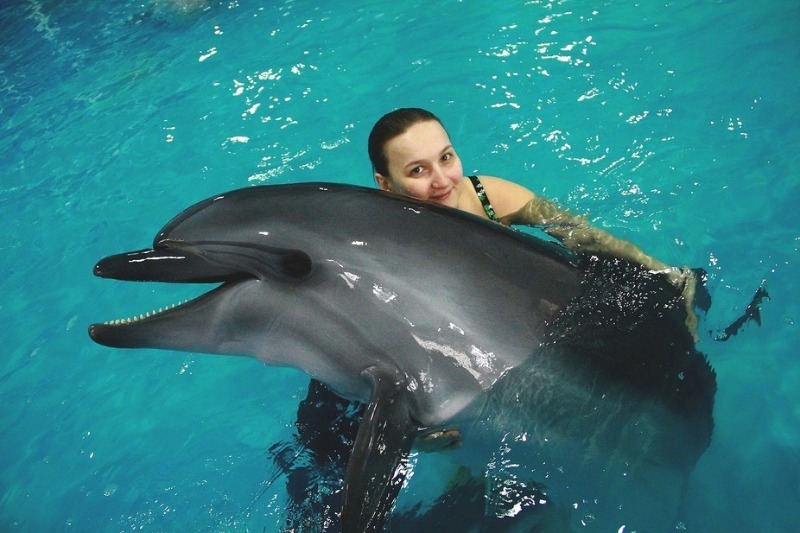
Interaction with these intelligent and friendly marine creatures is recommended primarily for children with autism, Down syndrome, psychological trauma, and cerebral palsy. They are highly trainable and able to interact with people. Swimming with dolphins has a beneficial effect on the nervous system, is calming, and helps restore brain functions responsible for speech, motor coordination, and so on. This approach helps introverts open up. It is based on collaborative play, which is enjoyable for all participants.
The intense emotions of contact with these amazing creatures stimulate the production of endorphins. The ultrasound emitted by dolphins has a positive effect on the psyche of patients. Immersion in water, where one can experience freedom of movement, also contributes. Although such centers are expensive to operate, this method has gained popularity worldwide.
Entomotherapy
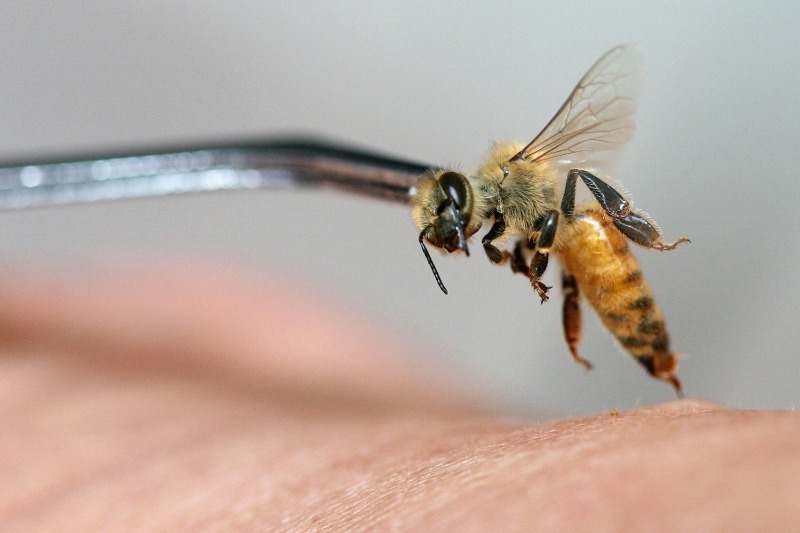
This type of therapy uses insects for medicinal purposes. The beneficial properties of honey, propolis, and formic acid are well known. Apitherapy, or treatment with bees, has a wide range of applications. These winged healers are used to relieve pain associated with arthrosis, arthritis, myalgia, and rheumatism.
Bee stings are painful, but patients are willing to endure them for the positive results. This treatment is effective for varicose veins, asthma, and multiple sclerosis. The secret lies in placing bees on the body at specific points where nerve endings are stimulated.
Animal-assisted therapy is certainly not a panacea, but it can help with certain issues. It achieves the best results with a comprehensive approach, combined with medication and other necessary procedures. Success depends not only on the specific animal species, but on a well-designed treatment program.