Gardeners and horticulturists often encounter small red spider mites on their favorite plants. Knowing the dangers and how to control them is important to preserve your harvest.
Content
Types of red mites
These arthropods are microscopic in size, with various shades of red on their bodies and a common structure—piercing-sucking mouthparts and four pairs of limbs. All of them feed exclusively on plant matter. Based on their preferences (flowers, fruits, garden leaves, etc.) and habitat, several species of arthropods are distinguished.
Fruit
These include apple, pear, and other varieties. They are polyphagous. They attack fruit crops of the Rosaceae, Walnut, and Beech families, sucking the sap from the shoots, leaves, and buds of peach, apple, cherry, plum, rowan, currant, almond, and blackthorn. Due to insufficient nutrients supplied to various parts of the plant by the sap, the fruits become smaller and yields decline.
In severe apple mite infestations, the number of leaves decreases, leading to a loss of up to 40% of the plant's chlorophyll.
The female mites and their eggs are red, but turn brown over time. A single female produces 5 to 8 clutches during her lifetime. Eggs are preserved in the bark of fruit trees even in winter. Therefore, pest control treatment is carried out several times - at the time of budding, flowering, and fruiting.
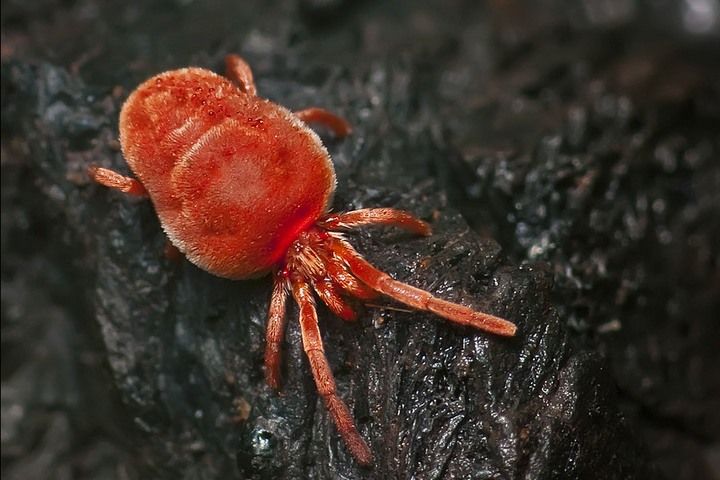
Red mites settle on currants, apple trees, pears, rowan trees and other fruit plants.
Table: stages of development of red fruit mite
| Phenology of development (in days) | |
| Transformation | Incomplete |
| Full cycle | different |
| Egg (embryo) | 5-15 days or 8–9 months |
| Larva | 2.5–2.8 |
| Imago | 19–39 |
Cobwebs
They prefer certain types of plants:
- hawthorn - apple, pear and hawthorn;

Trees damaged by red spider mites may die.
- citrus - oranges, lemons and other species of this family.
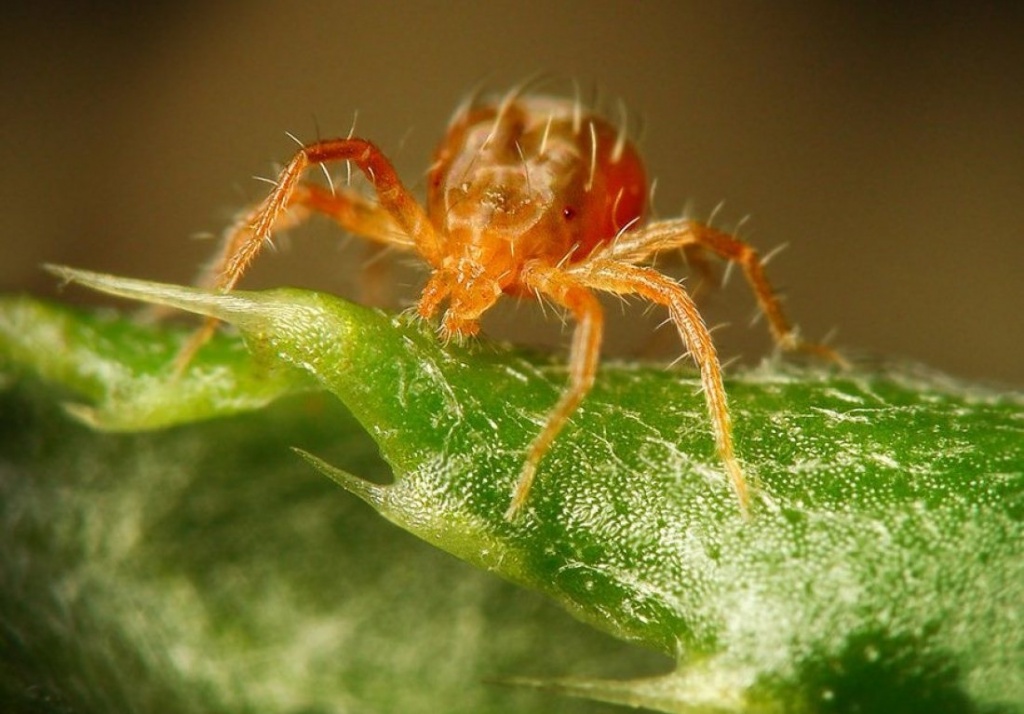
They entangle leaves and branches in webs and sometimes suck the juice from fruits. Infected trees become weakened and lose frost resistance, which can lead to their death. Citrus mites suck the sap from leaves and shoots, causing them to become deformed and fall off. Premature shedding of unripe and small fruits is also possible. The pest tolerates high humidity and survives in greenhouses, where common spider mites die. This complicates control.
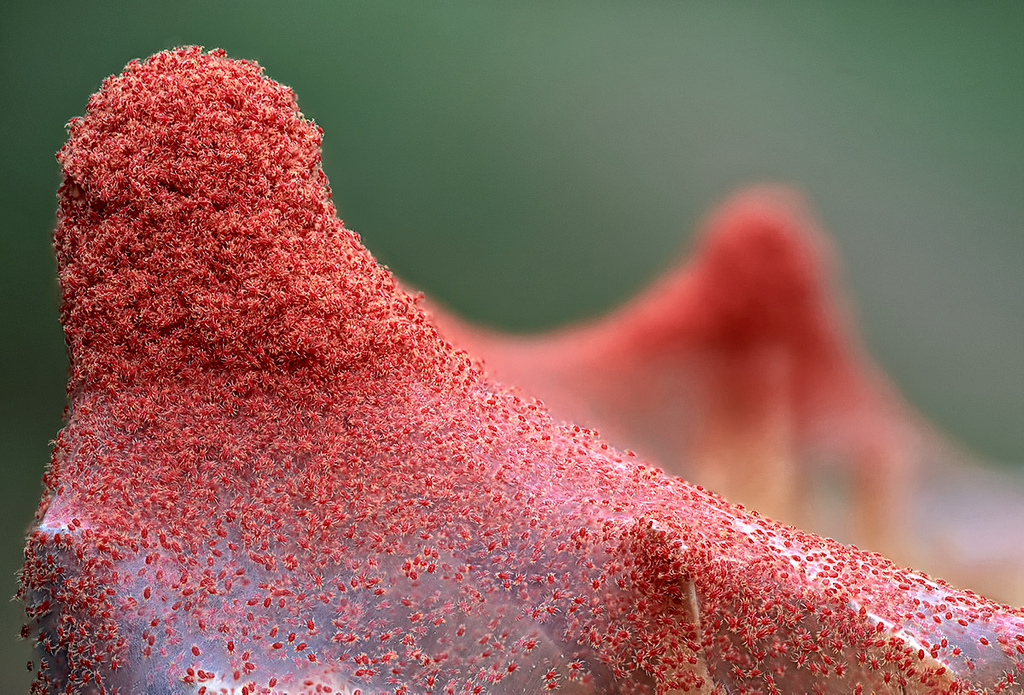
In severe cases of red mite infestation, leaves, shoots and flowers of plants become entangled.
Table: stages of development of the hawthorn mite
| Phenology of development (in days) | |
| Transformation | Incomplete |
| Full cycle | 17–46 9 months |
| Egg (embryo) | 5.1–9.3 |
| Larva | 1–3.7 |
| Imago | Up to 9 months |
| Female | Up to 38 |
Earth (soil)
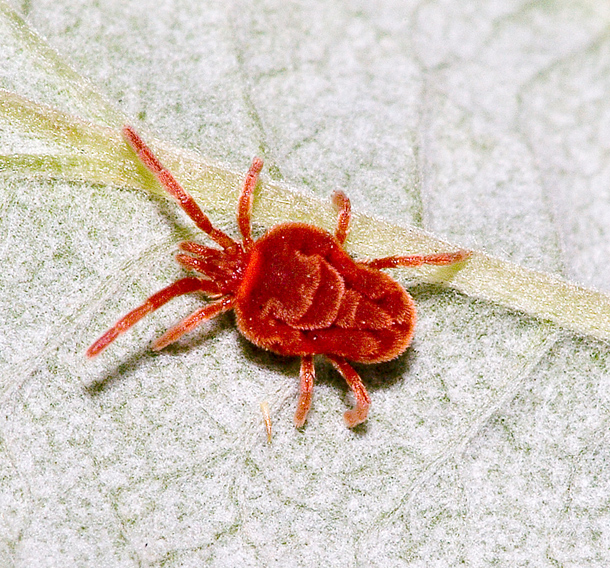
These outdoor and indoor pests are found in vegetable gardens, greenhouses, and the soil of houseplants. The most common species in our country is the greenhouse flatworm. Arthropods thrive on a variety of plants because they easily adapt to the conditions they find themselves in. They attack orchids, bananas, papayas, tea trees, vegetable crops, camellias, and violets. They feed around the clock and are most active at high humidity and temperatures of 18–25 degrees Celsius.
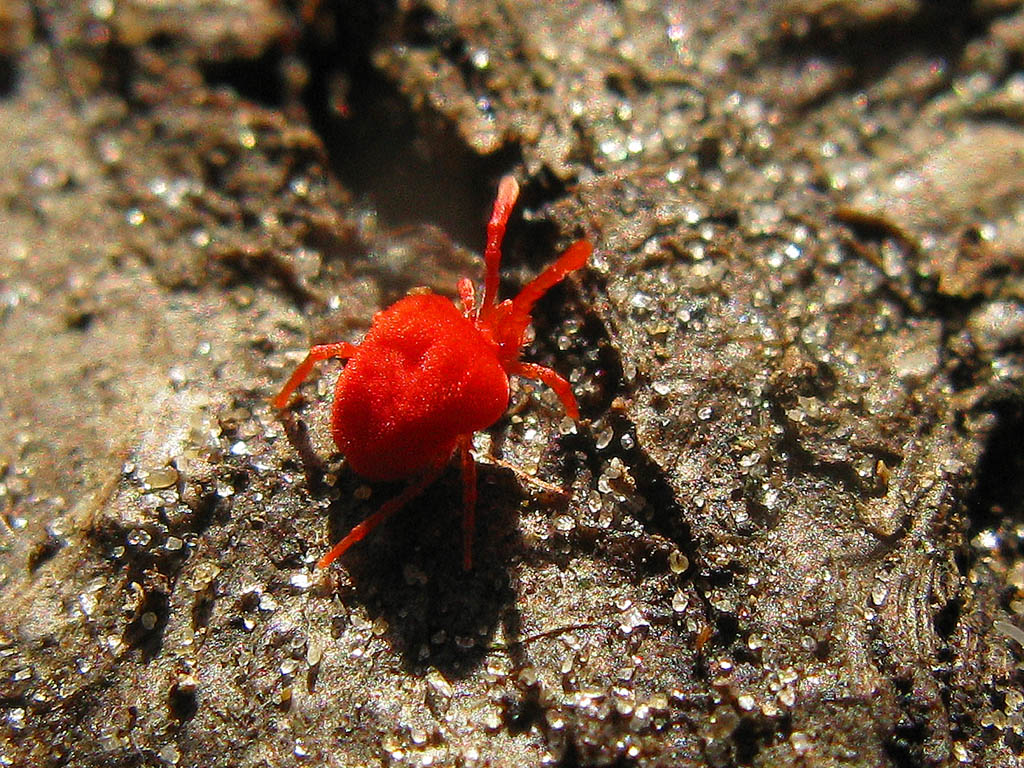
Soil red mites affect more than 60 plant species.
A type of soil mite, the red mite is a large arthropod, up to 15 mm long. It does not harm plants, but destroys the eggs and adult insects living in the soil.
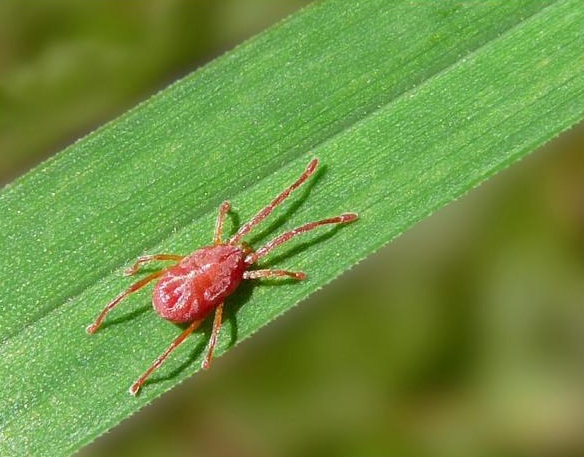
The chigger does not damage plants.
Why are red ticks dangerous?
They spread wherever they find food—plants. They infest all types of plants—fruit trees and shrubs, nuts, citrus, conifers, ornamental flowering plants, and foliage—houseplants, greenhouses, and hothouses. They suck out the juice, enriched with nutrients that are essential for plant development. However, due to its small size, the presence of the pest is often discovered when the colony has grown significantly.
Signs of plant infection
You can determine that ticks have settled in by the following signs:
- pinpoint colorless spots on damaged leaves;
- large lesions (look like grayish-red spots on the surface of leaves or a dusty coating);
Dust-like spots on leaves are a sign that the plant has been infested with red spider mites.
- yellowing of plant parts;
- drying and falling off of leaves or flowers;
- cessation of plant development that cannot be explained by other reasons;
- presence of cobwebs.
How to get rid of red spider mites on plants
Pests travel quickly and widely, moving from damaged plants to healthy ones. Therefore, it's important to combat them immediately upon detection and take preventative measures to reduce the likelihood of reoccurrence.
Use of chemicals
Insectoacaricides are designed to combat mites. They provide simultaneous crop protection from both arthropods and insect pests.
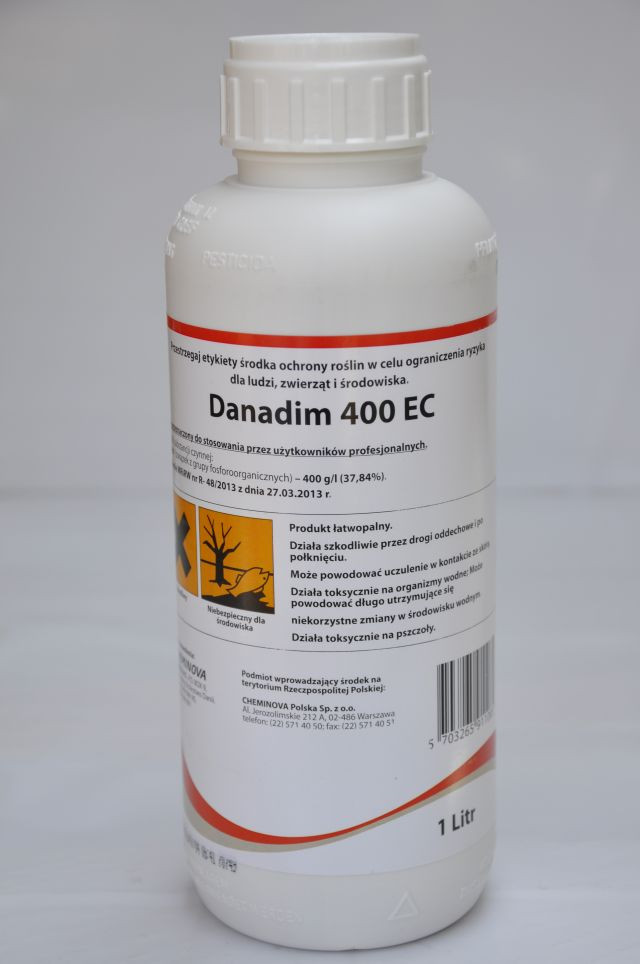
- Danadim. A concentrated emulsion with contact and stomach action based on dimethoate. It is applied during the growing season to crops in case of pest infestations. Larvae and adults die within 48 hours after application. Provides protection for 2–3 weeks. The product is highly toxic to bees, so it is not used if there are hives within a 5 km radius.
To treat garden and vegetable crops from ticks and other pests, use the concentrated emulsion Danadim
- Fufanon is available as a concentrated liquid in a 5 ml ampoule. Its contents are diluted with water (1–2 liters) according to the instructions, then poured into a spray bottle and used to treat plants. The active ingredient is the insecticide malathion. Harvesting should not be done for three weeks after spraying. The product is harmful to bees and dangerous to humans. When working with it, you must wear protective clothing - gloves, mask, glasses. Repeat treatment is carried out after 10 days.
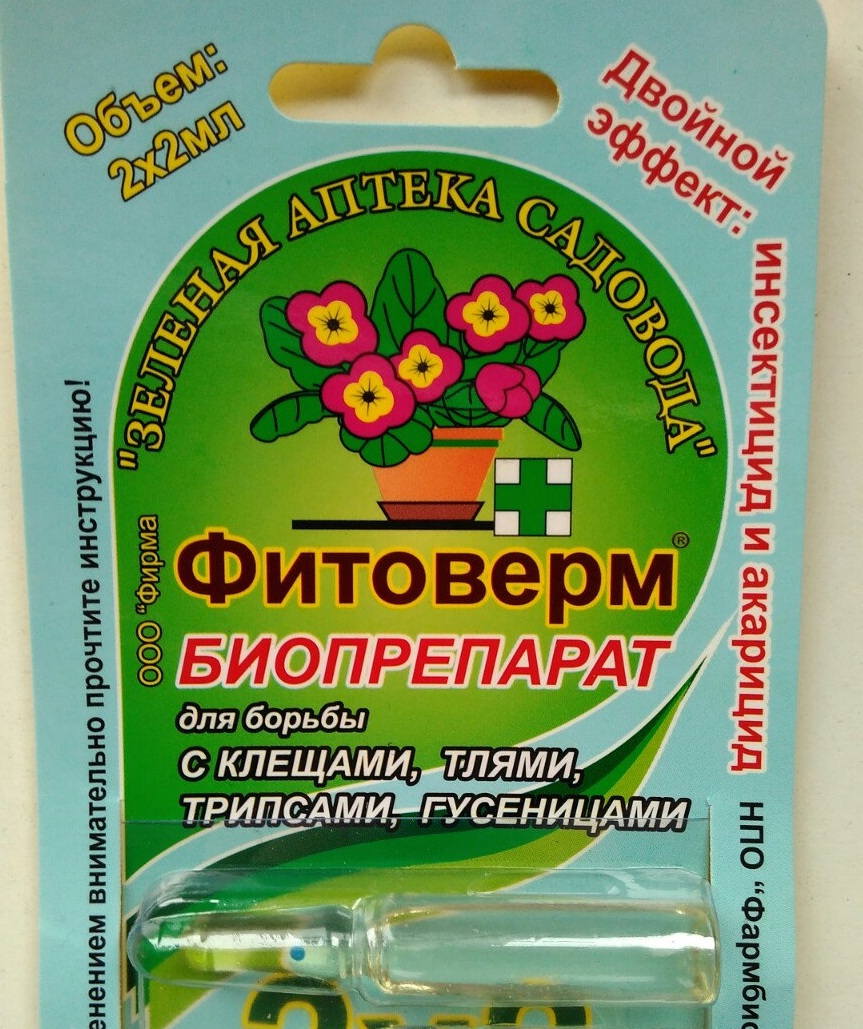
- Fitoverm. The active ingredient is avermectin. It begins to work within 8 hours, and in 8–16 hours outdoors. It protects plants indoors or in greenhouses for 7–20 days, and in gardens for 5–15 days. The effectiveness of the product depends on the ambient temperature: the higher it is, the faster and more pests will die. The treatment is carried out using personal protective equipment.
When using insecticides, work must be carried out in protective clothing.
If the colony has grown significantly, use acaricides – agents designed to kill ticks.
- Apollo. A contact hormonal product. The active ingredient is clofentezine. It acts on eggs and larvae, but does not kill adults, but sterilizes them. The concentrate is diluted according to the instructions. For indoor plants, the recommended dosage is 0.4 ml per 1 liter. It is harmless to bees.
- Demitan. A suspension based on fenazaquine. Protects against ticks for 5 weeks. Effective against adult ticks and eggs.
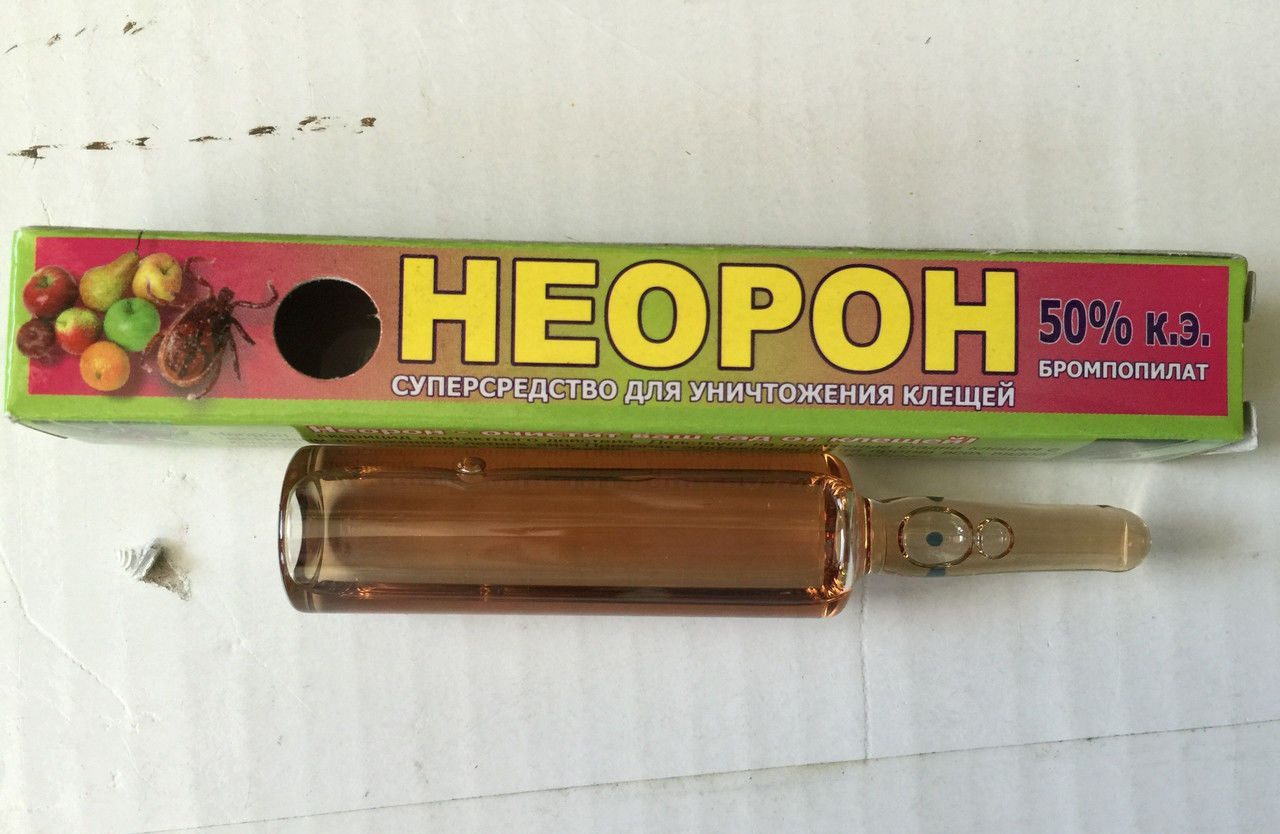
- Neoron. Active ingredient: bromopropylate. Used to control red fruit mites. Effective against various types of flatworms and gall pests. Non-toxic to bees.
Neoron kills mites but is safe for bees.
- Nissoran. A hexythiazox-based wetting powder. Effective against all stages of mites, except adults. Effectiveness lasts up to 50 days. The first effect is observed ten days after treatment. Does not affect bees and is safe for animals and humans.
Remember that ticks are not insects. Insecticides have no effect on them. To control arthropods, choose acaricidal products or dual-action insectoacaricides.
Video: Results of treating a houseplant with chemicals against red spider mites
Folk methods
If pests have just been discovered and there are only a few of them, wait with the use of chemicals and try folk remedies:
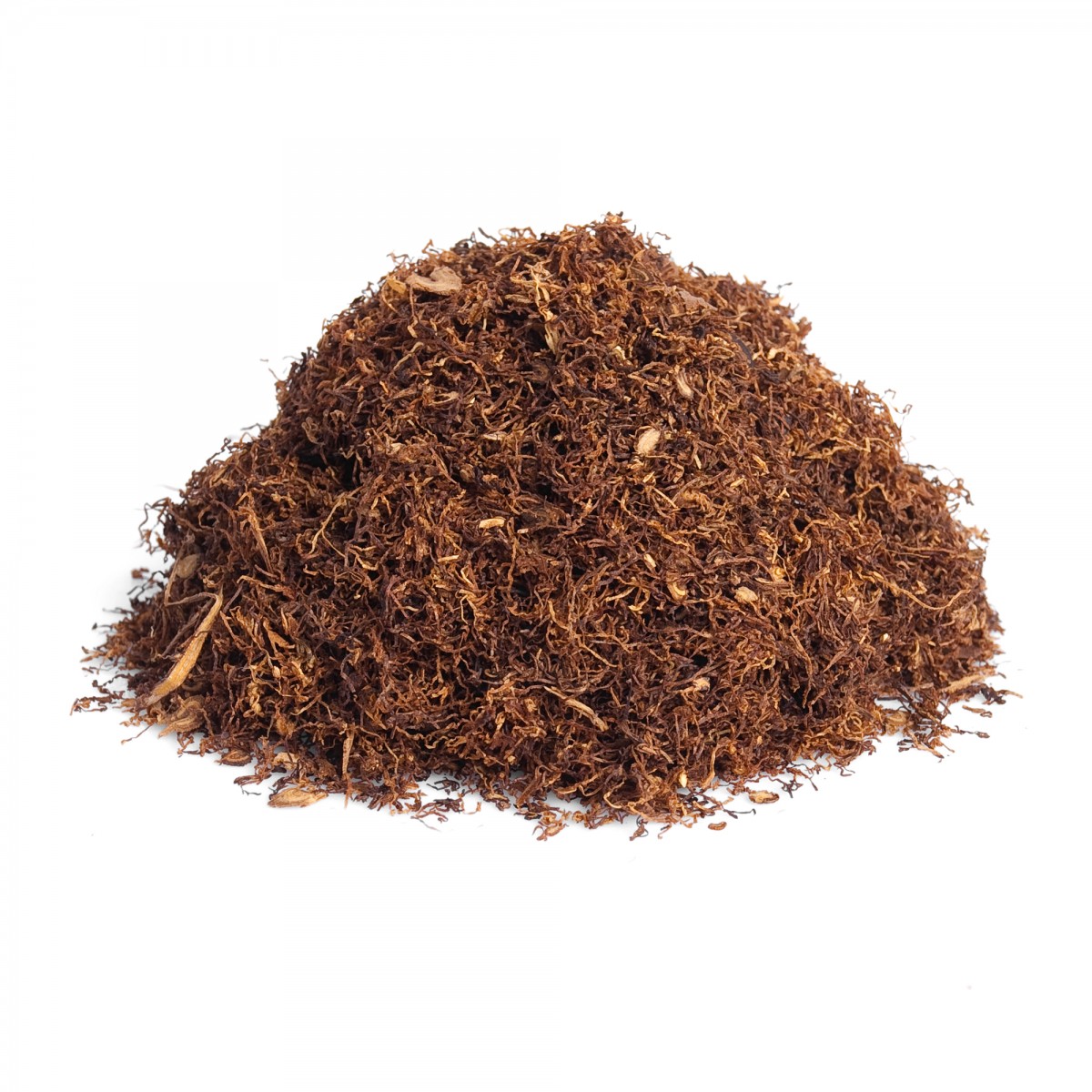
- Tobacco infusion. Take 1 kg of tobacco and pour 10 liters of boiling water over it. After 5-7 hours, strain, bring the volume to 20 liters, add about half a bar of laundry soap (minimum 50 g), and use to treat trees. Repeat the process a week later.
Tobacco infusion is used to treat tree bark to protect against red spider mites.
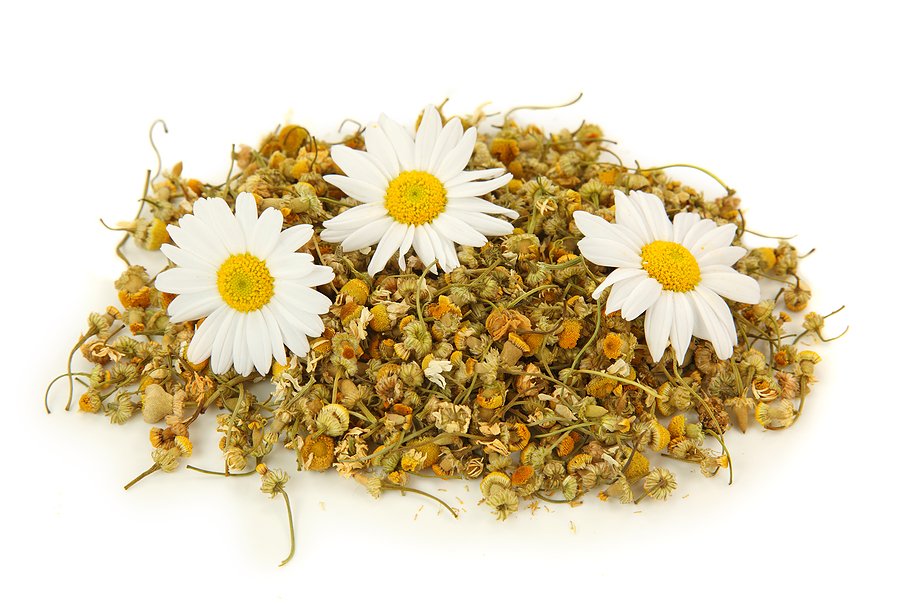
- Chamomile infusion. Add 1 kg of dried flowers to a bucket of boiling water, strain after 10 hours, and apply the infusion to tree trunks and leaves. This method is also suitable for greenhouse and hothouse plants. Repeat treatment after 7 days.
Field chamomile will help get rid of a small number of red spider mites on plants.
- Rubbing alcohol (96%). Lightly moisten a cotton pad or a clean, soft cloth with the solution. Wipe the leaves. Avoid leaving the alcohol on them for too long to avoid damaging them.
Prevention
To prevent red spider mite infestation on plants, take the following measures:
- In the fall, remove fallen leaves from around tree trunks, as pest eggs may remain there;
- scrape off old bark with a metal brush, thereby removing areas suitable for laying eggs;
- inspect plant leaves more frequently to detect signs of red spider mite infestation early and prevent colony growth;
- spraying with water - many pests are afraid of moisture, so they do not settle on frequently watered plants;
- Regularly treat your gardens, vegetable plots, and houseplants with acaricides, especially in hot and dry weather: these conditions are ideal for the active reproduction of pests.
Are red ticks dangerous to people and animals?
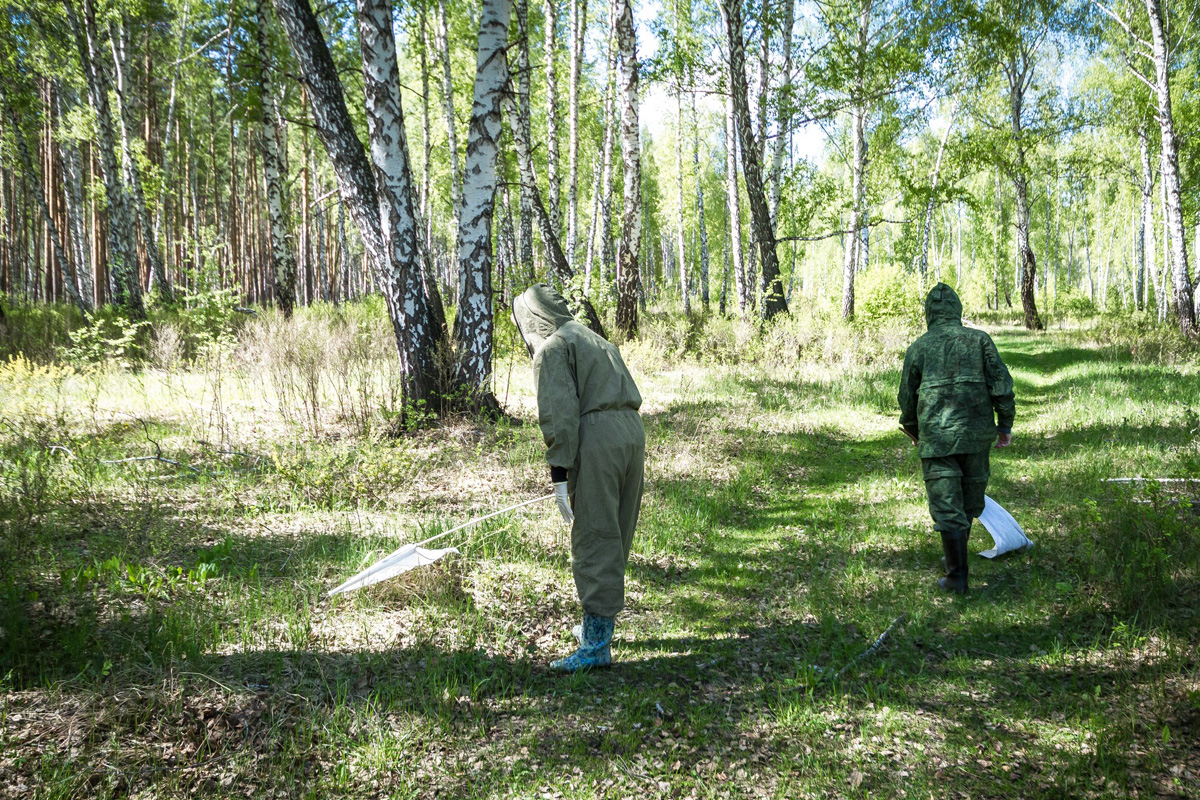
These herbivores are harmless to animals and humans and do not carry any diseases. The exception is the red mite. Its larvae cause dermatitis. They can be contracted while walking in tall grass. However, this is rare; they most often infest dogs and cats. The best protection against them is to pay close attention to yourself and your beloved pets: inspect your body in all areas after a walk.
Video: Red spider mites on orchids
Protecting your garden, vegetable plot, greenhouse, and houseplants from spider mites is easy. Preventative measures, effective chemicals, and folk remedies will help protect your crops from this pest.

 Sergey
1 comment