If pesky gnats take up residence in potted houseplants, it can be quite a nuisance. Both the flowers and the surrounding area become unsightly. No matter how carefully and lovingly the gardeners tend to their plants, the insects find weak spots and settle where they're least expected.
Content
Midges on houseplants: types, feeding habits, and reproduction
These small insects, which have long been a nuisance to humans on virtually every continent, easily adapt to new environments. They thrive in damp, uncleaned, and poorly ventilated spaces. Therefore, their favorite habitats include garbage chutes, pet cages, sewer and ventilation openings, and houseplant pots.
The following pests inhabit plants:
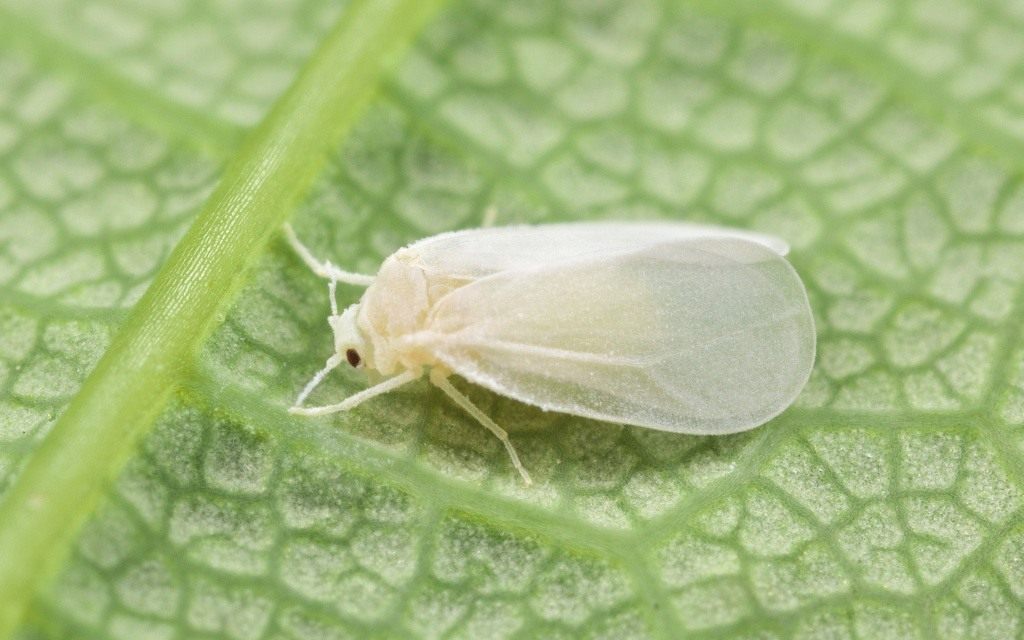
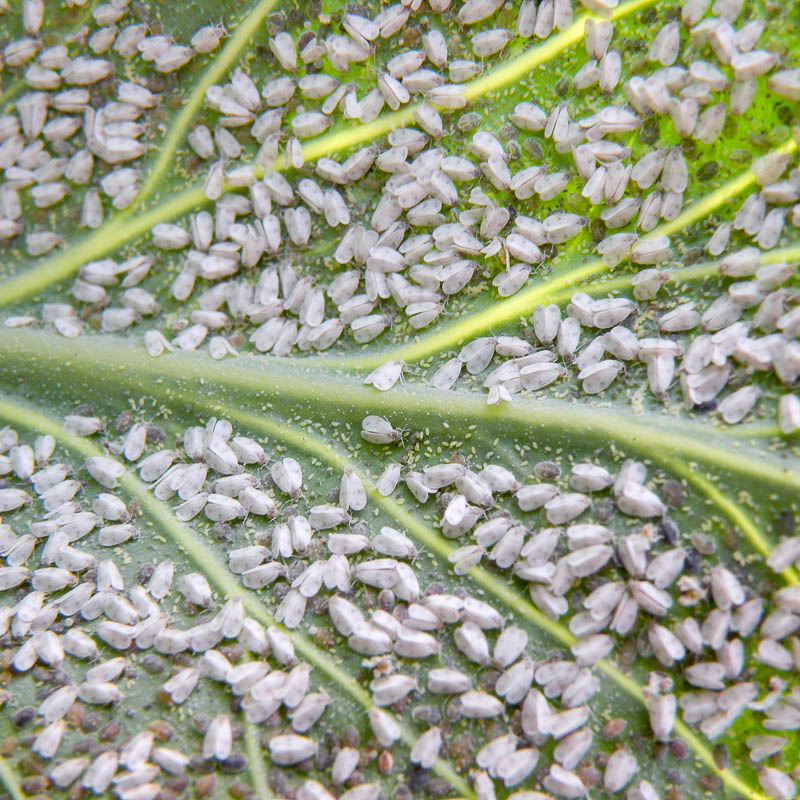
- Whitefly. This tiny white fly with a small proboscis is difficult to eradicate. It is practically omnivorous, but prefers fuchsia, geranium, and ferns. Flowers infested by this insect develop light-colored spots on the leaves.

If a whitefly has settled on a plant, light spots can be seen on its leaves.
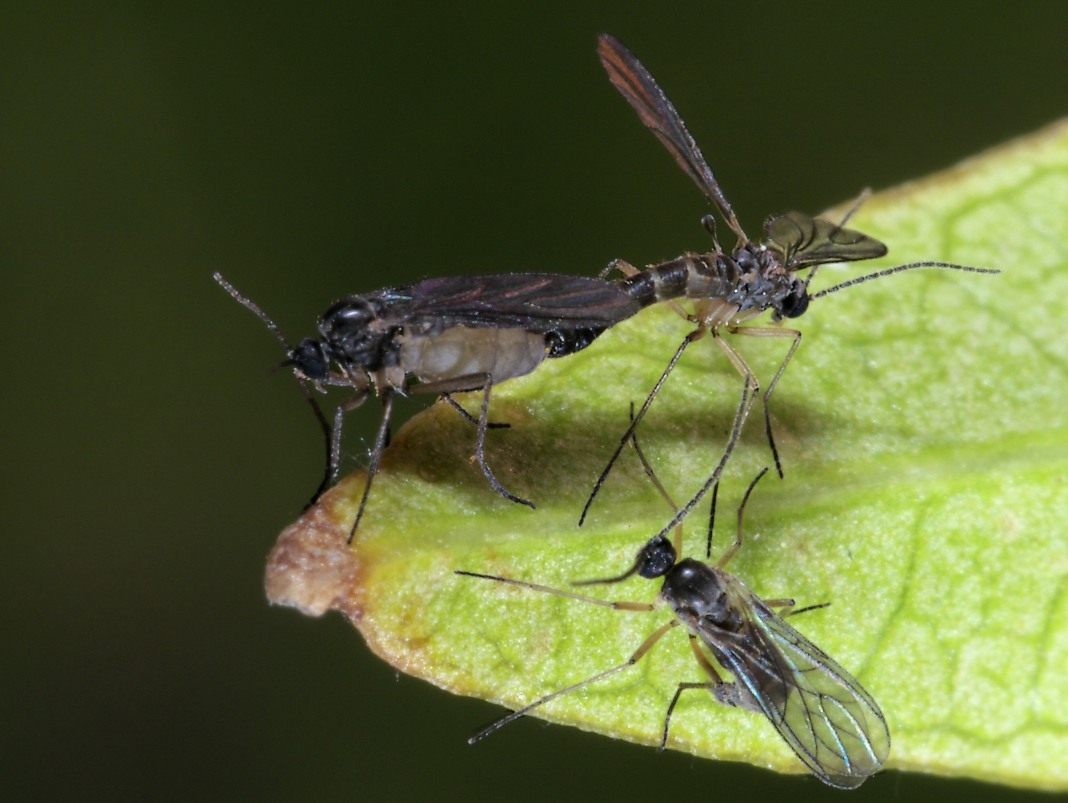
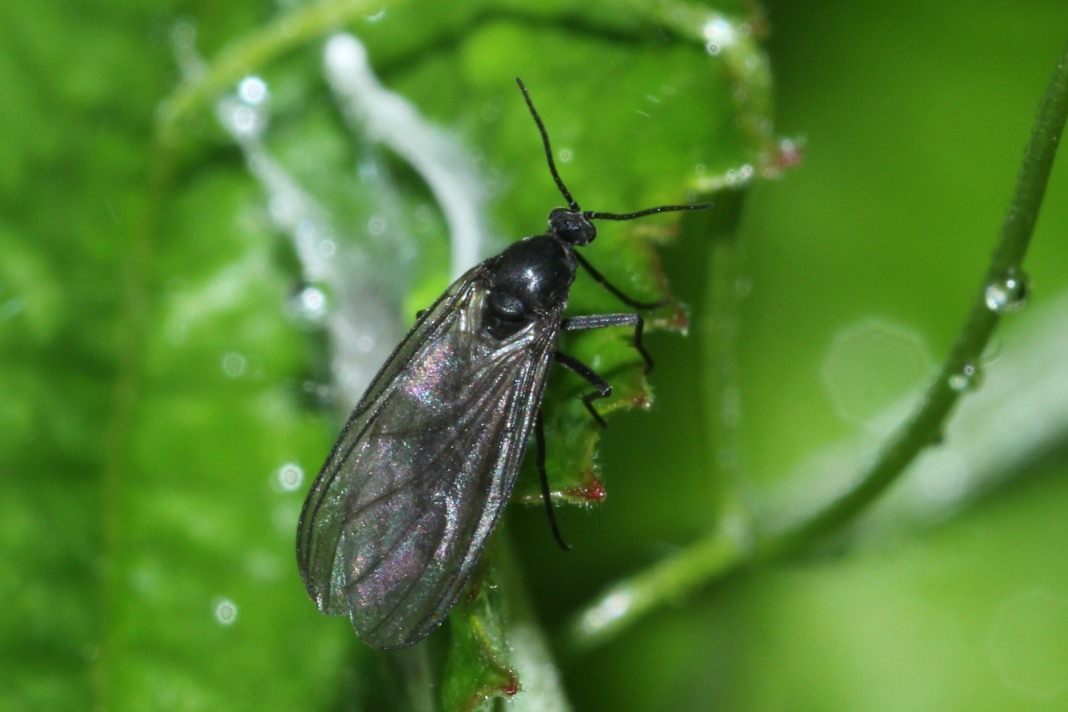
- Sciarid midges, or fungus gnats, are black midges distinguished by their larger size (up to three millimeters in length). The larvae significantly weaken the root system, causing plants to wither and die. They are particularly fond of violets and ficus.
Sciarids are black flies that damage plant roots.
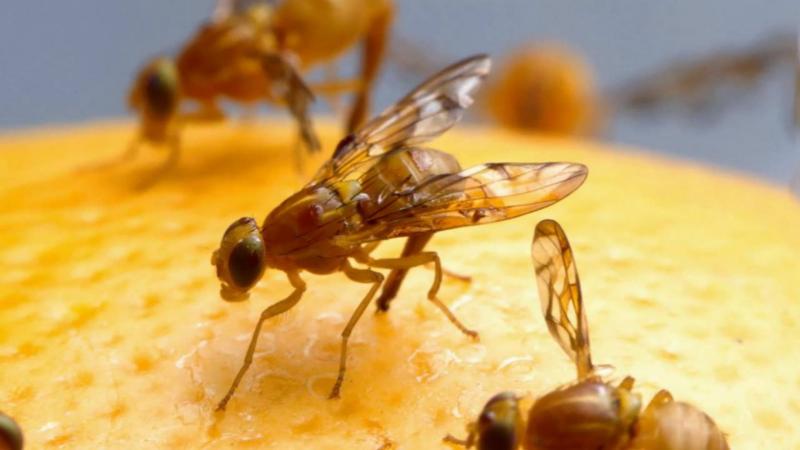
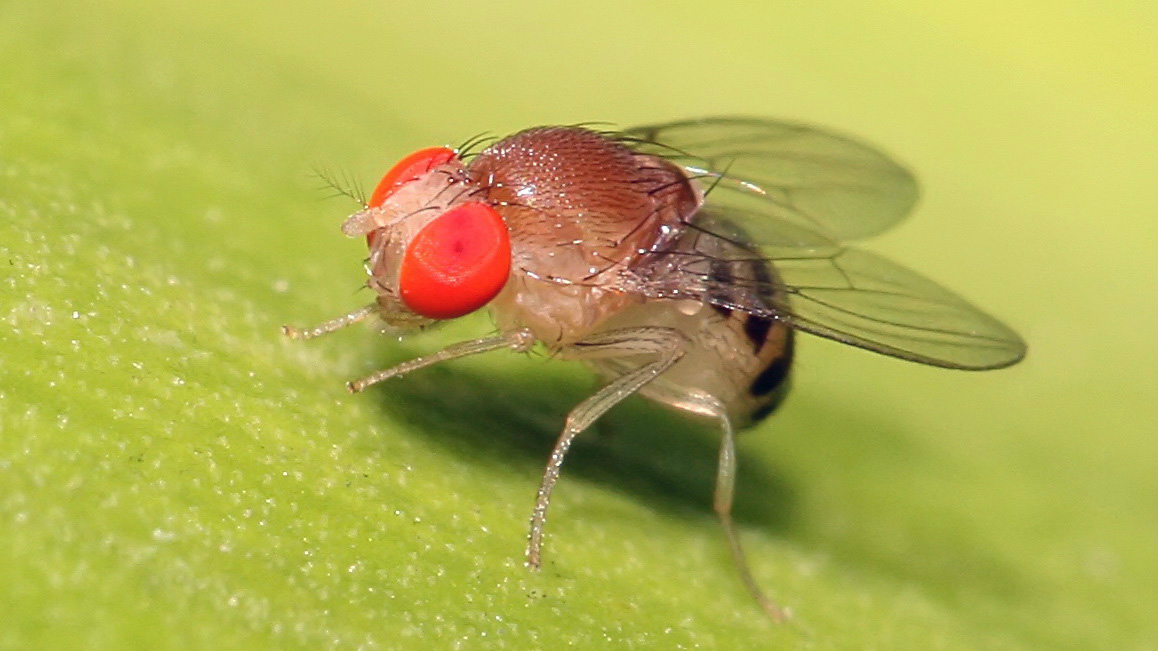
- Drosophila (fruit flies). These insects don't cause any harm to houseplants, as they prefer rotten fruits and berries. They use leaves and flowers as resting places.
Fruit flies don't harm flowers.
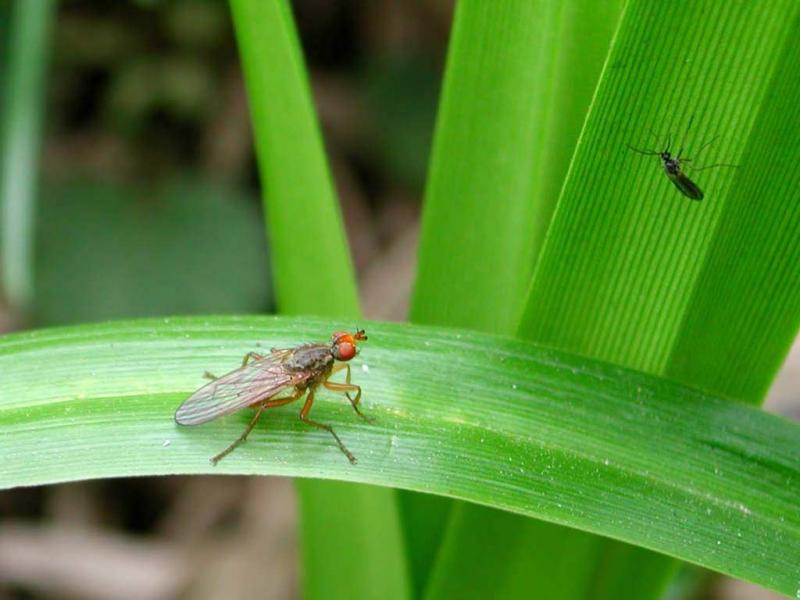
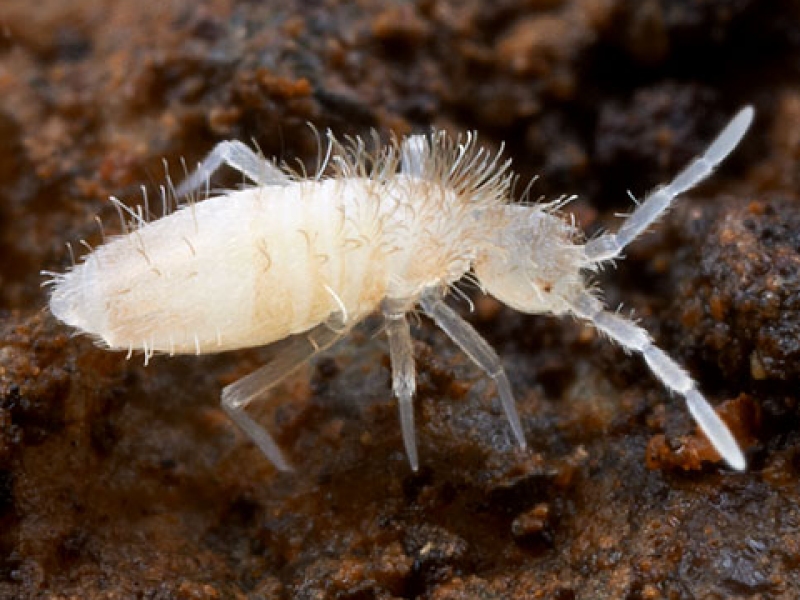
- Springtails, or springtails. This species of midge is white and about one millimeter in size. A distinctive feature is the absence of wings. In large numbers, the larvae can damage the root system of plants. Adults are virtually harmless. They prey on flowers with soft foliage (begonias, fuchsias).
Colonies of springtails destroy the root systems of houseplants.
The lifespan of midges ranges from three days to a week. During this period, they lay several hundred eggs. Therefore, action must be taken as soon as they are noticed. If the apartment is warm and the plants are overwatered, the rate of reproduction of these small pests increases. Egg laying occurs in the upper soil layers. The hatched larvae live in the soil, feeding on roots and leaves, and when they mature, they migrate to neighboring plants to lay their eggs. Adult midges prefer to feed on fallen leaves and flowers, as well as improperly applied organic fertilizers.
Where do midges come from in indoor plants?
The cause is improper care. The type of midge attacking flowers depends on the error made:
- overwatering - if plants receive too much water, springtails will settle in the pots;
- Excessive amounts of fertilizers - if used irrationally, rotting processes are triggered in the soil, which attract sciarids;
- Poor quality soil - soil purchased in a store or brought from garden plots may already be inhabited by eggs and larvae.
Midge larvae that enter plants with soil will settle in a flower, even if it is not part of their daily menu.
What harm do small insects cause to plants and people?
Midges pose no threat to humans: they don't bite and don't carry dangerous viruses or infections. They're only interested in plants and avoid the human body. However, the sight of these scurrying insects is often irritating. Flowers don't suffer immediately, as a small number of them isn't enough to destroy them. The threat comes from the larvae, which spread at high speed and feed on the roots. And for reproduction, waterlogged soil is needed.
Midges and their larvae are most dangerous for young and transplanted plants with fragile roots.
Symptoms of infestation of indoor plants
A swarm of gnats over flowers is hard to miss. But if there are only a few insects, the pests aren't always immediately detectable. Carefully examine the diseased flower before treating it. There are several signs of a pest attack:
- Drooping leaves. Shake the plant: if there are gnats, they will fly out of hiding and become visible.
- Whitish spots. This is how whiteflies leave behind signs of their activity.
- Small white larvae or clusters of adults on the underside of leaves.
Larvae or adults often hide on the backside of leaves.
If no obvious pests are visible, water the plant generously. The amount of liquid in the pot should exceed the amount of soil by 1–1.5 cm. This is done to allow the eggs and young larvae, which live in the upper soil layer, to float above the ground. After this test, drain away the excess water.
If a plant stops growing or blooming, or its leaves wilt and fall off, take immediate action. Otherwise, it may die.
How to deal with houseflies
Once you have identified a flower pest, begin to get rid of it:
- Move the plant to a secluded location to protect other flowers.
- Take it out of the pot, rinse the roots under running water.
- Plant in new, calcined soil.
- Provide the plant with a water lull: if the soil dries out, the larvae, which vitally need large amounts of moisture, will die.
Calcination of the soil is done for the purpose of its disinfection:
- Spread store-bought potting soil in an even layer on a baking sheet.
- Place it in the oven at 70–90 ºС.
- Leave for 30 minutes.
- Then cool the soil and pour it into the pot.
Chemicals
The most popular remedy for pesky midges is dichlorvos. Gloves and a mask are required when using it, as it is toxic.
Fruit flies have become a summer nightmare for me. So now I always have dichlorvos on hand. We're forced to spray the balcony with it every three days (during midge season). It works instantly! It's like a "show": swarms of midges swarm the glass, you spray them directly, and... they fall to the floor before your eyes!
Flower shops stock insecticidal powders such as Aktara, Grom-2 (for soil), Fitoverm, Karbofos, and others. These are diluted with water in the proportions specified in the instructions and then used to spray the foliage or water the roots. After treatment, the flower pot is placed in a plastic bag for 5-7 hours and tightly sealed.
The room in which chemical aerosols and sprays were used must be well ventilated.
Folk remedies
Not every gardener is willing to poison their pets, so folk remedies are popular. They are effective, safe, and readily available. Use the following to get rid of insects:
- Potassium permanganate. Dissolve a few grains in water until the solution turns pale pink. Water the plant 2-4 times. By disinfecting the soil, we will deprive the larvae of food and they will die on their own.
- Matches with sulfur. Stick the matches, heads down, into the ground 2–3 cm deep and pour water over them. Sulfur is detrimental to pests.
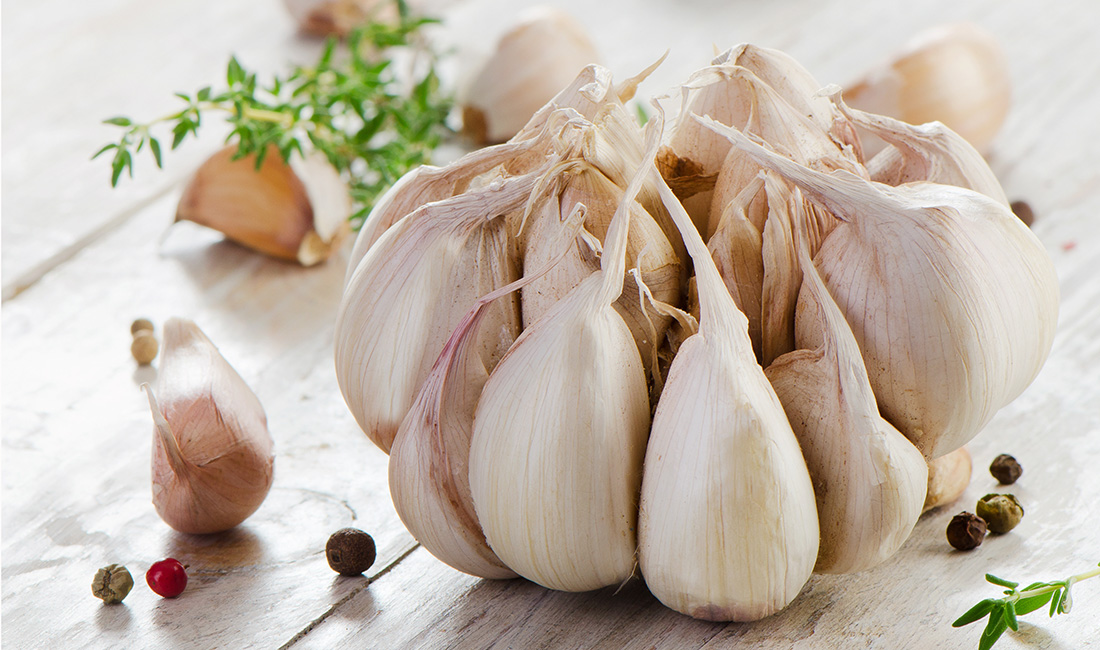
- Strong-smelling substances such as garlic, tobacco, and citrus fruits can be placed in pots to repel insects with their aroma.
The smell of garlic repels gnats from the plant.
- Ammonia. Dilute with water at a ratio of 25 g per 2 liters. Spray the foliage, avoiding flowers, and water the soil. This mixture will not only kill gnats, eggs, and larvae, but also act as a beneficial fertilizer for the soil.
- Soapy solution. This method is suitable for large numbers of midges. Dissolve 50 grams of grated laundry soap in one liter of water. Then pour the solution onto the soil and wipe the leaves on both sides.
- Cinnamon. This spice repels adult flies and their larvae with its scent. Its pleasant aroma in the room will delight everyone in the household.
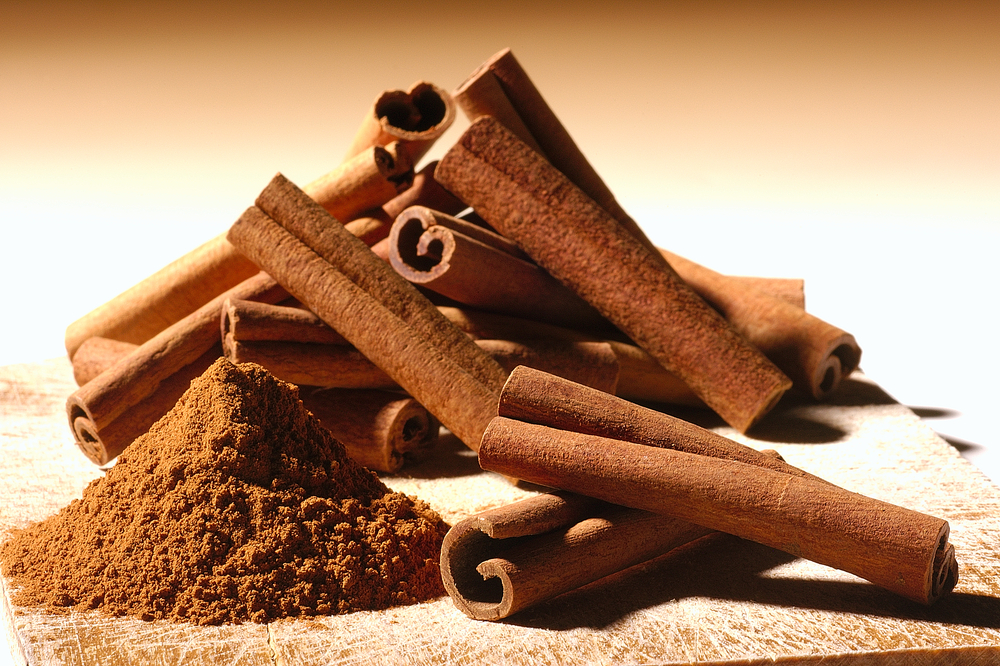
Cinnamon will help get rid of midges
Preventive measures
To avoid having to search for ways to combat pesky flower gnats, prevent them from appearing in the first place. By following basic care guidelines, you won't have to deal with these insects:
- Maintain a regular watering schedule to prevent the soil from becoming overwatered. Plants need to be watered when the soil dries out by 1–2 cm.
- Loosen the soil every other day after watering.
- Remove fallen leaves and flowers promptly to prevent rotting.
- Calcinate new soil even if the supplier has already proven itself to be reliable.
- Use a high-quality fertilizer suitable for your specific plant species. Read the instructions to avoid overdoing it.
- Use drainage.
- Ventilate the room with flowers.
The appearance of gnats in flowers is a sign that the plants need some help. Give them a little time, and they'll reward you with a pleasant atmosphere in your home.