If your family laughs at you for talking to your flowers, wiping their leaves and sprinkling the air around them, if your neighbors admire how everything is blooming and growing, and if fresh flowers are a part of your life and interior, then this article will be useful for you. Every "botanist" (in the good sense of the word) sooner or later faces some kind of plant health problem. It often happens that small gnats suddenly appear in the room, and it's not immediately obvious that they're living in your beloved ficus or violet. But they don't just live there, they also cause certain inconveniences to the plant. Let's take a closer look: what these insects are, where they come from, and how to get rid of them.
Content
Where do flower gnats live and where do they come from?
Midges thrive in flower pots under specific conditions: if the soil is constantly moist and the surrounding air is warm. Thus, by watering flowers too much, people themselves create conditions for the reproduction of insect pests.
Midge eggs can remain in the soil for a long time and become active only under favorable conditions. In waterlogged soil, they "awaken," hatching into larvae that then transform into midges. Later, the adults lay eggs again in the soil. And so the cycle repeats.
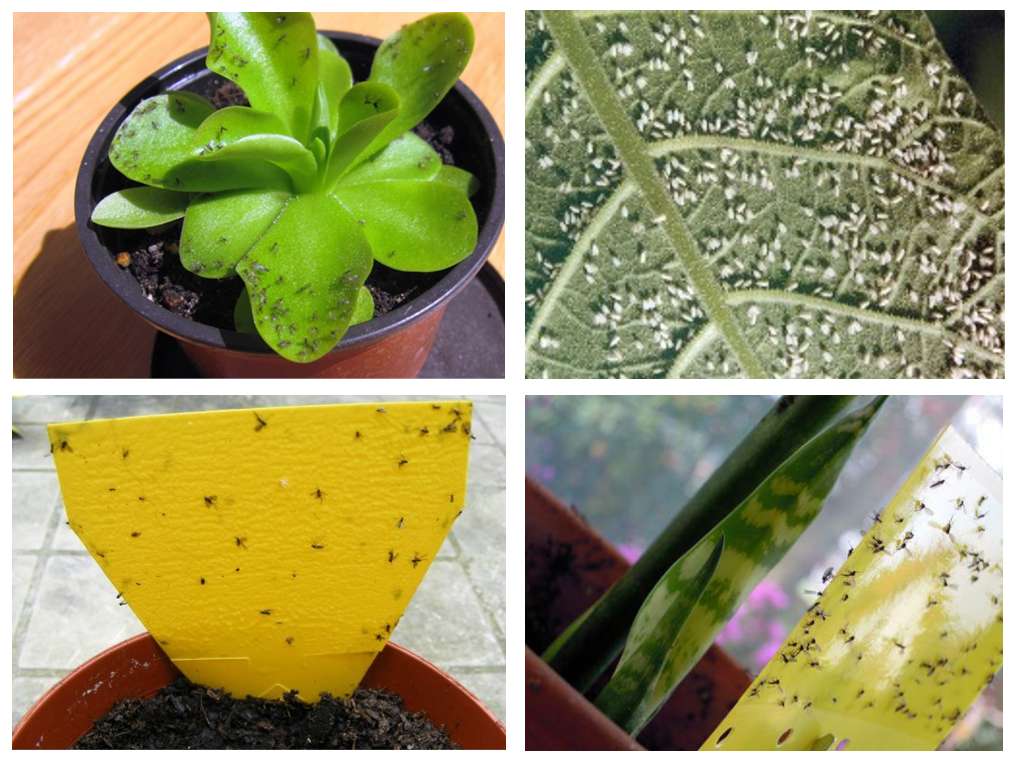
Midges are a frequent guest of a gardener who waters his home greenhouse too often.
Midge larvae can enter the soil in different ways:
- with ready-made, store-bought soil if it contained eggs or larvae;
- with a new infected plant, purchased or given as a gift (arriving, again, from a store);
- from the street, if midges flew onto the balcony in the summer and settled in a flower, and then successfully moved with it to the windowsill in the room;
- from the store, brought along with vegetables or fruits.
Adult insects won't harm the plant, but the larvae, feeding on the sap, can damage the root system and even cause the plant's death. If gnats appear in one pot, the rest of the plants will likely become infested, so you'll have to get rid of the uninvited guests throughout the entire greenhouse.
There are three types of midges that most commonly appear in flower pots:
- Small, white-winged insects—visible to the naked eye—like to hide on the underside of leaves or hop along the soil surface. They prefer overwatered soil, harm plant roots, and damage leaves. They are commonly known as whiteflies (poruds, springtails);
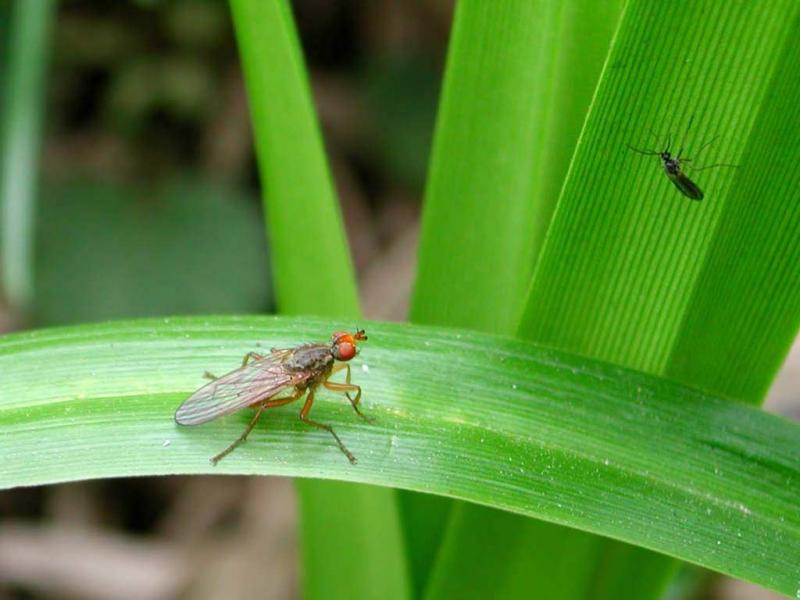
- Small black sciarid insects—their larvae are dangerous to plants and, if they reproduce actively, can destroy the plant's root system. They don't cause harm to humans, but they are annoying because they scurry around the apartment and end up in food and drink.
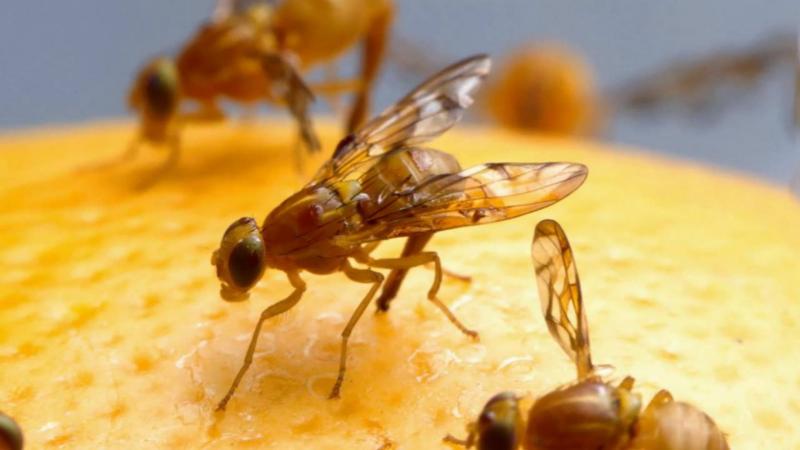
- Fruit flies (Drosophila)—the larvae consume the flower's root system, and the adults quickly disperse to all possible fertile spots. Besides overwatered flowers, they also love vegetables and fruits that aren't refrigerated.
Midges do not pose a danger to humans, but if you do not get rid of the insects, they can reproduce all year round.
Photo gallery: insects that most often settle on houseplants
-

- The whitefly is visible to the naked eye: it moves along the soil or hides on the underside of leaves.
-
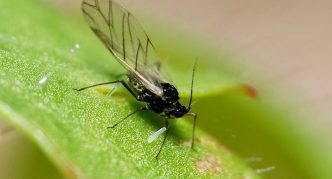
- Small black sciarid midges infest indoor plants.
-
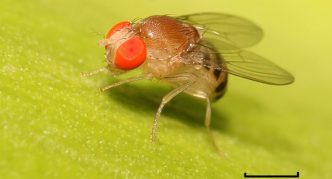
- Drosophila is a very small fly that can live in indoor plants or among fruits and vegetables.
How to get rid of winged pests
So, war has been declared. It's time to take action. The fastest and most effective way to get rid of pests is to attack, use chemical weapons, and destroy the enemy. Insecticides, fumigators and repellents are suitable for attack. We should also remember the old-fashioned methods, which use whatever is at hand. These methods are environmentally friendly, but they require more time and effort to achieve the desired result.
Chemicals for the destruction of parasitic insects and methods of their use
The range of chemicals for protecting indoor plants is constantly expanding with new developments. Specialty stores and gardening departments offer plant lovers a variety of options: liquids, powders for making solutions, granules, aerosols, sprays, powders, and more. A review of popular remedies for flower diseases and pests will help you choose and use them correctly.
Aerosols and sprays
Spray-based products are considered the most effective among midge control products.
Features of their application:
- First, stop watering. Allow the soil to dry out to a depth of at least 2-3 cm.
- Before processing, the soil must be loosened.
- After this, treatment with a chemical agent should be carried out, strictly following the instructions for use, especially regarding dosage.
You can spray the product in a room, making sure there are no children or pets in the room. Then, apply it to the soil in flower pots and seal the room for a while. After a couple of hours, thoroughly ventilate the room.
There's another method. To avoid harming family members and pets, proceed with caution. Take a large plastic bag or film and wrap it around the plant to create a sort of greenhouse. Then spray the aerosol inside the structure and seal the bag as tightly as possible. When using the preparation, you should try to get it on the soil, avoiding direct irrigation of the leaves. Leave for 7-10 hours. If the gnats have only appeared in the soil and not on the leaves yet, simply cover the surface of the pot with plastic wrap and leave for 4-5 hours.
The most effective aerosols:
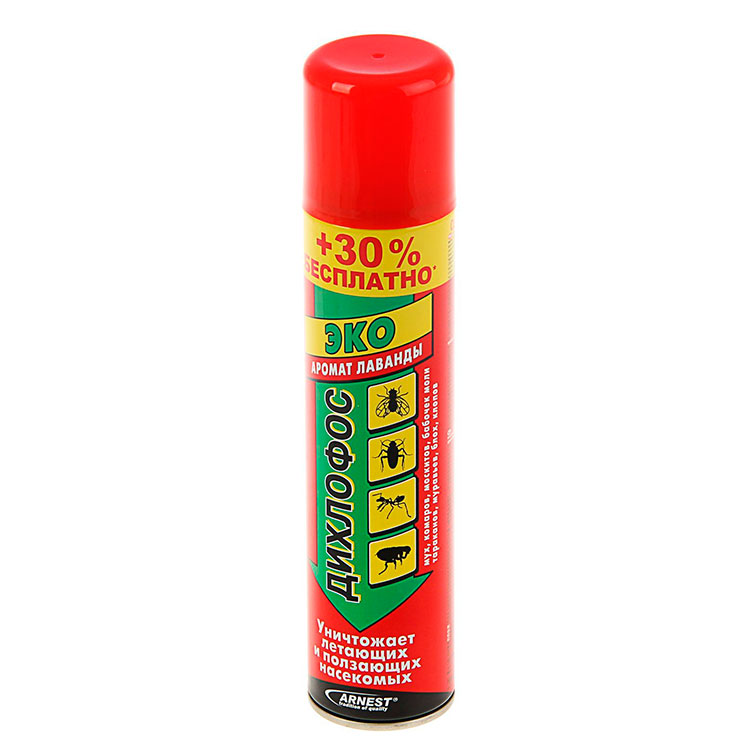
- Dichlorvos. One of the well-known and popular insecticides, a non-systemic contact aerosol insecticide. It paralyzes and kills midges upon contact with the particles.

Dichlorvos successfully controls flying and crawling insects, including flower gnats.
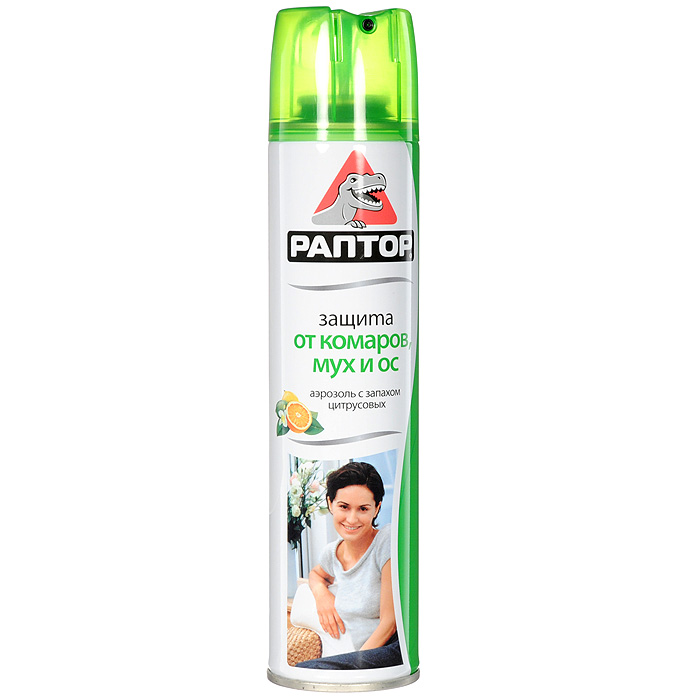
- Raptor aerosol spray. Works similarly to dichlorvos.
Raptor aerosol is recognized as an effective remedy against midges.
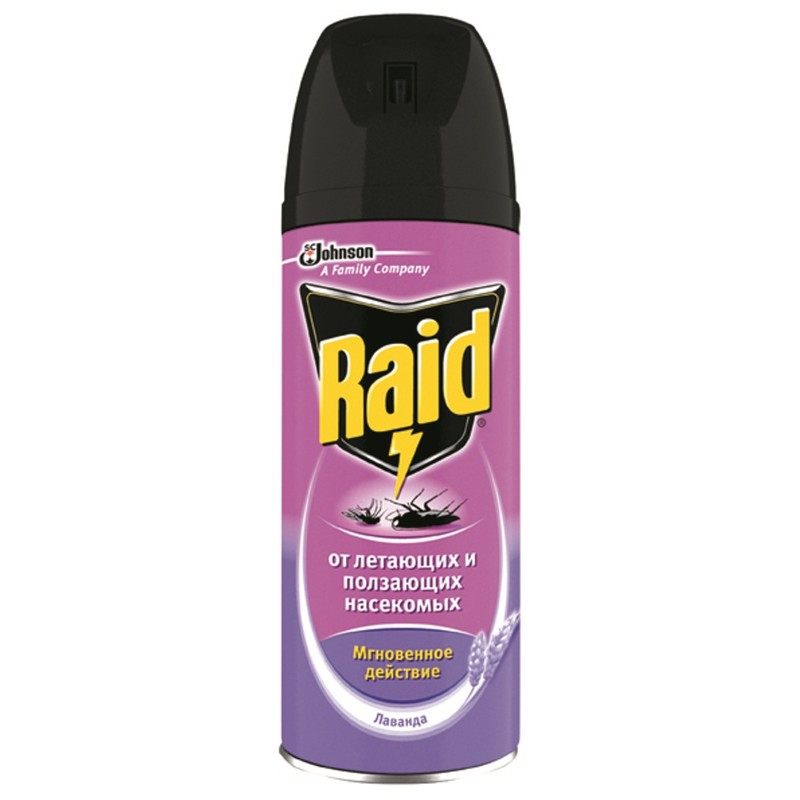
- Raid. Insecticide aerosol for killing flying insects. May have a light scent of orange, lavender, and other scents. Also available as a fumigator with plates and liquid. This brand also offers mosquito and midge repellent coils.
Raide insecticidal aerosol will not only mercilessly deal with flying and crawling pests, but also leave behind a pleasant aroma
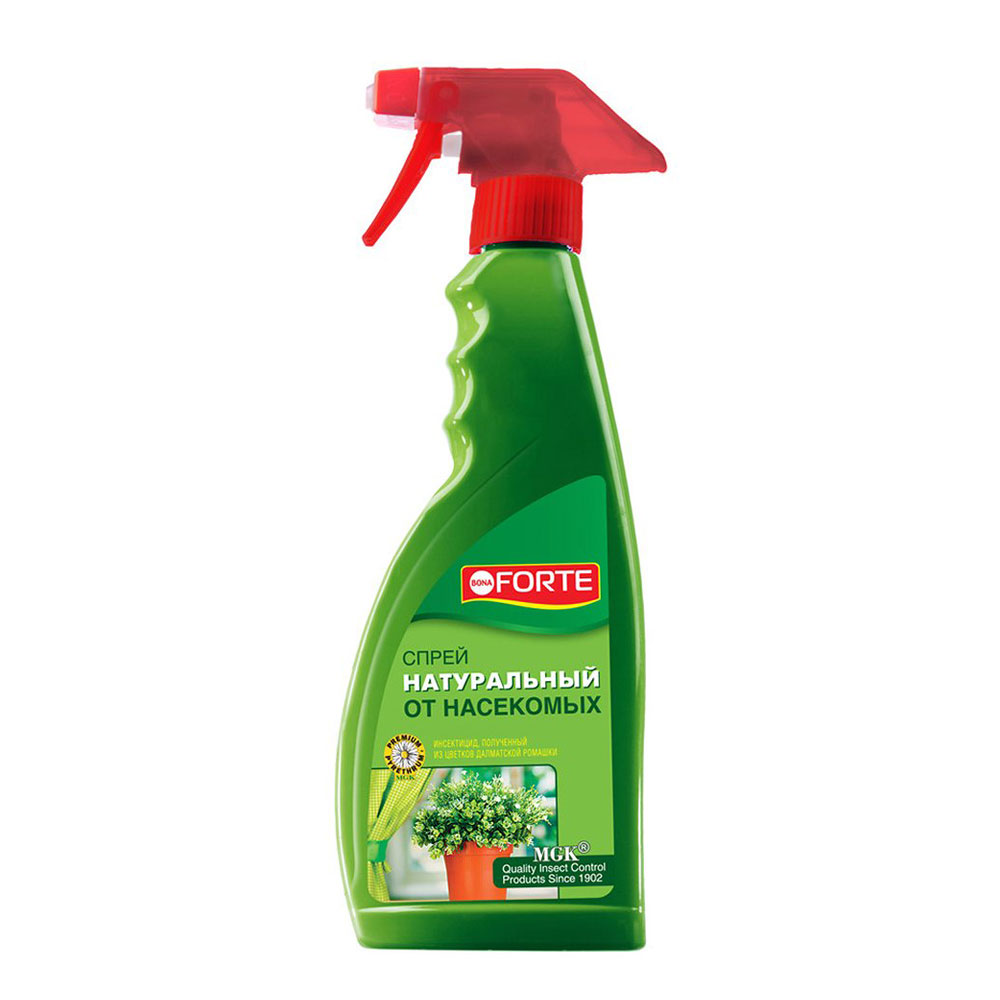
- Bona Forte. A natural spray for protecting plants from insect pests. The active ingredient is pyrethrin, a natural insecticide derived from Dalmatian chamomile flowers. It is effective, environmentally friendly, and odorless. Non-toxic to humans.
Natural spray Bona Forte effectively rids plants of midges, aphids and other pests
Fumigators
Popular fumigators come in sheets and liquids. They work by evaporating when heated, and the vapor acts on unwanted insects such as midges, mosquitoes, and others. The active ingredient, pyrethrin, repels insects in low concentrations and kills them in higher concentrations. Coils and rods are also available, but they are not suitable for indoor use. They are intended for outdoor areas and gazebos.
Solutions
To treat plants against midges, aphids and other insect pests, contact insecticides are used. All drugs are effective, but they have a hazard class of 2-3 (highly hazardous and moderately hazardous substances) and a distinctive, usually strong, odor. In fact, toxicity depends on the concentration of the product in the solution. To avoid possible poisoning and side effects, it is essential to strictly follow the instructions and observe safety precautions when handling these products:
- work with chemicals wearing gloves and a mask;
- Do not smoke, eat or drink during or immediately after treatment;
- ventilate the room after working with the preparation;
- wash your hands and face;
- Do not store any remaining diluted product for reuse.
Recommended chemicals: Agravertin, Grom-2, Aktara, Inta-vir, Bazudin, Fitoverm, Actellik, Kinmiks, and Karbofos. When using, dilute them to the manufacturer's recommended concentration.
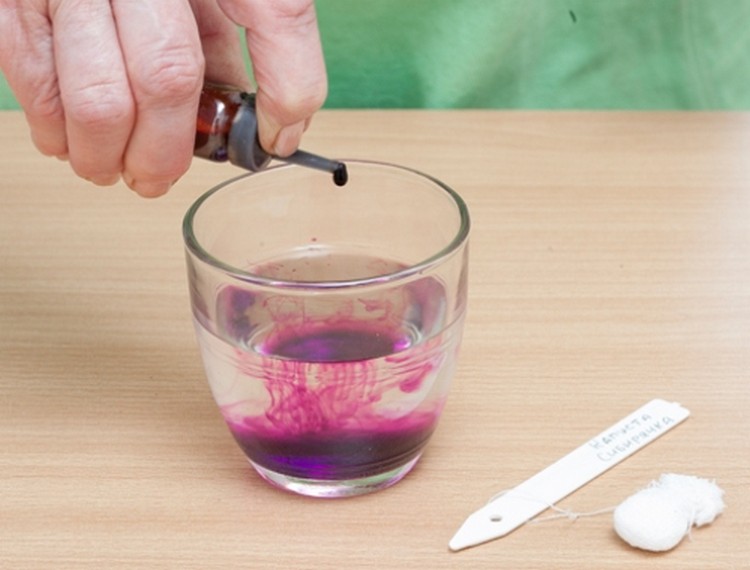
Potassium permanganate and other simple home remedies will help deal with flower pests.
Folk remedies for getting rid of midges in houseplants
In some cases, the use of chemicals is impossible. For example, if there are allergy sufferers or small children in the house, or the homeowner is concerned about the health of their beloved cat and her kittens, or simply doesn't want to "poison" their permanent residence. When using chemicals seems unappealing, folk remedies for flower gnat control can come to the rescue.
First, you need to deal with the adult insects. This is done as follows:
- It is necessary to stop watering. Let the soil dry out thoroughly (to a depth of 2-3 cm).
- Loosen the soil.
- Then set up traps: either make them yourself or buy fly tape.
Making a trap is easy:
- Take some thick paper, coat it with honey, and place it near the plant and between its leaves. The key is to constantly replace the strips with fresh ones.
- You can use a plastic cup: place something tasty (fruit, honey, a tea bag) on the bottom, cover with cling film, and poke small holes in it. This will allow insects to get in, but will make it difficult for them to get out.
- You can pour something acidic, like apple juice or vinegar, into the bottom of the jar. The midges will flock to their favorite treat and drown en masse.
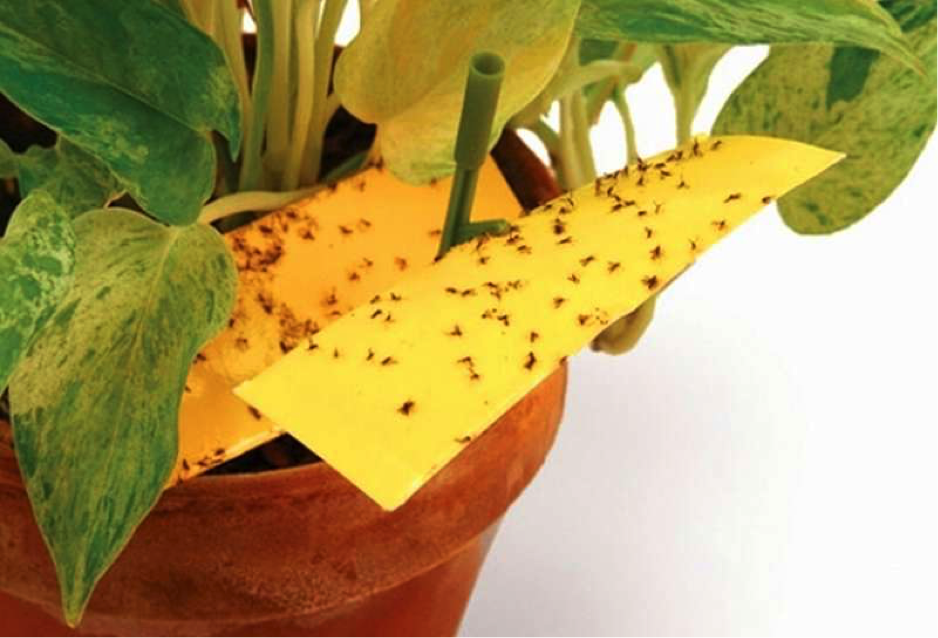
A homemade sticky trap can replace the popular flypaper trap.
Once the adult pests have been caught, you can begin treating the soil to get rid of the larvae.
There are many folk methods for removing eggs laid by midges from the soil in flower pots:
- Take a few matches and stick them head down into the soil, then water them lightly. When the matches are completely dry, replace them with new ones. The larvae will gradually die.
- Loosen the soil and water it with a weak solution of potassium permanganate. Do this carefully to avoid burning the plant's roots. The solution should be pale pink. Repeat the treatment weekly.
- You can treat the soil with a garlic solution. To do this, crush a whole head of garlic and pour about 0.5 liters of boiling water over it. Let it steep for 2 hours. The resulting solution can be used to spray and water the plant, and the remaining garlic pulp can be placed in a pot.
- Spray the plant and moisten the soil with an onion peel infusion. Add boiling water and let steep for 12 hours. It's recommended to apply the infusion every five days. This procedure can be repeated three times.
- Take dark laundry soap and wash each leaf of the plant, then water the soil with the soapy solution.
- You can use any anthelmintic medication for animals, such as Drontal or Dirofen, for watering. Apply this solution to the soil twice, separated by 7-10 days.
- Sprinkle the soil in the pot with wood ash. This will keep away gnats and serve as a good fertilizer.
Video: A simple way to get rid of gnats using cinnamon
Prevention
To prevent insects from settling in your flowers again after all these procedures, you need to resort to simple preventative measures:
- Before watering, check the plant's soil to see if it is dry enough;
- drain the soil well to prevent water stagnation and root souring;
- inspect the leaves from below for accumulations of midges;
- do not overwater or overfeed plants with fertilizers;
- constantly loosen the soil;
- remove bad leaves by cutting them with a sharp blade and treating the cut with crushed charcoal or cinnamon.
Reviews
We've all encountered tiny flies appearing in our apartments. They appear out of nowhere and disappear just as quickly. Scientifically, they're called fruit flies. They usually appear when vegetables or fruits start to rot, and sometimes they live in damp soil in flowerpots. When I had them, I thought it was temporary. Especially since after investigating their presence, I found nothing wrong. But a week passed, and we got tired of them; the fruit flies became annoying with their scurrying all over the apartment! They were everywhere!
Even the kitchen ventilation! I washed everything, even re-cleaned the windows—there were the most of them there. My patience snapped, and my husband went to the store. He brought Raid, an insecticide for flying and crawling insects. According to the instructions, I closed the windows and doors, sprayed the product, and went into another room for 20 minutes. Then I ventilated the room for 30 minutes. The smell was toxic, even though it said it contained lavender. I did this throughout the entire apartment. It's important to keep clothes, towels, and, of course, food away from the insecticide. And pets! The next day, I saw dead midges on the floor, tables, windowsills, and in the bathroom and toilet! And the midges themselves were completely invisible! On the second day, a couple of half-exterminated fruit flies emerged, and I repeated the process! A week has passed, and in the next few days I'll repeat this process as a preventative measure, because sometimes half-dead midges still appear. Raid itself is multifunctional; it can kill not only flies, mosquitoes, and butterflies, but also cockroaches, bedbugs, ants, and fleas. I highly recommend it. Although Raid didn't completely kill the midges the first time, it's the only product that has helped get rid of a swarm of fruit flies!
Here's how it happened. My husband and I brought a sack of potatoes from the village. We put them in the hallway of our apartment; the kitchen is small. I took bags of them and carried them into the kitchen. After the second bag was empty, I went to get the next one and opened the bag—out came these nasty little gnats, two bad potatoes, and they scattered all over the hall. I went to the store and bought Universal Dichlorvos at a low price. It only cost 70 rubles. I decided to give it a try. I sprayed it and went for a walk for half an hour. When I came back, all the gnats were already dead and lying on the floor! I swept them up and threw them away. Since then, I've only used this product. It's very easy to use. The design is stylish and lasts a long time. Happy shopping.
White lumps have appeared on my Christmas cactus. They're not numerous, but they're cause for concern. I read online and it looks like mealybugs, but I haven't seen any actual insects. Just lumps in the joints. The store clerk recommended Bona Forte spray. She also recommended treating the plants on the spot and also spraying the window frames. I did just that, after first removing the lumps with a cotton swab and soap. After the first treatment, the number of lumps decreased to 1-2 per plant. I repeated the treatment. The flowers look quite vibrant, no one's crawling, and new leaves have appeared. I gave the rest to my eldest daughter; her plants were plagued by spider webs. After the first spray, they were almost clear.
Getting rid of gnats that are intent on destroying your indoor flower garden is easy. You can try using folk remedies or resort to aggressive but effective chemical treatments. Regardless of which method you choose, it's important to follow safety precautions. Further preventative measures will ensure a peaceful, pest-free environment. Your houseplants will then reward you with abundant blooms for your proper care and attention.