Tick infestations are a common problem for people, dogs, and cats. Although most cats live indoors, ticks can be accidentally brought indoors on clothing. The peak tick season is from April to October. An encounter with this insect is always alarming for pet owners, as a tick bite can cause not only discomfort and pain, but also infection.
Content
The main symptoms of a tick bite
Cat owners often let their pets outside for walks. Cats in private homes spend a lot of time outdoors. These pets are at high risk of tick bites.
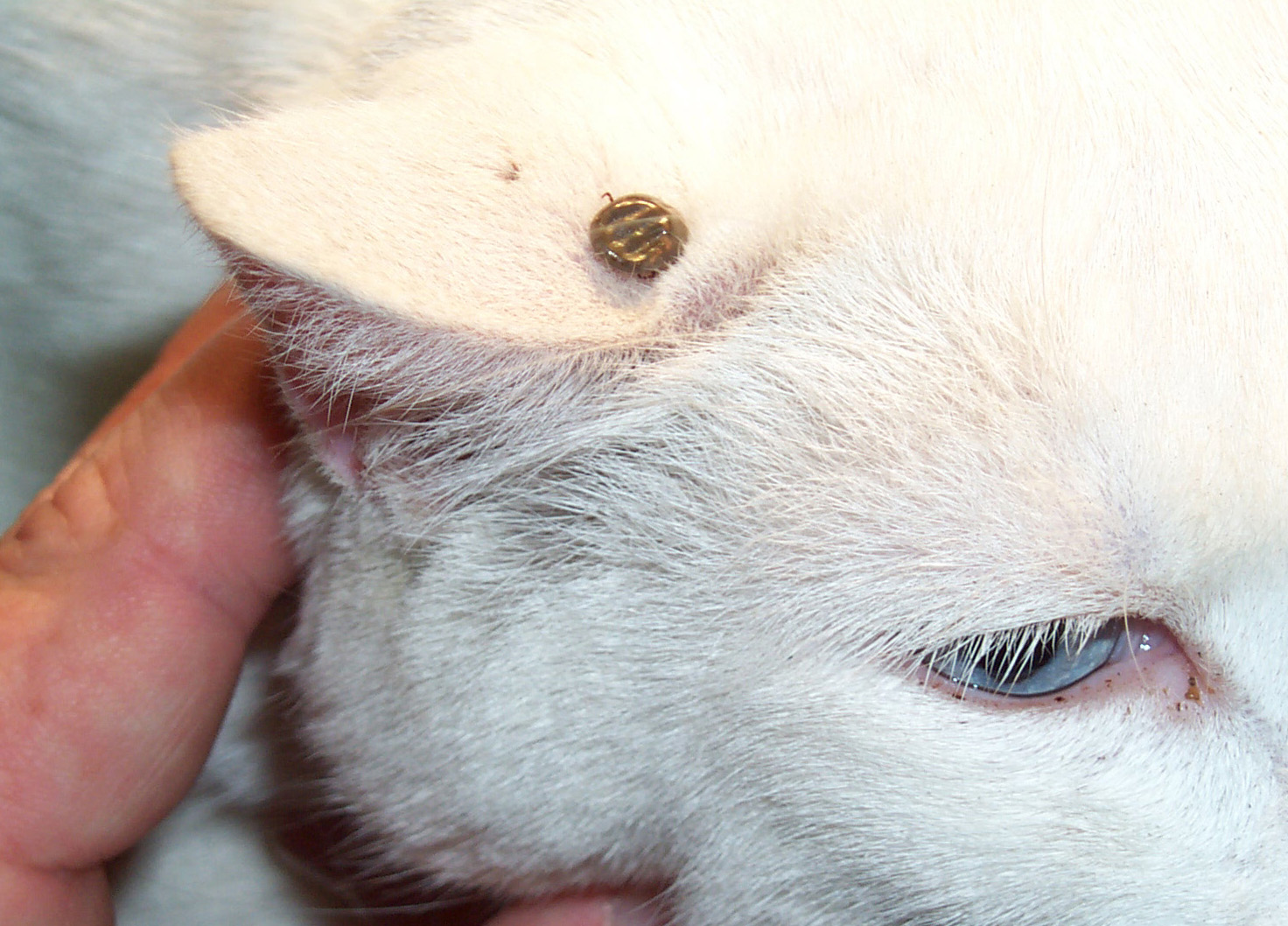
Ticks like to attach themselves to their victims in places where the skin is soft.
And, although bites are most often painless, you can determine that this has happened by the behavior of your furry friend:
- lack of appetite;
- weakness, passivity, lack of mood and playfulness;
- irritability and a constant desire to scratch the bite site.
After each walk, inspect your cat for ticks. Conduct the inspection in good lighting—under a bright lamp or on a windowsill. Comb your cat with a comb, parting the fur. You can also use a hair dryer. When ticks land on your cat, they seek out soft skin where they can attach more easily and where the cat can't remove them on its own. Pay particular attention to the following areas:
- stomach;
- armpits;
- ears;
- groin;
- withers;
- elbows;
- neck.
In appearance, a tick resembles a beetle or a spider—a small body, four pairs of long legs, and a tiny head. Sometimes it's quite difficult to spot—the insect hasn't yet attached itself and has been drinking blood, and due to its small size, it can be difficult to see among thick fur.
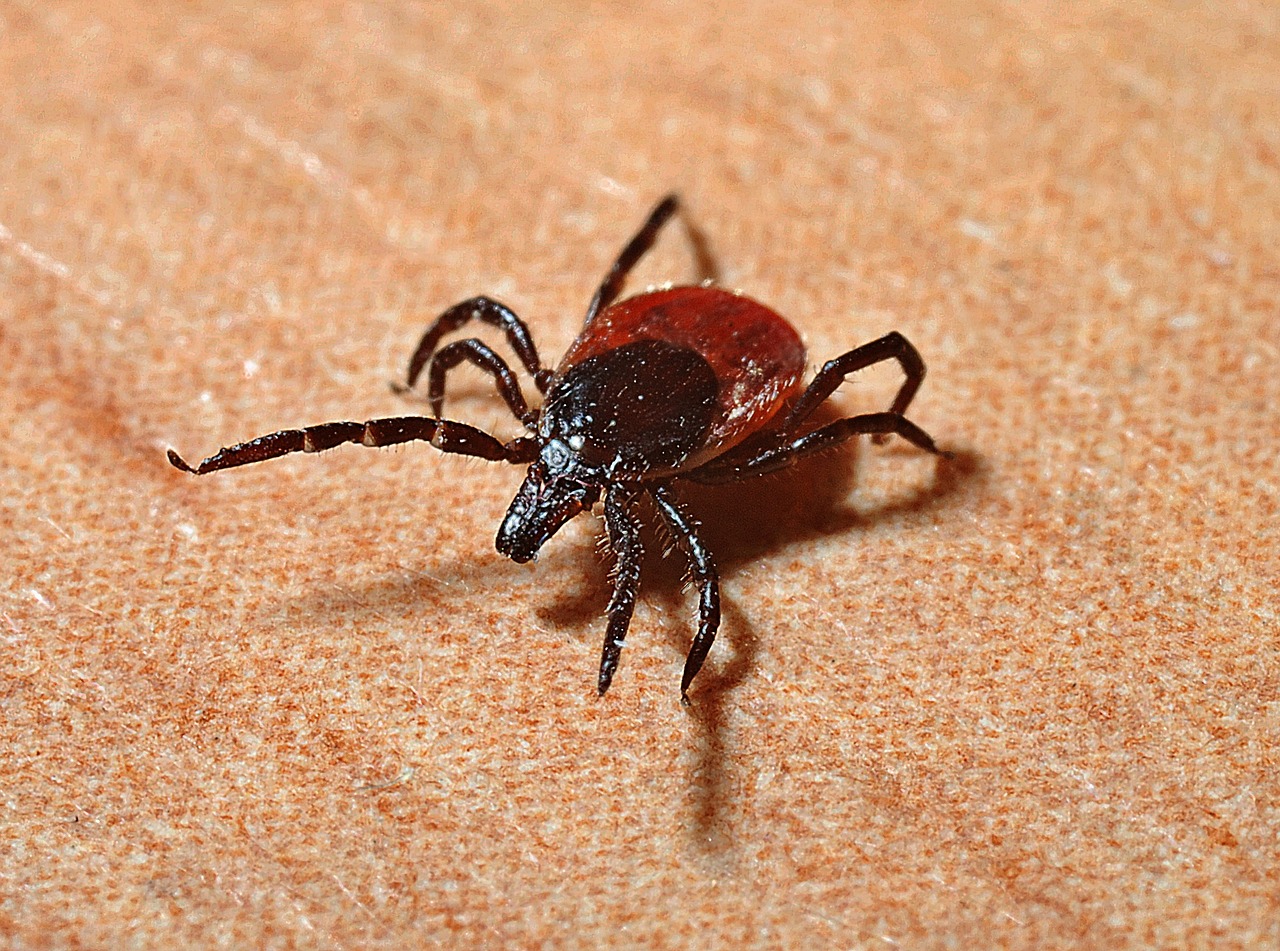
A tick that has not yet drunk blood is very small and fast.
You might not notice the insect if it falls off on its own or if the cat scratches it off. In this case, it's worth taking a closer look at the skin. Redness and slight swelling will appear at the bite site. The itching may also cause the cat to scratch the wound.
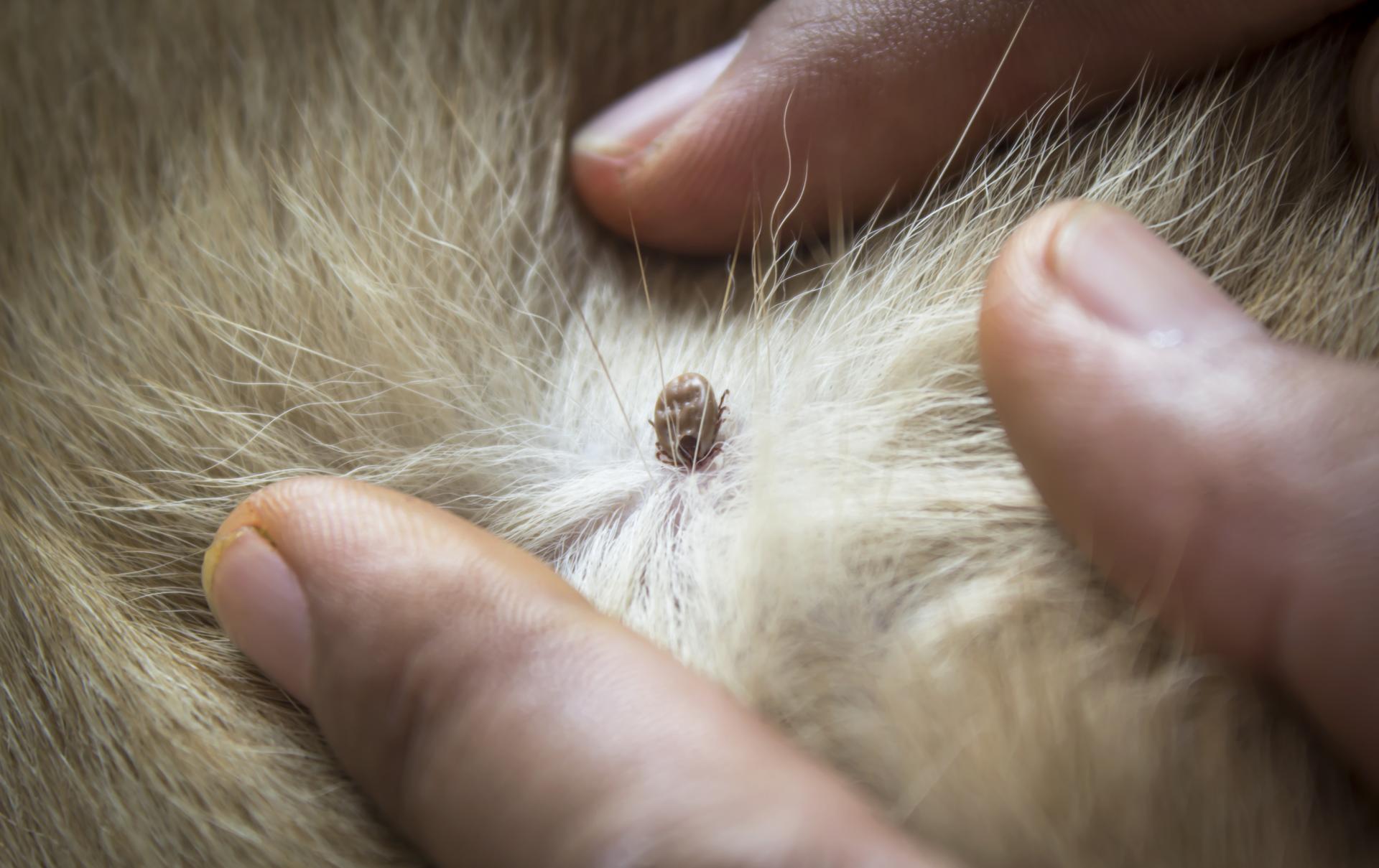
As the tick becomes saturated, it swells and becomes voluminous.
While feeding, ticks grow to 1.5–2 cm in size, becoming pea-sized. These ticks are easily felt by hand.
First aid for a tick bite
If you discover an attached tick during your cat's examination, it should be removed to reduce the risk of infection and prevent discomfort. Here's how to remove a tick:
- Use protective gloves (rubber, silicone or nitrile) during the procedure, and be sure to wash your hands afterwards;
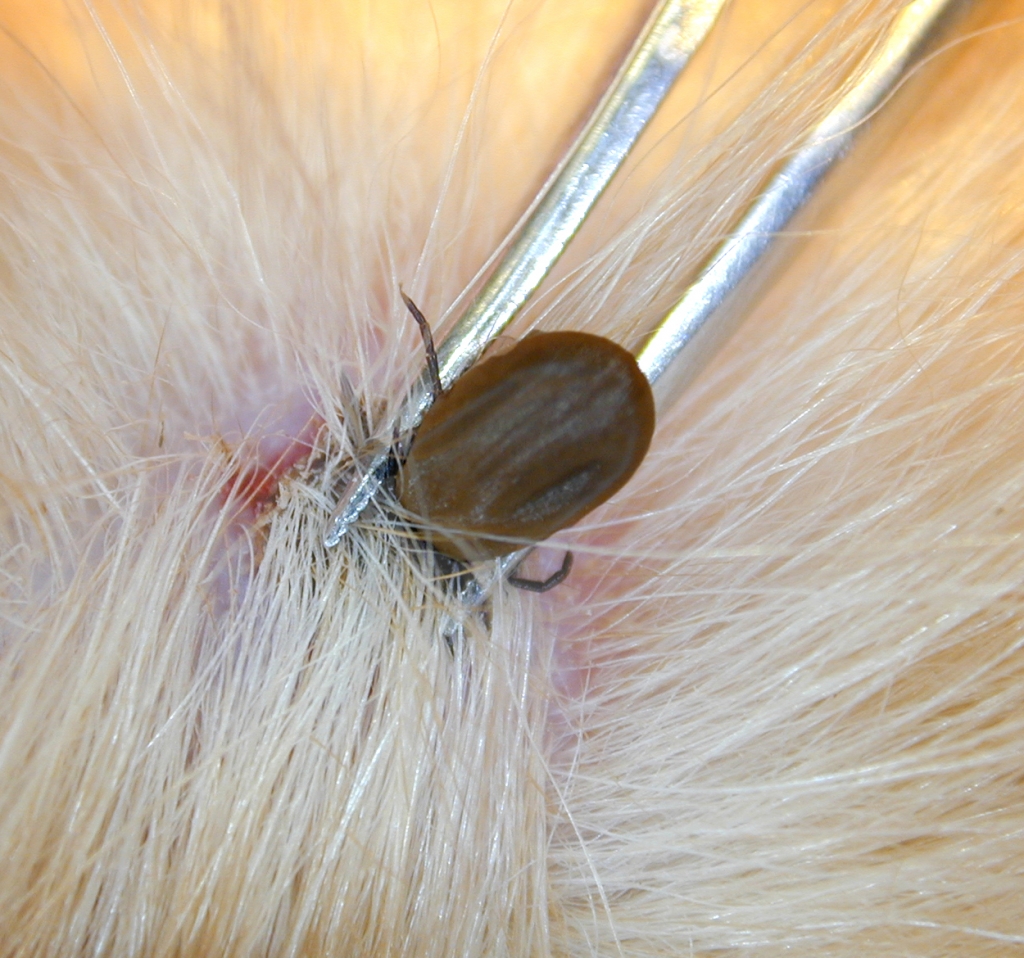
- Ticks can be removed using tweezers and special extraction tools (hooks, plates, lasso pens) that can be purchased at a pharmacy. Grasp the insect by the head and gently twist it.

You can remove a tick with regular tweezers by grabbing it and turning it to the side.
- Try to remove the parasite completely, without tearing the body away from the head. Any remaining part of the tick in the skin can lead to suppuration and infection.
A special hook will allow you to remove a tick in a matter of minutes.

When removing a tick, remember the following recommendations:
- Never treat the insect with oil or any liquid. As soon as the tick begins to choke, it will spit out some of the blood and saliva, thereby increasing the risk of infection.
- Try to remove the tick carefully but quickly. If you disturb the insect for too long, it will try to cling to your skin more firmly;
- If the tick is deeply embedded, do not try to scratch or pick it out. This will not only fail to remove it, but will also damage your skin.
To remove a tick, it is better to use a lasso pen; pulling the insect out with a thread is unsafe.
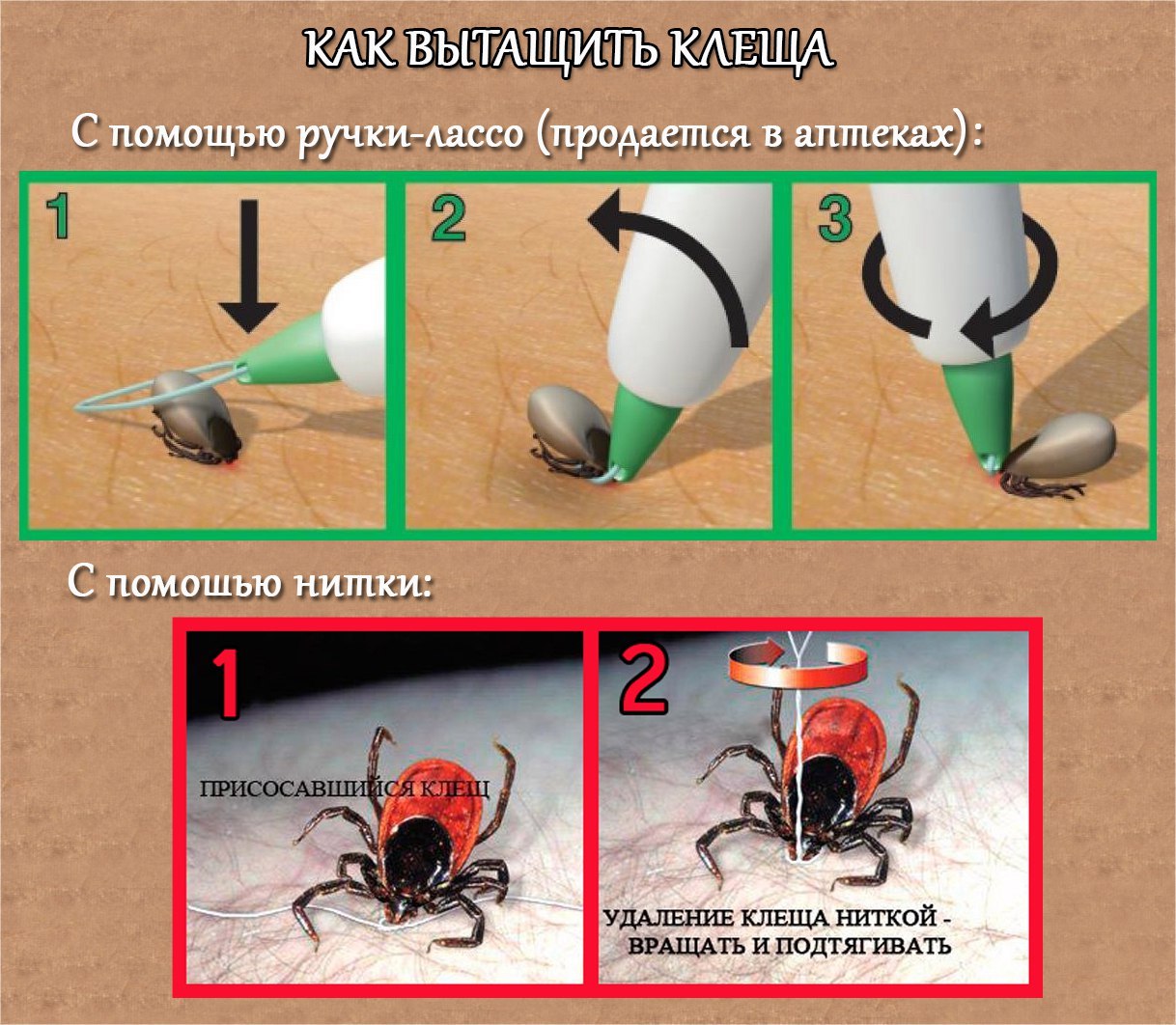
It is not uncommon for a tick to tear during removal. If this happens, it's best to abandon attempts to remove the remaining debris. You can treat the wound with iodine, and the body will naturally reject the foreign part. However, the best solution is a visit to the veterinarian.
Once the tick has been removed, you need to treat the wound. Use antiseptics to disinfect the skin:
- hydrogen peroxide;
- Terramycin spray;
- chlorhexidine;
- iodine;
- brilliant green;
- alcohol.
The bite site may remain inflamed for a week, so you may want to consider treating the wound:
- After disinfection, apply an antibiotic ointment (for example, Levomekol, Bioseptin). This will help prevent infection;
- After 5-10 minutes, treat the wound with hydrocortisone ointment to relieve itching.
The removed tick must be destroyed. This can be done by drowning it in a small container of alcohol or insecticide. Do not flush the tick down the toilet or sink! Ticks can survive in water and continue to infest. If possible, submit a live tick to a lab for testing—this will save you the hassle and ensure you know for sure whether the insect is infected.
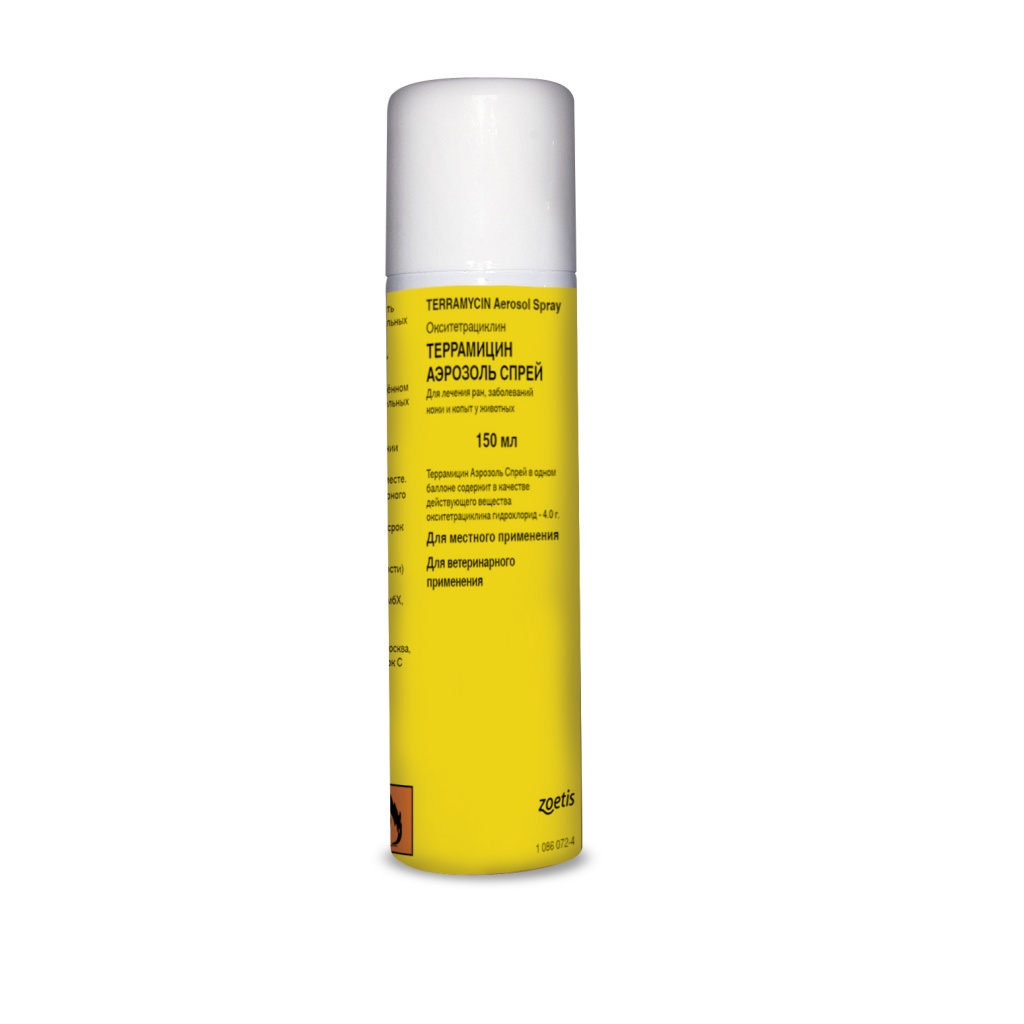
Treat the wound with Terramycin to disinfect it
Dangerous consequences of a tick bite
Ticks can carry serious infectious diseases. The infection enters the body through saliva during a bite. The incubation period is approximately 2-3 weeks. Therefore, after removing the tick and the bite, monitor your pet's condition, as the disease may not manifest itself until later.
Diseases carried by ticks:
- encephalitis;
- ehrlichiosis;
- piroplasmosis (babesiosis);
- cytozoonosis;
- theileriosis;
- tularemia;
- hemabartonellosis.
Encephalitis is a disease characterized by inflammation of the brain. The main symptoms of tick-borne encephalitis include impaired motor coordination, hearing or vision loss, paralysis, seizures, loss of appetite, and fever. Unfortunately, cats who recover from the infection will only regain some of their lost functions, and the mortality rate for domestic cats from inflammatory brain diseases is approximately 50%.
Ehrlichiosis was previously found only in dogs, but the number of infected cats has recently increased. Ehrlichiosis is transmitted only by ticks; animals cannot transmit the disease to humans or other animals. The disease manifests itself very acutely, with swollen lymph nodes, vomiting and diarrhea, shortness of breath, and apathy. Sometimes, ehrlichiosis becomes chronic, accompanied by anemia and paralysis.
Cats are considered much less likely to contract piroplasmosis than dogs. However, young kittens and cats with weakened immune systems are also susceptible to the effects of Babesia, the causative agent of piroplasmosis, which destroys blood cells. The infection manifests itself late in life (several months after infection):
- high body temperature;
- loss of appetite and weight;
- jaundice;
- paralysis;
- presence of blood in the urine.
Cytozoonosis is very rare, but often results in death for pets. A cat can only become infected if the tick has previously bitten a lynx. The devastating effects appear within three weeks. Cats experience depression, anemia, fever, dehydration, and jaundice.
Theileriosis is a dangerous infection that destroys blood cells and organ tissue. It is poorly understood, and the mortality rate of infected animals is 80%. It is also accompanied by loss of appetite, weight loss, yellowing of the skin, fever, and enlargement of the liver and spleen. It most often results in hepatic coma. After recovery, cats remain carriers of the parasite.
Tularemia is a bacterial infection that affects the lymph nodes, skin, and lungs. The tularemia bacteria cause purulent inflammation in the organs. The main symptoms are enlarged lymph nodes and spleen, mouth ulcers, fever, and jaundice. An effective treatment has not yet been developed.
Hemobartonellosis poses a serious threat to the health and life of cats. It is a systemic infectious disease that disrupts hematopoietic function. The pathogens (hemobartonella) attach to red blood cells and destroy them. The incubation period lasts from a week to a month, and not all cases manifest themselves. The most common signs of the disease are:
- lethargy and inactivity of the cat;
- significant weight loss;
- rapid breathing and tachycardia;
- yellowness of the skin;
- anemia;
- enlargement of the spleen.
These infectious diseases have common symptoms, making them very difficult to diagnose and requiring complex and lengthy treatment. At the first signs of illness, you should immediately contact a veterinarian, as only in laboratory conditions can a correct diagnosis be made.Self-treatment may result in the death of your pet.

If serious symptoms appear, you should immediately contact a veterinarian!
Infectious diseases can be transmitted to humans and other animals, so it is important to isolate the cat and handle it with medical gloves.
Unfortunately, there are no vaccines that are guaranteed to protect your pet from these serious diseases.
Video: How to remove a tick
Reviews
To remove a tick, you need to gently twist it in one direction by its body. This way, nothing breaks off, but comes out whole. I removed hundreds, if not thousands, of ticks when I worked at a pet salon.
Feline babesiosis is very rare in Russia. But watch your appetite, just in case. Removing a tick is very simple: part the fur around it, grab the tick, and without tugging, twist it in one direction. It doesn't matter which way. Twist and twist, and the tick will come out, legs and all. Apply some disinfectant to the bite site. Good luck! Stay healthy.
I take my cat to our dacha all summer. The first time I saw a tick on him, I went to the vet (two years ago), watched how they remove them, and now I do the "operation" myself... They say cats don't react, but dogs do! Our dacha is outside Moscow. I remove it with tweezers, twist it, and pull it out—it's easy.
Cats often fall victim to ticks. The tiny insects easily burrow into their soft skin, and their long fur makes it difficult to see the parasite. It's important to inspect your pet after every walk to avoid serious consequences. Fortunately, not all ticks carry infections, but it's important to monitor your cat's condition after a bite.