Anyone who has ever encountered rats and mice in houses or apartments knows the unpleasant consequences of such a presence. Rodents eventually adapt to pest control methods—they refuse poison and avoid traps and snares. Sometimes they even accept the offered remedy and continue to live. So how do you choose and use the right product to get rid of rodents?
What kind of rodent glue is this?
Along with other products, stores offer customers glue for mice, rats, and other rodents, which has a number of advantages:
- Reliable. The glue's viscous, thick consistency immobilizes rodents and prevents them from escaping.
- Safe for people. The glue is non-toxic and non-poisonous.
- Easy to use.
After the advantages, let's remember one "but" that you will have to face when using glue. This method of rodent control cannot be called humane.
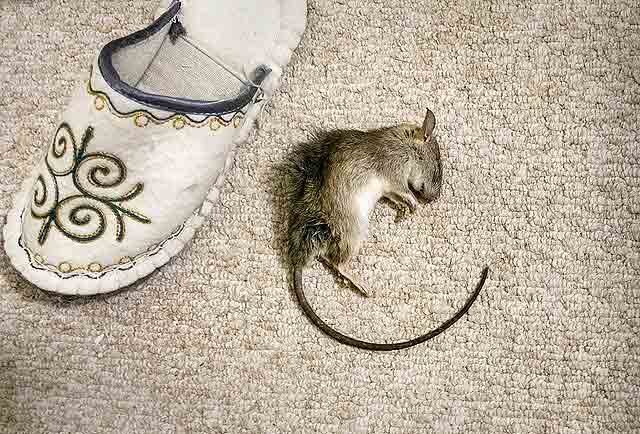
There's no time for humanism in the fight against rodents
Photo gallery: brands of mouse glue
-
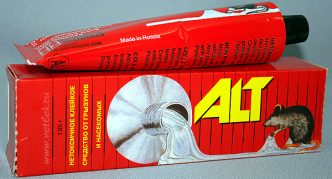
- Alt glue is non-toxic, colorless, water- and moisture-resistant, and does not dry out.
-
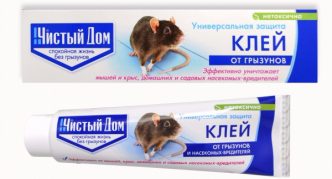
- Clean House glue does not dry out for a long time and can be stored for several years without losing its beneficial properties.
-

- Forsythe Glue - an alternative to classic mousetraps
-
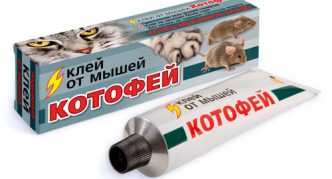
- Before use, the tube of Kotofey glue should be warmed in hot water.
-
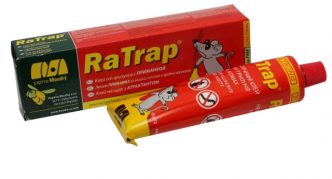
- RaTrap adhesive is resistant to sunlight
-
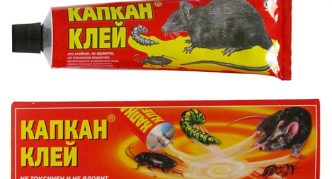
- Glue trap is an effective tool for catching small rodents, household insects, and garden pests.
How to choose glue
When choosing glue, pay attention to its consistency: liquid glue won't hold large rodents, and thick glue is difficult to squeeze out of the tube. So, first, decide what kind of rodents you'll be targeting.
The main components of the rodent glue:
- Polyisobutylene (moisture resistant, chemically inactive).
- Polybutylene (thermoplastic, fire-resistant, does not allow the mass to spread).
- Cycloisan (acts as a catalyst, enhances the action of the adhesive substance).
Glue trap in a couple of minutes
Once you've purchased the glue, start making your own glue trap. To make one yourself, you'll need:
- Spread glue on a sheet of cardboard or plastic in strips about 2 cm wide (5 cm for rats), leaving a distance of 4–10 cm between them.
- For added security, place bait in the middle of the trap.
- Secure the base to the floor to prevent larger specimens from dragging it down with them.
Don't want to mess with a glue trap? Buy a rodent adhesive backing. The instructions are simple:
- Remove the cardboard backing with the glue applied from the packaging.
- Remove the protective film.
- Place bait (bread, seeds, fried fish) in the middle of the cardboard.

Rodent adhesive backing is easy to use
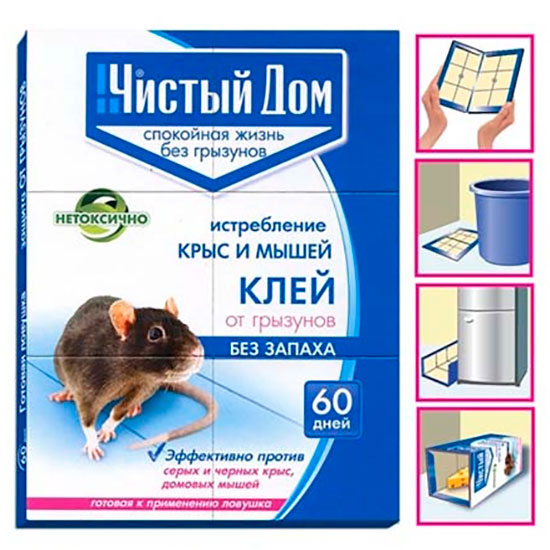
The type of bait depends on the rodent species. Mice will be attracted to seeds, nuts, and apples. Rats need animal food, such as ground meat or fish. A piece of fresh lard is a safe bet. However, contrary to popular belief, rodents may not be attracted to cheese. Chemicals won't attract them either, no matter how aromatic the sausage or smoked fish.
Video: How to catch a mouse with a glue trap
Removing glue from hands and clothes
When working with glue traps, care must be taken, but no one is immune from glue getting on their hands, clothes, or pets.
If glue gets on your hands, acetone, kerosene, or gasoline can help remove it. To do this, follow these steps:
- Soak a piece of cloth in gasoline.
- Rub the area with glue.
- Wash your hands with soap.
Another option for cleaning glue off your hands:
- Apply vegetable oil to the stained area.
- Leave for 5-10 minutes.
- Wipe with a cloth or cotton pad.
- Wash your hands with soap.
To remove glue from the floor, use alcohol, lemon juice and a solution of laundry soap.
Removing glue from clothing can be difficult. Using strong solvents and vegetable oil will ruin the item.
If your pets get stuck in glue, it's easier to just trim off the fur in the affected areas. Although you can try to carefully wipe the stain with gasoline, and then be sure to bathe your pet.
You won't have to bother with washing off glue from different surfaces if:
- When using it, wear rubber gloves and work clothes;
- Place a layer of paper on the floor under the sticky trap and attach the structure itself to the floor;
- Set traps in places inaccessible to small children and pets.
User reviews
In the winter (when we visit the house once a week), we use glue. We catch the entire family within a month, 10-15 of them, and the last ones caught are always the smallest.
I often go to my country house now... and for a long time - for a week and a half to two weeks... The mice got the idea, started coming to the warmth and causing mischief at night... One time I woke up because a mouse was jumping on me...
I started looking for a way to get rid of it:
- the first were poisoned rice grains... it helped when we arrived - there were no mice... but by the end of the week they came again.
- then I started putting poisoned "mint candies" - it mowed them down wonderfully... But then I couldn't find them for sale...
And then someone recommended mouse and rat glue to me at the grocery market... Now I only use it—it's safe, odorless, doesn't harden in the cold, and even works on rats. I caught every mouse in a week—a brood from the biggest to the smallest. There are no more mice. But I do put a piece of cardboard with glue and a crust of bread under the table... sometimes the sneaky scouts are caught.
I don't know about rats, I don't think there are any (knock on wood), but I've caught mice with glue very well. The bait is dry dog or cat food, and the cheaper the better, apparently it smells stronger))). Glue circles on cardboard, with the food in the center. Nine mice stuck to it in a week (we visit the village once a week in winter).
It seems to me that the rat will stick too, the glue is just brutal...
I've lived in my house for over five years. And of course, like everyone else, mice come over periodically to warm up and enjoy our winter supplies. As a child, I kept pet rats, so I'm very fond of these two-toothed, long-tailed creatures. But wild mice spoil food, ruin the walls of the house, and can spread diseases. So I have to deal with them. Mousetraps aren't an option for me, as I feel so sorry for these creatures when they snap with a strong spring. Rat and mouse poison aren't an option either, since I have a cat who loves to play with mice. And if a mouse is poisoned, it's easy to catch, and my pet could also be poisoned. So I found a more suitable method for rodent control: non-toxic rodent and insect glue.
I simply apply it to cardboard in a circle and place a piece of bread in the center. I place this trap in the crawlspace where mice most often run. After a few days, the entire flock is stuck to the glue, dead. They're still alive, stuck there, but I can't kill them myself; I feel sorry for them. So I wait a couple of days for them to die a natural death from starvation. I don't see them suffer, since they're in the basement and I'm upstairs. And when they die, I cremate them in the fireplace.
This winter, half a tube was enough to get rid of all the rodents for the entire season. It's quiet at home, and my supplies are in good order. Another advantage of this glue is that it can be used even in subzero temperatures. Even if you don't live in the house, it will work and trap the pests. I recommend giving it a try, and personally, I wouldn't trade it for anything.
So, rodent glue is a win-win option in the fight against rodents due to its ease of use, safety for humans, and durability.