The media is increasingly talking about ticks and their threat to humans. Therefore, it's useful to learn more about these arthropods. An important question is how to avoid contact with them.
Content
Life of ticks: interesting facts
These ancient inhabitants of the planet are not insects, as many believe, but represent the order of arachnids. Feeding on small organisms and serving as food for birds, frogs, lizards and spiders, they are an important link in the food chain.
What do ticks look like?
They are microscopic in size. The largest representatives of this class do not exceed 5 mm in length. Some species measure 0.2–0.4 mm. The body consists of two parts: the head and the trunk. On the back, there is a rigid, inextensible shield. In male ticks, this shield occupies almost the entire surface, and in females, it occupies a third. The remaining surface is covered with chitin, gathered into folds. This structure allows the parasites to absorb large quantities of blood.
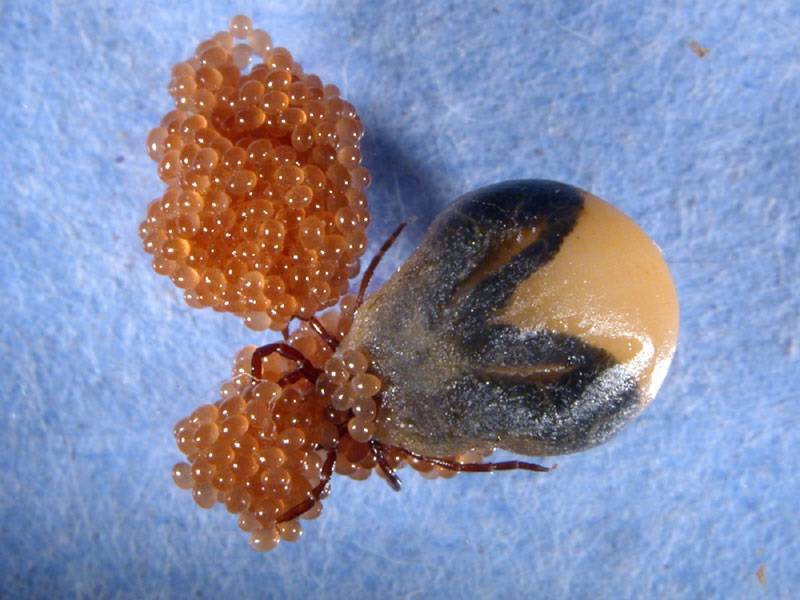
A satiated female's weight increases by 100 times or more. Her body takes on a gray tint and an egg-shaped form, reaching 1.5 cm in length.
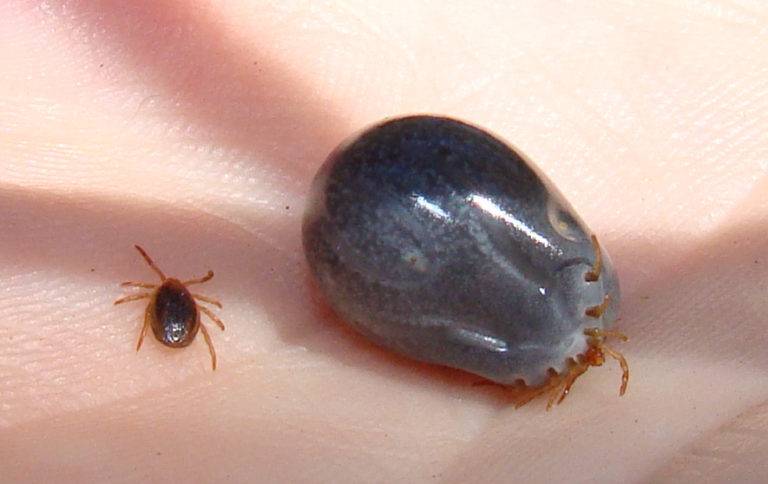
A female tick can increase in size 100 times after feeding on blood.
The tick has a well-developed mouthpart. It consists of a base, proboscis, hooks, and a sheath of chelicerae and palps:
- The pincer-shaped chelicerae with serrations perform a piercing-cutting or gnawing function depending on the type of individual and the method of feeding;
- the proboscis serves to attach and strengthen itself on the victim’s body; through it, nutrients enter the body;
- The palps protect the chelicerae from external influences.
The salivary glands at the base of the head produce a special substance to numb the bite site. As a result, the attached parasite may go unnoticed for quite some time.
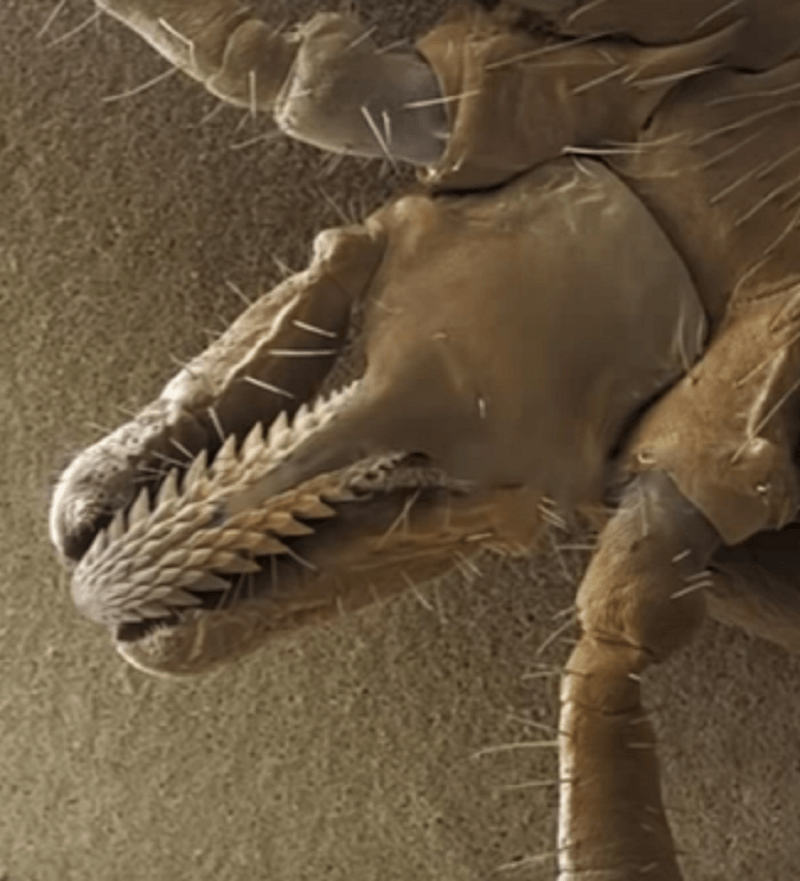
The tick's head is a well-developed mouth apparatus that performs a cutting and sucking function.
Ticks breathe through cutaneous tracheae or specialized spiracles. Lacking eyes, they can distinguish between bright light and darkness. They navigate spatially thanks to a well-developed sensory apparatus. They are able to smell their prey from a distance of 10 meters.
Adult ticks have four pairs of legs, tipped with claws and suckers. They use these to move along vertical surfaces and attach themselves to human clothing and animal fur. Like all arachnids, they lack wings and therefore cannot fly.
There's a popular belief that ticks jump onto people's heads from trees and tall bushes. This isn't true. Being so small, they simply can't climb higher than one meter, congregating along forest paths and trails in tall grass or small bushes. They lie in wait for their prey, poised to latch onto it with their front pair of legs.
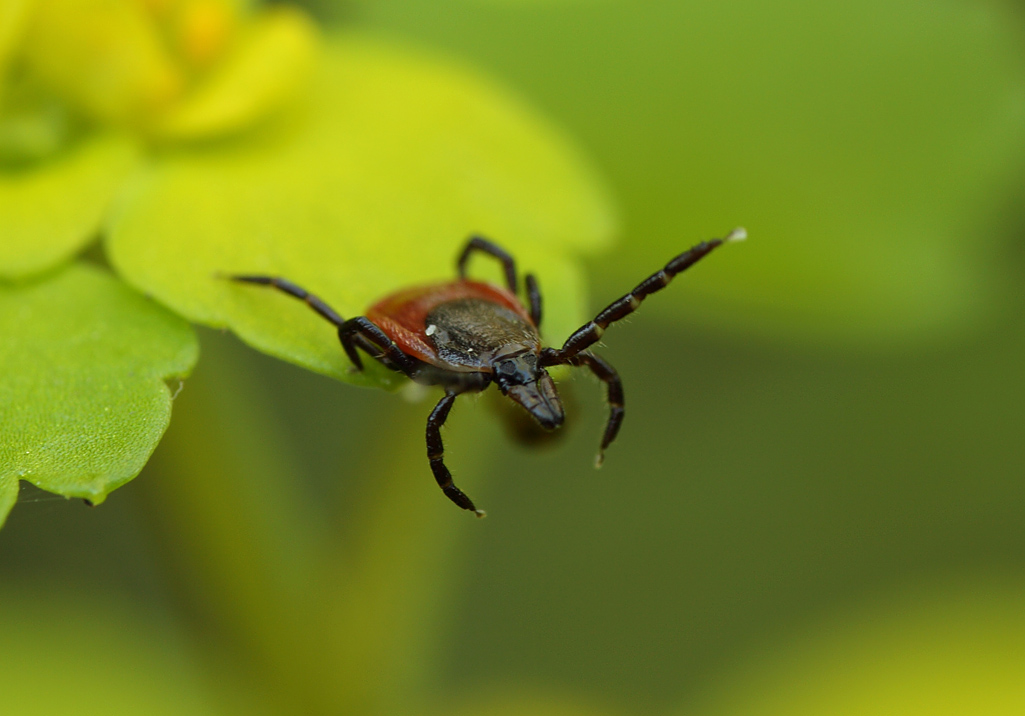
Ticks meet their prey in a waiting position, with their hind legs fixed to the plant and their front legs extended forward to capture.
Video: A tick under a microscope
The cycle of life
The development of each individual consists of 4 stages:
- Eggs.
- Larvae.
- Nymphs.
- Imago.
Lifespan depends on the mite species and environmental conditions. Spider mites and hawthorn mites can generate up to 20 generations per year, while bryobiids only develop one in the same period. The life cycle of bloodsucking species is most interesting.
- Adults have distinct sexual characteristics. The male's purpose in life is to fertilize the female. As soon as this happens, he dies. The female, however, begins to feed intensively, as she has a different goal—reproduction. And the more blood she drinks, the more eggs she will lay. During this period, the most well-fed individuals increase in weight from 3–4 mg to 400–500 mg and lay up to 4 thousand eggs. It takes 2-3 weeks for the eggs to form inside the female. Once engorged, the female breaks away from the host and lays eggs, choosing a suitable location: deep in the soil litter, in bark crevices, under rocks or dead wood. The process takes 5-10 days. The female then dies.

The female tick lays eggs through the genital opening, which is located on the abdomen near the head.
- The egg is a round, slightly flattened cell approximately one-third of a millimeter in diameter. After laying, it takes 35–45 days to hatch. If the air temperature drops, the larvae will hatch only in the spring, when warmer weather returns. During the cold season, ticks at all stages of development enter a state of suspended animation—a state of hibernation in which all vital processes are slowed down. Some of the eggs die during this time, because they, unlike adults, are sensitive to changes in weather conditions: increased humidity or decreased temperature.
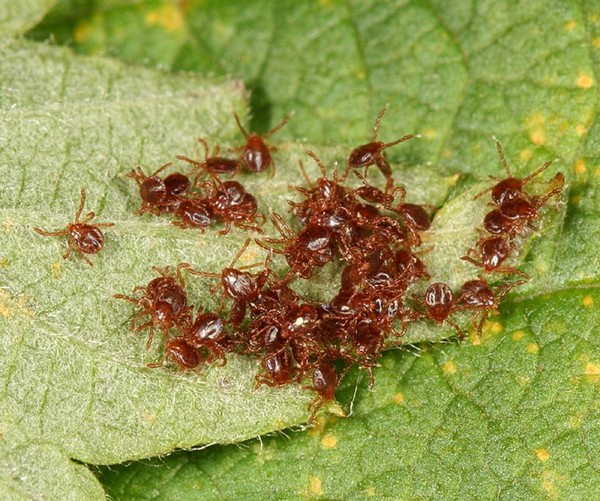
- The larva is a miniature version of the adult, but lighter in color and almost translucent. It has three pairs of limbs. Its first meal is the egg shell. More substantial nutrition is required to progress to the next stage of development. Therefore, at this stage, the larva searches for its first host. This occurs during the tick's active period. Until this stage, the larvae remain in a compact group and do not wander off in different directions. They choose small animals as prey: hares, squirrels, and mice. They suck blood for three to four days. After this, they drop off and burrow deeper into the litter. The development process begins, which lasts for two months and ends with molting and transformation into a nymph. Without a host, a hungry larva can live up to two years.
Before the onset of the active period, the ticks' larvae sit in a tight group and do not crawl away.
- The nymphal stage consists of three stages: protonymph (the fourth pair of limbs develops), deutonymph (the bristly covering appears), and trionymph (genital tentacles are acquired). For further development, nymphs need food, which means they need to find a new host. Feeding lasts 3–4 days. Adulthood occurs after 2–3 months.
- Imago. Males don't need to seek a host. However, they also attach themselves to a victim to replenish their vital energy. This process lasts for 20-25 minutes, so the bite may go unnoticed. The main part of a female's life at all stages of development is searching for a host. This depends on a host of random factors. The wait can last several years, but it doesn't always end successfully for the individual. In a hungry state, agasid ticks live up to 12 years, ixodid ticks – up to 10. These figures may be lower depending on climate conditions. However, all arachnids are quite hardy.
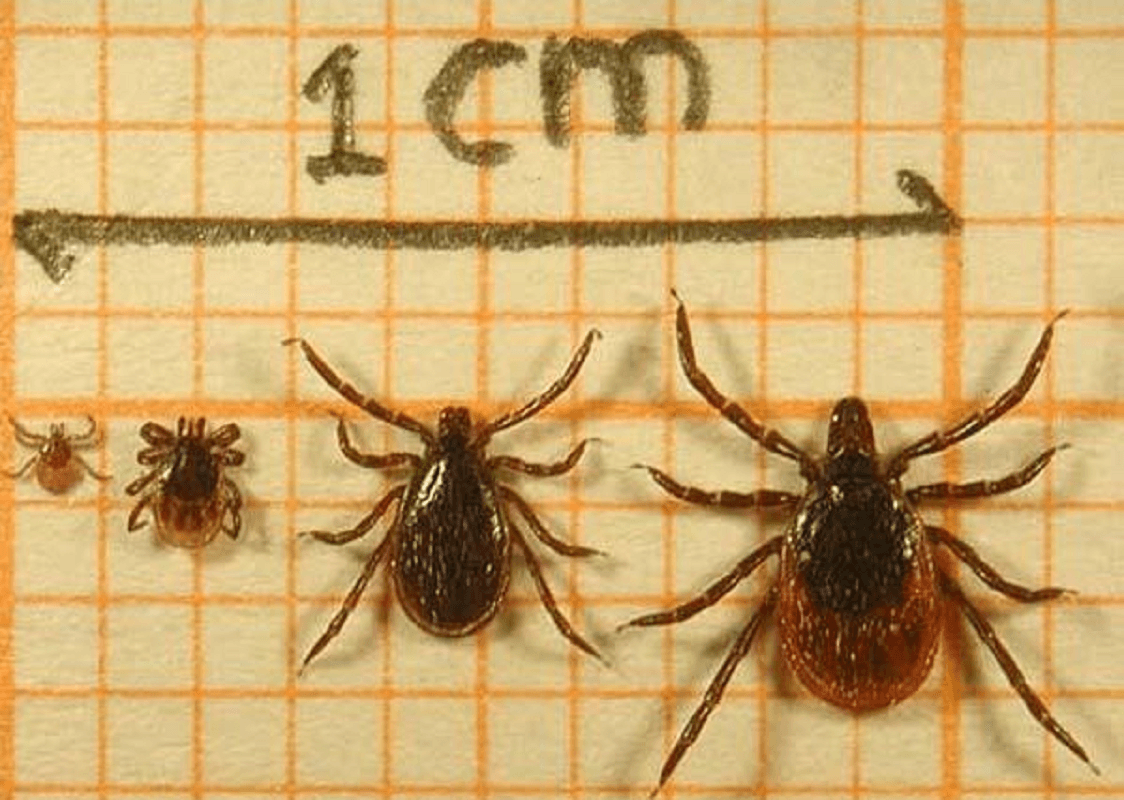
The life cycle of the Ixodid tick: from left to right - larva, nymph, male, female
Viviparity is sometimes observed among ticks. In some species of gamasids, the egg develops inside the female's body. After her death, the hatched larva gnaws through the corpse and emerges.
Video: How ticks lay eggs
Habitat
Apart from a small group of aquatic mites living in seas and freshwater bodies, most species prefer land in all climate zones except the Arctic and Antarctic. They prefer forested areas with a thick layer of moist litter made of fallen leaves and grass. This provides the ticks with favorable conditions for life and development. They are attracted to deciduous and mixed forests, while the population in coniferous forests is significantly smaller. Some species survive in dry landscapes and fields. They also prefer urban areas—parks, squares, and sometimes nest in closely mown lawns. They are usually carried by animals and birds.
There are practically no ticks on rocky soil, mountain ranges, and in areas with large and long-term accumulations of snow and ice.
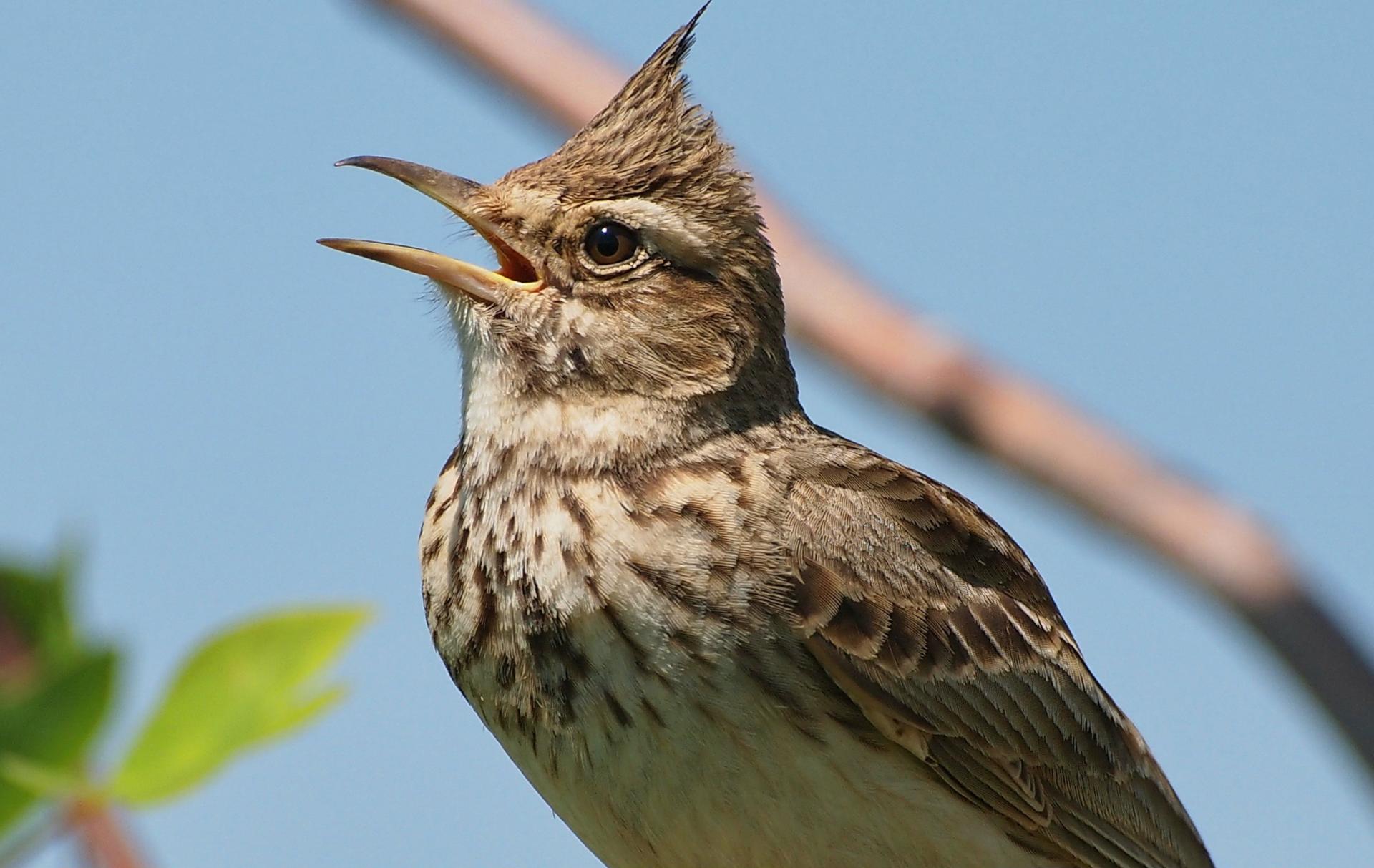
Birds often carry ticks on themselves.
Their lifestyle is also quite diverse. Among the ticks are:
- saprophages that feed on decaying remains of plant and animal origin, thereby contributing to the renewal of the soil composition and the cleansing of plants from the spores of parasitic fungi;
- Predators, such as Typhlodromyps montdorensis, which preys on whiteflies, can eat up to 20 larvae per day. In Australia, it is successfully used to control flower and tobacco thrips and is grown as a control agent in the cultivation of cucumbers and strawberries.
Predatory mites, despite their small size, successfully cope with many pests
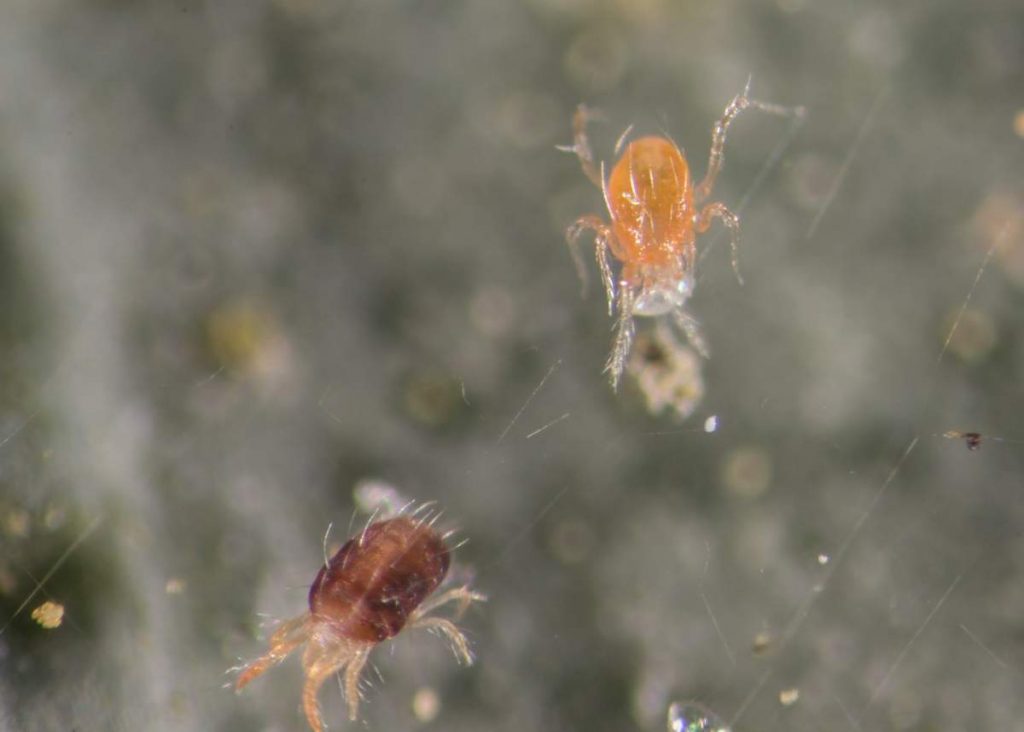
The species Amblyseius svirskii is used for comprehensive protection of vegetable and flower crops in countries with hot and dry climates.
Video: Predatory mite attacking a spider mite
Parasites and pests
Feeding on the blood of animals and humans, ticks often transmit dangerous infectious diseases. They can lie in wait for a long time along forest paths and trails where humans and animals migrate. The time of day is irrelevant. They do not tolerate extreme heat and rain well, preferring to hide in a secluded spot. Sometimes they simply crawl to the other side of a leaf to escape the direct rays of the scorching sun. In winter, they retreat deeper into the forest floor and into the microcavities of the soil. The bark of fallen trees and dead wood provide good shelter for ticks. In spring, with the arrival of warmer weather, they awaken. Peak activity occurs in April and May.
Pests feed on plant sap, damaging crops and causing significant problems for farmers. For example, the gall mite makes its "home" in the leaves of orchard trees, preferring pear, plum, and cherry plum. Growths (galls) form on damaged leaves, the surface becomes covered with pimples, then curls and dries out. Considering that this species reproduces at a rate of 15-20 generations per year, and a single female lays up to 200 eggs at a time, it's easy to calculate the damage these pests can cause. Other species, such as spider mites, brown mites, and grape mites, are equally problematic for agriculture.
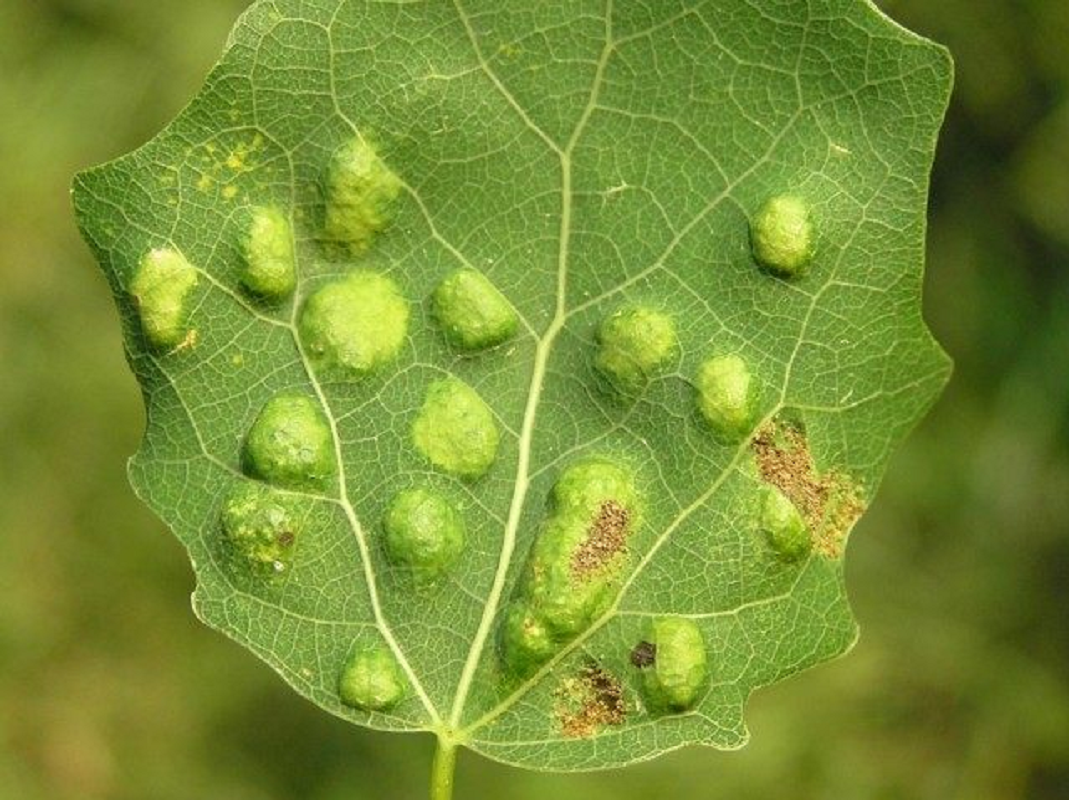
When leaves are affected by gall mites, growths form on their surface.
Video: How to Get Rid of Pests with Beneficial Mites
What is dangerous?
Ticks carry over 30 serious infectious diseases. Two of the most dangerous are Lyme disease and encephalitis. They are transmitted not only by bites. Infection can also occur through broken skin, if tick saliva or intestinal contents come into contact with the skin, or through human mucous membranes. Therefore, it's best not to touch them with bare hands. Use gloves or a plastic bag over your hand.
There are known cases of infection with infectious diseases from drinking unboiled milk from goats and cows that have been bitten by ticks.
Tick-borne encephalitis
A natural focal viral infection that causes a severe disease of the nervous system, accompanied by intoxication and damage to the brain and spinal cord. May result in disability and death. The incubation period lasts from 7 to 14 days.
- Initially, a person experiences weakness and general malaise. The body temperature rises to 39–40°C, accompanied by muscle pain and headache. Generally, the symptoms are similar to those of a cold or flu.
- After 5-7 days, symptoms improve, but after another week, the condition deteriorates sharply: nausea, vomiting, eye pain, and photophobia appear. Irreversible neurological damage to the brain also occurs. Episodes of loss of consciousness occur.
- At a later stage, the person falls into a coma.
With timely medical care, the patient can avoid death, but the rehabilitation period and full restoration of muscle function will take several years. In advanced cases, full restoration is impossible, leaving the patient disabled for life.
In the 1930s, during the development of the Far East, it was noted that migrants from central Russia were falling ill en masse in the spring and summer. This "taiga phenomenon" was studied by Soviet scientists—Academician E.N. Pavlovsky and Professor and virologist L.A. Zilber. They also isolated the tick-borne encephalitis virus.
Video: The consequences of tick-borne encephalitis
Borreliosis, or Lyme disease
An infectious disease that affects the nervous system, musculoskeletal system, heart and skin. A characteristic feature of the infection is a round red spot at the site of the bite, which after a few days increases in size and takes on a ring-shaped form. Over time, it can migrate to other areas of the skin. The disease is most dangerous when it becomes chronic, which occurs within 6-12 months. It manifests itself as:
- dysfunction of the nervous system;
- joint damage;
- an increase in leukocytes in the blood;
- arrhythmia, angina pectoris;
- memory and concentration disorders;
- throbbing headaches, deterioration of hearing and vision.
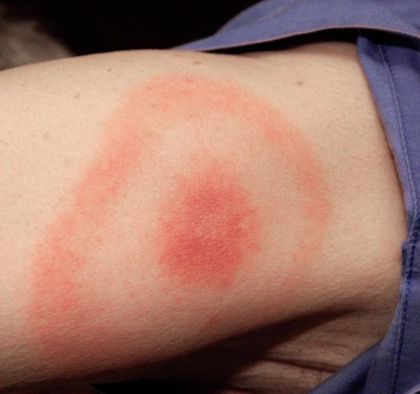
Infection with tick-borne borreliosis can be determined by the formation of annular erythema on the body
Video: The dangers of tick-borne borreliosis
Photo Gallery: Ticks Cause Disease
-
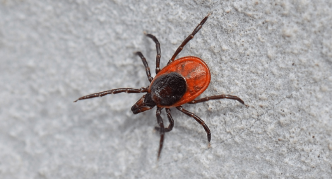
- Ixodid tick is a carrier of encephalitis and borreliosis
-
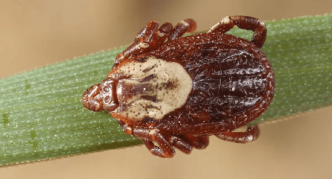
- Multiple bites of the gamasid mite lead to dermatitis
-
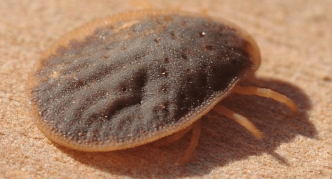
- The argasid tick is a carrier of the pathogens that cause relapsing fever and borreliosis.
-
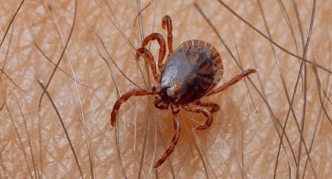
- The taiga tick is a carrier of the encephalitis virus, the causative agents of tularemia and typhus.
How to protect yourself from ticks
To prevent encephalitis, anyone who frequently spends time outdoors or goes on long-term hiking trips is recommended to get vaccinated. Even if infection does occur, the illness is likely to be mild. There were no cases of disability or death among vaccinated adults or children.

Vaccination against tick-borne encephalitis will protect life and health in the event of a parasite bite.
Those whose jobs involve working outdoors—foresters, surveyors, and geologists—are required to be vaccinated. Otherwise, they simply won't be allowed to work.

It is important for everyone who frequently spends time outdoors to get vaccinated.
Precautionary measures
Unfortunately, the vaccine only protects against one disease. All others, like the bite itself, are purely accidental. To prevent unpleasant consequences, follow these guidelines:
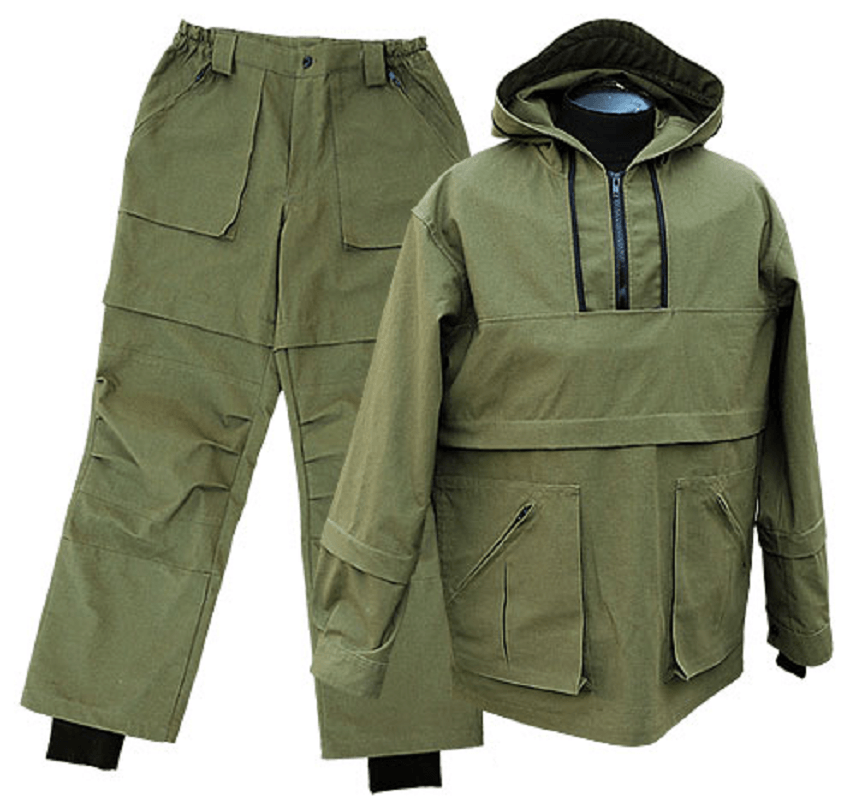
- Choose your clothing wisely. It should be covered: trouser legs tucked into socks or boots, sleeve cuffs tightly fitting around the wrists. Light, solid-colored clothing is best, as ticks are easily visible on them. Camouflage patterns make ticks crawling on clothing virtually invisible, increasing their chances of reaching the most desirable areas of the skin and feeding on your blood. A good option is special anti-tick suits. Their unique feature is that the trousers, sleeves, and waistband have folds treated with a tick-killing agent. Once attached to the suit and moving upward, the tick will inevitably get caught in one of these folds. The chemical will then render it inviable.
The anti-tick suit has special traps for the parasite
- If you don't want to wear boots, trousers, and a long-sleeved jacket for a walk on a warm May day, there's a way to wear lighter clothing into the forest. But it won't suit everyone. Ticks don't like ash. Rub it thoroughly on exposed areas of the body, and the parasite will not attach to the skin, even if you walk through the forest in shorts.
Using ash to protect against ticks is an ancient taiga method.
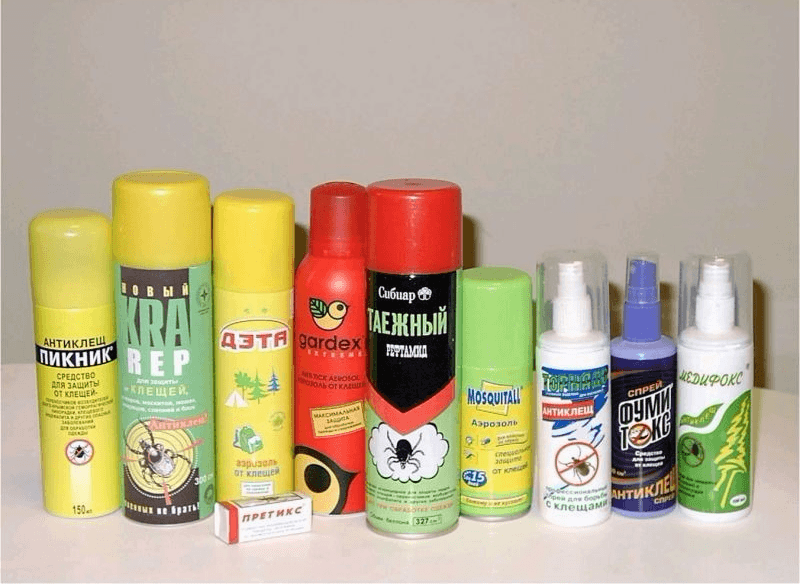
- Treat the suit's surface with special tick repellent. There are products designed for application to clothing and skin. Read the instructions carefully.
Before purchasing and using anti-tick products, carefully read the instructions.
- Don't pick branches and leaves from bushes. This will disturb the ticks and cause them to fall on you and anyone else following you.
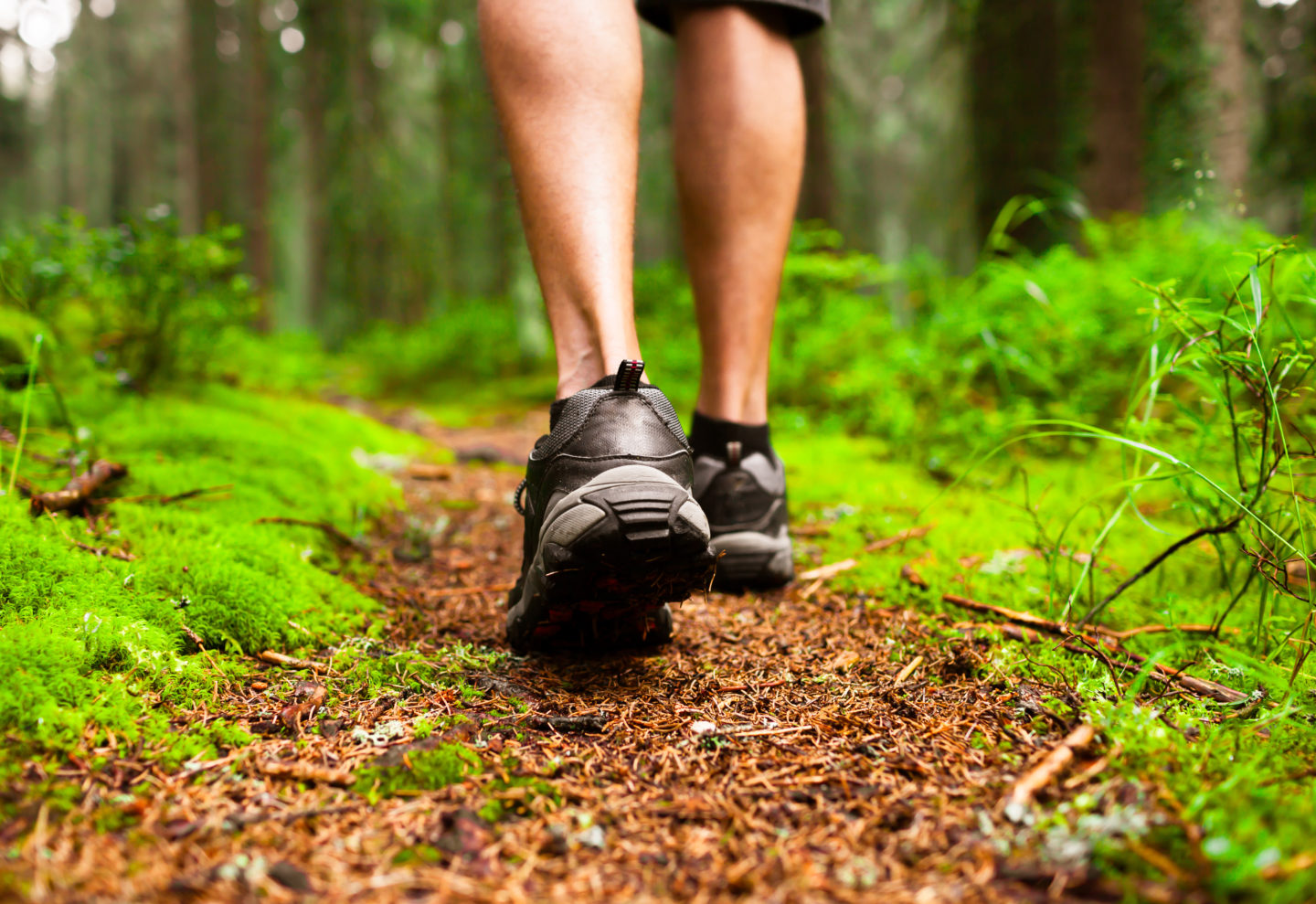
- When walking through the forest, stick to the middle of the path, as parasites sit in the thick grass waiting for a victim.
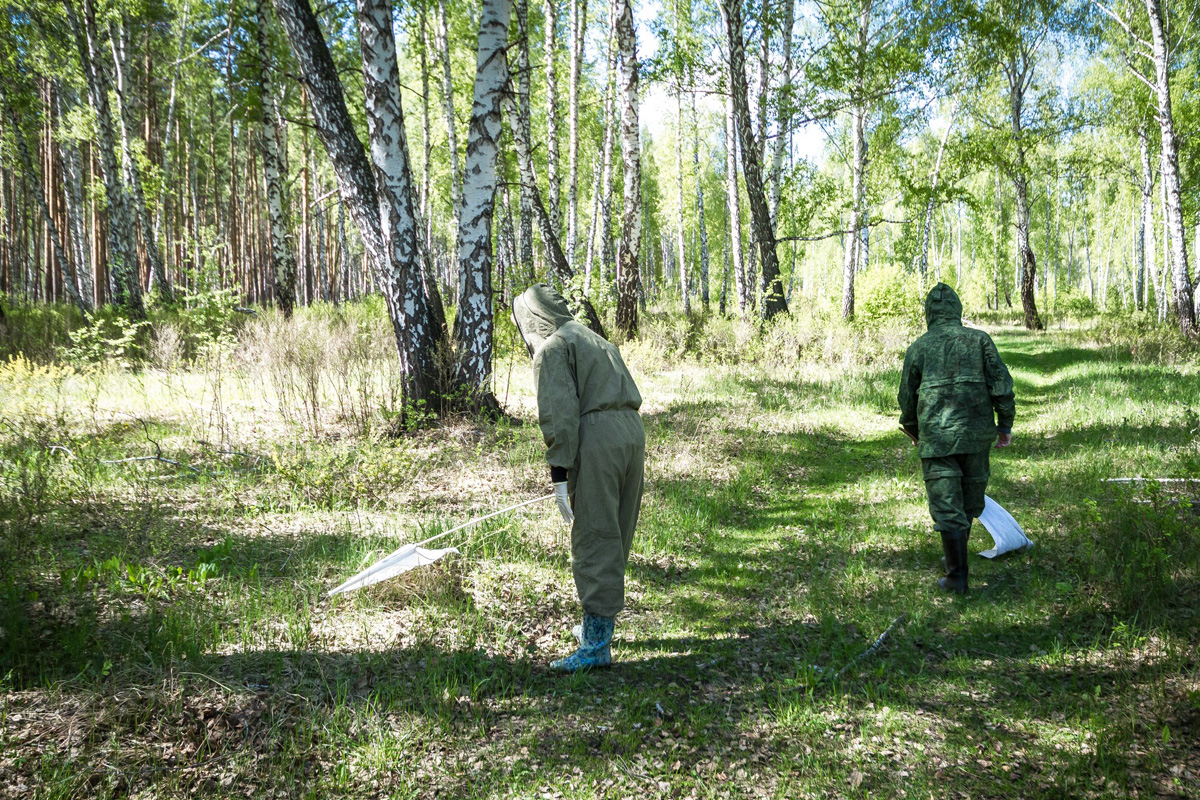
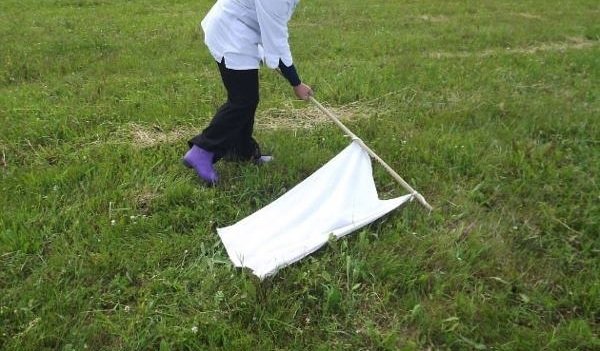
- Don't sit or lie on the grass. If you're driving, don't rush to unload your belongings. Inspect the picnic area: take a white towel and run it over the grass and nearby bushes. For ease of access, tie it to a long pole. If there are a lot of ticks in the area, you'll see them on the towel. For best results, dry your face or hands with the towel first. Any sweat particles left on the towel will attract ticks.
You can use a white towel to find out if there are ticks in a clearing.
- Inspect yourself and your loved ones regularly. Remember, ticks don't bite immediately, but over a long period of time. Sometimes they crawl upward for an hour, seeking a more tender area of skin. He is especially attracted to the neck, head, armpits and groin area.
- Upon returning to the city, take a close look at yourself. Don't forget about your pets if they were out with you. Cats and dogs suffer from bites no less than people. And since they were running in the thickest grass in the wild, they may have a lot of ticks on them. Also, check the flowers and herbs you collected in the forest.
After a walk, dogs and cats can also bring ticks with them.


Fortunately, not every tick is infected with a dangerous virus. However, this cannot be determined by appearance. Therefore, it is best to take precautions and avoid being bitten.
Video: The dangers of ticks and how to protect yourself from bites
What to do after a bite
If you couldn't avoid contact with the parasite, don't panic. Even if the bite occurred in an area with a high risk of encephalitis, it doesn't necessarily mean the tick was infected. Your immune system may also be stronger than the virus. But you shouldn't let things slide. It's important to take the following steps:
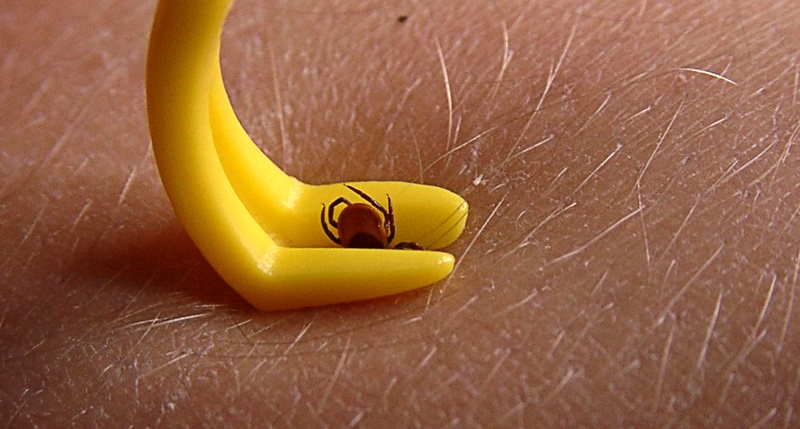
- Remove the tick. There are special tools for this, but you can also do it by hand. Slowly rotate the tick's body clockwise or counterclockwise, whichever is more comfortable. Perform one full rotation in several passes. If the tick feels discomfort while rotating, it will withdraw its proboscis from the skin on its own. Try not to crush it. At such moments, he releases saliva under the skin, and with it, more viruses enter the body.
With the help of a special device, you can easily remove a tick without touching it with your hands.
- If the head has come off the body and the proboscis remains inside, remove it with a needle heated over a fire and cooled, like a regular splinter.
- Submit the parasite to a lab for testing for viruses. Place it in a vial. Add a leaf, blade of grass, or piece of gauze soaked in water. It's important that it stays alive.
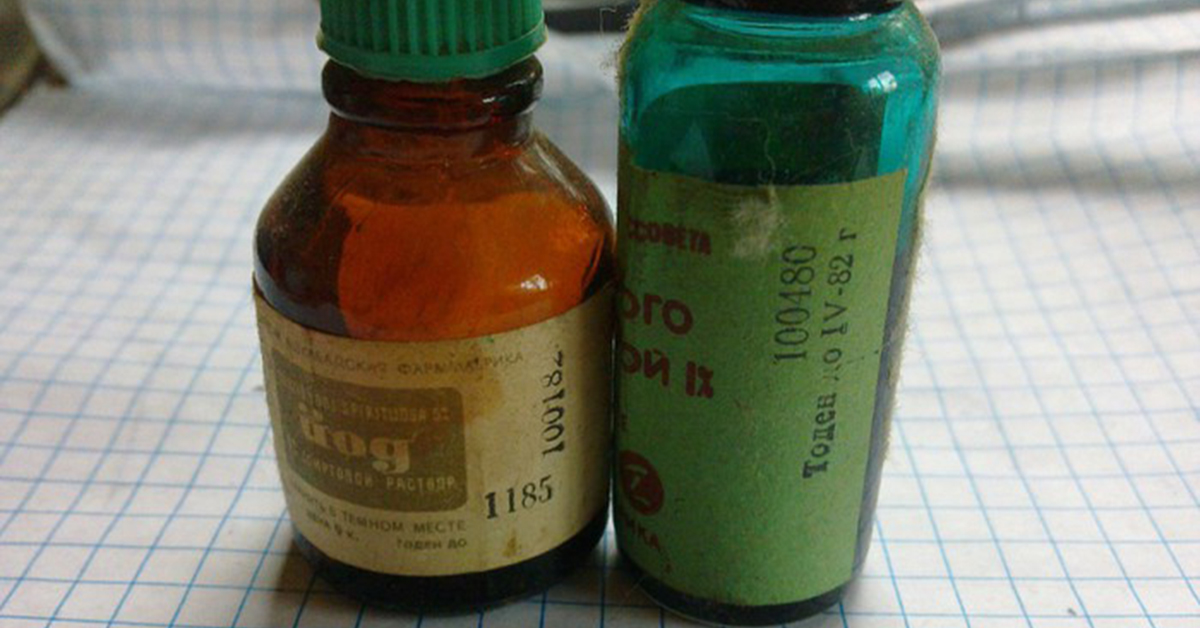
- Treat the bite site with iodine, brilliant green or any alcohol solution.
To disinfect, treat the tick bite site with iodine or brilliant green.
- Wash your hands thoroughly with soap to remove any possible infection remaining on them after contact with the tick.
Wash your hands thoroughly with soap after treating the bite area.
- Consult a doctor. They will prescribe the necessary medications based on your age and health condition. It is strongly recommended not to self-administer antiviral medications, especially not to give them to children.

Certain types of ticks pose a threat. By taking precautions, you can protect yourself from bites without sacrificing your outdoor recreation.