A facial skin condition caused by the Demodex mite is an unpleasant condition. It's important to distinguish demodicosis from acne, recognize the early signs, and seek medical attention. Early treatment will prevent any negative consequences.
Content
Demodex skin mite on the face: description and danger to humans
Demodex folliculorum (skin mite) lives in the sebaceous glands and maintains the correct pH balance. The presence of this microorganism in humans is normal. However, the disease it causes, demodicosis, develops under favorable conditions:
- increase in the amount of sebum;
- insufficient hygiene;
- incorrectly selected cosmetics;
- taking antibiotics and weakened immunity;
- intestinal diseases;
- excessive sun exposure;
- hormonal imbalances;
- frequent steaming of the skin in a bath.
In spring and summer, the risk of developing demodicosis is higher. The increased temperature and humidity these days provide favorable conditions for tick reproduction. With prompt treatment, they will not cause significant harm. In advanced cases, the following complications may occur:
- Rhinomypha - swelling of the skin around the nose, requiring surgery for removal;
- eye diseases (marginal keratitis, dry keratoconjunctivitis, inflammation of the eyelid margin) - some of them are difficult to treat;
- infection through scratching;
- deterioration of skin condition - if pimples are squeezed or scratched, the skin becomes bumpy and inelastic;
- psychological problems due to appearance.
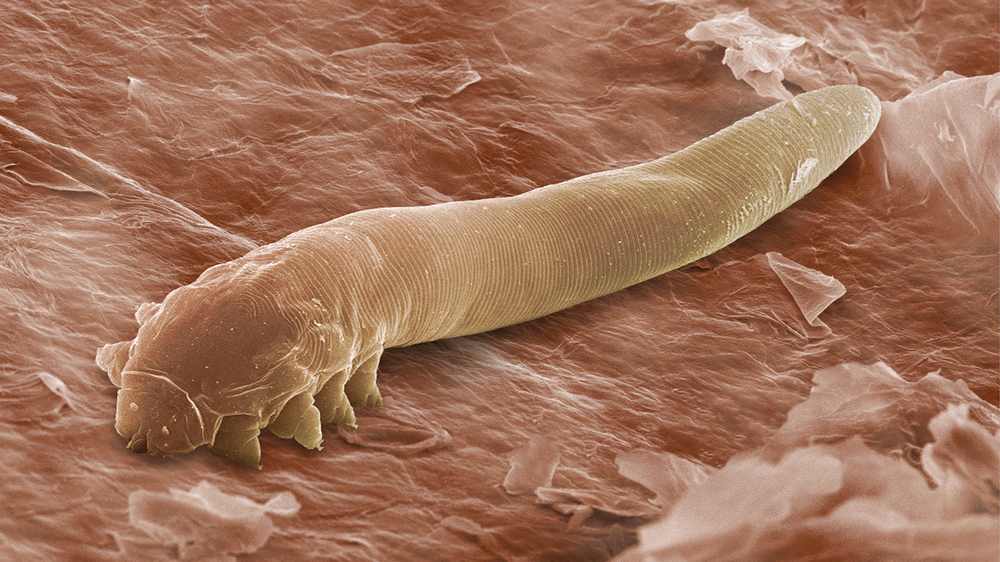
Demodex is a conditionally pathogenic organism, i.e. it is present in small quantities on healthy skin.
Symptoms of demodicosis
With demodicosis, the rash is most often localized on the face. Its symptoms include:
- redness of the skin;
- pustules - open abscesses;
- papules - closed abscesses;
- itching and flaking;
- loss of eyelashes and eyebrows.
The initial development of the disease is similar to that of simple acne, but it is characterized by discomfort—itching and flaking. These symptoms become more intense when the skin is exposed, such as when washing.
If the first signs of demodicosis appear—redness and rashes—consult a doctor for an accurate diagnosis and treatment.
Photo gallery: signs of demodicosis
-
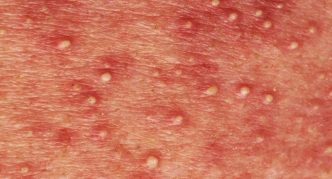
- Demodex rashes appear as open or closed abscesses, as well as very small pimples.
-
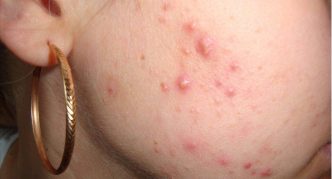
- With demodicosis, acne covers most of the skin of the face.
-
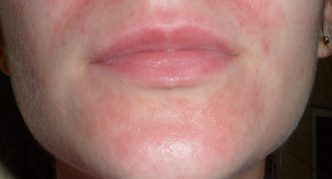
- Redness of the skin can vary in intensity, depending on the stage of the disease.
-
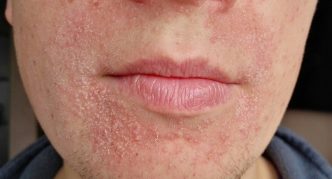
- Flaking and itching are the main signs of demodicosis.
Routes of infection by ticks, incubation period
The tick's full life cycle lasts 3-4 weeks, with the incubation period of the laid larvae lasting 2-3 days. This is when the first symptoms appear. Transmission from one person to another is rare, but it can occur through:
- kissing (in close contact);
- cosmetics;
- personal hygiene products;
- pillows;
- clothes.
With a weakened immune system, the risk of illness increases. It's important to have your own hygiene products, as well as bed linens and towels: if you live with someone who is sick, this will help prevent infection.
You cannot become infected with demodicosis from animals, since a different parasite causes similar skin lesions in them.
Treatment of the disease at home
Demodicosis is treated on an outpatient basis. Regular visits to the doctor are necessary to assess the effectiveness of the treatments and adjust the medication regimen if necessary. Recovery from the disease can take from 90 days to a year, depending on its severity. It's important to follow all doctor's instructions and regularly use the prescribed medications—both oral and topical.
A doctor is responsible for diagnosis and medication prescription. Self-medication can lead to unpleasant consequences, as the symptoms can be confused with other illnesses.
Video: treatment of demodicosis
Pharmaceutical products
Medicines for demodicosis come in several commonly used forms:
- ointments (Sulfur, Permethrin, Ichthyol, Ointments Yam);
- gels (Spregal, Demazol, Azogel);
- tablets (Trichopol, Metronidazole).
Table: Overview of the most commonly prescribed medications for demodicosis
| Name | Active ingredient | Contraindications | Rating, points out of 5 | Price, rubles |
| Sulfur ointment | Sulfur - from 10% |
| 4.8 | 50 |
| Metrogyl gel | Metronidazole – 10 mg |
| 3.9 | 150 |
| Benzyl benzoate cream | Benzyl benzoate – 200 mg |
| 3.8 | 37 |
| Trichopolum tablets | Metronidazole – 250 mg |
| 3.8 | 37 |
Photo gallery: medications for the treatment of demodicosis
-

- Sulfur ointment does not penetrate into the blood, which is why the risk of side effects is minimal.
-
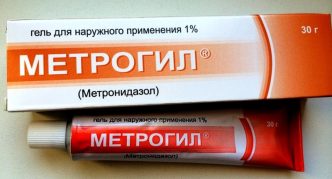
- Treatment with Metrogyl gel takes 3-4 months, but the effect is noticeable already in the third week.
-

- When applying cream with benzyl benzoate to the skin, a slight burning sensation is felt, which quickly passes and is not a side effect.
-
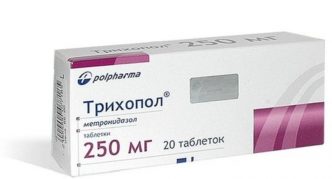
- Trichopolum has a number of side effects on the digestive, nervous, reproductive, urinary, musculoskeletal systems and hematopoiesis
Folk remedies
Lozenges (salicylic, alcohol, water) are used as prescribed by a doctor:
- Crush three tablets of Trichopolum and Levomycetin.
- Pour into a bottle with salicylic alcohol (40 ml).
- Shake well.
- Apply morning and evening with a cotton pad.
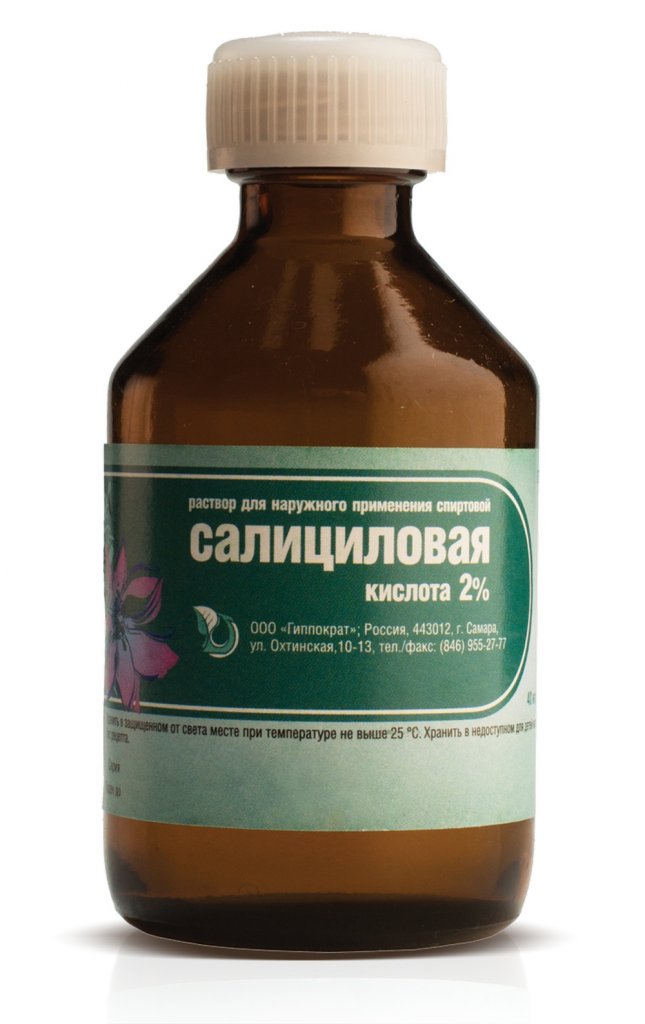
Salicylic acid will dry out pimples and reduce skin redness.
Herbal infusions, ointments for topical application, or masks for all-over facial skin are prepared. Wormwood, chamomile, juniper, calendula, or sage are used for this purpose. Herbs soothe the skin and remove redness.
Preparation:
- Boil water (200–250 ml).
- Add two spoons of dry grass.

To treat demodicosis, infusions of chamomile, calendula, juniper, wormwood and other dried herbs are used.
- Let it brew for 5 hours.

Use instead of cleanser or apply to face with a cotton pad. You can also soak gauze in it and hold it on your face for 15–20 minutes. Use every other day until recovery.
Garlic juice, aloe, and oak bark decoction are used for poultices. They are applied twice a day.
For masks, it's helpful to use a mixture of egg yolk (for dry skin) or egg white (for oily skin) with the juice of sour berries or fruits. This will deprive mites of a favorable breeding ground:
- Mash the apples with horseradish in a 2:1 ratio.
Use sour apples when preparing a mask to treat demodicosis
- Pre-cleanse your face with lotion or soap.
- Apply the mask for 15–20 minutes.
- When rinsing, use tar or baby soap.

Apply ointments made from natural ingredients to the affected areas of the face and leave them on overnight. In the morning, wash them off with warm water and soap.
Recipe for an ointment made from pork fat, sulfur, and tar:
- Melt the lard over steam.
- Grind the sulfur into powder.
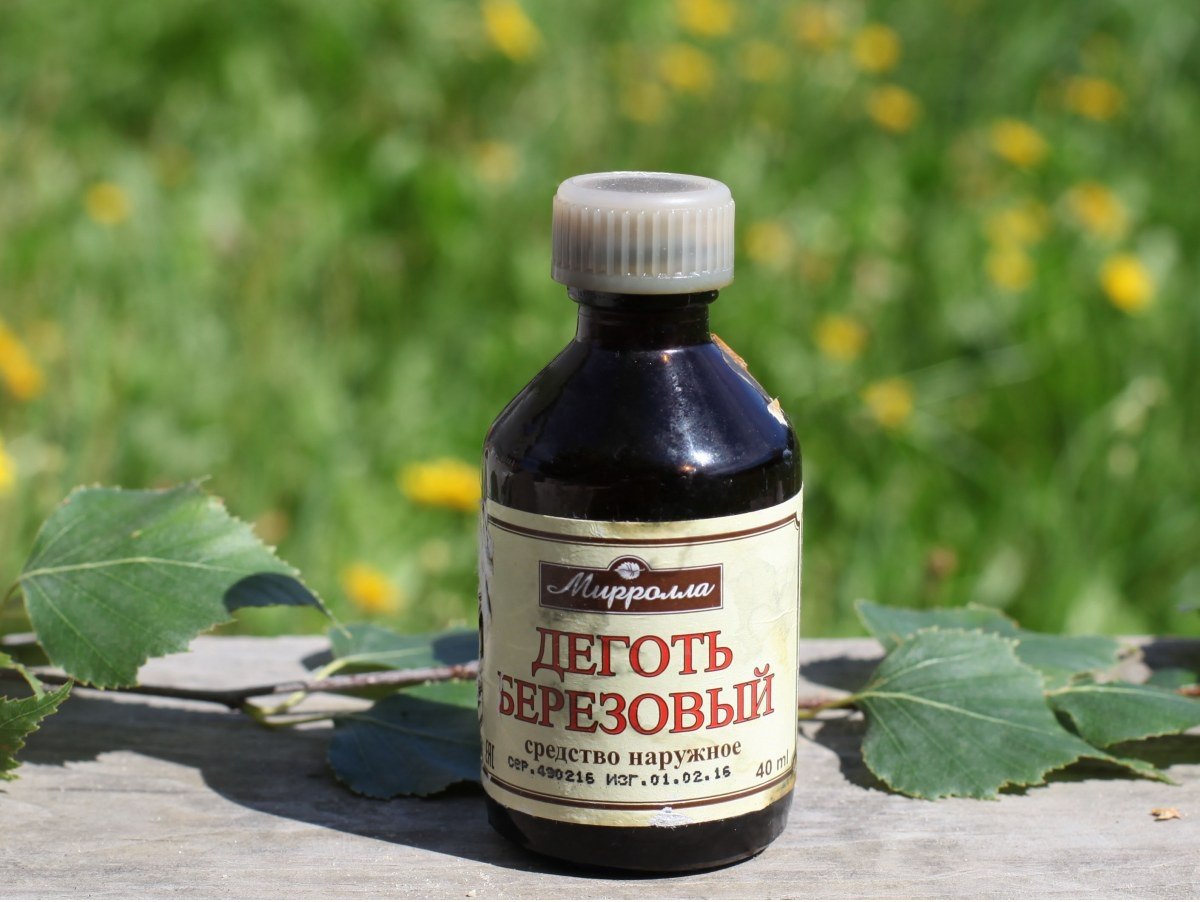
- Mix and add 2 tbsp. l. birch tar.
Birch tar, lard, and sulfur powder are the ingredients of an effective mask for treating demodicosis of the skin.
- Bring the mixture to a boil and cook for another 2–3 minutes.
- Pour the ointment into a storage container and leave until it hardens.
- Use every day at night.
Can also be used as an ointment:
- two crushed tablets of Trichopolum with 1 tbsp. of castor oil;
- infusion of celandine roots in sunflower oil, mixed with sour cream.
Do not use folk remedies as the main method of control and without first consulting a specialist.
Photo gallery: demodicosis before and after
-
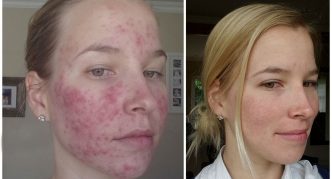
- The results of demodicosis treatment are already evident at 24 weeks
-
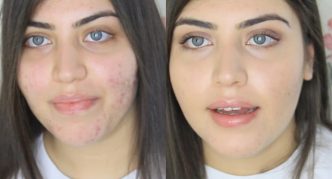
- In case of mild rashes, the treatment period for demodicosis is limited to a couple of months.
-
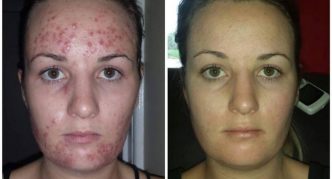
- In case of severe rashes, treatment of demodicosis can take up to a year.
Side effects and contraindications
If you choose or use the wrong remedies for demodicosis, unpleasant and dangerous consequences for your health rarely occur:
- hives;
- itching;
- allergy;
- rashes.
If these occur, stop taking the medication and consult a doctor. Also, be aware of any contraindications listed in the instructions. The most common ones are:
- individual intolerance;
- pregnancy;
- lactation;
- age up to 6 years.
Disease prevention
To prevent demodicosis, dermatologists recommend wiping your face with a salicylic acid solution and using tar soap or herbal infusions instead of your usual cleansers.
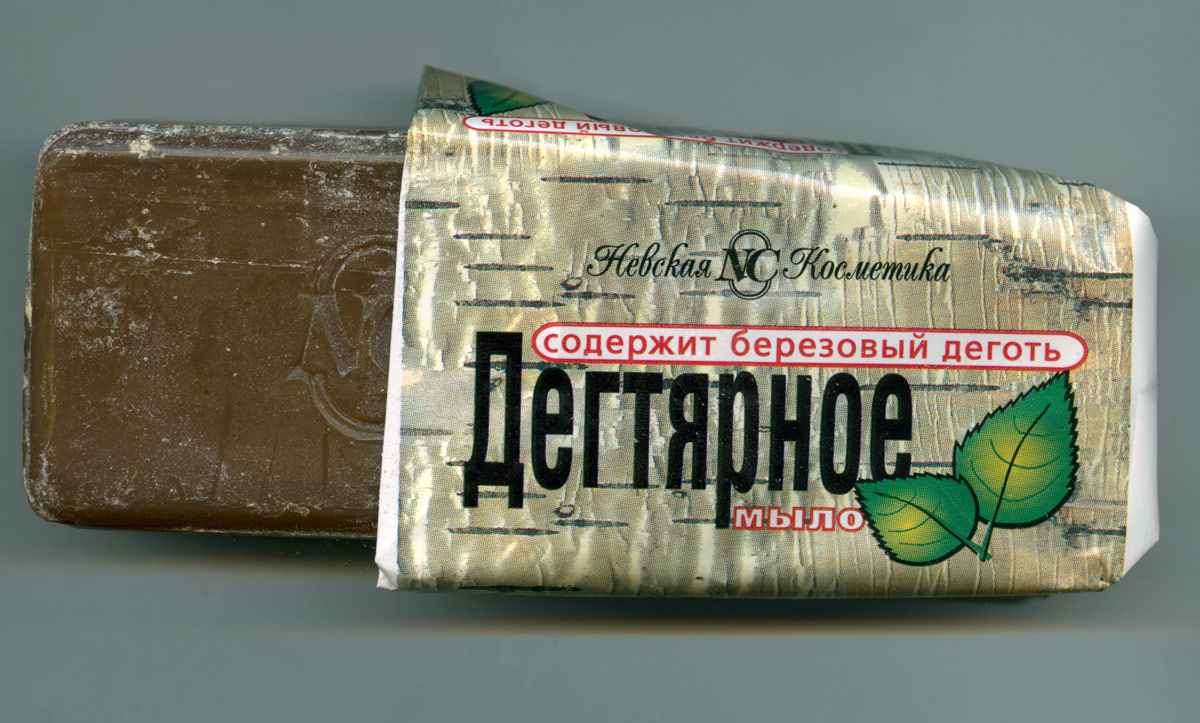
Use tar soap instead of regular soap to prevent demodicosis of the skin.
General recommendations for prevention:
- avoid prolonged exposure to the sun;
- avoid using solariums;
- do not visit the sauna;
- start treating diseases that cause demodicosis;
- eat right;
- regularly boil and iron towels and bed linen.
Reviews
I prescribed sulfur ointment for myself. But I wouldn't recommend it to anyone else; I'm not responsible for anyone else's actions (or their mites); I'm simply sharing my experience. It's best to consult a specialist who can prescribe a treatment plan. I used the ointment three times a day on my entire face except my forehead... After two weeks, the fight against Demodex was stopped. I had two skin scrapings done a week apart—both were negative. Having gotten rid of the uninvited mites with sulfur ointment, I will, of course, continue my skin care routine in the hopes of getting everything back to normal as soon as possible. After using the sulfur ointment, my pores became clogged and a couple of subcutaneous pimples appeared.
I'm equally pleased with both Azelik and Metrogyl in terms of improving my skin's condition. However, Metrogyl doesn't sting or leave a white residue, making it more pleasant to use. And the main advantage is the price—150 rubles. The downsides include excessive dryness, tightness, and flaking after using the gel.
The sensation when using benzyl benzoate is truly terrible—a strong burning sensation, but it's tolerable and worth it! I felt relief after just the first day of treatment... A month has passed since I first used benzyl benzoate, my eyes felt great, and I had them tested, and demodex was not detected! More than six months have passed, and there have been no relapses. After reading numerous forums and reviews about treating demodicosis of the eyelids, I can confidently say that this is currently the only 100% effective treatment option for this unpleasant condition, and it's also affordable.
A dermatologist-cosmetologist prescribed Trichopol for me. After a course of tablets, all signs of demodex were gone. I took a second scraping, and it was no longer detectable. One drawback of the tablets is increased stomach acidity, which is noticeable as a sour taste in the mouth. I had no stomach issues. I took Omeprazole during the Trichopol course (twice daily for 10 days).
Early detection and proper treatment can help avoid the unpleasant complications of demodicosis. It's important to follow your doctor's instructions, remember preventative measures, and carefully monitor your facial skin.