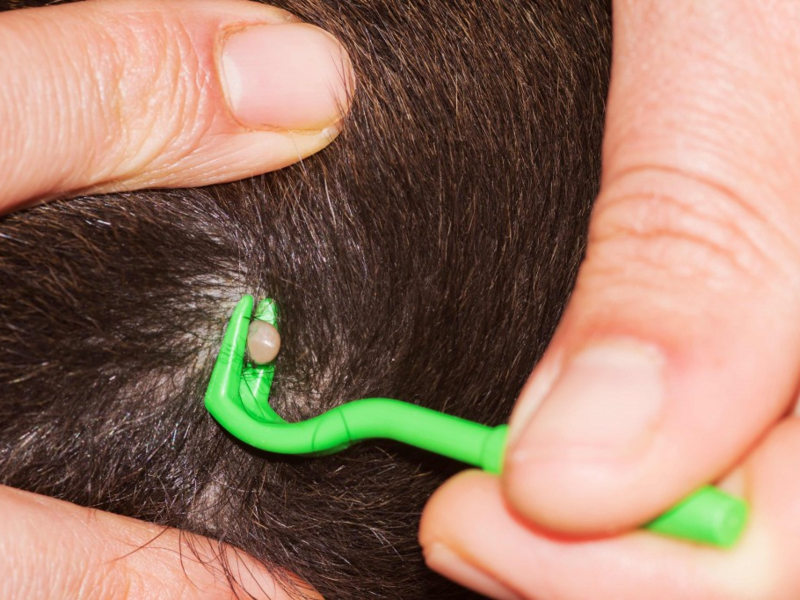
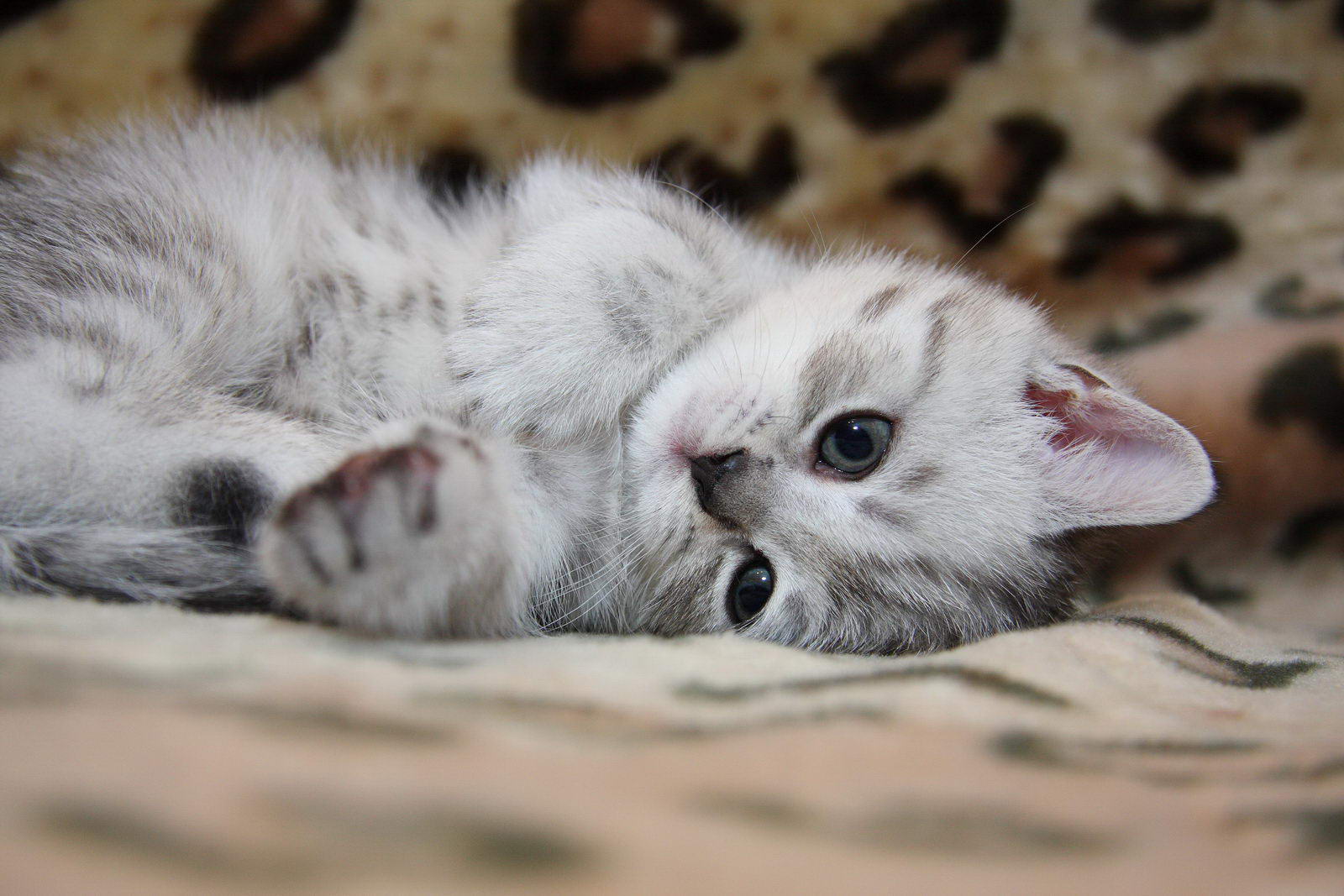
 Domestic cats can be susceptible to infestations of the endoparasitic mite, which causes demodicosis. The disease most often occurs after contact with an infected animal. The mite, which has an oval gray body, is a microscopic organism. Once it inhabits the animal's body, it begins to reproduce, laying eggs in the hair follicles. After some time, the cat develops symptoms that are easily detectable.
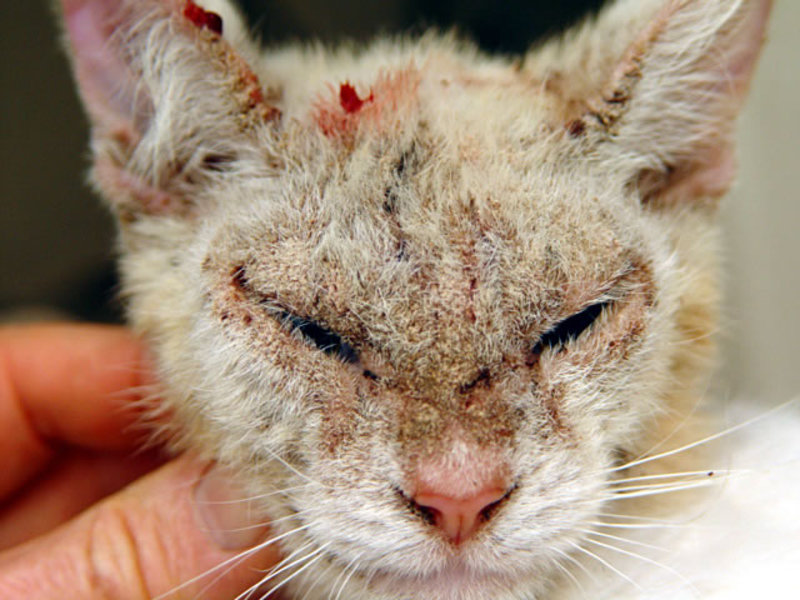
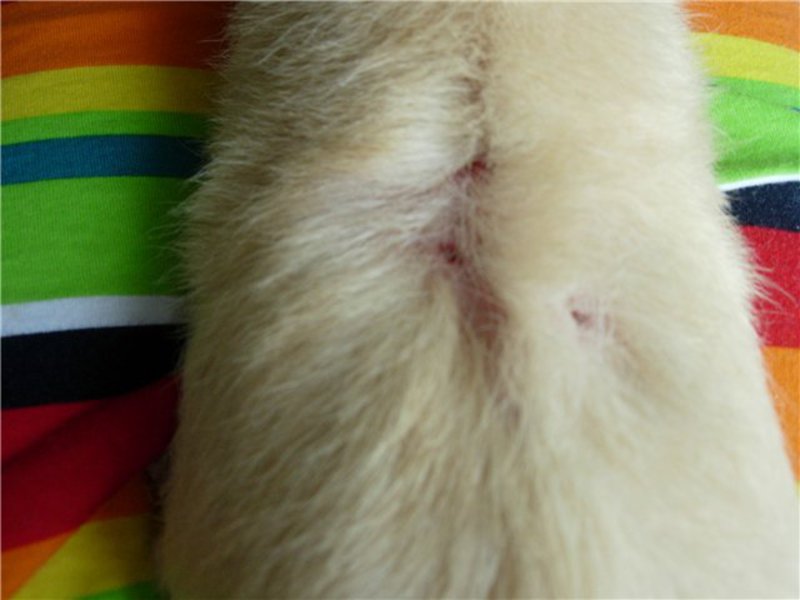
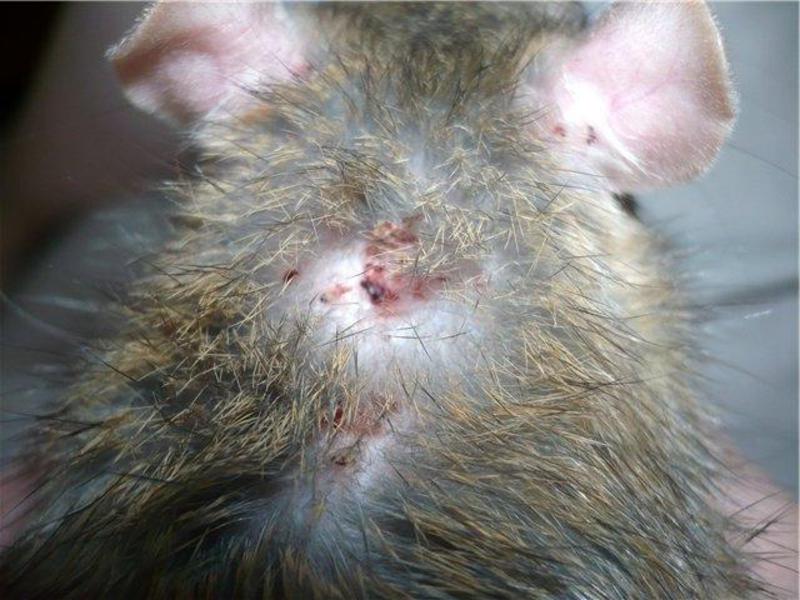
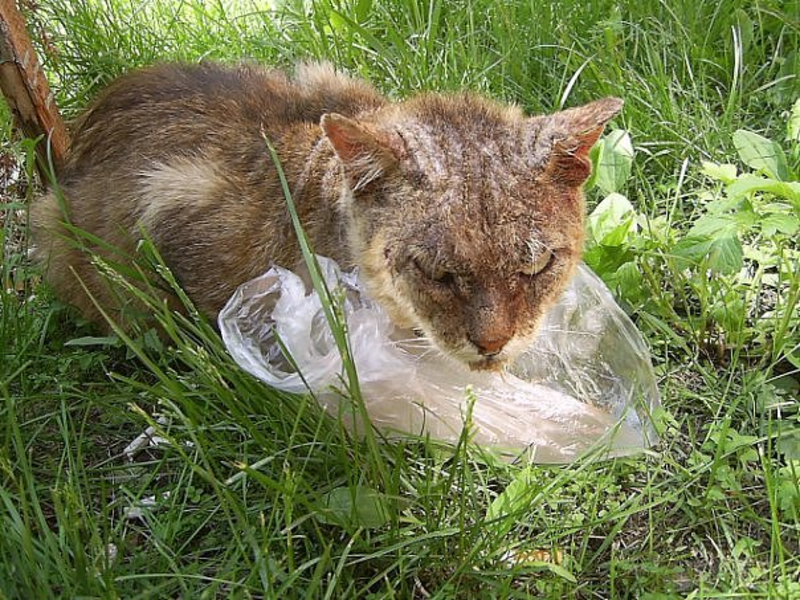
The main signs and symptoms of demodicosis with photos
The subcutaneous mite primarily infests the abdomen, neck, ears, face, and tail. It can live on a cat for a long time without showing any signs or symptoms of its presence. However, once the pet's immunity weakens, demodicosis will begin to develop, and its symptoms will begin to appear:
- The appearance of the coat deteriorates.
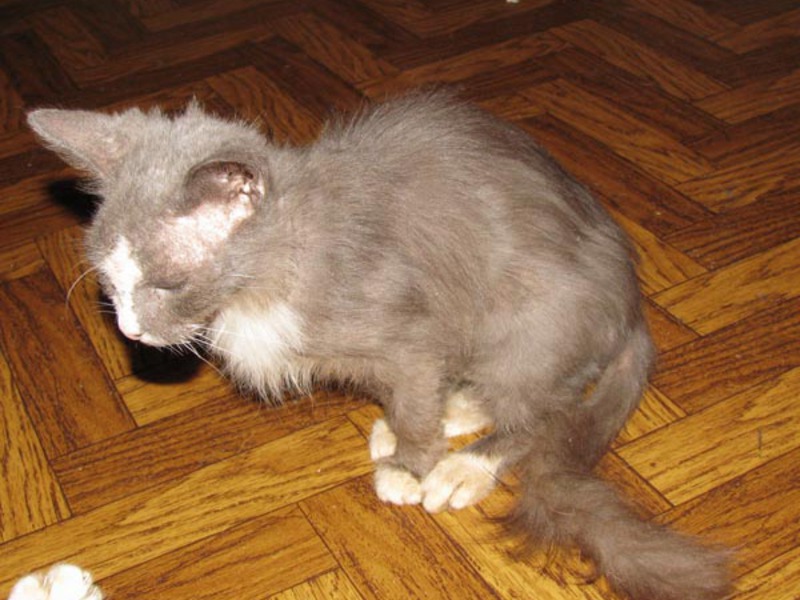
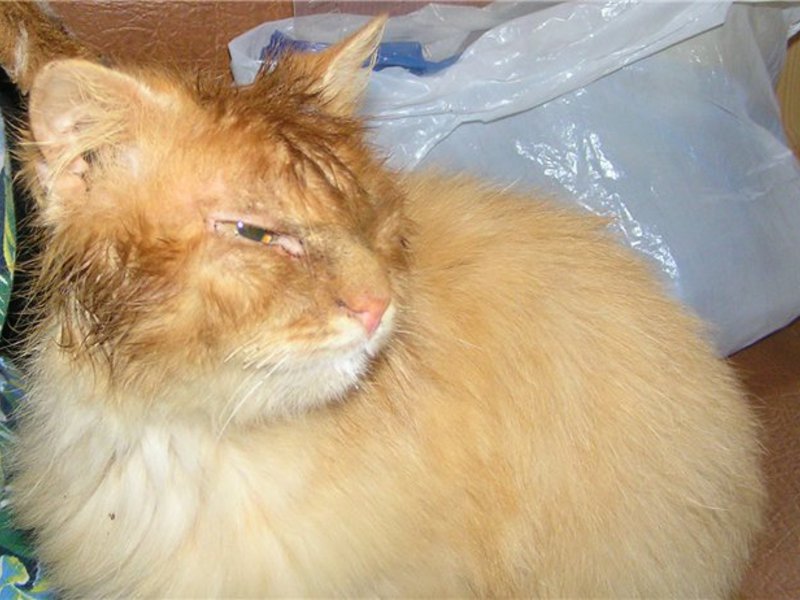
- Peeling appears around the eyes.
- Skin pigmentation is disrupted.
- Dandruff is found throughout the coat.
- In some areas, hair begins to fall out in small clumps.
- Acne appears.
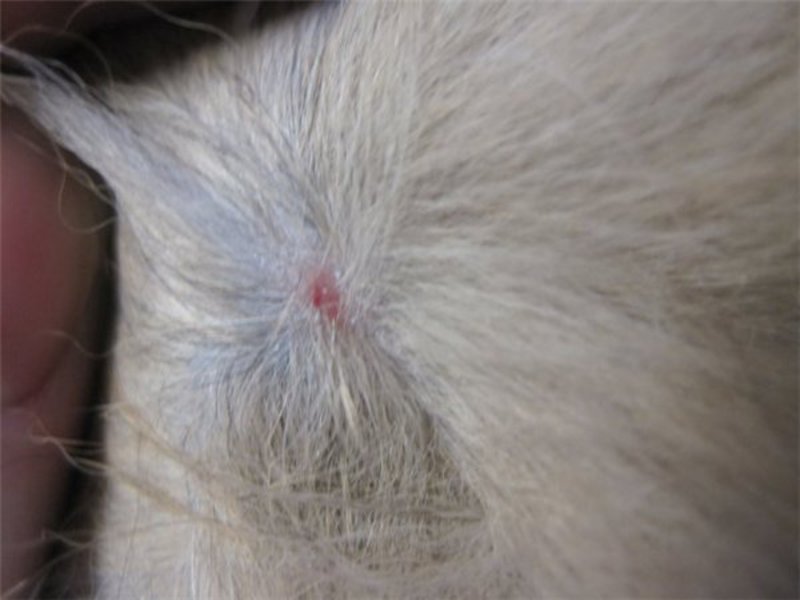
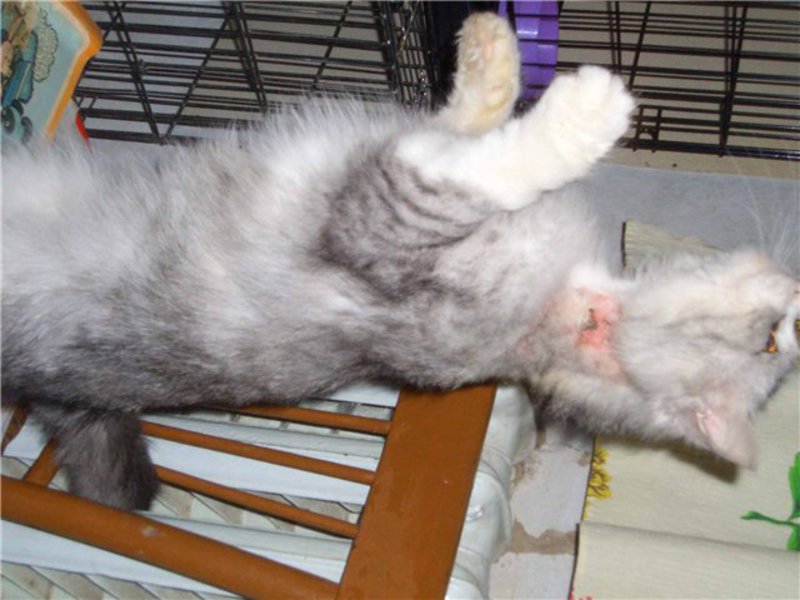
- The animal experiences itching and discomfort, causing it to scratch constantly, scratching the affected areas until they bleed.
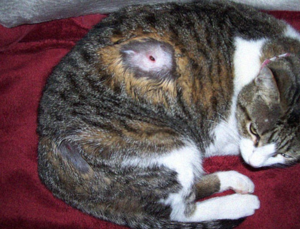
- The affected area becomes covered with a hardened growth, the height of which can reach 2-12 mm.
- Ichor constantly oozes from a small hole at the top of the growth.
- Small pustules appear on the bald areas of the skin, and the skin itself becomes pearly in color.
These symptoms occur due to the fact that the tick makes passages under the skin, constantly moves and leaves behind waste products.
Examining a subcutaneous mite is quite simple. To do this, gather the bald patch of skin into a fold, allowing the parasite to be easily seen and removed. The discovered tick and your cat should be taken immediately to a veterinary clinic, where a specialist will diagnose the condition and prescribe the appropriate treatment.
Diagnosis and types of demodicosis in cats
To determine the form of the disease, several scrapings are taken from the affected areas of the body and examined under a microscope.
There are two forms of demodicosis:
 Localized demodicosis. This disease most often affects young cats. In this form, only one area of the pet's body is affected. The first symptoms of localized demodicosis appear around the lips, eyes, ears, and nose.
- Generalized demodicosis. This is a more severe form of the disease, affecting multiple areas of the cat's body. It is recommended that cats with this form of demodicosis be spayed, as the condition can be inherited.
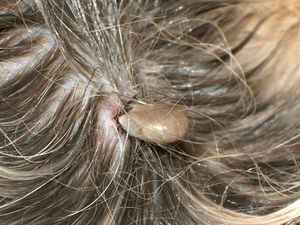 Localized demodicosis. This disease most often affects young cats. In this form, only one area of the pet's body is affected. The first symptoms of localized demodicosis appear around the lips, eyes, ears, and nose.
Treatment of subcutaneous mites in cats
Treatment for each pet should be individualized. Treatment also depends on the specific form of the disease.
Localized form
First of all, at home the animal is washed using special shampoos, which cleanse the skin. For this purpose, use Elite shampoo with chlorhexidine or Doctor shampoo with benzoyl peroxide. Then, the affected areas are cleaned of crusts and scabs with hydrogen peroxide or chlorhexidine solution. After treatment, the skin is dried.
Apply Advocate or Stronghold to the animal's shoulder blade area 2-4 times at monthly intervals. Butox 50 and Amitraz are recommended, and are used according to the instructions.
Areas affected by subcutaneous mites can be treated with Citeal solution, which must be approved by a doctor. After using the solution, the animal should be rinsed thoroughly and dried. This procedure should be repeated at least 2-3 times a day.
Once the affected areas are free of crusts, you should apply one of the recommended remedies:
- Aversectin ointment;
- Ivermectin gel;
- Amidel gel;
- liniment Demos;
- sulfur ointment.
After removing scales and scabs, it is best to apply oil solutions to wounds and areas with lost hair, which include Amit, Ektodes, Tsipam, and Mycodemocide.
To treat demodicosis, specialists often prescribe special products in the form of ointments or sprays:
- Perol;
- Tsidem;
- Ivermectin;
- Acaromectin;
- Neostomazan.
Depending on the form of the drug, the area affected by the subcutaneous mite is lubricated or sprayed according to the attached instructions.
Treatment for demodicosis should be comprehensive. Along with using special shampoos, ointments, and sprays, the cat should be given drugs that boost immunityThese include:
- Maxidin;
- Immunol;
- Gala-vet;
- Gamavit;
- Immunoparasitan.
To restore your pet's strength, it must be provided with adequate nutrition and still mineral water.
Generalized form
 This form of demodicosis is much more difficult to treat, since the lesions are present almost all over the body, and large areas of skin are affectedHowever, even if ulcers have already formed on the animal's body and the skin is severely irritated, treatment is possible. Treatment will depend on the severity of the infection, the cat's age, sex, and weight.
For maximum effectiveness, it's recommended to trim your pet's hair and wash it with medicated shampoos. The affected areas are then treated with special oils, allowing them to soak in thoroughly. During this time, the cat should be restrained to prevent licking the oil off. Once the oil has been absorbed, the skin is treated with the prescribed mite repellent.
In severe cases, the animal is prescribed injections of Cydectin at a single dose of 0.4 ml, or Dectomax, calculated based on the cat's weight. These should only be used on the recommendation of a veterinarian and under strict supervision.
In case of demodicosis a secondary infection sets in, and the disease progresses with complications, the doctor may prescribe a course of one of the following antibiotics:
- Amoxicillin;
- Baytrila;
- Betamox;
- Kanamycin.
Ligfol has proven effective in restoring animal immunity and is recommended for use in combination with treatment for subcutaneous mites. It's also important to ensure your pet's diet is nutritious and rich in vitamins and minerals.
Treatment of demodicosis with folk remedies
At home, you can fight subcutaneous mites with folk remedies that should be used only after consultation with a specialistThe following are used as such means:
- Washing your pet's skin with a gel or soap containing birch tar.
- The areas with fallen hair are washed with kerosene, after which the animal is not washed for two days, and its skin is not lubricated with anything.
- Treatment of affected areas with calendula tincture.
- Every two to three days, bathe the cat or apply a spot treatment with chamomile infusion.
When treating demodicosis, it's important to ensure all pet items are disinfected. Particular attention should be paid to the pet's bed, and don't forget the food and water bowls.
Prevention of demodicosis in cats
 Since the disease does not produce immunity, after the animal has recovered it is necessary take preventive measuresFor this purpose, experts recommend:
- Do not allow your pet to come into contact with animals whose health you are concerned about.
- Treat the cat's skin with preventative antiparasitic drugs.
- Maintain your pet's immunity with a balanced diet, vaccinations, vitamins and minerals.
There's no doubt that preventing a disease is much easier than treating it. That's why you need to be attentive to your pets and support their immunityIn this case, the cat will always have excellent health.
Today, there are a number of ways to rid animals of subcutaneous mites. Treatment for demodicosis in cats should only be prescribed by a veterinarian, who will take into account your pet's individual needs. Since the treatment will be lengthy, your pet will require increased care and attention.