If natural and synthetic fabrics and shoes are not properly cared for, mold can develop. The spores penetrate the material and destroy the fiber structure. But your favorite shoes, sweater, or jeans can be saved.
Content
Why is mold dangerous to humans?
Mold spores affect people through direct skin contact and inhalation. They are toxic and multiply rapidly, causing serious illness when they enter the body. Long-term exposure may cause liver and kidney damage and the development of pulmonary emphysema. But even short-term exposure to mold can have adverse effects on people's well-being. They experience:
- allergic dermatitis, fungal skin infections, mycoses;
- dizziness and frequent pain;
- digestive disorders;
- various diseases of the upper respiratory tract - sinusitis, cough, runny nose, asthma;
- exhaustion of the body.
People with weakened immune systems (the elderly, those who have had serious illnesses, or those who have taken antibiotics or undergone chemotherapy) and children are most susceptible to the effects of mold.
Why does mold appear?
If indoor humidity is high, microscopic fungi actively multiply. White or black mold stains form on various objects, shoes, and clothing. This occurs if:
- the places where clothes are stored are damp;
- the laundry was not dried sufficiently after washing;
- There was already mold in the cabinets where things were stored.
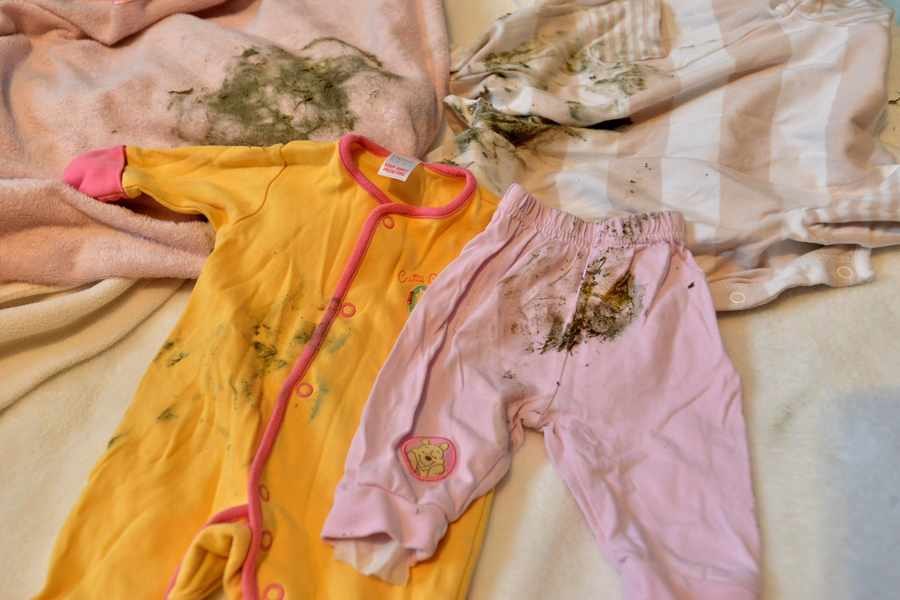
If the ventilation in the house is poor and the humidity is high, mold can appear not only on the walls or in the bathroom, but also on clothes.
How to get rid of mold on shoes and clothes
There are folk remedies for this problem. They rely on readily available substances, most of which are readily available in the home. Their choice depends not only on preferences, but also on the type of fabric. You can also purchase chemical mold removal products. There are general recommendations that will help you achieve positive results:
- Wash mold-stained items after removing the stains: if you do the opposite, rusty or yellowish stains will remain on the fabric;
- Test the chosen product for safety on a small, inconspicuous area of the material;
- Remove stains as soon as you notice them - even a specific smell in the absence of stains should be a warning sign.
Table: Mold removers for various materials
| Fabric type | Method for removing stains |
| Natural - linen, calico, cotton |
|
| Silk |
|
| Wool |
|
| Synthetic materials | Ammonia. |
| Suede and leather |
|
Ways to clean clothes
Most of the products used to remove mold stains from items are readily available and often already present in the home:
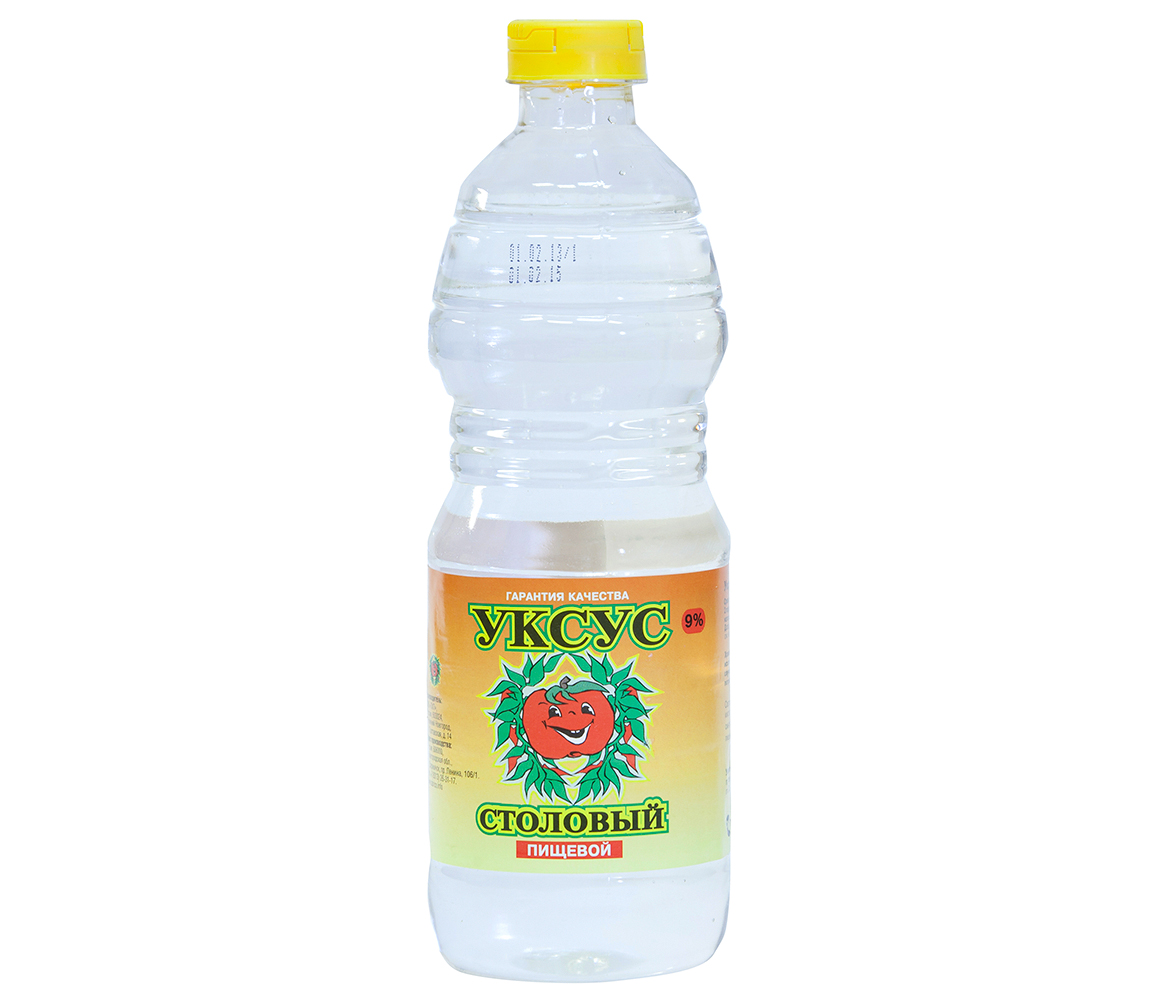
- Vinegar or lemon juice. Pour 9% vinegar onto the stained item, then sprinkle salt on top after 20 minutes. After another 10–15 minutes, wash the garment with detergent. This method is suitable for removing mold stains from any natural fabrics in light shades. Lemon juice is also used.

Vinegar is used to remove mold from cotton clothing, home textiles, and any items made from natural fabrics of white or light colors.
- Borax. Suitable for natural fabrics, wool, and suede. It's also safe for people and pets. Dilute the powder with water at a 1:2 ratio and apply it to the stained area for 20 minutes. Then remove the solution and wash the item.
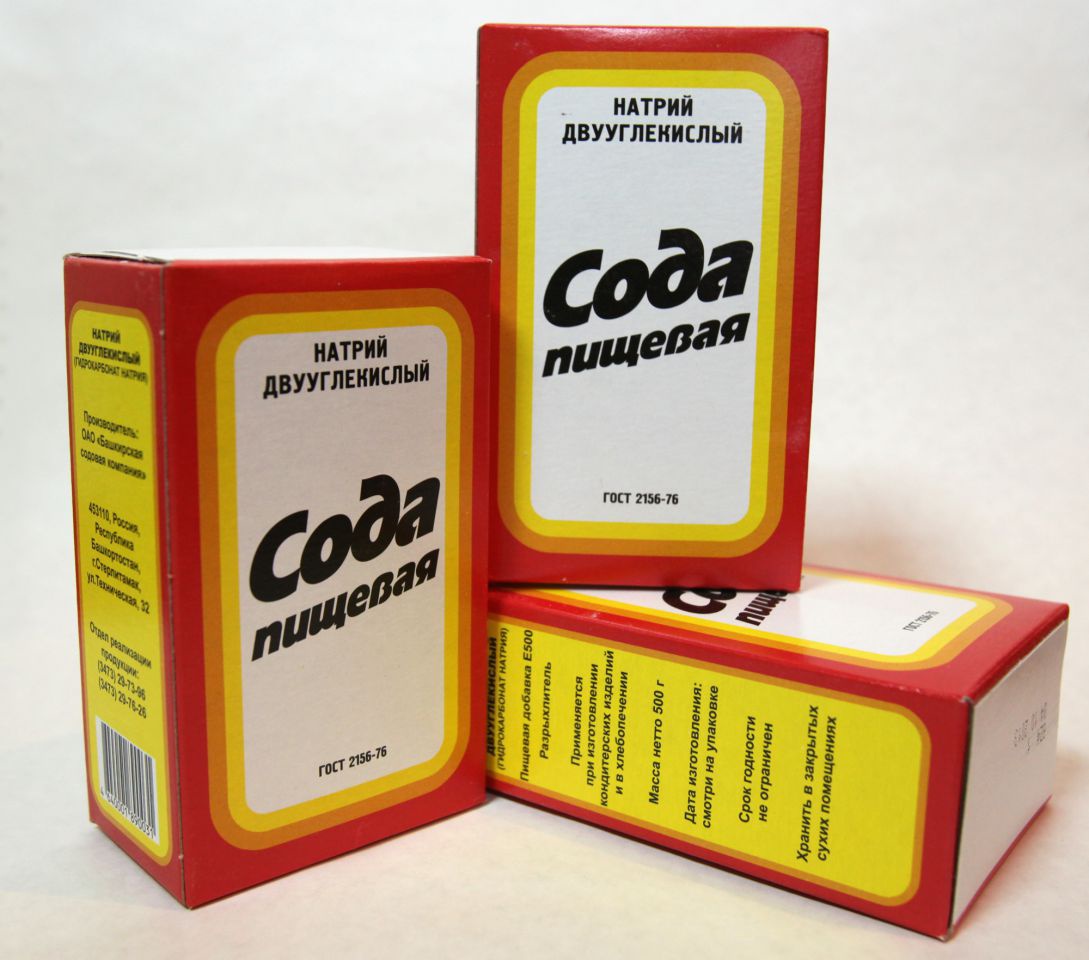
- Baking soda. This is a universal remedy. It is used to clean clothes, bed linen and home textiles. Make a paste of baking soda and water in any proportions and apply it to the stain. Lightly brush the stain onto any fabric except delicates (silk, synthetics), then rinse with water and wash by hand or in the washing machine. Baking soda doesn't emit a strong odor, doesn't irritate the skin, and is completely safe for humans.
Baking soda is a universal remedy for removing mold stains from clothing.
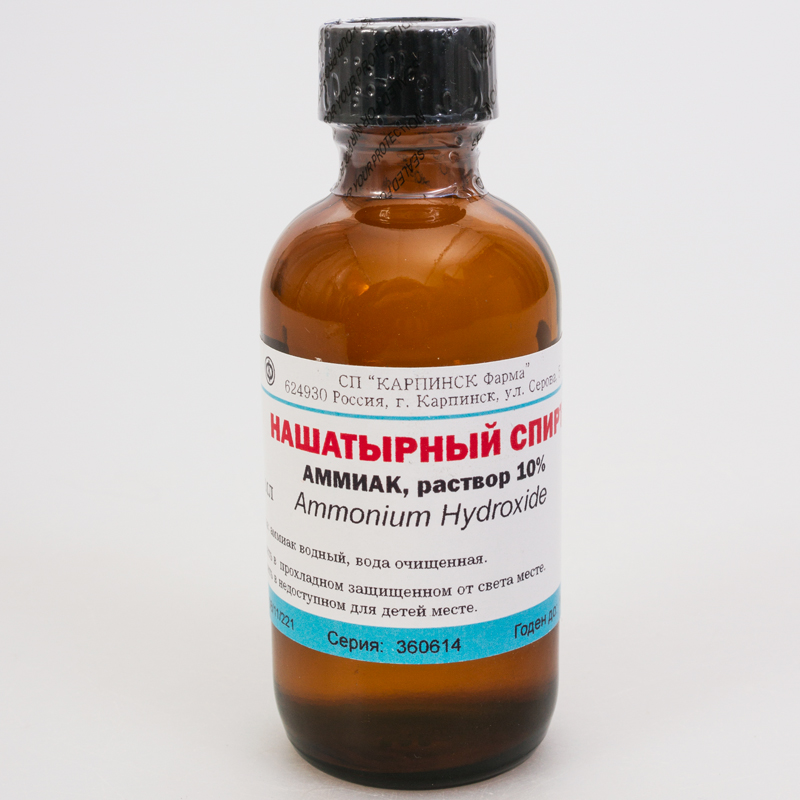
- Ammonia. It's suitable for removing mold spores from silk fabrics and colored synthetics. It's diluted with water (1 tablespoon per 2 cups), then applied to the stained area, and rinsed after 10-15 minutes. The items are then washed. Some fabrics are damaged by this treatment. Preliminary testing will help assess the effect of ammonia on the material. Ammonia is also used to clean natural fabrics, but in a higher concentration - 1 tablespoon per glass of water.
Ammonia is used to remove mold stains from synthetic and silk fabrics.
- Turpentine. It removes stains from wool, drape, and silk items. Pour turpentine onto the stain, then sprinkle talcum powder or baking soda onto it, and iron the garment through a clean white cloth or cheesecloth. Afterward, the garments acquire an unpleasant, pungent odor, which can be removed by washing with any detergent.
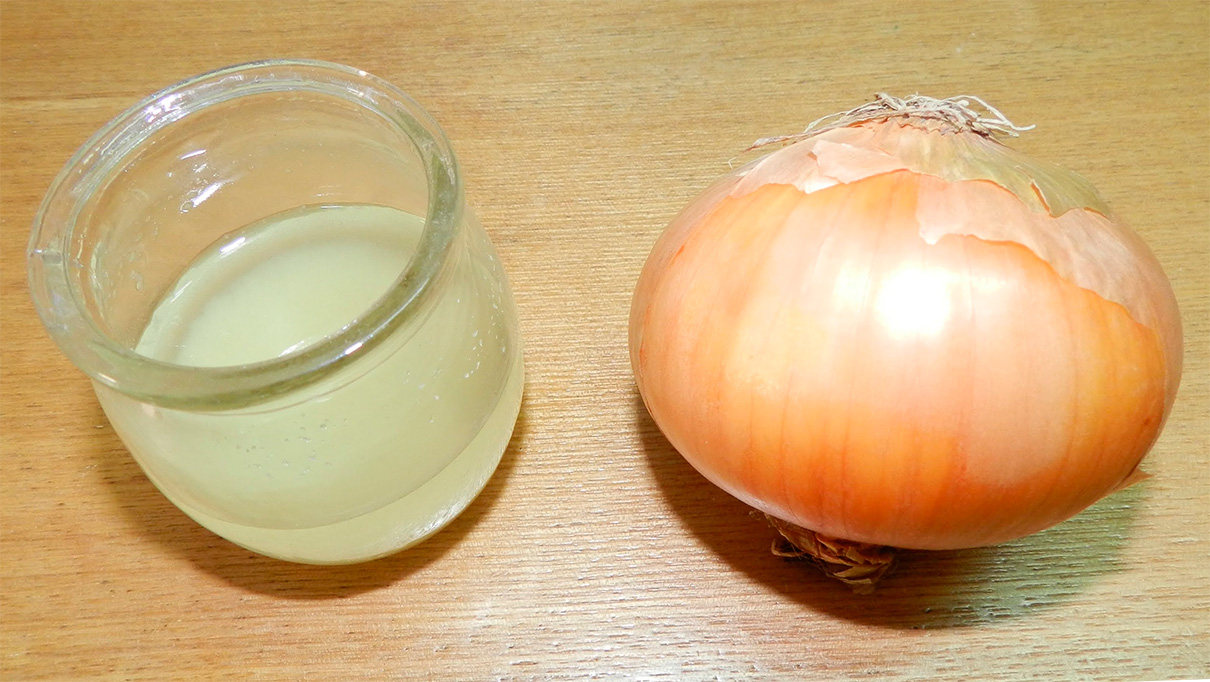
- Onion juice. Make a paste from this vegetable, for example, by grating it on a fine grater or blending it. Apply it to the stain for half an hour. The juice without the pulp can also be used. If the stains are old, this won't remove them.
Onion juice removes fresh mold stains from bed linen and silk fabrics.
- Milk whey. Soak clothes in it for 10 hours, then rinse and wash with detergent. This method is effective for removing fresh stains.
- Laundry soap. It's used to remove mold stains from all types of fabric. Apply a paste of grated soap and water to the stain. Simply rub the soap bar thoroughly onto the stained area. After two hours, wash the item as usual. This method won't remove large or stubborn stains.
Mold can be removed from any fabric with laundry soap, but old stains cannot be removed this way.
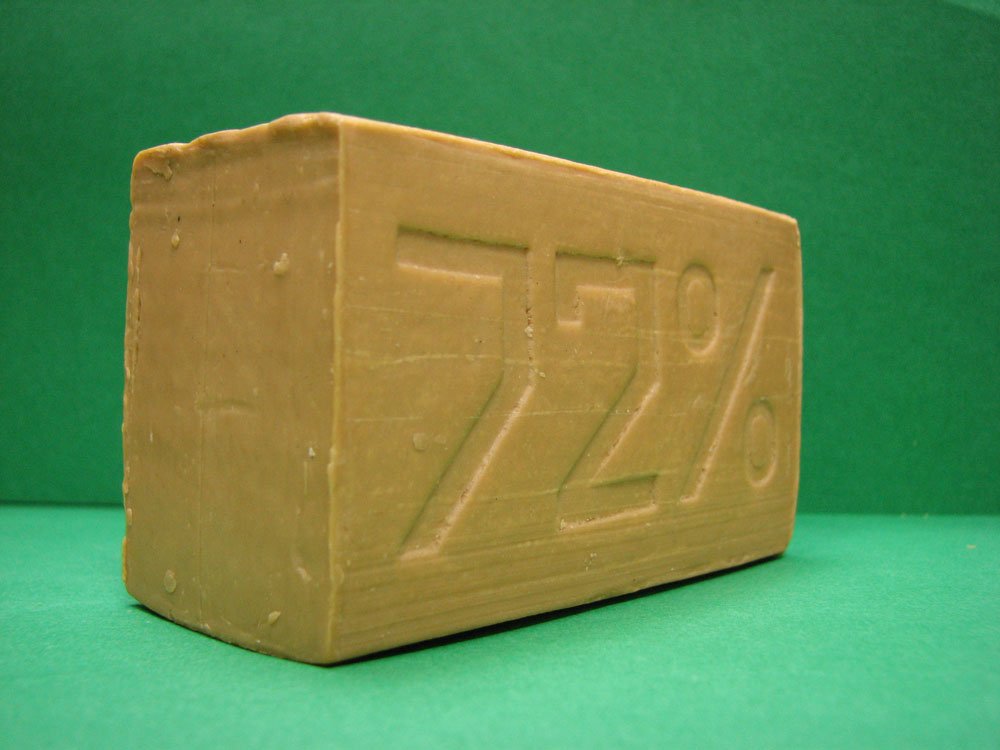
Try cleaning leather and suede items with shoe polish of a suitable color or sprinkle with baking soda, and then rub the stain with a brush.
Use of bleaches and chemicals
If folk remedies fail to kill mold spores, try bleach. Natural and synthetic white materials can be cleaned with chlorine-containing products, such as Bleach:
- Prepare the composition: 2 tablespoons of bleach per 1 liter of warm water.
- Soak soiled items for 30 minutes or 1 hour.
- Rinse and wash the items.
Boil items with stubborn stains in this solution for 15 minutes. For colored and delicate materials, use oxygen-containing bleaches from any manufacturer according to the instructions.
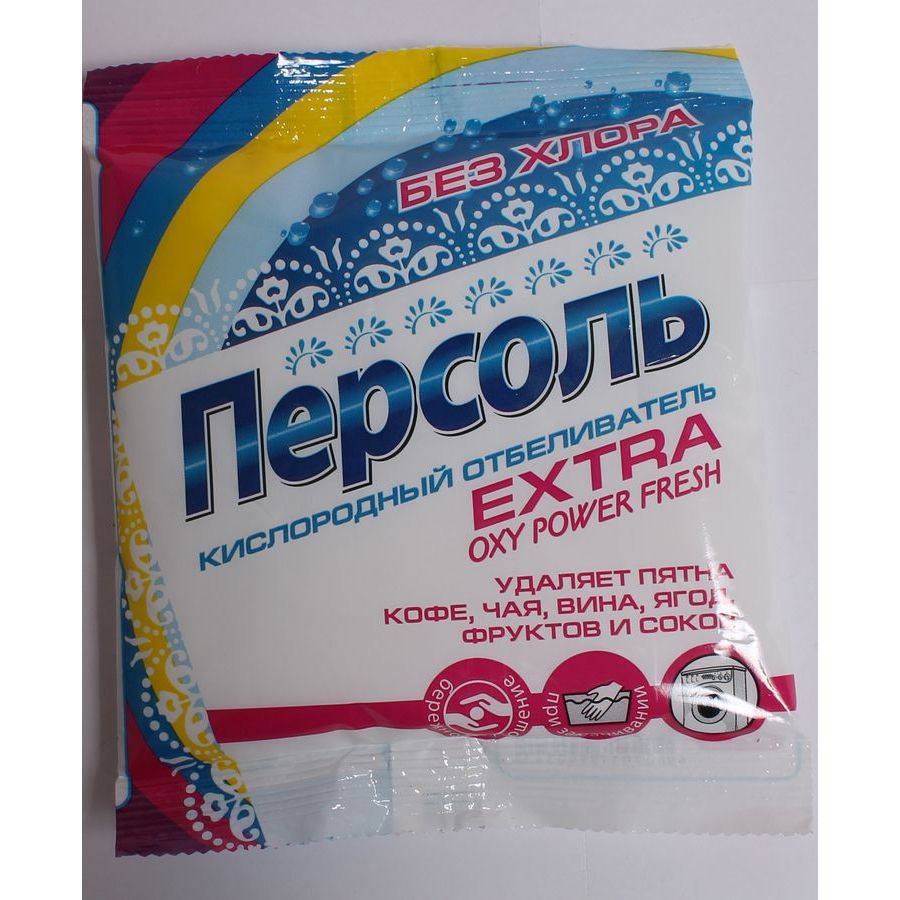
Oxygen-based bleaches can remove mold stains from clothing made of any fabric.
Disinfecting toilet bowl cleaning gels, such as Domestos, Dosya, and others, are effective at removing mold from fabrics. However, they are harsh on fabrics, so use them carefully, don't leave them on the item for too long, and wear gloves.
Video: Removing mold stains from a stroller
How to remove stains from shoes
Even if the room is dry, mold can develop on shoes or boots, for example, if they were stored in a plastic bag or poorly ventilated closet. To combat mold, use disinfectants such as Diabak, Alaminol, or Amiksan. They not only clean the fabrics, but also kill spores. But if you can’t buy them, use folk methods:
- Leather and textile shoes are cleaned with a solution of 9% vinegar and water (1:1).
- Any product is treated with a mixture of laundry soap and water using a brush.
- Sprinkle the leather interior with baking soda for 20–30 minutes, then scrub thoroughly. This removes traces of fungus and eliminates unpleasant odors.
- A weak, light pink solution of potassium permanganate will also help disinfect dark, but not suede, shoes.
You can remove mold stains from dark shoes with a weak pink solution of potassium permanganate.
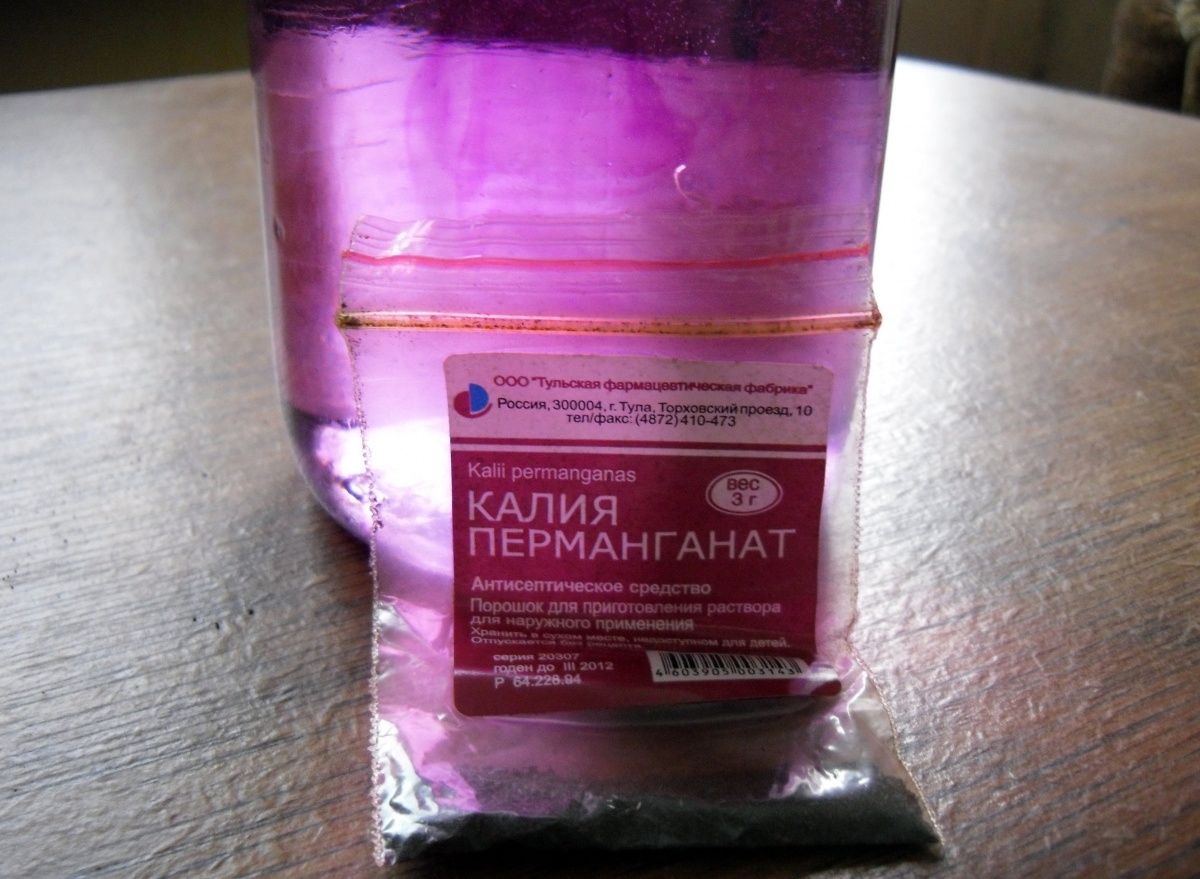
After treating the shoes with these products, it's important to thoroughly remove them from the surface and allow them to dry naturally. To speed up the process, stuff the shoes with crumpled newspapers and other paper.
To restore the attractive appearance of shoes after removing mold, use restorative products such as cream, impregnation, or wax.
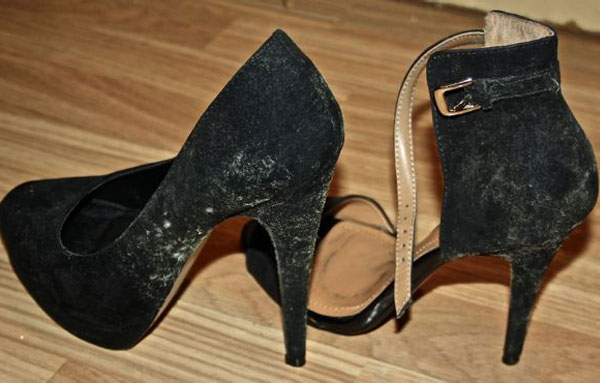
Mold can be removed from shoes using a solution of vinegar, baking soda or laundry soap.
Preventive measures
Mold is a living organism; its colonies grow and quickly ruin clothes and shoes. This isn't just an aesthetic problem, as it damages the structure of the material. Therefore, it's best to prevent infestation:
- do not store damp clothes, bedding and shoes in closets, or clean and dirty things in the same place;
- monitor the microclimate in the room - humidity, air circulation, temperature;
- regularly ventilate chests of drawers and cabinets;
- To improve air circulation, do not place furniture close to the walls;
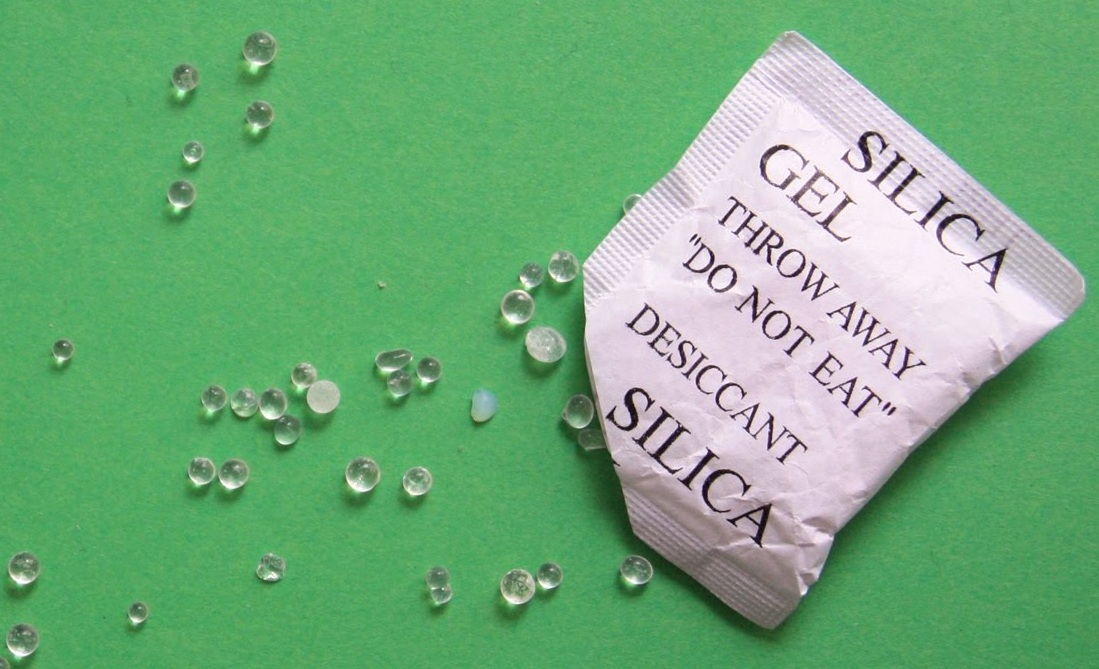
- Use silica gel packets to control humidity levels inside closets—they can be found in shoe boxes.
To prevent moisture buildup and mold growth in cabinets and drawers, place silica gel packets on shelves.
Reviews
I decided to try Persol, especially since the active ingredient, sodium peroxocarbonate, is found in many expensive bleaches. To wash, bring the laundry and powder to a boil and then let it cool. I didn't follow the instructions exactly. I didn't want to ruin the pot with chemicals. So I boiled water, poured it into a basin, placed the laundry, and sprinkled a generous amount of powder on the stains. A foam formed. I left the laundry for several hours. The stains disappeared; if any remained, I scrubbed them with a brush. Just be careful not to overdo it. A brush can rub off color from clothes. It works well on black banana stains, mold, and cherry stains.
I stored my clothes in my basement for a long time, so I'm familiar with the issue of mold on clothes. Before washing, I soaked the items in stain remover overnight and washed them as usual the next morning. It helped. But to be honest, it all depends on the quality of the item. Natural materials don't attract mold as much, but synthetics are a problem.
These stains can be removed with the juice of a common onion. Rub the stains with the juice several times, then wash in hot water. You can also soak them in a solution of 30 grams of ammonia and 100 grams of salt per 2 liters of water, and air dry them after washing to remove the odor. Give it a try.
Mold is dangerous to your health. If spores settle on clothing or shoes, begin stain removal immediately. While the stains are fresh, the chances of removing them without damaging the items are quite high. Proper care of your items will help avoid this problem.