Hornets stand out among flying insects: they're incredibly hard to miss. However, beyond their size and appearance, their distinctive features also lie in their lifestyle. What are hornets and are they dangerous to us?
Content
Who are these hornets?
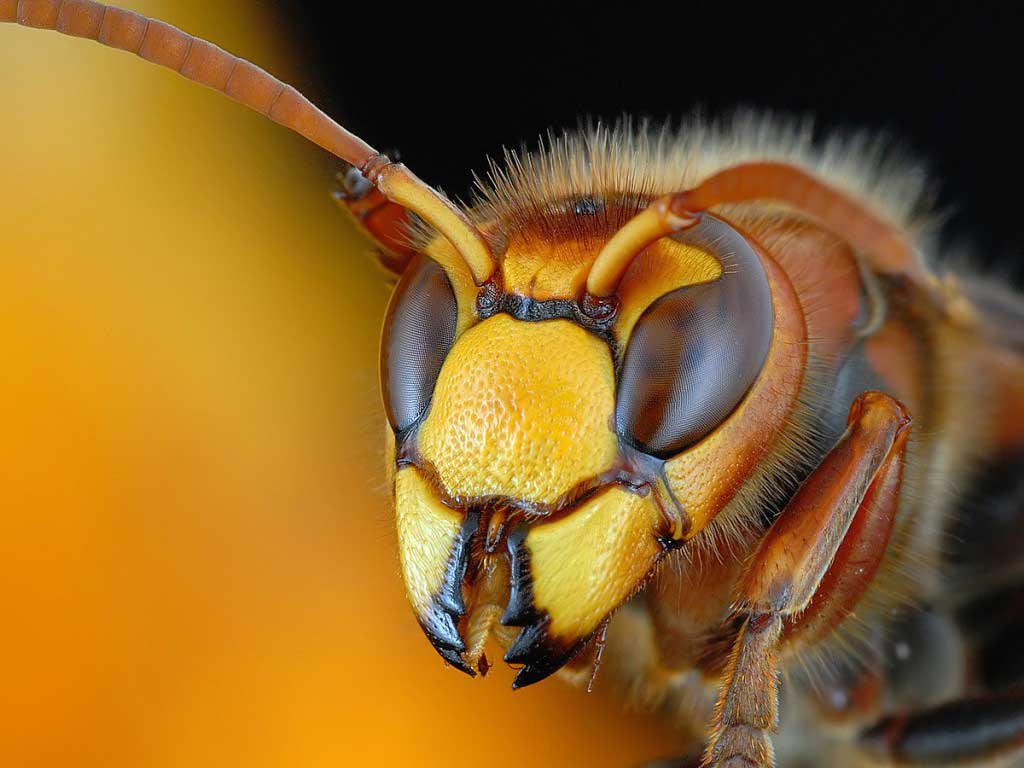
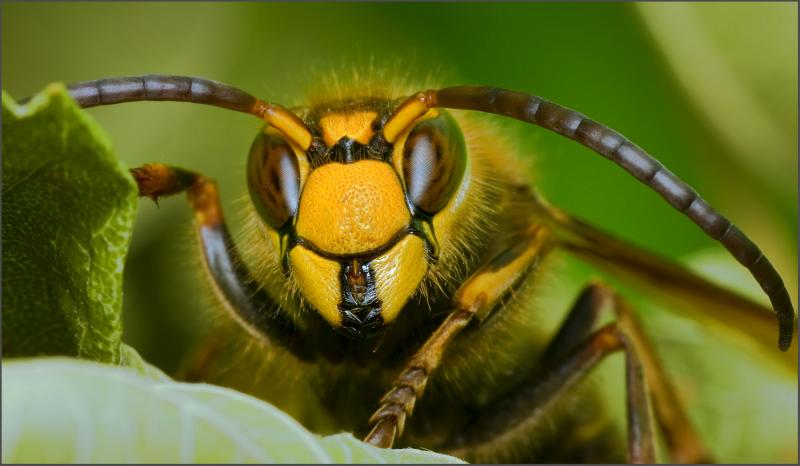
Hornets are impressively large flying insects, up to 5.5 cm long, with alternating black and yellow or light orange stripes, and orange-red eyes. Fruit-bearing insects have an ovipositor, while workers have a stinger for defense.
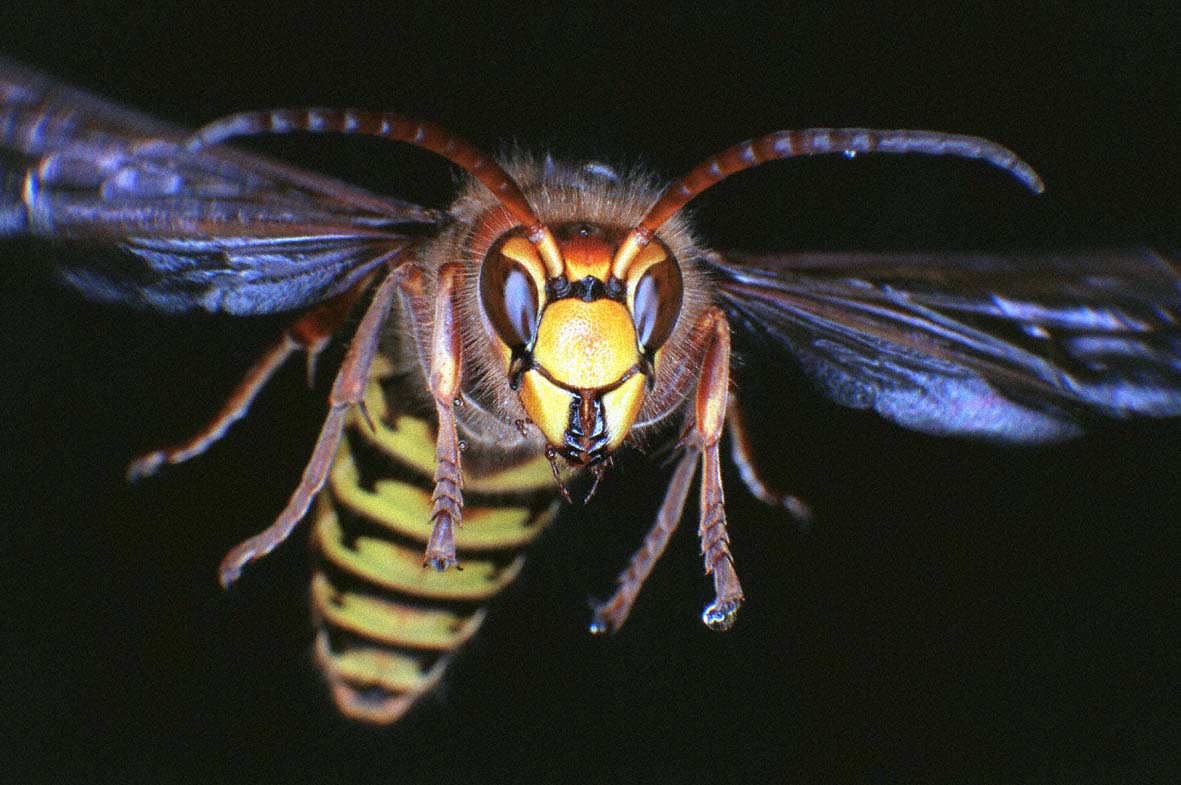
This is what a hornet looks like in flight.
Wasps and hornets were originally classified as the same taxon, but were later classified as a separate genus. The main differences lie in size and behavior. Hornets are, firstly, much larger than wasps and have a more rounded abdomen, and secondly, they are less aggressive and prefer to run away from danger rather than attack. Hornets' nests are similar to wasps' nests both in their structure (they are practically identical) and in their appearance, but they differ in color, since hornets build their nests from slightly different materials.
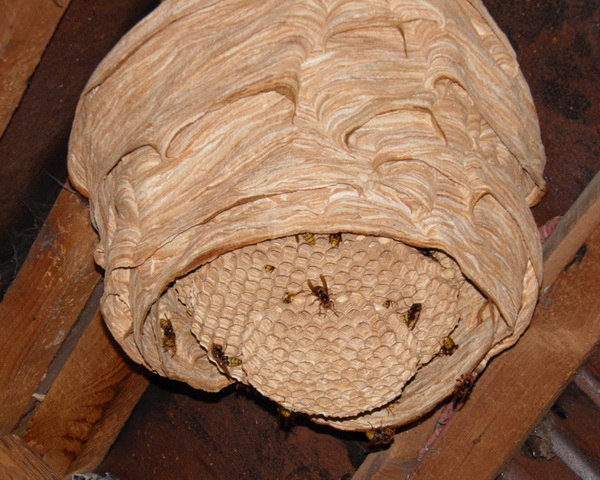
Honeycombs can be seen in an unfinished hornet's nest
Hornets are found primarily in the Northern Hemisphere—Europe, Asia, and North America—but avoid the extreme northern and southern regions, preferring temperate climates. They live in large families in large paper nests, up to 10 layers deep. Hornets typically nest in secluded places: tree hollows, abandoned houses, attics, and, less commonly, in warmer climates, attaching themselves to tree branches. Hornets use birch branches and rotten wood from old stumps as building material for their nests, so, unlike aspen nests, they are more of a brownish-brown color.
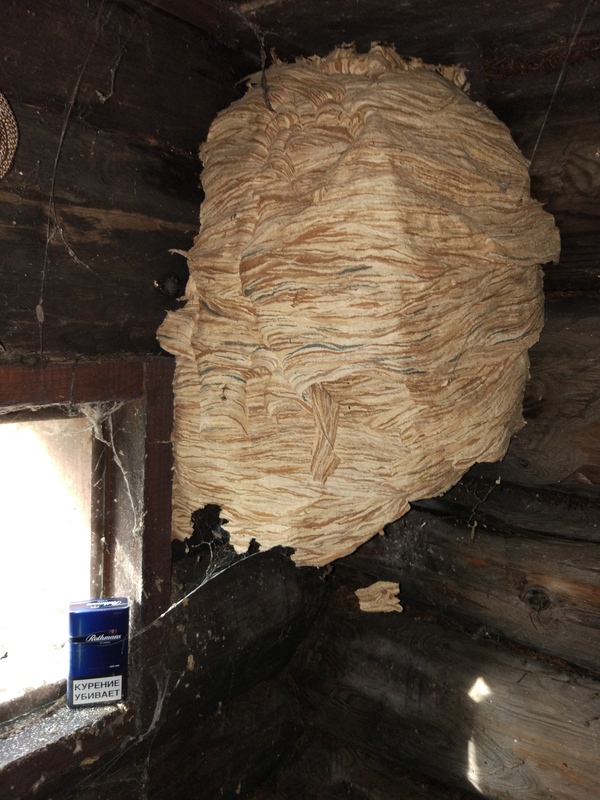
This is the kind of hornet's nest you might find in an attic or an old bathhouse.
Hornets live for no more than a year—the exception is the females, who hibernate. In the spring, around mid-May, the queens awaken, find a suitable location for their future "home," and lay eggs, which hatch into larvae within five days. At this time, the hornets begin to build their nest.
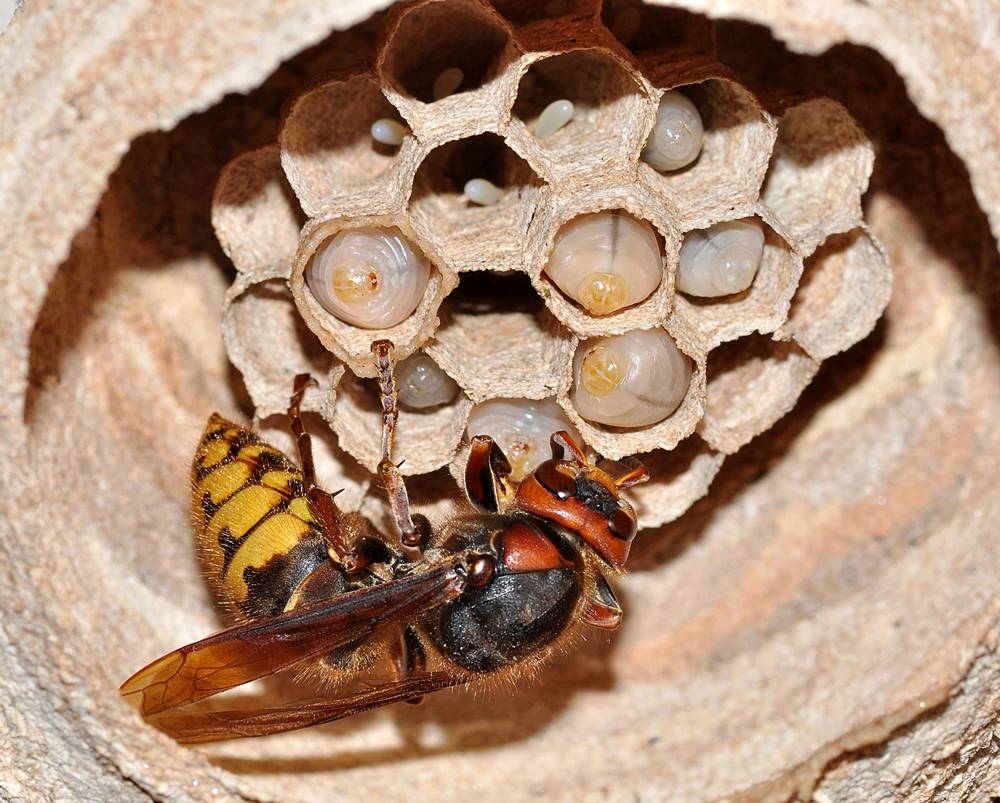
A hornet feeds its larvae in a nest it is building.
The larva develops for nine days, then pupates and emerges as an adult after two weeks. As the hornet population increases, the colony grows and gradually splits into several smaller swarms, which migrate away from the main colony. Adult hornets feed exclusively on carbohydrates: this can include sweet tree sap, aphid secretions, the sugary juice of overripe and rotten fruit, and honey, for which they raid honeybee hives. Protein is needed to feed the larvae, and to obtain it, females kill other insects—grasshoppers, flies, wasps, bees, and even locusts.
Inside a hornet's nest: video
https://youtube.com/watch?v=lldYfmvHHE8
Hornets come in different types
Since these insects are very widespread across our planet, it is natural that there are several most common varieties.
Common hornet, also known as European hornet
It inhabits Europe, almost all of North America, and in Asia, as far as Western Siberia and eastern China. The queen reaches approximately 2.5–3.5 cm in length; worker insects are slightly smaller but still quite large. Common hornets were once very widespread, but humans have been actively hunting them for a long time, and their numbers have declined significantly in recent decades. Human control of European hornets has led to these insects becoming an endangered species. Now in Western European countries this species is protected, and the destruction of their nests is punishable by a large fine.
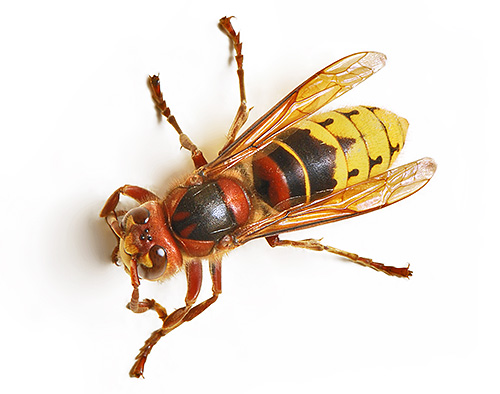
The common hornet is the most common of all hornets.
Oriental hornet
These insects prefer dry, hot climates. They can be found in Southern Europe and Asia, as far north as India, China, and Nepal. Adults grow no longer than 3 cm. Their coloring differs from that of common hornets, being more of a reddish-brown—both their bodies and wings. One of the characteristics of oriental hornets is that they usually build their nests in the ground.
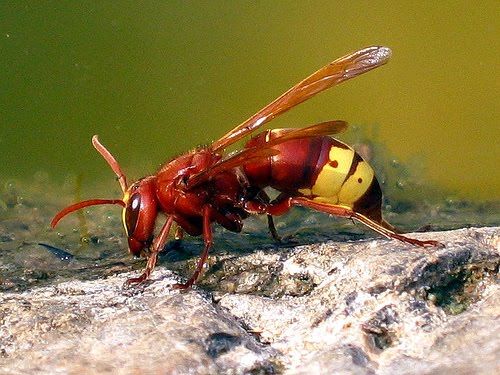
The Oriental hornet is the only species that tolerates arid climates well.
Chinese hornet
Chinese hornets are legendary in some ways—these members of the hornet genus are true giants! Their bodies can be over 5 cm long, their wings can extend as long as 7.5 cm, and their stingers can be over half a centimeter long. Furthermore, the venom they contain is highly toxic and can be fatal to humans. Their coloring is quite standard—yellow and black stripes. These insects are found in China, as well as in Russia's Primorsky Krai, India, Japan, Korea, and Nepal.
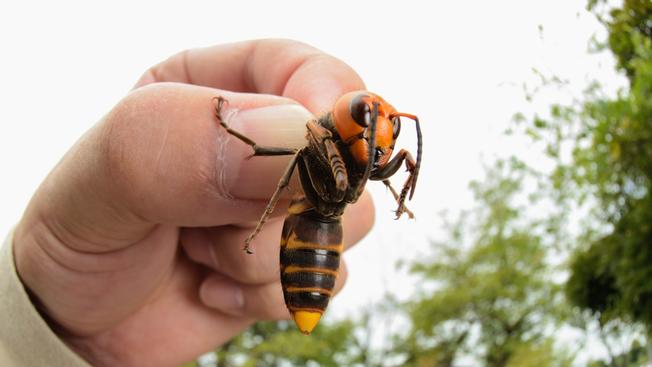
The Chinese hornet is the largest species!
Japanese hornet
This subspecies of the Chinese hornet is found only on the islands of Japan and terrorizes both humans and local honeybees. However, Japanese honeybees kill these hornets by surrounding them and generating high temperatures through their movements, which causes the hornet to die from heat shock. With humans, things are more complicated: the venom of the Japanese bumblebee is just as toxic as that of its Chinese cousin. Every year, at least 40 Japanese people die from anaphylactic shock.
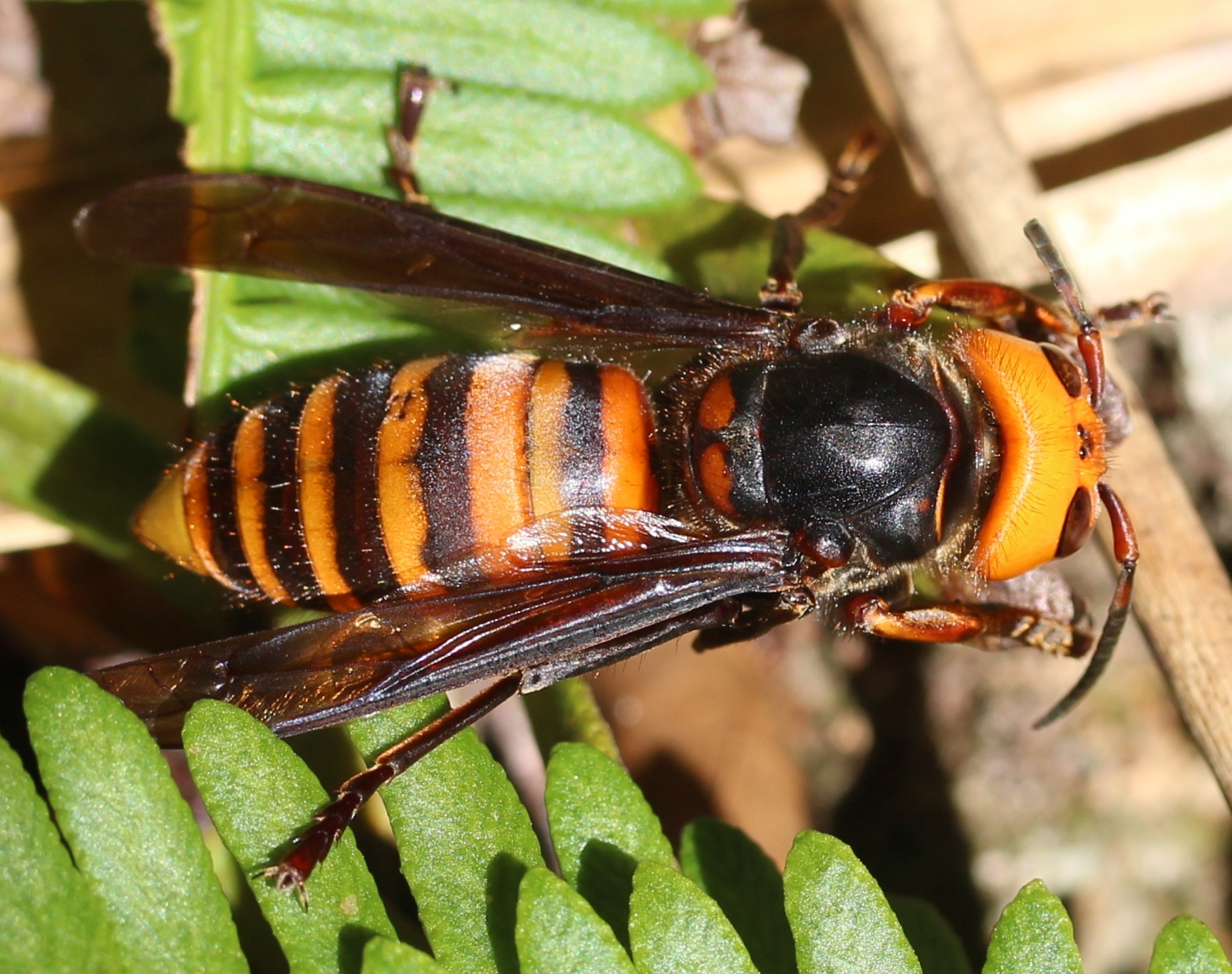
The Japanese hornet is particularly large, menacing and poisonous.
Black hornet
The black hornet, also known as the Dybowski hornet, is protected in some regions due to its scarcity. These insects grow to a size of 1.8–2.5 cm and are distinguished from their relatives by their darker, almost black, coloration. A unique feature of these hornets, rare in Russia, is that they typically do not create their own "homes." So where do they live? The answer is simple: these cunning creatures are parasites, occupying the nests of other species of hornets. The Dybowski's hornet is rare in Russia, found mostly in Primorye. However, it is also found in China, Korea, Japan, Thailand, Burma, and India.
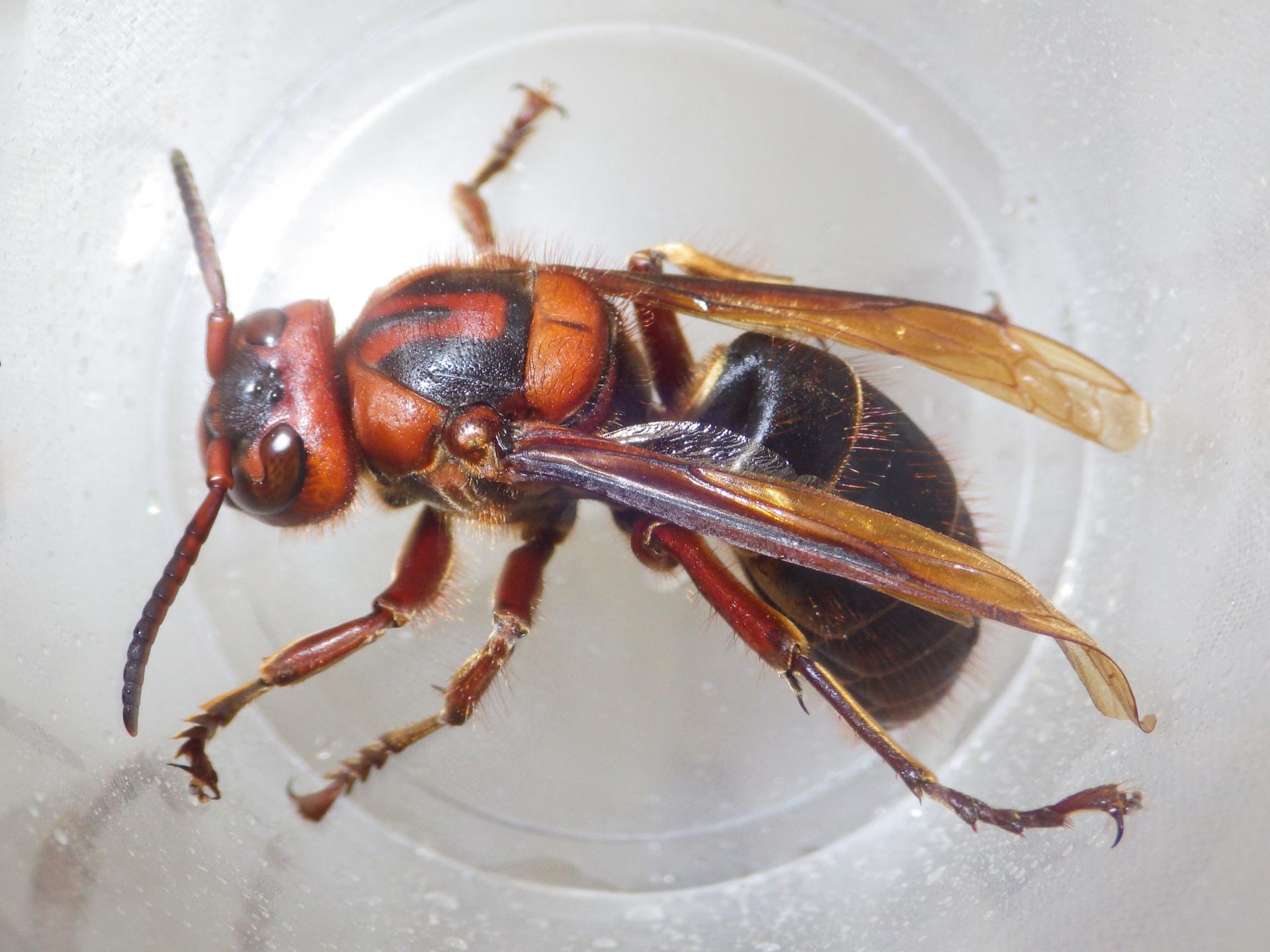
The black hornet is distinguished by its darker color.
Vespa velutina
This unique species of hornet was once found only in China, but later spread to Vietnam, Thailand, Malaysia, and Indonesia, and was later brought to Europe via France. Their size is typical for hornets—2–3 cm—and they share a yellow-and-black coloration. However, these insects have some unique features. Firstly, they build their nests in tall trees, right on the branches. Secondly, their swarms can number several thousand individuals. Thirdly, these hornets are obligate predators, and they constantly hunt other insects, including wild bees. However, oddly enough, they are not interested in honey bees.
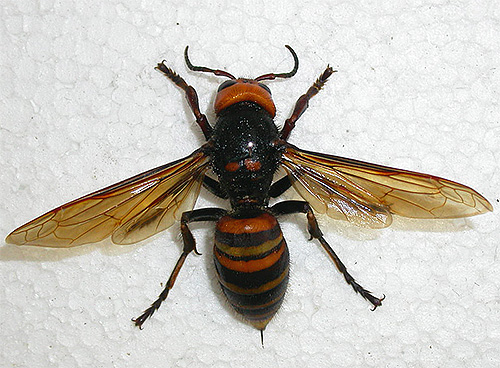
Vespa velutina – predators among hornets
Tropical hornets
These insects are a standard size—2.5–3 cm—and typically black and yellow in color, though they have only one very wide yellow stripe. They are found in the tropics, specifically in various regions of South Asia. Tropical hornets build nests both in trees and underground, but have no particular preference.
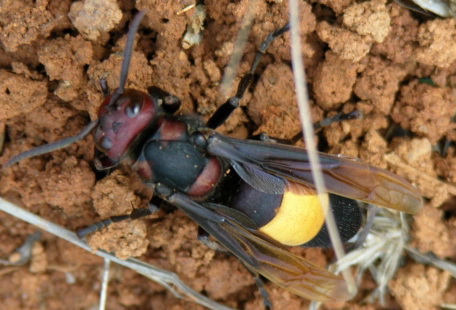
The tropical hornet is found only in South Asia.
Hornet sting
On average, these large insects only appear so vicious: they sting people significantly less often than smaller wasps, being timid and non-aggressive. Nevertheless, such incidents are not uncommon. For example, while harvesting fruit, a gardener might pick up a fruit containing a hornet, feeding on the sweet juice. A person might also disturb a hornet's nest: it might be inside a hollow in a felled tree trunk or in the attic of a house. The hornets then sense danger and attempt to attack the offender. The hornet's venom itself is not particularly dangerous to an adult, healthy person, although the sting itself is quite painful.
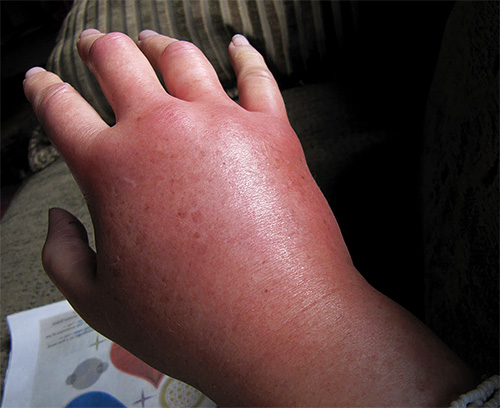
A hornet sting can cause severe swelling.
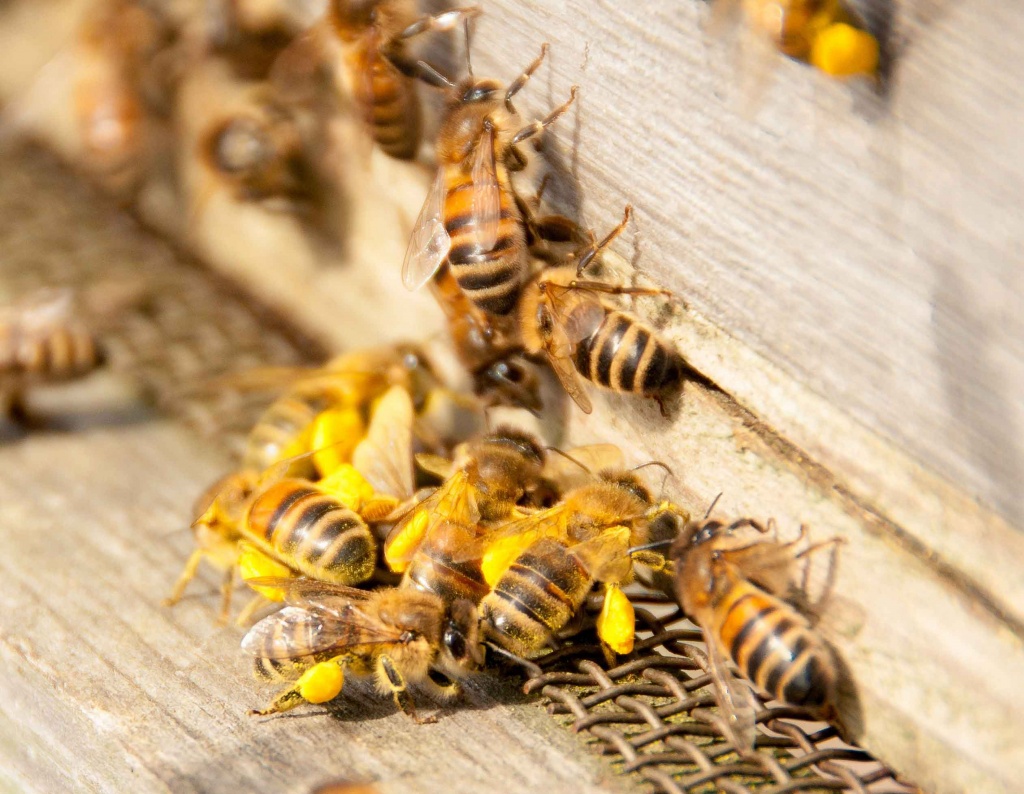
The main danger is associated with a possible allergic reaction: the bitten person may develop Quincke's edema and anaphylactic shock, and even die if they do not receive timely medical attention. Furthermore, a hornet can sting multiple times because, unlike a bee, it does not leave a stinger in the victim's skin. Children and animals may be more severely affected due to their smaller body weight, which means the venom will have a greater effect on them than on an adult. The venom of the Chinese and Japanese hornets is particularly potent and more often than others leads to death. If you are stung by a hornet, take an antihistamine (Cetrin, Suprastin, Tavegil, or something similar), and if the condition continues to worsen, be sure to consult a doctor. Apply something cold to the sting site, and if necessary, take the animal to a veterinarian. Hornets pose a particular danger to honey bees, destroying them and ruining their hives, so be on your guard if you are a beekeeper.
What can be done about hornets?
First and foremost, I'd advise simply not touching the hornets or disturbing their nests. However, if they've built their nests too close to yours, or even inside it, it makes sense to get rid of these dangerous insects. First, you need to identify the source of the danger—the nest itself. Active control should begin after dark, when the hornets' activity has noticeably decreased. Treat the nest with specialized insecticides according to the package instructions. However, beforehand, don't forget to take care of your own safety: wear clothing that will protect you from possible stings, preferably thick clothing, perhaps canvas. It's especially important to protect your hands and face: thick rubber gloves and a hat with a mosquito net are useful. It's also a good idea to wear a respirator to prevent the poisonous substance from entering your respiratory tract. If you're worried you won't be able to deal with the hornets yourself, or simply don't want to waste time on it, call a team of professionals—many specialized companies are now willing to relieve you of both the dangerous insects and the tedious struggle to deal with them, for a fee.
In principle, the interests of humans and hornets rarely overlap, so we can peacefully coexist with these insects. But if they do attack you or your bees, you should take action to protect yourself, your pets, and your home.