Ticks are arachnid insects, common and dangerous parasites. Birds, animals, and humans are susceptible to tick attacks. Science knows of over 60,000 species of ticks, differing in their lifestyle, feeding habits, and habitat.
Reproduction of ticks
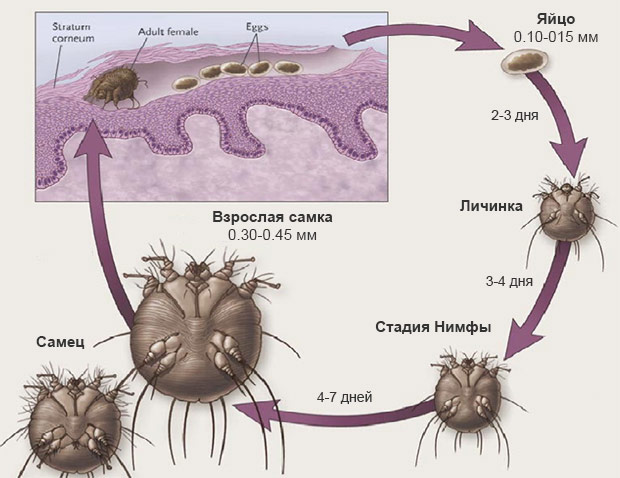
During their life, ticks go through several stages of development: egg, larva, nymph, and adult.
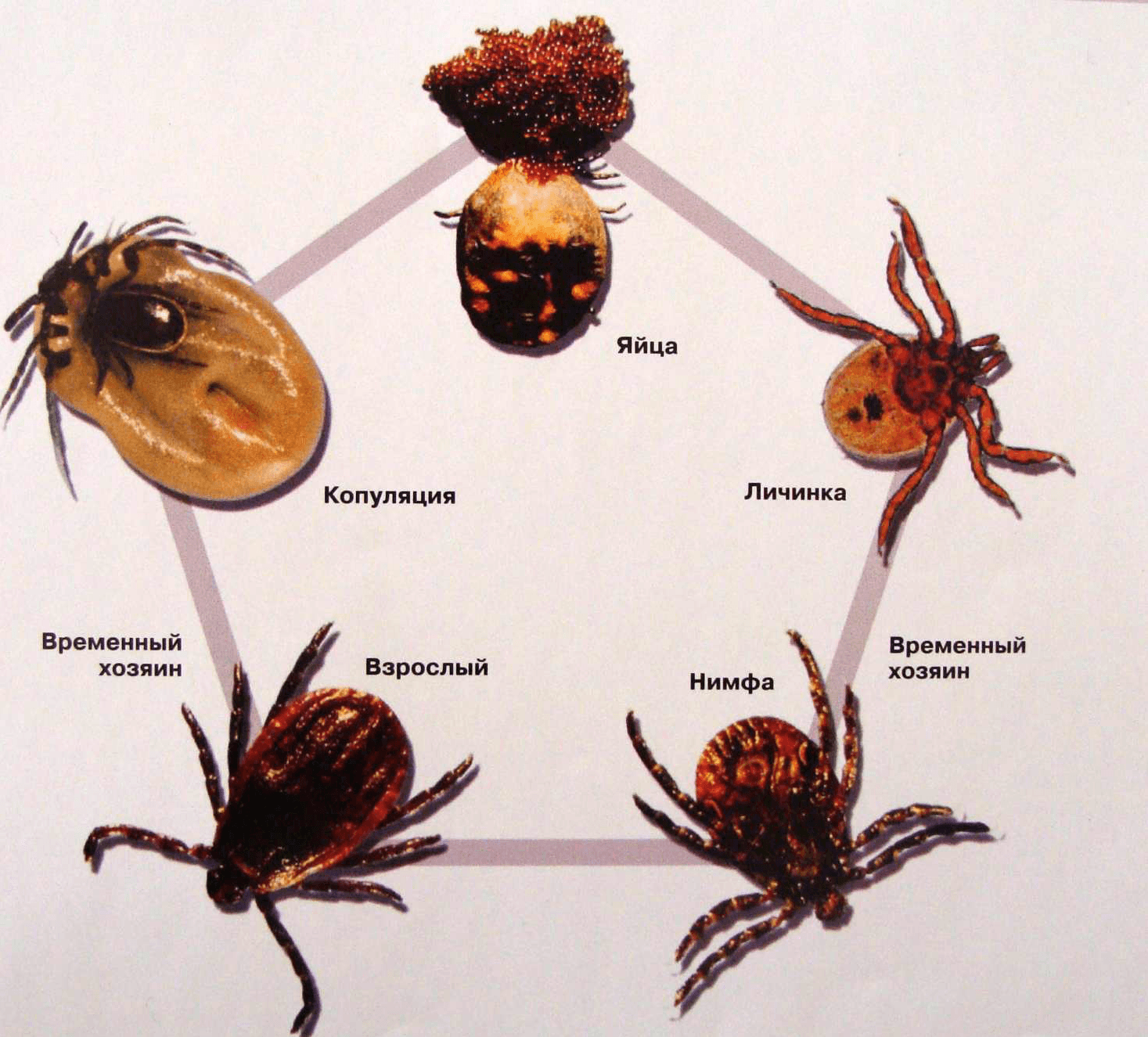
The development cycle of the taiga tick includes several stages with two periods of feeding on a “temporary host”, and ends with the mating of the male with the female (copulation).
A distinctive feature of ticks is that this type of parasite can live in different environments during one short life. Males have a relatively short lifespan. Once they reach sexual maturity and fertilize the female, they die. Females take on the role of caring for the offspring.
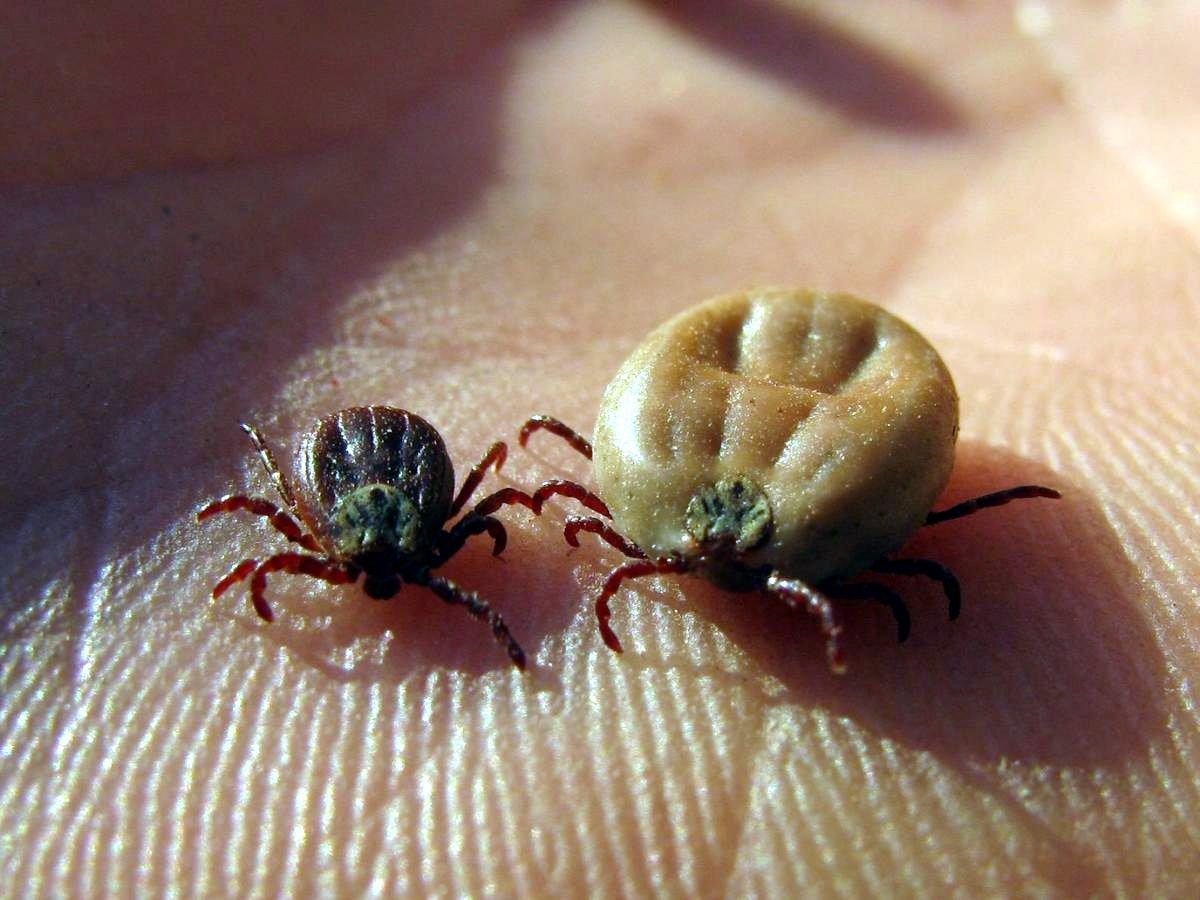
The male begins mating only with a well-fed female
Fertilization most often occurs on plants and the soil surface, as only one tick can inhabit a temporary host. The exception is larvae, which, after hatching, search en masse for a host.
Mating begins in early spring. The male leaves a spermatophore, a special capsule containing sperm, and the female absorbs it through the genital opening. After mating, the female begins searching for a food source again, as she needs to drink a lot of blood during this period. This lasts for about 10 days, and the blood she drinks helps in egg formation. After this, the tick falls off the host on its own.
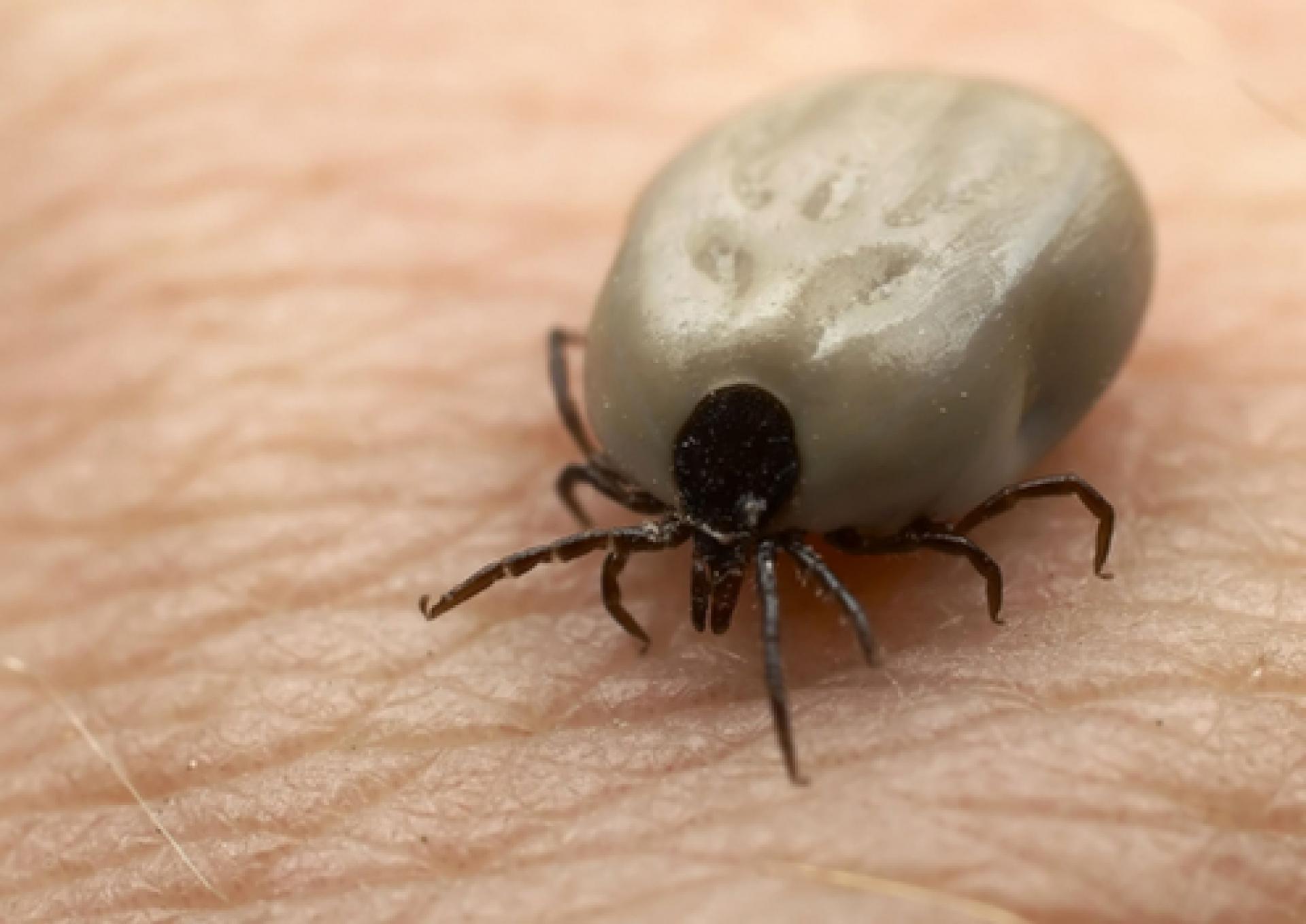
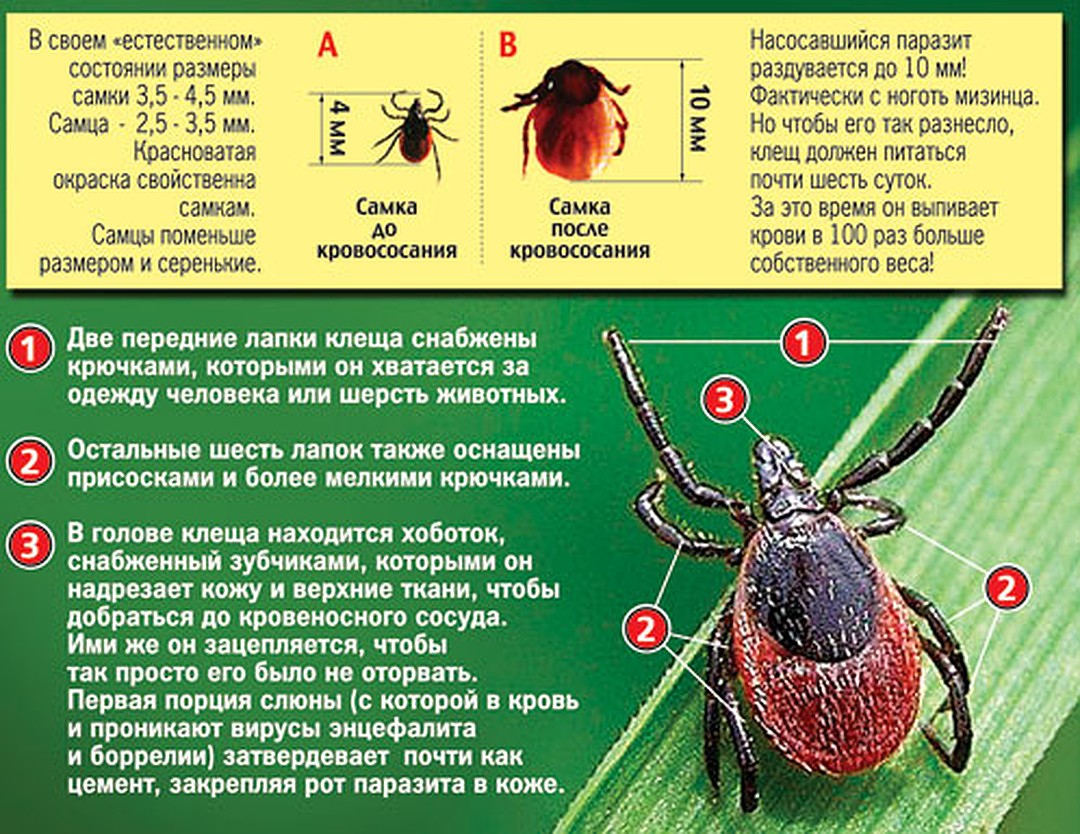
During feeding, the female ixodid tick increases in size.
Eggs are laid every 10–30 days, depending on external conditions, in close proximity to the future feeder, so that the new generation can feed and develop unhindered. Such places may include animal burrows, bird nests, pastures and areas where livestock is kept.
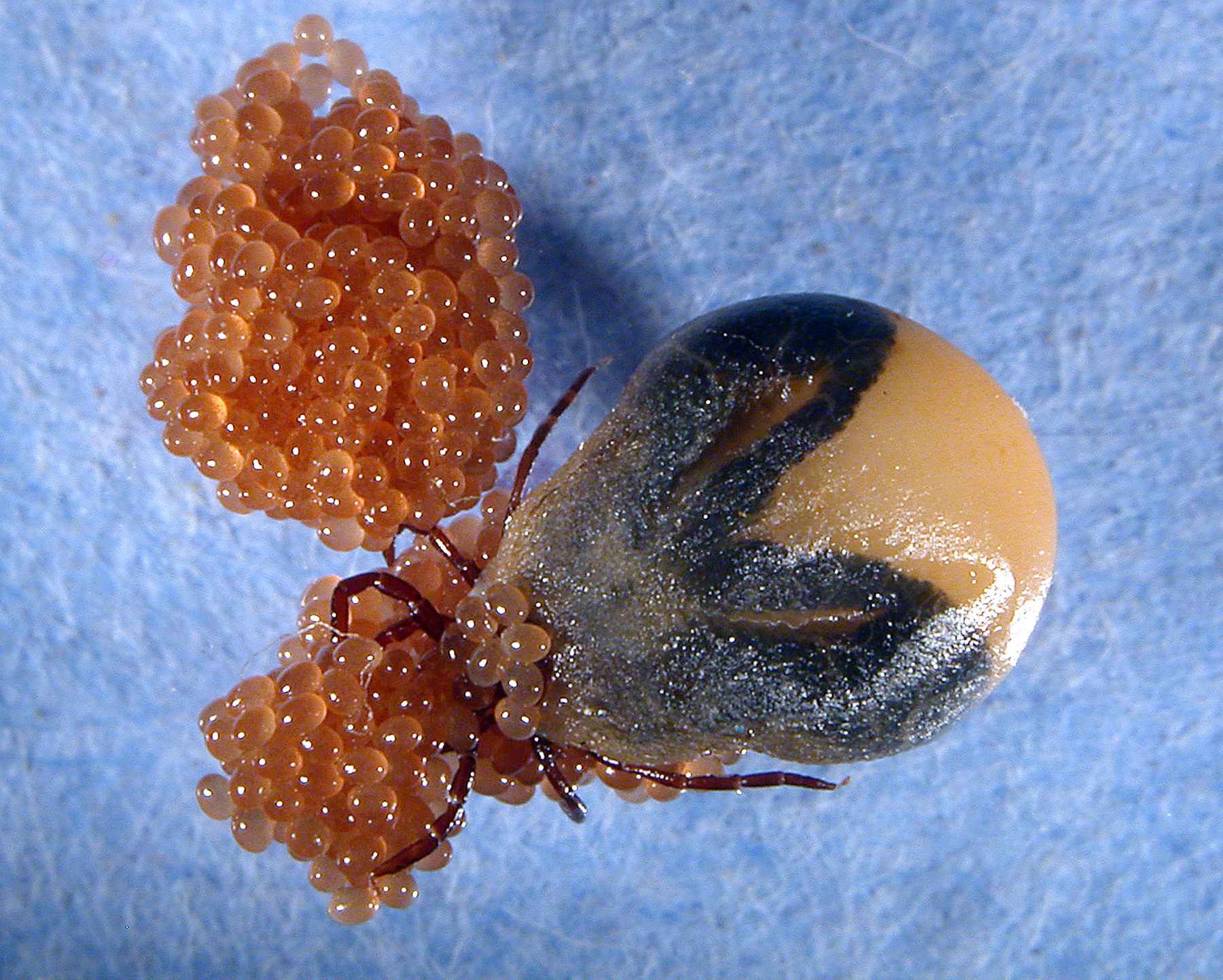
The larvae hatch from the laid eggs in 2–4 weeks.
Scabies and ear mites behave somewhat differently—these parasites lay eggs directly in the body of animals or humans. Fertility varies by species. Ixodid ticks lay the largest number of eggs – up to 17 thousand. This is because, due to unfavorable conditions, only a small number survive.
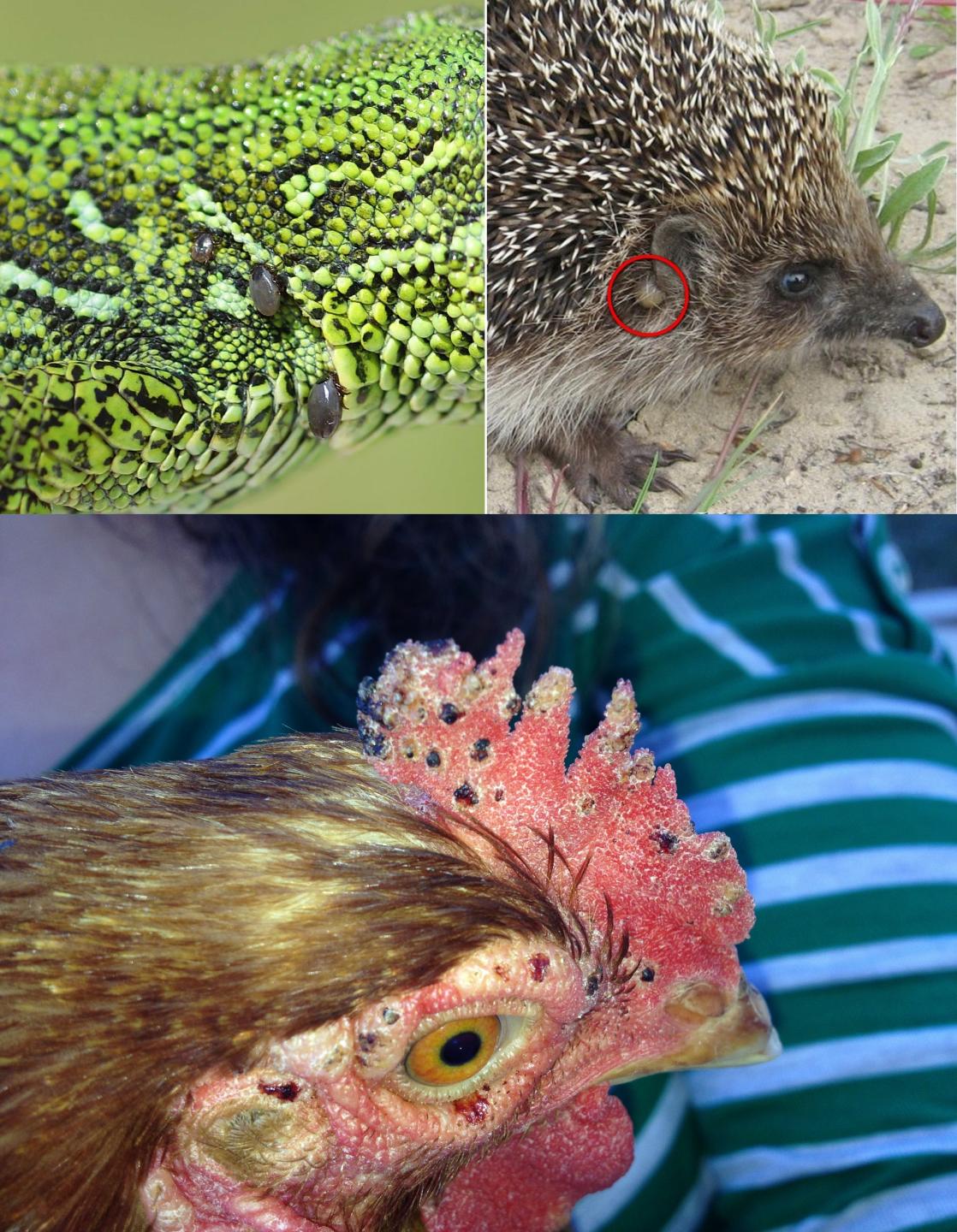
Ticks attach themselves to almost all living creatures in nature: reptiles, bees, mammals, birds and large horned animals.
According to food preferences, ticks are divided into single-host and multi-host:
- Monohost mites—they live and feed on only one host their entire life. For example, ear mites and scabies mites;

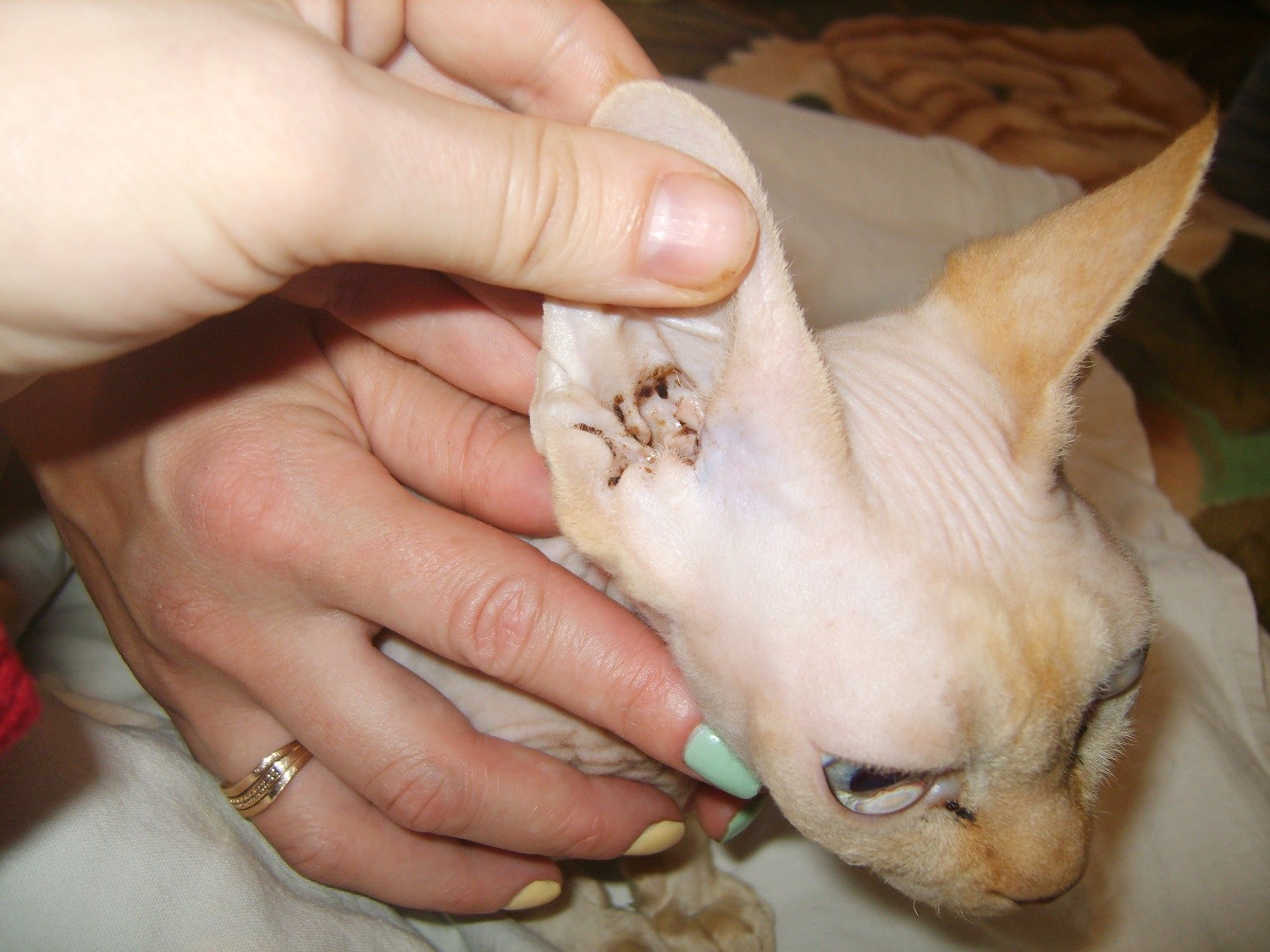
The cat ear mite lives on one host for its entire short life, leaving behind numerous offspring.
- Polyhost ticks change hosts at different stages of their life cycle. After hatching, the larva feeds on one host and then burrows into the soil. As a nymph, it finds a second host, then a third. Sometimes the maturation process of such a tick extends over several years if finding a new host is difficult. Humans are usually the final prey of the adults.
Video: How ticks lay eggs
What do ticks eat?
Contrary to popular belief, not all tick species feed on blood.
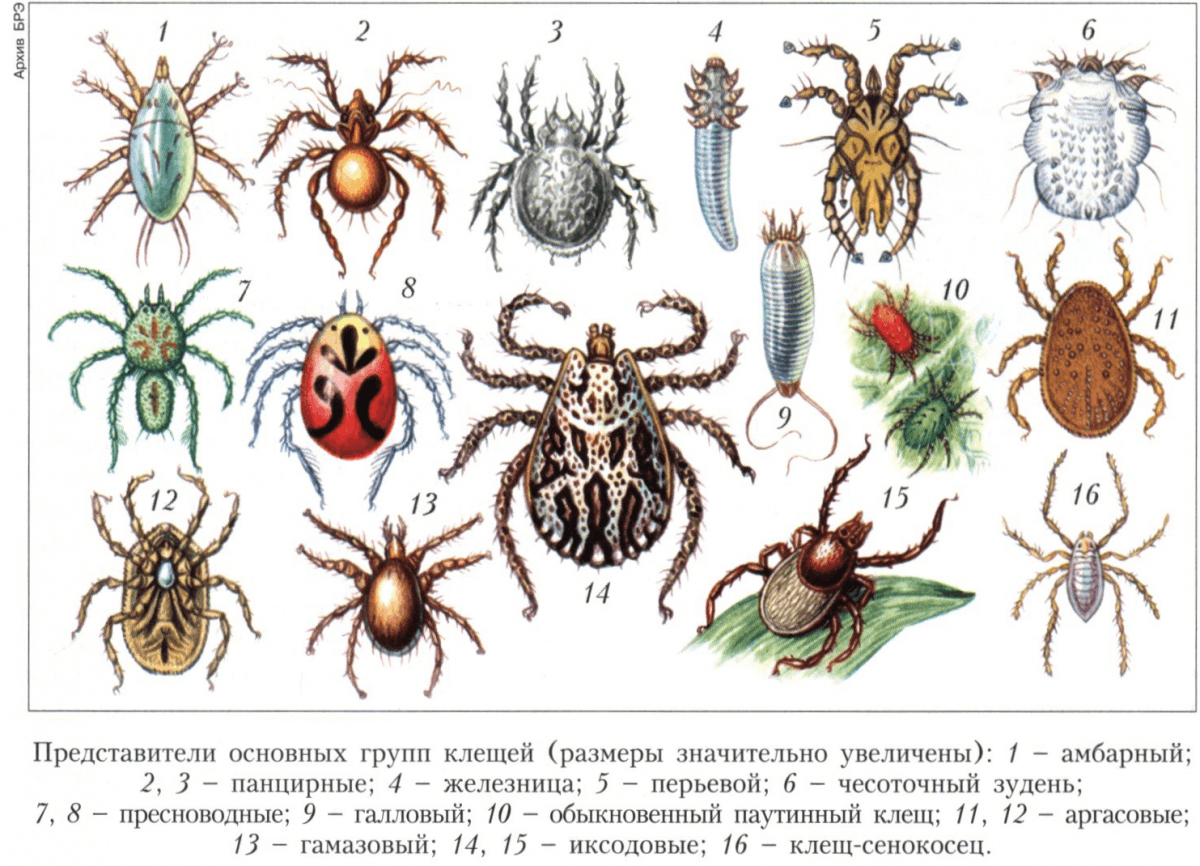
There are many species of ticks, so they are divided into several main groups: by structure and feeding method
Parasitic mites include:
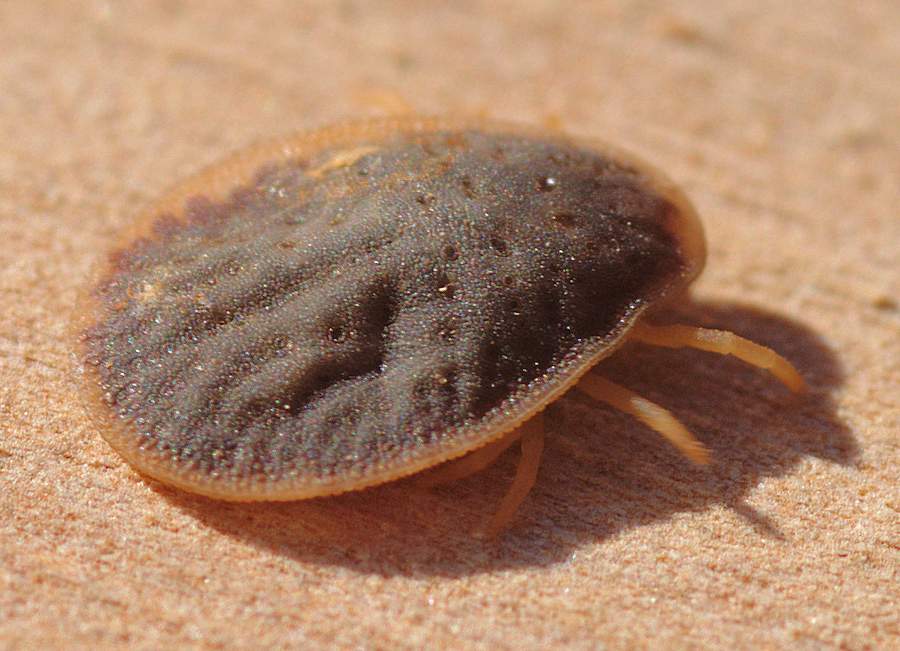
- Argasidae - have leathery covers with a gray, yellow-brown or purple color;
The argasid tick parasitizes domestic animals, birds and humans.
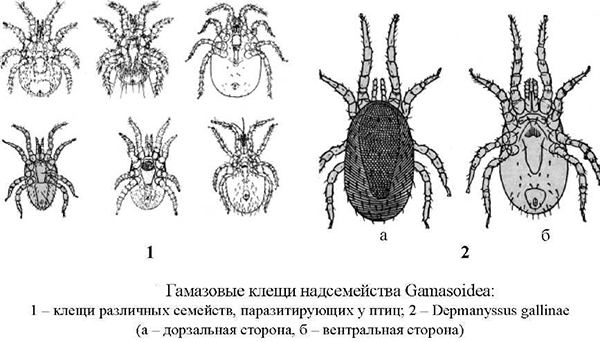
- gamasids;
Gamasid mites primarily feed on the blood of wild birds and domestic chickens.
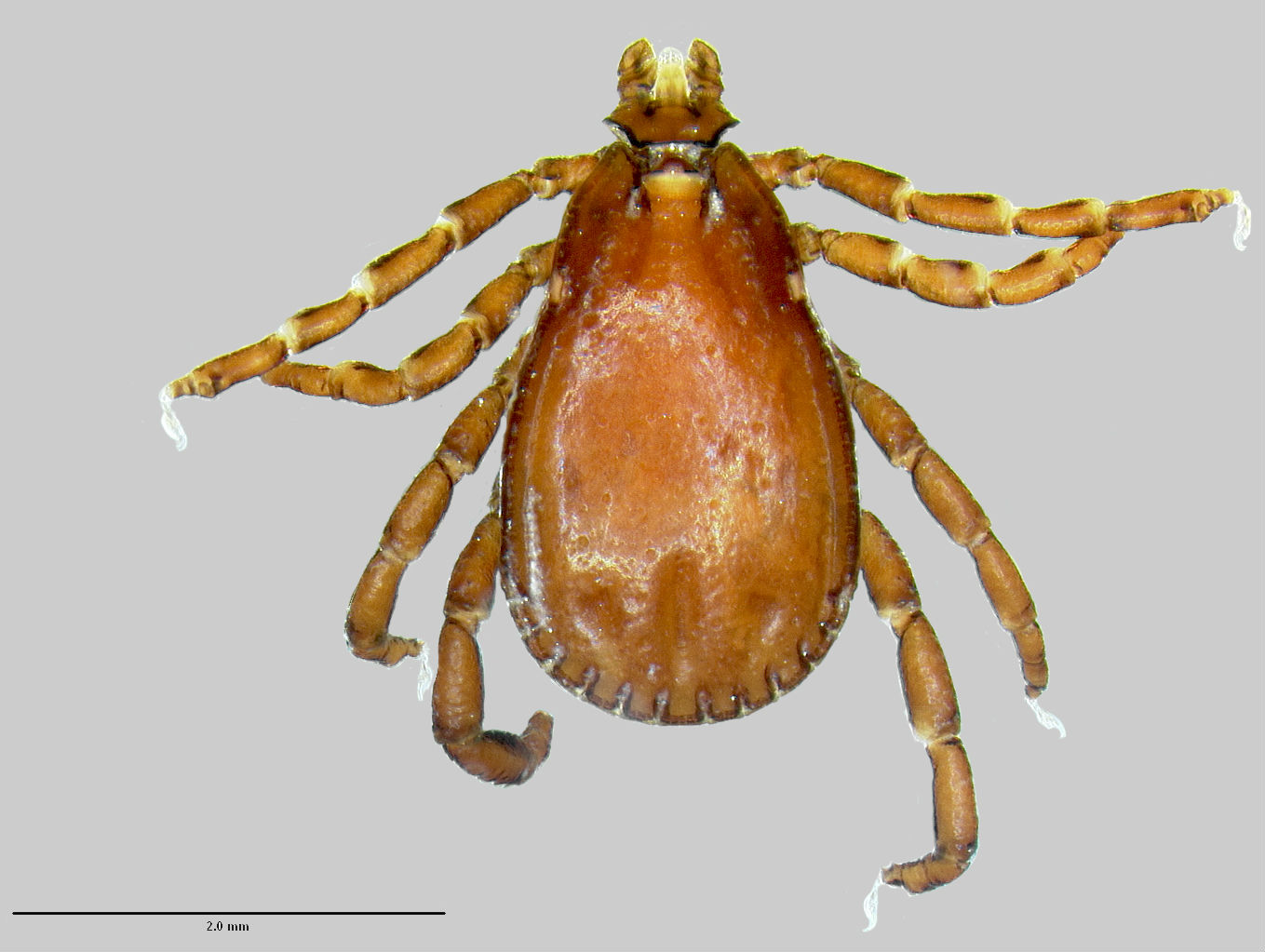
- Ixodid ticks (or pasture ticks) have hard skins. This type of tick can carry infectious diseases (such as encephalitis);
The Ixodid tick is considered the most common species in our forests and populated areas.
- Brown dog ticks are a type of ixodid tick, but with a brown color.
The brown dog tick is dangerous not only for dogs, but also for humans and other animals living nearby.
Other types of ticks that do not feed on blood can also infest the body. These include:
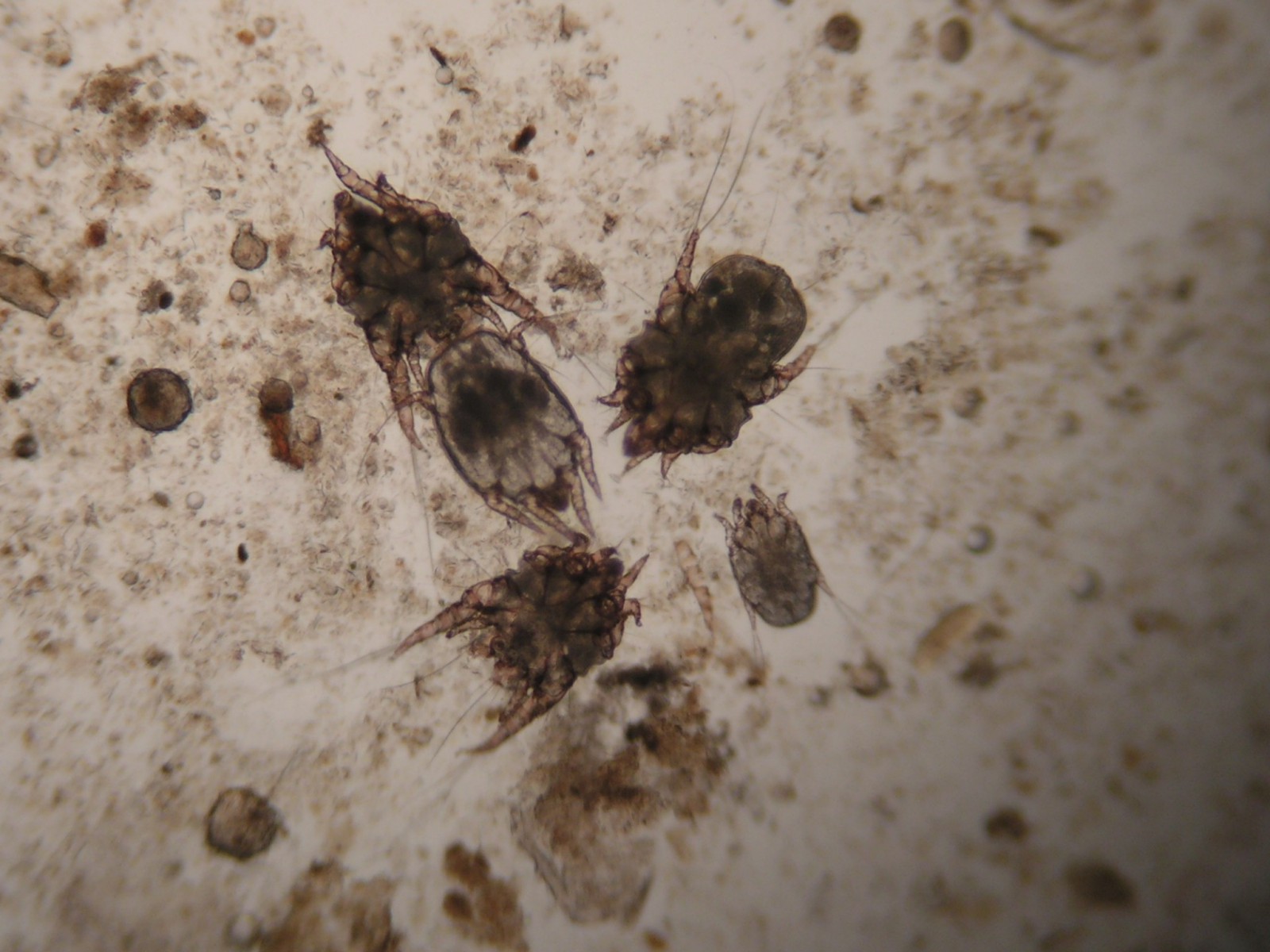
- Ear mites—they live in the ears of cats and dogs, feeding on sebum and wax. They also lay eggs there. They pose no threat to humans, but are dangerous to pets, as they can cause serious illnesses (otodectosis and notoedrosis).
Ear mites are light yellow in color and range in length from 0.2 to 0.7 mm.
- Scabies scabiei (Scabies) - lives in the human body, feeding on the stratum corneum of the skin and laying eggs in the stratum corneum. It lives for no more than a month, but lays 2-3 eggs per day, causing unbearable itching and pain. It invades areas of delicate skin: between the fingers, in the groin folds, elbows and armpits, and in the mammary glands.
The scabies mite causes severe harm to the human body, as its eggs develop into adult mites within 2 weeks, which also begin to reproduce.
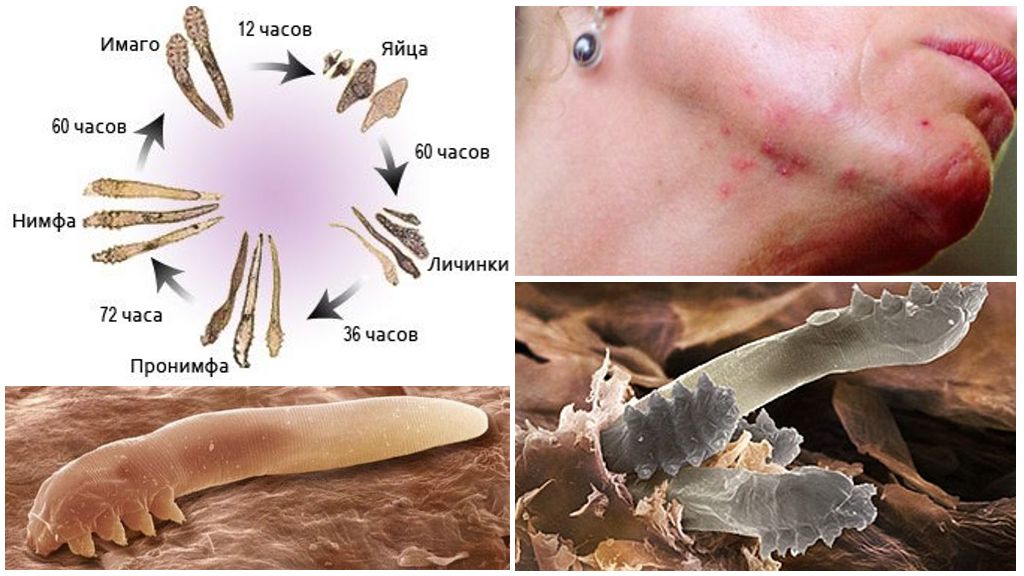
- Demodex mites (or Demodex) live in the sebaceous glands and around hair follicles in humans, feeding on the epidermis. When a person's general condition worsens, the mite burrows deep into the skin and can live there for several years. Short-skinned species of these mites feed on subcutaneous sebum (on the face, shoulders, and neck), while long-skinned species prefer hair follicles (on the scalp, eyelashes, eyebrows, etc.).
Subcutaneous mites choose the oiliest areas of the skin, since they have nothing to feed on under dry areas.
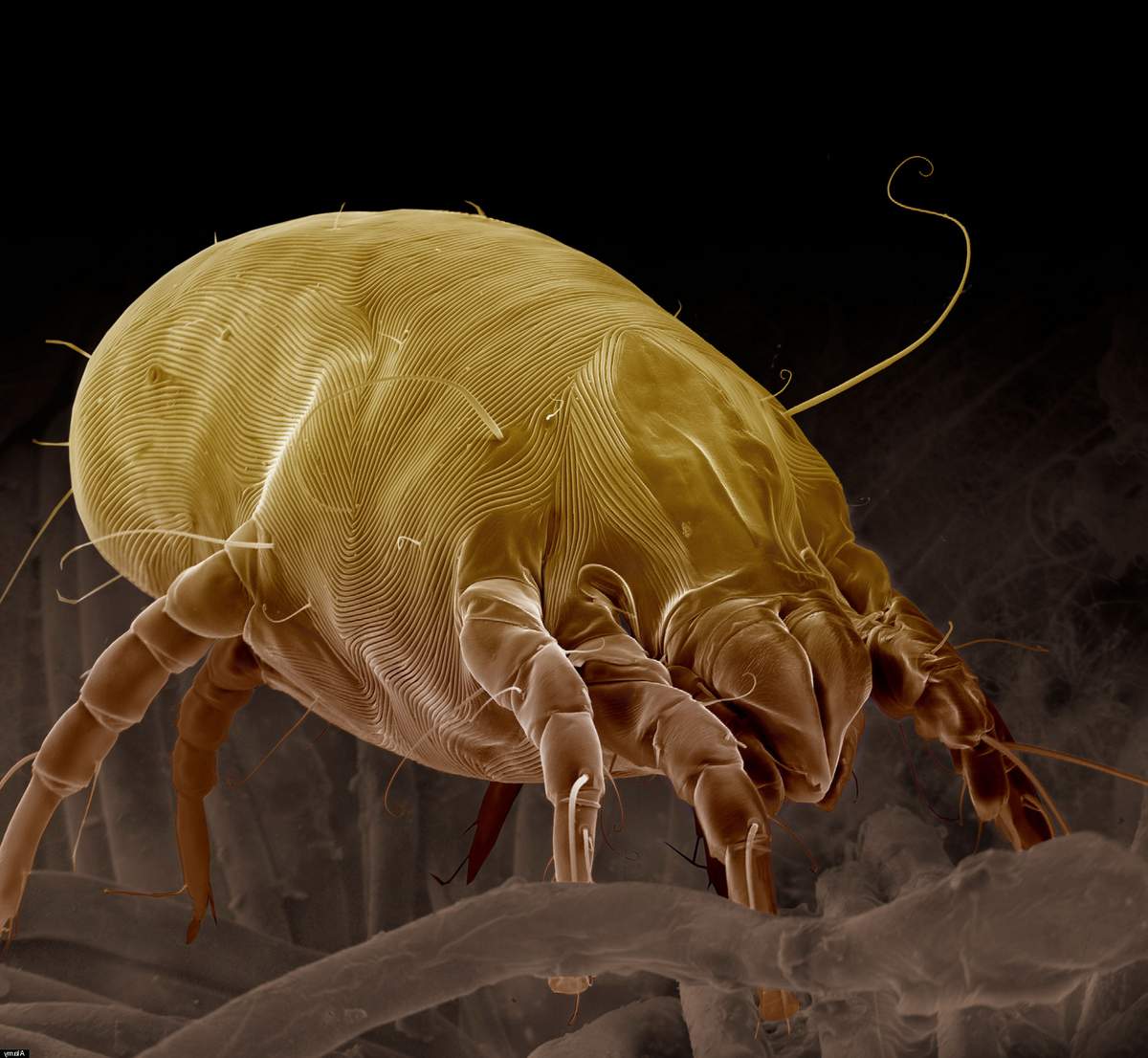
- The linen (or dust) moth lives in upholstered furniture, bedding, pillows, and books. It eats dead skin cells, so it doesn't bite or try to get on the human body.
A dust mite can cause an allergy in a person if the dust mite itself or its waste products enter the respiratory tract.
It is also worth paying attention to the types of ticks that do not pose a danger to animals and humans:
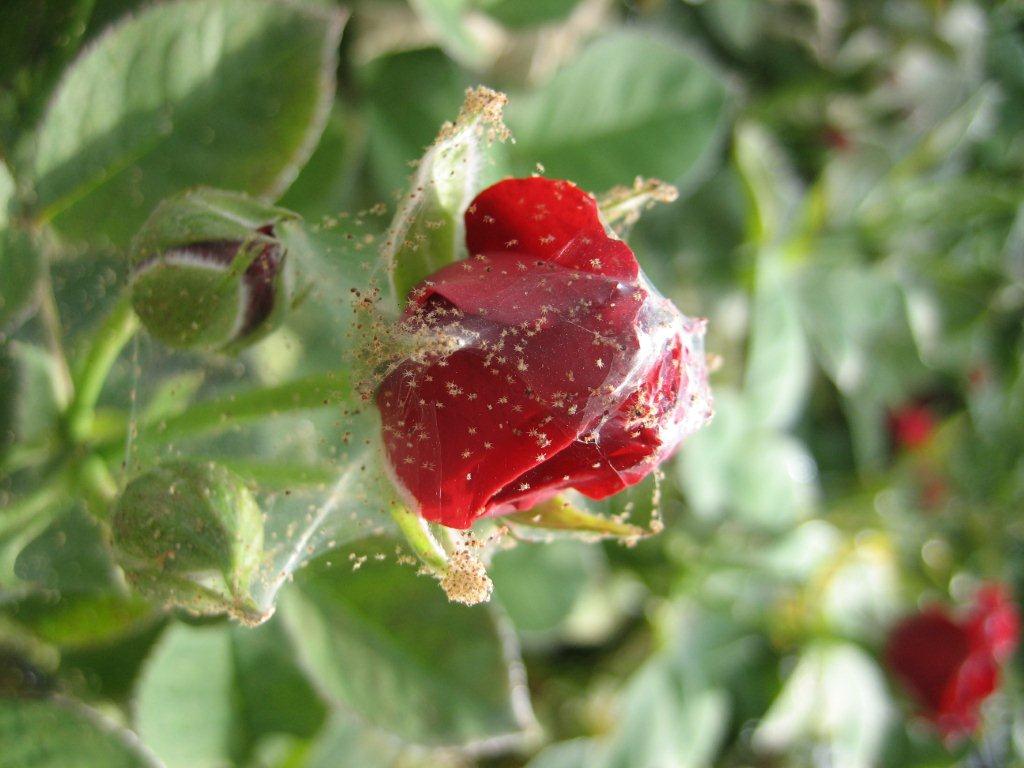
- The spider mite is a herbivorous mite. It feeds on the sap of the plants on which it lives and reproduces;
- Water worm - lives in bodies of stagnant water. Its prey includes mollusks and insects;
The legs of the water mite are covered with bristles and are used for swimming.
- granary - prefers solid plant food, found both in nature and in grain storage facilities;
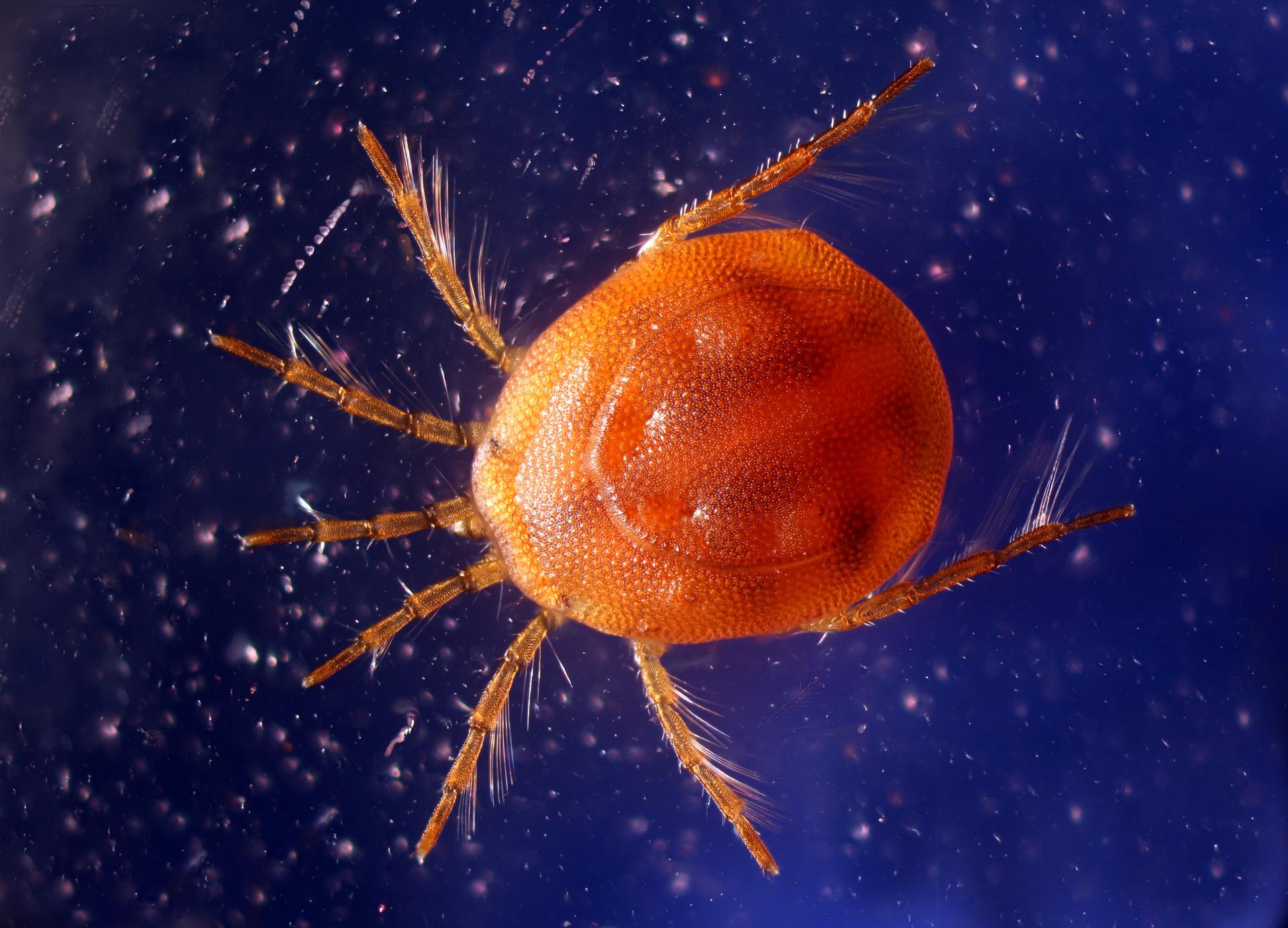
- armored - feeds on lichens, dead grass, mushrooms;
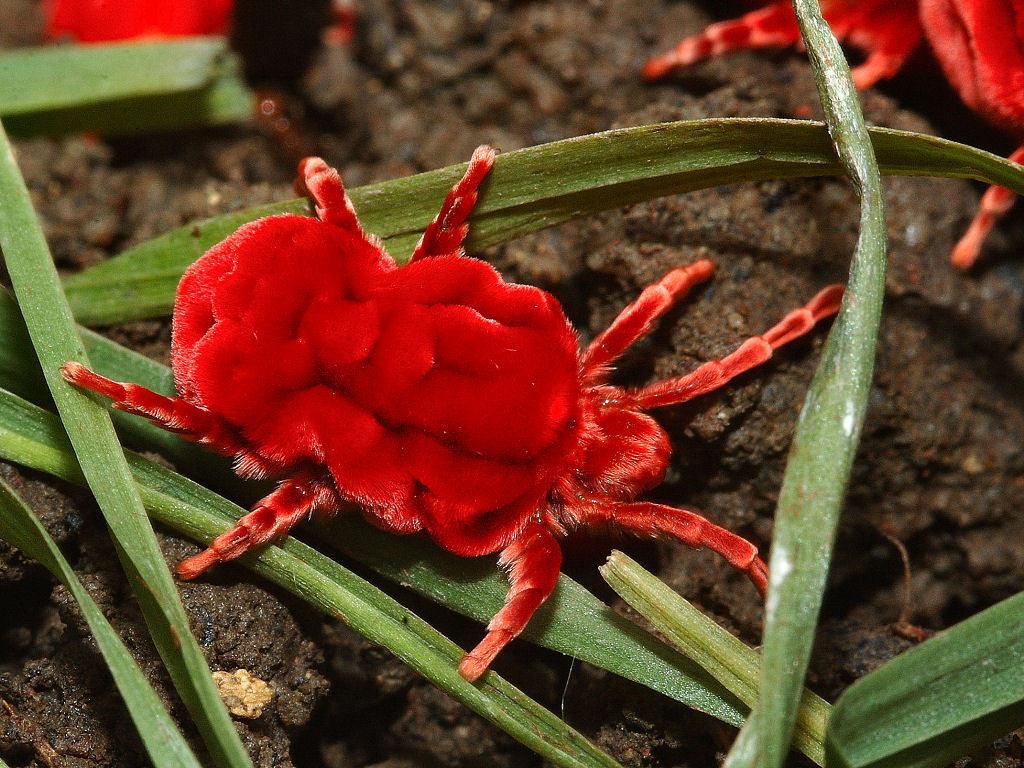
- The red mite (or velvet mite) is a predator, often used by people to destroy pests in the garden, as it feeds on other mites.
Velvet mites grow up to 3-5 mm in length
Video: The 5 Most Dangerous Ticks
Ticks follow a single cycle, aimed at increasing their offspring. This process is complex and fascinating. For the new generation to be strong and ready for development, females must be well-fed. But not all ticks are dangerous: many not only pose no threat to humans, but also do not feed on blood at all, preferring a plant-based diet.