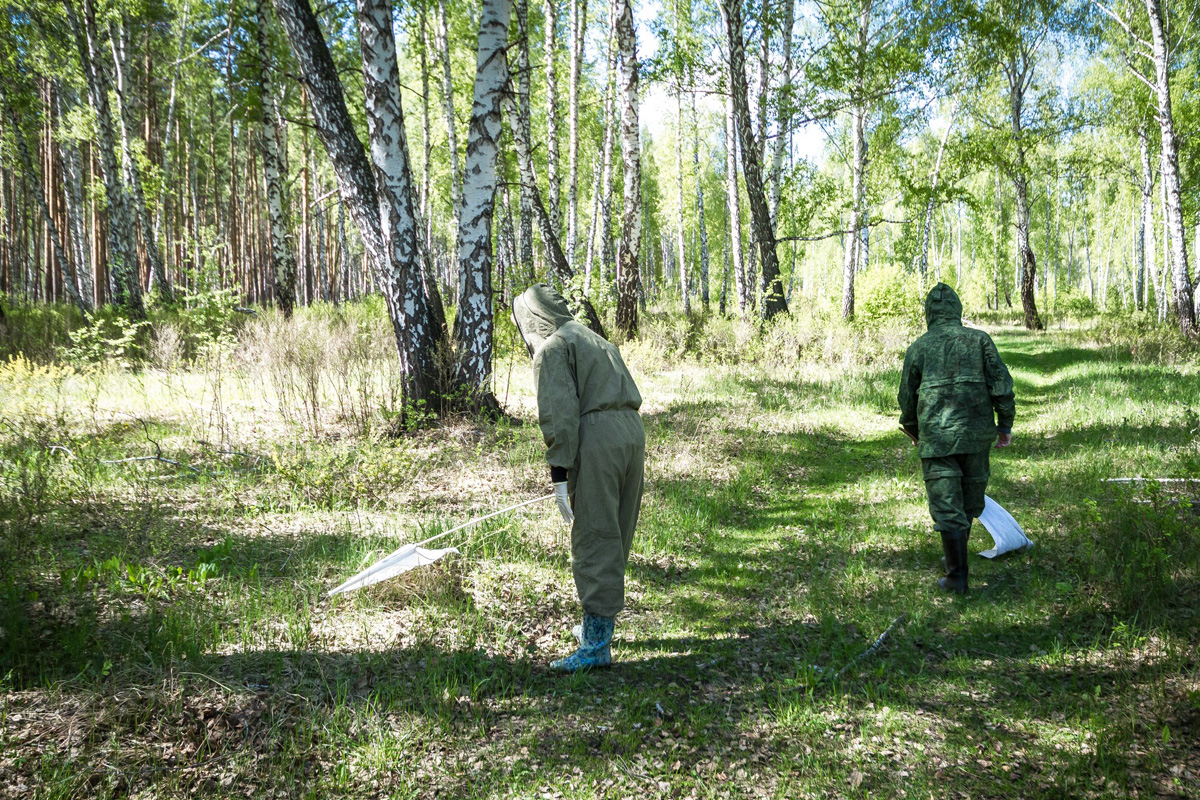
The notion that humans are the king of nature is comforting, but in practice, it's highly questionable. This is especially true for certain types of parasites, which constantly try to exploit them as a source of food and, sometimes, even a place to live. One such small pest is the tick. And even in today's developed metropolises, the threat of bites from these bloodsucking arachnids is quite significant. It's especially obvious for those who enjoy the outdoors and interact with our smaller brothers and sisters.
Peculiarities of tick movement
In order to protect yourself as much as possible from tick bites, it is necessary to know some of the characteristic features of these parasites, related to the peculiarities of their movement, which are determined by the structure of the pests' bodies.
- Ticks are wingless arachnids.
- Adults have four pairs of legs. Immature parasites have three.
- The lack of eyes is compensated by a well-developed sensory apparatus, which allows it to smell a food source from 10 meters away.
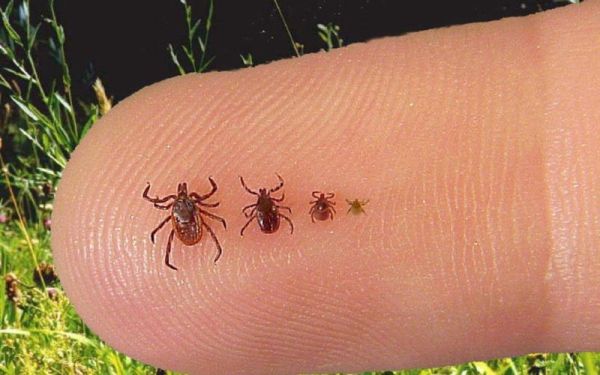
Ticks can sense the approach of a victim from 10 meters away.
In this regard, ticks:
- They only crawl, and slowly at that, they cannot fly or jump - they crawl no more than 10 meters in their life;
- can climb to a height of no more than one meter;
- They cling to blades of grass, bushes, and skin with their hind legs, and stretch their front legs forward in anticipation of prey;
- They cling especially well to the hair on men's legs and children's heads (with the exception of those types of parasites that are transmitted through direct contact with infected areas of skin), but they do not linger on smooth synthetic fabrics.

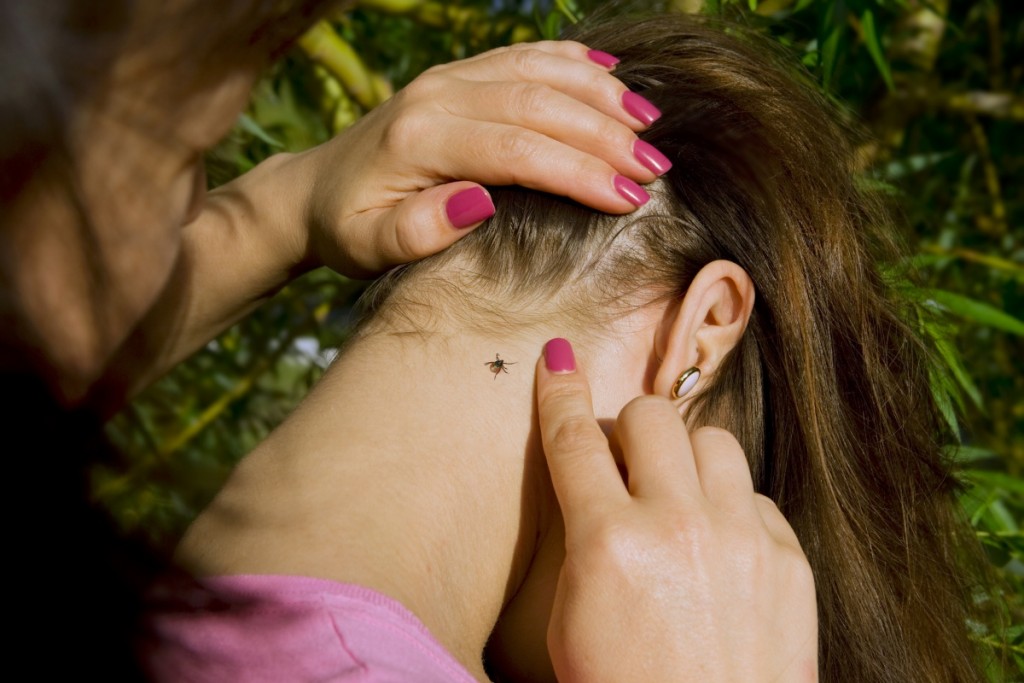
Ticks can move around the body for quite a long time in search of a secluded place to bite.
Where do parasites live?
Since ticks need a support to cling to, they are never encountered:
- in the fields;
- in a tall forest where there is no undergrowth;
- in clearings without bushes or forests.
But parasites live in abundance:
- in the bushes;
- in the grass;
- along the edge of the forest;
- on animals.

After walking in nature or coming into contact with pets, be sure to inspect your body and clothing for ticks.
Video: Ticks attack
How do ticks get onto humans?
The method of infection in humans is determined by the type of parasite.
This is interesting. Without blood, pests can survive from 1 month to 3 years, depending on the species. This means the risk of infection remains even if the parasite latches onto clothing.
Table: How and where a person is at risk of tick bites
| View | Description | Where do they live? | Peculiarities of human exposure |
| Ixodid | They can be up to 2.5 cm in length, their body is covered with chitinous plates, they can feed on the blood of their victim for up to 3 weeks, and the female lays about 17 thousand eggs per season. | In temperate latitudes, they live on bushes and tree foliage. They feed on forest and domestic animals. | They crawl onto people from animals or from grass and bushes. |
| Argasidae | Soft body with a head recessed into the body. | They live in cracks in buildings, feed on birds, and are especially common in chicken coops. | They crawl from chickens and from the walls of houses. Bites cause a profuse rash around the wound. |
| Armored | Black or dark brown body up to 1.5 mm long. | They live in the soil (there can be up to several hundred thousand oribatid mites per square meter), sometimes on trees. | They feed on decaying plant matter, lichens, and carrion. They enter the bodies of herbivores and humans through food. They carry various types of worms. |
| Gamasids | Size up to 1 mm, live about 6-7 months. | They inhabit bird nests and chicken coops, causing feather loss and severe skin itching. They often nest in rodent burrows. | They only crawl onto humans when the population grows significantly. |
| Subcutaneous | The translucent body is up to 0.4 mm long. A female lays up to 120,000 eggs during her 2.5–3 months of sexual maturity. | They live on animals and humans for several years, feeding on dead cells. | Infection occurs through contact between hair or facial skin and an infected animal or person. Bites cause severe irritation. |
| Scabies | They have an oval body, reminiscent of a turtle, up to 0.4 mm in length. They feed on epidermal secretions, making microscopic burrows in the skin. They live up to 1.5 months. | They feed on the blood of animals and humans. | They are transmitted through direct contact with an infected person or through the use of shared personal hygiene items. |
| Pasture | The body is dark gray, light orange, or olive in color, approximately 6 mm in size, but after the individual has fed on blood, it can increase in size to 2 cm. They live in the southern regions of Russia, the Transcaucasus, Central Asia, Kazakhstan, and Western Siberia. | They live in forests and forest-steppe. | They are transmitted through contact with plants and animals. They can be sources of tick-borne encephalitis, plague, various types of fever, and brucellosis. |
| Dust (linen, bedding) | Measuring up to 0.5 mm in size, their bodies are water-repellent, so they cannot be washed off with soap alone. The suction cups on their feet make vacuuming the pests a chore. | They feed on exfoliated skin particles, dust, fluff, and feathers. They live in linens and furniture. | They do not bite humans, but can be a source of allergies and asthma exacerbations. |
| Brown dogs | Brown-red body, 2 to 5 mm long. | They parasitize dogs. They live in suburban areas, pastures, parks, and squares. | They crawl from bushes, grass or animals. |
This is interesting. The five remaining species of the most common mites—ear mites (live in the ears of cats and dogs), spider mites (harm houseplants), water mites (feed on aquatic insects and mollusks), predatory mites (eat their own kind, used to control spider mites), and barn mites (consume flour and grain and contaminate produce with their waste)—pose no immediate threat to humans.
Photo gallery: the most common types of ticks
-
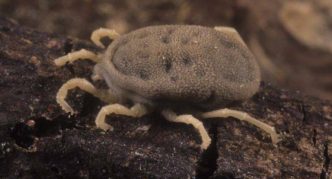
- Agra mites live in cracks in utility rooms, from where they crawl onto animals and humans.
-
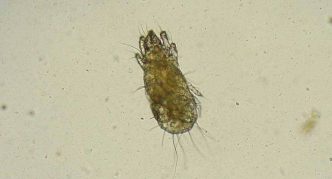
- Granary mites contaminate food products with their waste.
-
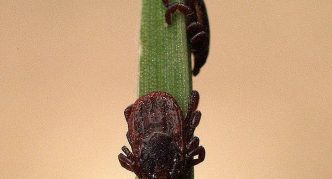
- Frequent visitors to squares, parks and summer cottage areas
-
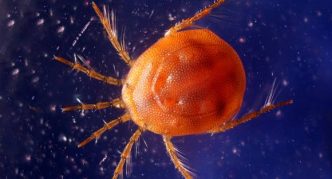
- Parasitizes marine life
-
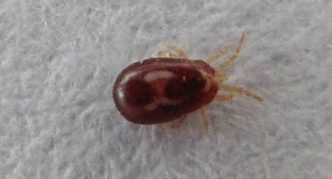
- Gamasid mites have toxic saliva.
-
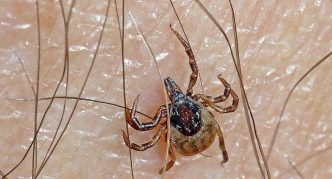
- One of the largest species is the ixodid tick.
-
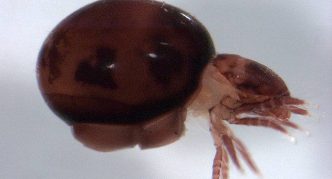
- Oriflammea mites enter the body through food.
-
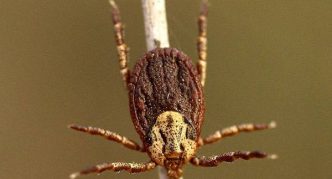
- The pasture tick is a carrier of diseases dangerous to humans and animals.
-
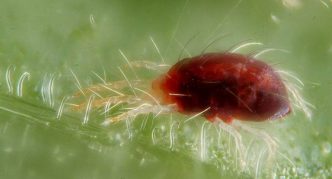
- Spider mites suck the sap from plants and transmit a dangerous disease, gray mold, which causes the death of flowers.
-
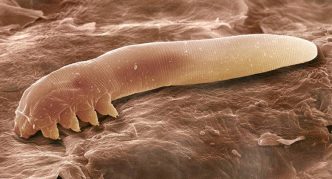
- The subcutaneous mite can live on the body for several years.
-
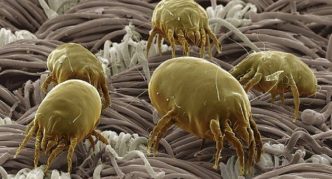
- The presence of dust mites in a home is not determined by the level of cleanliness of the premises.
-
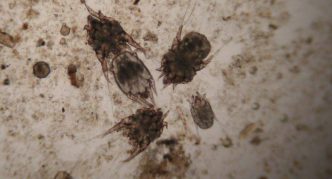
- Ear mites are not dangerous for humans, but they cause severe itching and inflammation in animals.
-
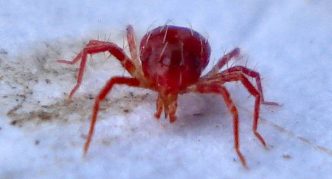
- Predatory mites are sometimes deliberately released into greenhouses to control spider mites.
-
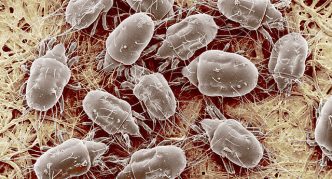
- Scabies is a dangerous disease with a long incubation period.
Video: How a tick gets onto the body
Although ticks, regardless of species, only crawl, there are plenty of ways for humans to become infected: in nature, through contact with pets, and through food. Therefore, it's crucial to carefully examine your body and not ignore any discomfort caused by arachnid bites. And, of course, be sure to use repellents before entering forests or wooded areas.