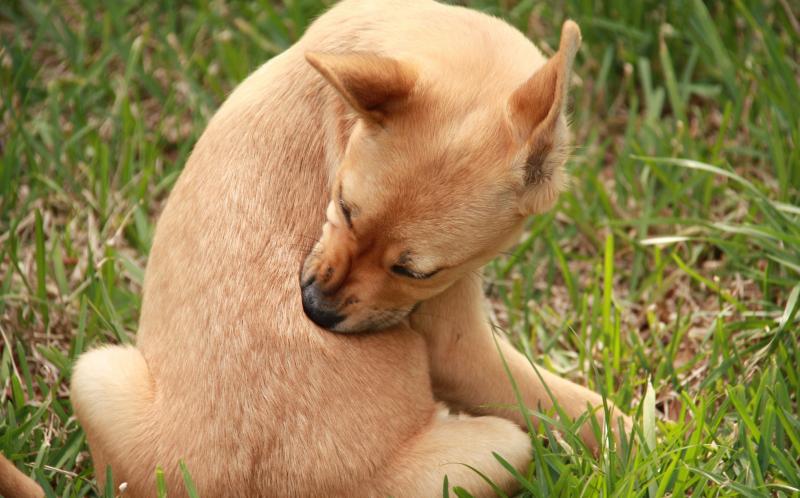
Since ancient times, fleas have been of great interest to the scientific community and creative people. They have been immortalized in paintings, collected, and even shoed. But beyond the romanticism, fleas are dangerous bloodsucking insects, and their presence is not good.
Content
Getting to Know the Ground Flea
These insects feed primarily on the blood of warm-blooded animals. As carriers of deadly diseases, they have earned a bad reputation. The very term "ground flea" has become somewhat confusing. It's a collective term for parasites of various species—rats, mice, dogs, and others. It largely describes their location.
The basement flea and the house flea are also collective terms.
The true species of flea beetles has nothing to do with biting or causing injury: they are herbivorous beetles of the leaf beetle family. They share similar characteristics—small size and the ability to jump. It's nearly impossible to distinguish a herbivorous beetle from a predatory one with the naked eye, especially since leaf beetles can also enter homes.
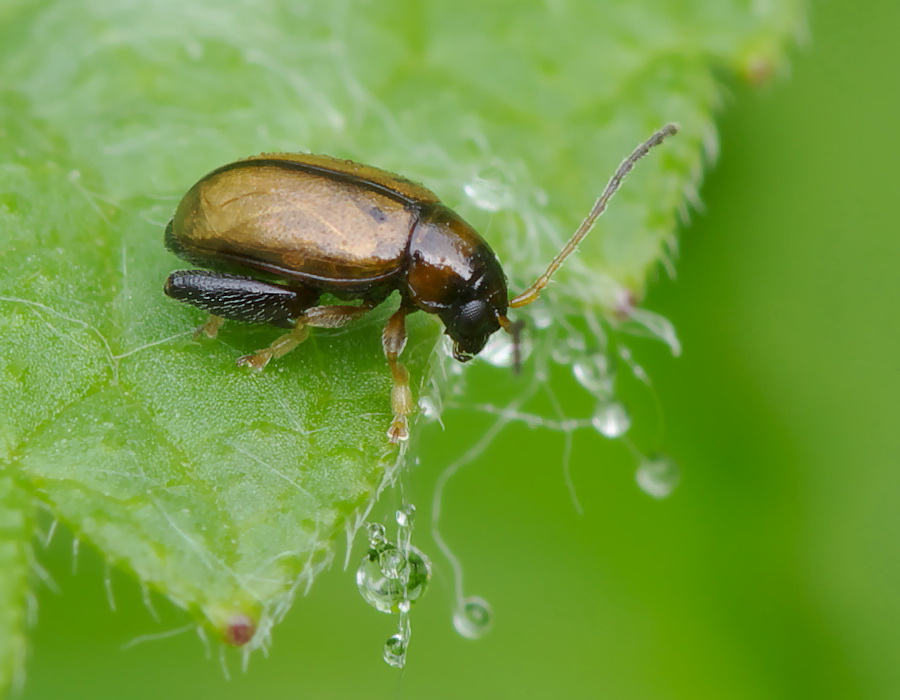
Leaf beetles are harmful destroyers of garden and vegetable crops.
Sand fleas, found exclusively in the tropics, are also called earth fleas. This is an extremely unpleasant and dangerous species, the females of which burrow into the upper layer of the skin.
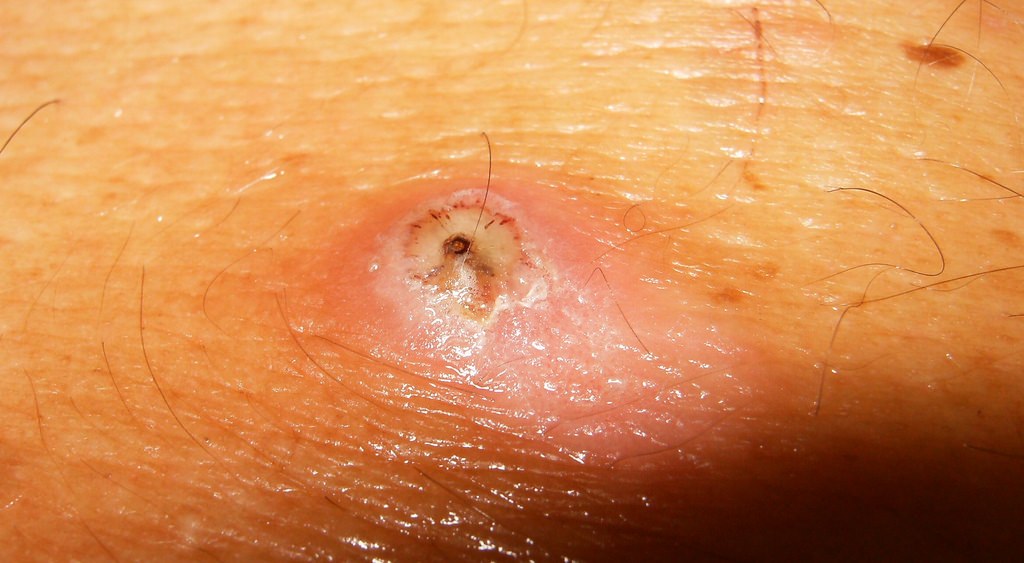
Sand fleas are often classified as ground fleas.
Biting domestic ground fleas include:
- cat's;
- dog;
- southern rat;
- human.
Due to their small size, it is impossible for a non-specialist to distinguish between them: their virtually identical body structure, size, and versatility in diet (different species can live on the same animal at the same time) also add to the confusion.
Photo gallery: biting ground fleas
-
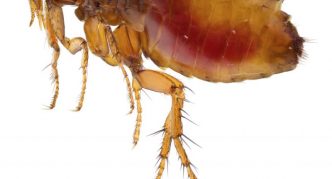
- The human flea is a relatively large representative of the order (up to 3.2 mm)
-
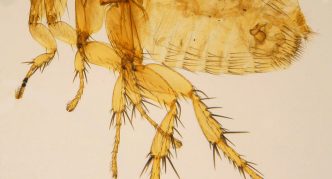
- The southern rat flea is the most dangerous species, a carrier of plague and tapeworms.
-
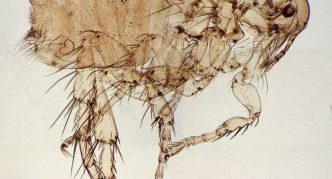
- The dog flea is identical in size to the cat flea (0.75–0.5 mm) and also tends to be versatile in its diet, but is more common in dogs.
-
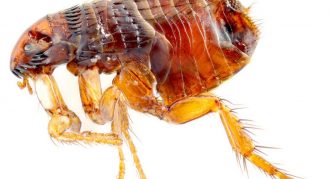
- The cat flea is one of the most jumping species and attacks more often than others.
Where do ground fleas live?
These parasites are found on every continent. They settle near food sources—warm-blooded animals and humans. Their habitat is the upper layers of soil. Once they enter homes, they settle in pet bedding, carpets, floors, under baseboards, upholstered furniture, wall cracks, and even children's stuffed toys. The larvae especially prefer warm, dark, and humid areas.
Morphology of insects
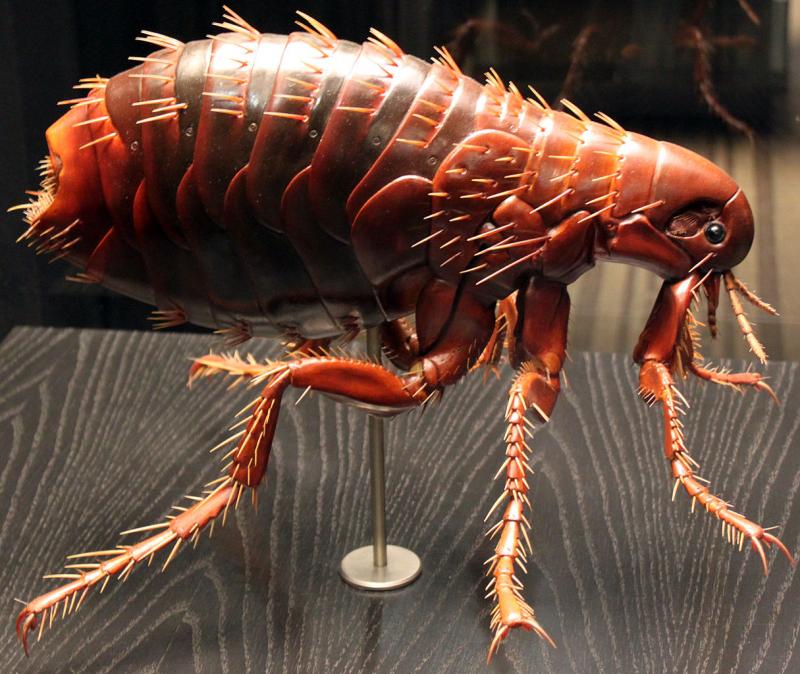
The centuries-old parasitic lifestyle has influenced the formation of fleas. The body, strongly flattened on the sides, helps it move easily along the host's fur, and the strong chitinous shell reliably protects against mechanical damage. Their coloration is predominantly camouflage—from reddish and light brown to coffee-colored and almost black. They are characterized by three pairs of legs, each ending in sharp, forked claws. Their jumping ability is provided by flexible, powerful limbs, a pectoral shield (which contracts before jumping to act as a catapult), and numerous needle-like appendages located on their body.
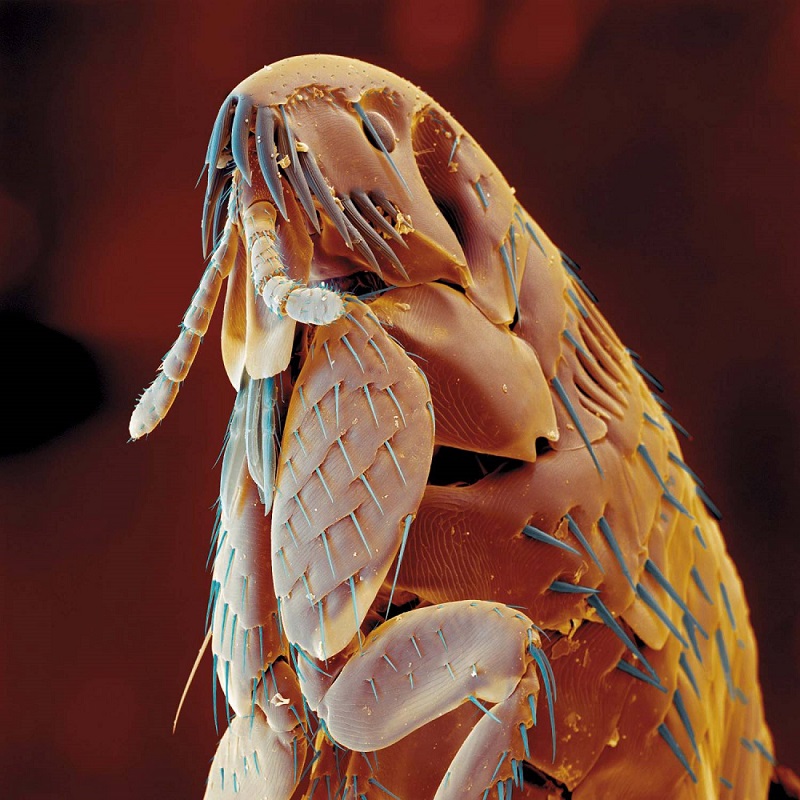
The flea has a piercing-sucking mouth apparatus
A flea's stomach is highly distensible. It takes 20 minutes to satiate itself and 5-6 hours to digest blood. A special sensory organ, the pygidium, is located in the lateral part of the abdomen. Lifespan varies depending on environmental conditions, ranging from 1 month to 3 years. Mating in fleas is a lengthy (several hours) and complex process, requiring both fleas to be well-fed. The female lays eggs in batches of up to 10 at a time, and under favorable conditions, she lays them several times a day.
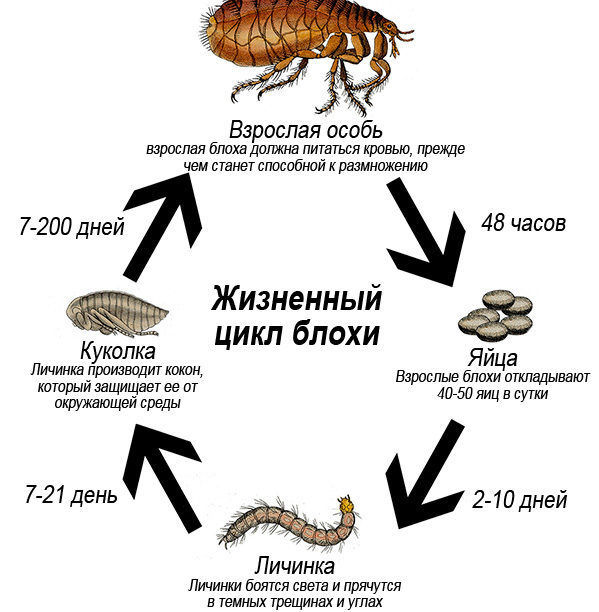
Fleas are insects with a complete metamorphosis cycle.
Reasons why fleas appear in the house
People usually recognize an infestation in their home by the characteristic, painful bites, and immediately wonder where the fleas are coming from. Neither the owners' cleanliness nor living in a large apartment building guarantees protection. The parasites often enter a home on a person's shoes or clothing, through an open window, or from neighbors. The main sources of infestation are:
- garden plot;
- dirty basement;
- infected pets;
- rodents;
- things bought second-hand.
Flea bites: what they look like, why they are dangerous, and treatment
Unlike other blood-sucking human ectoparasites—ticks or bedbugs—it's impossible to miss contact with a flea. Every break in the skin is accompanied by a sharp, burning pain, akin to a prick. Fleas don't care about the comfort of their host. They aren't afraid to be discovered, as catching and killing an insect with bare hands is no easy task.
The only way to mechanically destroy a flea is to press it with your finger to a hard surface and crush it.
The parasite's favorite attack sites are the legs, from the feet to the knees. The first squirt of saliva injects anticoagulants—substances that prevent blood clotting—and a stream of blood gushes into the parasite. Defecation occurs as it feeds. At the site of the bite, a small bump with a hole forms, which, if damaged, causes inflammation and suppuration: therefore, it is recommended to refrain from scratching. Upon closer examination of the affected area, bloody crusts and possibly slight bleeding are visible. Another clue that the bites were caused by flea bites is the presence of multiple punctures in a small area of skin.
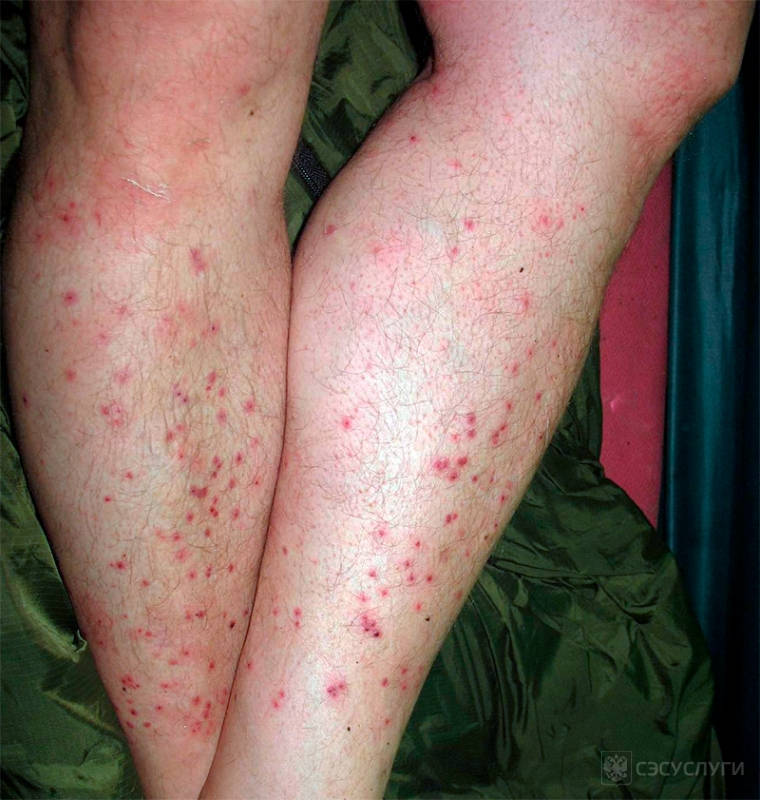
Characteristic flea bites are small red bumps with bloody crusts.
The dangers of flea bites
The damage caused to the body is directly proportional to the number of attacks. While two or three bites may only cause local discomfort, a series of attacks will not go unnoticed. After all, fleas carry deadly diseases and various helminthic infestations. They themselves cause:
- Pulicosis is a dermatological disease characterized by deep lesions of the skin, lymphatic and nervous systems; the area of the bite itches, swells and hardens, and ulcers appear on the mucous membranes;

The name pulicosis comes from the Latin Pulex irritans (human flea)
- Tungiasis (sarcopsillosis) - its causative agent - the sand flea - penetrates under the skin and attaches itself to a blood vessel, and at the site of attachment a large infiltrate forms, which becomes a source of excruciating itching and pain, the affected area begins to peel, swells greatly, and turns red.
In Uganda in 2010, a sarcopsillosis epidemic affected 20,000 people, 20 of whom died.
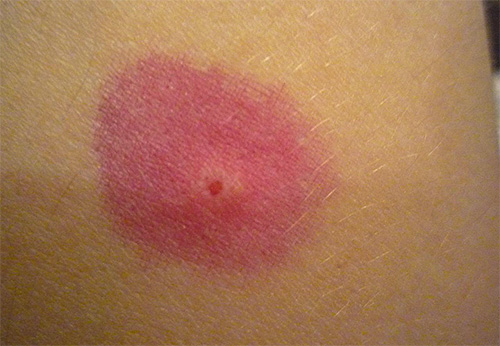
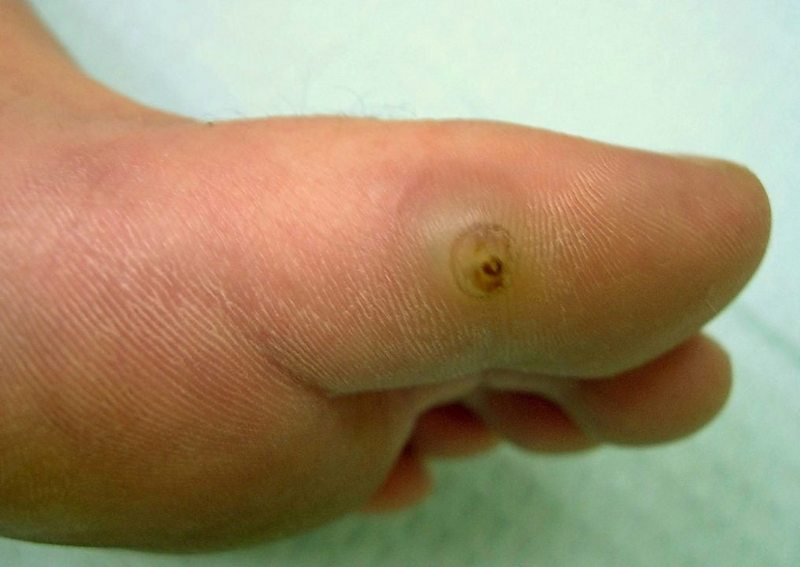
Scratching the bite sites can lead to secondary infections. Insects are often the source of allergic reactions. Fleas pose a particular danger to children, who are more susceptible to complications.
Video: Flea attack on children
Allergy
This is an atypical immune system response caused by contact with insect saliva. People with reduced sensitivity to flea secretions do not experience any signs of general deterioration in health. A burning sensation and itching occur at the puncture site, and a papule (an intradermal nodule) develops. Typical reactions include swelling and slight redness. Healing occurs within 2–3 days.
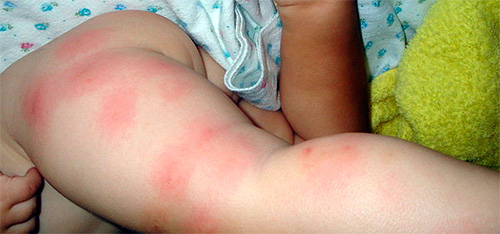
Allergic reactions to flea bites often occur in children.
Some people experience an atypical response (including anaphylactic shock) to a flea bite. It is extremely important not to ignore symptoms and to respond appropriately to their appearance by seeking medical help promptly.
Symptoms of an allergic reaction:
- high temperature, chills;
- excruciating, almost unbearable itching at the bite site;
- significant swelling and redness of the skin;
- active blood filling (hyperemia) of papules, formation of abscesses;
- enlarged lymph nodes;
- neuroses.
In rare cases the following occurs:
- difficulty breathing, suffocation;
- headaches, dizziness, loss of orientation;
- gastrointestinal dysfunction;
- pressure surges.
Treatment is carried out with antihistamines, antipyretics and sedatives.
Inflammation
It occurs frequently and is usually a sign of an allergic reaction; if left untreated, it can have serious consequences for the entire body. Swelling, suppuration, and extensive redness indicate infection in the wound. In any case, seek medical help immediately, as self-medication will worsen the situation. Symptoms of inflammation include:
- increased swelling;
- the appearance of pus (purulent crusts);
- increasing itching;
- pain;
- redness of a large area around the bite site.
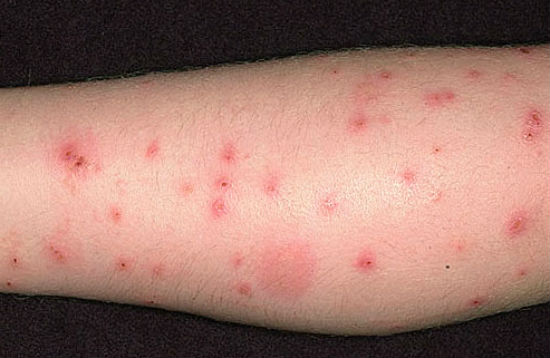
Inflammation of flea bites with suppuration and swelling is a reason to see a doctor.
Diseases transmitted by bites
In the Middle Ages, it was these bloodsuckers that caused the bubonic plague epidemic, which claimed thousands of lives. Lack of treatment and ignoring bites increases the risk of infection. Fleas are a cause of neuroses and insomnia, and they carry various viruses, bacteria, fungi, and worms. The most dangerous diseases are:
- Plague. The following forms are distinguished: bubonic (inflammation of the lymph nodes), pneumonic (the final stage of bubonic disease), and septicemic (the pathogen enters the bloodstream). The primary source is a zoonotic bacterium that lives in small mammals, such as rats. When feeding through the blood, the pathogen enters the flea's body, making it infected. Between 30 and 60% of cases of infection are fatal; lack of treatment is a death sentence. Early detection ensures a favorable prognosis.
- Typhus is an infectious bacterial disease affecting the gastrointestinal tract. The disease is usually severe, characterized by severe headaches, abdominal pain, high fever, and skin rashes.
- Tularemia is an infectious disease that affects the lymphatic system. It is plague-like, causing headaches and fever.
- Encephalitis is an acute inflammatory lesion of the brain. There are primary (direct neuroinfection) and secondary (complications resulting from toxocariasis or typhus) forms.
- Toxocariasis. This is a common helminthiasis that mainly affects young people and children. Transmission route: infected animal – flea – human. Primary sources are infected dogs (up to 76%) and cats. The prognosis for recovery is positive.
- Trypanosomiasis (sleeping sickness) is an acute infectious disease that affects the lymphatic and central nervous systems. It causes a number of serious complications, including drowsiness, mental disorders, coma, swelling, and fever. The disease is typical in tropical Africa.
- Listeriosis is a zoonotic infection (transmitted from animals) that is rarely seen in humans. It is characterized by a severe course of disease, affecting virtually every organ system. In extreme cases, it can cause sepsis.
- Pasteurellosis. A rare infectious disease in humans, named after its discoverer, Louis Pasteur, it is characterized by multiple organ failure, high fever, and a local inflammatory reaction.
- Brucellosis. An infection that causes persistent allergic reactions in the body and affects the musculoskeletal, nervous, and reproductive systems. It is often chronic.
Photo gallery: vector-borne disease agents
-
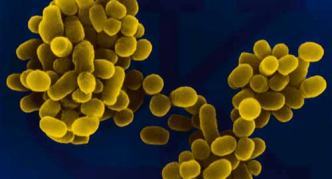
- The causative agents of brucellosis, microorganisms of the genus Brucella, affect the human central nervous system.
-
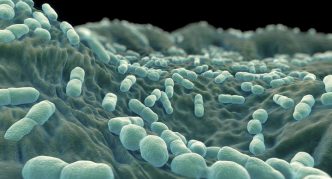
- The causative agent of listeriosis, the bacterium Listeria monocytogenes, rarely infects humans.
-
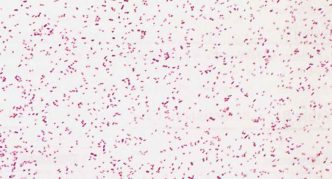
- Pasteurella multocida is a pathogen that causes multiple organ failure.
-
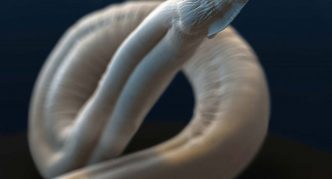
- Toxocara is the causative agent of toxocariasis, which most often affects young people and children.
-
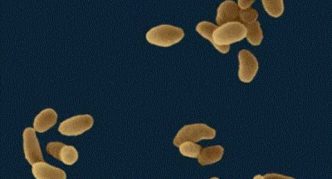
- Tularemia is an infection that affects the human lymphatic system.
-
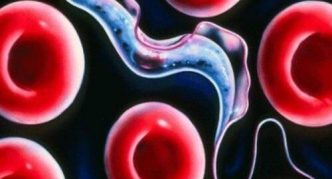
- The causative agent of trypanosomiasis, or sleeping sickness, is the protozoan trypanosoma.
-
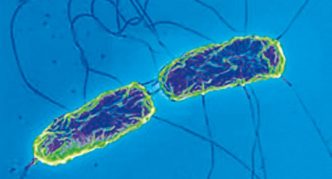
- The causative agents of typhus, the bacteria Salmonella typhi and Salmonella paratyphi, are transmitted to humans by fleas through bites.
-
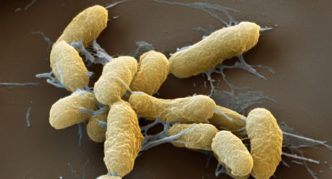
- The causative agent of the plague, the zoonotic bacterium Yersinia pestis, causes a dangerous disease that can be fatal if not treated promptly.
Treatment of bites
The set of measures boils down to three principles:
- Disinfection.
- Taking antihistamines.
- Pain relief, itching relief.
Immediately after the bite, the affected area is washed with cold water and antiseptic soap and treated with a special gel or local disinfectant:
- Miramistin;
- Etonium;
- Sanguiritrin;
- Argosulfan;
- Acerbin.
After disinfection, take an antihistamine:
- Tavegil;
- Suprastin;
- Cetrin;
- Fenistil.
Due to individual reactions to the components, it is better to choose a drug after consultation with a specialist. Also, take care to relieve any painful local symptoms—apply an ice cube or use a medication. Many modern treatments offer a comprehensive effect: they promote healing, reduce the risk of allergic reactions, and relieve a range of discomforts. The most effective include:
- Hydrocortisone;
- Sinaflan;
- Psilo-balm;
- Dermadrine.
On average, healing takes no more than 3 days. During this time, closely monitor the bites so that if any unusual reactions or inflammation occur, seek medical attention promptly.
Most folk remedies are aimed at reducing itching and pain. Use home remedies with caution, taking into account individual sensitivity to ingredients and weighing the risks and benefits of such treatments.
Measures to combat ground fleas
Before you begin cleaning your home of parasites, identify the source of the infestation:
- If they've migrated from the basement or from neighbors, a thorough cleaning of your apartment won't be of much use: the problem will return after a while. In such cases, contact a professional exterminator and completely eliminate the source of the infestation.
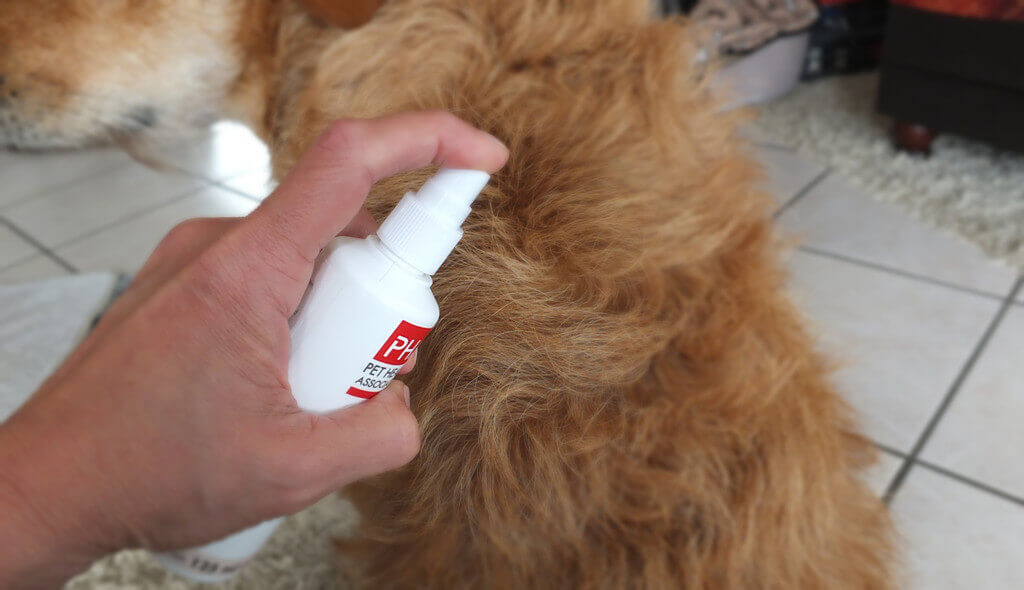
- If your pet is the source of fleas in your home, start with them. Use insecticidal sprays, drops, tablets, and other treatments as prescribed by your veterinarian.
If you have dogs or cats in the house, treat them with special flea control products - shampoos, sprays, drops
- In a private home, treat all outbuildings along with the house itself, and check the attic and adjacent areas. It's possible that the attacking jumpers are leaf beetles. In this case, remove the pests from the plants (either specialized insecticides or Colorado potato beetle treatments will work), and only then begin cleaning the house. As an additional measure, plant celandine, tobacco, or wormwood in the area, which have repellent properties. If you have livestock or poultry, disinfect them.
Preliminary measures to prepare the premises for disinfestation include isolating pregnant and lactating women, children and pets.
The principle of cleaning premises is the same for a private house and an apartment.
Inventory:
- personal protective equipment (rubber gloves, mask, protective clothing);
- vacuum cleaner, steam generator (for cleaning corners and hard-to-reach surfaces);
- insecticide;
- standard cleaning tools - sponges, rags, etc.
Stages:
- Preparation.
- Thorough cleaning.
- Using insecticide.
- Isolation of the room for a while.
- Ventilation.
- Repeated cleaning using disinfectant detergents (for example, Glorix, Alpinol, Alaminol-Plus, Maxi-Dez M).
Traditional methods
Folk remedies are no less effective than chemical ones, but they require more time and effort. Perform a thorough cleaning before treating the premises with folk remedies. This role is played by:
- concentrated herbal decoctions with a repellent effect - eucalyptus, wormwood, tansy;
- salt - rubbed into the surface of carpets and upholstered furniture for 2-3 days;
- soda - used in the same way as salt, their combination in a 1:1 ratio is allowed;
- essential oils - lavender, pennyroyal, eucalyptus, lemongrass, basil, cedar, thyme and rosemary - are diluted with water in a ratio of 25 drops per 5 liters;
- boric acid - sprinkle the powder on areas where parasites accumulate.
After treatment and re-cleaning, place brooms of fresh herbs, citrus peels or pine branches around the rooms.

After killing fleas, place dry herbs around the room that repel parasites, such as lavender, wormwood, and mint.
Chemicals
This is the most effective way to control ground fleas. The active ingredient causes paralysis of the nervous system and subsequent rapid death.
Thorough preliminary vacuuming will enhance the effect of disinfestation.
Many medications are extremely toxic and are not intended for self-use, so carefully read the instructions before choosing any product. During treatment, remove children and pets from the premises.
Table: Overview of chemical flea control products
| Name of the drug | Form | Application | Pros and cons |
| Karbofos | Liquid of oily consistency | Dilution in water |
|
| Raptor | Spray | Spraying |
|
| Sunizan | Emulsion | Dilution in water |
|
| Chlorpyrimac | Liquid | Does not require dilution and can be washed off with water after spraying. |
|
| Biorin | Liquid | Dilution with water |
|
| Battalion commander | Spray | Spraying |
|
| Butox | Liquid in ampoules | Dilution with water |
|
| Monitor lizard | Aerosol | Spraying |
|
| Gett | Liquid (often sold in 100 ml bottles) | Dilution with water |
|
| Super Face | Powder (sold in 10 mg sachets) |
|
Disinfection and other methods
Disinfection of a specific area or surface to destroy toxins, pathogens, and infectious agents is an effective measure in the fight against fleas. Disinfection minimizes the damage caused by insects. A distinction is made between local and general treatment. In the former, the affected area (for example, a bite on the body) is treated, while in the latter, the surrounding area (walls, floors, furniture, clothing, household items) is treated.
Sometimes fleas are just a sign of a more serious problem—the presence of rats and mice. In this case, seek help from pest control specialists—specialists who specialize in rodent control in accordance with health regulations.
Disinfestation is the extermination of insects of all kinds. It's a complex and labor-intensive process, as in addition to active insects, there are many hidden nests and egg-laying sites in the home. A single missed outbreak is enough for the parasites to multiply again. If you are unsure of your own abilities, it is better to turn to professionals.
Preventive measures
Sometimes the appearance of fleas is purely accidental. Such sources cannot be ruled out, but the chances of parasite infestation can be reduced. And here, simple household hygiene—regular wet cleaning, beating carpets, and airing—remains an effective preventative measure. It is especially important to avoid clutter and neglect. After all, in a clean and well-maintained home, even a flea that suddenly appears will not stay for long.
If you have pets, carefully monitor their health, bathe them regularly, and brush them. For pets that frequently go outdoors, purchase flea collars and use insecticidal shampoos. It's important to promptly treat already infested animals.
Fleas have inhabited our planet for many millions of years. There's no reason to doubt their evolutionary progress, nor to downplay the anxiety of their presence. These hardy, invulnerable, and fast insects won't easily retreat from the territory they've occupied. Therefore, upon first detection of an enemy, don't wait for the colony to grow; begin combating it immediately.