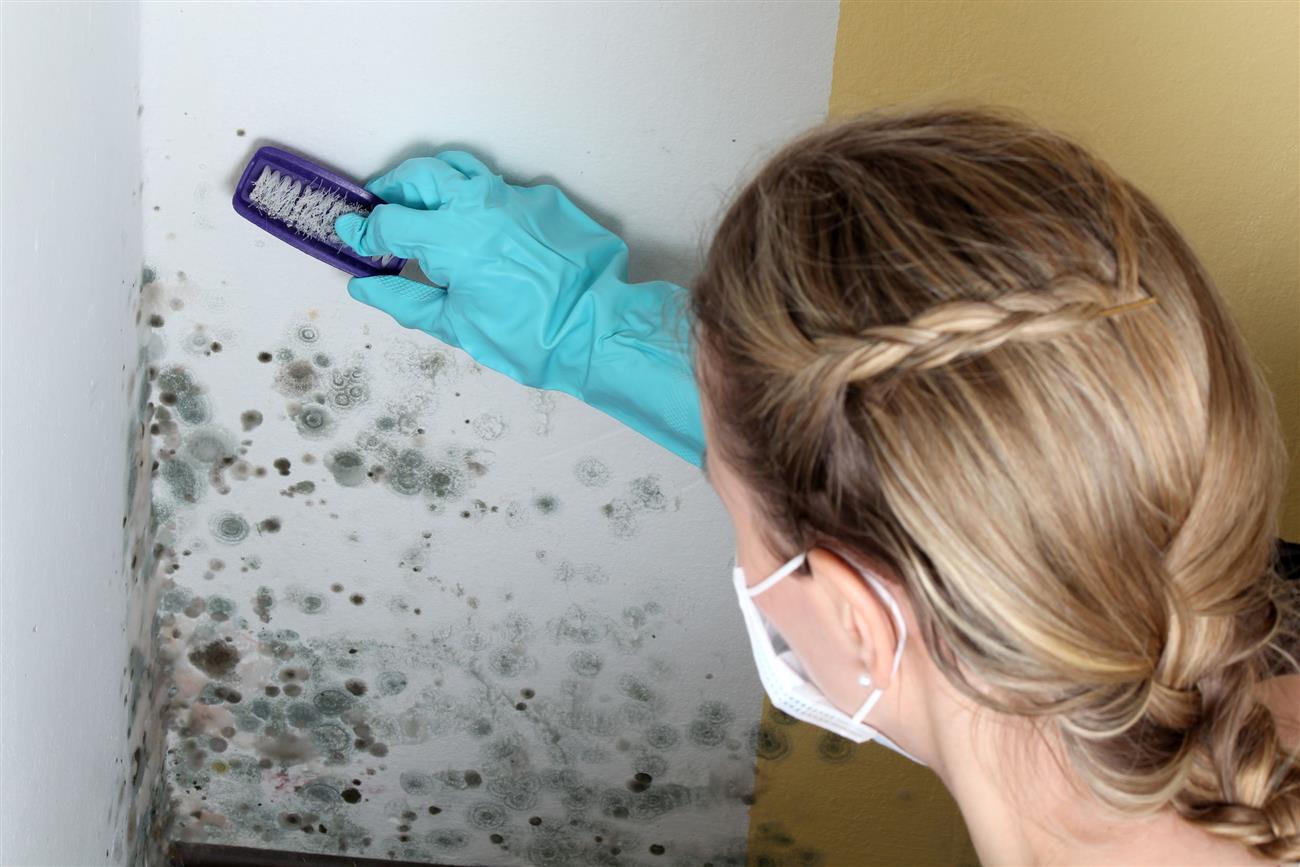
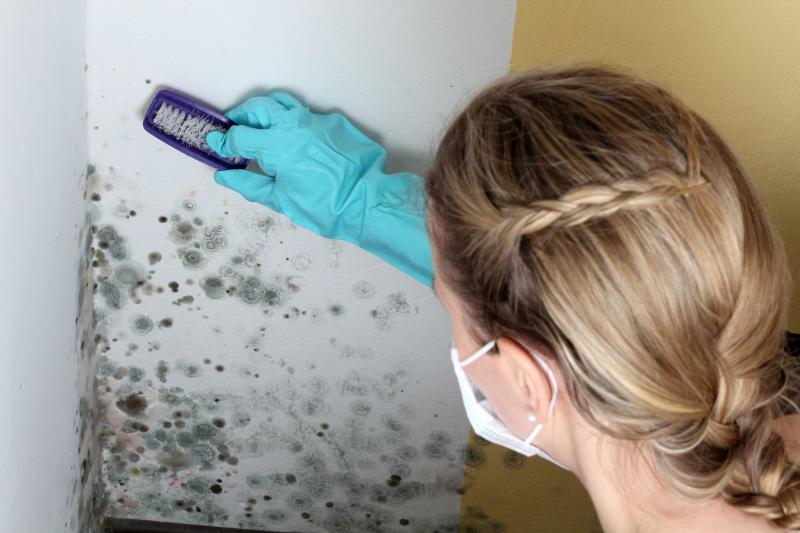
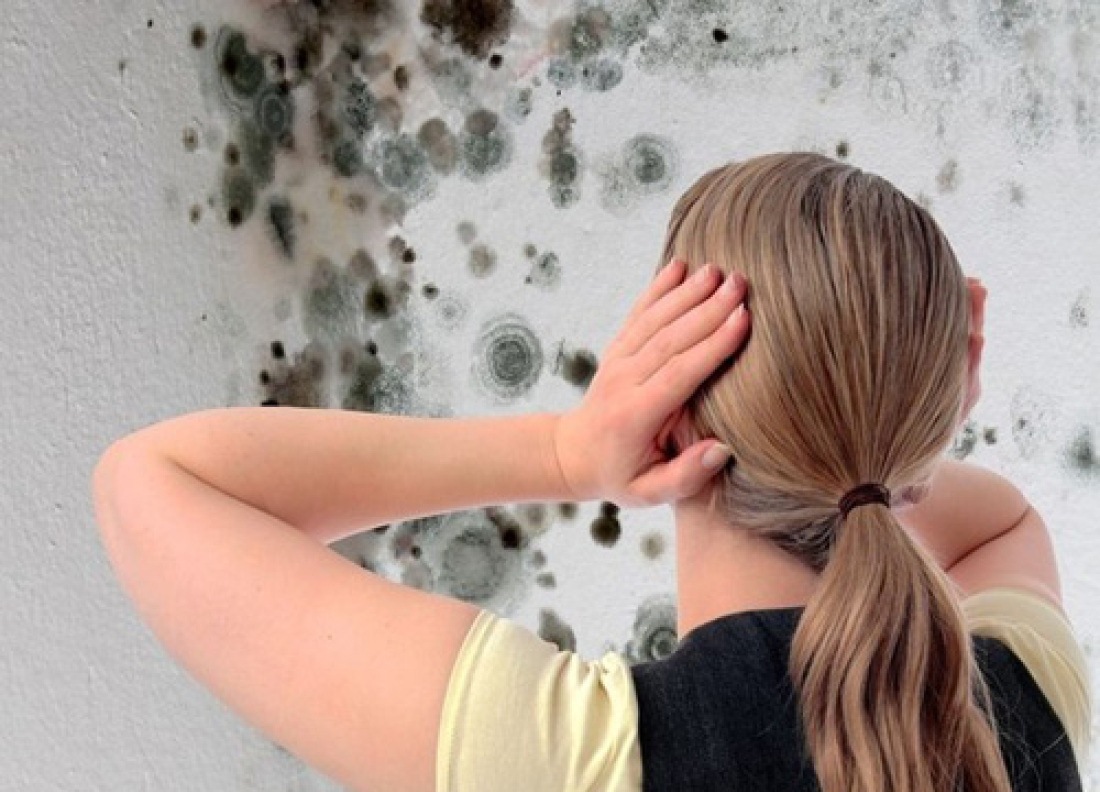
Mold in an apartment is a real problem and difficult to get rid of. It damages the aesthetics of the space and is harmful to health. Fungal spores spread rapidly, so it's best to begin combating it immediately.
Content
Mold: types, causes, and how to detect it
Mold is a microscopic fungus that is widespread in nature. It destroys even durable building materials and poses significant health risks. It most often develops in the bathroom, where favorable conditions exist—air humidity over 70% and temperatures above 20°C. There are several types of mold:
- Black. It most often appears in the bathroom and develops on any building materials.
- Green. Its favorable environment is brick surfaces.
- Gray-brown and bluish in color, it grows on wooden structures, causing cracks and gradually destroying them.
Mold thrives under paint, plaster, and tiles. Initially, small stains under the finish are unnoticeable. People realize there's a problem when they see dark marks on the outer surface of the materials. Mold can be detected by the following signs:
- small black, green, blue or grey dots on the tile (at this size it is practically harmless to health);
- threads and growths of brown or white color on wood (infected structures - shelves for cosmetics, drawers and other items - are practically impossible to restore).
Mold grows quickly. If left unchecked, it will gradually spread to walls and ceilings, wooden furniture, shower stalls, and shower curtains.
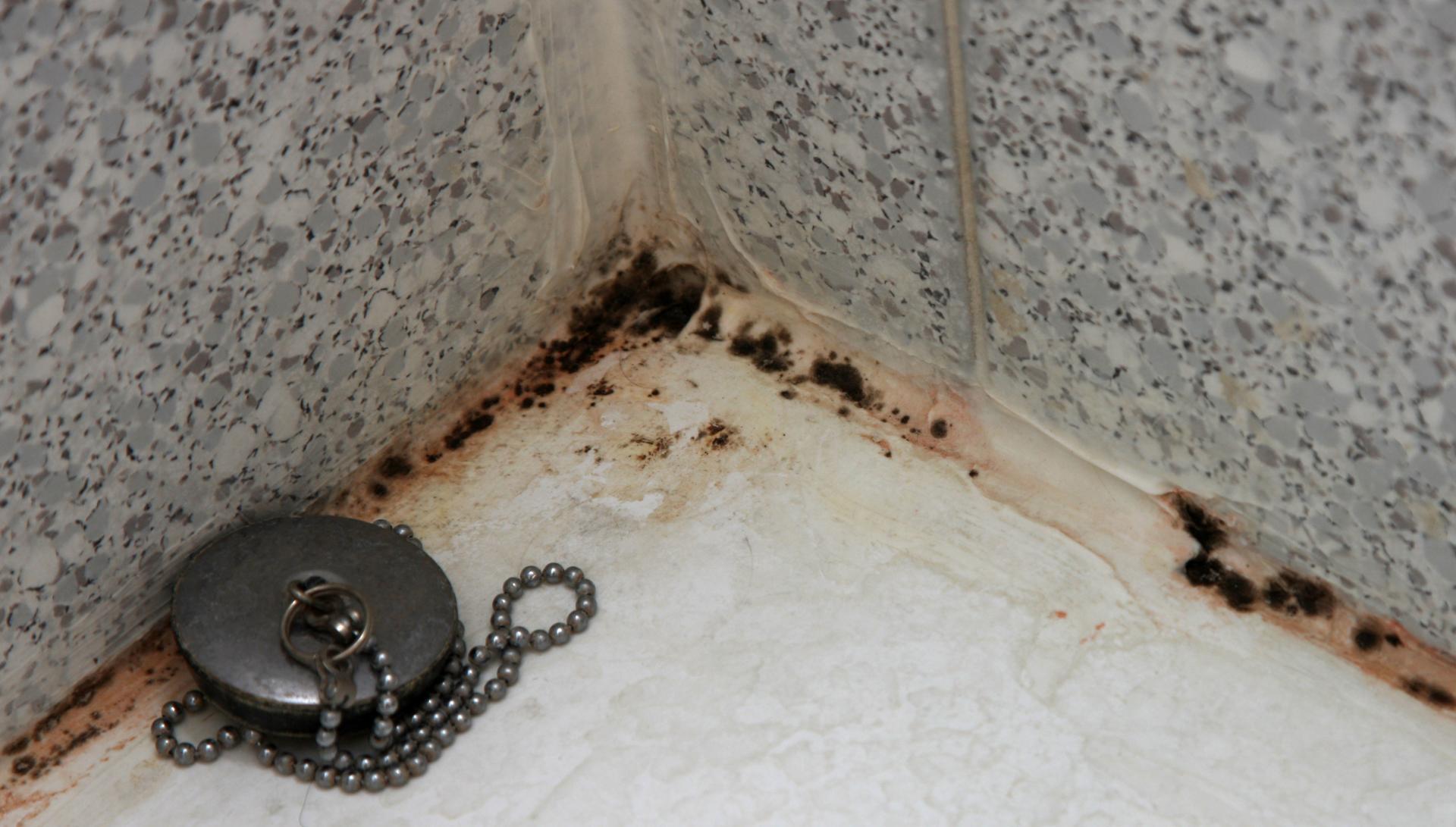
Black mold starts to spread from small spots.
Why does mold appear?
In most cases, it starts due to faulty ventilation ducts. There are two ways to solve this problem:
- Replace the system, constantly monitoring its operation afterwards.
- Install recuperators (devices that collect moisture from the air) or exhaust fans for the bathroom.

To reduce humidity in the bathroom, exhaust fans are installed.
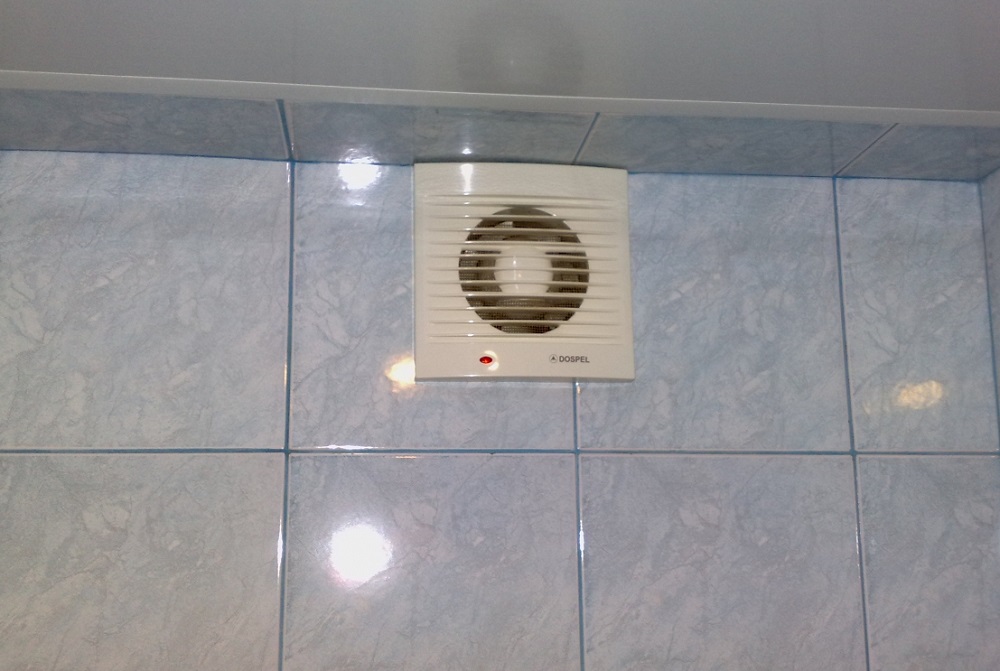
Spores can be brought into an apartment on shoes, clothing, pets, and food. The following factors also contribute to mold formation:
- available nutrient medium: fungus distributors are paper and wood, fabrics and indoor flowers;
- favorable conditions for its formation: most often, mold develops in the bathroom, toilet and kitchen, where it is warm and humid;
- proximity of residence to a damp basement;
- poor roof insulation, which causes mold to develop on the upper floors of buildings.
Why is mold dangerous?
It's possible to live in an apartment with traces of mold on the walls and experience discomfort only from the deterioration in the aesthetics of the space, without any health complaints. But this is a false impression. Mold is insidious and affects the body gradually. For example, adults or children develop a chronic cough or runny nose, frequent headaches, and eye inflammation. People attribute these symptoms to bad weather or the unfavorable urban climate, failing to realize that the cause of their deteriorating health is simple mold in the bathroom, which has long been neglected.
As soon as mold appears in your home, use effective methods to eliminate it. Delaying treatment will worsen the health of both adults and children.
How does it affect health?
The spores are toxic. They cause allergies and serious illnesses such as:
- bronchitis;
- pneumonia;
- asthma;
- dermatitis;
- stomatitis;
- eczema;
- tracheitis;
- thrush;
- conjunctivitis.
Mold spores are toxic because they release dangerous substances called aflatoxins, which enter the body through the nose, mouth, and skin and accumulate there. These substances can lead to kidney cancer, as the kidneys attempt to neutralize the toxins. Mold ingestion is also a concern, as it can cause food poisoning and gastrointestinal problems.
Small children, whose immune system is not yet fully developed, are most susceptible to the negative effects of fungal spores. They develop the above-mentioned pathologies more quickly and cause more damage. At the first sign of an allergy or illness in your child, don't delay a visit to the pediatrician: they can determine the source of the problem based on the symptoms.
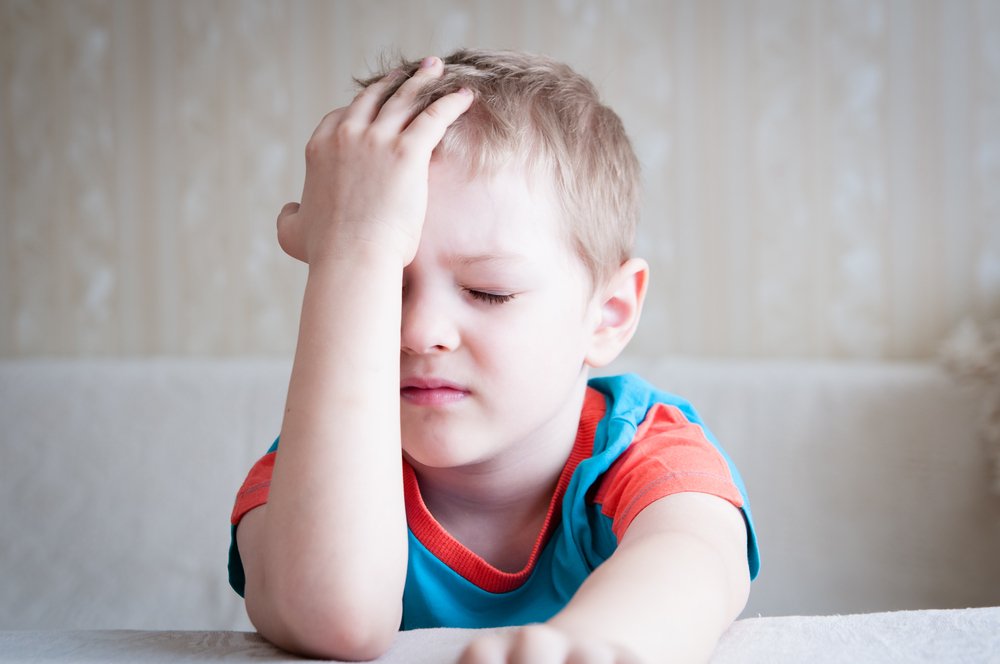
Mold can be the cause of frequent headaches, coughing, and allergic reactions in children.
What damage does it cause to property?
Mold negatively impacts surrounding objects. Its stains gradually spread from the ceiling to the walls, then to pipes and faucets. They then settle on bottles and jars of cosmetics. Wood items—furniture, trim, and decorative items—are particularly susceptible. Fungal spores are present not only at the site of mold formation, but also in the air and water. Their appearance and spread is also noticeable in the condition of building materials.
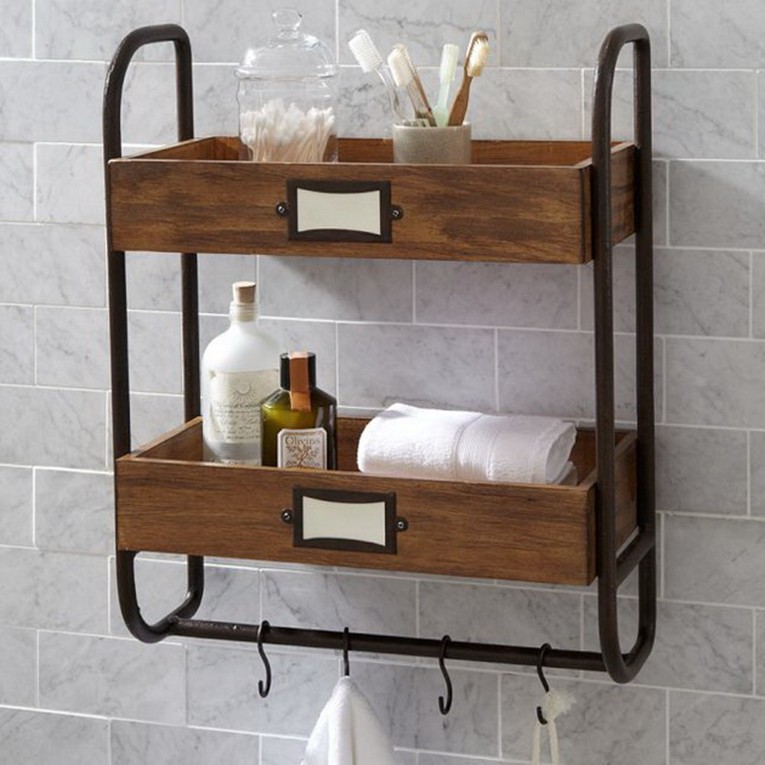
Wooden items are the first to suffer from mold.
Ways to get rid of mold
Act quickly and act wisely—the first rule when dealing with mold. Start by inspecting the ventilation system.
How to activate air exchange
If the ventilation duct is clogged, the air will remain humid for a long time after taking a bath or shower, and the excess moisture simply has nowhere to go. To check the duct, follow these steps:
- Open a window in any room of the apartment for ventilation.
- Place a sheet of paper or a piece of newspaper on the grate.
- If the channel is clogged, the leaf will fall. If it is attracted, then everything is fine with the ventilation.
A specialized service is responsible for cleaning ventilation ducts. Call them to fix the problem.
If there is mold, but the draft is still there, continue the experiment:
- Close the bathroom door.
- Do the leaf test again.
- If the paper falls, the door is too tight: with proper installation, a 3-4 cm gap is planned at the bottom.
To solve the problem, install an additional grill directly in the door to allow fresh air in, or make a ventilation hole in the wall opposite the duct outlet.
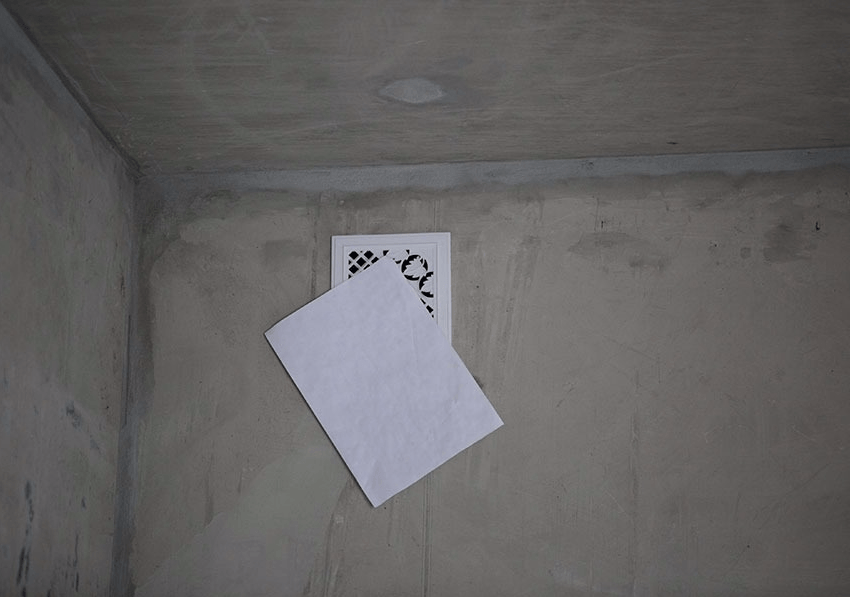
If there is sufficient draft in the ventilation duct, the sheet of paper is held by the grate and does not fall.
Folk methods of struggle
Often, mold is removed using things found in every home—vinegar, iodine, hydrogen peroxide, and other substances:
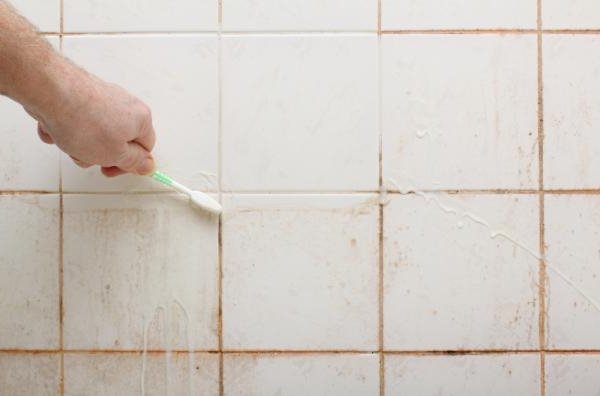
- Wipe the affected areas with vinegar and leave for several hours, closing the bathroom door tightly. Then rinse thoroughly with water and ventilate the room well.
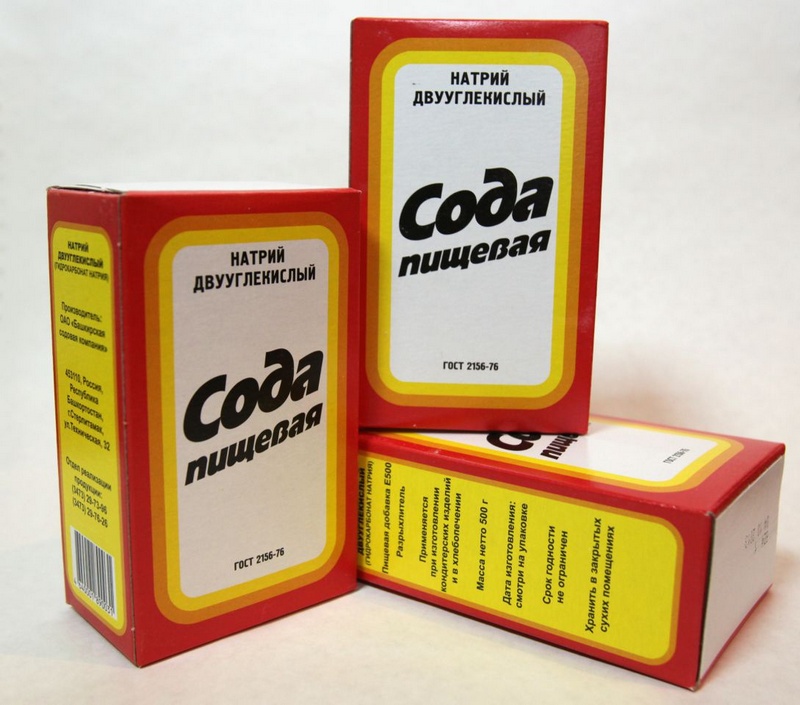
- Sprinkle baking soda on horizontal surfaces and then add vinegar. Once the reaction is complete (foaming stops), rinse with water.
Use baking soda and vinegar to remove mold from bathroom walls and floors.
- Hydrogen peroxide is used to treat walls where mold is present. This substance has the unique property of whitening surfaces. When applied to tiles, it lightens the grout by several shades.
Hydrogen peroxide removes mold and whitens grout between tiles
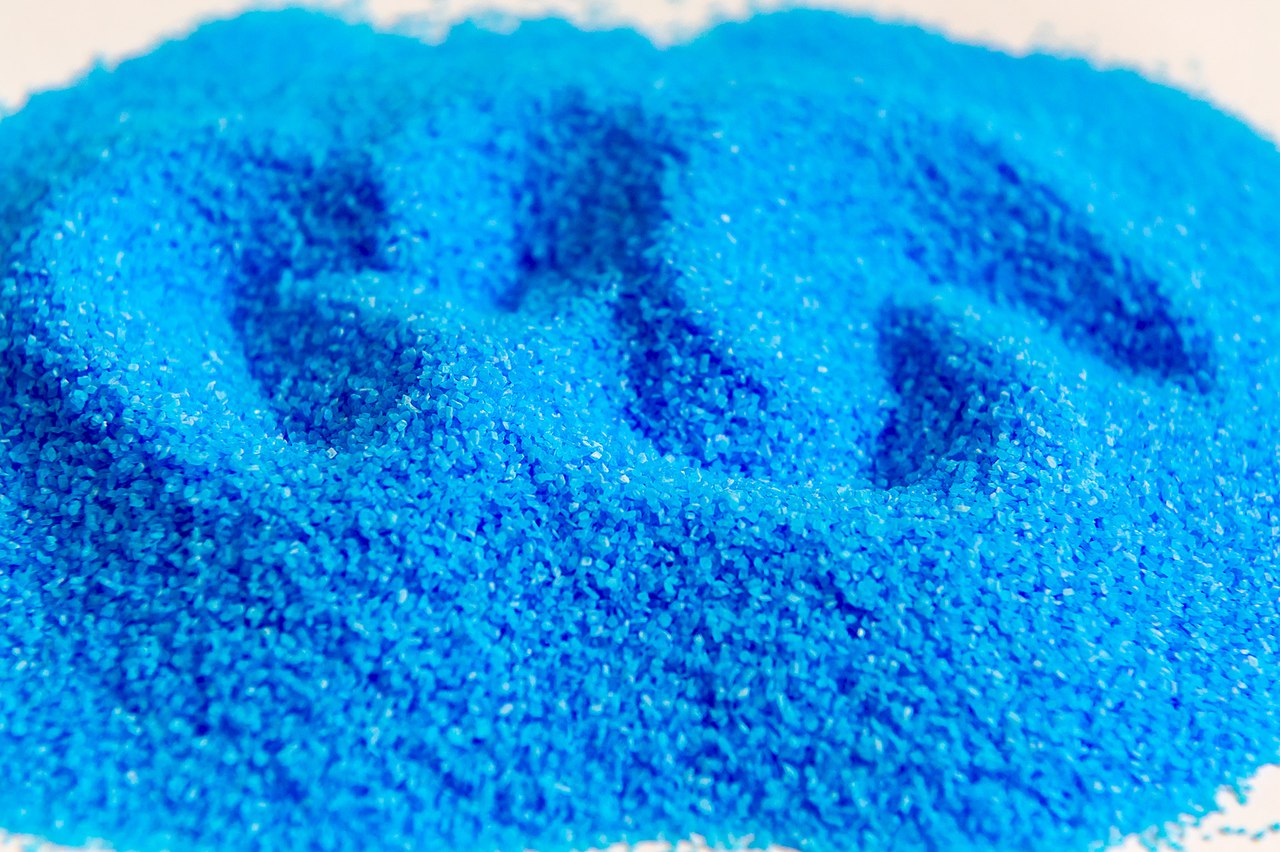
- Take 100 grams of copper sulfate and dilute it in 10 liters of water. Wipe the walls or ceiling with the resulting mixture. A spray bottle is convenient for this. Then turn off the ventilation, close the door tightly, and leave the room unused for several hours to a day. This will only temporarily eliminate the mold. Work in gloves, masks and protective clothing.
An aqueous solution of copper sulfate can get rid of mold for a while.
Use of household chemicals
When mold appears in the bathroom, various industrial products are often used:
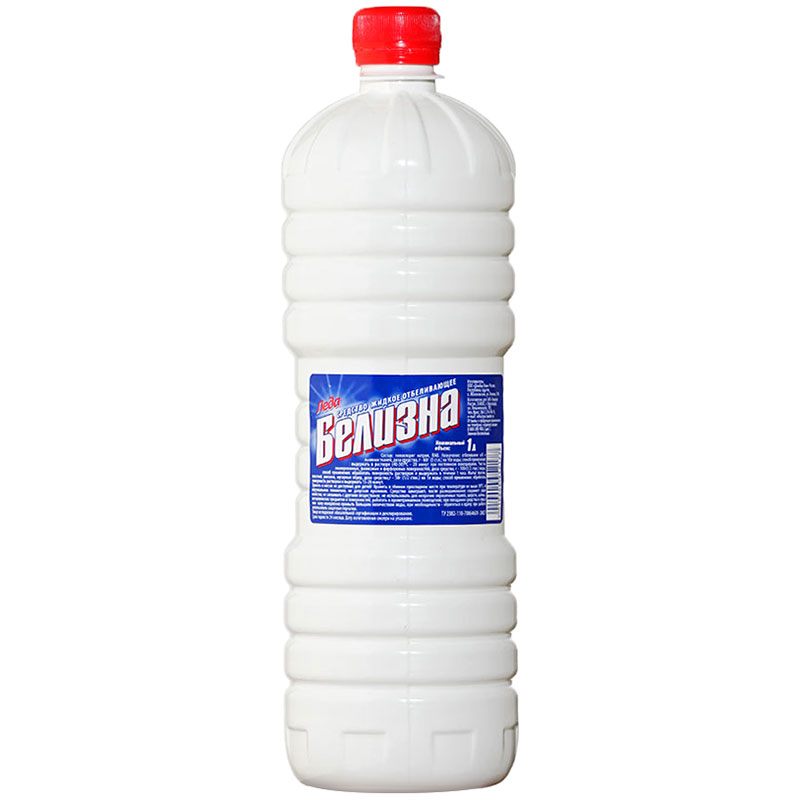
- Chlorine bleach (Domestos, Belina, Utenok). They are diluted with a certain amount of water (the dosage is indicated on the packaging), and thoroughly coated in all areas, especially hard-to-reach corners. Wear gloves and a protective mask.
Chlorine-based products can help clean mold.
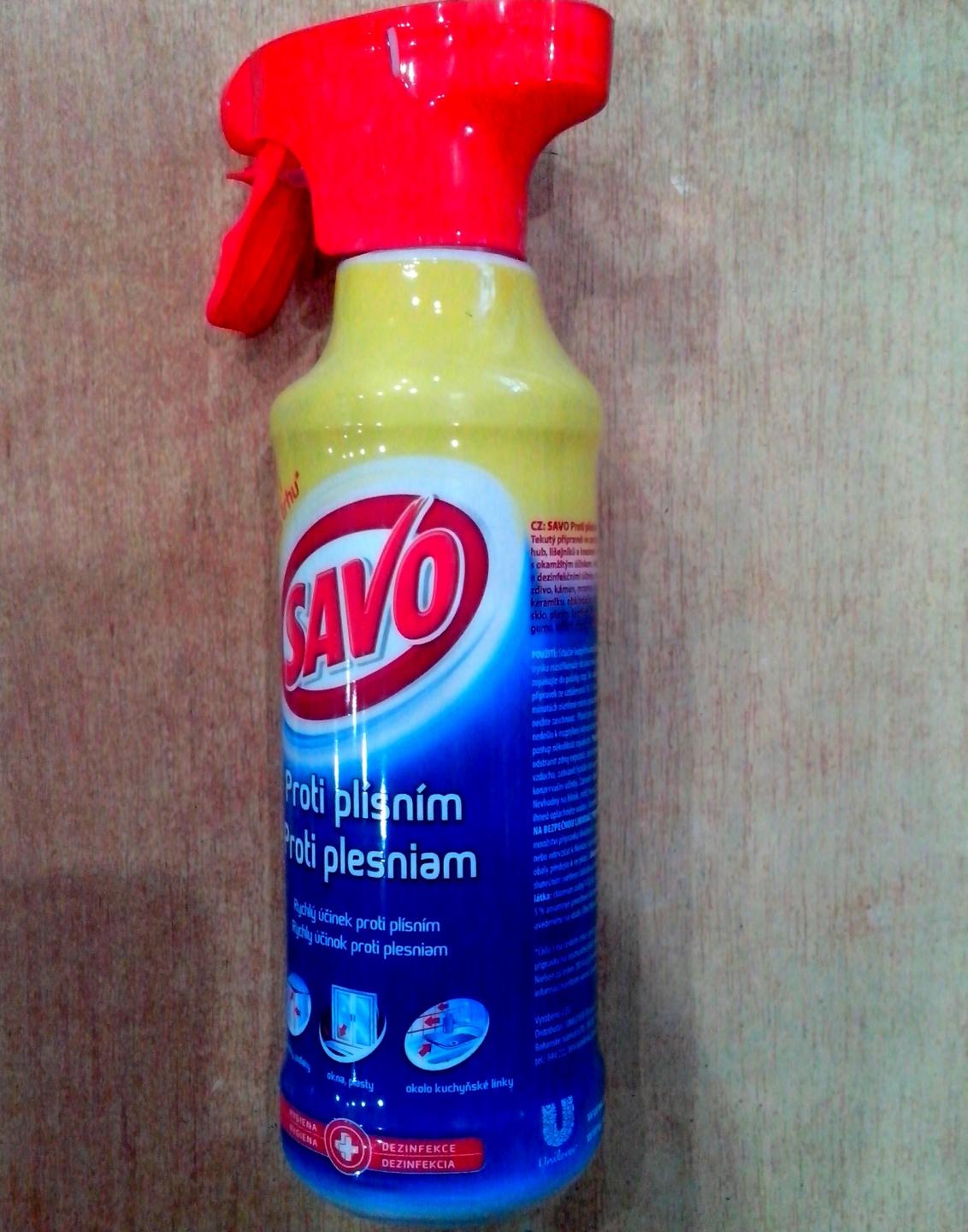
- Savo, a Czech spray product, is applied from a distance of 20 cm and left for 20 minutes: mold gradually disappears. The effect is long-lasting. This universal product is suitable for all types of materials and any damp areas—apartments, basements, and attics. It has a strong odor, so wear a mask when applying.
Savo mold remover is suitable for treating any surface.
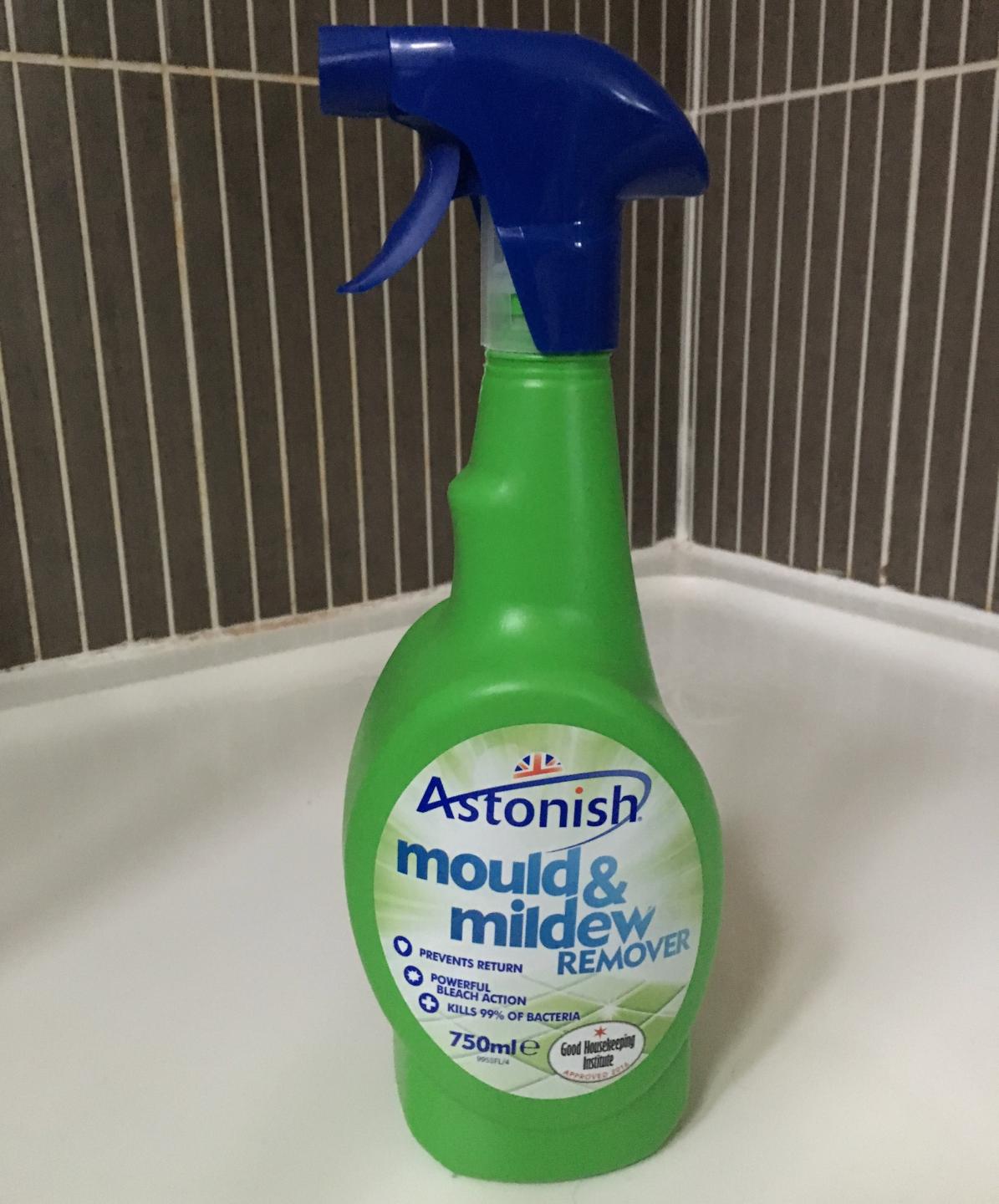
- ASTONISH Mould & Mildew spray is a British product that helps eliminate mold permanently with regular use. Apply for five minutes, then rinse.
ASTONISH Mold & Mildew is applied for just 5 minutes.
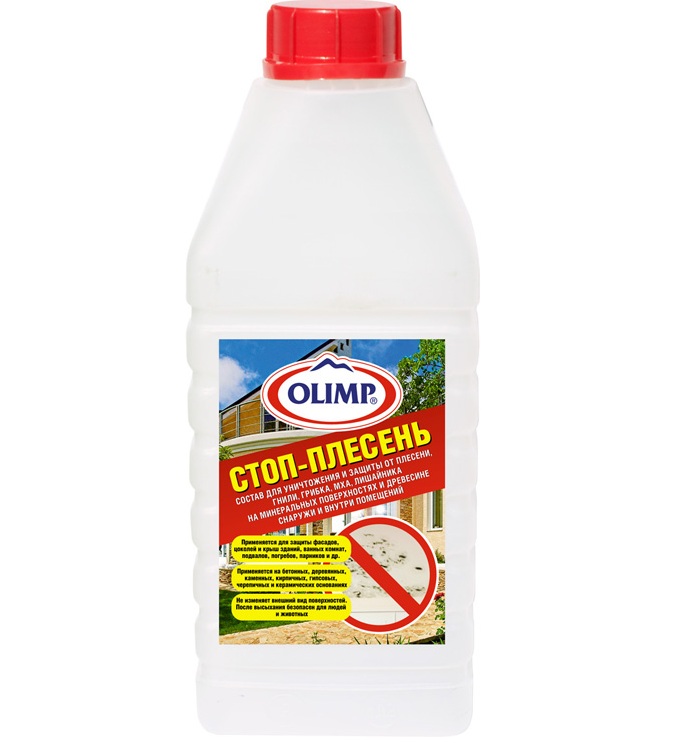
- The Russian product "Olympus Stop-Mold" is suitable for mineral (concrete, brick, tile, plaster) and wood surfaces. It is used on ceilings and walls after removing mold stains. The product is not washed off, as it is harmless once it has completely dried.
The product "Olimp Stop-Mold" is harmless, so it does not need to be washed off from surfaces after treatment.
The listed remedies will help get rid of traces of mold for a long time. If you want to remove it forever, there is only one way - a major renovation. This involves completely removing the finish and plaster. After cleaning, the bare walls are treated with antibacterial agents (a special primer is available commercially). Antifungal additives are also added to the plastering mixture.
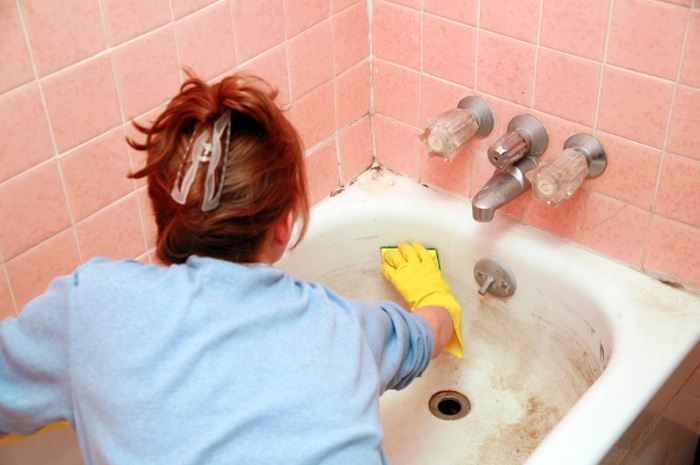
When treating your bathroom with chemicals, don't forget about protective measures: a mask and gloves
Prevention
To prevent mold in your home, ensure proper ventilation and clean out clogged ducts. Preventative measures will also help:
- Ventilate the bathroom frequently, turn on the exhaust fan and leave the door open, make sure the air does not stagnate;
- If you dry clothes in the bathroom or leave wet towels after a shower, then do not close the door at least at night;
- Do not allow faucets to leak: constantly dripping water increases the humidity in the room;
- Do not leave the floor in the room wet, always dry the rug.
Reviews
Microscopic spores can easily enter through ventilation holes. In our entryway, the entire riser pipe is contaminated with this stuff. It's in all the corner apartments, and so it turns out that we fight it, but some don't, and the spores end up back in our vents.
Black mold is a very dangerous thing. It can cause various illnesses, including pneumonia, bronchitis, and allergies. I watched a TV show about it—it's absolutely terrifying. We have this nasty stuff in our bathroom too. I know bleach is good for cleaning, but it's really smelly, so I use Domestos and also use vinegar. I heard that's how it works.
Girls, all this Domestos stuff is just superficial. We did a renovation (with the help of professionals). I'm saying there was blackness under the wallpaper (the wall next to the bathroom). I wiped it down with bleach and it seemed fine. The builders dug up the plaster, and it was all black inside. We bought some antiseptic spray at a hardware store, and it says how to treat it, so go to a hardware store.
Domestos helped me, just wash with one type. It just happened once that my mom ran out of Domestos and she also bought Domestos, but a different type, and in the end the mold remained, but now it’s brown. Maybe it really has mutated?
How to get rid of mold in the bathroom: video
Mold can be eliminated. The process will be easier if you don't delay or wait for the spores to spread across bathroom surfaces. It's important to consider your health: don't underestimate mold or live with it under the same roof.