Sometimes big problems start with little things. For some of us, fleas can be such a significant nuisance. These microscopic parasites can ruin your life, so it's important to know how to get rid of them.
Content
Who are fleas?
These miniature blood-sucking insects have lost their wings during evolution, but have acquired powerful hind limbs that help them quickly escape their bitten victims. Their mouthparts are perfectly adapted for piercing skin and sucking blood. They feed on the blood of various mammals, but have a preference for a specific species. There are 2086 species of these parasites, 4 of which no longer exist.
Charles Rothschild made the greatest contribution to the study of fleas, amassing a vast collection of these parasites for the British Museum. He died from an infection contracted from one of his exhibits.
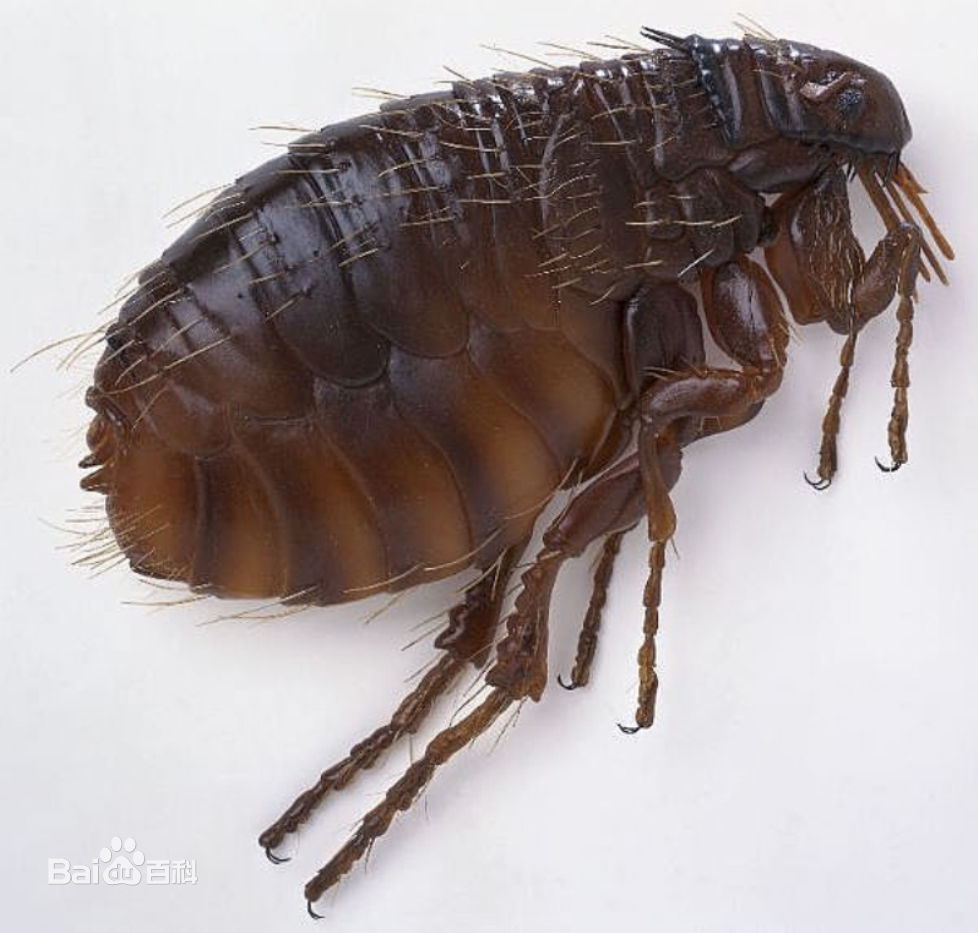
A flea is a blood-sucking parasite that causes a lot of problems for humans and their pets.
What fleas live in the house?
Insects not only bite animals but also parasitize humans. Therefore, they happily live in our homes. For example, we might encounter the following fleas in our homes:
- Rats are considered the most dangerous to humans, as they carry a number of fatal diseases, including the plague. They have caused the largest number of deaths of people in the history of civilization compared to other parasites. They can be found in apartments where there are piles of trash and garbage, where the parasite's larvae develop. This species also feeds on other rodents.
- Canine lice prefer the blood of dogs, but in the absence of such a host, they will bite cats and even humans. The parasite's body is covered with bristles and hooks, allowing it to easily cling to a moving animal. Without feeding, it survives for several months.
- Felines are unpretentious in their choice of owner, so they drink the blood of cats, dogs, and humans with equal success. When searching for food, they move not along the fur, but along the skin of their owner, which is why they bite the least hairy parts of the body..
- Humans—they love human blood and are not averse to other mammals. They are dangerous because they transmit numerous diseases from one host to another. They feed twice a day and nest in close proximity to people's sleeping areas. The female lays eggs in floor crevices or behind baseboards.
- Gallinaceous worms are common among wild and domestic birds. They can even be found on budgies and canaries. When poultry become infected en masse, their numbers drop significantly. Humans are rarely bitten because the blood vessels in humans are located deeper than in birds.
- Bed bugs (domestic fleas) is a collective name for all types of fleas that live in human habitats.
- Earthworms - live mainly in the upper soil layer, sometimes settle in apartments, and are not tied to a specific animal. They feed on human blood only in extreme conditions of their existence, for example, in the case of severe drought, when there is not enough moisture in the ground. They often enter a home by accident and settle in the upholstery of a sofa, mattress, carpet, and behind baseboards.
Photo gallery: Types of fleas found in human dwellings
-
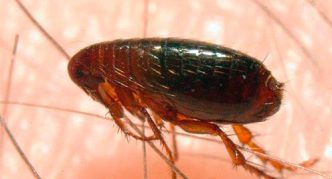
- From its original host, the rat, which is a regular visitor to garbage dumps, the flea can bring a host of deadly diseases into your home.
-
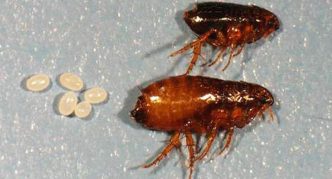
- The average lifespan of a human flea is 2 months, but during this time the female can lay up to 500 eggs.
-
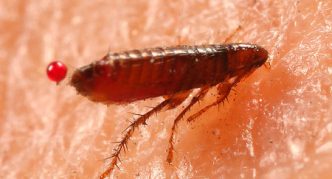
- Cat fleas are versatile parasites that feed on a variety of mammals.
-
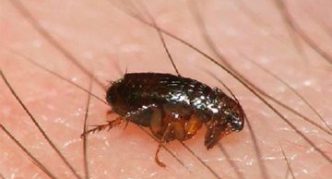
- Chicken fleas are difficult to find in human dwellings, since they can only exist comfortably at a temperature of 40 degrees, typical for the skin of birds under their wings.
-
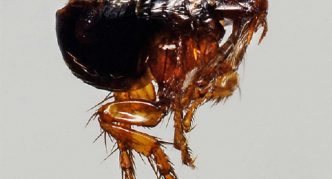
- Fleas appear in the house when there is not enough moisture in the soil.
-
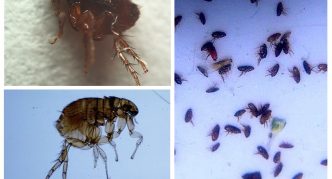
- Even in the temporary absence of a dog, parasites can easily feed on the blood of a cat or a human.
How to tell if there are blood-sucking insects in your home
To combat parasites, you need to know for sure that they are the ones infesting your home. Some people confuse fleas with bed bugs. The following signs indicate a true flea infestation:
- the pet often scratches itself, becomes nervous and loses normal sleep;
- small black dust (parasite droppings) appears in the animal’s fur;
- after sitting on the couch or sleeping at night, small red bumps appear on the skin that itch;
- There are flea excrements on the carpet or floor that look like brownish-black dust: if you wipe the dust with a damp white cloth, brownish spots will remain on it;
- Microscopic insects that bite painfully jump on your feet or on the floor.
If you notice at least one of the listed signs, take measures to combat blood-sucking parasites.
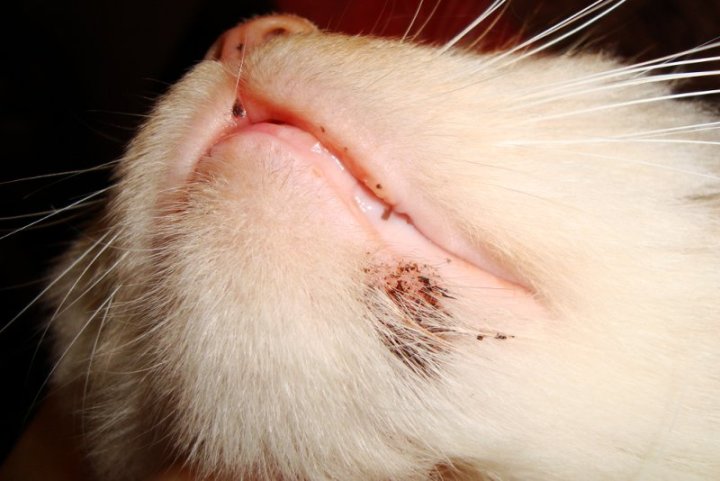
If you find fleas on your cat, think about how you will exterminate fleas in the entire house.
How and why do fleas get into a house?
There are a few ways insects enter human homes. Most often, they are brought in by pets, but there are other ways fleas can infest our homes:
- Because of pets. Even a single trip outside can lead to a pet becoming infested with fleas. Contact with a stray animal isn't necessary for this to happen—parasites lurk in the grass, too.
- Because of dampness. This cause is typical only for ground fleas, which live primarily in basements or the topsoil. The moisture found there is usually sufficient for them, but if the summer heat outside and the soil dries out, the insects move closer to the source of moisture—our home. Most often, residents of the first floors and private houses suffer from ground (basement) fleas.
- Because of rodent pests. Sometimes they live in basements or sneak into houses, where they damage things and supplies. But the main danger is that they carry fleas, which can cause serious diseases.

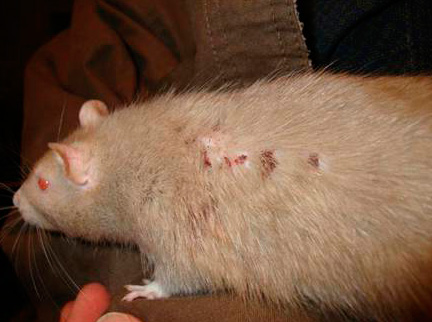
Fleas from wild rodents that have entered your home will happily move on to your decorative pet rats and transfer all the infections found in their saliva to them.
- From your neighbors. They get to you through ventilation vents, cracks in the walls, under the windowsill, etc.
- On clothing. Sometimes we transfer fleas ourselves, for example, after being in a room infested with these parasites. They cling to the folds of clothing and thus change their habitat.
How to get rid of fleas in an apartment
There are many ways to get rid of fleas in your home. Specialized chemicals are more effective, but folk remedies are completely safe. Before you begin eliminating the bloodsuckers, vacuum your apartment and rid your pet of the parasites. After cleaning the premises from insects, do not forget about preventing their appearance in the future.
Chemicals
You won't find any specialized products. This is because fleas don't live permanently in your home and don't exclusively infest humans. Therefore, you need insecticides designed to combat crawling insects and bloodsuckers.
Delcid
This is a 4% solution of the pyrethroid deltamethrin. It is dissolved in water according to the instructions and sprayed onto the infested area. On average, 25 ml of the prepared product is enough to disinfect 1 square meter of room area. This same substance is used to treat dogs against fleas (a 0.125% solution is prepared from one ampoule). The product kills both adult fleas and larvae.
How to use the product:
- The solution is placed in a spray bottle and sprayed onto walls at a height of up to 1.5 m, floors and carpets.
- The treatment is carried out using a respirator and gloves in the absence of children and animals in the room.
- During the disinfestation process and for an hour after it, windows and doors are closed, after which the rooms are ventilated for 2 hours.
- The substance is not washed off for 14 days.
- After 2 weeks, if the infestation is severe, the procedure is repeated.
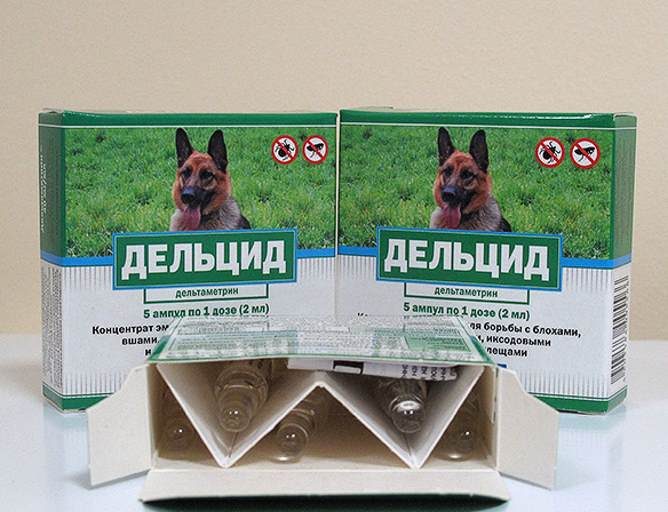
Delcid can be used with equal success for disinfestation of premises and for getting rid of fleas on animals.
Raptor
To combat these parasites, Raptor is suitable in the form of:
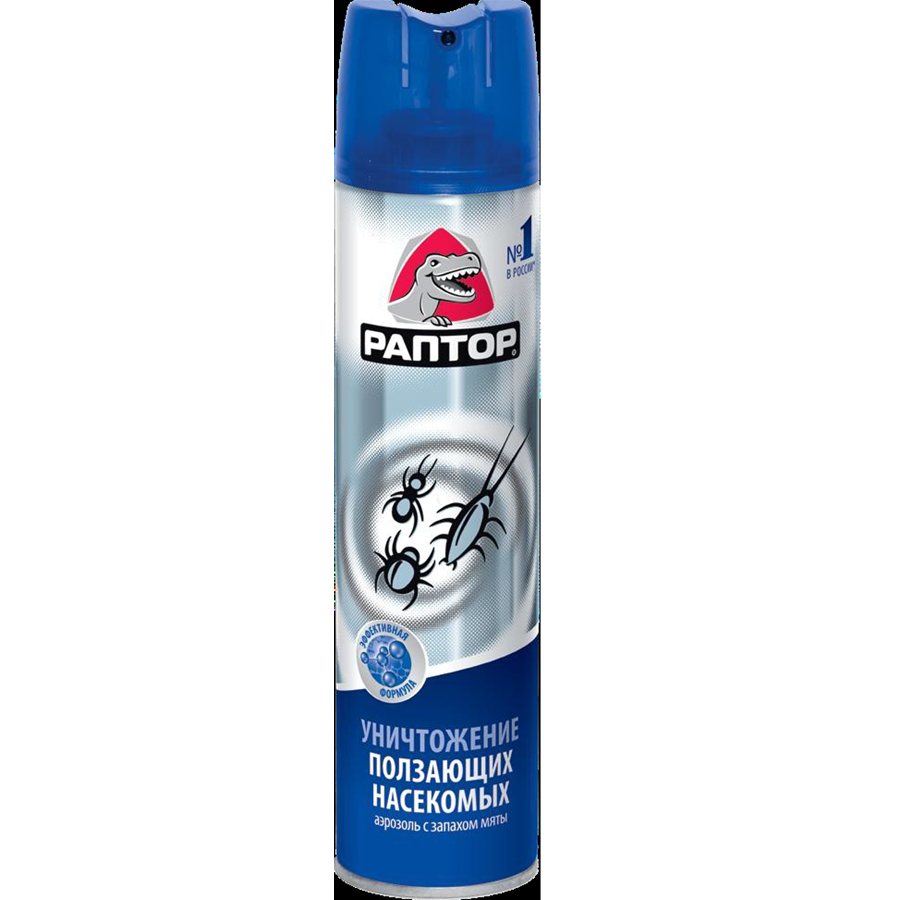
- Spray. It consists of two active ingredients—cypermethrin and tetramethrin—which work together to destroy various organs of the parasite. Fleas and their larvae that come under the influence of the aerosol die instantly. The film left after spraying has a prolonged effect of 7-10 days. This product is not harmful to eggs, but when the larvae hatch, they die due to the residual effect of the product. Do not wash off the product for 10 days. Apply protective equipment while spraying, keeping children and animals away.
The spray destroys fleas and their larvae only upon direct contact with them.
- An aquafumigator. It consists of two metal containers and a bag of water. The containers contain vapor-generating and toxic substances, the insecticide being cyphenothrin. When interacting with water, vapors are formed that are toxic to parasites and penetrate even the most inaccessible places. The device kills fleas at any stage of their development, including eggs. During the treatment, which lasts 2-3 hours, no one should be in the room without protective clothing or at least a respirator. All cabinets and interior doors in the room should be opened. One system is designed to treat 30 square meters of space; if the room is larger, stock up on two sets.
While the aquafumigator is operating, turn off the fire alarm sensor so that it does not go off due to exposure to vapors.

Dichlorvos
The classic dichlorvos, produced back in the USSR, is based on dimethyl dichlorovinyl phosphate, or dichlorvos for short. Modern products bearing this name or including it in their names—Raptor, Varan, Combat—often do not contain this substance at all. This does not reduce their effectiveness, but increases their safety for humans. The active ingredients include piperonyl butoxide, permethrin, and others. The main effect they have on fleas is the destruction of the insects' nervous system and their complete paralysis.
Instructions for use:
- Open all the doors in the cabinets and in the pantry where all sorts of junk is stored (this is where the larvae live).
- Remove all uninvolved household members and pets from the home.
- Put on a respirator.
- Spray everything generously with spray.
- Wait for the time indicated in the instructions for a specific product.
- Ventilate the premises well for 2–3 hours.
- Do wet cleaning.

The active components of different types of dichlorvos have a paralyzing effect on fleas
Prometrin
This product is based on deltamethrin and is available in ampoules or vials. An emulsion is made by diluting one ampoule in one liter of water. The area is then sprayed using a spray bottle. Before treatment begins, remove all food, dishes, and equipment used for preparing food from the room, and remove children, pregnant and nursing women, and pets. The disinfestation procedure is performed wearing rubber gloves and a respirator. Afterward, take a shower.
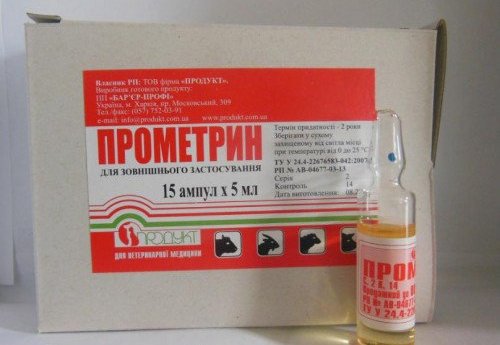
When purchasing Prometrin, specify that you need a flea remedy, as one of the popular herbicides has a similar name.
Butox
The product is based on deltamethrin, which paralyzes the nervous system of parasites. It is available in ampoules. For use, dilute the product in water according to the instructions, mixing thoroughly to create a homogeneous emulsion. Disinfestation should be carried out wearing a respirator and rubber gloves, treating floors and walls at a height of up to 1.5 meters. Do not spray the product into cabinets containing food or dishes. During and after use, ventilate the rooms, and do not wet clean for a week, limiting the use to vacuuming. The product kills only adult insects and larvae, so the procedure is repeated after a week.
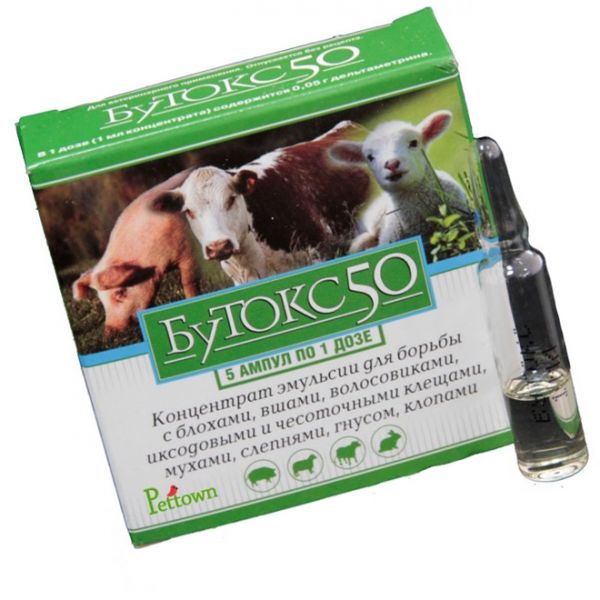
The contents of the Butox ampoule are diluted with water in the proportions indicated in the instructions.
Physical methods
They are good as one of the components of the fight against parasites:
- A regular vacuum cleaner will help get rid of most of the eggs and the bloodsuckers themselves;
- Use a steam generator to treat all soft surfaces where parasites and their larvae can live - sofas, mattresses, carpets, curtains;
- If the floor covering allows it, it is scalded with boiling water, which, of course, is a procedure that is unsafe for you too;
- everything that can be washed is done using very hot water and ironed;
- Fleas cannot tolerate frost, so they freeze the room after first insulating the utility pipes in the room.
Folk remedies
We use affordable products that are often already available at home:
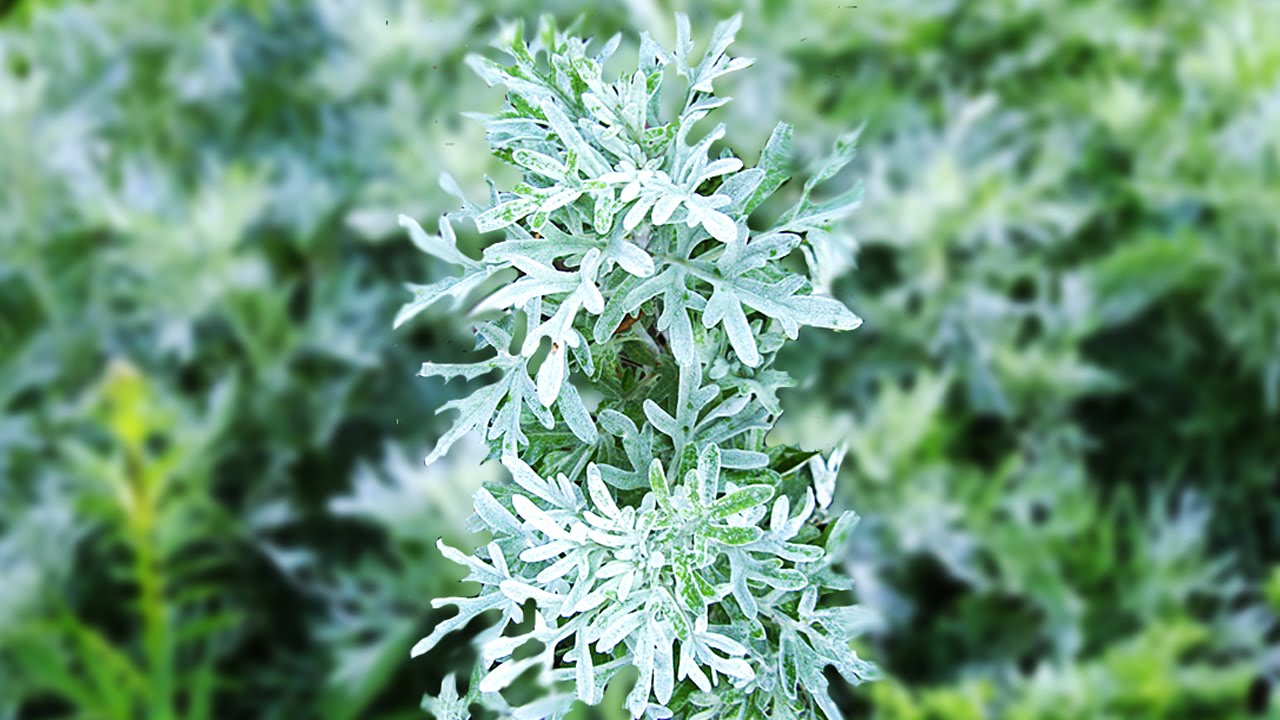
- Herbal infusions of wormwood, eucalyptus, and tansy repel parasites. To prepare them, take 40 grams of dried plant and add 800 ml of boiling water. Let it steep for about an hour, then spray throughout the home.
Some pungent-smelling herbs, particularly wormwood, are effective flea repellents.
- Pine sawdust. Fleas dislike the essential oils emitted by wood. Therefore, sawdust is sprinkled under pets' bedding to prevent the infestation and to repel any existing parasites.
- Table salt and baking soda. Mix these ingredients in equal proportions and sprinkle a thick layer on the carpet and soft toys, rubbing thoroughly into the material. After 12 hours, vacuum the treated items. Repeat the process several times if necessary.
- Yeast and garlic. Mix several heads of peeled and crushed garlic and brewer's yeast and spread them over all carpeting and even the corners of the floor. Leave the mixture for 10 hours, then thoroughly vacuum all surfaces. The pungent odor of the ingredients used repels parasites.
The aroma of garlic, especially when combined with yeast, repels fleas.
- Peppermint and other strong-smelling plants and foods. Flea repellent can have a pleasant aroma for humans and repel fleas. To prevent and get rid of fleas, place fresh peppermint, tansy, wormwood, and dried lavender in the corners of the room and at the entrance to the house. Hidden in nooks and crannies (hoods, dresser drawers, and crevices), peels of tangerines, oranges, grapefruits, and other citrus fruits are effective in repelling fleas.

How to get rid of fleas in your apartment – video
Professional pest control
You should call in professionals to get rid of fleas if all other methods have failed. Their help will also be needed if your home is literally infested with these pests.
Preparation for disinfestation:
- Remove all food and utensils from the area being treated.
- Do wet cleaning of the rooms.
- Provide access to the back of carpets.
- Remove domestic reptiles, birds, and fish from your apartment or house, as the medications used may be fatal to them, but cats, dogs, and people are not at risk.
Specialists treat floors and walls at a height of up to 1.5 meters. The procedure takes 30-40 minutes on average. Afterward, all rooms are ventilated for 5-6 hours. Vacuuming is recommended every two days, and wet cleaning should be postponed for as long as possible.
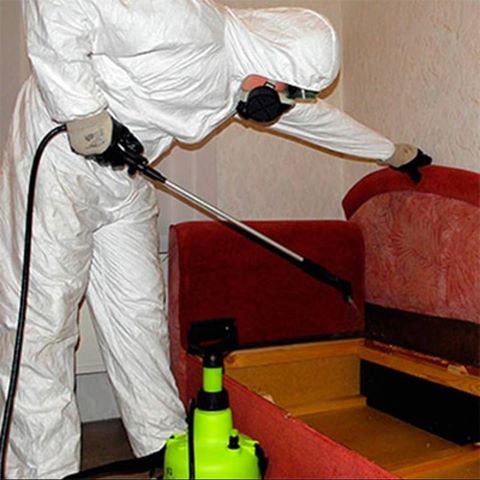
Professional pest control allows you to get rid of fleas for a long time, and sometimes forever.
What are the specifics of flea control in a private home?
In addition to pest control measures in your home itself, pay attention to the area in front of your home:
- Remove all organic matter—rotted leaves, weeds, and straw used as bedding—away from the entrance to the home and bury it under trees to rot.
- To prevent flea colonies from appearing, sprinkle pine sawdust and wormwood on the paths in the yard and all areas not occupied by the garden, and plant Persian chamomile.
- Periodically treat the dog house, the porch and the area underneath it, and the shed, if cats or dogs are there, with insecticides against these blood-sucking parasites.
Preventing fleas from appearing in your home
If you're concerned about the appearance or return of insects, take appropriate preventative measures. For example:
- periodically inspect your pets for bloodsuckers, put flea collars on them, and wash them with antiparasitic shampoos after walks;
- get rid of rats and mice, if present, and seal all cracks and crevices in the house;
- several times a year, carry out a general cleaning of the home, taking all bedding outside to freeze or “bake” in the sun;
- vacuum carpets and pet bedding more often;
- pets' beds should be periodically treated with insecticidal preparations;
- Place dry or fresh wormwood at the entrance to the house and under the windows.
Reviews
I only had fleas in my house once. I lived in a private house, and my dog walked from the house to the yard and vice versa. I sprayed them with dichlorvos and left the house for a few days. That's it. They never bothered me again...
Buy dichlorvos, spray it throughout the apartment, close the windows and doors for 2 hours, and leave. Then, after 2 hours, return, inspect the room for 40 minutes, and wash all surfaces with a cleaning solution. There won't be any more fleas. This saved us.
We got rid of these nasty things only with dichlorvos (we bought the unscented kind for non-flying animals). They only disappeared completely after the second time (since the house is large). And they only bit my youngest daughter. I read that they don't "love" everyone...
I can't pass by... A week ago, I brought a bunch of fleas from the basement into my apartment - they bit my legs raw. I moved around the apartment in large garbage bags wrapped around my feet and socks, because socks alone weren't enough. I got rid of them in two days. I'll tell you: day one - treat the floor with water and kerosene (lots of kerosene), no additional powders, and simultaneously treat the upholstered furniture with ampoules from a pet store and water in a spray bottle (I used twice the concentration) + thoroughly vacuum... Day two - I called a special service - they sprayed everything and left it to dry for four days... Question: why the first day? Answer: to be on the safe side, since nothing is more dangerous for these creatures than kerosene (treat the wounds with tar soap and alcohol, possibly with camphor).
A single flea can lay dozens of eggs a day. Today, it's alone and you don't notice it, but in two weeks, when its offspring hatch, there will be hundreds. And so on, exponentially, unless you use chemicals and vacuum the entire apartment and furniture daily. You can also wait until the first frost and open all the windows and doors—they'll die on their own.
We tried washing the floors with vinegar and spreading cotton wool soaked in it around the house—it didn't help at all. We brought wormwood and spread it everywhere—no effect, only the wormwood itself brought in all sorts of gnats and spiders. We sprayed dichlorvos liberally, closed all the windows, and went to work. By evening, all the gnats and mosquitoes, which we hadn't even suspected existed, had died, and the fleas that evening were biting us just as vigorously as usual. Dichlorvos didn't help. The other day, we washed and sprayed everything with a Neostomozone solution—the smell was so bad it made my eyes water. It lasted exactly one day—today, fleas are jumping around the house again. Today, we'll buy Pyrethrum (Dalmatian chamomile powder) at the pharmacy and try it. And we'll call the professionals—nothing described online helps eradicate fleas from the apartment. By the way, the fleas from the apartment successfully migrated to the car - it's terrible.
With the availability of effective, latest-generation insecticides, flea control isn't all that difficult. However, prevention is better than cure, as the parasites can cause significant stress and damage your health before they're completely eradicated. Focus more on preventing these bloodsuckers.