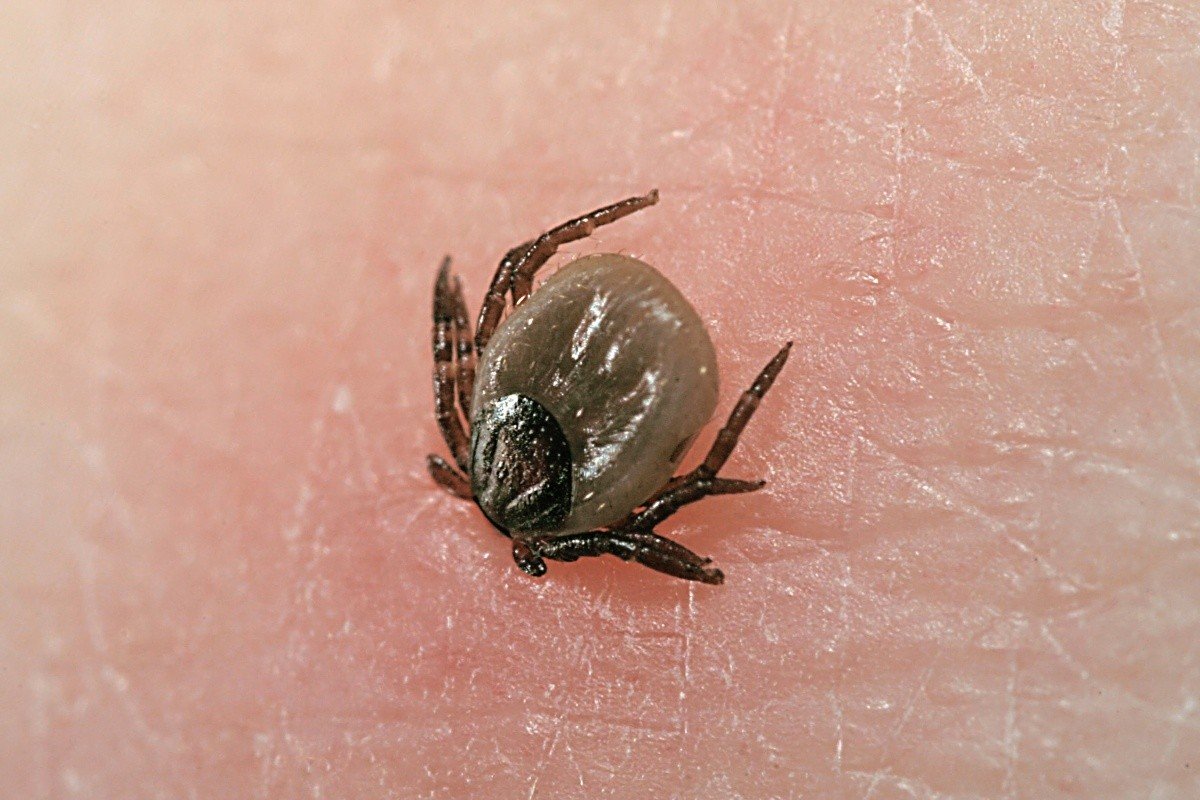
Encephalitis is a viral disease that can have dire consequences, sometimes even be fatal. It is transmitted by a small insect called a tick.
Content
Is it possible to distinguish an encephalitis tick from others?
Encephalitis is a disease of the brain that causes inflammation. It is a primary (independent) type and occurs as a result of a tick bite.
It is impossible to determine whether an insect is infected with encephalitis by its appearance.To do this, specific research needs to be conducted.
The virus is carried by females, males, larvae, and even nymphs of the insect. They contract it from animals they bite.
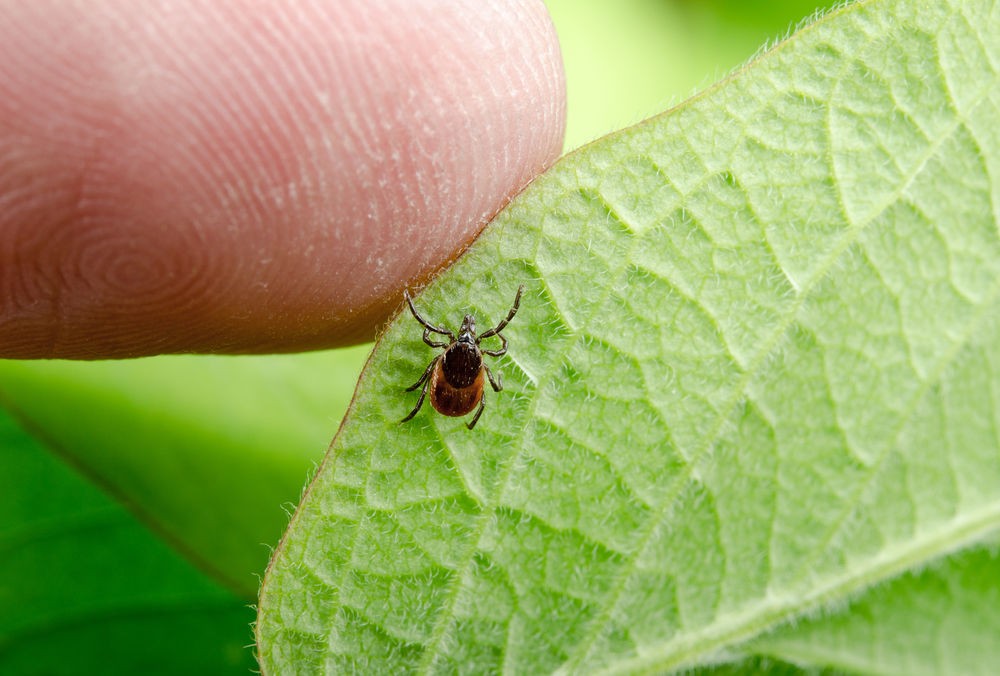
A careless attitude towards a tick bite often leads to infection with encephalitis, and therefore to the terrible consequences of this disease.
The parasites resemble a small, brownish-red spider with a proboscis. When hungry, the male grows up to 2.5 mm in length, while a hungry female can reach 3–4 mm. The flat surface of the body is covered with a durable black plate, which covers the entire back of males. After feeding, the female grows to 1 cm in length, while the male remains the same, as he requires less food.
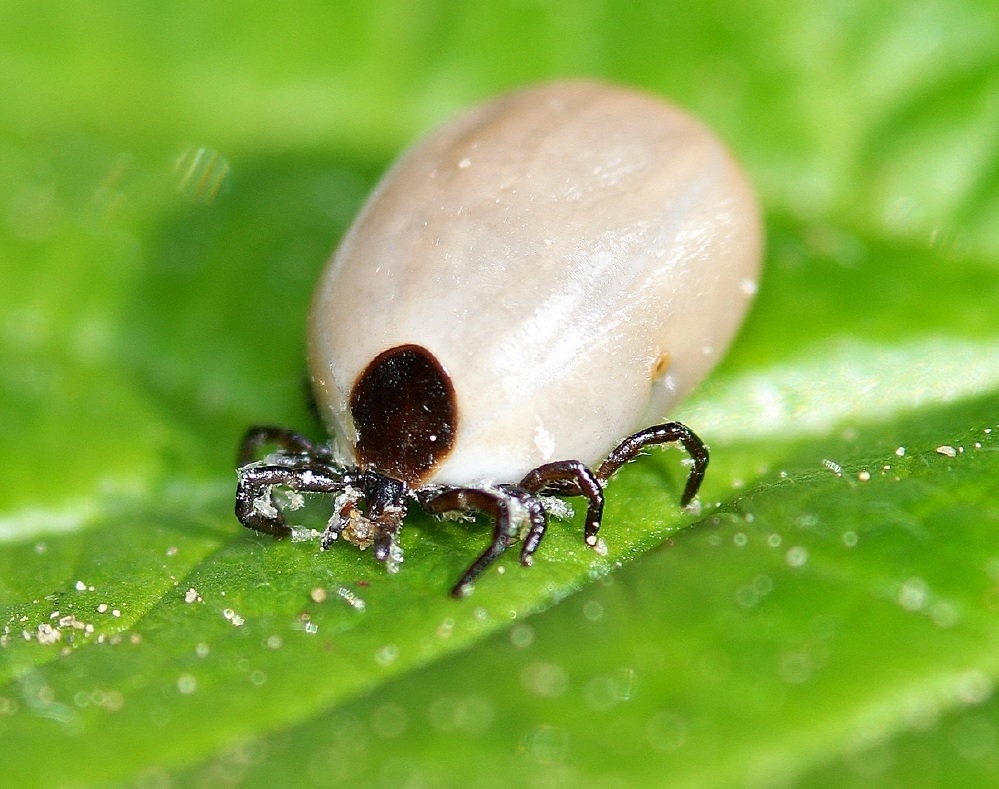
A satiated female tick increases in size two to three times
Features of the bite
The parasite bites using its hypostome, a proboscis-like structure that allows it to attach to its victim and feed from them. It also serves as a sensory organ. The tick most commonly bites in the groin, lower back, armpits, abdomen, neck, chest, and ears. At the affected area, due to the influence of the parasite's saliva, a local inflammatory process and an allergic reaction in the form of redness occurs. There is no pain. Sometimes the skin at the bite site remains unchanged. But the insect's attachment is evidence of a bite.
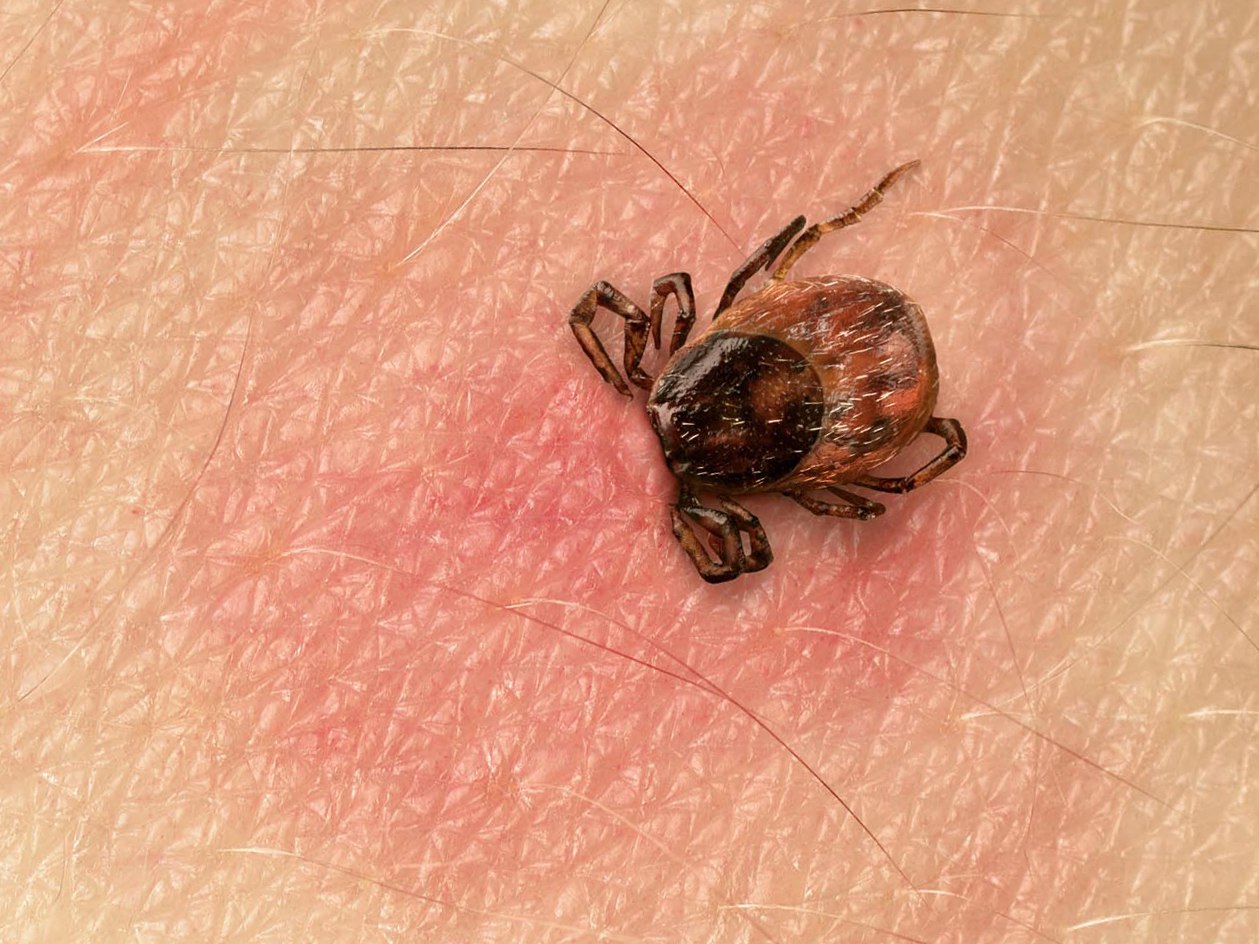
The site of the tick bite is characterized by slight redness
To determine when to be wary of tick bites, you need to focus not so much on the season as on temperature and humidity. The most favorable weather for them is +5 °C and air humidity of 80%. These conditions are typical for May and June, as well as late August and early September. If temperatures exceed 22°C, parasites rarely emerge from their shelters.
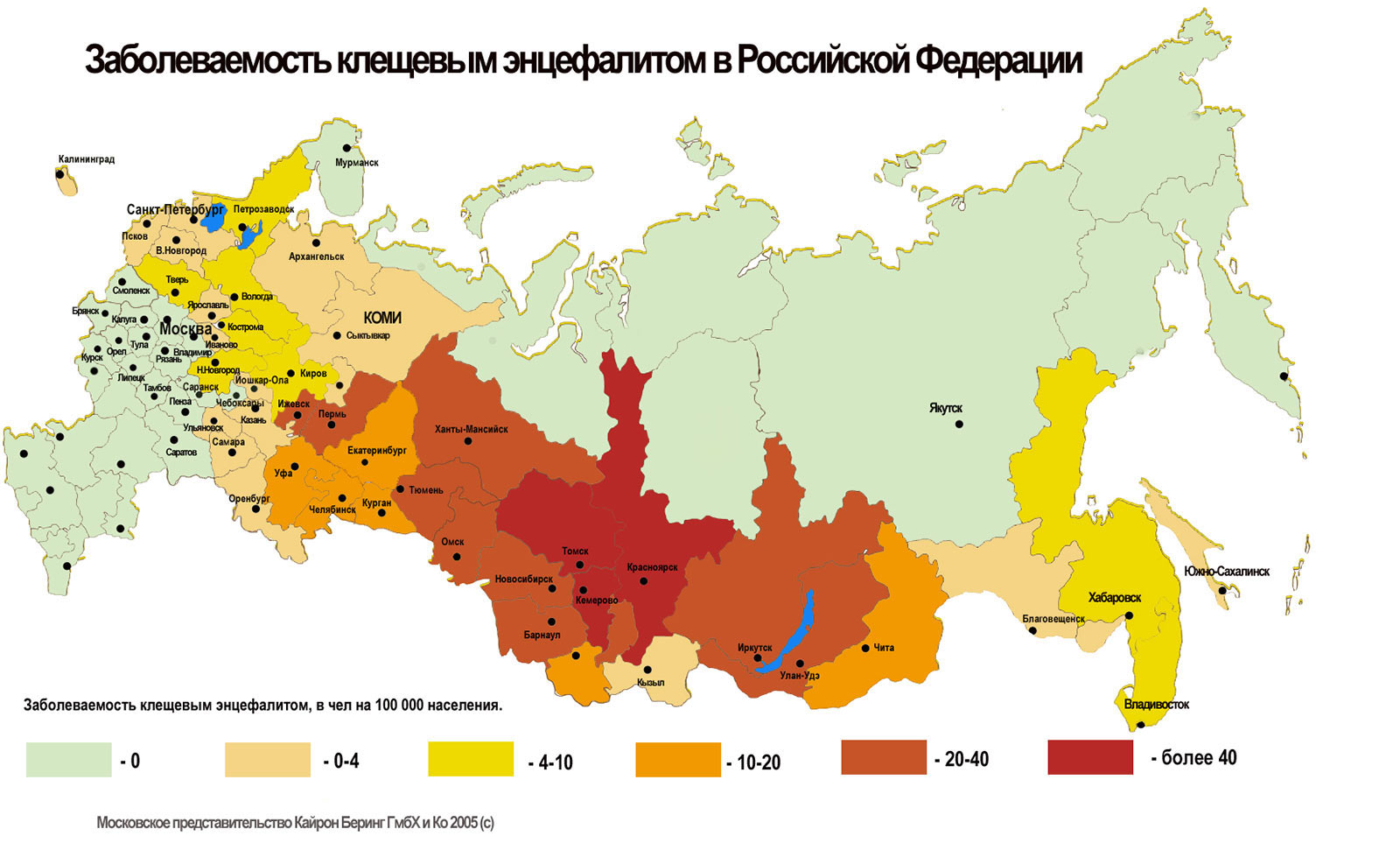
By studying the tick-borne encephalitis incidence map in advance, you can decide whether it is advisable to get vaccinated.
Insects usually bite in cloudy weather before rain. They should be avoided before 8 a.m. and later in the day—after 7 p.m.–10 p.m. Ticks do not rise to a height of more than 50 cm, so they jump onto their prey from grass or bushes. The parasite spends a long time searching for a place to bite. Sometimes it can be removed before the bite penetrates the skin.
The male tick doesn't attach itself, but quickly bites, feeds, and falls off. The female, however, remains on its victim until it's fully sated, increasing in weight almost 100-fold.
First aid for a tick bite
It's important to immediately contact a seroprophylaxis center—a facility that provides tick-borne infection prevention. This will help you avoid diseases also transmitted by these insects, but for which you haven't been vaccinated.
- If you have not been vaccinated against tick-borne encephalitis, you should be given tick-borne immunoglobulin after a blood or insect test. If immunoglobulin is administered no later than 3 days after the parasite has attached itself, the disease can be avoided.
- Remove the tick from your skin as quickly as possible to minimize the risk of infection and an allergic reaction to the bite.
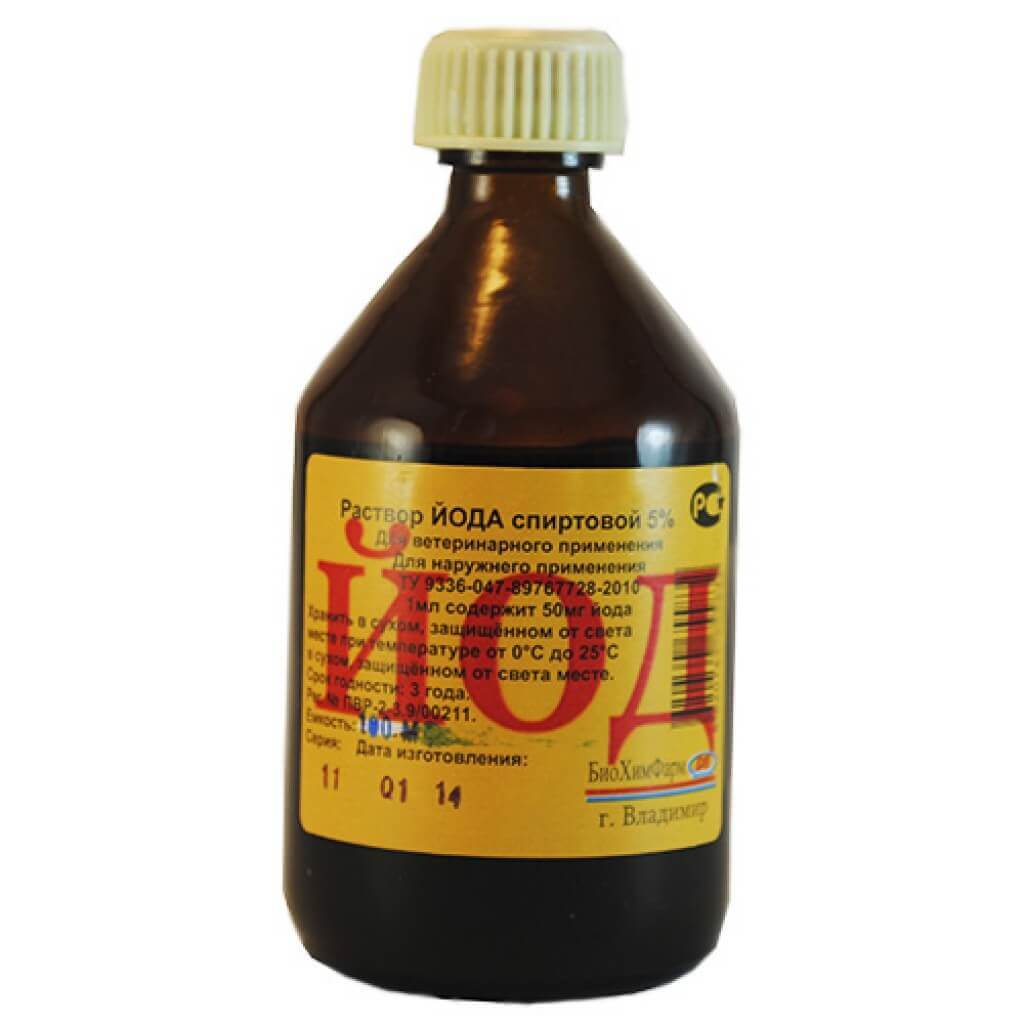
- Treat the wound with a disinfectant—5% iodine, alcohol, or vodka. Wash your hands thoroughly afterward.

The bite site should be disinfected, for example with iodine.
- Take the parasite to a lab to determine whether it carries encephalitis. To do this, place it in a vial or jar with a damp cotton swab. If there is no seroprophylaxis center nearby or you don't know where one is, burn the parasite or drown it in boiling water.
How to remove an insect correctly
Avoid squeezing the tick or scratching the bite site, as this can introduce the virus into the bloodstream through microscopic skin abrasions. When removing the tick, be careful not to crush it or tear off its head, as this will introduce pathogens into the body along with the tick's contents. There are two ways to remove the tick:
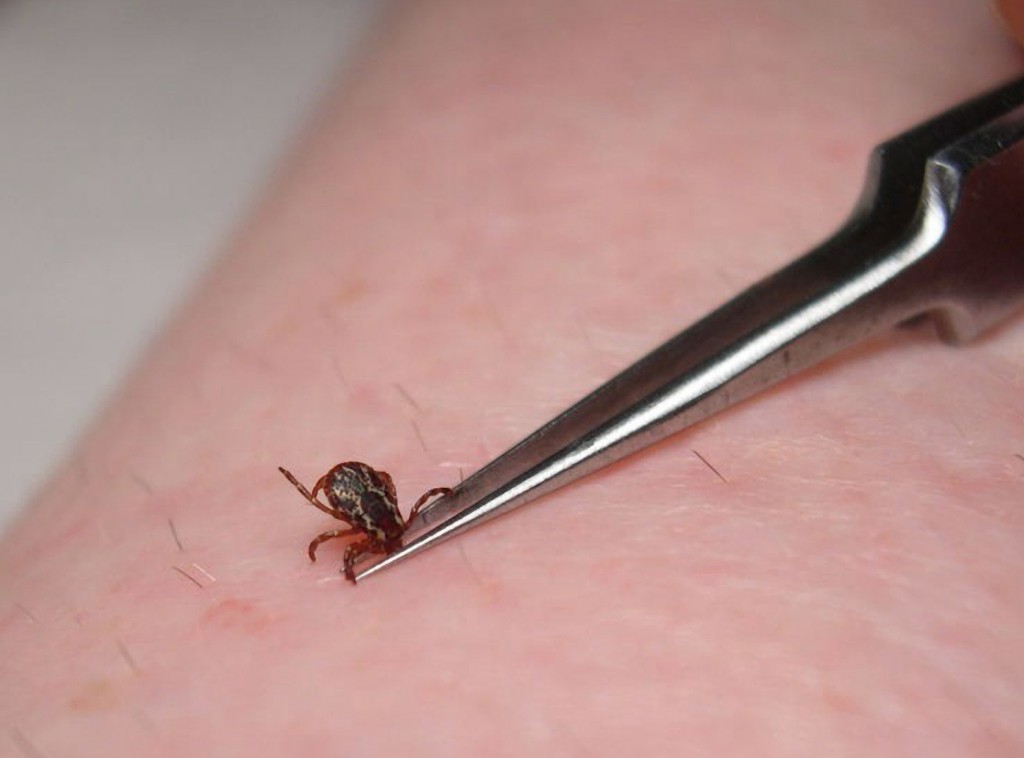
- Grasp the insect with tweezers close to the affected area and rotate its body around its axis. Do not pull the parasite upwards. The proboscis is spiral-shaped. If simply pulled, it will remain in the body and become a source of infection.
Using tweezers, carefully remove the tick by rotating its body.
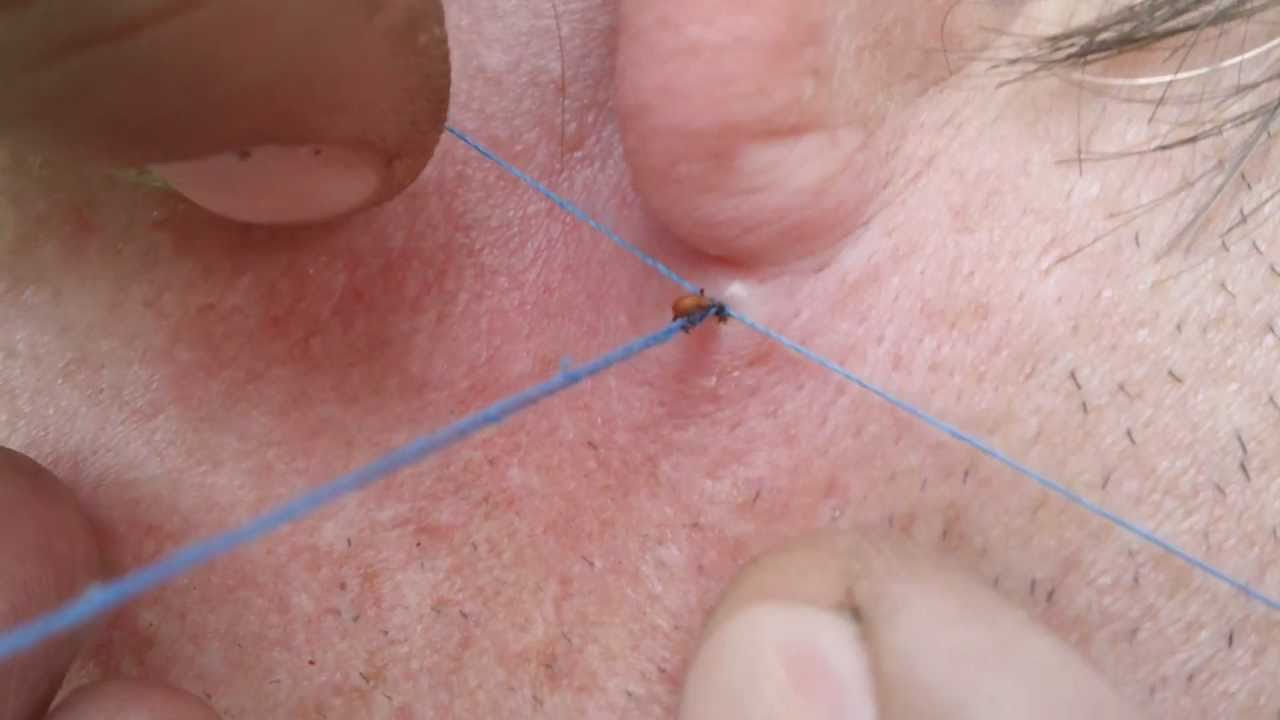
- Tie a thick thread into a knot close to the hypostome, leaving the ends equal in length. Spread them apart and rotate them counterclockwise, like a helicopter propeller.
Using a thread, remove the tick without tearing off its head.
If the parasite's head, which appears as a black dot, breaks off during removal, wipe the area with a cotton swab moistened with alcohol. Then, use a pre-heated needle to pull out the head, as if you were removing a splinter.
Symptoms, course and diagnosis of tick-borne encephalitis
You can find out about infection with the virus within a week or two after the bite, although the incubation period lasts from 1 to 30 days.
Symptoms of disease development
Within a day or two, you may experience weakness in your neck, legs, and arms, and feel fatigued. The next stage is the acute phase, which is characterized by:
- fever with a temperature increase to 39–40°;
- sleep disturbance;
- syndrome of confusion of consciousness (any external stimuli are acutely perceived, thinking slows down, orientation in space is lost);
- severe headaches, nausea and vomiting;
- redness of the bite site, as well as the eyes and skin on the face;
- muscle pain.

Symptoms of tick-borne encephalitis in the first stage resemble the flu.
How does the disease progress?
A two-wave course of encephalitis with a break between phases is possible:
- The first 3-7 days are characterized by a condition reminiscent of the flu at its peak. The brain is not affected.
- Apyrexia - one to two week break.
- The second wave of fever, during which damage to the central nervous system and brain begins.
There are five forms of the disease:
- Feverish. This form is one of the mildest and offers a good chance of full recovery. It manifests as a feverish state lasting several days. The nervous system is practically unaffected.
- Meningeal. This form is the most common and lasts from 6 to 12 days. The prognosis is always favorable. Symptoms include general lethargy, muscle tension in the back of the head, and sluggish thinking. Signs of damage to the meninges—meningeal symptoms—are clearly evident:
- pointer dog pose (meningitis pose) - the back is arched, knees are pressed to the stomach, the head is thrown back;
- "blanket syndrome" - a person tries to hide under a blanket even in a state of clouded consciousness;
- increased sensitivity of the skin and sensory organs;
- involuntary drawing in of the abdomen.
- Meningoencephalitic. A severe form that manifests in two types: focal and diffuse. In the former, most of the cranial nerves are affected. Epilepsy may develop over time. In a quarter of cases, death of the patient is possible. In the second stage, the brain tissue and membranes become inflamed, leading to hallucinations and delusions, epileptic seizures, and altered consciousness. Cerebral edema and disruption of vital functions are possible, leading to death. Even with successful treatment, paresis, swallowing, and speech problems often persist, leading to disability.
- Polio. Initially, the infected person experiences severe weakness, fatigues quickly, and numbness. Later, flaccid paralysis of the arms and neck muscles develops, and the head lies on the chest. Symptoms appear within 7 days, after which atrophy of the affected muscles occurs. This form occurs in approximately 30% of cases and can lead to disability.
- Polyradiculoneuritic. Initial symptoms are similar to those of the previous form. The peripheral nerves and roots are most affected. Healing is possible without harmful consequences.
Diagnosis of encephalitis
Laboratory blood tests are necessary. Results will not be available immediately after the bite, but rather after two weeks. The most reliable diagnostic method is a lumbar puncture. A sample is taken from the victim between the spinous processes of the third and fourth lumbar vertebrae. Cerebrospinal fluid is analyzed, and its levels are compared with reference values. Results will take about a week. There are also accelerated methods:
- counter immunophoresis;
- fluorescent antibodies;
- PCR (polymerase chain reaction).

Lumbar puncture is the most reliable method for diagnosing tick-borne encephalitis.
Treatment of the disease
The treatment regimen depends directly on the patient's symptoms, and even vaccinated patients should consult a doctor. During the acute phase, patients should remain in bed under medical supervision until symptoms subside. It's important to follow a diet prescribed by a doctor based on the severity of liver and gastrointestinal damage, as well as take ascorbic acid to improve adrenal and liver function.
Antiencephalitis immunoglobulin can help combat the underlying cause of the disease. It produces a positive effect within one to two days: the temperature drops to normal, the general condition improves, and meningeal symptoms become less severe. It can be replaced with:
- leukinferon;
- homologous polyglobulin;
- reaferon;
- serum immunoglobulin;
- ribonuclease.
To rid the body of toxins, vitamins, sodium chloride and glucose solutions are administered intravenously. If the patient suffers from the poliomyelitis, meningoencephalitis, and polyradiculoneuritic forms of the disease, additional treatments are necessary. If the cranial nerves are not affected and there is no disturbance of consciousness, prednisolone is prescribed. Along with glucocorticoids, a soft diet and potassium supplements are prescribed.

Antiencephalitis immunoglobulin and its substitutes are used to treat encephalitis.
Possible complications of encephalitis
The disease is dangerous not only because of its active phase but also because of potential complications. These include:
- meningitis;
- mental problems;
- dysfunction of the musculoskeletal system;
- deterioration of hearing and vision;
- constant headaches;
- fecal and urinary incontinence.
With proper rehabilitation, negative effects gradually subside, but this takes time. After a severe form of the disease, they disappear within a few years, after a moderate form, within two to three months, and after a mild form, within two to five weeks.
Prevention methods
The best protection is vaccination. It is administered to adults and children aged one year and older. A full course provides immunity for three years, after which a booster dose is given as a single standard dose. This measure is advisable for residents of those areas where large outbreaks of the disease are detected. The idea is to train the immune system to recognize and fight the virus. The schedule is determined by a physician, who provides a preliminary consultation regarding the possibility of vaccination. Both foreign (Austrian and German) and domestically produced medications are administered.
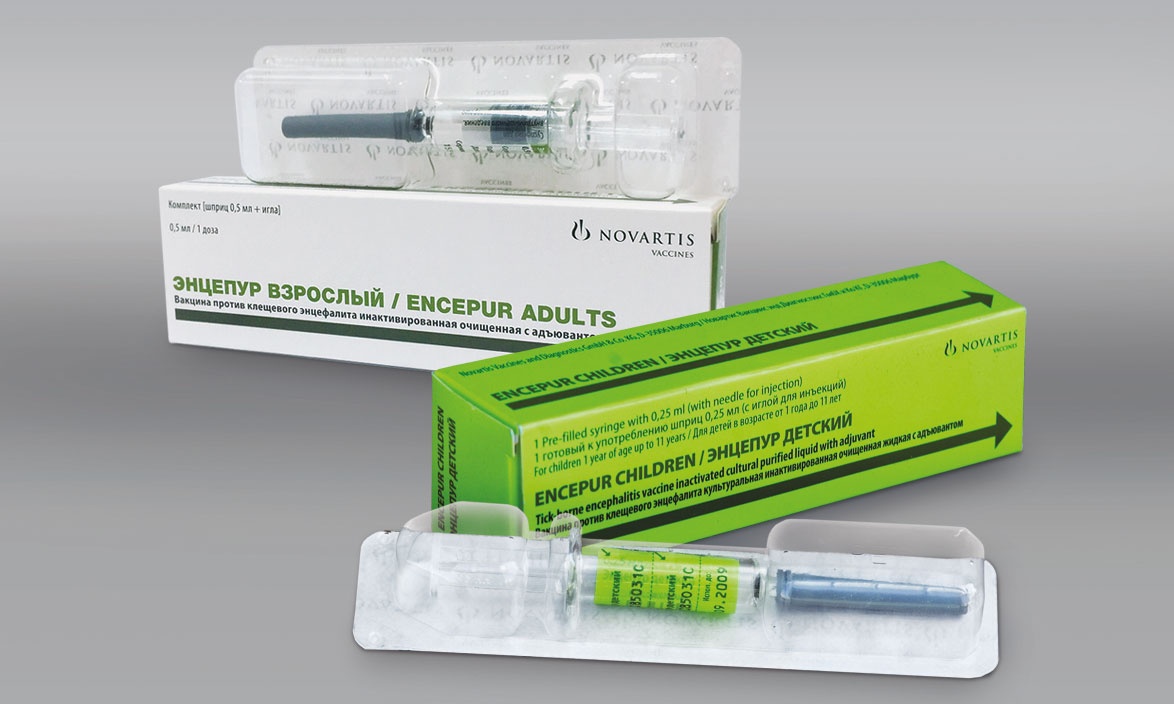
Encepur, EnceVir and other drugs are used for vaccination against tick-borne encephalitis.
How to protect yourself from bites
Preventing tick bites will also help protect you from encephalitis. When planning a hike, be sure to wear the right clothing and plan the right route:
- use items that cover as much as possible;
- choose tapered trousers that can be easily tucked into shoes, a sweater or jacket with tight-fitting cuffs;
- in the hot season, wear a scarf or a cap; in spring and autumn, wear a hat;
- Move along well-trodden paths, avoid tall, thick grass, ravines and roadsides;
- Check your children and yourself for ticks on your clothes and skin about every half hour.
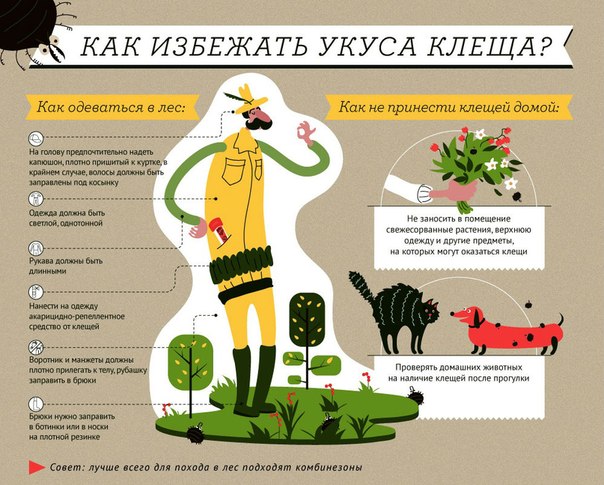
Knowing how to protect yourself from ticks in nature will help you avoid being bitten by this insect.
Use of chemicals
There are two types of parasite control products:
- Acaricides. They cause paralysis in ticks. Due to their high toxicity, they are applied only to the clothing of adult nature lovers. The active ingredient is alpha-cypermethrin.
- Repellents. They repel bloodsuckers and are used by both adults and children. The active ingredient is DEET (diethyltoluamide).
The first type includes:
- Reftamide Antikleshch - used for treating clothing, protects against insects for two weeks;
Reftamide Antikleshch should not be used on clothing worn by humans.
- Tornado anti-tick spray - duration of action - up to 10 days;
- Picnic-Antikleshch has a pleasant smell, is effective for up to 15 days, a separate product is sold for children;
Children's clothing is treated to protect against ticks according to the same rules as adult clothing.
- Gardex is used no more than once every 15 days. Treated clothing can only be worn after the product has completely dried.
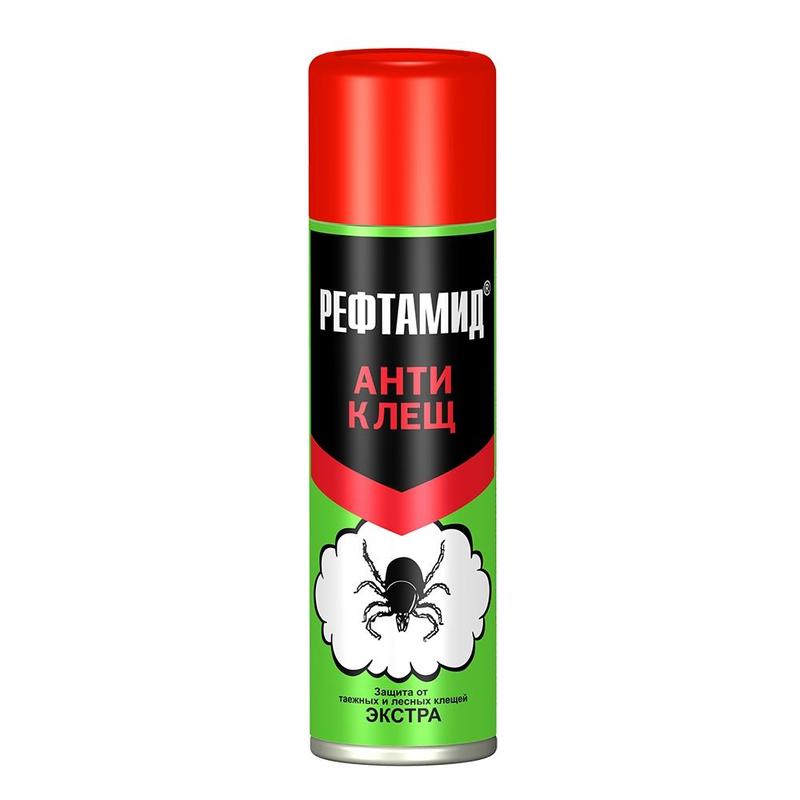
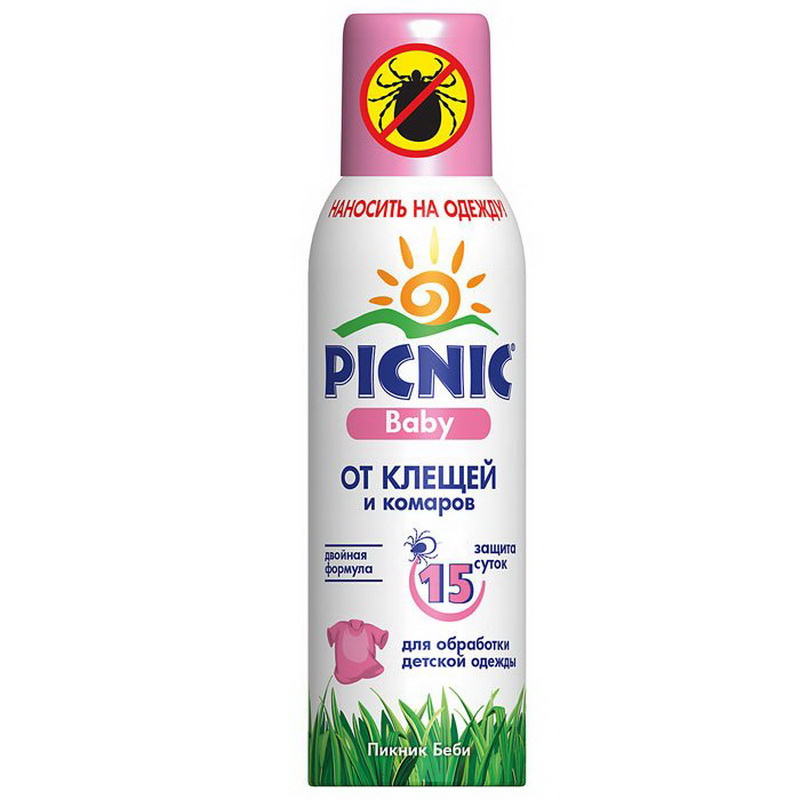
The following repellents are popular:
- Medilis - against mosquitoes - applied to the skin (protection time - up to 4 hours) or to clothing (effective for up to 20 days if not washed);
- Reftamide Maximum - for protection against ticks, the aerosol is applied to clothing (lasts up to 5 days) or skin (renewed every 4 hours); it has a pleasant vanilla scent and is approved for use with children;
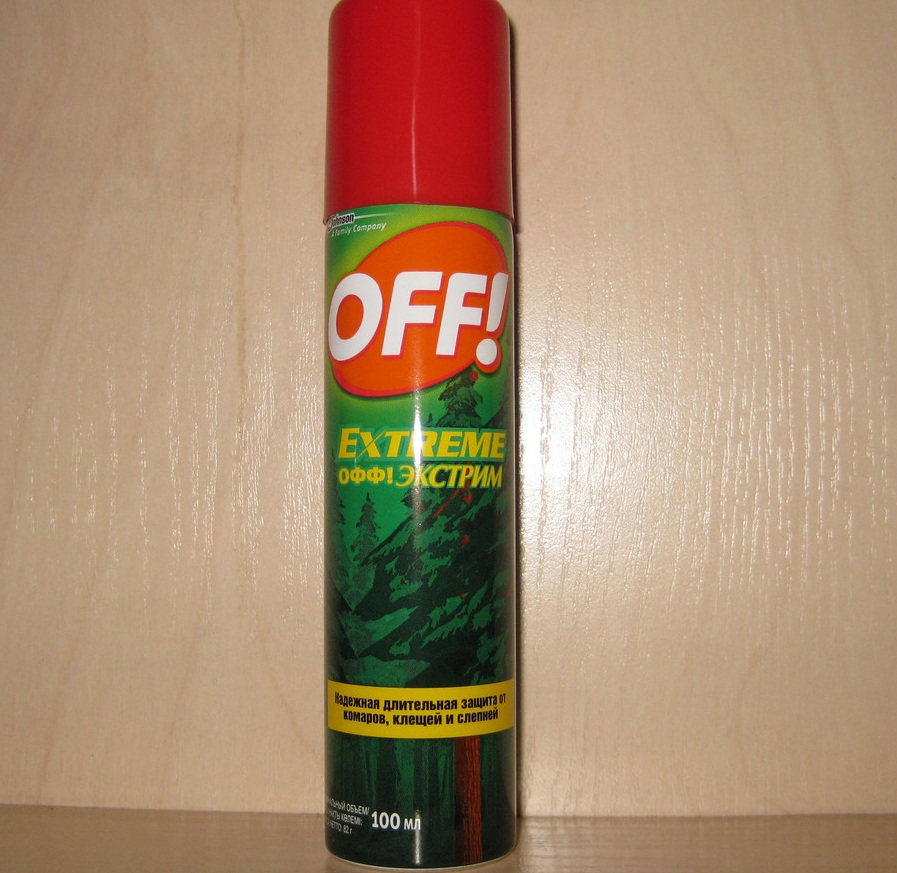
- Off! Extreme – applied to skin or clothing by children and adults.
To protect against ticks, the product can be applied to skin or clothing.
They should be used in accordance with the instructions and the precautions stated therein should be strictly observed.
Tick-borne encephalitis is a dangerous disease with serious consequences. With timely and proper treatment, it can easily be reversed. However, it's best to exercise caution and foresight to avoid insect bites.