It's hard to imagine a modern diet that doesn't include chicken eggs. Except for vegans, they are eaten by people of all social classes around the globe. Surprisingly, so many myths still surround this food. Let's debunk some of them.
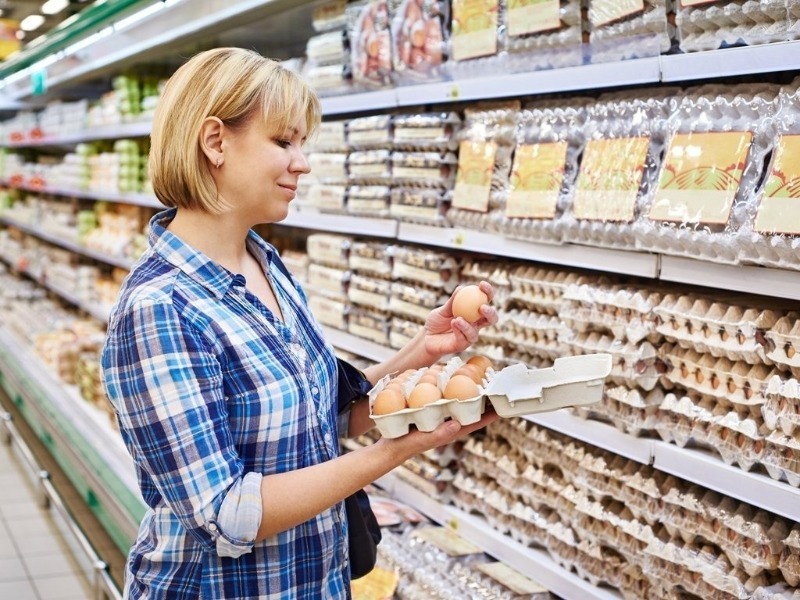
Store-bought eggs can hatch into chicks.
This common misconception stems from a lack of understanding of the physiological characteristics of laying hens and the technology used to produce them. In the wild, birds lay fertilized eggs, which results in the chicks hatching on time. In factory-farmed hens, kept separately from roosters, the offspring is produced by parthenogenesis and does not contain an embryo.
On home farms, females and males share the same space, but even if a fertilized egg is mistakenly sold, there's no chance of hatching. Products are transported refrigerated, and the same temperature is maintained in stores. Due to disruption to the microclimate, the embryo will die within an hour of the trays being delivered for sale. Furthermore, potential shaking and mechanical stress ultimately destroy any chance of hatching.
The color of the shell depends on the chicken's feathers.
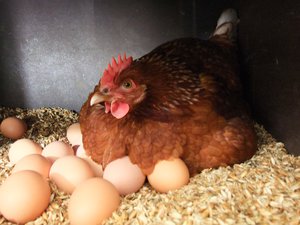
A connection between the color of a bird and its shell has long been noted: light-colored hens have white shells, while speckled hens have brown ones. This trend is indeed observed, but it's not the plumage color that matters, but the breed of the chicken. This is a hereditary trait and depends on genes. For example, the jet-black Ayam Cemani has shells ranging from light brown to dark gray, while the sandy-brown Araucana has a bluish-green shell.
The pigment that determines the color is found in the cells of the hen's uterine duct and is determined early in the developmental process. Furthermore, a number of factors influence the color saturation. During the egg's passage through the oviduct, it is exposed to porphyrin. The longer the passage, the darker the hue. The intensity of the hue also depends on the period of egg laying—the first period is characterized by a richer color.
The larger the egg, the longer the bird will incubate it.
A misconception easily refuted by facts. For example, ostriches, the largest birds, carry their 1.5-kilogram eggs for one month and 12 days.
Kiwis gestate for two months and 20 days, with their "baby" weighing around 500 grams. Wandering albatrosses gestate for two months and 13 days, with the unborn chick weighing up to 500 grams.
Two yolks in an egg are deadly to humans.
Superstitions predict illness and even death for anyone who eats an egg with two yolks. There's a rational explanation for this belief. Indeed, such a product can be dangerous if it comes from a sick chicken. However, in such cases, blood clots are present, the shell is fragile or missing in places, the egg itself is irregularly shaped, and the yolks are a different color than usual.
If there are no such signs, you can safely eat the product with a couple of yolks. This "non-standard" condition can appear in young hens at the very beginning of egg production, and it usually occurs in highly productive breeds. However, in this case, the yolks pose no danger to humans.