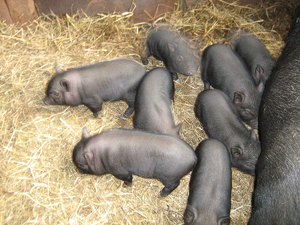
 There are many pig breeds, each with its own fans. Therefore, it's wrong to try to convince someone that one is better than the others. However, among the wide variety, there are some unusual animals, such as Vietnamese pot-bellied piglets, which are worth getting to know better. They have their own advantages, so it's possible that they will be your choice.
Content
Description of the breed
In recent years, many people in our country have become interested in keeping Vietnamese pigs. They have gained such great popularity thanks to many advantages, which gave them an edge over the common Russian and Ukrainian white pigs. Many are attracted to these animals not only by their ease of maintenance but also by their appearance, which makes them very cute.
Appearance
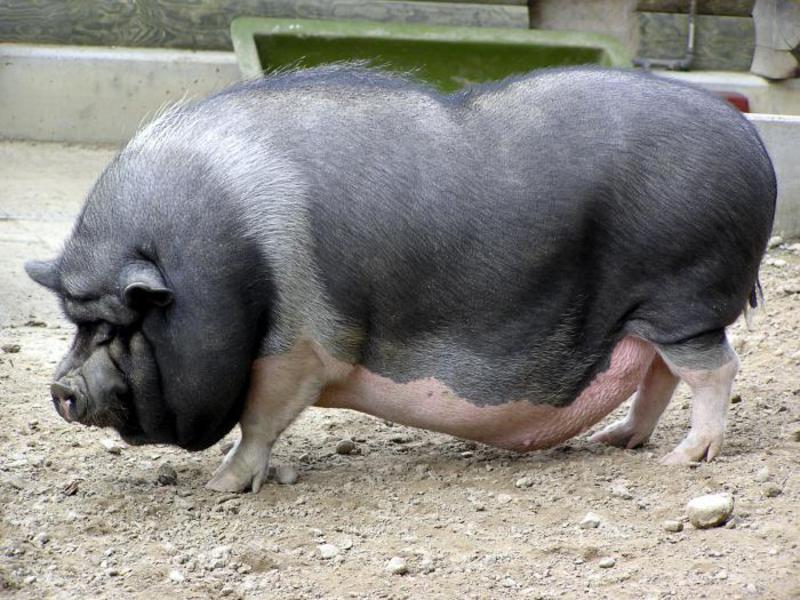
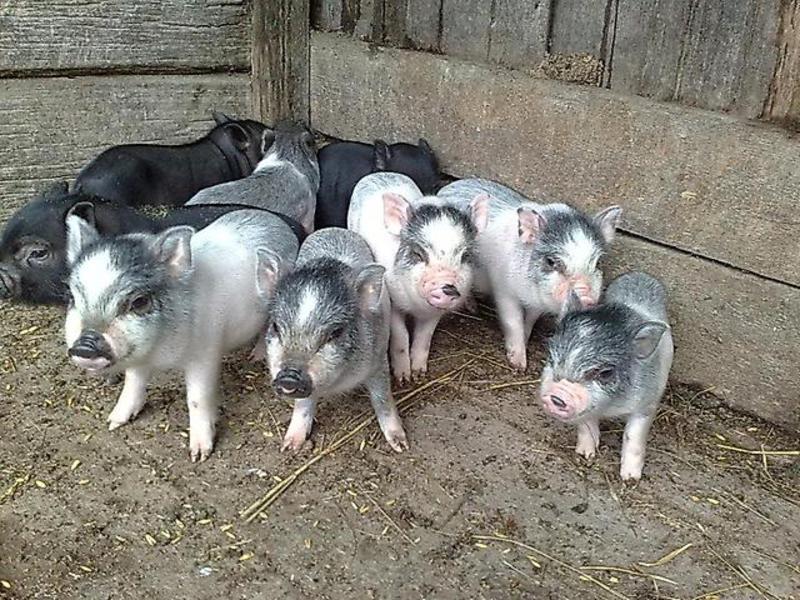
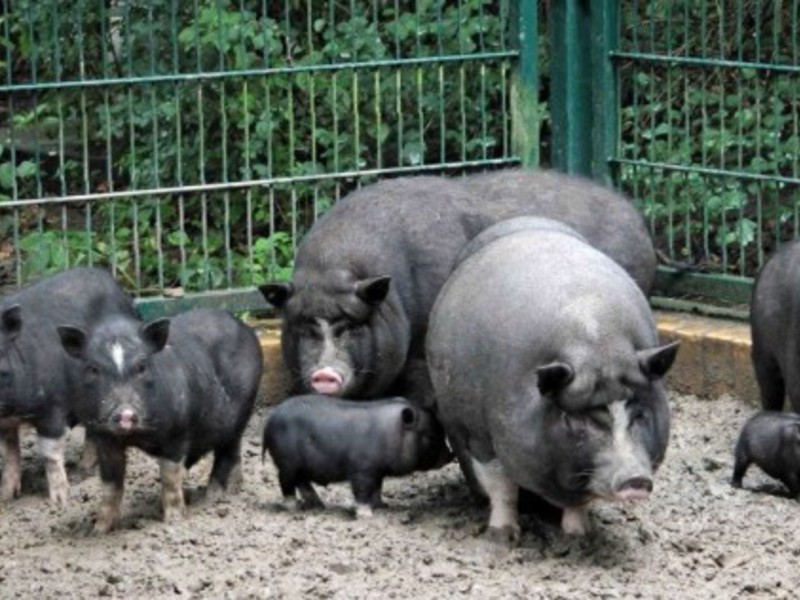
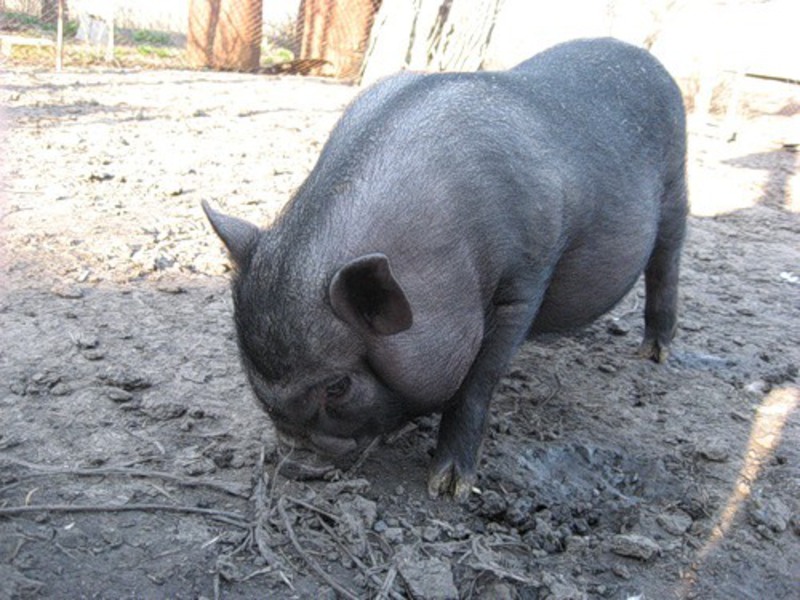
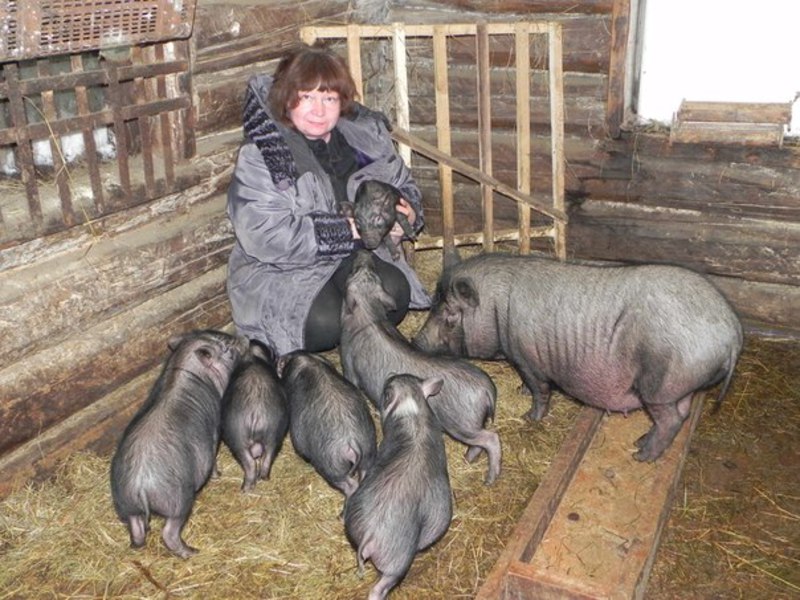
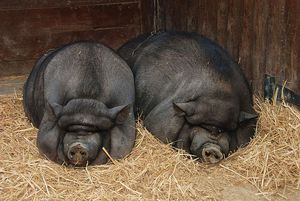
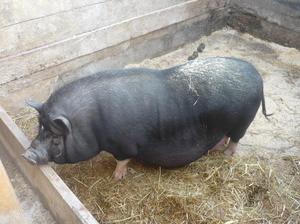
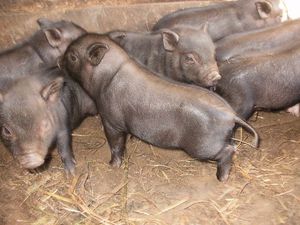 Adults of this breed have a squat, wide body, often referred to as "bacon." A distinctive external feature is their massive ribcage. Newborn piglets appear very small and neat, but as they grow older, they begin to develop a drooping belly. This characteristic explains the breed's name.
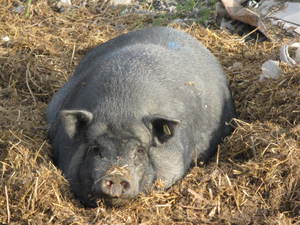
Also pigs of the Vietnamese breed are distinguished by large bellies, and they are especially prominent in sows. Wild boars have prominent tusks, which grow to 15 cm by the time they reach three years of age.
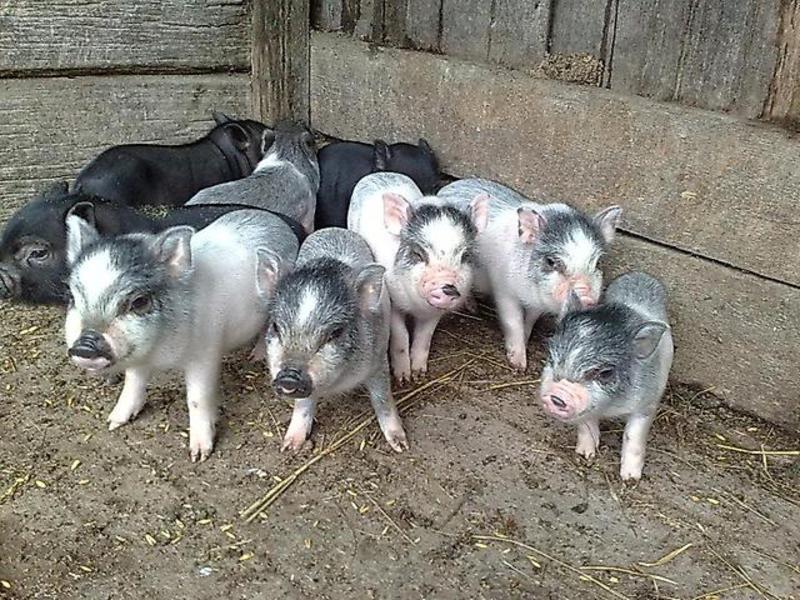
The muzzle of Vietnamese pigs has a distinctive appearance, traditionally blunted with large ears and folds at the front of the nose. The bristles are quite long, reaching up to 20 cm, and are especially noticeable when the pig is tense or frightened. At that point, the bristles begin to stand up. Most representatives of this breed are primarily black, although gray sows, as well as black ones with gray spots and reddish ones, can also be found, resembling wild boars. Adult Vietnamese pigs can vary in weight. This is influenced by the purity of the breed, which is why the weight of these animals can vary widely— from 70 to 150 kg.
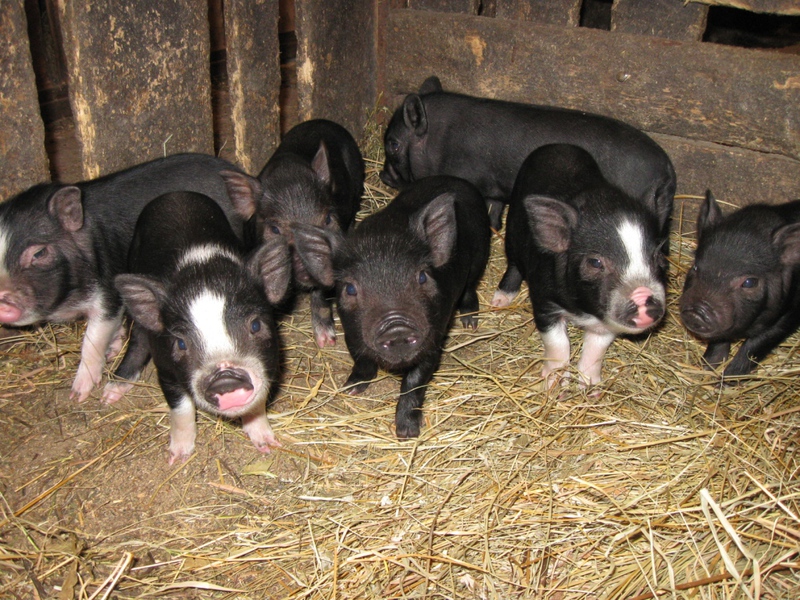
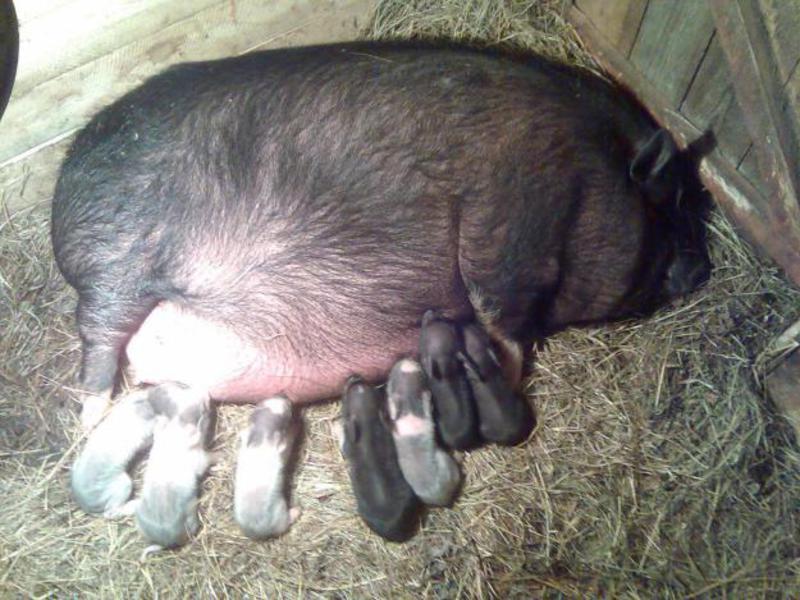
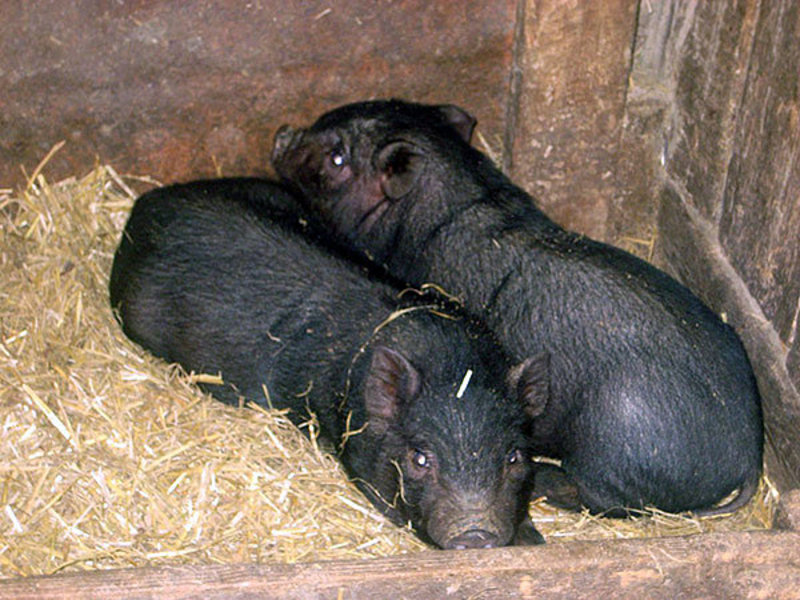
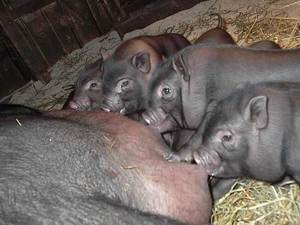
Black piglets are the smallest in size, but they have a more elongated body. Black piglets typically weigh around 500 grams, but by the time they reach 10 days of age, they weigh over one kilogram. Farmers are sometimes upset when piglets born to a sow have different appearances from the breed they purchased. However, blaming the sow for this is unfair, as the responsibility lies with the seller who described her as a purebred. If you have purchased a truly purebred animal, all external characteristics will be identical.
Peculiarities
Vietnamese pot-bellied pigs are distinguished not only by their unusual appearance. Other characteristics worth noting include: specific breeding and maintenanceBut at the same time, they have enough characteristics that these animals demonstrate in their behavior.
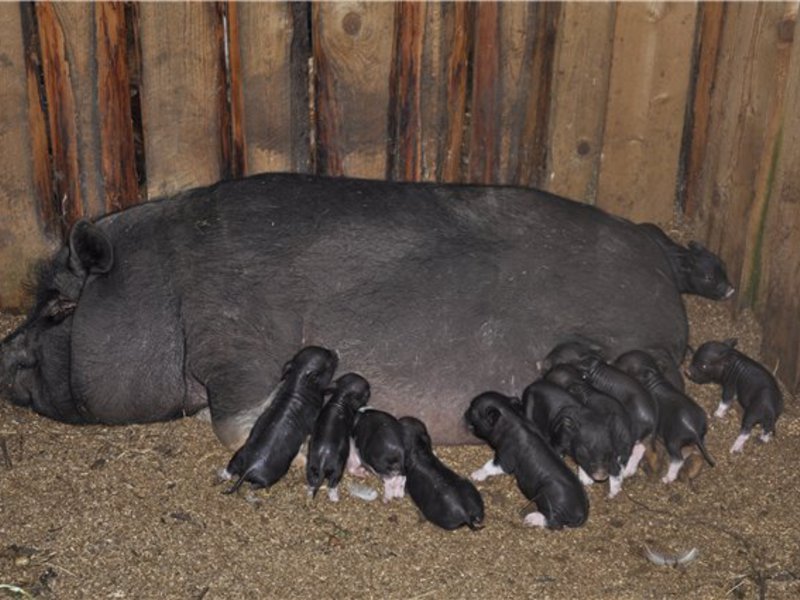
Vietnamese pot-bellied pigs are very docile and kind. Sows are especially protective of their offspring and are willing to do anything to protect them if their babies are threatened. Piglets thrive in the presence of humans and can play and frolic for hours. Given their friendly attitude toward people, the piglets of this breed are very much like puppies.
Adult pigs that have reached sexual maturity typically produce large numbers of offspring. This explains the interest of farmers in these animals. An additional reason for choosing this breed is the precocity of these pigs — they can be crossed for the first time when they reach the age of 7-8 months.
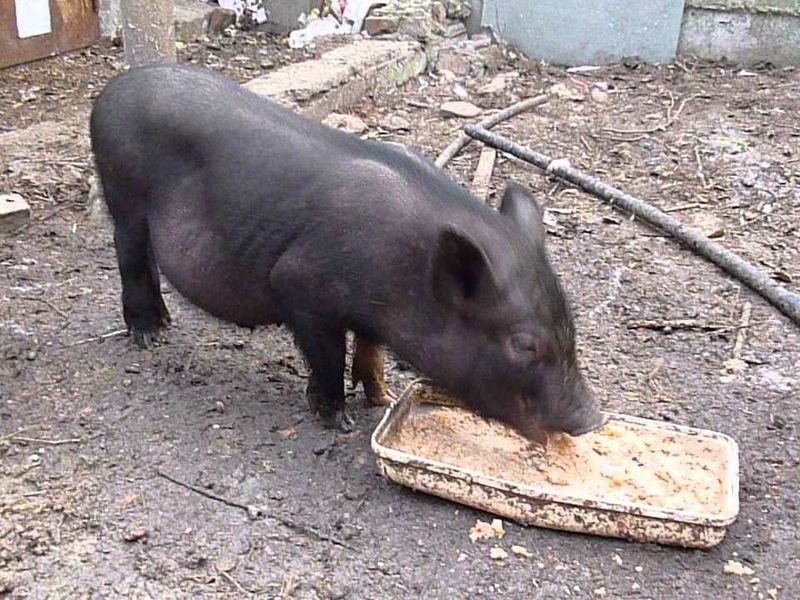
Their diet is also an advantage. They don't require expensive food; they can make do with what's available at the nearest pet store, and if necessary, they can find their own food, including while out for a walk.
Many owners note this breed's cleanliness. Contrary to popular belief, they won't roll around in the mud. Furthermore, they are aware of where their toilet and resting areas are located and will never mix them. Therefore, an owner will never find manure in the pig's bed. And this is noticeable. simplifies the work of cleaning the enclosuresThis makes them look preferable to their white relatives.
It's also worth mentioning the breed's key characteristic—herbivory. This translates into significant savings, so owners won't have to regularly spend large sums on meat and meat products.
When raising Vietnamese lop-eared pigs for meat, there are no strict requirements for living conditions. However, if the goal is breeding, you will need to provide high-quality feed and carefully select a place for the animals to roam. You can expect to profit from raising these pigs if you grow the feed and prepare the feed mixtures yourself.
Farmers' experience in piglet breeding
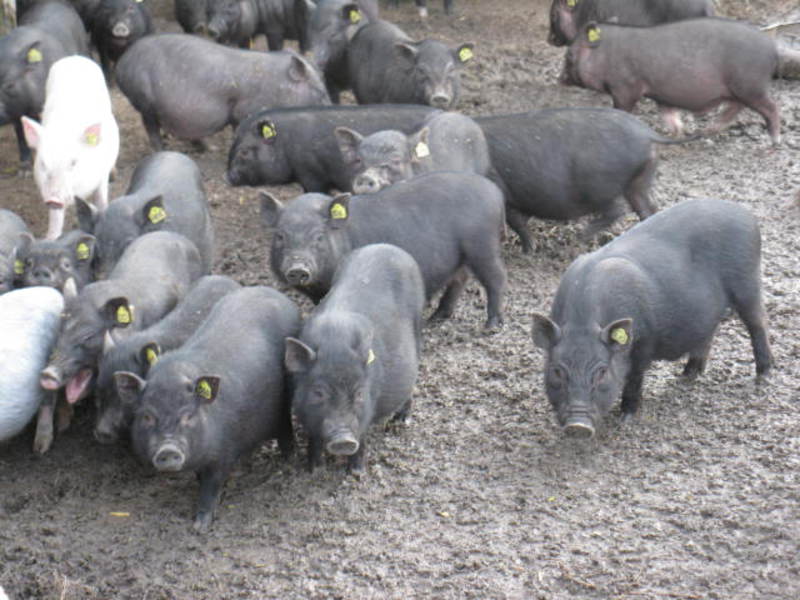
 Usually, for breeding Vietnamese pot-bellied pigs they buy a small group of pigs and two or three boarsWhile keeping boars, they are closely watched to identify the most active and attractive ones. The others will be slaughtered for meat. If you need piglets for breeding, it's best to buy sows from one farm and boars from another. Using related animals for crossbreeding is undesirable, as this will inevitably lead to the introduction of breeding defects.
After fertilization, approximately 118 days must pass before the piglets are born. Here, it's appropriate to cite the farmer's dictum about pregnancy: "three days, three weeks, and three months." The moment of birth can be determined as early as a day or two before:
- at this time the sow begins to behave restlessly;
- colostrum is released;
- appetite disappears completely.
On the expected day of birth, the expectant mother is already preparing: vigorously tramples the bedding, prepares hay, chewing it thoroughly to ensure the piglets are comfortable after birth. The owner should also act accordingly: remove sawdust from the pen, bring fresh hay, and provide water to the water trough.
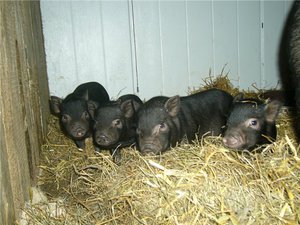
It's important to immediately select a place where the piglets will live. It should be fenced off and a lamp hung overhead. This will provide the newborn piglets with sufficient light and warmth. If there are no complications during the birth, the owner should remain away. However, it's a good idea to be prepared for any unforeseen situations. Therefore, you should bring a clean cloth, thread, scissors, and iodine. Even if this is not the sow's first birth, it's still not a good idea to leave her alone. These animals are highly social, so they will be more comfortable if their owner is nearby. Once all the piglets are born, you should ensure that each one receives sufficient colostrum. This requires them to drink it within 40 minutes.
After the piglets are born, the mucus must be removed from their bodies, cut the umbilical cord with a thread, and cut off the remainder. The wound must be treated with iodine, and then the piglets can be moved to a warm corner under a lamp. After a while, they are returned to the sow so they can feed. Ensure that the pen maintains a comfortable temperature for newly born piglets, which should be 32 degrees Celsius. The placenta must be disposed of: carefully collect it, take it away, and bury it. Otherwise, the sow will inevitably find it and eat it.
Experienced farmers know that sows' milk lacks copper and iron. To replenish these levels, owners administer iron supplements intramuscularly to newborn piglets.
According to breeders, it is best to use:
- "Ursoferran-100";
- Ferroselenite.
If you decide use the drug "Suiferrovit", you need to be very careful with it. Numerous reviews indicate side effects, including diarrhea, digestive upset, and others. Moreover, the amount of antibiotic you give them doesn't matter. Before using any medication for the first time, you should consult a veterinarian. Choosing the wrong medication or using the wrong dosage can seriously harm your guinea pigs' health.
If you're keeping piglets for breeding, you should create an individual record for each piglet. This will allow you to record important information about the animal, such as weight, illnesses, vaccinations, and other details. All data should be updated every ten days. Evaluating these changes will help you decide which pig is best for you.
Nutrition
 In principle, you shouldn't have any problems feeding Vietnamese pigs. However, if you're raising these herbivores for the first time, you may make some mistakes. In winter, pigs can be fed the following foods:
- hay;
- roots;
- vegetables (cabbage, carrots, celery, pumpkin);
- food concentrates.
When the piglets are 1 month and 1 day old, the diet is changed to an adult diet, while they can still drink milk from the queen.
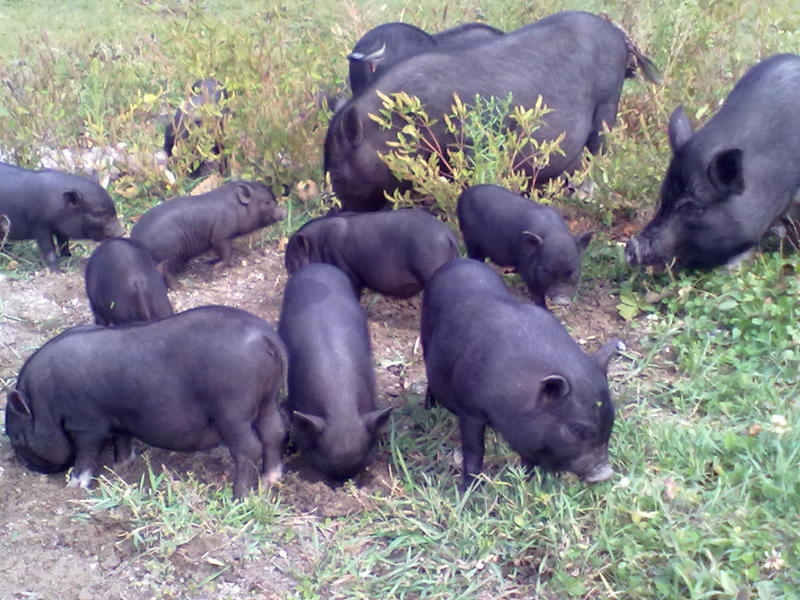
In summer, feeding Vietnamese pigs is even easier, as there's no need to mow grass specifically for them. They don't necessarily need to be kept in a barn—they can simply be let out to roam, and during grazing, they can forage for their own food. Young piglets can be fed lightly roasted barley groats. Vegetables are a special treat for this breed, which they eat with relish and in large quantities. Cabbage is their favorite, and among green fodder, alfalfa and amaranth are particularly popular, as these pot-bellied Vietnamese piglets are fond of them.
Reviews
Our family got Vietnamese pigs 5 years ago. Now they are quite large and weigh 120 kgTheir offspring lag far behind them, and therefore their weight gain is not as great. Throughout this time, we have never encountered any difficulties feeding these animals. In the summer, we feed them grass, and in the winter, hay. They also eat grains, but in small quantities. However, they can get by without them altogether. These animals are amazingly intelligent and quick-witted, and the sows are very caring. And it doesn't matter how many offspring they have.
The lard and meat from Vietnamese pot-bellied pigs have a very pleasant taste. However, lard isn't a favorite delicacy for our family, so when raising pigs, we focus on increasing the amount of meat. The pigs spend most of their time outdoors, coming into the barn only when they want to eat. Therefore, the barn is kept clean at all times. If the piglets need to relieve themselves at night, they wait until morning to go outside to pee.
 For the first time I had Vietnamese breed pigs back in 2008Before that, I was breeding regular pigs. But then I read about this breed in a newspaper, and some time later I saw them in person. I became so fascinated with these pigs that I eventually acquired a sow and a sire. At the time, I had little idea how to feed and care for this breed, so I made many mistakes before I finally figured out how to care for them. What struck me about these pigs was their cleanliness. They also adapt to human company quite quickly.
After six months of keeping the pigs I bought, the boar reached 80 kg, and the sow 60 kg. Although a couple of months ago she weighed more. This situation arose because she had to expend a lot of energy feeding the piglets. I feed my piglets the most Available products: zucchini, pumpkin, grass, homemade compound feed, and sunflower cake. In the summer they live in our enclosure, and in the winter we move them to a brick barn.
 In all the time I've been breeding Vietnamese pigs, I can only come to one conclusion: they're an excellent choice for meat production on a private farm. These animals are very calm and don't dig. They don't get upset if their owner is late feeding them. They'll patiently wait for their food to be delivered. They can be walked on pasture. This is very profitable, because you can save on feed.
I've had several pigs for over three years now. However, they don't produce much fat. We love our sow very much, and she started producing litters at nine months of age. She gives birth every five months. In my opinion, a yield of 50 kg is more than respectable. The meat has a delicate flavor and is more than enough to feed a family of five to seven.
Conclusion
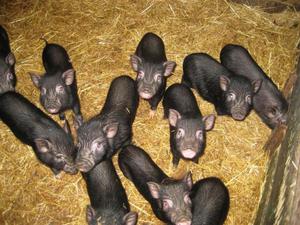 Vietnamese pot-bellied pigs look unusual compared to traditional white pigs, but they also have something to offer farmers. First and foremost, they are herbivores, so finding food for them shouldn't be a problem. Furthermore, providing them with pasture can even save on feed costs.
Also, many owners like the fact that it is very clean animals, so they significantly simplify the work of maintaining cleanliness in the barn. Considering that the sow begins to produce offspring very early, this makes breeding pigs of this breed very profitable.