Sometimes pets behave very strangely. They tilt their heads when you talk to them or follow you into the bathroom when you want to take a shower. You've probably wondered, "Why do they do this?" Scientists have analyzed various examples of strange pet behavior, and it turns out there's a reason for each.
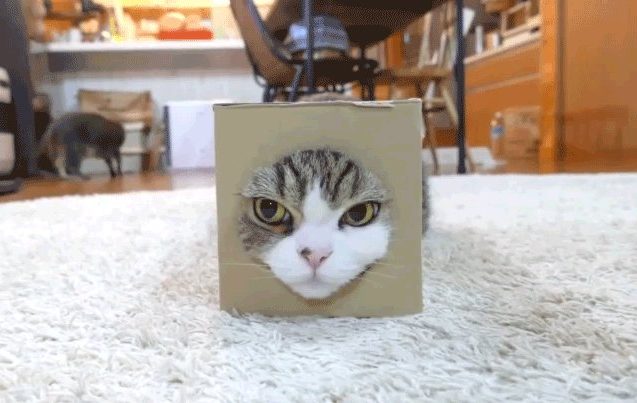
Cats are cute and fluffy, but they're still predators by nature. That's why they love hiding places where they can discreetly observe others. Boxes are a great way to do this. So don't be surprised if your cat prefers plain cardboard to that expensive bed you bought him.
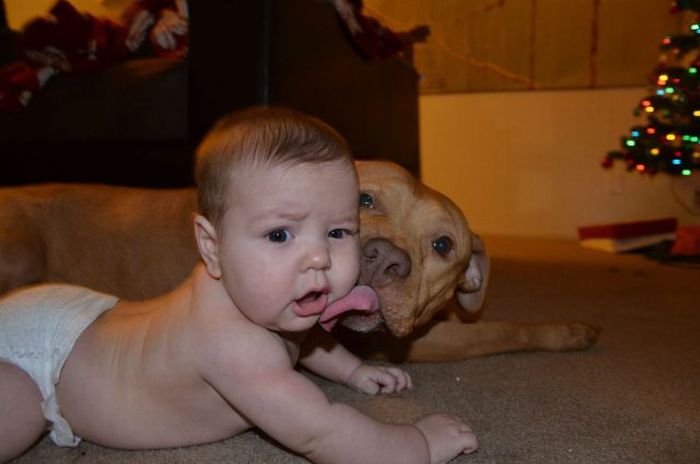
If a dog comes up to you and starts licking your face, it's not because there's food on your cheek; they're trying to show you that they're in peace and are very happy to see you.
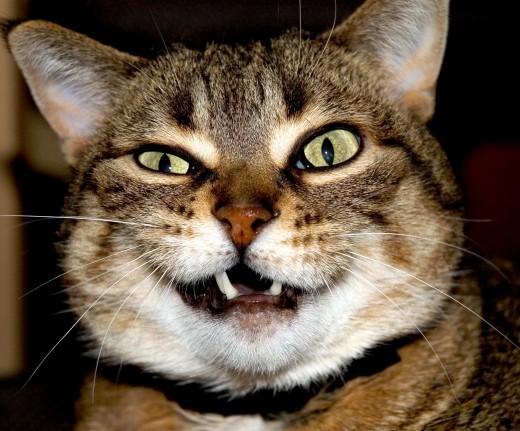
Has your cat ever frozen with its mouth open? It's not because it's shocked. In zoology, this is called "flehmen." This is how cats "taste" the air. They have a vomeronasal organ located in their mouths, which detects odors their noses can't detect.
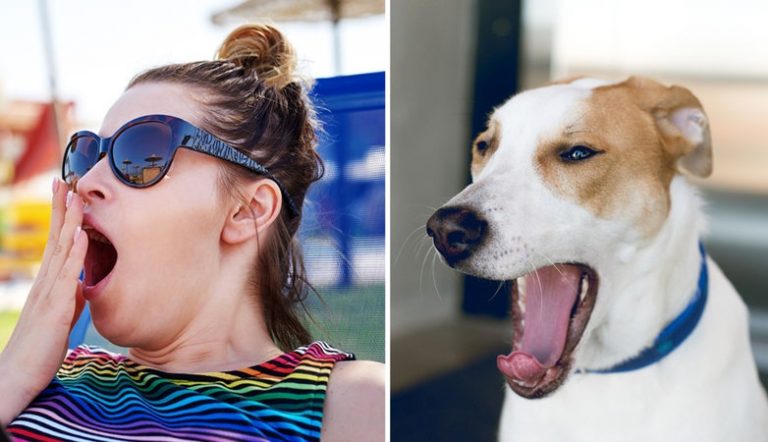
When people yawn, it's a physical reaction to fatigue or boredom. Dogs also yawn when they're tired. But they also do it to show relaxation. If a dog feels comfortable, yawning communicates to others that there's no aggression and everything is fine.
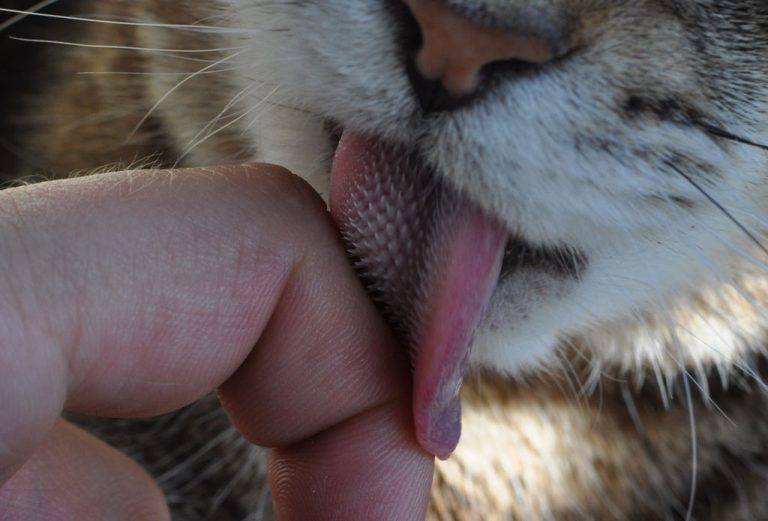
Cats have many tiny barbs on their tongues—they help them groom themselves and their family. When they lick you, it feels like sandpaper—not the best feeling in the world. But you should be proud that they groom you, because they consider you family.
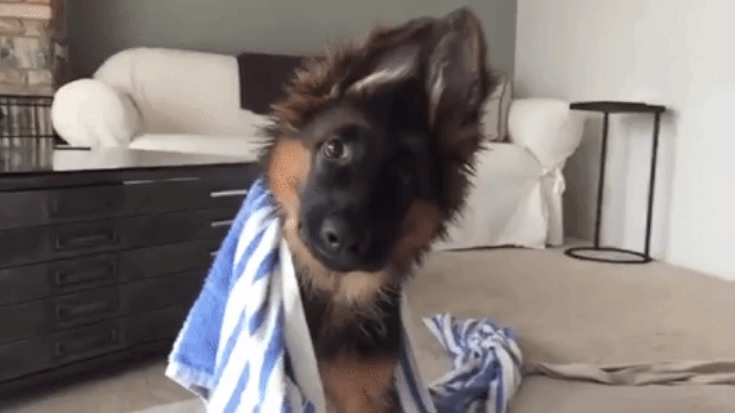
The most touching thing on the planet is when a dog tilts its head and lowers its ears while looking at you. Scientists have suggested that this is how the animal tries to understand what you want from it. A dog may tilt its head to better see your facial expression. It's also a way to "tune" its inner hearing to hear you better.
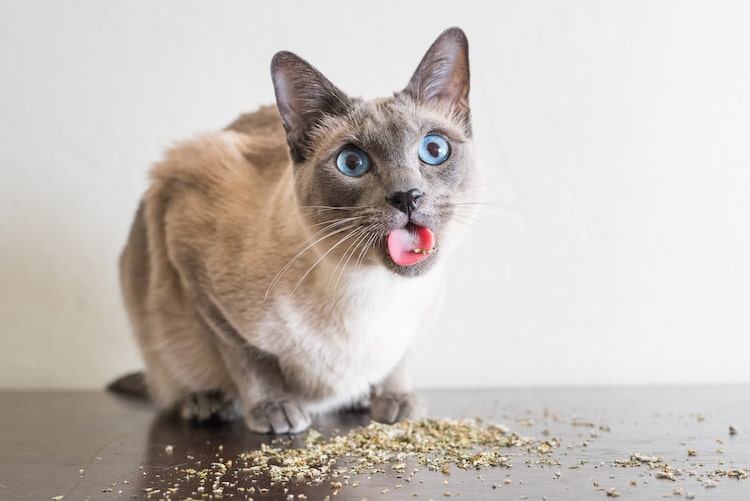
Catnip releases a chemical compound called nepetalactone into the air. When cats eat the leaves or inhale its scent, the nepetalactone molecules interact with their internal receptors. This causes cats to meow loudly and wriggle violently.
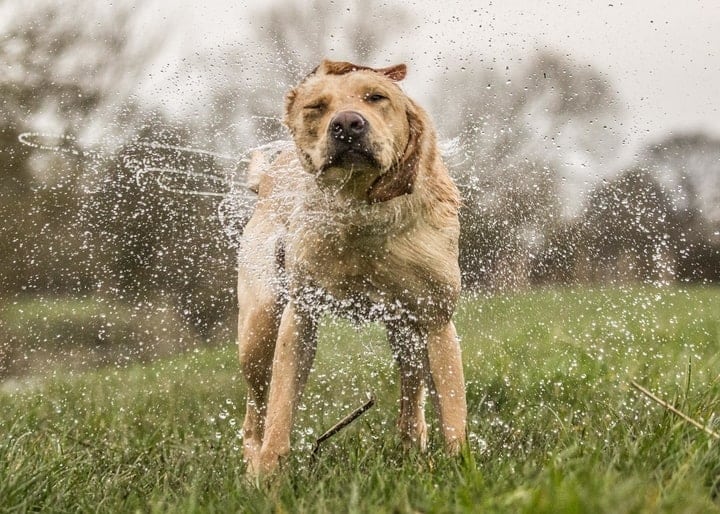
When you bathe your dog, you risk getting very wet yourself. The reason dogs shake off water so vigorously after a bath is because of their reflexes. They do this to dry faster. If their undercoat gets wet, they risk freezing. Dogs' ancestors in the wild could have died from hypothermia. Domestic dogs don't have to worry about this, but their reflexes are still there.
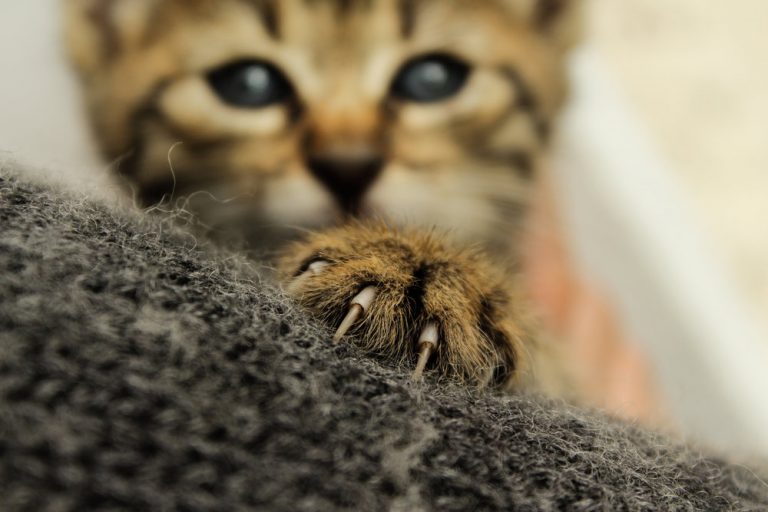
Cats love to scratch walls, furniture, and basically anything they can sink their claws into. Their paws have glands that leave a scent on the things they scratch. This is how cats mark their territory.
If a dog detects an interesting scent on an object, it will roll around on its surface to "stick" the scent to its fur. This is a legacy of its wolf ancestors—they would bring back scents to their pack to tell their family what they'd seen. For a modern domestic dog, its family is its people, so it shares its news with you.
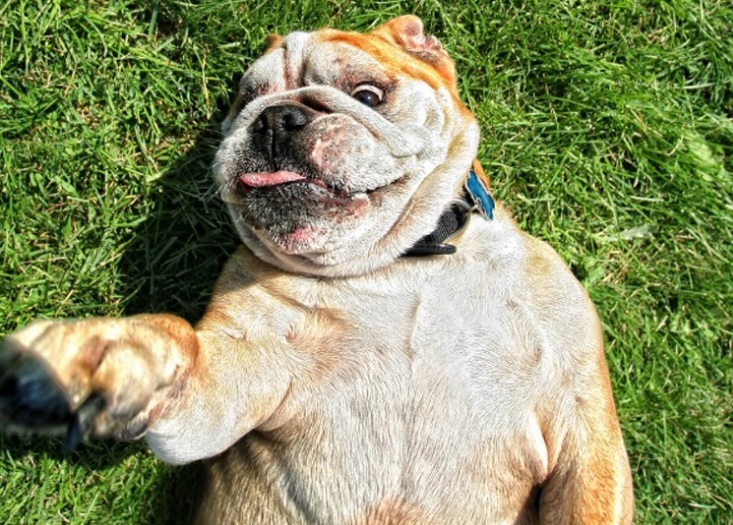
Another reason dogs rub against grass and carpets is to get rid of odors they don't like. If you've bathed your dog with a strong-smelling shampoo, they'll try to remove the lingering scent by rolling around on the floor. This is also one of the ways dogs communicate skin irritations.
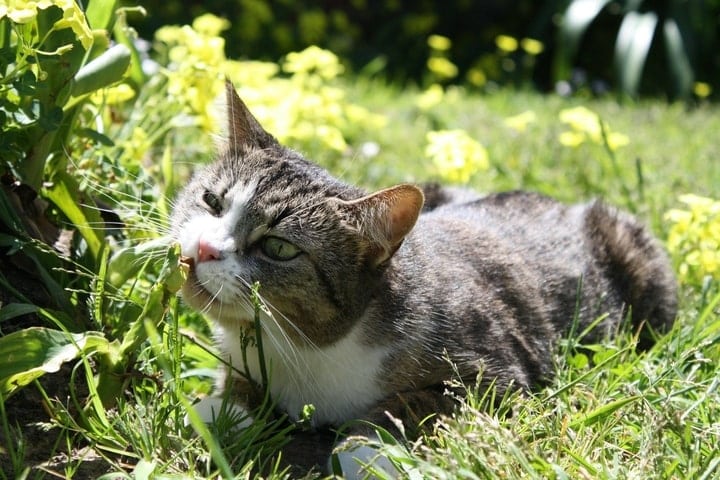
Cats allowed outside eat grass, even though it makes them feel nauseous afterwards. This helps them eliminate unwanted items from their digestive tract, such as bones and hairballs.
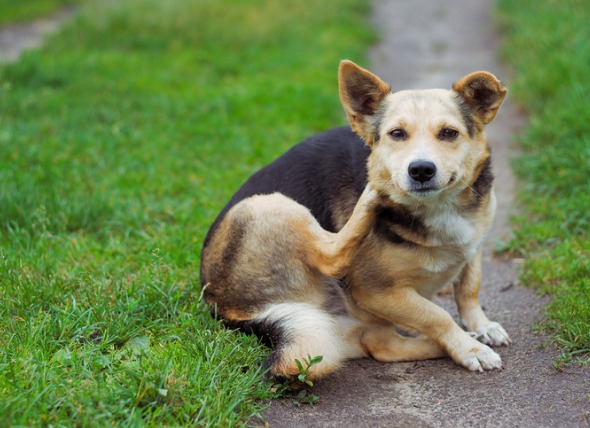
Domestic dogs are accustomed to following their owners everywhere, even to the bathroom. The concept of personal space exists only in humans—dogs see your life together differently. To them, you're part of their pack, and dogs like to be with their pack at all times.
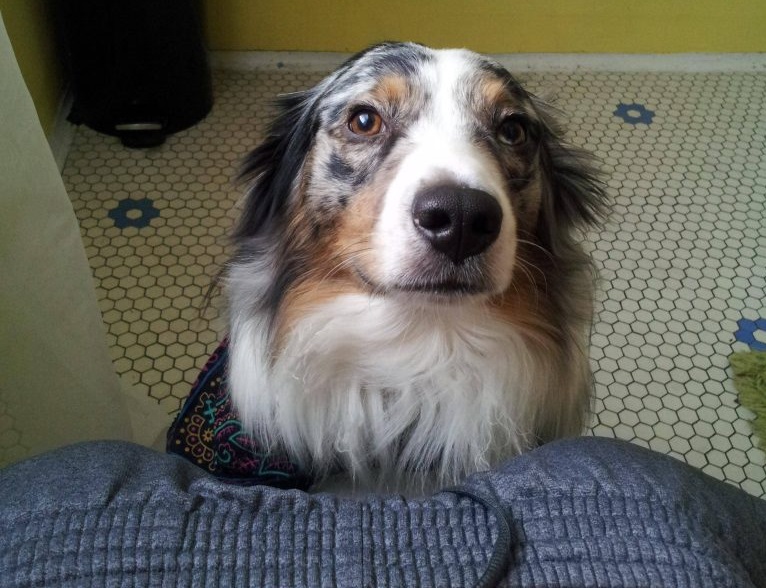
It's generally accepted that a dog wagging its tail means it's happy. But that's not always the case. If a dog wags its tail low, it's uncomfortable. If its tail wags to the left, it's a warning to leave it alone. If it wags to the right, it's safe to approach.
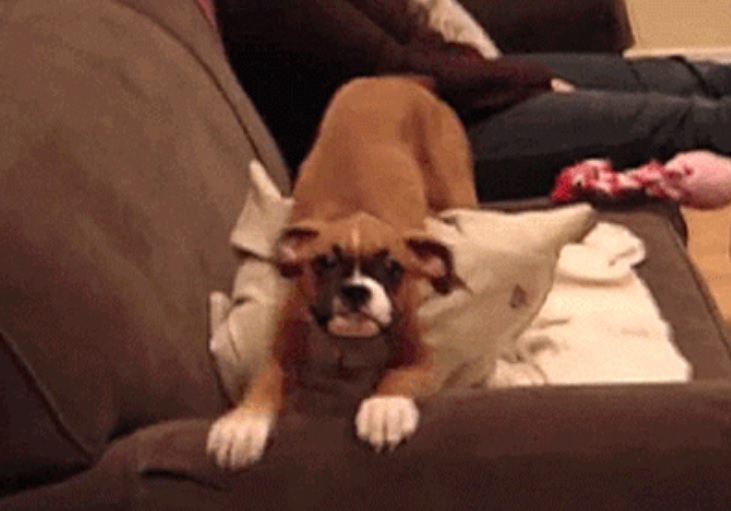
Adult cats never meow to other cats. They only do this to people. They communicate with each other by hissing, growling, and sniffing. If your cat meows, it means she's hungry or wants some affection.
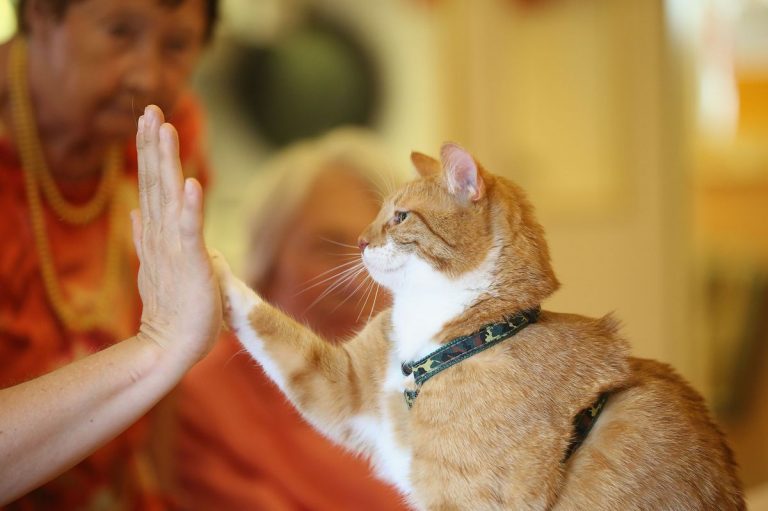
When cats lie down on their backs in front of you, it seems like they're asking for a belly rub. And when you do, they bite you. In reality, they don't like having their bellies touched. By rolling over, they show you they trust you. So next time, try petting their head.
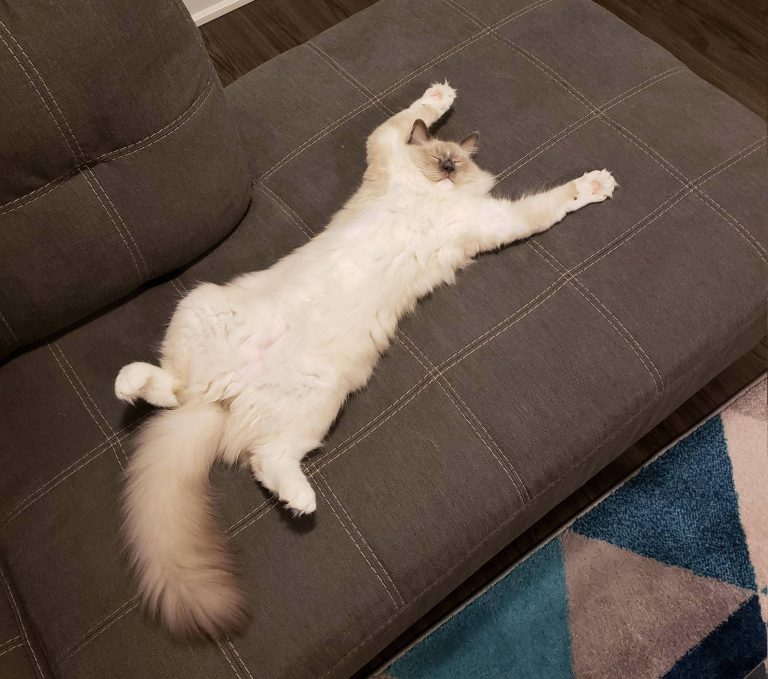
Dogs like to run in circles in one place before going to bed. In the wild, this helped them smooth out the grass and get rid of insects in their sleeping area. So this is another reflex inherited from their wild ancestors—they're simply trying to get comfortable.
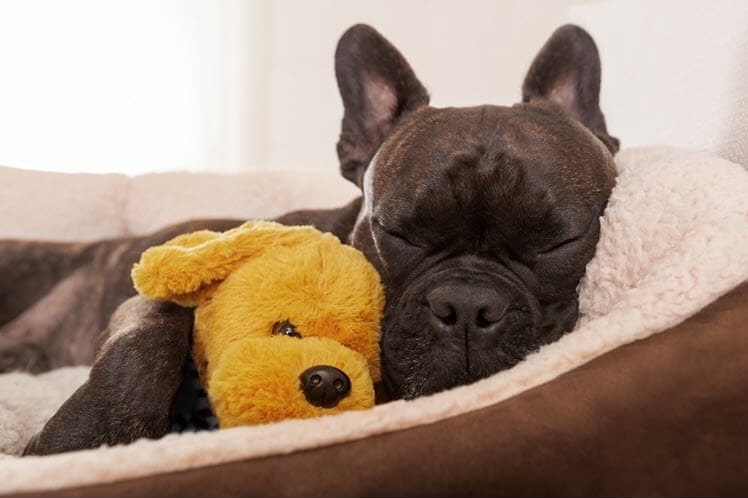
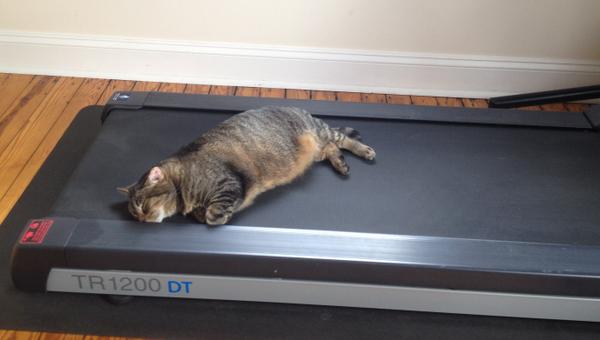
Cats sleep a lot during the day. But it's not because they're lazy. In the wild, their relatives conserve energy for hunting.
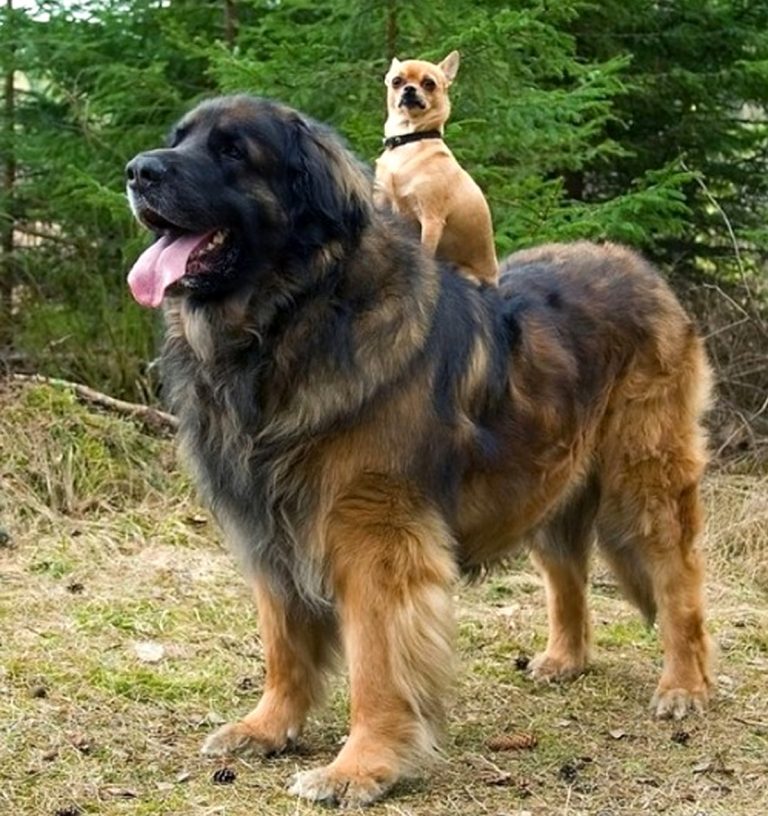
When a dog allows another dog to climb on its back, it's signaling its submission. But this behavior during play is part of a strategy. If a larger dog allows a smaller dog to jump on its back, it's trying to make the game more interesting for both of them.
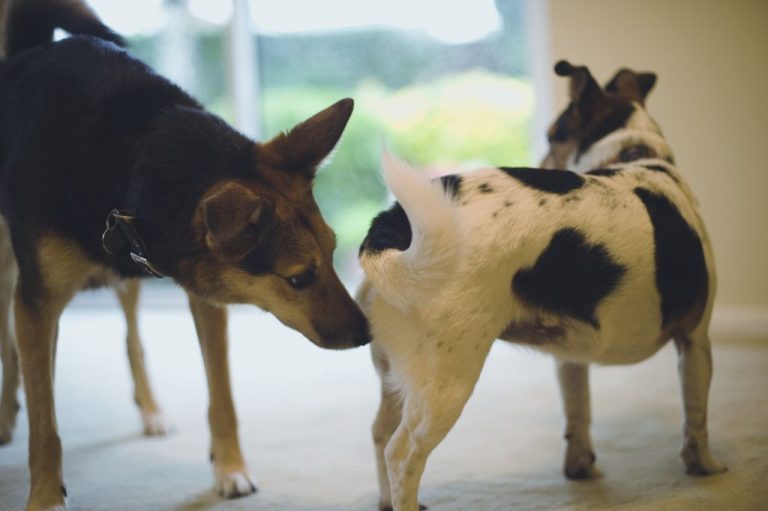
A dog's sense of smell is 100,000 times better than a human's. They use their noses to gather information. When a dog sees a strange companion, they sniff each other's anal glands. These glands contain all the information about the animal's reproductive status, health, and emotional state.
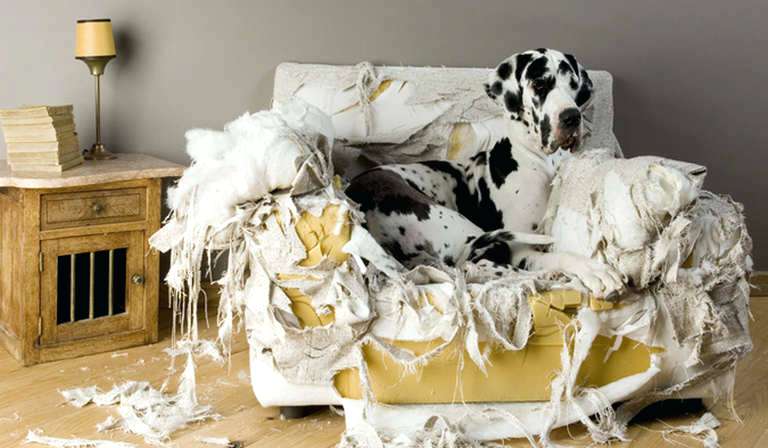
Chewing reduces anxiety in dogs. If your pet chews on your things, it's a sign they're trying to relieve stress.