An adult dog typically breathes with its mouth closed and takes 10-30 breaths per minute. This number varies depending on the individual dog. Female dogs, puppies, and small breed dogs with faster metabolisms tend to breathe more frequently. Rapid breathing can also be caused by psychological factors, such as stress or overexcitement. But why might a calm dog breathe rapidly and heavily with its mouth open?
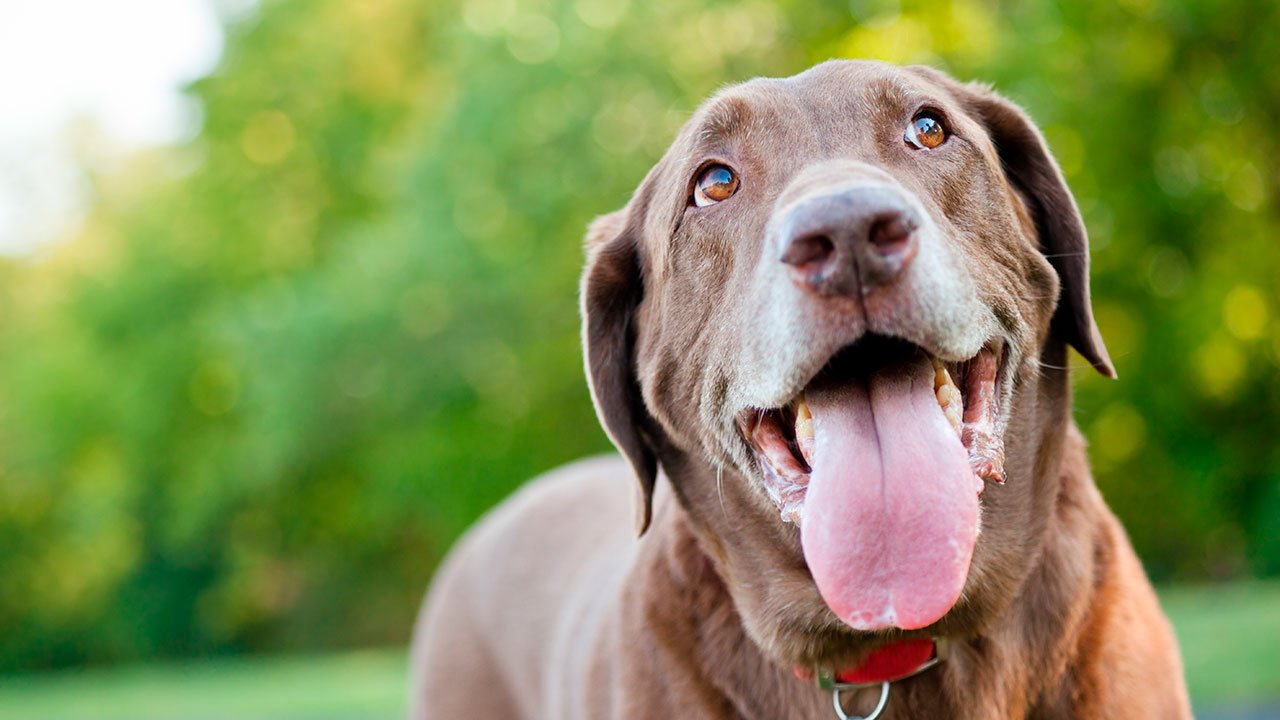
Physiological causes of shortness of breath
Don't immediately panic if you notice signs of shortness of breath in your pet. It often occurs due to natural or easily treatable causes:
- Breed characteristics. Brachycephalic dogs (those with a flattened muzzle) like pugs and bulldogs have difficulty breathing due to the atypical structure of their larynx. This can't be corrected; the only solution is to take care of your pet and avoid overexerting them.
- Overheating. Heat is a difficult time for all dogs. Therefore, in the summer, it's best to move walks to the evening and give your dog plenty of fluids.
- Increased physical activity. It's not surprising if your dog's breathing quickens after vigorous play or training. In this case, it's best to give it some rest.
- Pregnancy and lactation. During this period, the female's internal organs are under increased strain, which can lead to occasional shortness of breath. This should resolve on its own as the puppies grow older.
- Traveling by car. Some dogs, like people, are prone to motion sickness and become nauseated in cars, leading to shortness of breath. If your pet suffers from this, it's best to limit their travel.
- Vaccination reaction. Some dogs may experience shortness of breath, vomiting, or fever after vaccination. Only if these symptoms persist within two weeks after vaccination should you be concerned.
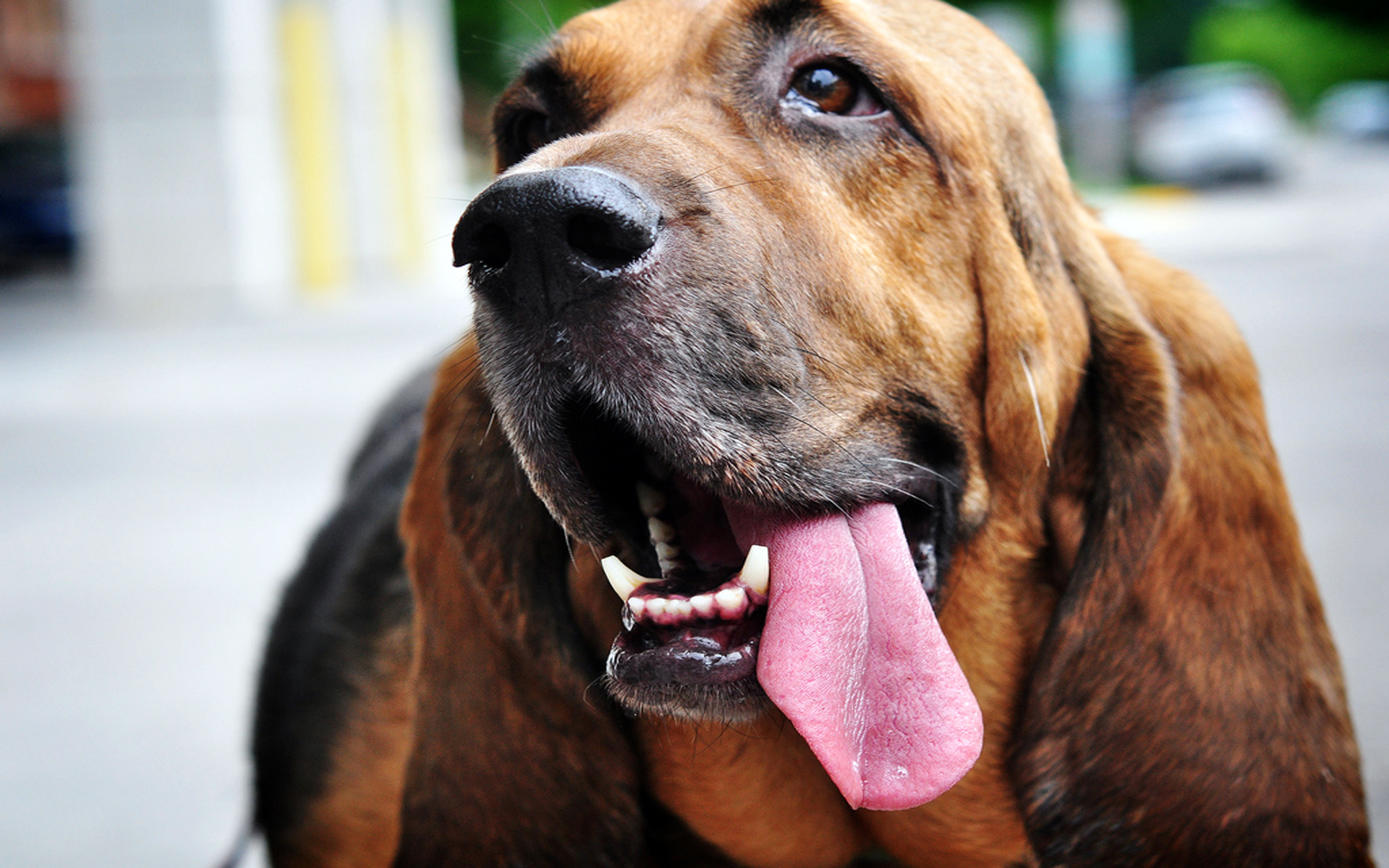
Diseases that cause shortness of breath
There are many illnesses that can cause heavy, rapid breathing in dogs. These can include asthma, allergies, lung disease, heart failure, pneumonia, and so on. But in these cases, shortness of breath never occurs alone. You should be wary and consult a veterinarian if, in addition to open-mouth breathing, your dog exhibits other signs of possible illness:
- blueness of the tongue, gums and mucous membranes;
- trembling, convulsions, unnatural behavior;
- cough;
- vomiting or diarrhea;
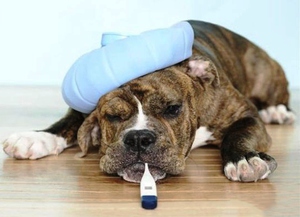
- elevated temperature;
- excessive salivation.
What to do if your dog is breathing rapidly
The first step is to try to identify a possible physiological cause and address it if the problem is overheating or motion sickness. Observe your dog's stool, behavior, and eating habits. If you notice other alarming signs, such as lethargy or refusal to eat, or frequent panting, do not attempt to diagnose or treat the condition yourself. Consult a veterinarian as soon as possible.