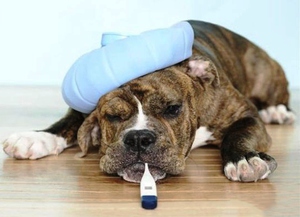
 Like people, our four-legged friends are susceptible to various illnesses. But unfortunately, they can't communicate what's troubling them. That's why every caring owner should be well-versed in the symptoms of dog illnesses so they can take prompt action.
Diseases can be classified as follows:
- Infectious;
- Parasitic;
- Internal non-infectious;
- Surgical.
Each of these categories has both common features and internal branching.
Content
Infectious diseases
General characteristics
What these diseases have in common is that they are caused by microorganisms and are generally contagious. Each infectious disease has a distinct pattern, as its occurrence and spread depend on the stage of the pathogen's life cycle. Weak animals, puppies, and older dogs are more susceptible to such diseases. However, after the disease, post-infectious immunity develops: a dog that has recovered from the disease becomes immune to the pathogen for a long time. If such a disease is detected, the animal should be isolated from other dogs, and the room where it was kept should be disinfected.
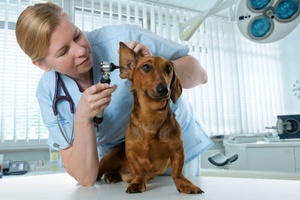
The disease consists of four main stages:
- Incubation (latent);
- Preclinical;
- Clinical (it is now that the signs of the disease manifest themselves most significantly);
- Outcome of the disease (complete or partial recovery, death).
Viral
Most common infectious diseases, common to dogs, are viral.
Rabies. Infection occurs through contact with saliva An infected animal is bitten. The virus, introduced through saliva, penetrates the dog's spinal cord and then the brain, where it actively multiplies, causing inflammation. Recognizing this disease is aided by the following symptoms: behavioral changes (the animal becomes capricious and unapproachable, or, conversely, excessively affectionate). Often, the dog will begin actively gnawing at the bite site, become very agitated, lose its appetite, and begin vomiting and salivating. These are early signs of the disease.
At the next stage the dog becomes aggressiveThe animal may attack a person, even its owner, attempting to escape, and continues vomiting and salivating. Subsequently, the animal experiences convulsive seizures, the frequency and duration of which increase as the disease progresses, along with muscle paralysis (primarily of the larynx and pharynx). Body temperature rises.
If rabies is silent, note the depressed appearance and lethargy of a previously active animal. Recognizing this form is very difficult due to the lack of characteristic symptoms.
 If rabies is silent, note the depressed appearance and lethargy of a previously active animal. Recognizing this form is very difficult due to the lack of characteristic symptoms.
Plague. Infection occurs. upon contact with a sick animal or through contaminated external objects (water, food). The main symptoms are: fever, loss of appetite, lethargy, withdrawal, fever, inflammation of the mucous membranes, and purulent discharge from the eyes and nose. The skin of the nose becomes dry and cracked, causing discomfort, scratching, and sneezing. Difficulty breathing, diarrhea, and vomiting are also common.
Aujeszky's disease, alsoknown as "false rabies", can be recognized by the following signs: loss of appetite, timidity, and excessive salivation. Then, severe itching of the face appears, causing the animal to lose control and begin scratching, tearing the skin until it bleeds.
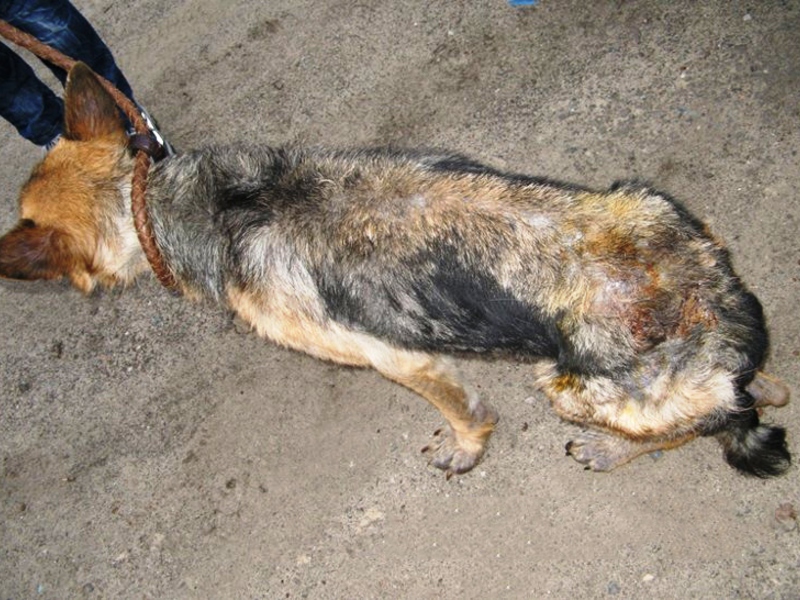

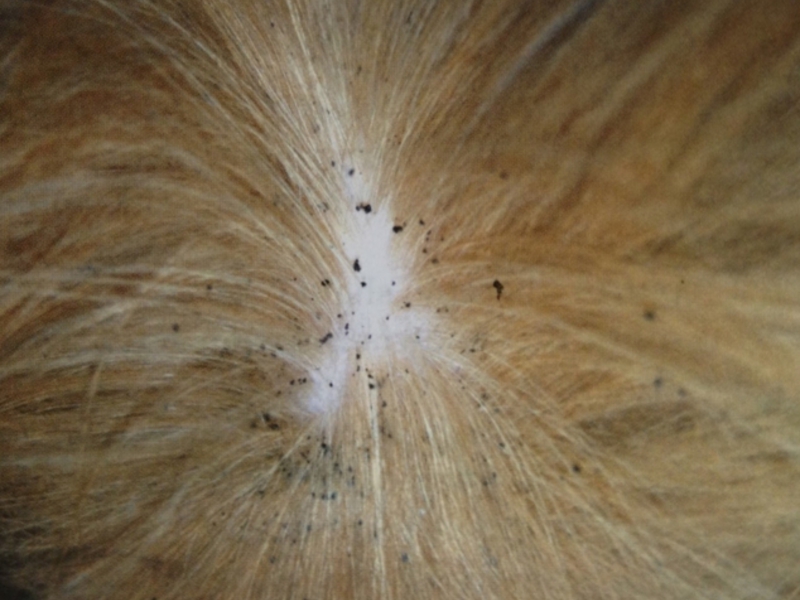
Other diseases. Pet owners should closely monitor their pet's condition to recognize viral diseases early based on the following signs:
- Lethargy, apathy;
- Decreased appetite, refusal to eat;
- Vomit;
- Increase in temperature;
- Purulent discharge from the eyes, nose;
- Difficulty breathing, sneezing.
Having noticed at least two or three of these signs, you should contact a veterinarian immediatelyTreatment can only be prescribed by a specialist based on an examination of the animal. Typically, the dog is given an injection of serum containing antibodies to fight the infection and antibiotics are prescribed.
Bacterial:
- Tuberculosis;
- Borreliosis;
- Listeriosis;
- Brucellosis
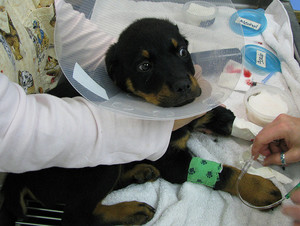 Borreliosis;
The following signs will help you recognize a bacterial disease at an early stage:
- General depressive state;
- Refusal to eat;
- Elevated temperature;
- Vomiting, diarrhea, foaming at the mouth.
By contacting the clinic, you can help your animal receive timely treatment.
Parasitic
Enough are widespread among petsDepending on the parasite's habitat, such diseases can be divided into four major groups:
- Skin (itch mite);
- Internal (malarial plasmodium, roundworm, trichinella);
- Cavity (live in the external cavities of the body, for example, fly larvae can get into the nasal cavity of a dog);
- External (located outside: ticks, fleas, lice).
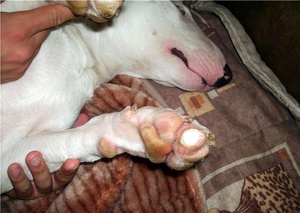 Skin (itch mite);
The following signs will help you understand that your animal has parasites:
- Worms are indicated by itching in the anal area: the animal “scoots” along the floor, tries to scratch its butt against furniture or trees;
- Regular constipation or diarrhea are also symptoms of internal parasites;
- Sudden thinness with an excellent appetite often indicates the presence of roundworms in the body;
- Dullness of the coat and its loss can be caused by skin parasites;
- A persistent cough is one of the signs of lung parasites.
Eaten undercooked or raw meat, a dog can become infected with the broad tapeworm, which can be seen with the naked eye in its feces. In this case, self-treatment can be achieved by giving the dog phenasal (0.1–0.2 g per 1 kg of body weight). Pumpkin seeds are also helpful.
Nematodosis is also common in dogs. roundworms that live throughout the bodyIf your dog becomes depressed, eats poorly, and their coat loses its shine and becomes matted, these could be signs of these parasites. Alternating diarrhea and constipation, constant vomiting, and a bloated abdomen also indicate this. Treatment should be entrusted to a veterinarian.
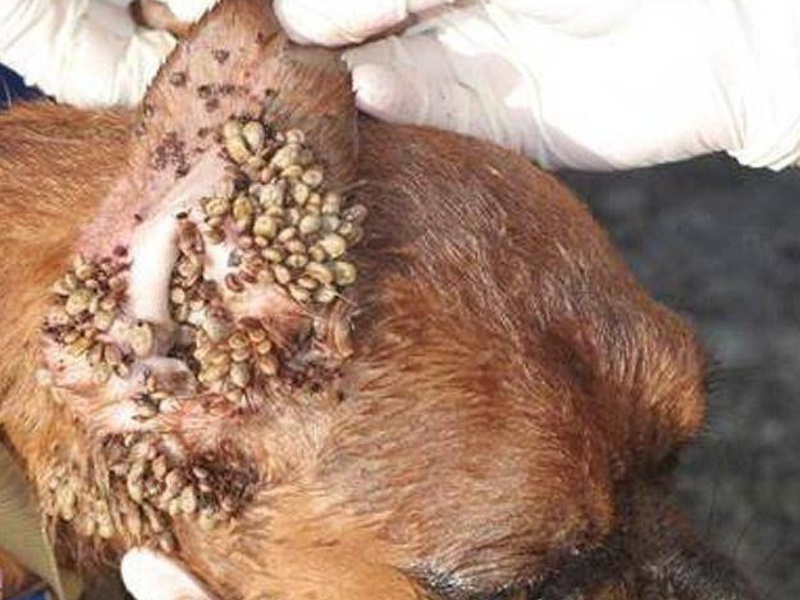
The tick can be detected during an external examination of the animal, as a rule, it bites behind the ear, and also noticing the rise in temperature, weakness, and vomiting. A photo of the tick will help the owner identify it. To remove it, use tweezers after applying vegetable oil to the bite site. Be careful not to leave the tick's head in the animal's body. Next, treat the affected area with iodine or brilliant green.
Non-infectious internal
Cardiovascular diseases
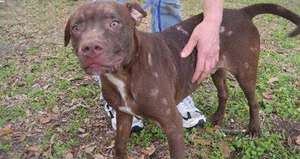 They vary. Cough, shortness of breath, and wheezing can be signs of emphysema. For treatment it is necessary to use Bronchodilators, mucolytics, and, for coughs, libexin or codeine. Depression, high fever, tachycardia, and arrhythmia may indicate endocarditis. Tachycardia, shortness of breath, increased fatigue, and wheezing often suggest a diagnosis of dilated cardiomyopathy. Treatment for this disease should only be prescribed by a professional, so if symptoms are detected, it is essential to take your pet to a clinic immediately. Fatigue, shortness of breath, and tachycardia may indicate heart failure.
Respiratory diseases in dogs
This is a fairly common group of diseases, dangerous primarily because of the potential complications they can cause. Symptoms include:
- Depressed state;
- Elevated temperature;
- Breathing problems;
- Dyspnea;
- Nasal discharge;
- Loss of appetite.
Diseases of the digestive tract
Quite common, are varied and often connected Feeding errors. Overfeeding a dog can lead to obesity, especially in spayed and neutered animals. The first sign is excessive weight gain, which negatively impacts the heart. Treatment involves reducing the dog's diet, primarily eliminating fatty foods.
A perverted appetite (a dog eating its own feces, stones, or soil) can be a sign of serious internal organ diseases.
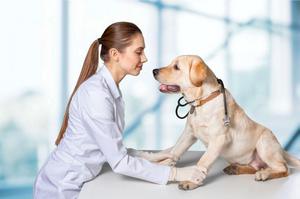 Errors in food organization can also cause gastritisThe following symptoms can help identify it: vomiting, weight loss, dull coat, and dandruff. If at least two or three of these signs are present, a visit to the veterinarian for treatment should be promptly made, as advanced cases can be fatal. At home, constipation can be easily diagnosed if the dog is having trouble defecating: whining, fidgeting, straining, but unable to relieve itself. Left untreated, constipation can have serious consequences, as undigested food accumulates in the intestines and can lead to rupture.
If your pet's skin has acquired an unpleasant yellow tint, this may be a sign of liver disease, which can only be treated by an experienced doctor.
Surgical
These include the following:
- Injuries;
- Muscle diseases;
- Dental diseases;
- Ear diseases;
- Eye diseases.
Observing the animal will help determine the probability of any of them. If the eyelids are red and swollen, purulent discharge is coming from the eyeIf your dog is sensitive to light, this could be a sign of conjunctivitis. Treatment begins with rinsing the eye with a 2% boric acid solution. If these symptoms are accompanied by a cloudy spot on the dog's eye, it could be keratitis (inflammation of the cornea).
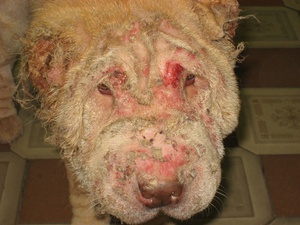 Ear diseases are also very common. If there is a lump in the ear canal On external examination, a hot and soft tumor was foundThis could be a sign of injury. The following signs can help you recognize otitis: your dog constantly tilts its head to the side, scratches its ears, and reacts painfully when you touch them. To treat the ear infection, thoroughly clean the ear canal using a cotton swab and hydrogen peroxide.
There are many diseases that dogs are susceptible to, each of them has its own a set of signs that allow veterinarians to make an accurate diagnosisHowever, it's important to remember that the first symptoms of any illness are changes in the dog's behavior: it may become lethargic and apathetic, or, conversely, excessively boisterous and active; it may lose or gain a strong appetite. Many illnesses are also signaled by changes in body temperature, heart rate, and excessive salivation. If you notice several symptoms at once, don't self-medicate; seek professional help as soon as possible.
To prevent a large number from appearing dangerous canine diseases, the animal needs to be provided with the following conditions: a clean environment, proper nutrition, regular disinfection, and preventative veterinary examinations. Treatment of any existing illnesses must be prompt.

 Ilyas
Ilyas
1 comment