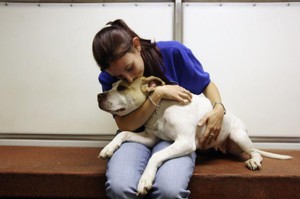
 The arrival of a dog in the home is one of the most joyful moments in anyone's life, as the animal brings so much happiness to its owner and family. But the pain of losing a pet can mar this idyllic moment. Sometimes, however, one must take the difficult step of voluntarily agreeing to have their dog euthanized. How can it be that people make such a decision, taking the life of their beloved companion?
Content
Reasons leading to the decision to euthanize
In the scientific community, the process of ending the life of a pet using special means and methods is called euthanasia. highlight a number of reasons, which force the owner to take this step:
 Old age and incurable diseases. The most common situation is when a dog or cat reaches a point where its life becomes unbearable. Therefore, the owner decides to end its suffering by euthanasia. After all, animals in this condition require a significant amount of time and effort to care for. If no other measures help, it's wrong to allow the animal to continue suffering. Therefore, euthanasia is often perceived as the only solution that alleviates the animal's suffering.
- Aggression. Sometimes, dogs displaying excessive aggression, resulting in human casualties, must be euthanized. For such owners, euthanasia is mandatory, as confirmed by a special document—a pet euthanasia order.
- Animal bites. Sometimes dogs that have bitten a person are euthanized. However, this decision isn't made immediately. The animal must first be observed for 10 days. This is necessary to determine whether it is a carrier of the rabies virus. If signs of the disease are detected while the animal is still in quarantine, treatment is pointless. In this case, the animal is beyond help, so euthanasia is the only option.
- Allergies. There are cases where some family members develop allergies when a dog or cat is brought into the home. Forcing a person to choose between a child and a dog is wrong. However, punishing a pet by euthanasia is a cruel punishment. A more humane option is to give the dog to a shelter that takes in animals. There, they will receive appropriate care, and if circumstances are favorable, they may be adopted. However, sometimes this doesn't happen, and shelters are forced to make the difficult decision of euthanizing the dog. Euthanasia may be the only option if there are no such shelters in your area and you have been unable to find a new home for the dog.
- It's also possible that people haven't thought it through before getting a dog or cat, and later discover they don't have the time or money. Some may stoop so low as to euthanize the animal. However, this is extremely cruel to a living creature. A compelling argument for euthanasia is when an animal has no owner and has died due to certain circumstances. In such situations, there are typically few willing adopters. After all, the animal has become accustomed to one person and will be loyal only to that one. Then, the relatives of the deceased begin to consider euthanasia as the only right solution. Some may consider this a sin, but it all depends on one's perspective. Sometimes, euthanasia is a more humane solution than allowing the animal to continue living and suffer from serious illnesses.
 Old age and incurable diseases. The most common situation is when a dog or cat reaches a point where its life becomes unbearable. Therefore, the owner decides to end its suffering by euthanasia. After all, animals in this condition require a significant amount of time and effort to care for. If no other measures help, it's wrong to allow the animal to continue suffering. Therefore, euthanasia is often perceived as the only solution that alleviates the animal's suffering.
Temporary euthanasia of an animal
Sometimes it is necessary to carry out euthanasia, but not the traditional one, but a temporary one. However, for this there must be certain grounds.
Cases
There are a number of situations in which the option of temporary euthanasia can be considered:
- Surgery. The animal must be given an injection to completely immobilize it, but this does not affect the functioning of its vital systems, allowing for the necessary surgical intervention. This should not be considered cruelty to the dog. It is done solely for its own good, to help it recover without causing it pain.
- Capturing aggressive and stray animals. It's often necessary to temporarily euthanize animals that are aggressive toward people. This can only be done by specialists equipped with specialized equipment. They first use restraining agents to immobilize the animal from a distance. The animals are then transported to specialized facilities, where the cause of the aggressive behavior can be determined.
- Transporting a Pet. Not all dogs and cats enjoy traveling by vehicle, so owners often have to temporarily euthanize them. There's nothing wrong with this, as this right is guaranteed to the owner by law.
 Surgery. The animal must be given an injection to completely immobilize it, but this does not affect the functioning of its vital systems, allowing for the necessary surgical intervention. This should not be considered cruelty to the dog. It is done solely for its own good, to help it recover without causing it pain.
Methods
In case of transportation of an animal or to avoid stressful situations, temporary euthanasia becomes inevitable, and can be carried out using the following means:
- Bayun cat. Contains special components that have a calming, analgesic, anxiolytic, and antispasmodic effect;
- Stop-stress is a medication available in drops and tablet form that has a sedative effect.
Please note that the above medications can only be used by a veterinarian.
If there is a need to immobilize a dog or cat, then special drugs can help, affecting electrolyte balanceMagnesium sulfate is a popular drug that causes muscle weakness. However, it must be handled with extreme caution, as excessive dosage can lead to hypotension and complete cardiac arrest.
Where and how can euthanasia be performed?
To completely euthanize a dog or cat, the owner will need to visit a veterinary clinic. However, some owners may prefer to do this at home. To understand which of these options is more humane, it's worth examining each in detail.
How to euthanize a pet at a veterinary clinic?
 If you are not considering any other options other than euthanizing your dog or cat in a medical facility, then there is no point in continuing to do nothing, so you need to go to the clinic immediatelyAn experienced specialist will need minimal time to complete the required procedure. The euthanasia procedure itself includes the following:
It all begins with administering anesthesia to the dog. After the injection, the animal becomes immobilized and falls asleep within minutes. Particular attention must be paid to the correct dosage, which is adjusted based on the animal's weight. Once the dog is asleep, a second injection is administered: this time, a cardiac blocker is used.
The euthanasia procedure itself in a veterinary clinic does not cause any painful sensations to the pet, but it lasts a couple of minutes.
How to euthanize a pet at home on your own?
Some owners may be tempted to euthanize their dog or cat themselves. However, this idea should be discouraged immediately, as it is not correct it is impossible to perform this procedure without a specialistTherefore, you should call a veterinarian to your home, who will be able to determine the optimal dosage of medication after weighing your dog.
It should be borne in mind that euthanasia can only be carried out if certain conclusions are available.
It is wrong to euthanize a dog or cat without a specialist because you you will not be able to correctly calculate the amount of the drugTherefore, you will only cause more suffering for your pet. Many reviews confirm that if you decide to euthanize your dog at home, it is best to call a professional.
Conclusion
 Dog owners face various situations in their lives that require them to euthanize their pet. This decision is quite difficult and complex, so you should think carefully before calling a professional. However, if you see no other alternatives, it's worth considering how you'll accomplish this. This procedure is usually carried out in veterinary clinics, where the specialist has everything he needs, including lidocaine, so he copes with his task very quickly.
However, euthanasia can also be performed at home if desired. In this case, you will still need to call a veterinarian, although this will take longer.



 MosVetCenter
1 comment