There are many dog training methods. Dog trainers used to adhere to strict training methods: punishing dogs with pain (strikes) for every misbehavior. Now, not everyone agrees with this method. There are several rules for calm training for both owner and animal.
Don't hit the dog
To avoid psychological trauma, it's best to avoid physical punishment. Otherwise, the dog will lose trust in its owner and may begin to avoid them. And hitting without provocation or justification can foster aggression in the dog. It doesn't matter what you hit the animal with: a hand or something readily available (a newspaper or a slipper). In either case, the pet will perceive the owner as the source of aggression.
Punish the dog at the scene of the crime
Dogs can't form logical chains in their heads and don't have cause-and-effect reasoning. To punish a four-legged friend for misbehavior, try to catch them in the act. Only then will the punishment be effective.
Explaining things to a dog won't work either. If you bring a dog to a chewed-up sofa and start scolding it, it won't understand why you're yelling at it. If you can't catch your pet in the act of misbehavior, you can praise it for good behavior: if it chews a bone or a toy, but not wires, it's a good boy.
Show your pet your displeasure
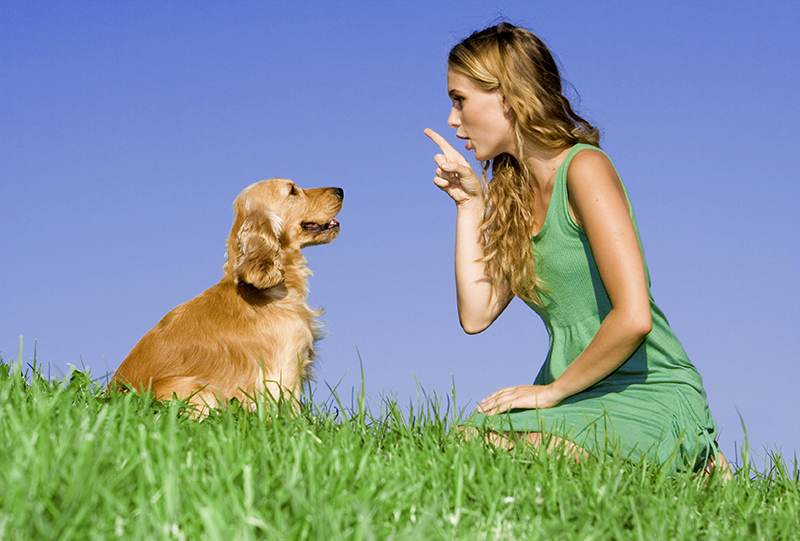
If your dog breaks the house rules, you should firmly but calmly say "no." When it stops, praise it loudly and reward it with its favorite treat. If it ignores the command, repeat it again. If it still doesn't obey, simply take it to another room and lock it there for about 10 minutes. This should be repeated every time to teach your dog obedience and house rules.
When using this method, speak to your pet firmly but calmly. Avoid yelling. With proper training, your dog will obey when you say "no," "no," or "yes" in an even tone.
Don't forget to reward good behavior.
Rewarding good behavior is just as effective as punishing bad behavior. Dogs value the attention, affection, and love of their owners, who they perceive as the pack leader. To teach good behavior, reward your four-legged friend with treats and affection for good actions. Eventually, the animal will become accustomed to receiving a "paycheck" for certain actions and will strive to perform only those actions.
This type of positive training will help avoid conflicts with your pet and will bring only positive emotions to everyone.
Thus, without using the stick, using only the carrot, you can train an obedient and well-behaved dog. These positive methods will not cause psychological trauma or make the animal aggressive, but will leave only pleasant emotions from interactions with the owner.