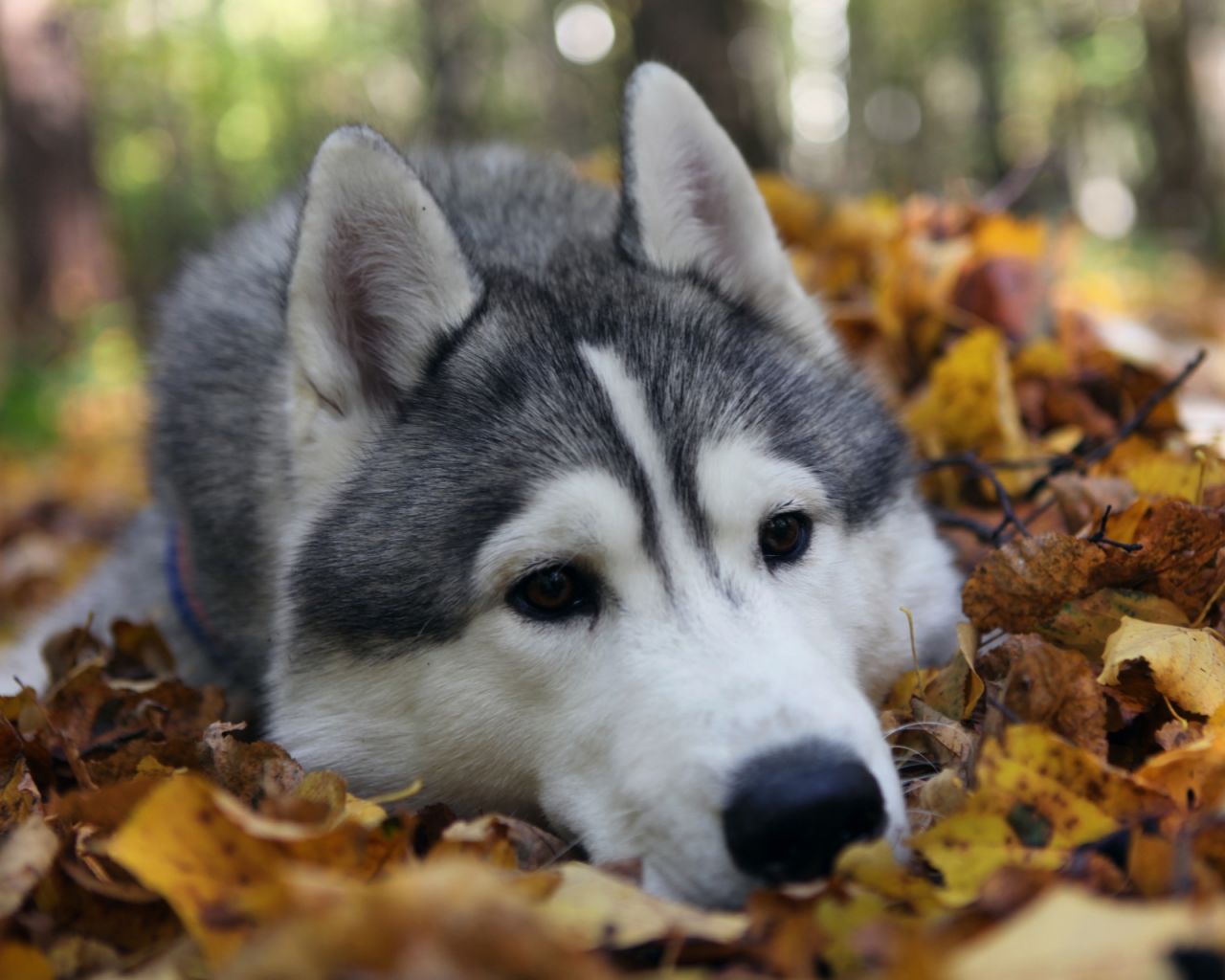
Try wearing a fur jacket, brushed pants, and wool socks during sweltering heat. It's unlikely to be comfortable. Many furry animals, including dogs, spend their summers this way. Therefore, every owner should have a clear understanding of how to help their dog in the heat. If your pet is breathing heavily, becoming lethargic, refusing to eat, but drinking frequently, this could be a sign of serious overheating. Immediate action is needed.
Breeds at risk
Some dog breeds tolerate heat without any problems. These are four-legged dogs with virtually no undercoat. These include Yorkies, poodles, and Irish Water Spaniels. Another advantage of these breeds is that they are hypoallergenic, meaning they don't trigger allergies, which are common in summer for owners and household members.
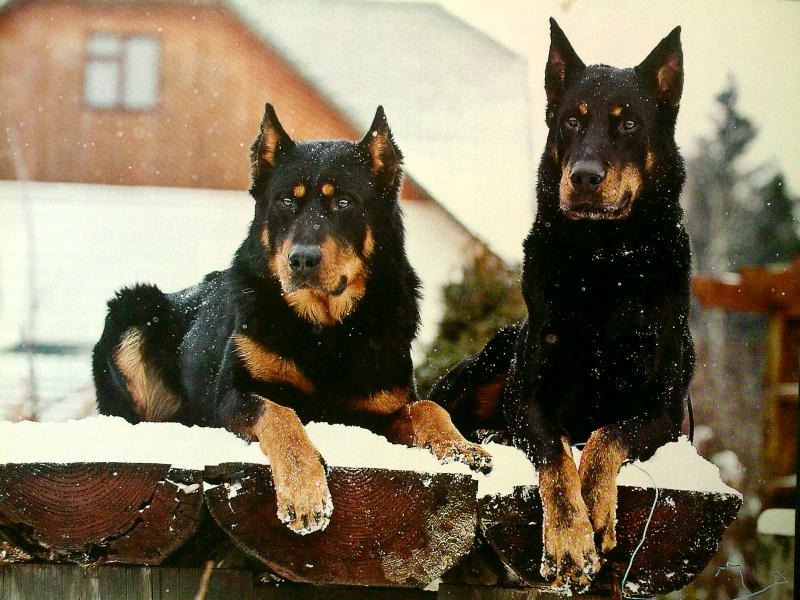
Dogs with short black hair, such as Great Danes, Rottweilers, and Dobermans, as well as dogs with short skulls, such as pugs and bulldogs, do not tolerate seasonal temperature increases well, as their skulls heat up more quickly.
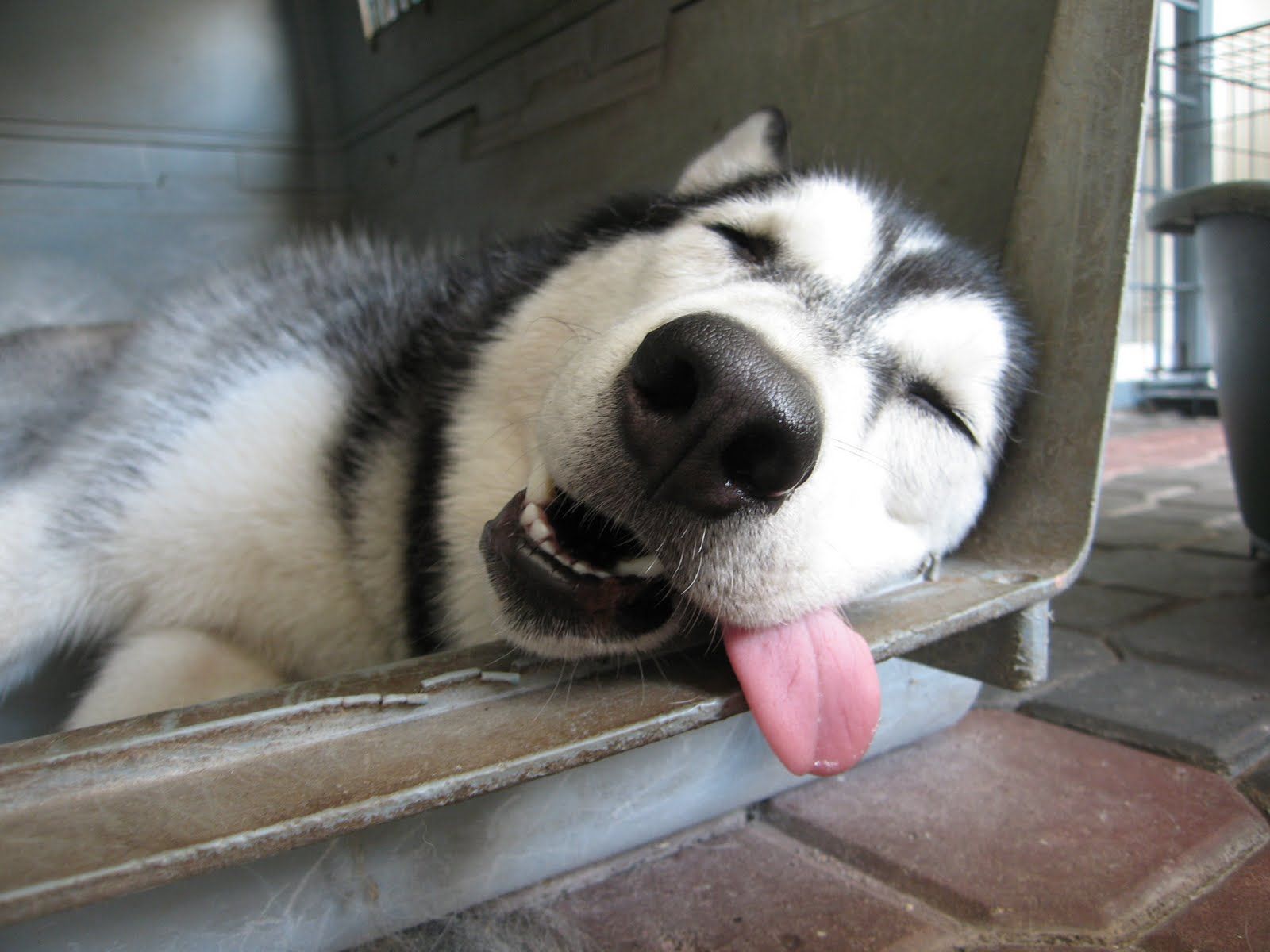
Huskies can stay in the heat for no more than an hour.
But the worst dogs to suffer in the heat are Caucasian and Central Asian shepherds, Laikas and Huskies. These breeds are either genetically unaccustomed to heat, having historically lived in cold conditions, or they have thick fur, more like a fur coat. Such "clothing" wouldn't last long in the scorching sun.
Consequences of animal overheating
An experienced dog trainer will immediately notice the symptoms of severe overheating:
- the pet is salivating profusely and breathing heavily;
- the heartbeat increases significantly;
- body temperature rises;
- eyes become noticeably red;
- the tongue takes on a bluish tint;
- the dog is restless, often changes its body position, looks for a cool, secluded place;
- The loss of appetite becomes so pronounced that it can lead to bouts of vomiting.
Symptoms of heat stroke
If you ignore these signs and your dog continues to be exposed to the scorching sun or, worse, in a hot, closed car, your pet could suffer heatstroke.
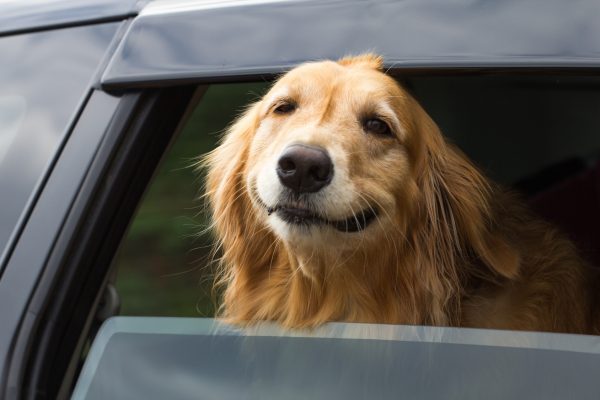
A pet left in a closed car in the sun can fall into a coma within half an hour.
This condition develops in stages and has several stages:
- A slight increase in temperature up to 39°C - its low values do not mean that the condition is easy, the dog breathes frequently, lies on its stomach, stretching out its hind legs to more noticeably touch the floor.
- An increase in the indicator to 39.5°C already causes increased heart rate.
- When the animal's temperature rises to 40°C, blood vessels begin to deteriorate and the intestinal microflora dies.
- At higher temperatures, the kidneys begin to fail and blood clots form in the blood vessels.
- At a temperature of 43°C, the dog falls into a coma, after which death usually occurs.
It is a mistake to think that this process takes a long time.
If the dog is not given timely assistance and its body is not cooled, the animal may die within 3 hours, or even earlier.
How to help a dog in an apartment
If your furry friend lives in your apartment, make sure there's a cool, accessible spot for them to relax. Ideally, keep the bathroom door open at all times. Your four-legged friend can enjoy cooling off on the tiles there. Just don't take a hot shower beforehand.
Speaking of showering, just like showering for humans, it's also very beneficial for your dog in hot weather. Just don't use shampoo, as the chemicals in it can increase the harmful effects of high temperatures.
Cooling the body
There are special cooling mats for pets available today. If you have the opportunity, buy one.
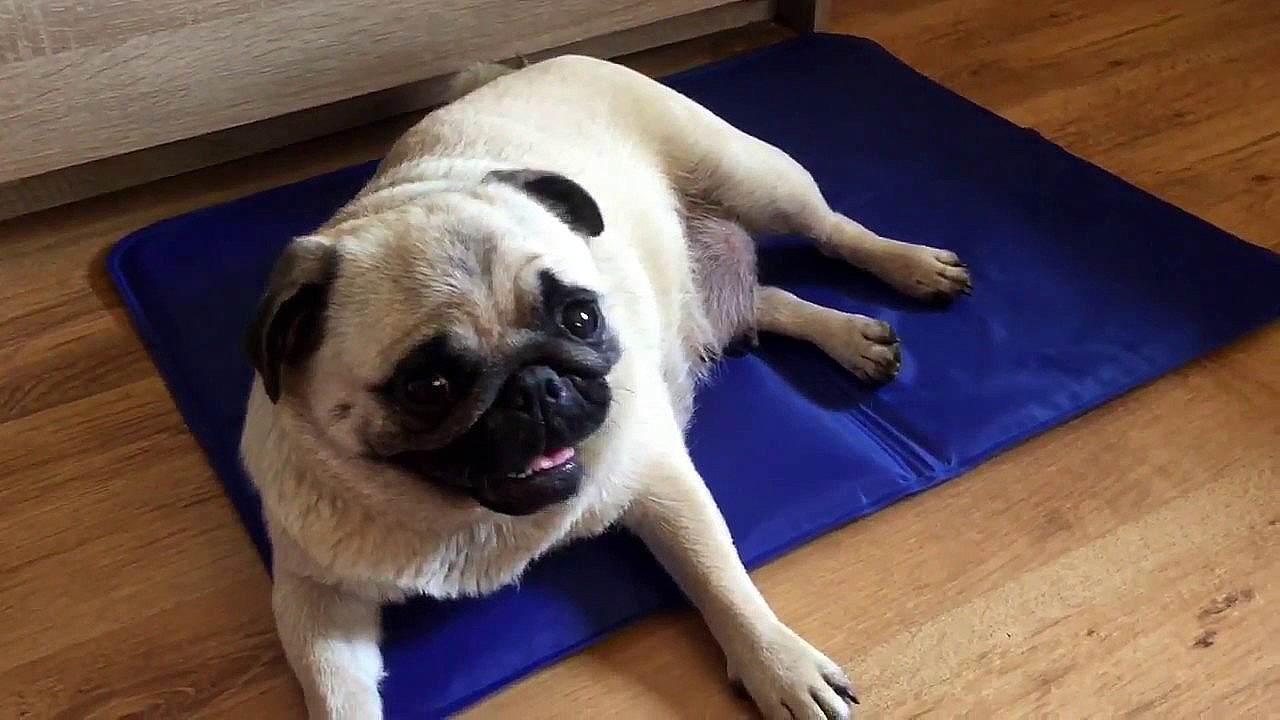
Some products are filled with a special cooling gel, which is also effective.
These mats contain special fillings, which are the secret to their cooling properties. Simply dip the mat in cold water, hold it there for a while, and it will fill with water. The mat will then serve as a pleasant, cool cushion for quite some time. Some models maintain a low temperature for up to three days.
You can't put these mats in the freezer, it will only ruin them.
But a dog, even with a habit of chewing on anything, is unlikely to cope with such a rug; it is quite strong.
Feeding
Your pet may refuse to eat, and that's okay. A little fasting won't hurt in this case. Some breeds, such as German Shepherds, generally prefer evening feedings in the summer heat, so there's no need to discourage them.
Some dog handlers put their pets on a unique fermented milk diet in extreme heat, where kefir is the main ingredient.
In summer, it's generally best not to overload your pet's gastrointestinal tract with heavy foods. They already have enough stress.
But cold (but not icy) water should always be available to the animal. Let him drink as much as he wants.
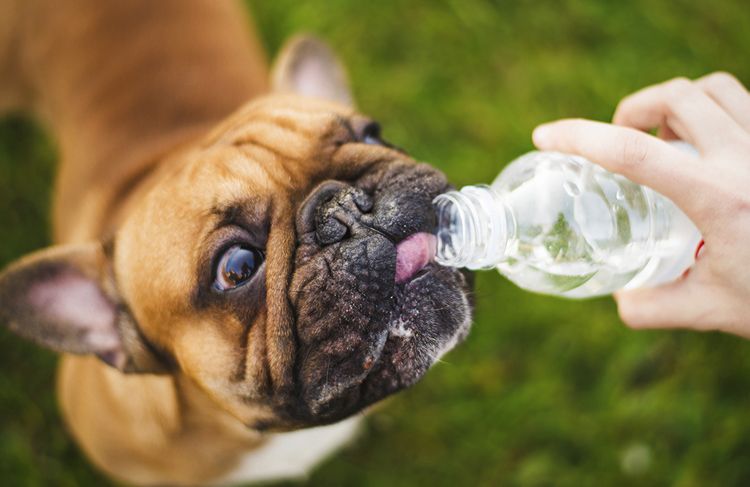
If the animal does not have constant access to a water bowl, severe dehydration may develop.
Walks
On hot days, try to walk your dog early in the morning and late in the evening, when it's cooler. Keep walks short to avoid tiring your four-legged friend.
Cooling collars are now available that work similarly to the mats described above. Just be sure they're non-allergenic.
When the outside temperature is high, you should not walk your dog with a muzzle on, as this makes it difficult to breathe with the tongue hanging out, and a dog's tongue is an excellent thermoregulator.
Opinions vary regarding bathing in natural bodies of water. Some dog trainers believe that frequent exposure to rivers damages the dog's coat and causes eczema. But most believe such procedures are harmless and will cool the animal's body in a timely manner.
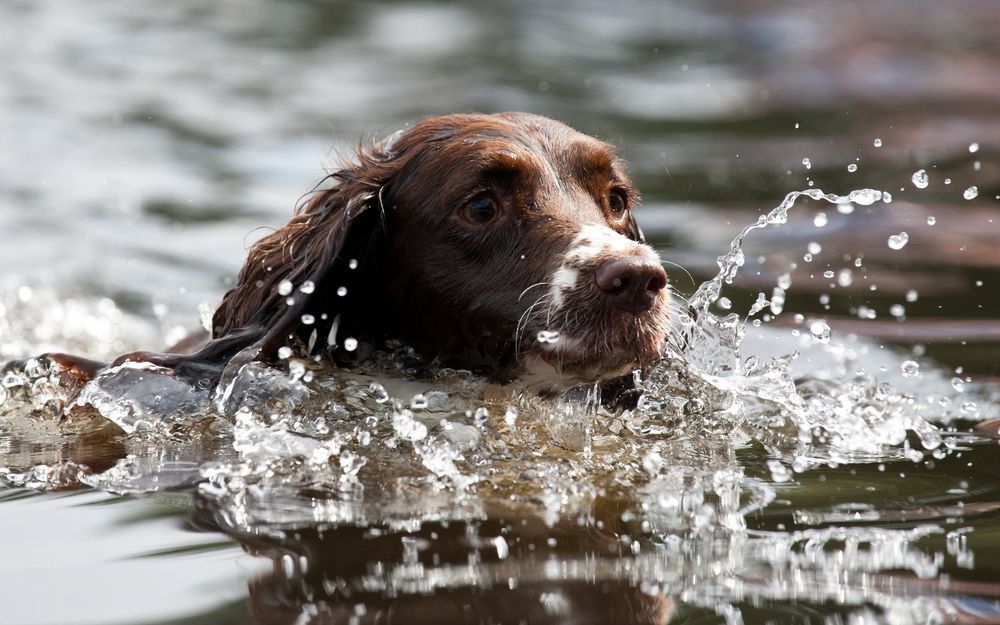
Dogs themselves, as a rule, love to swim in rivers.
For small puppies that require more frequent walks due to physiological needs, it is best to provide a special pad somewhere on the balcony during the summer months.
Grooming
In summer, the coat needs to be brushed more often, as shedding begins at high temperatures.
But it is not recommended to cut the dog's hair. In hot weather, the wool coat maintains a kind of air cushion next to the body, protecting the skin from excessive heating.
In addition, unprotected skin can be susceptible to sunburn.
If the dog lives on the street
In this case, your four-legged friend should have a cool place somewhere. Not in a kennel, but under a canopy or under a leafy tree. It should be easily accessible.
If your dog starts digging a hole somewhere in the yard, don't get angry. It's instinctive. The animal knows the soil is colder deeper down.
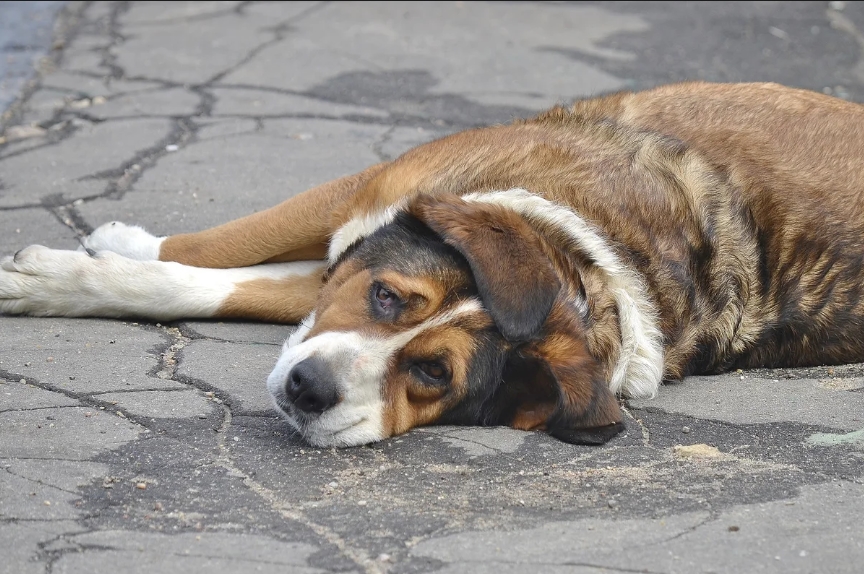
Since a dog living outside, especially in a cage, is already in the fresh air, long walks should be excluded for the time being.
The dog should always have access to water or even a pool in the yard, even if it is small.
A good pet owner always notices even the slightest discomfort in their pet. But you should always be even more vigilant in the heat. If you notice signs of heatstroke in your pet, monitor them closely for a few days after providing the necessary treatment. And if you suspect any deterioration in their condition, contact your veterinarian.